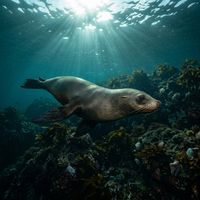
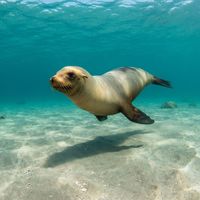
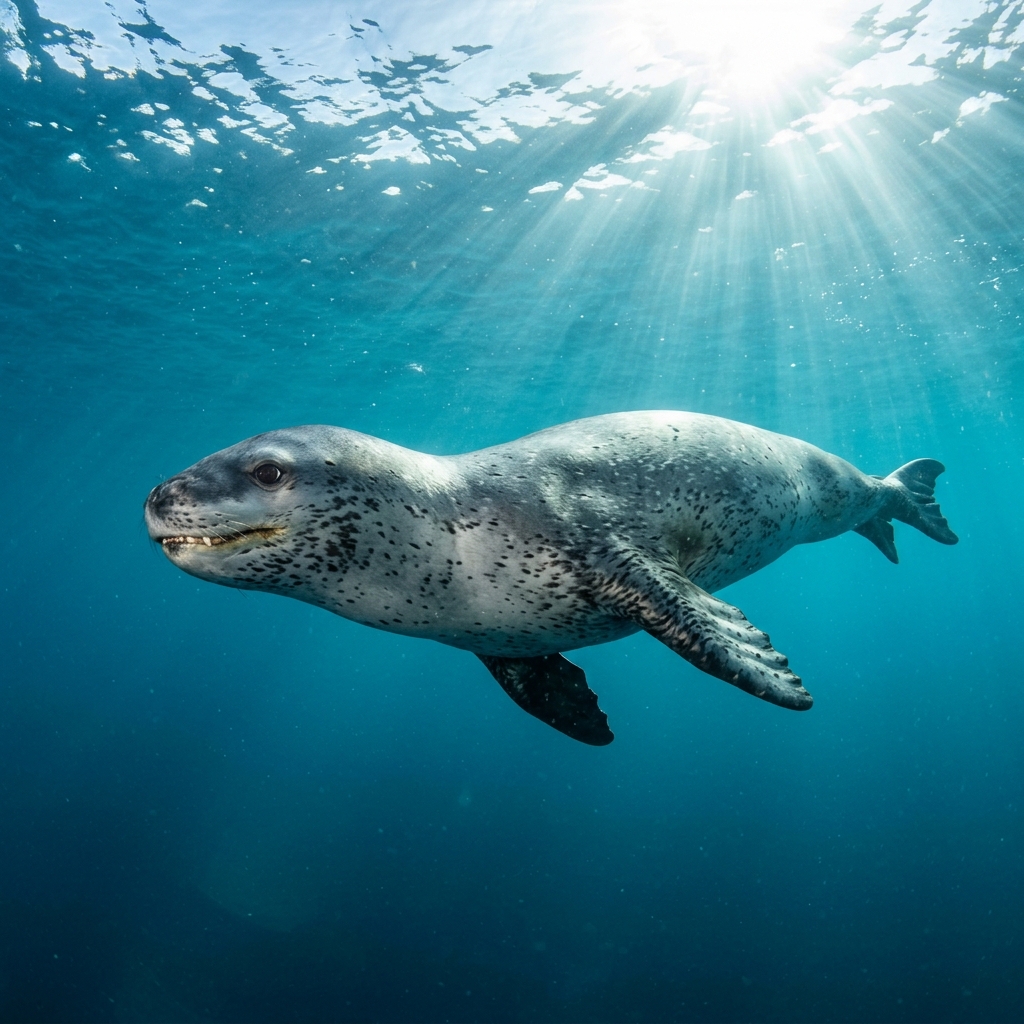
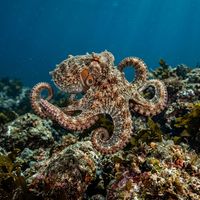
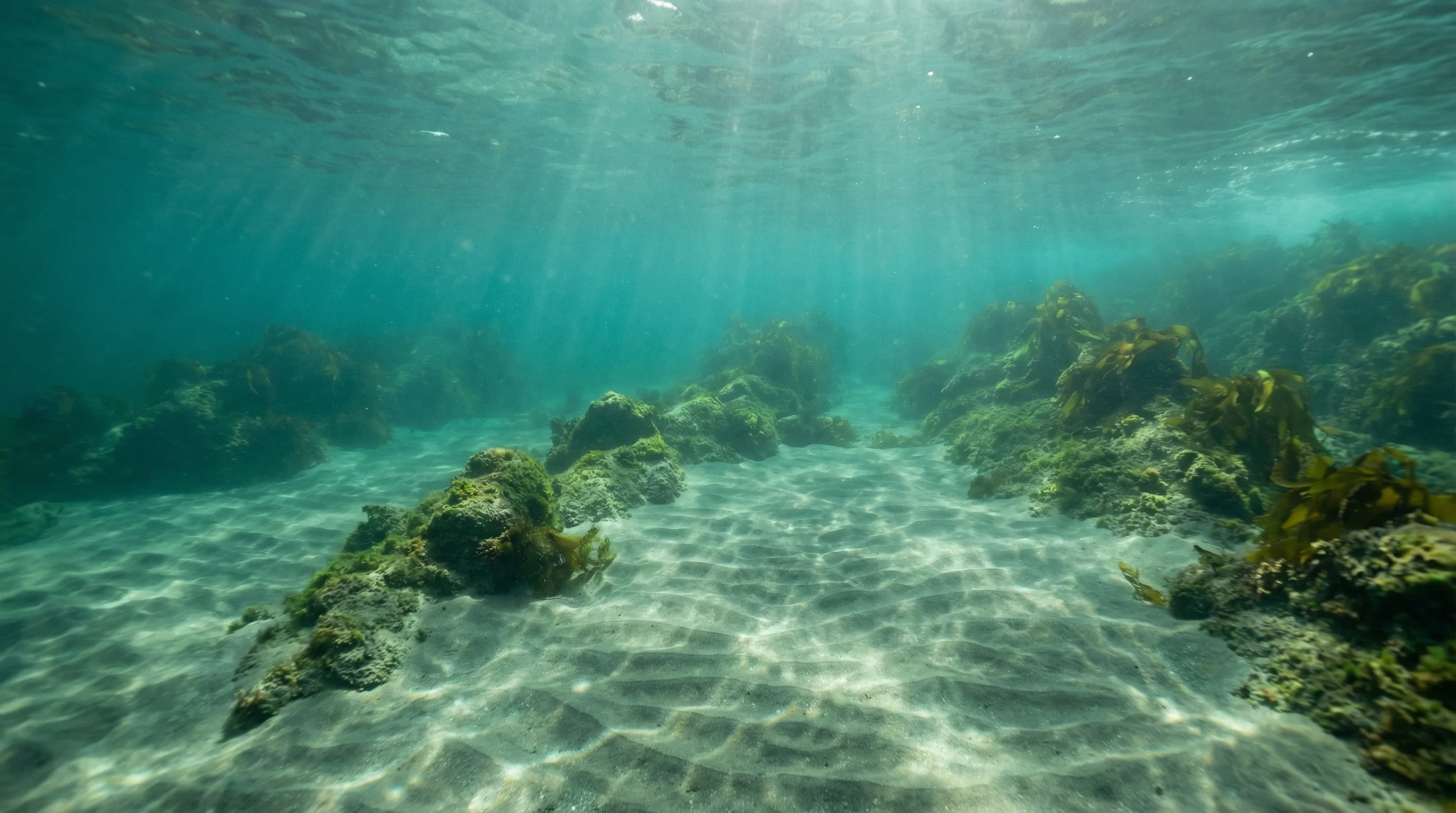
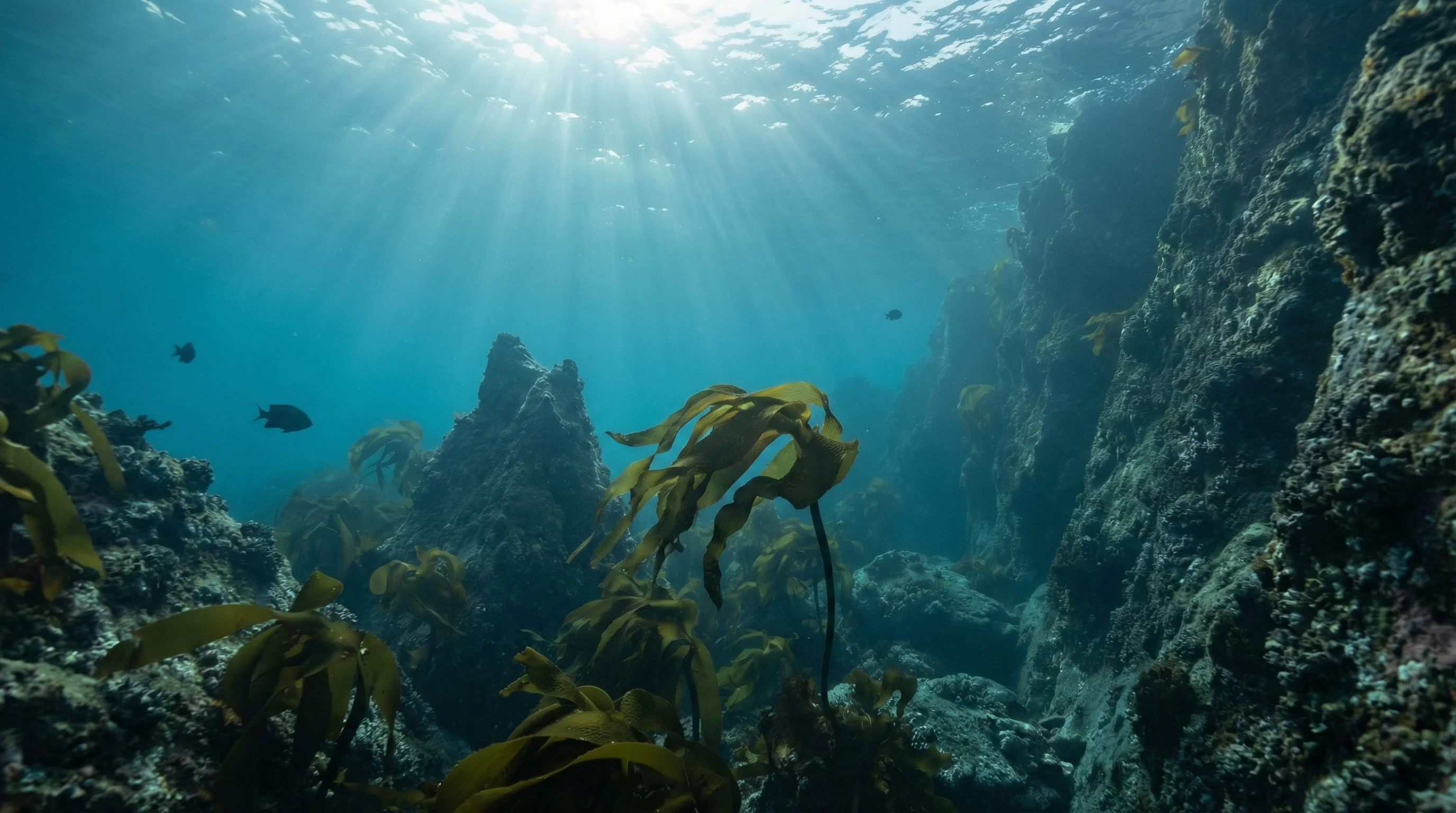
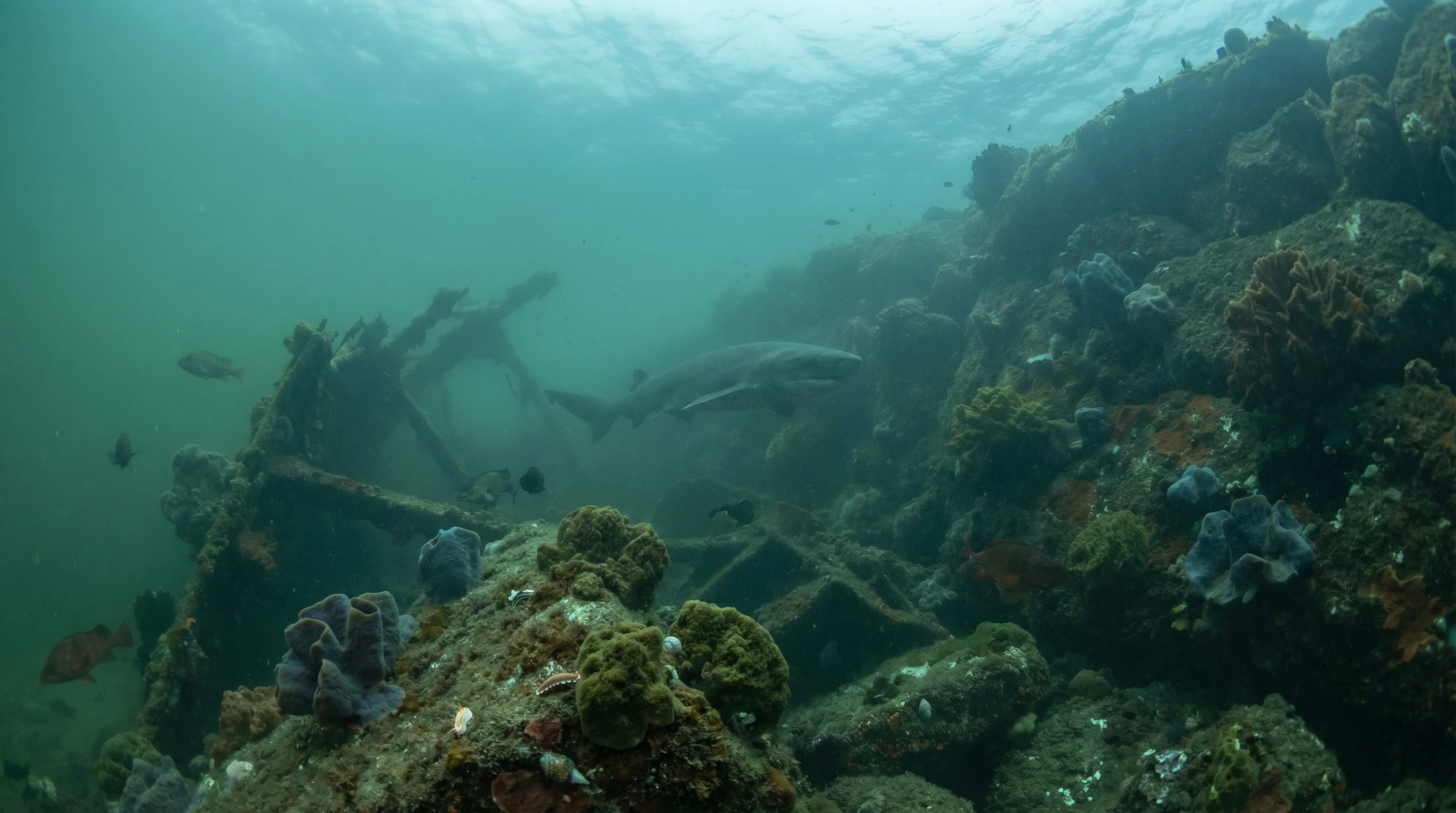
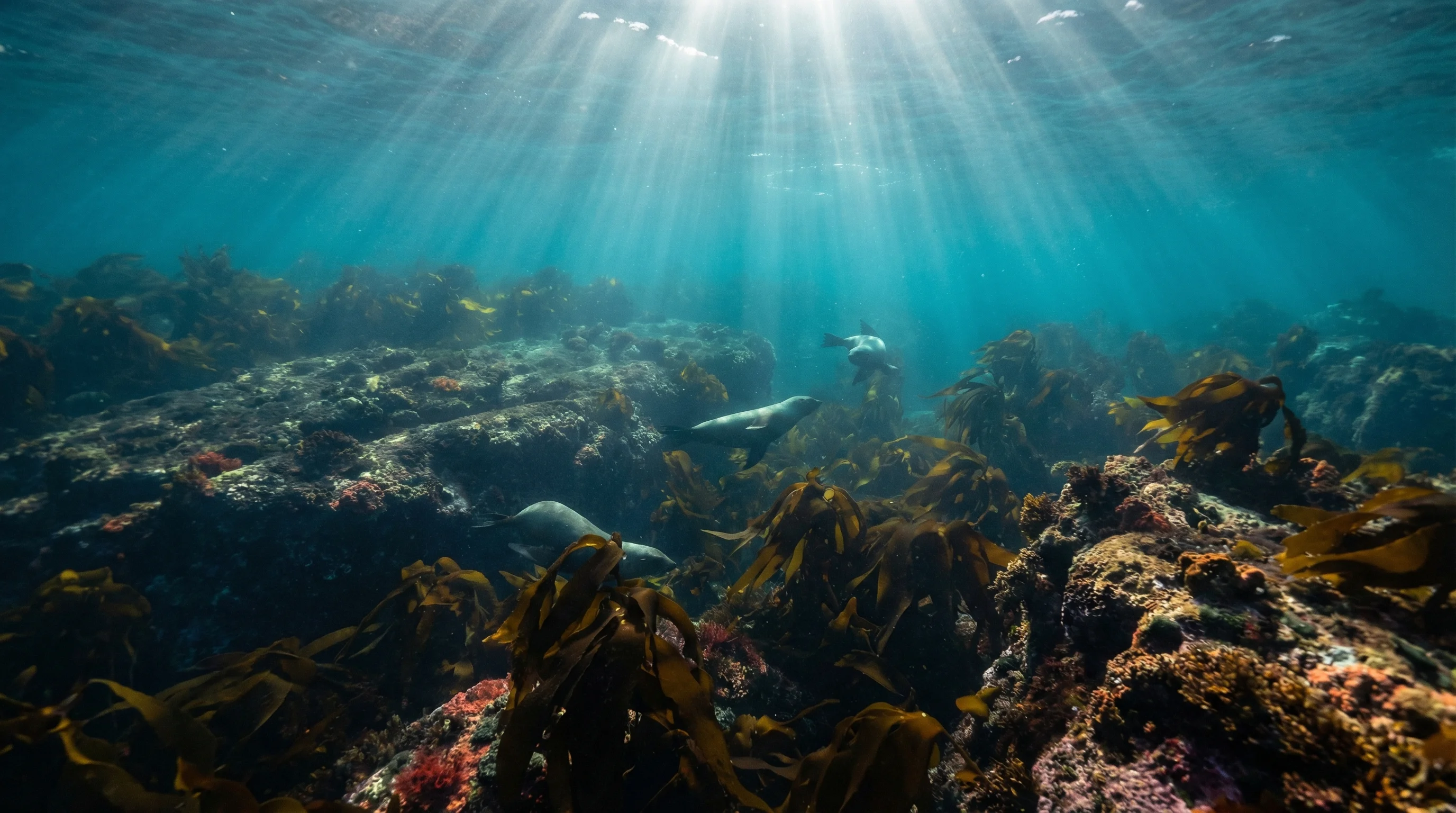
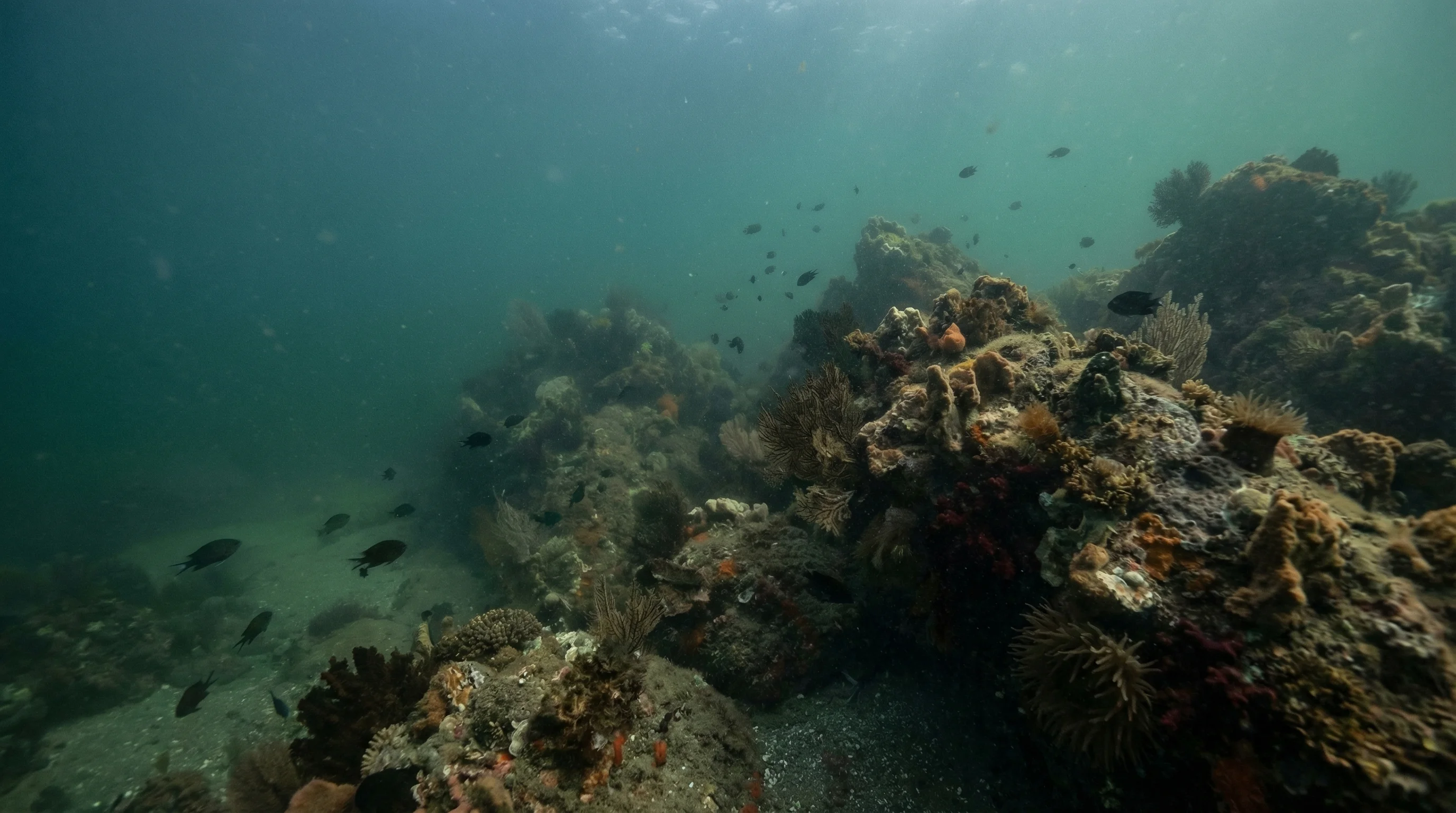
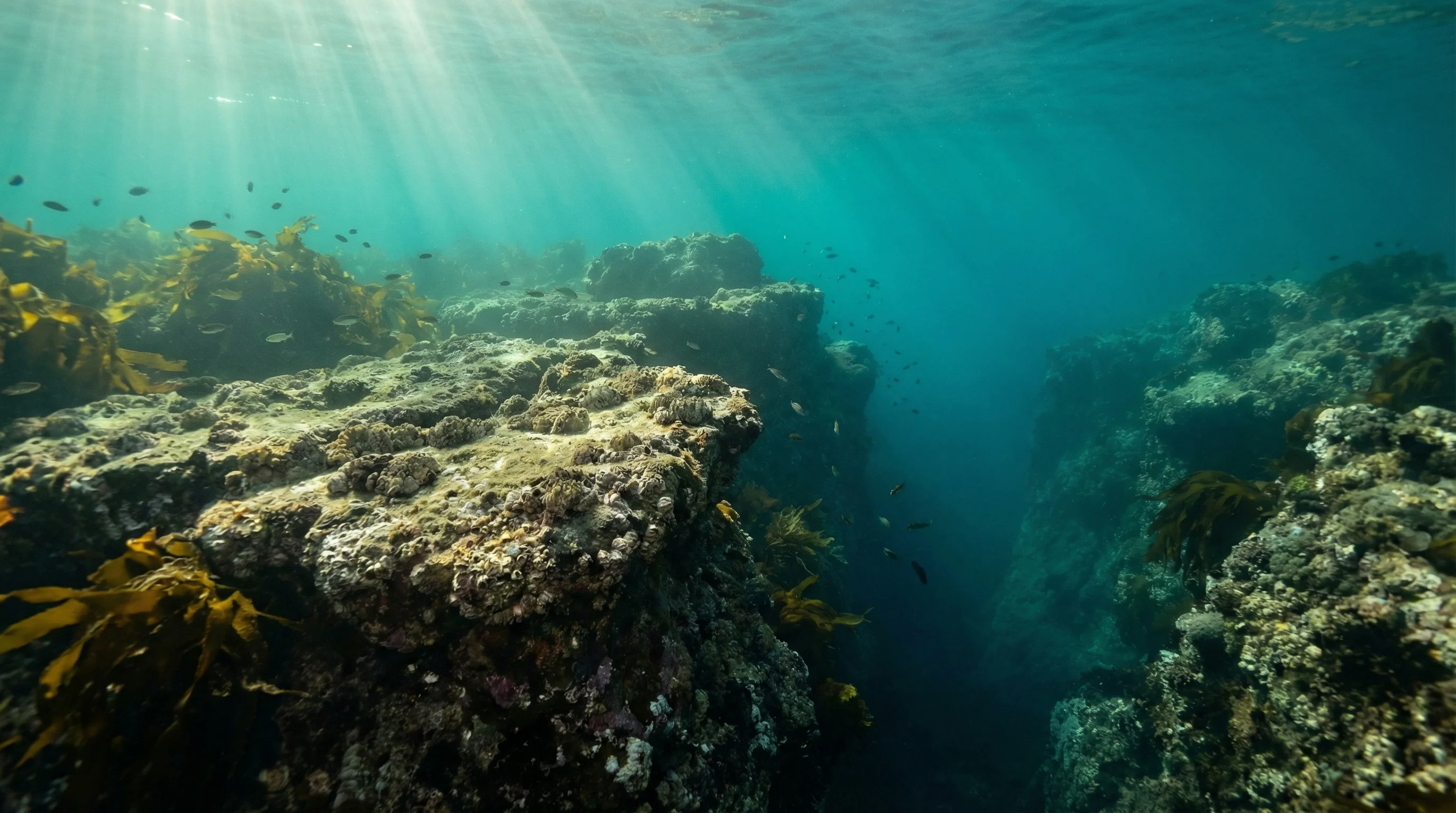
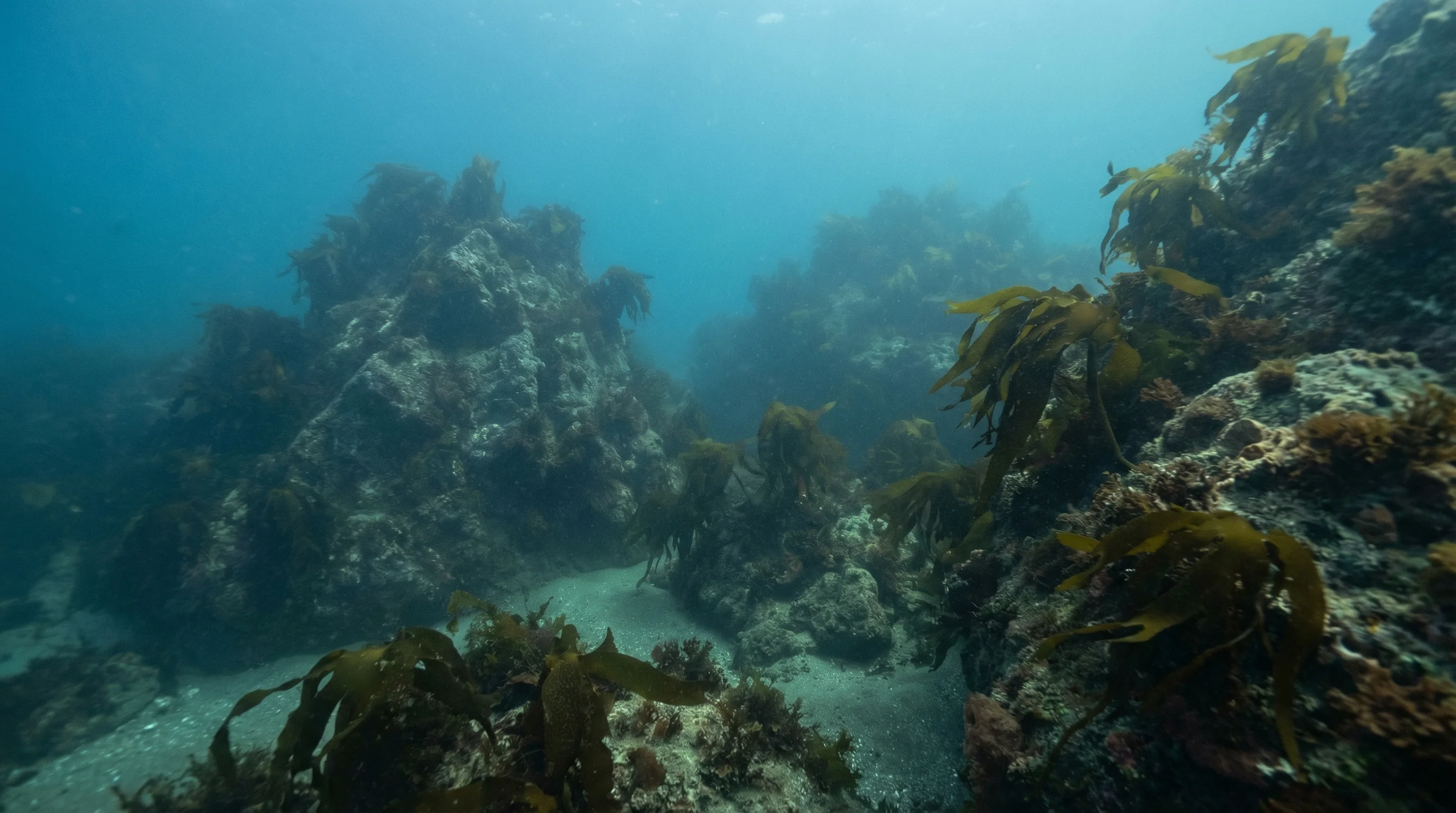
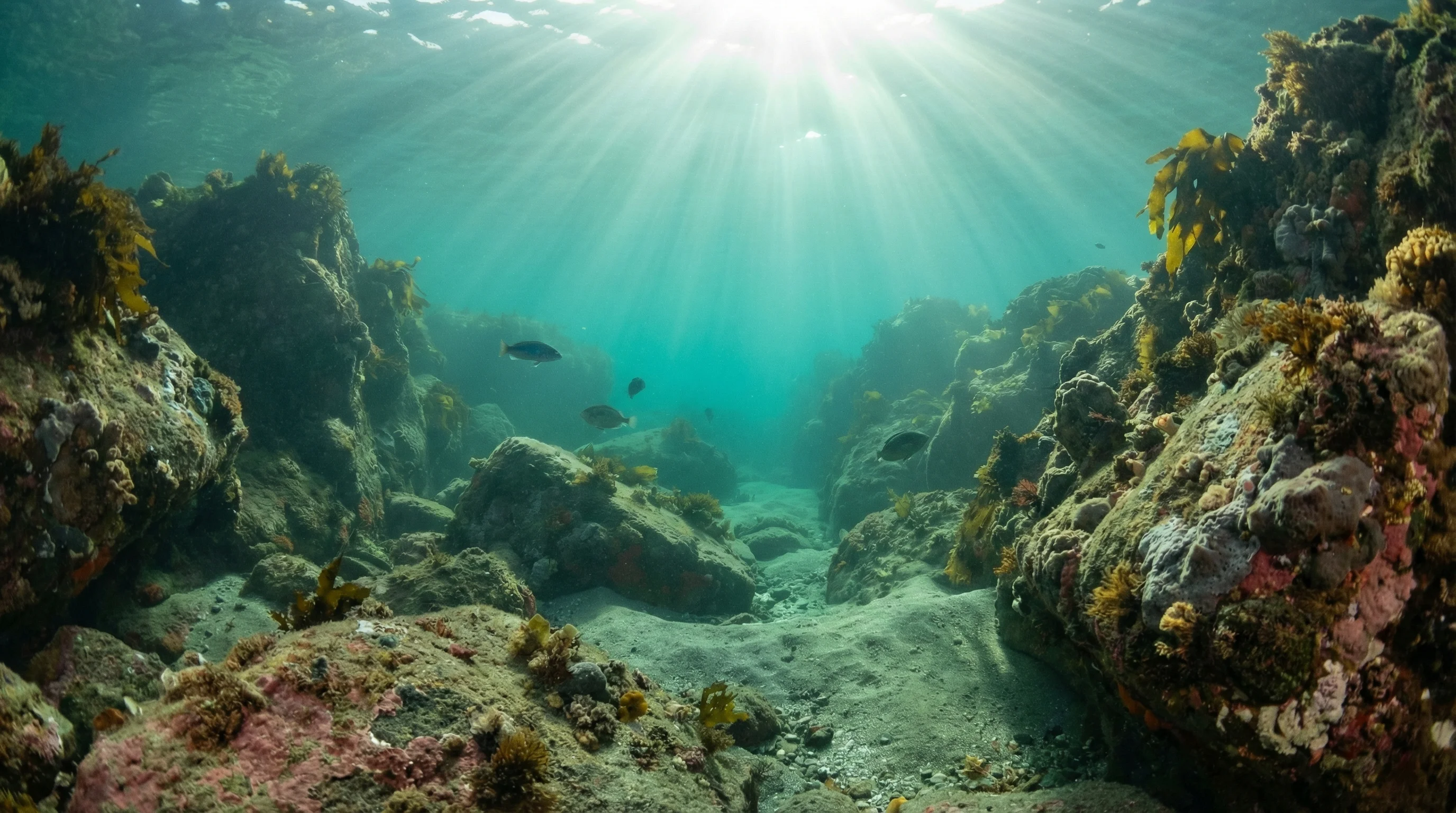
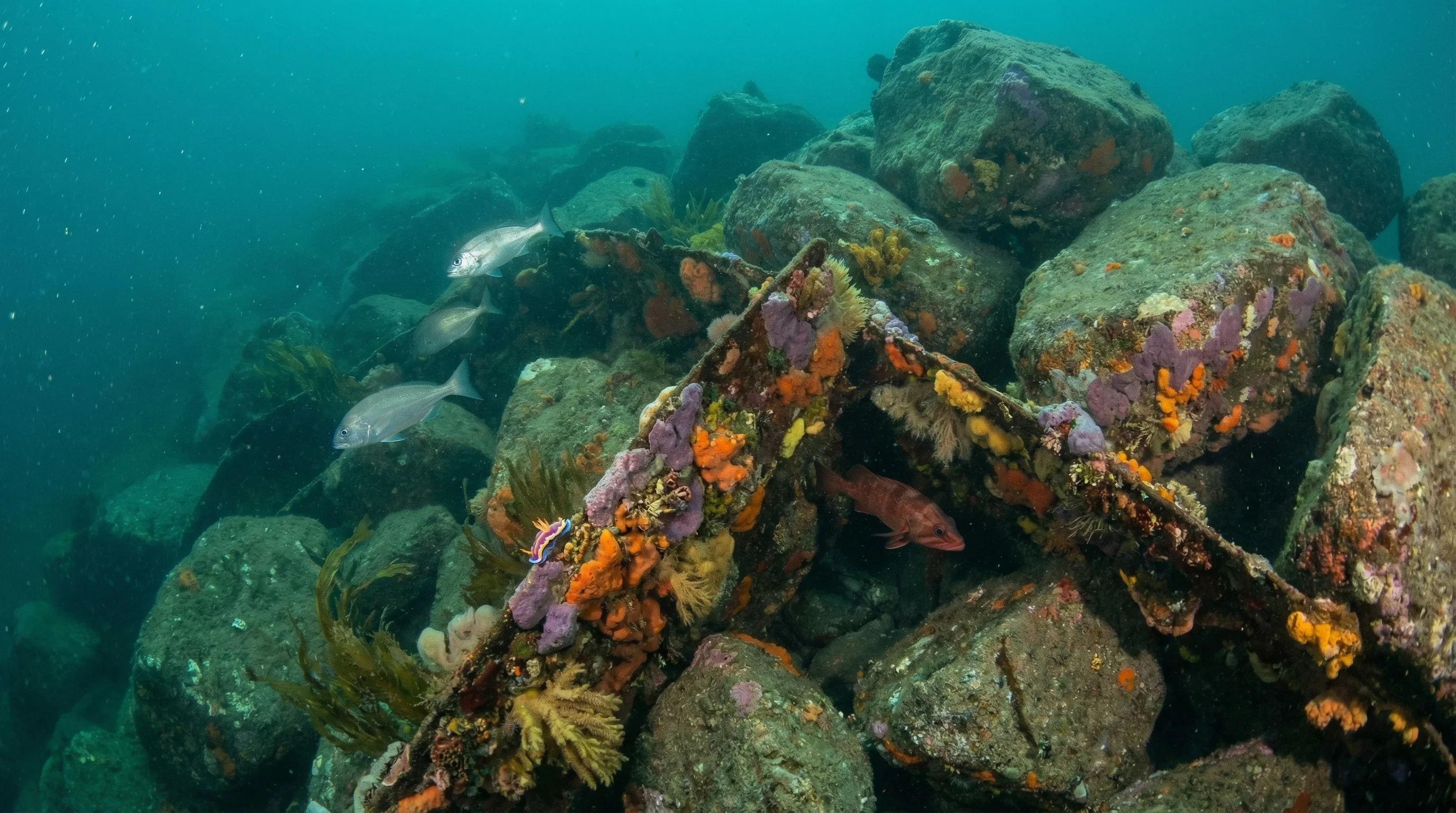
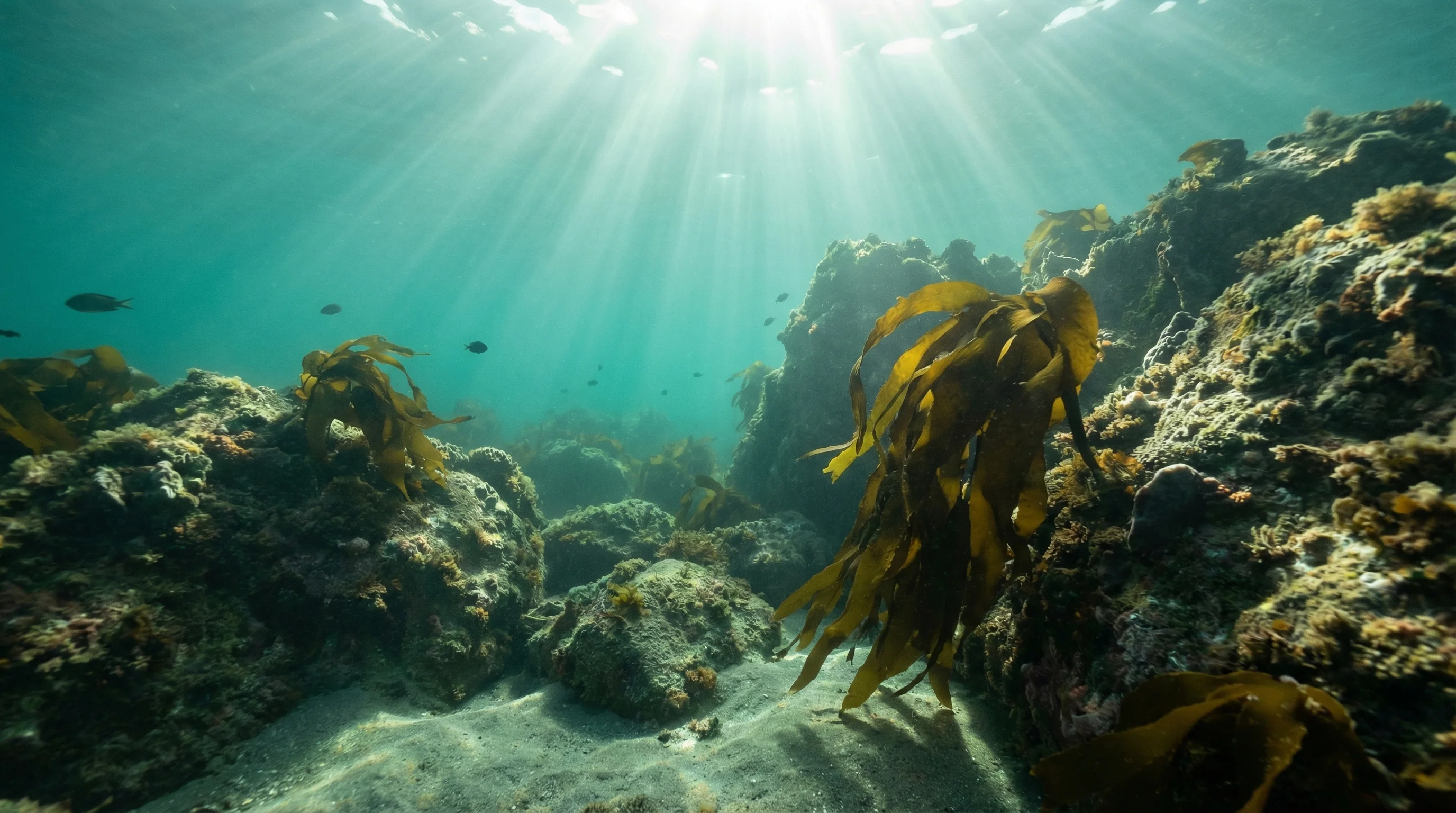
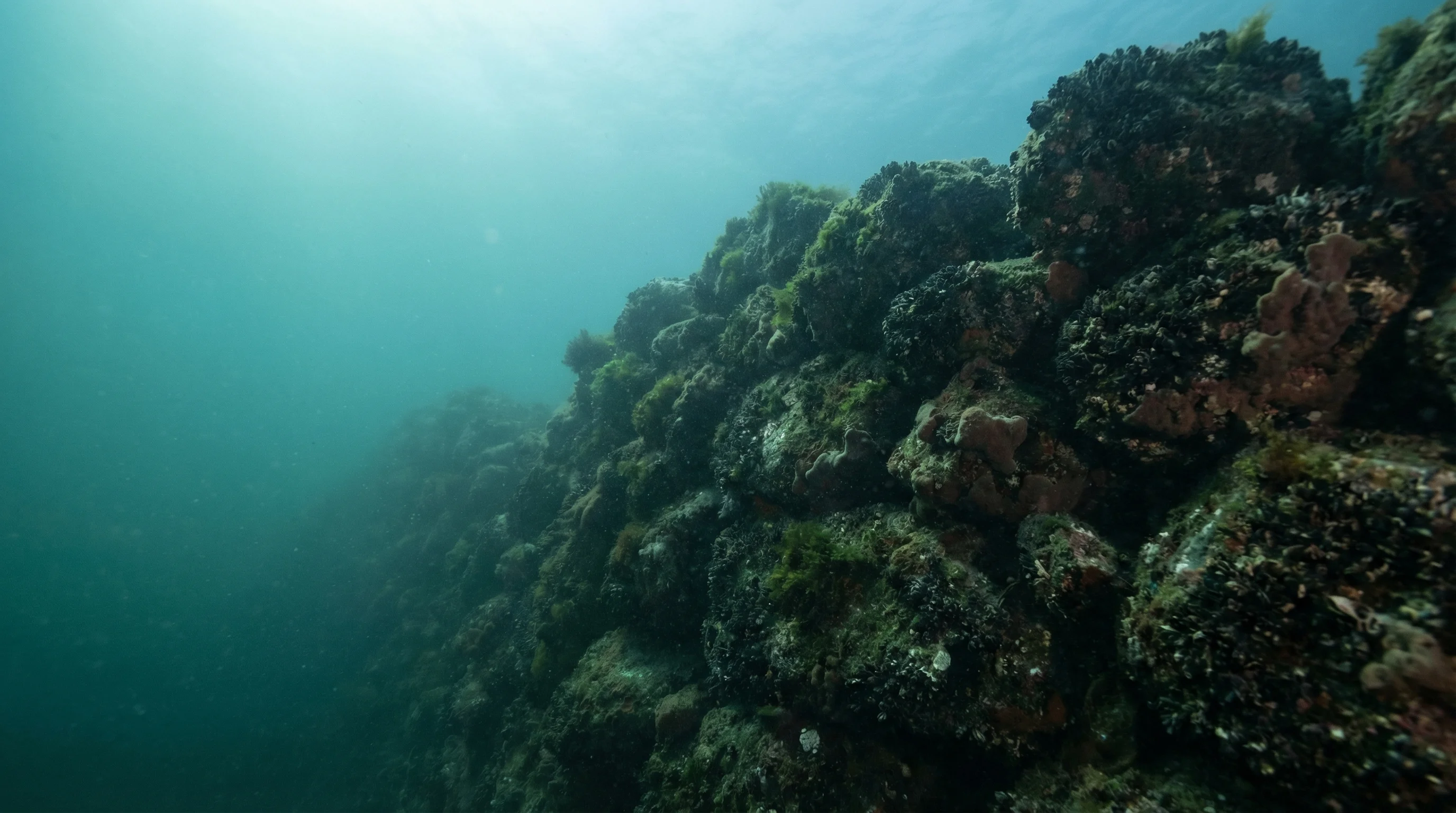
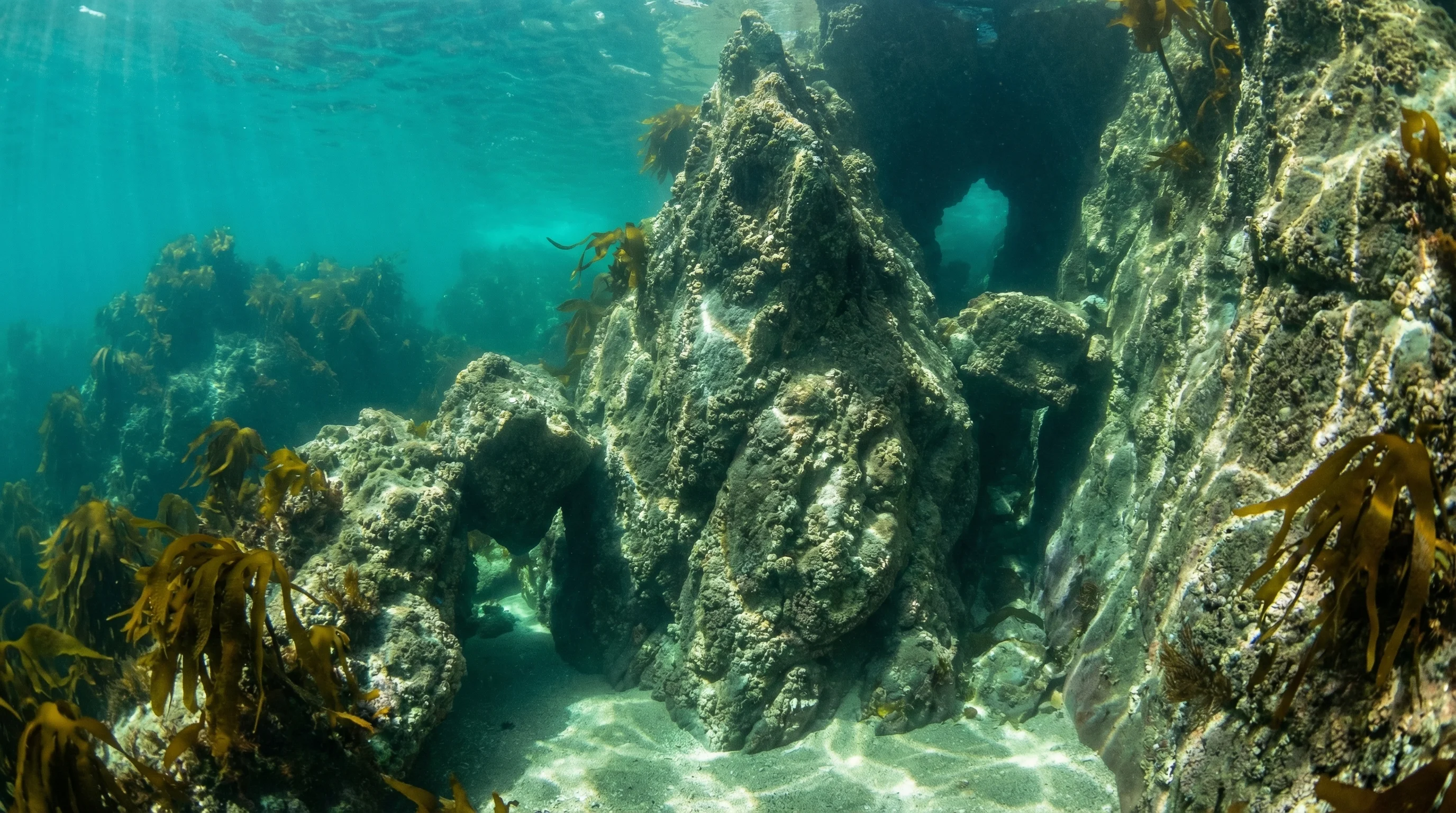
Otago diving is shaped by cold, temperate water and a marine life list dominated by pinnipeds and cephalopods. The Long-nosed Fur Seal appears at the great majority of sites, while the Leopard Seal and Northern Elephant Seal make occasional appearances that few diving regions can match. Artificial structures such as Aramoana Mole sit alongside natural reef, offering wall and wreck diving accessible to beginners. Visibility varies considerably, and water temperatures drop to their coldest in late winter.
Monthly water temperature across Otago's sites, from satellite sea-surface data corrected for depth. The band shows the site-to-site spread.
Water temperatures follow a clear seasonal curve, warmest over the summer months of December through March and coldest through mid-winter. December earns the strongest weighting in the best-months data, suggesting settled late-summer conditions suit most divers. Visibility can be variable, so divers planning their trip around calmer, clearer water will generally favour the warmer half of the year.
3 operators
New Zealand
New Zealand
9 more sites to explore
Water temperature around Otago ranges from about 10°C in August to 15°C in January, based on satellite sea-temperature data for its dive sites.
In the warm season (about 15°C) a 7mm or semi-dry suit is comfortable in Otago; in the coldest months (about 10°C) step up to a drysuit.
Fin maps 10 sites in Otago (10 scuba diving sites and 2 snorkelling spots, with some suited to both).
Across Otago's dive sites, January, February, March, May and December are most often reported as the best months to visit.
Otago stands out for its pinnipeds. The Long-nosed Fur Seal is seen at the vast majority of sites, and both the Leopard Seal and Northern Elephant Seal have been observed across a notable portion of the region. The New Zealand Octopus is another signature species, recorded as common across many sites.
Aramoana Mole, one of the region's best-documented sites, is rated beginner level and offers both shore and boat entry. Its mix of wall, wreck and artificial reef makes it a forgiving environment for less experienced divers. That said, cold water and variable visibility mean proper thermal protection and buoyancy control remain important regardless of skill level.
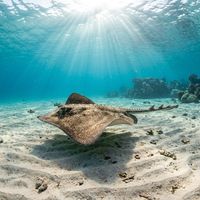
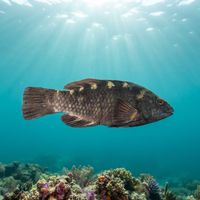
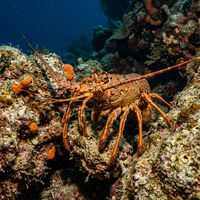
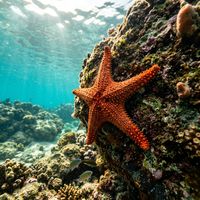
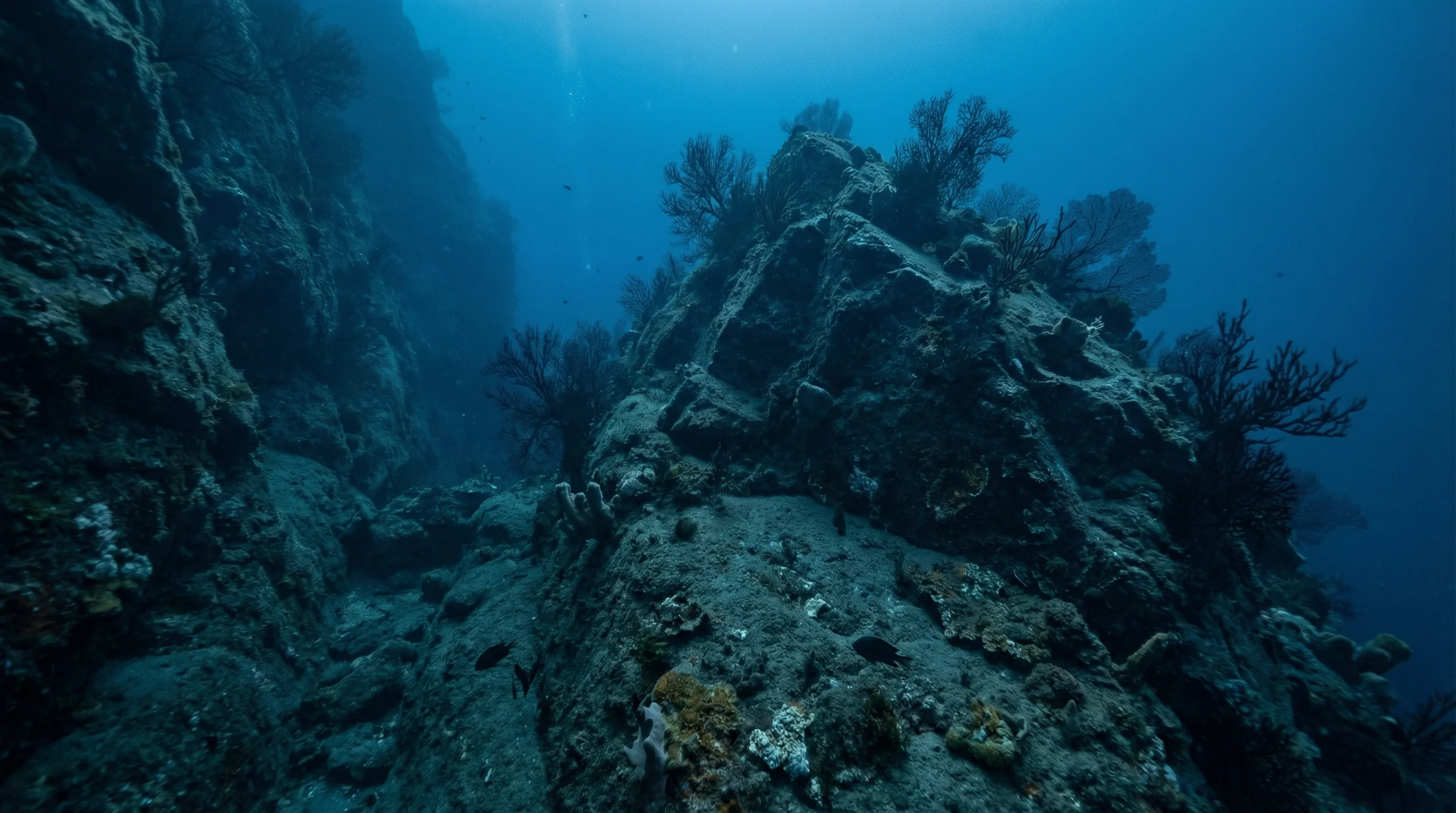
The region includes wall dives, wrecks and artificial reef structures, with Aramoana Mole being a notable example of all three combined. Natural reef habitat supports species such as Catshark, Crayfish, Blue Cod, Skate and Sea Star. The combination of built and natural environments gives the region a varied site character.
Three operators are listed for the region: Dive HQ Christchurch, NZDiver Dive Shop and Deep Blue Diving. Contacting them directly is the best way to confirm current site access, charter availability and equipment hire. Cold-water exposure suits are standard here, so check hire stock if you are travelling without your own gear.