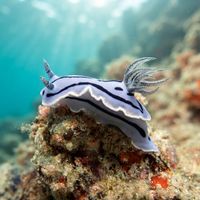
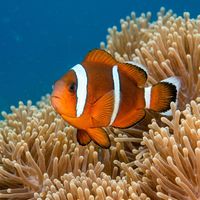
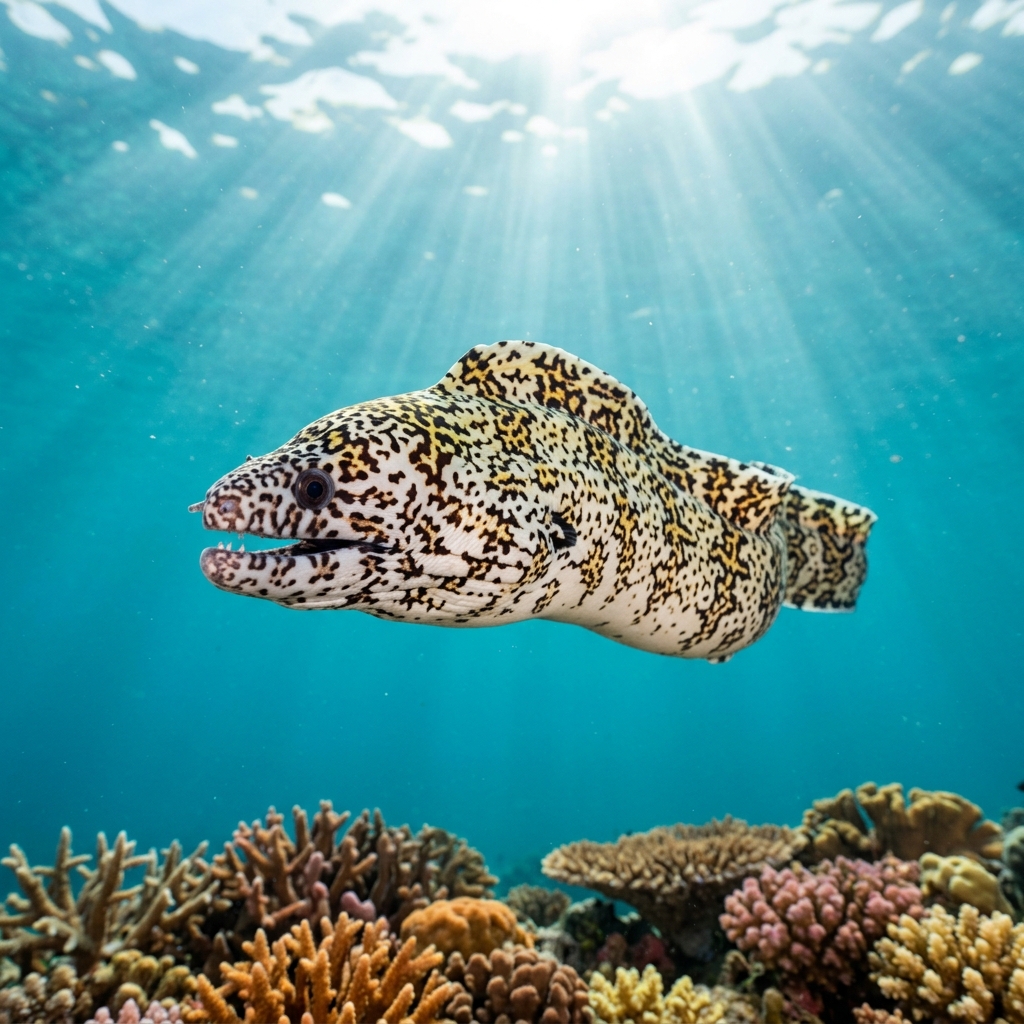
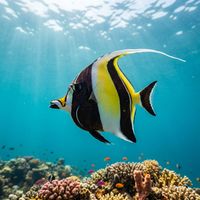
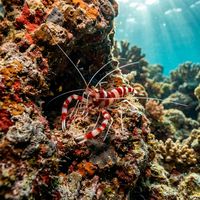
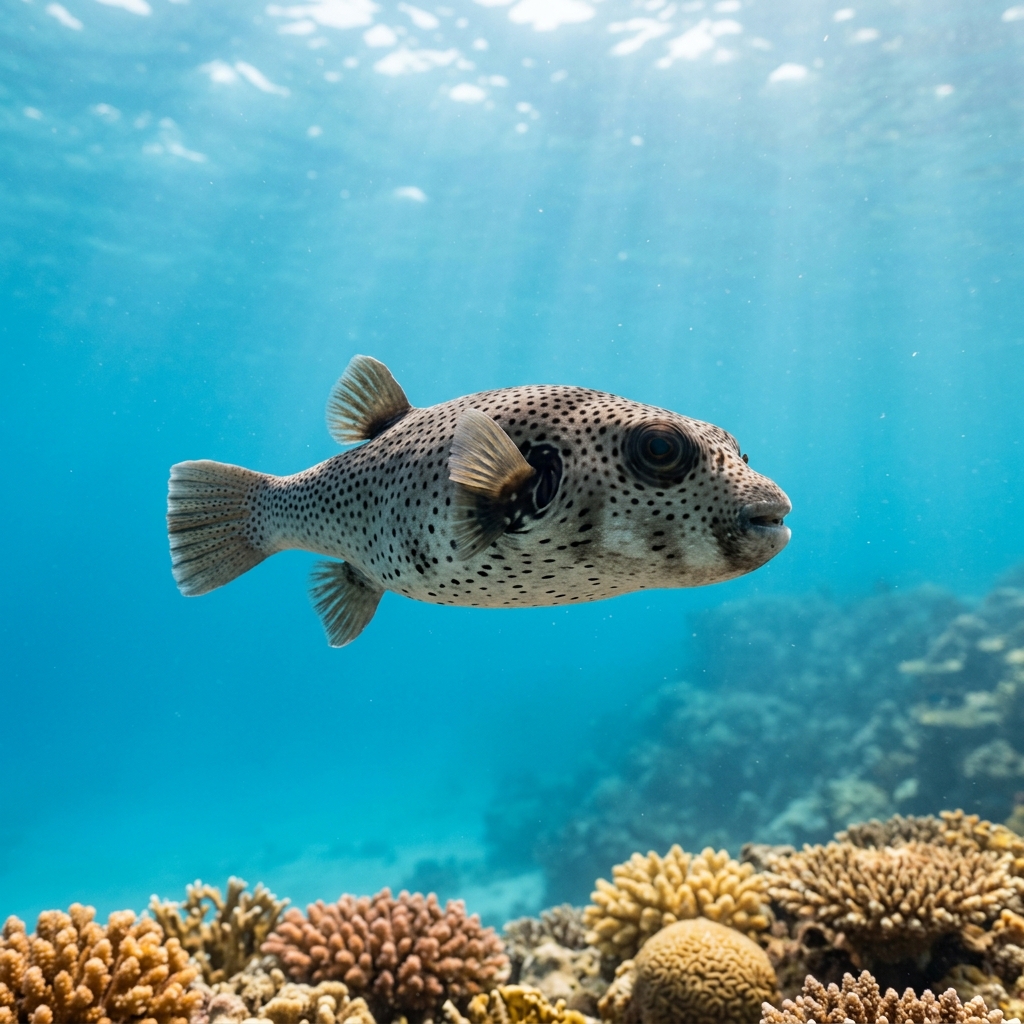
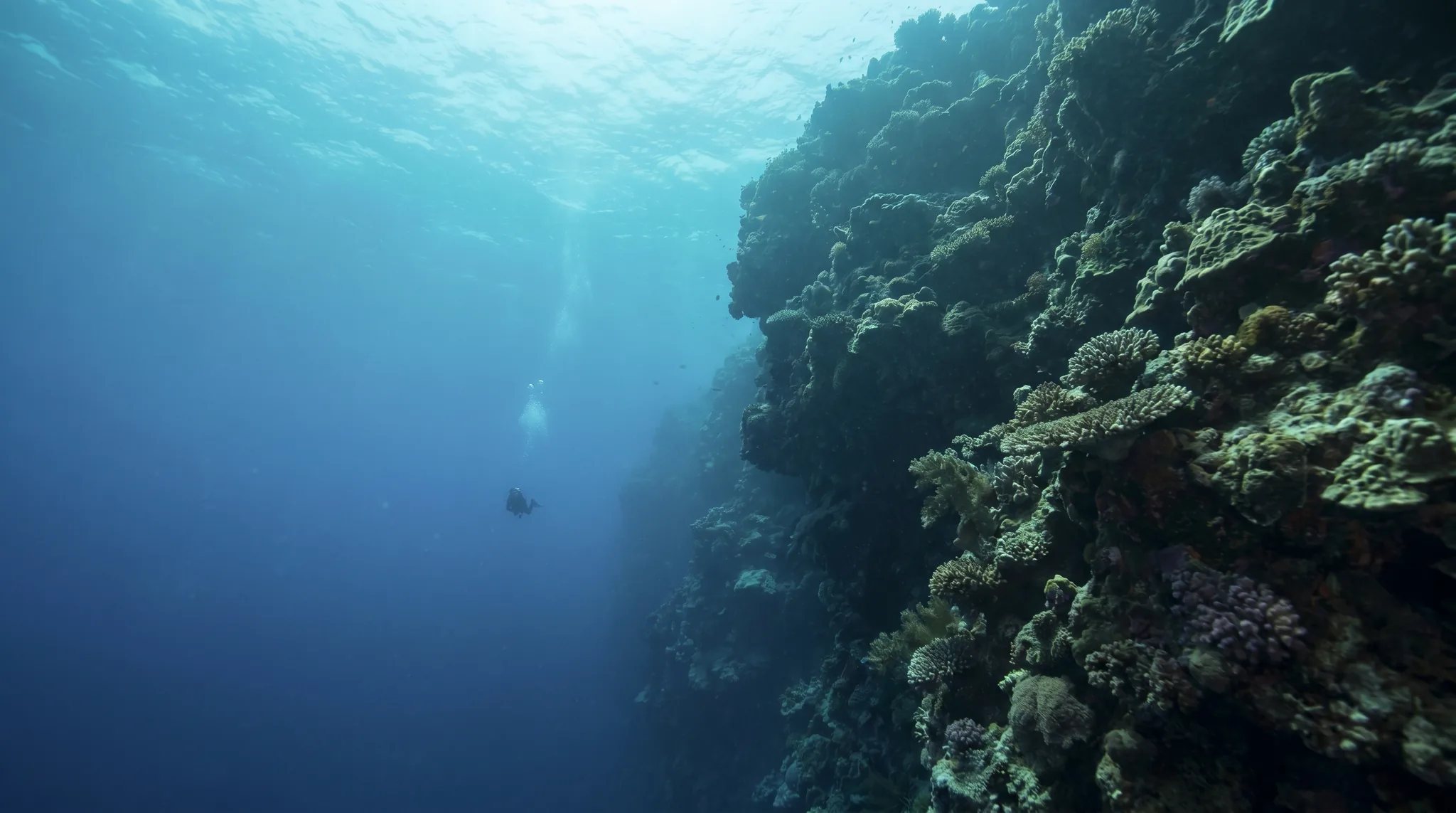
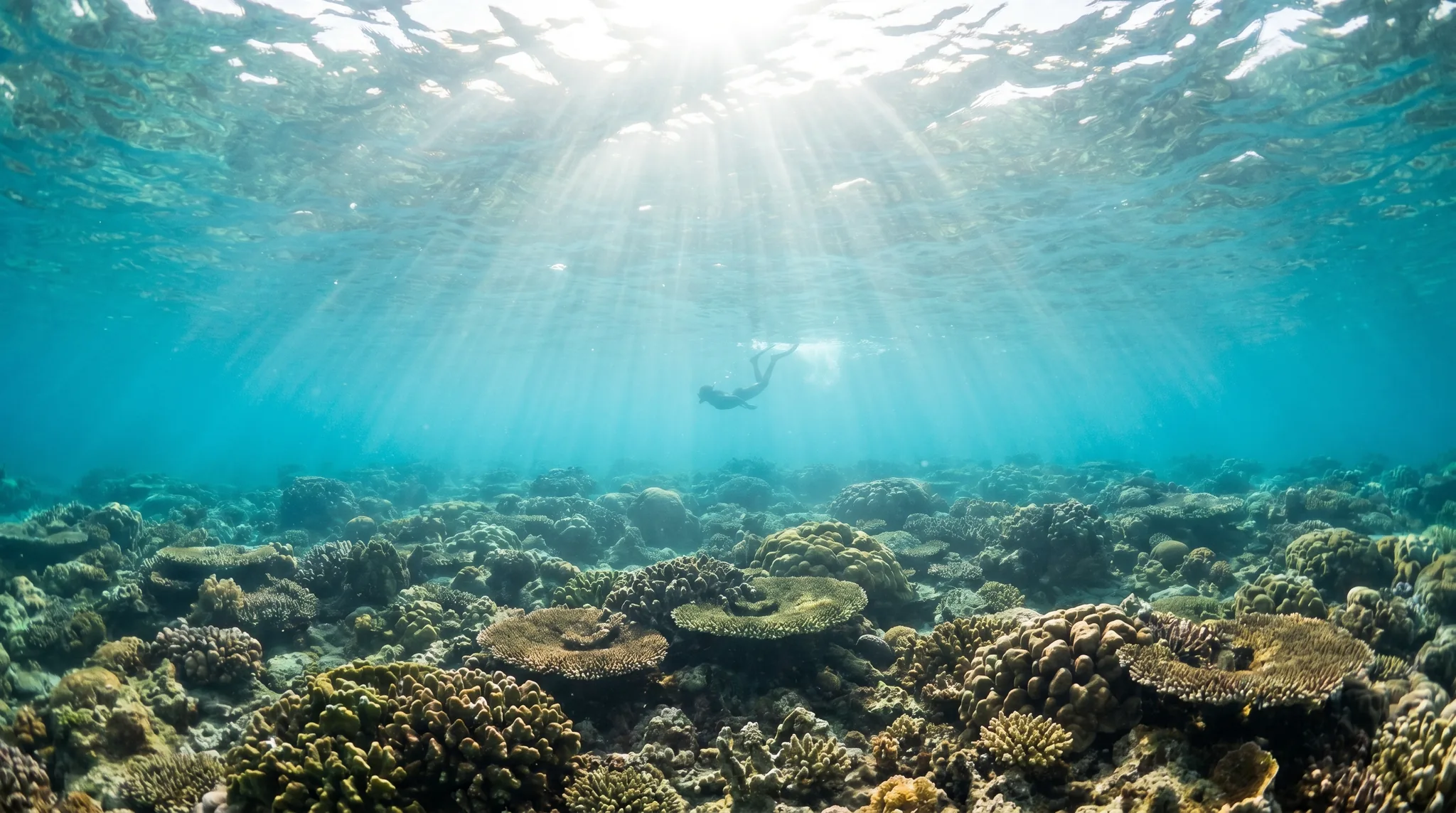
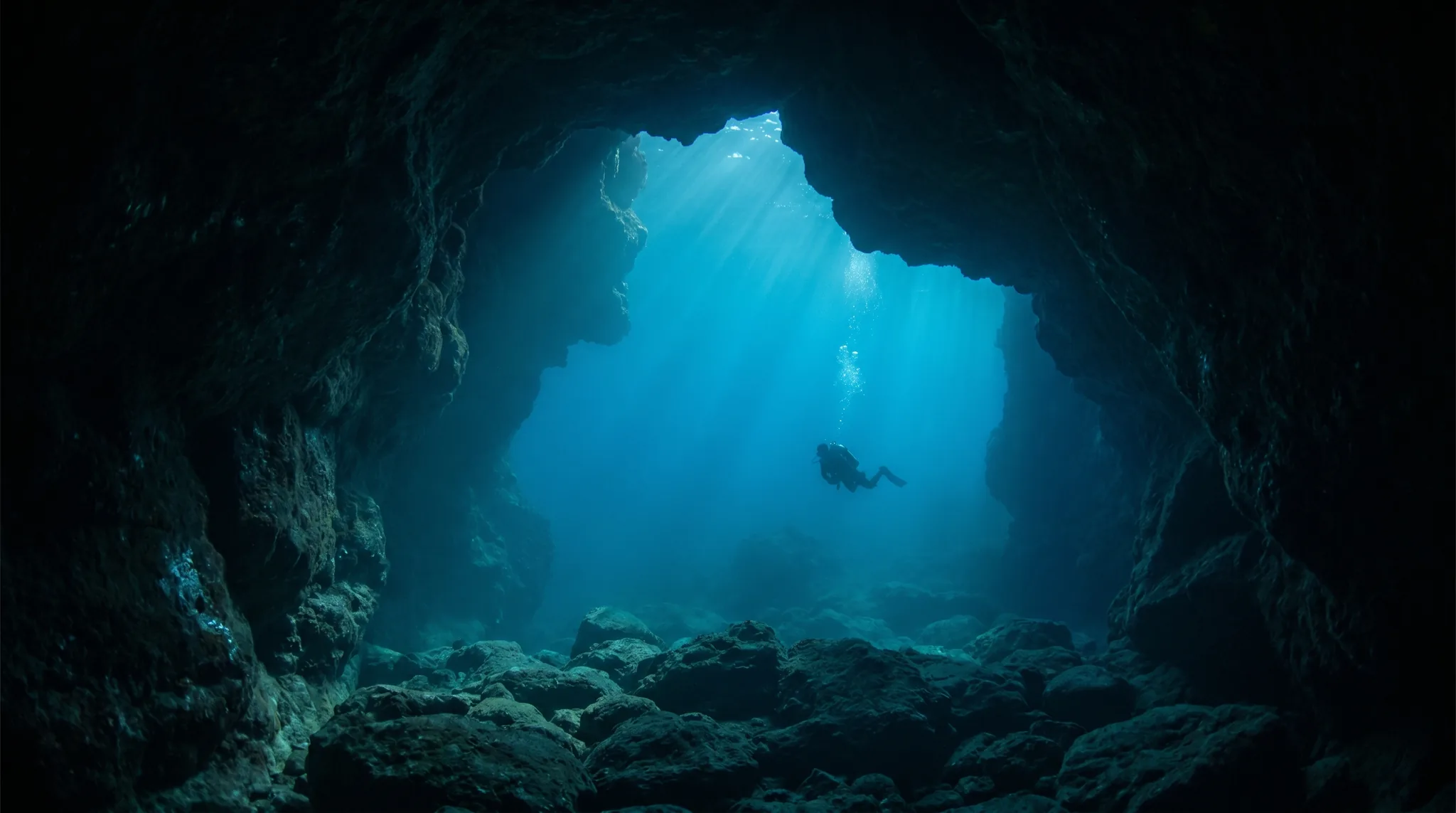
Okinawa's diving character is shaped by a strong mix of reef, wall, cave and cavern topography spread across five sub-areas. Sunabe and Chatan and Cape Manzamo and Onna together account for the bulk of sites, while Cape Maeda and Motobu and Sesoko offer more concentrated experiences. The signature marine life leans heavily toward nudibranchs, lionfish and cephalopods, with Yellowtail Clownfish and Moorish Idol appearing across almost every site. Conditions range from calm beginner-friendly reefs to drift dives demanding advanced experience.
5 areas
Monthly water temperature across Okinawa's sites, from satellite sea-surface data corrected for depth. The band shows the site-to-site spread.
Water stays warm through the summer months, peaking in August and September, making those months particularly comfortable for multiple dives per day. The cooler period runs from February through March, when temperatures dip to their annual low, though conditions remain diveable year-round. Operator and diver preference data shows a clear peak from April through November, when visibility and conditions align most favourably.
79 operators

Chatan, Japan
72 more sites to explore
Shore-entry reef diving with exceptional macro life, including morays, lionfish, and a remarkable variety of nudibranchs.
Water temperature around Okinawa ranges from about 22°C in February to 29°C in August, based on satellite sea-temperature data for its dive sites.
In the warm season (about 29°C) a rash guard or 3mm shorty is comfortable in Okinawa; in the coldest months (about 22°C) step up to a 3mm full suit.
Fin maps 84 sites in Okinawa (80 scuba diving sites and 25 snorkelling spots, with some suited to both), organised into 5 areas.
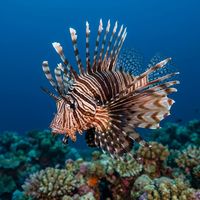
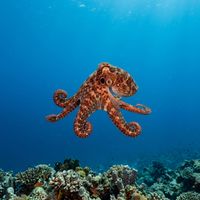
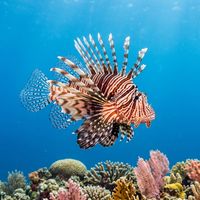
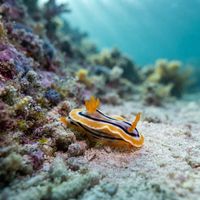
Okinawa's reefs are particularly strong for nudibranch enthusiasts, with the Chromodoris Nudibranch and Varicose Wart Slug observed very commonly across sites. Zebra Lionfish and Indian Lionfish are frequent encounters on reef and wall dives, alongside Day Octopus, Snowflake Moray and Yellowtail Clownfish. Larger cave and wall sites also produce sightings of Blackspotted Pufferfish and Pacific Trumpetfish.
A good portion of Okinawa's sites are rated for beginners, including reef dives such as Nakayukui, Cross Line and SEALs Tec Buoy, all of which feature mild currents and manageable depths. Shore entry options like Birdcage also make it easy to practise skills without needing a boat. Advanced sites such as Toilet Bowl and Cape Hedo Dome are available for experienced divers seeking drift and cave challenges.
Sunabe and Chatan is the largest sub-area by site count and offers a broad range of reef and shore-accessible dives. Cape Manzamo and Onna is strong on wall and cave topography, while Cape Maeda is more compact but well regarded. Motobu and Sesoko adds further variety to the north, and Kouri Island offers a smaller, quieter selection of sites.
The majority of Okinawa's sites are boat-access only, so most operators will take you out by vessel. However, shore entry is possible at a number of sites including Birdcage and Mermaid's Grotto, which is useful for independent snorkellers and those who prefer to self-guide in calm conditions. Operators such as All Blue Divers, Sunkissed Divers Okinawa and Aloha Divers are among those offering guided trips to boat-only sites.