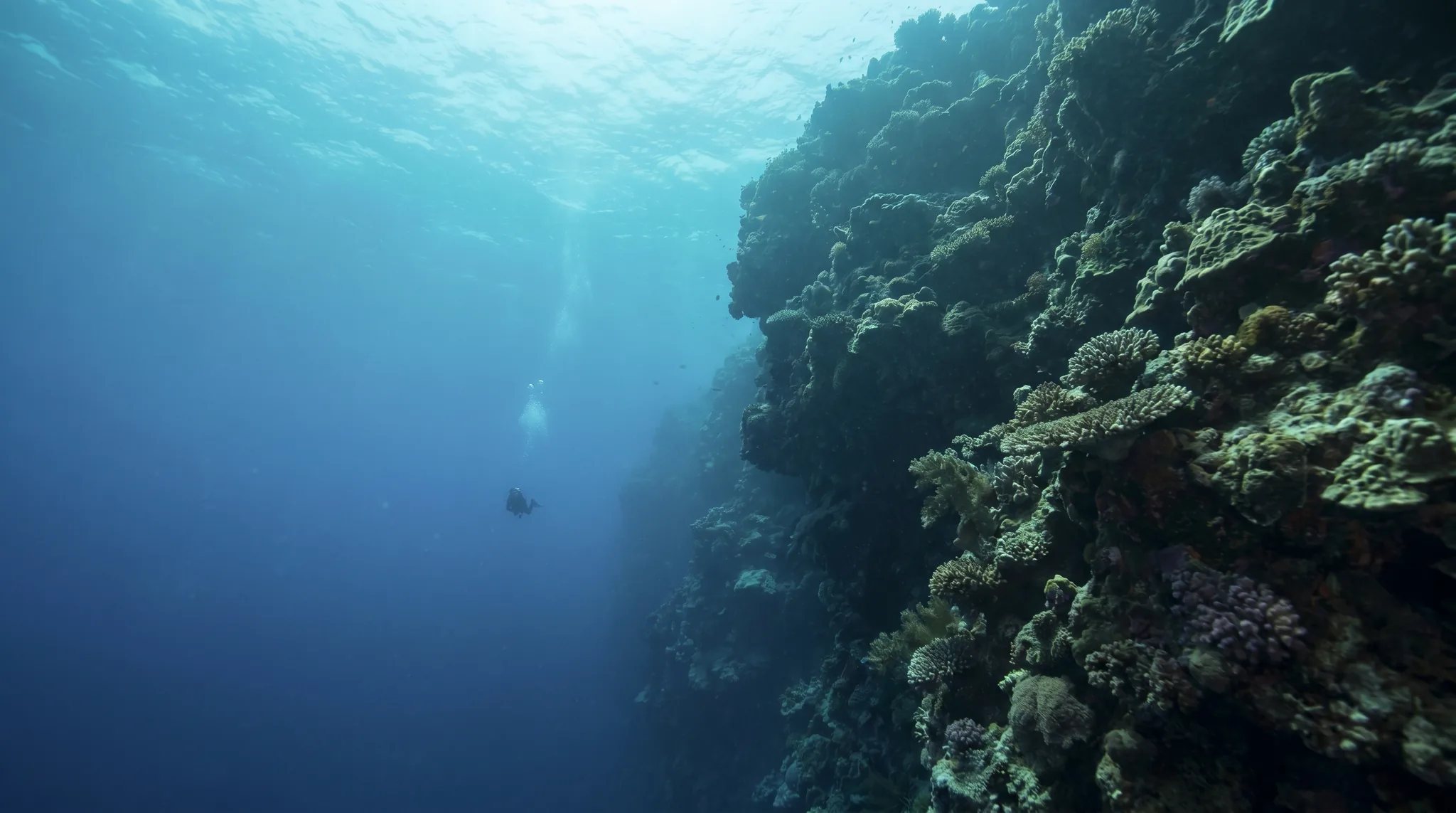
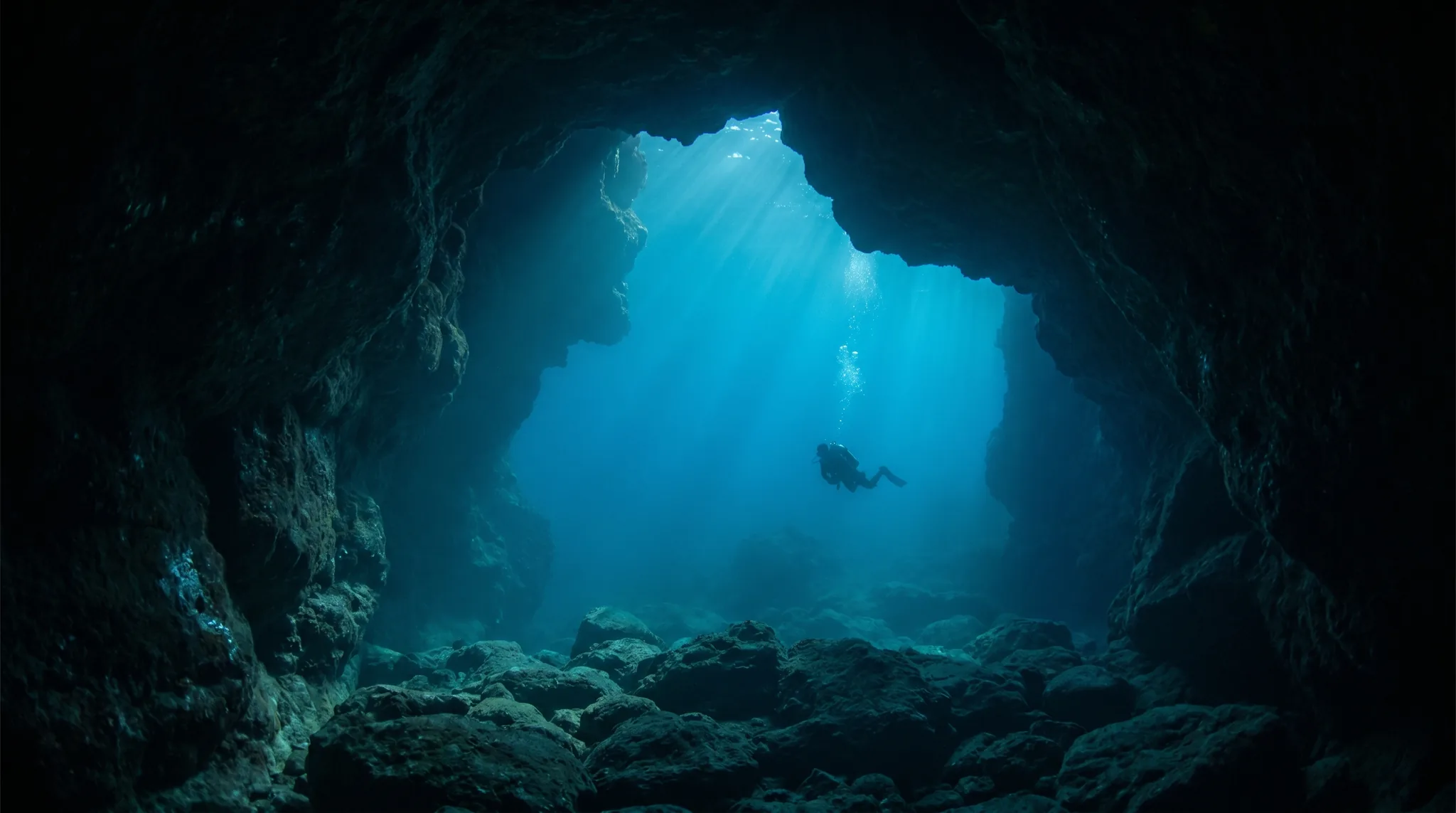
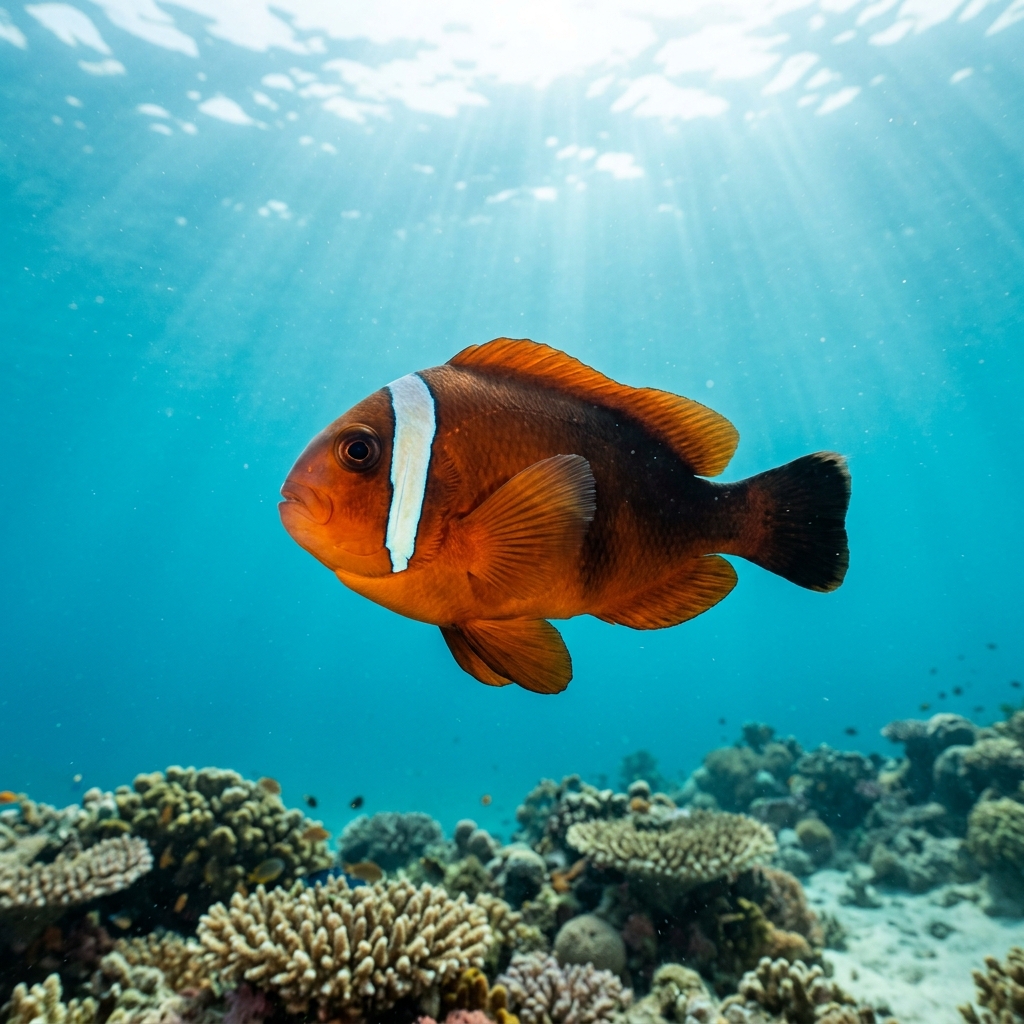
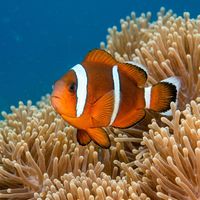
Miyako is defined by its cave diving, concentrated almost entirely across the Shimoji and Irabu sub-area. Arches, grottos, blue holes and drop-offs sit alongside reef and wall formations, covering a wide range of skill levels from beginner-friendly caverns to demanding advanced systems like The Devil's Palace and Tori Ike. Cauliflower Coral, Yellowtail Clownfish and Sea Krait are reliably encountered, while Giant Moray and Titan Triggerfish characterise the reef edges. Boat access dominates, and visibility is consistently strong.
1 areas
Monthly water temperature across Miyako's sites, from satellite sea-surface data corrected for depth. The band shows the site-to-site spread.
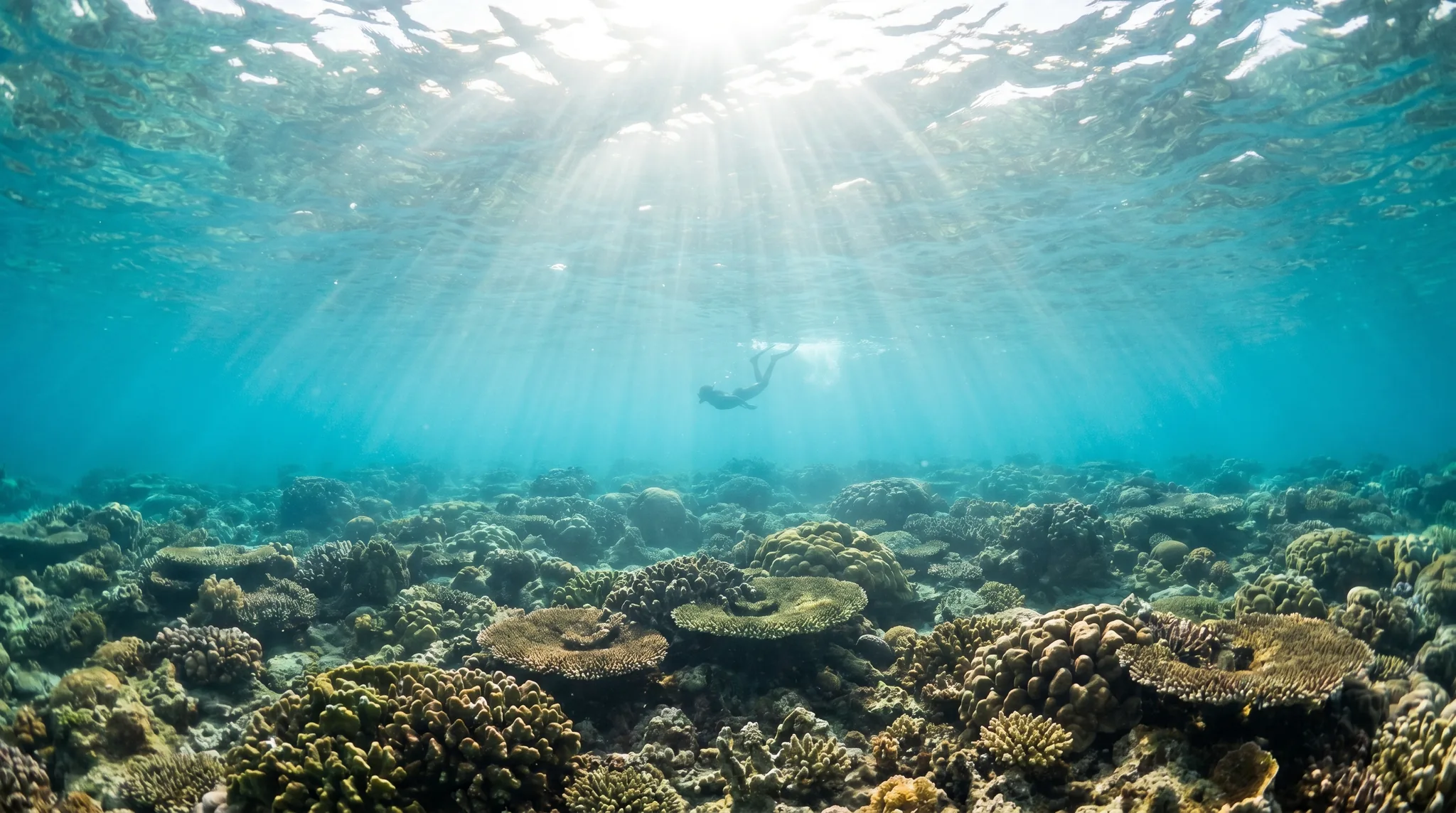
Water stays warm through the year, rising to its peak in late summer and cooling only slightly in the cooler months, never dropping to uncomfortable levels. The warmer months from late spring through early autumn align with the highest concentration of favoured diving periods. Exposed boat-access sites can be affected by conditions, so checking local sea state before heading to deeper or more advanced cave systems is advisable.
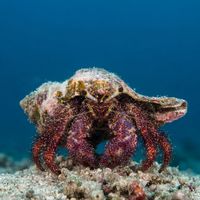
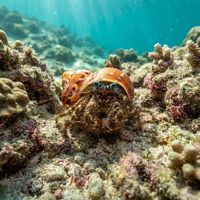
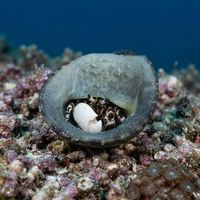
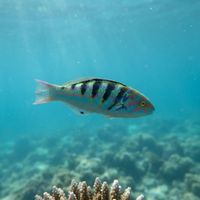
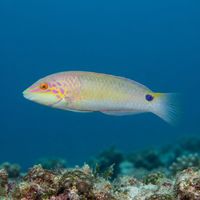
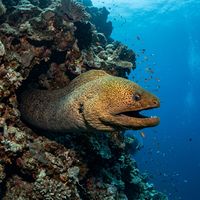
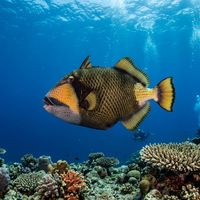
9 more sites to explore
Water temperature around Miyako ranges from about 23°C in January to 30°C in August, based on satellite sea-temperature data for its dive sites.
In the warm season (about 30°C) a rash guard or 3mm shorty is comfortable in Miyako; in the coldest months (about 23°C) step up to a 3mm full suit.
Fin maps 21 sites in Miyako (21 scuba diving sites and 3 snorkelling spots, with some suited to both).
Across Miyako's dive sites, April, June, July, August and September are most often reported as the best months to visit.
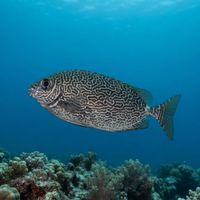
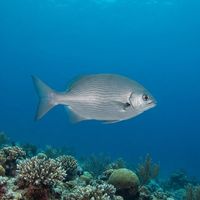
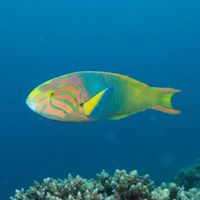
Observation-backed species across Miyako's sites include Yellowtail Clownfish, Blackback Clownfish and Cauliflower Coral throughout the reef sections. Giant Moray, Titan Triggerfish and Sea Krait are signature species seen regularly. Less frequent but recorded encounters include Napoleon Wrasse, Green Sea Turtle and Emperor Angelfish.
A good portion of Miyako's sites are rated for beginners, including Twin Cave, Cross Hole, Crystal Park and Nakanoshima Channel. These sites offer sheltered cave environments and shallow reefs that are well suited to those early in their diving experience. More advanced systems such as The Devil's Palace and Tori Ike are reserved for experienced divers comfortable with deep or overhead environments.
Both islands sit within the same sub-area and share a similar cave-heavy site character. Shimoji hosts several of the most distinctive sites, including the blue hole at Tori Ike and the land-locked Marine Lake, which combines cave and reef diving in a sheltered setting. Irabu contributes sites such as W Arch, L Arch, Shiratori and the shallow reef at Crystal Park, adding wall and arch formations to the mix.
Boat access is the norm across the vast majority of Miyako's dive sites, including all the cave and arch formations off Shimoji and Irabu. Shore entry is available at Marine Lake on Shimoji and at Shiratori on Irabu, which accepts both entry types. Divers should plan around boat departures and factor in sea conditions, particularly for deeper or more exposed sites.