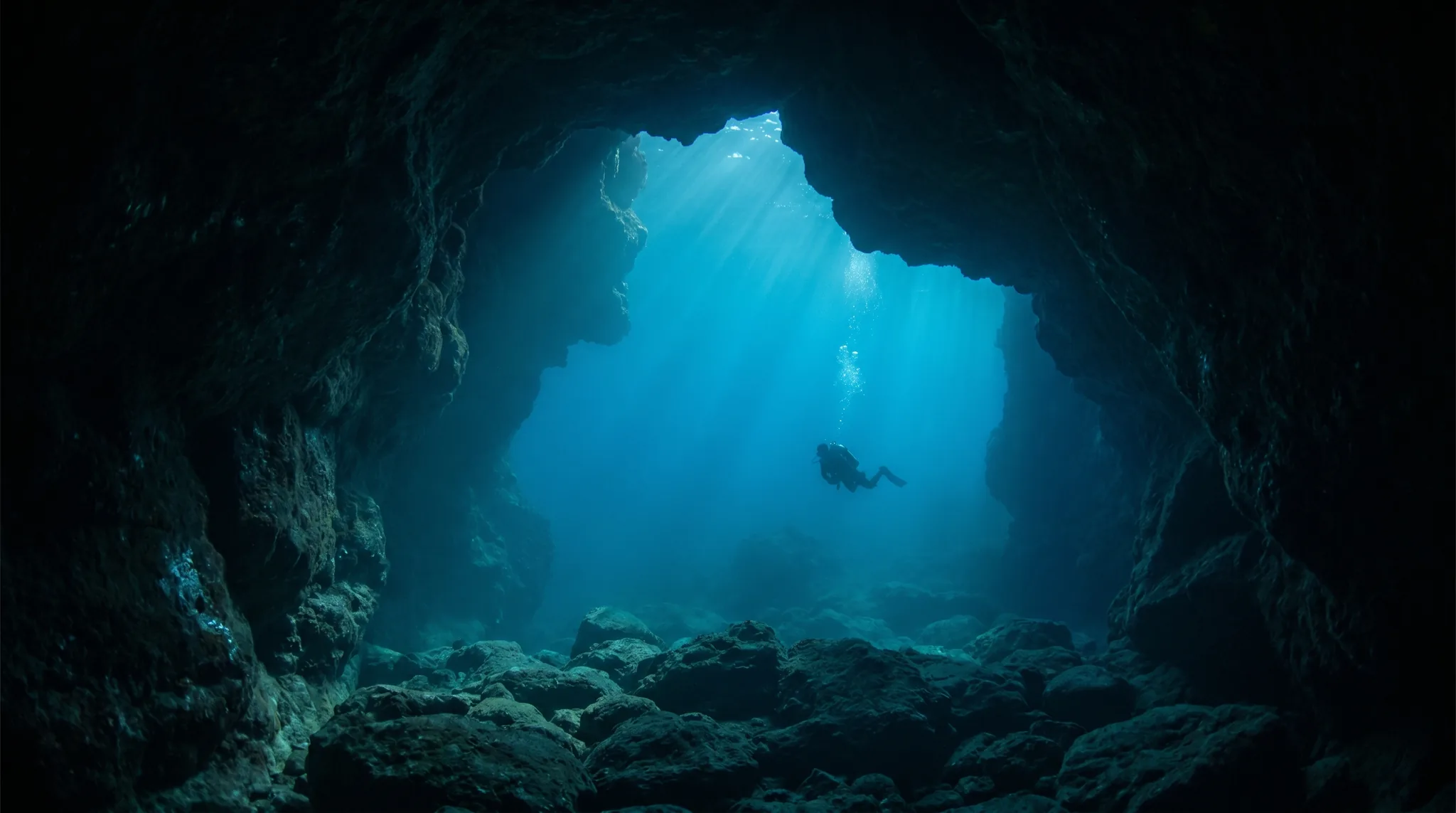
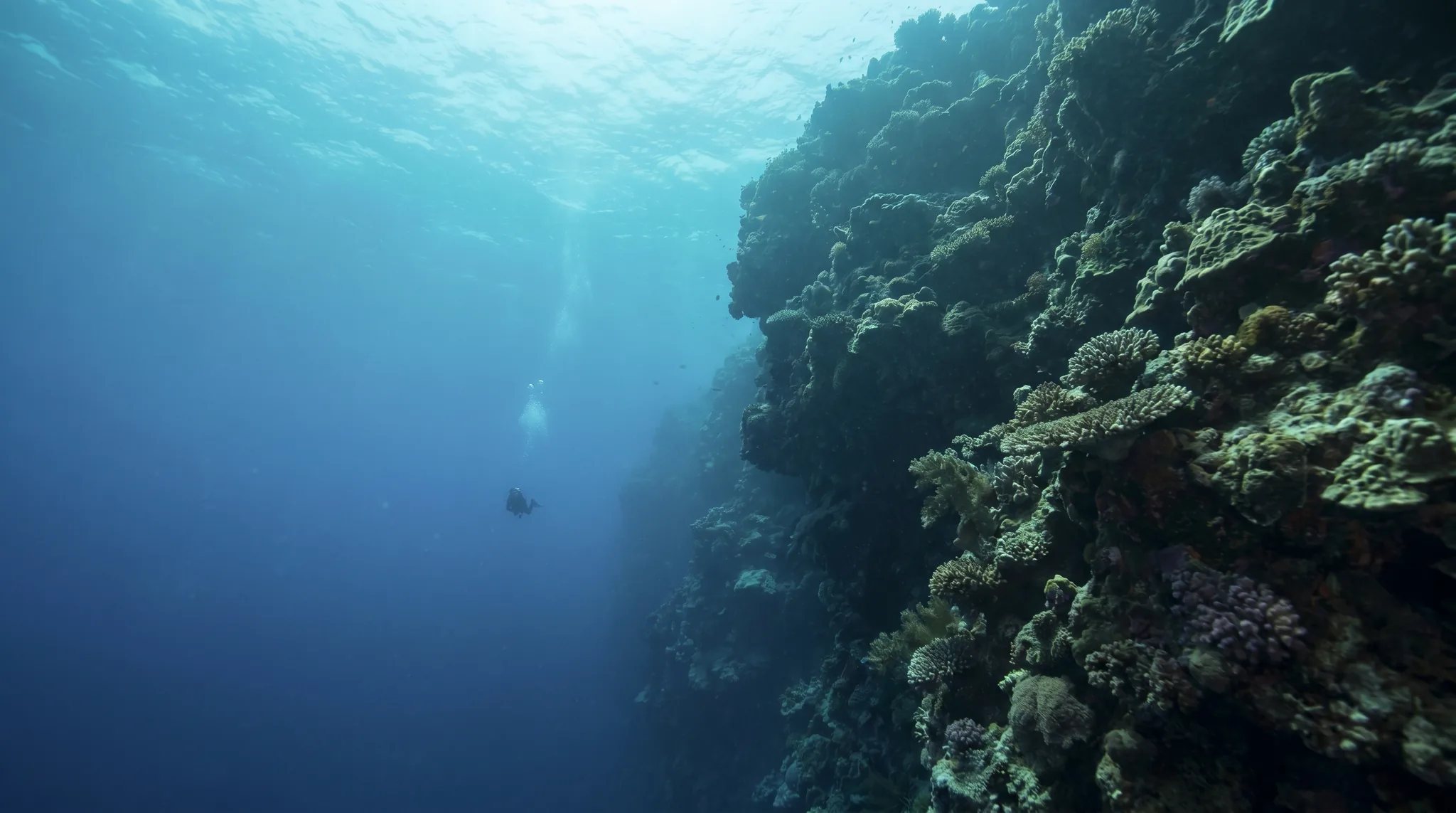
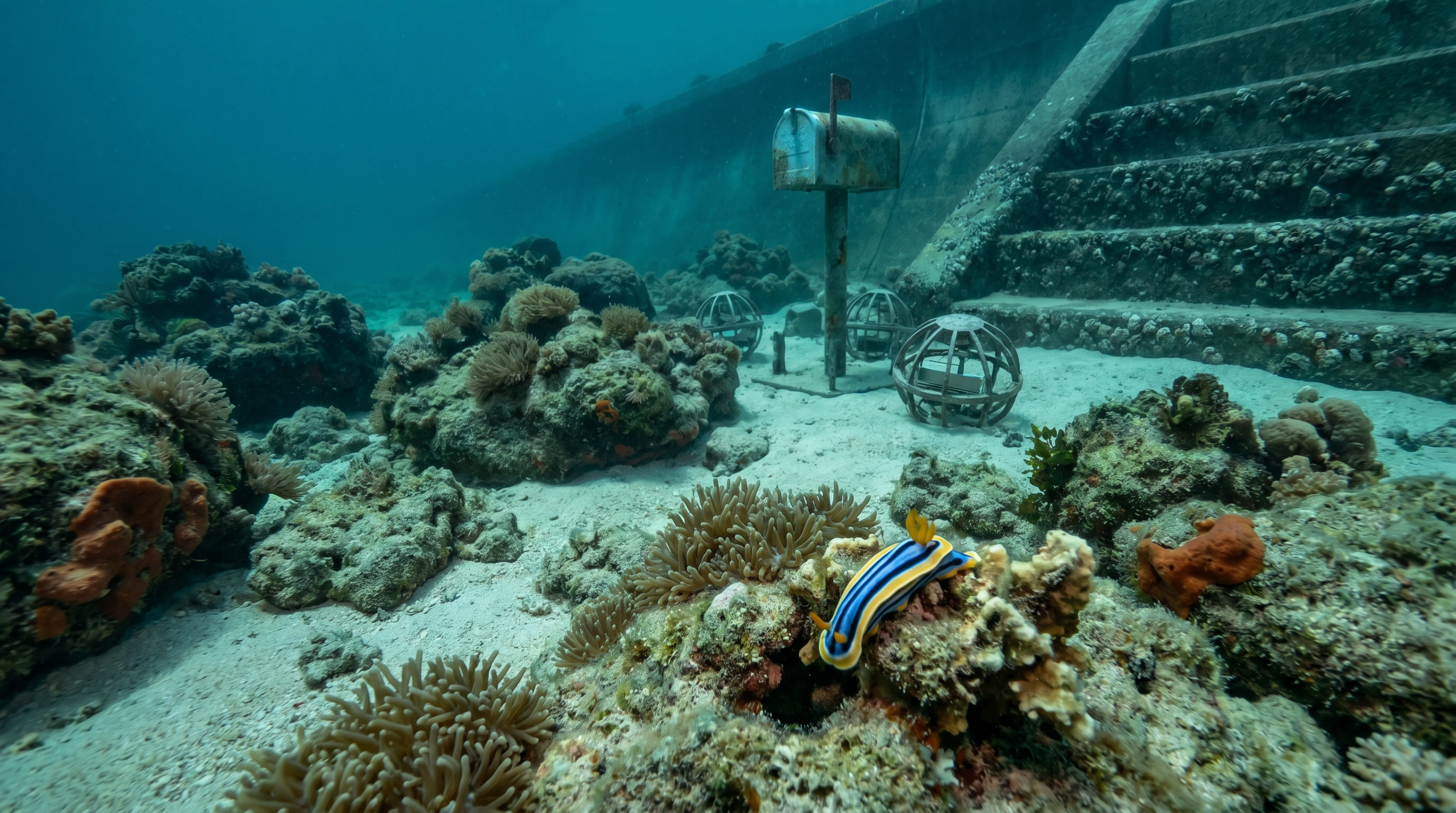
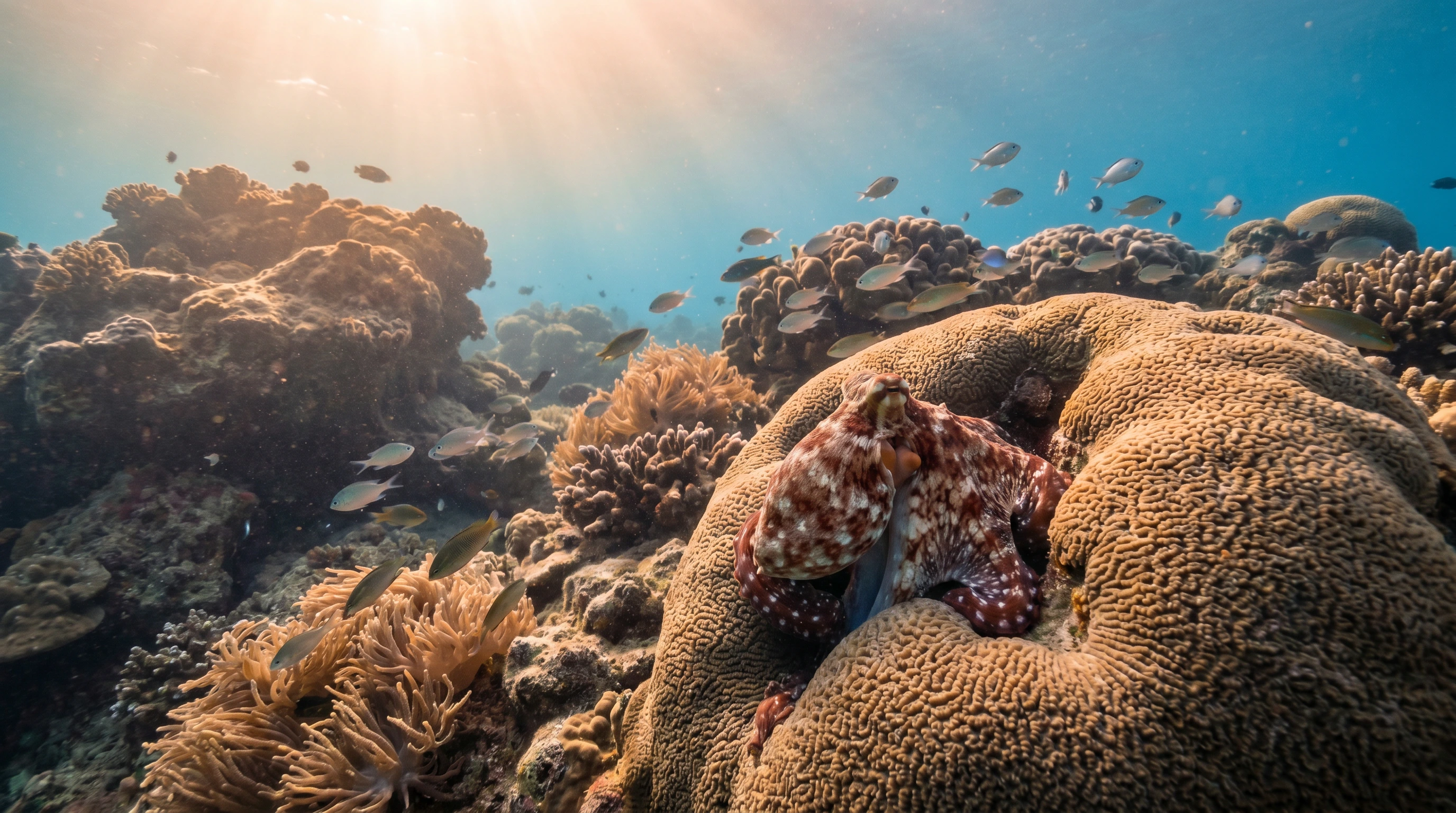
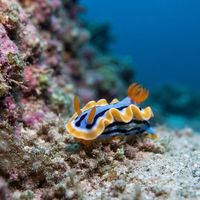
Sunabe and Chatan offer a concentration of shore-entry reef and artificial reef sites that suit beginners particularly well, alongside boat-access walls, caves, and a wreck for those wanting more variety. The seawall and stepped entries make getting in straightforward. Macro life is the signature draw: Giant Moray, Zebra Lionfish, Day Octopus, and an exceptional range of nudibranchs including Coleman's Chromodoris appear consistently across sites. Water stays warm through the warmer months, with the most diver activity running from late spring through autumn.

Monthly water temperature across Sunabe & Chatan's sites, from satellite sea-surface data corrected for depth. The band shows the site-to-site spread.
Water temperatures are warmest from midsummer through early autumn, making those months the most comfortable for longer dives. Conditions cool slightly in winter but remain mild relative to many destinations, keeping the region diveable year-round. The best-months data clusters from late spring through November, reflecting calmer surface conditions and peak visibility during that window.
22 operators
Chatan, Japan
17 more sites to explore
Water temperature around Sunabe & Chatan ranges from about 22°C in February to 29°C in July, based on satellite sea-temperature data for its dive sites.
In the warm season (about 29°C) a rash guard or 3mm shorty is comfortable in Sunabe & Chatan; in the coldest months (about 22°C) step up to a 3mm full suit.
Fin maps 29 sites in Sunabe & Chatan (29 scuba diving sites and 11 snorkelling spots, with some suited to both).
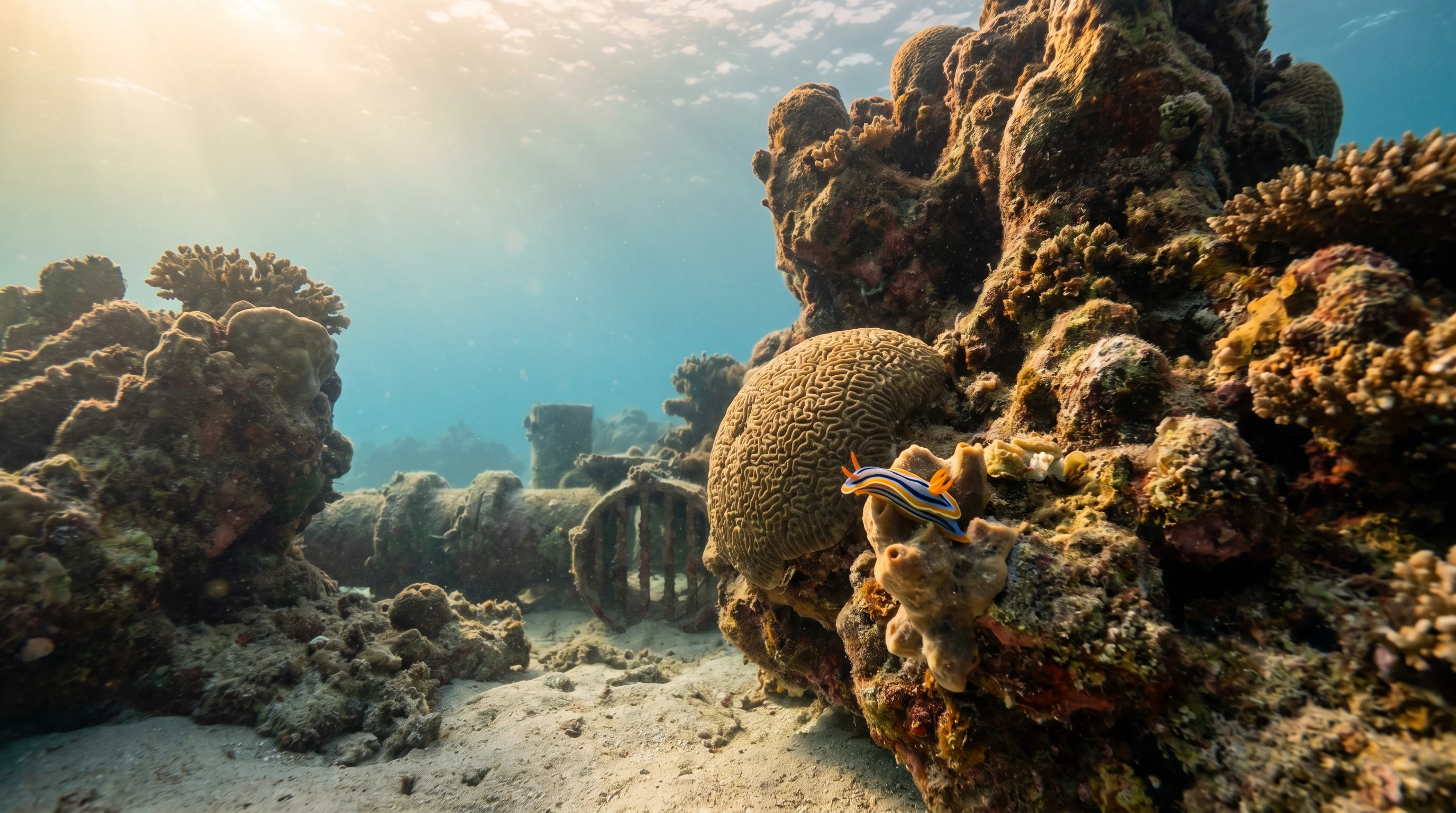
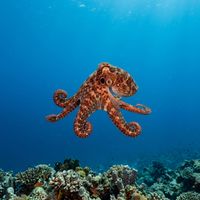
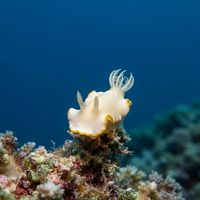
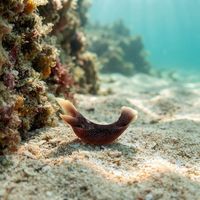
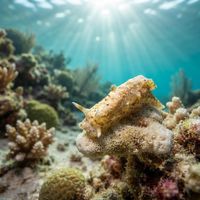
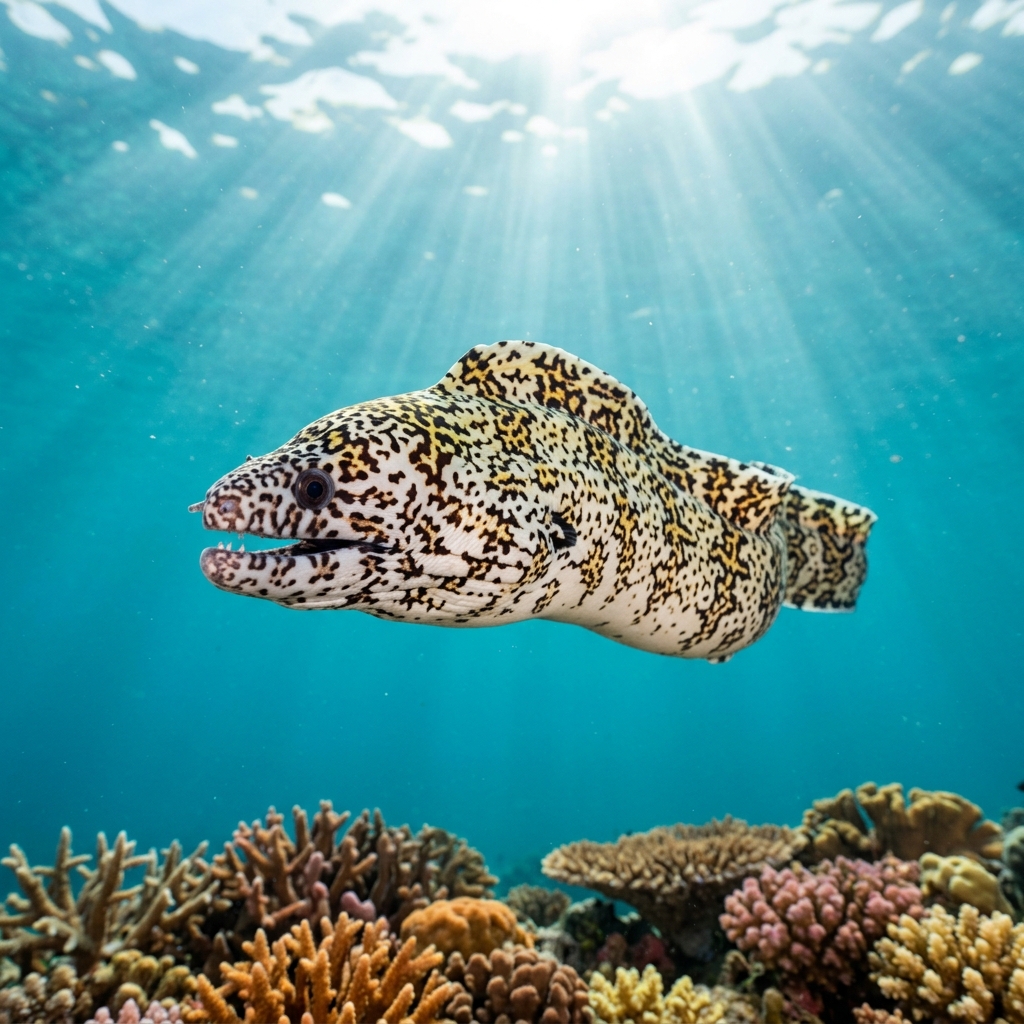
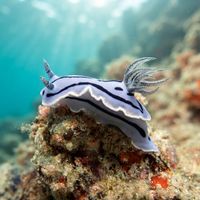
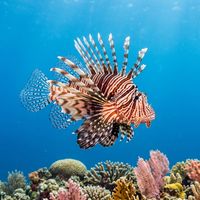
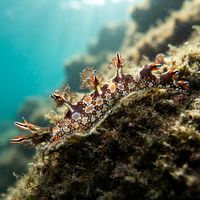
The region is particularly strong for macro encounters. Giant Moray and Snowflake Moray are found across most sites, alongside Zebra Lionfish and Indian Lionfish. Nudibranchs are a standout, with Coleman's Chromodoris, Willan's Chromodoris, Heron Ardeadoris, and Anna's Chromodoris all observed regularly. Day Octopus, Banded Coral Shrimp, Yellow Boxfish, and Yellowtail Clownfish round out a diverse reef community.
Yes, the region is strongly oriented towards beginners. The majority of sites are rated at beginner level, and many are shore-entry with stepped or seawall access, removing the need for a boat on your first dives. Sites like Sunabe, Birdcage, and Kadena North Steps offer shallow, sheltered conditions ideal for building confidence. Several operators in the area, including Aloha Divers, Reef Encounters, and SEAKERS SSI Scuba Diving Center, cater specifically to new divers.
Shore entry is a defining feature of the area, with several popular sites accessed directly from the seawall or via concrete steps. This makes independent and low-cost diving very practical. Boat-access sites such as Toya 270, Yubanta, and Inan South add more varied topography, including walls and cave systems, for those wanting to explore beyond the seawall reef.
While reef and artificial reef sites form the core of the area, there is meaningful variety. Toya 270 combines a wall, a cave, and a wreck in a single dive. Yubanta offers wall and cave topography for intermediate divers. Kadena North Steps includes a drift element alongside its reef. This mix means divers can progress through different site types without leaving the region.