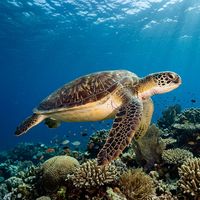
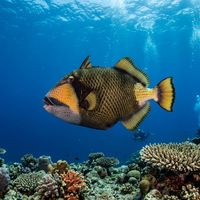
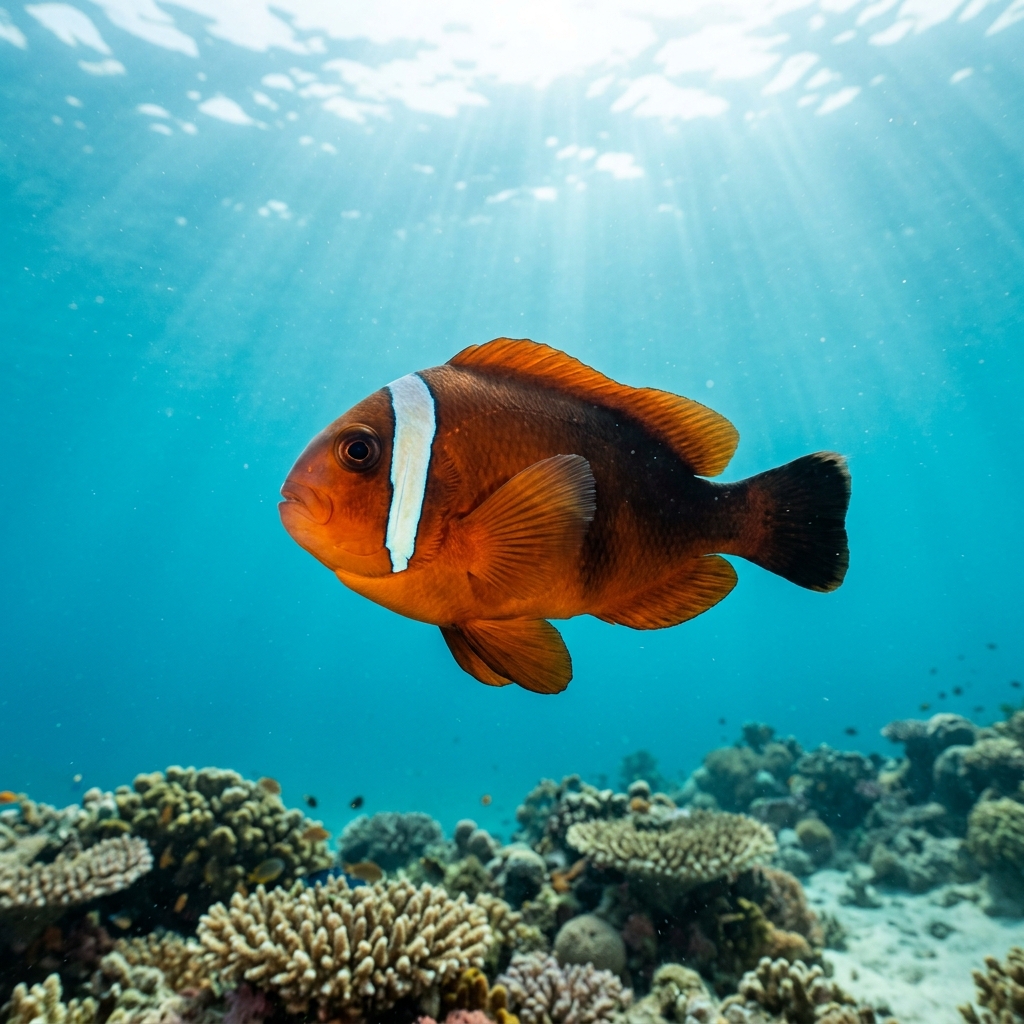
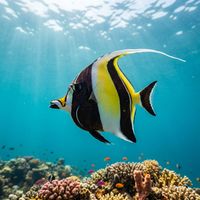
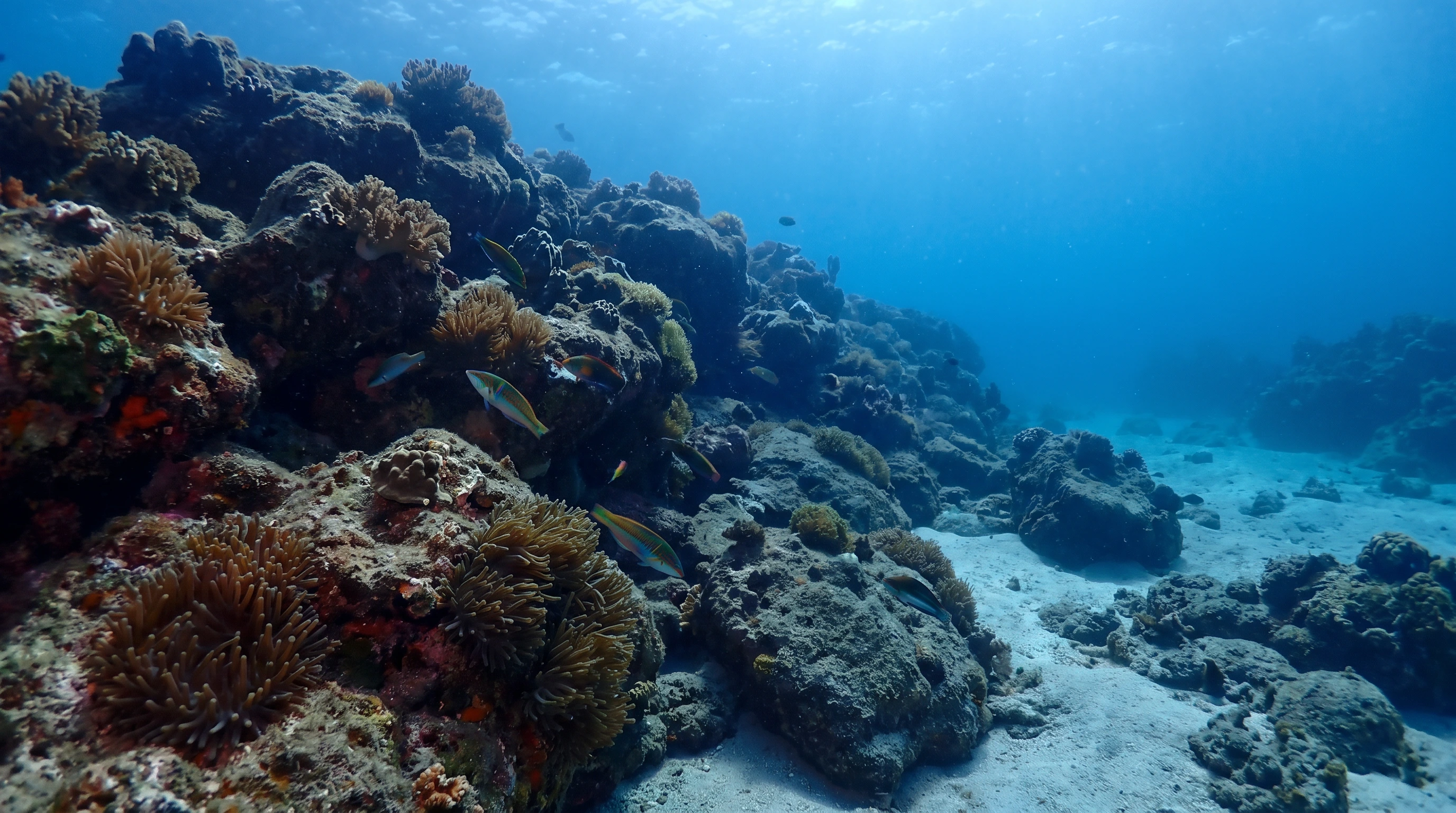
Okinawa and the Ryukyu Islands stretch across a chain of sub-areas, each with its own character. Kerama and Okinawa hold the greatest concentration of sites, ranging from beginner-friendly reefs and artificial structures to complex cave and wall systems. Ishigaki adds drop-offs and drift dives, while Yonaguni sits at the far end of the chain with a handful of specialist sites. Across the region, hard coral reefs dominate, with the Moorish Idol, Yellowtail Clownfish, and multiple triggerfish species observed consistently. Green Sea Turtle and Chromodoris Nudibranch are signature encounters. Boat access is the norm, though some shore entries exist.
6 areas
 84
84Reef and cave diving with rich nudibranch life, lionfish and clownfish spread across five distinct coastal sub-areas.
82Reef diving across three island groups, with reliable Green Sea Turtle encounters and strong variety for all skill levels.
41Reef-rich island diving with Reef Manta Ray encounters, prolific triggerfish, and beginner-friendly sites spread across three distinct sub-areas.
 21
21
Monthly water temperature across Okinawa & Ryukyu Islands's sites, from satellite sea-surface data corrected for depth. The band shows the site-to-site spread.
Water stays warm through summer, peaking between July and September, making those months comfortable for light exposure. Spring and autumn offer a longer, productive window with pleasant conditions, and the best-months data shows strong diver activity from April through November. Winter brings the coolest temperatures across the chain, but conditions remain diveable and crowd pressure eases considerably.
124 operators

Chatan, Japan
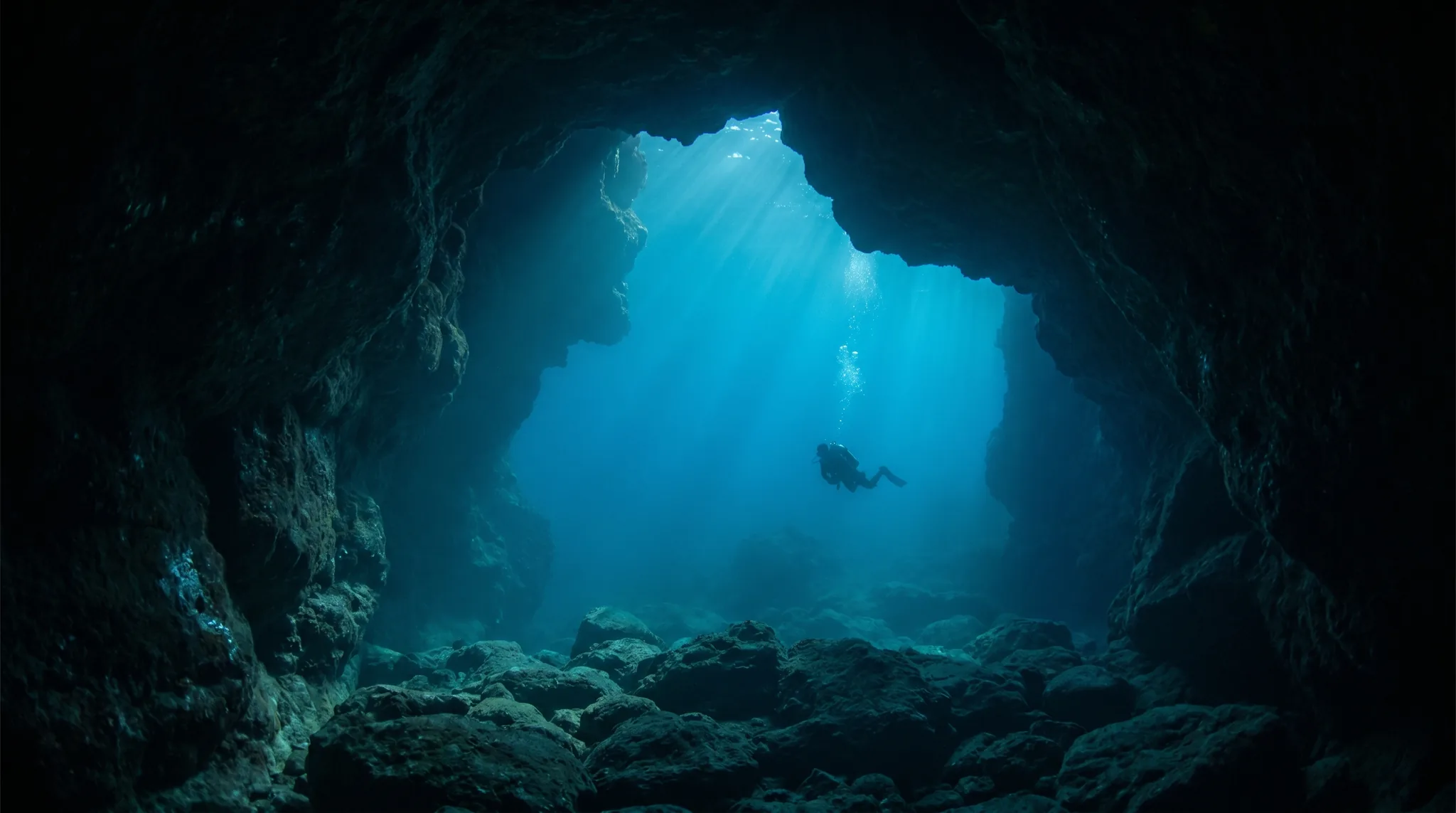
Dense cave and cavern diving across Shimoji and Irabu, with strong marine life and excellent visibility year-round.
Water temperature around Okinawa & Ryukyu Islands ranges from about 22°C in February to 29°C in July, based on satellite sea-temperature data for its dive sites.
In the warm season (about 29°C) a rash guard or 3mm shorty is comfortable in Okinawa & Ryukyu Islands; in the coldest months (about 22°C) step up to a 3mm full suit.
Fin maps 237 sites in Okinawa & Ryukyu Islands (212 scuba diving sites and 74 snorkelling spots, with some suited to both), organised into 6 areas.
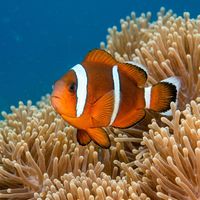
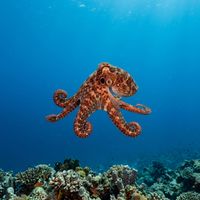
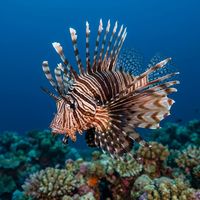
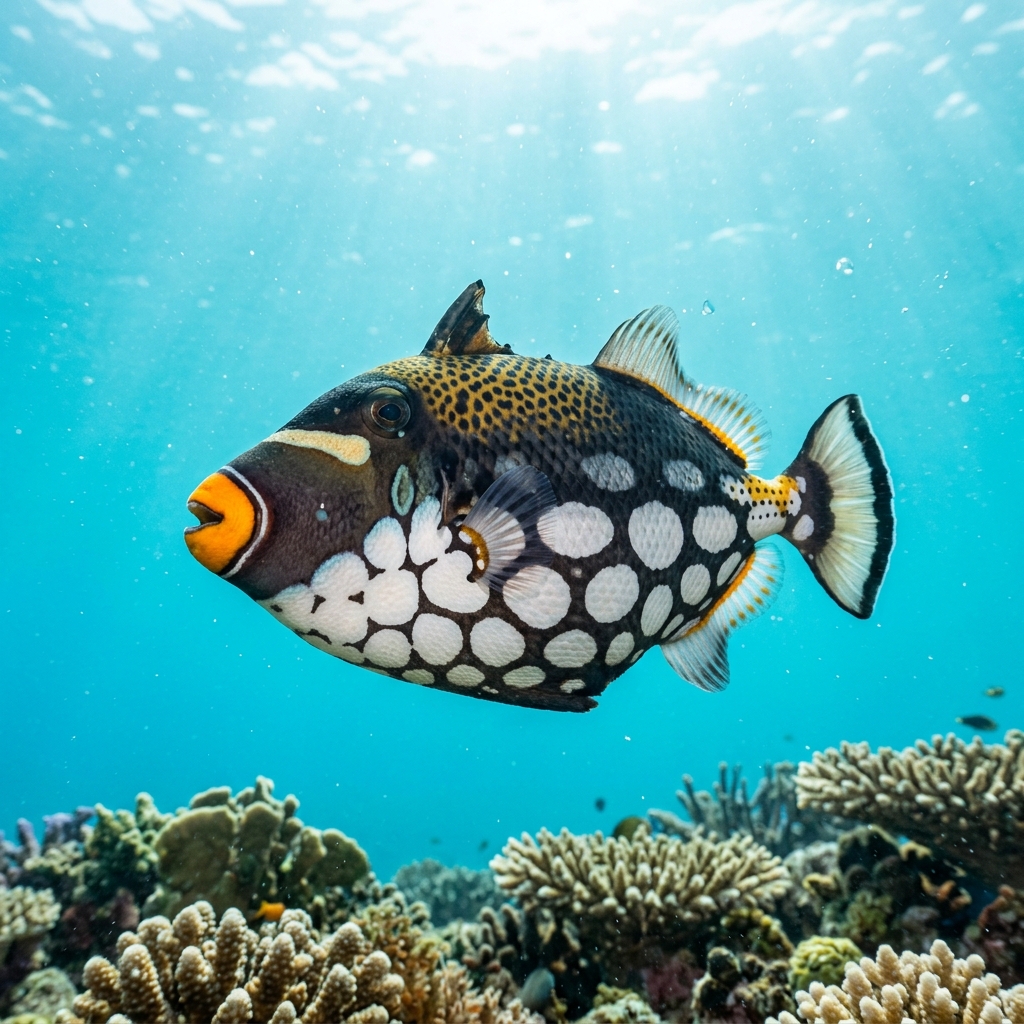
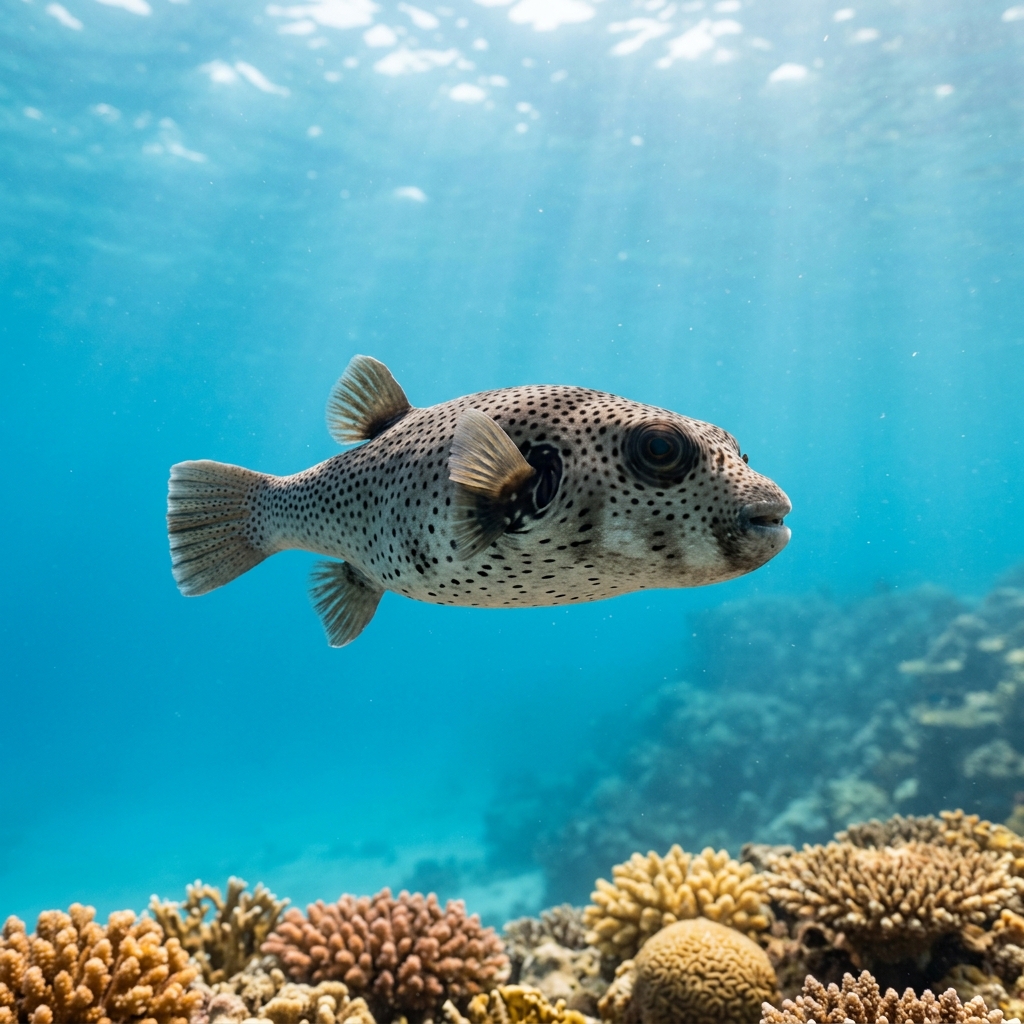
The region has an extensive, observation-backed species list. Yellowtail Clownfish, Blackback Clownfish, and Pink Skunk Clownfish are commonly spotted on reef sites, often alongside Moorish Idol and multiple triggerfish species including the Titan Triggerfish, Lagoon Triggerfish, and Clown Triggerfish. Green Sea Turtle is a regular encounter, and Chromodoris Nudibranch, Day Octopus, and Zebra Lionfish reward divers who look carefully around the reef structure. Ijima's Sea Snake is also a common sighting across many sites.
A good number of sites across the region are rated for beginners, including Nakayukui, Birdcage, and Hateruma Island. Many of these involve boat access to sheltered reefs with mild currents and a range of depths, so new divers are not limited to very shallow water. Intermediate sites make up a significant portion of the offering, and a smaller number of advanced sites such as Toilet Bowl involve strong and shifting currents. Most of the major operators listed serve recreational divers of all levels.
Okinawa and Kerama each hold a large number of sites and offer the widest variety of site types, from artificial reefs and cave systems to walls and open reefs. Ishigaki, further south, is notable for drop-offs, drift dives, and sites like Hateruma Island and Kanokawa Nakanose. Miyako has a smaller selection, while Amami and Yonaguni are more specialist destinations with far fewer sites. Divers planning an itinerary across multiple islands will find distinct topographies at each stop.
The majority of sites across the region are accessed by boat, which is the standard approach for most operators here. A handful of sites do offer shore entry, including Birdcage and Mermaid's Grotto in the Kerama area. Toilet Bowl can be reached by either method. For most diving and snorkelling sessions, joining a guided boat trip with one of the region's many operators is the most practical way to reach the best sites.