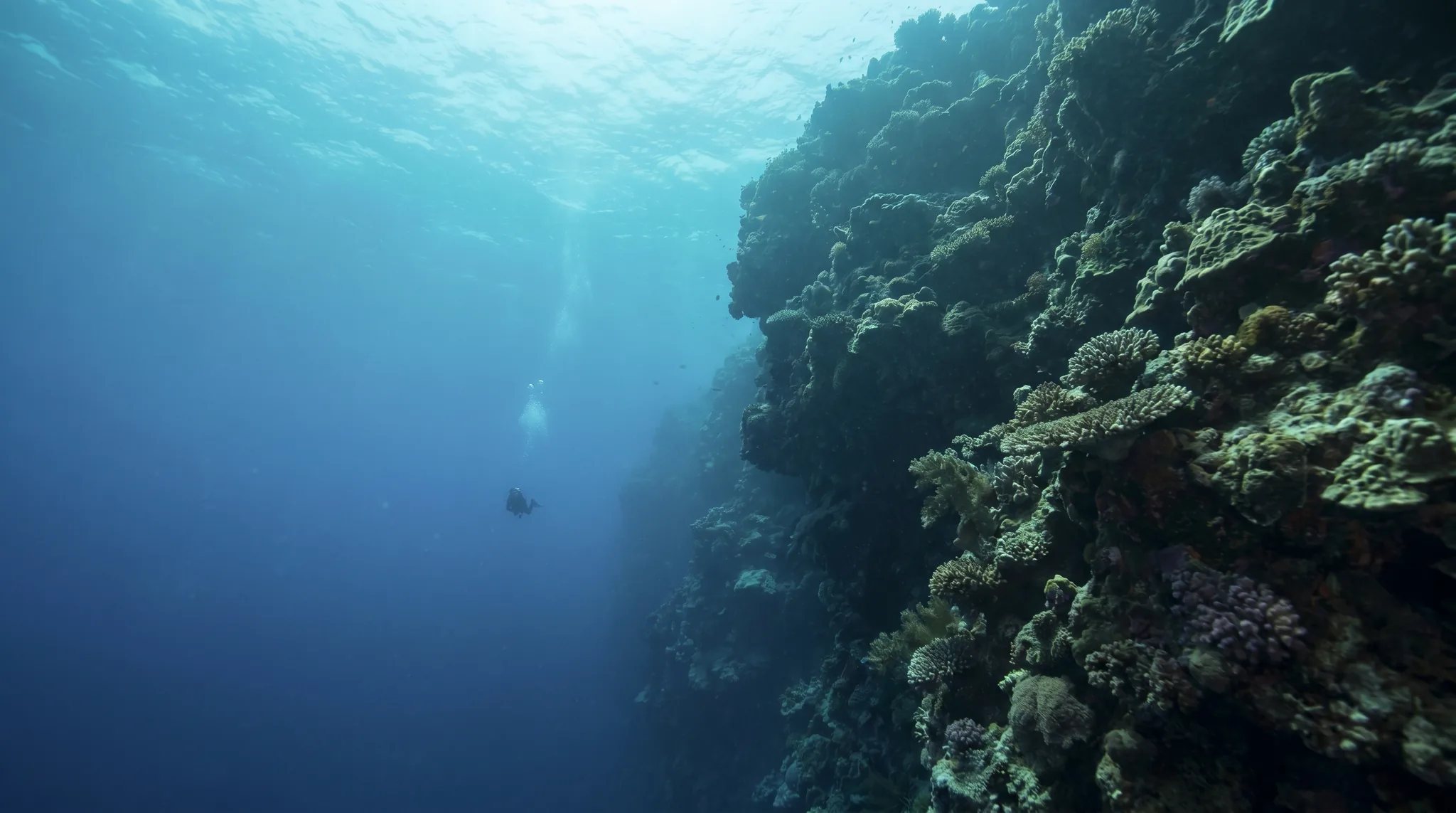
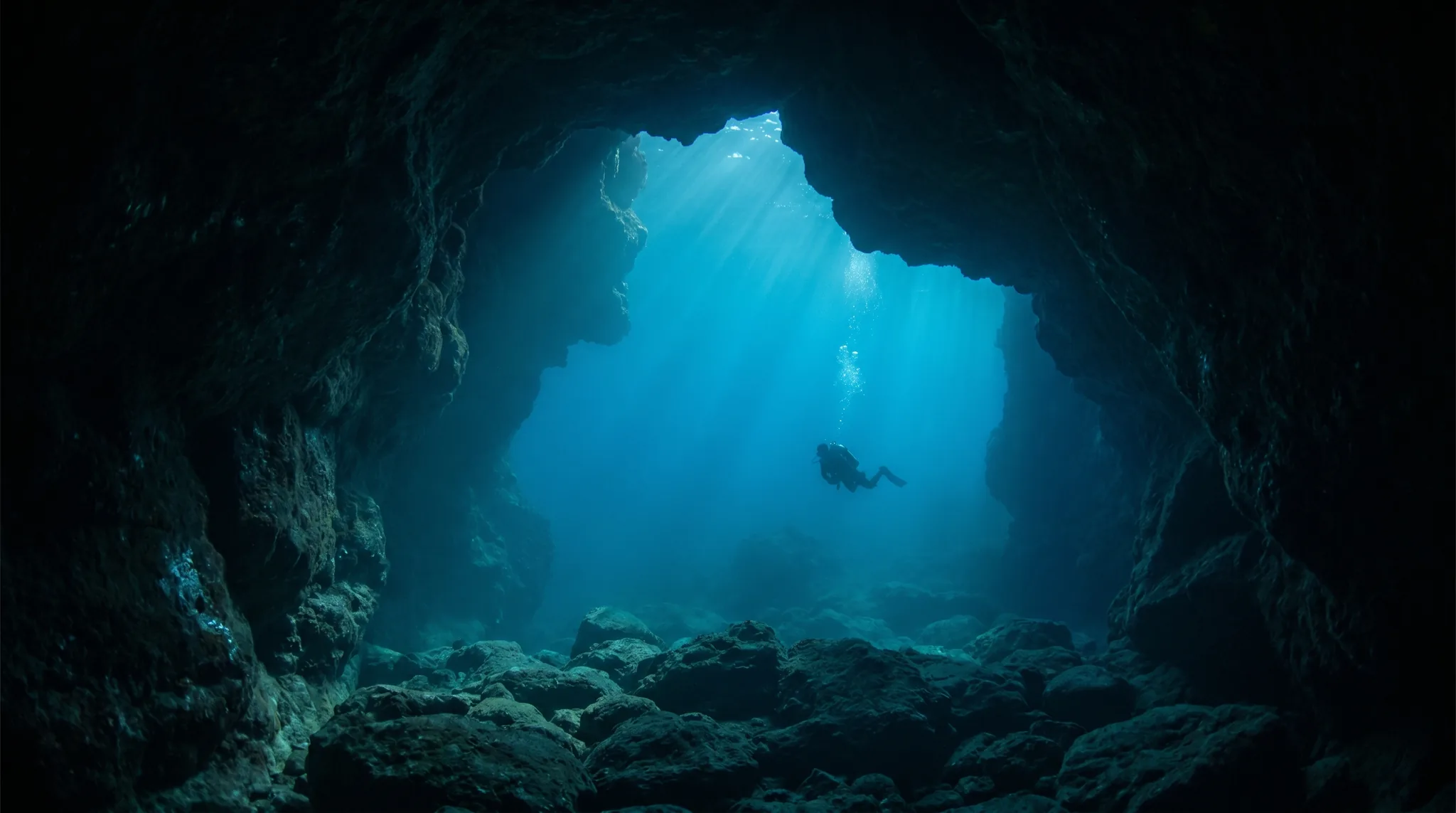
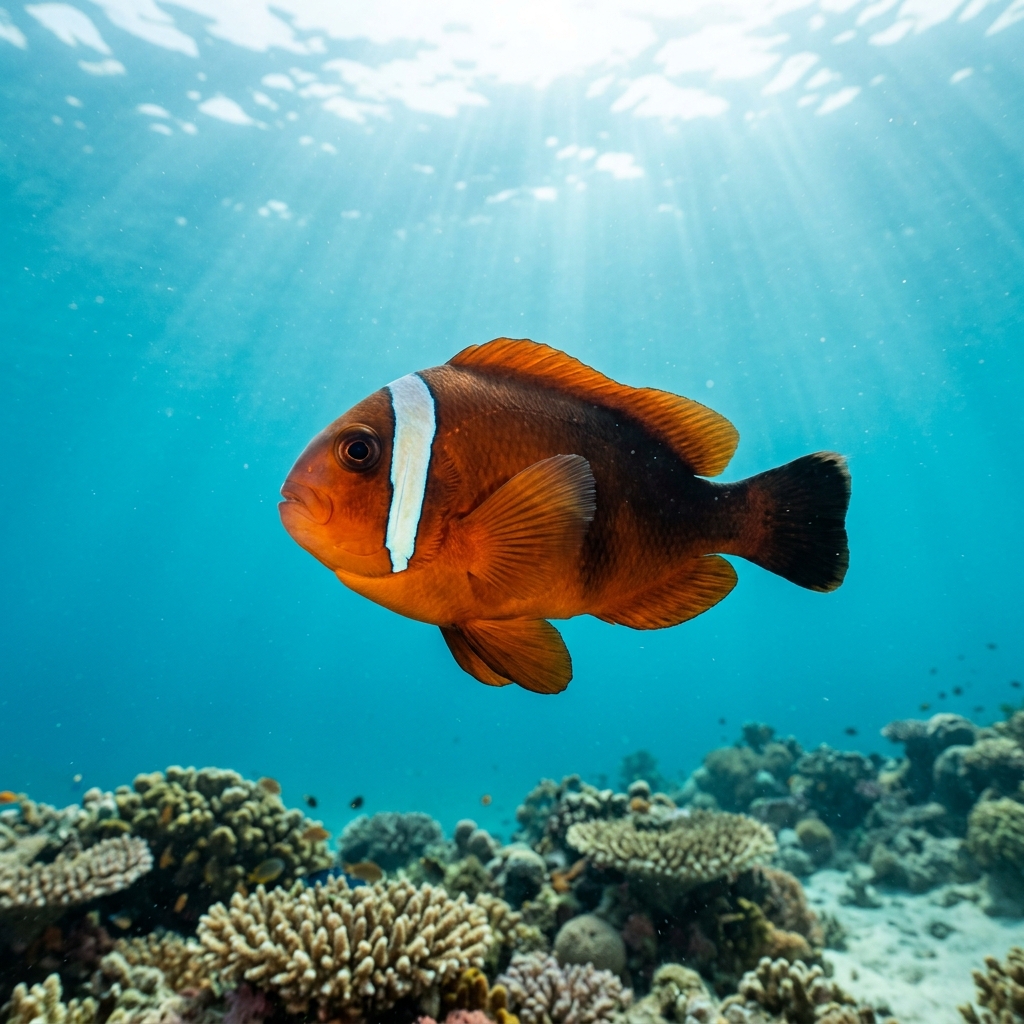
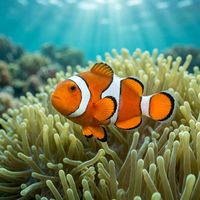
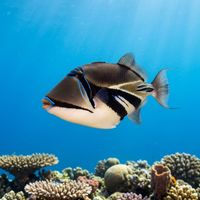
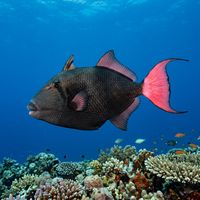
Ishigaki sits at the southern end of the Ryukyu Islands and packs a wide variety of site types into three distinct sub-areas: Osaki, Yonehara, and Kabira. Reefs dominate, but walls, drop-offs, drift sites, and cave systems add variety. The Common Clownfish and Orangestripe Triggerfish appear across almost every site, while the Reef Manta Ray draws divers to dedicated spots such as Manta City Point. Most sites suit beginners, with boat access the norm and a handful of shore-entry options.
3 areas
Monthly water temperature across Ishigaki's sites, from satellite sea-surface data corrected for depth. The band shows the site-to-site spread.
Water stays warm throughout the year, peaking in summer and easing only slightly in the cooler months, when temperatures remain comfortable. The strongest showing in diver activity runs from late spring through autumn, with August, September, and October among the most favoured months. Drift conditions at sites like Panari Big Corner and Hateruma Island add current-driven excitement, though the majority of sites offer mild to no current.
25 operators
Japan
Japan
Japan
29 more sites to explore
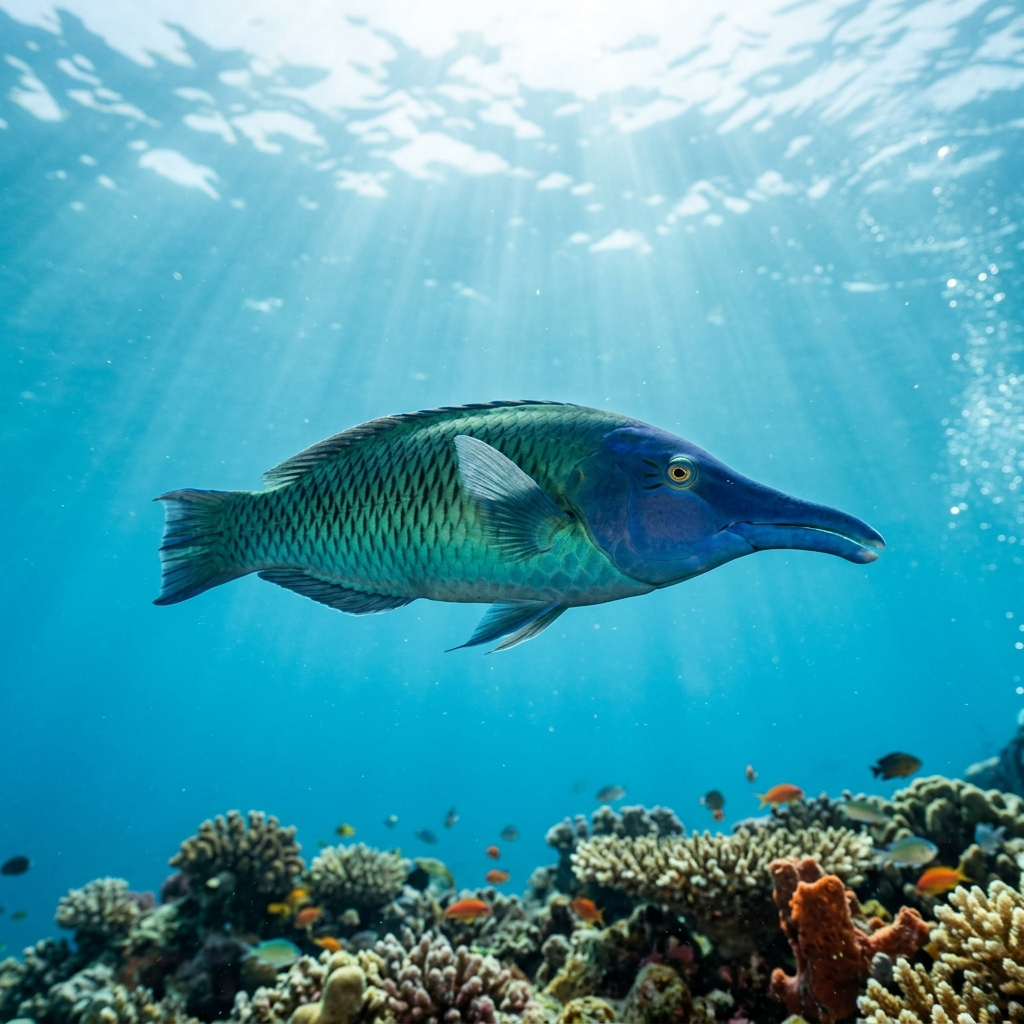
Reef and drift diving off Ishigaki, with abundant triggerfish, Ribbon Eel, and the chance of encountering Green Sea Turtle and Whale Shark.
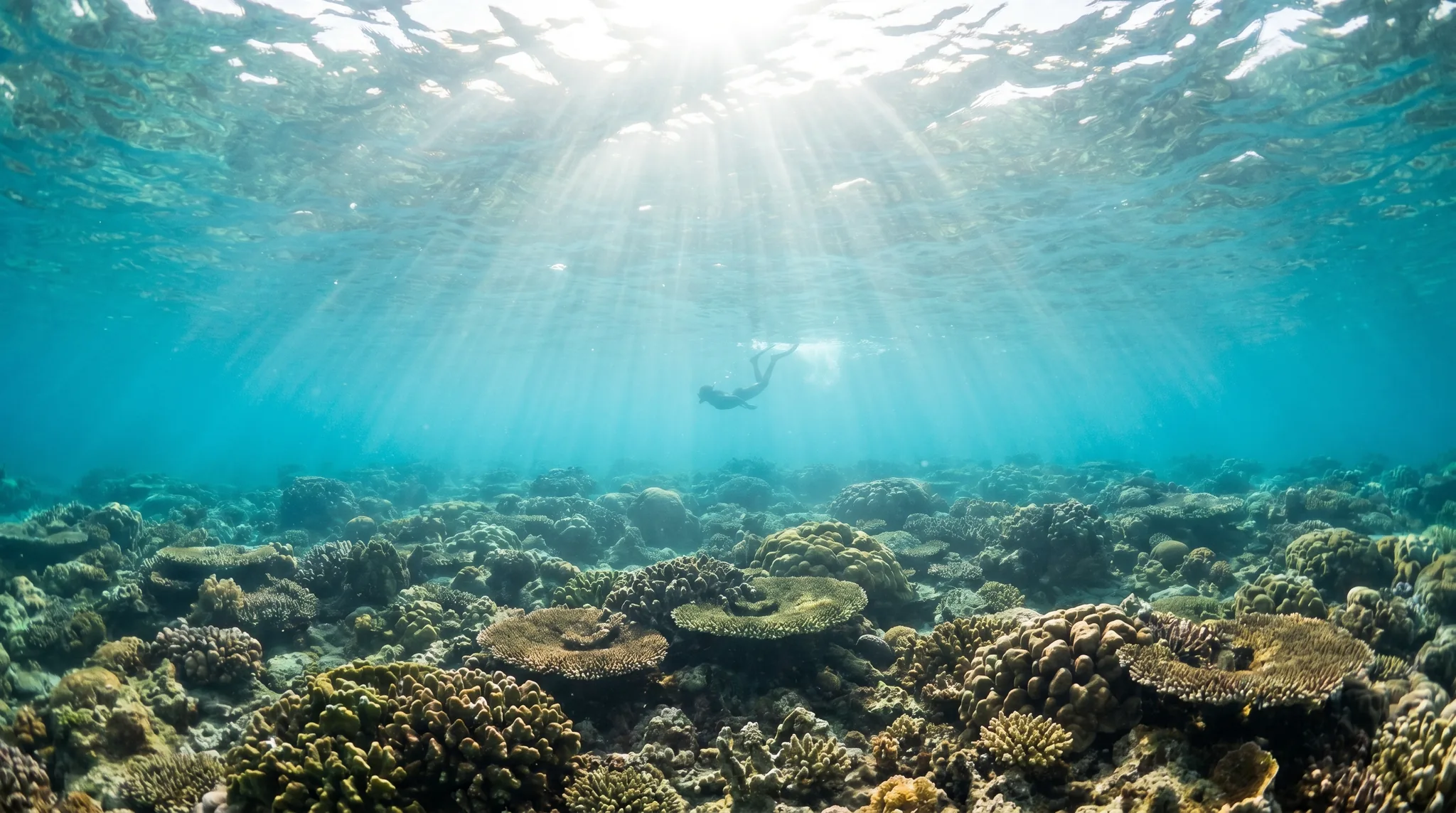
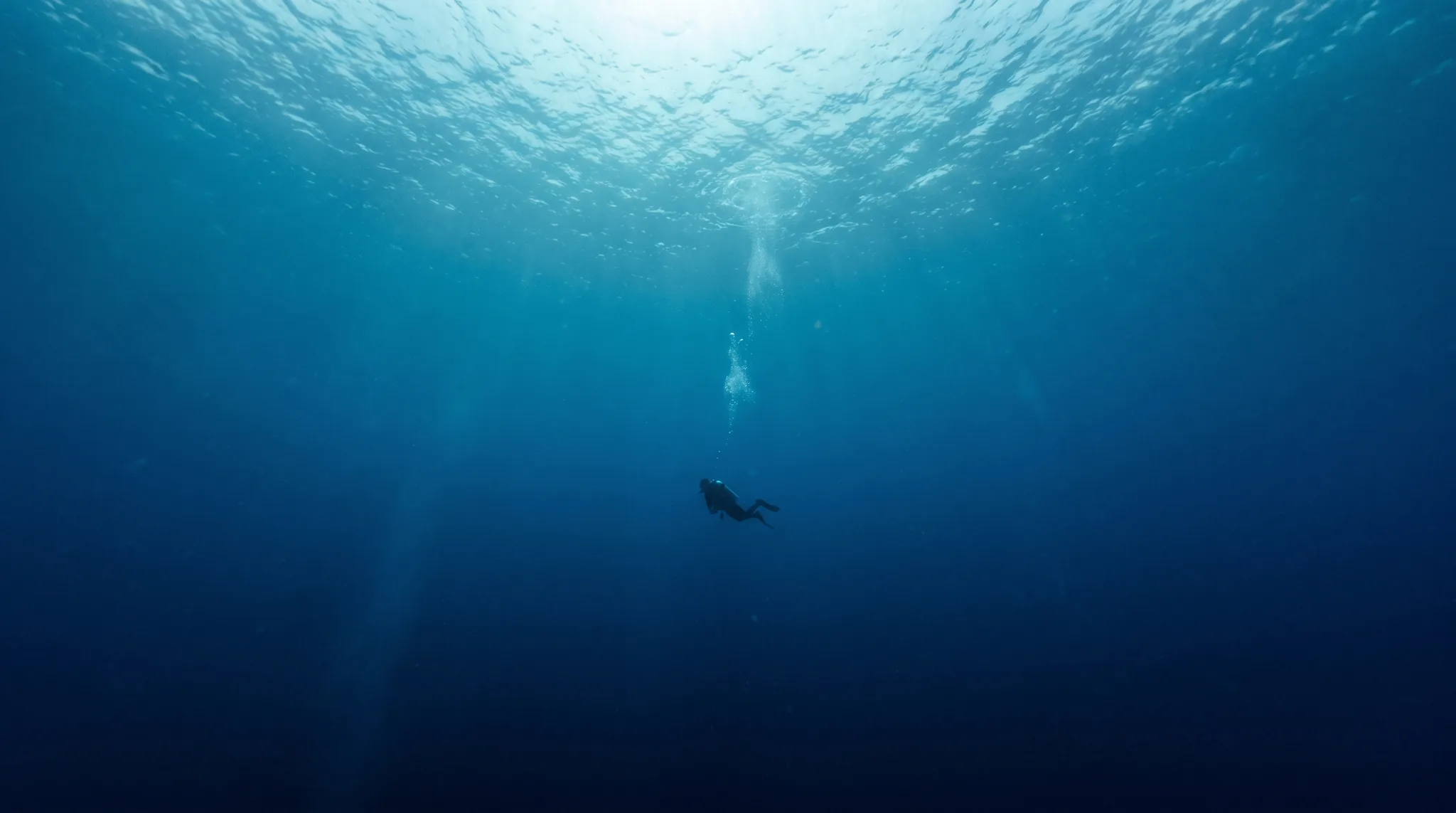
Water temperature around Ishigaki ranges from about 23°C in February to 30°C in July, based on satellite sea-temperature data for its dive sites.
In the warm season (about 30°C) a rash guard or 3mm shorty is comfortable in Ishigaki; in the coldest months (about 23°C) step up to a 3mm full suit.
Fin maps 41 sites in Ishigaki (35 scuba diving sites and 14 snorkelling spots, with some suited to both), organised into 3 areas.
The Reef Manta Ray is the headline sighting, with Manta City Point in the Kabira area specifically associated with encounters. The Green Sea Turtle is very commonly observed across a wide range of sites. Larger reef fish such as the Titan Triggerfish, Coral Grouper, and Porcupinefish also appear regularly throughout the region.
The majority of sites listed in Ishigaki are rated for beginners, including Hateruma Island, Manta City Point, Three Rocks, and Nagura Coral Garden. Many offer shallow reef terrain with mild or no current. A smaller number of sites, such as Kanokawa Nakanose and Sukuji Gurukun Rock, are rated intermediate and suit divers with more experience.
Osaki has the largest concentration of sites, making it the most extensive diving ground in the region. Yonehara offers a mid-sized cluster including the shore-entry Yonehara Reef, which is notable for its varied coral formations. Kabira is home to several of Ishigaki's most well-known sites, including Manta City Point, Kuroshima V-Drop, and the cave systems at Sakieda Maze and Kuroshima Nakamoto Cave.
Boat access is the standard across Ishigaki, covering the large majority of listed sites. Shore entry is available at Yonehara Reef in the Yonehara sub-area, which is also rated for beginners. For those without boat access, the shore-entry option provides a practical way to explore a full reef system independently.