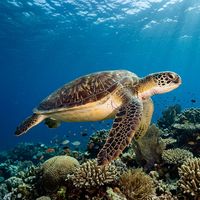
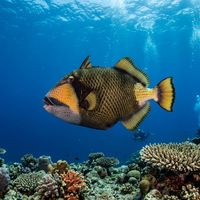
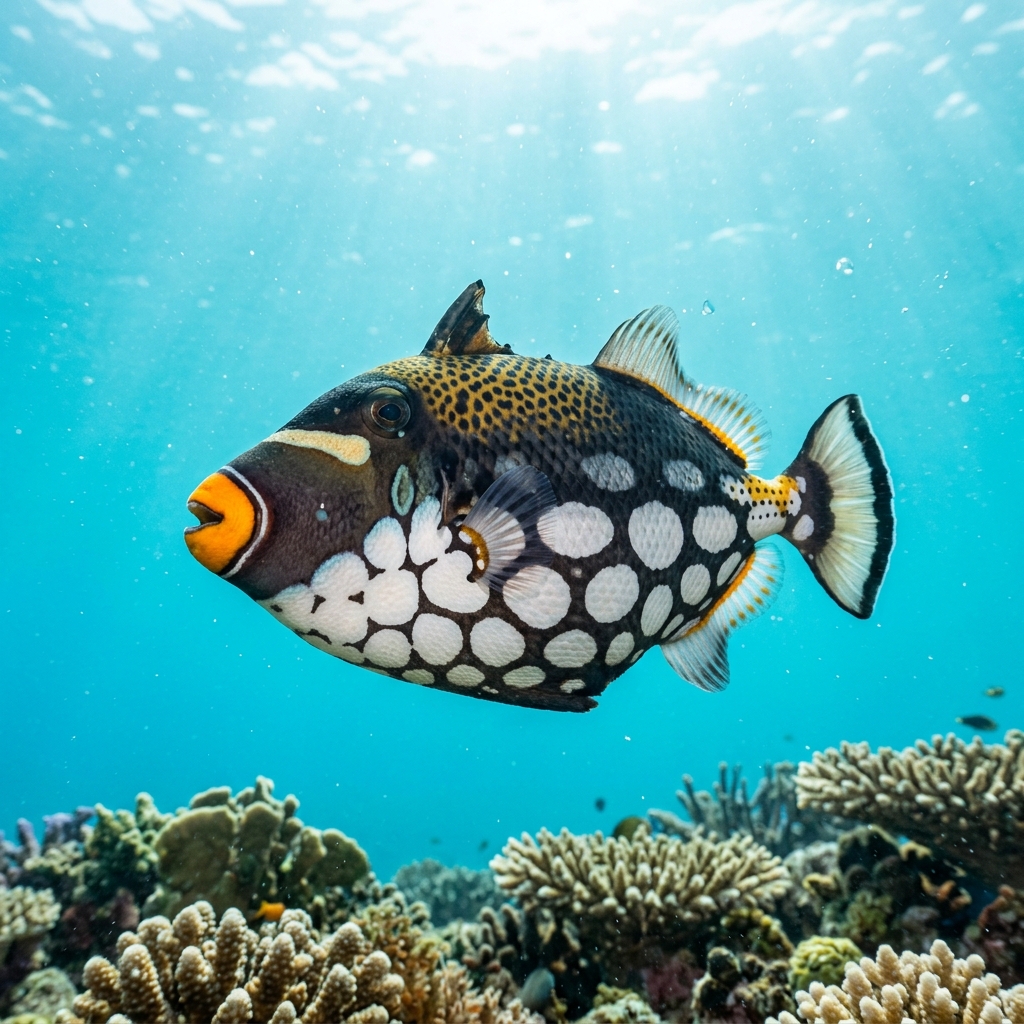
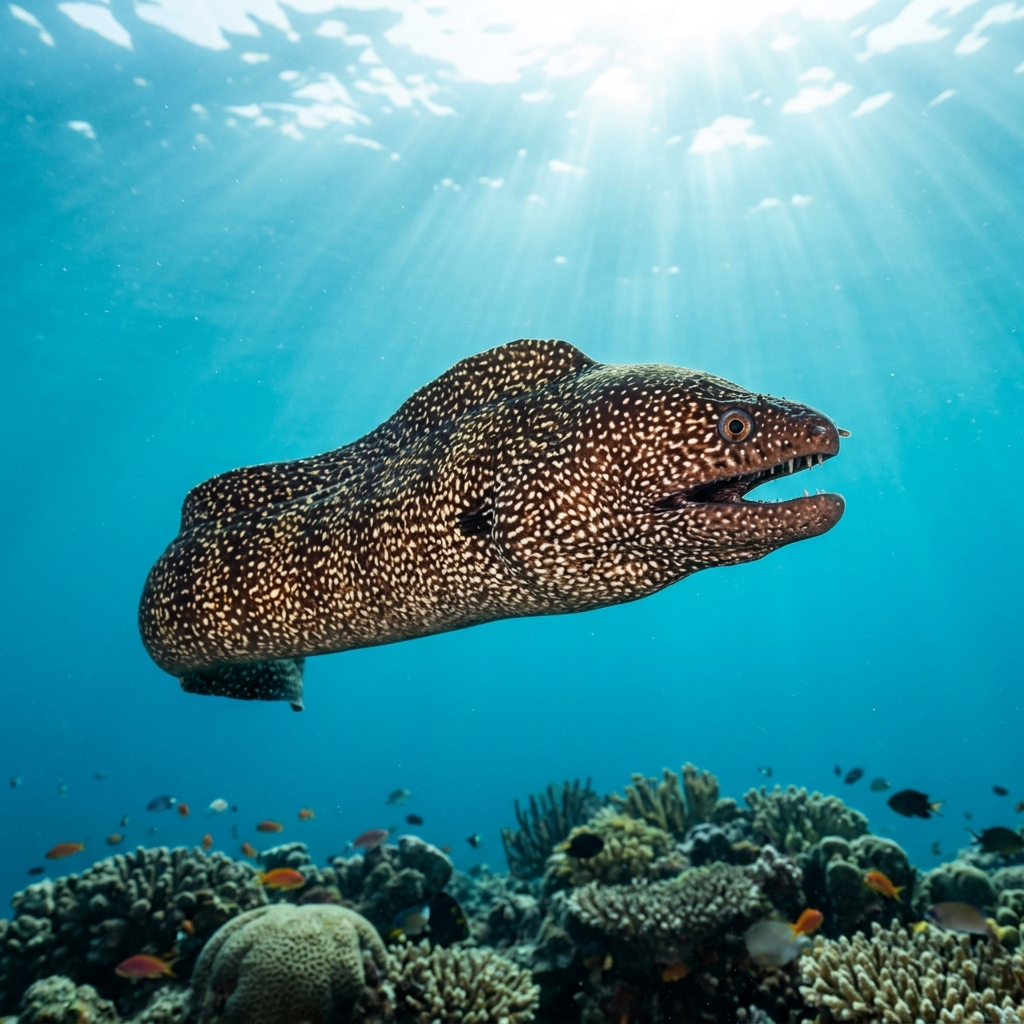
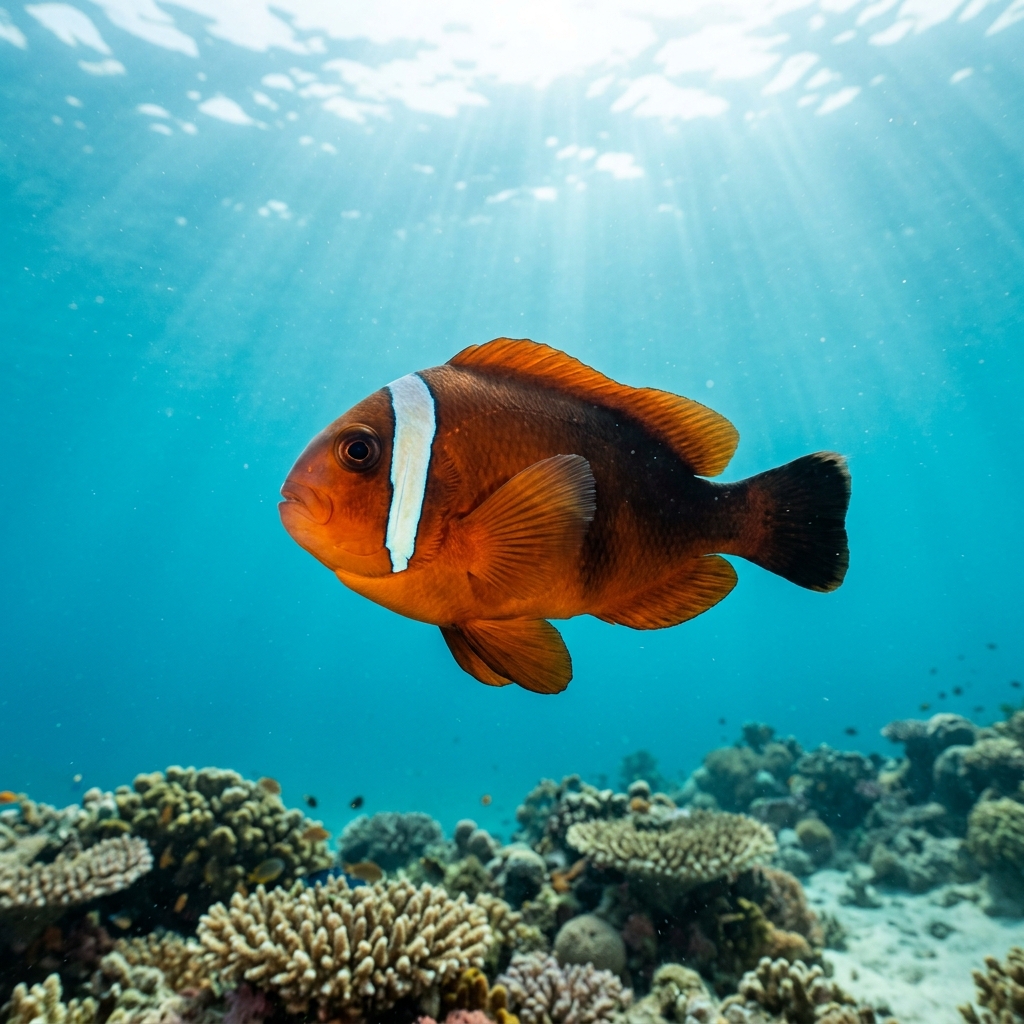
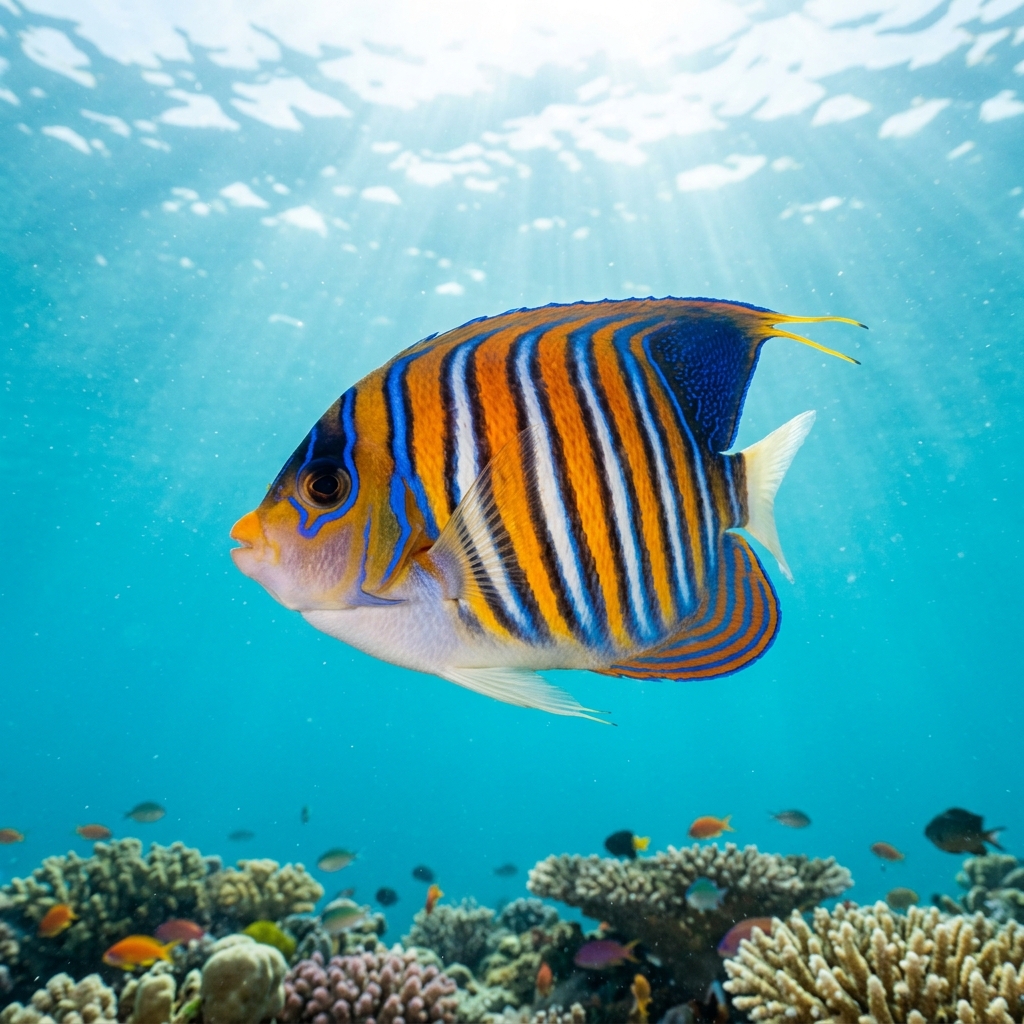
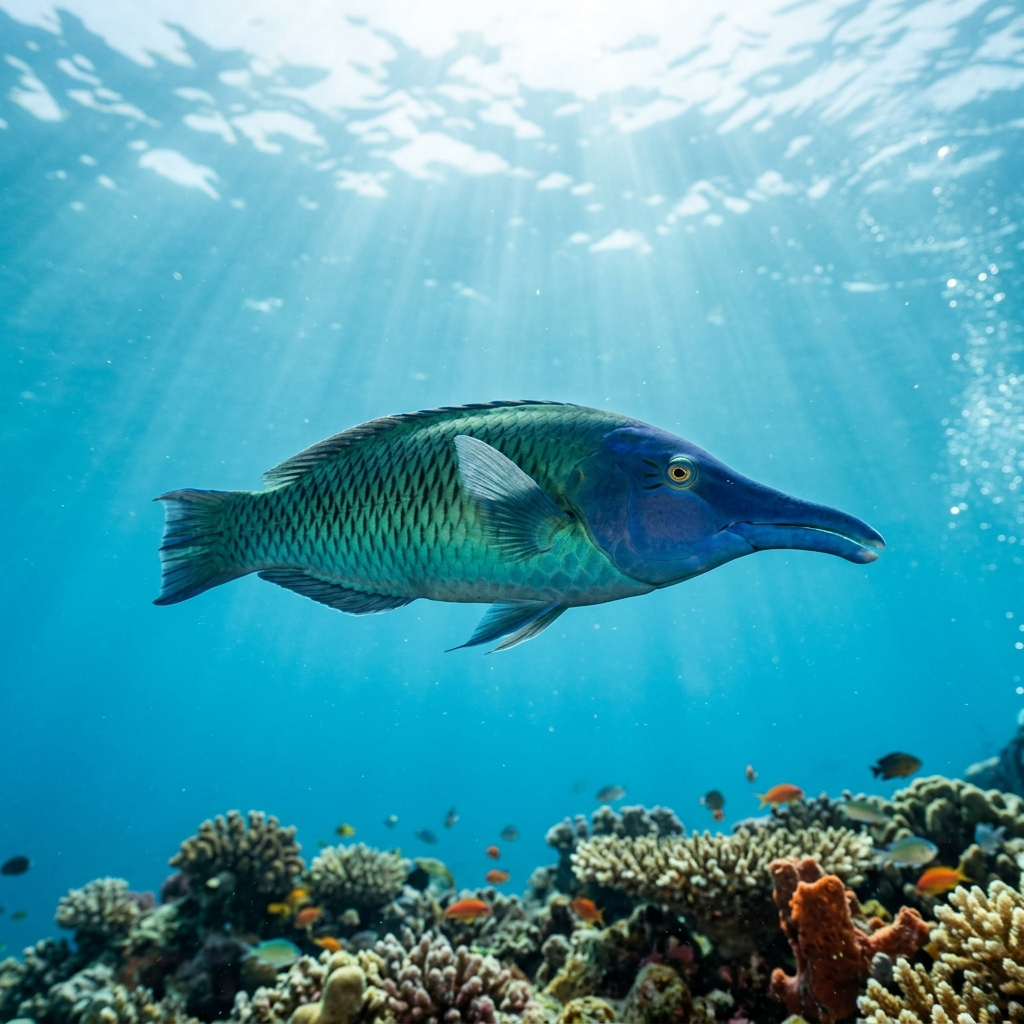
Kerama is a reef-dominated archipelago spread across three sub-areas: Tokashiki, Zamami and Aka. Most sites require a short boat ride, though Furuzamami Beach offers easy shore entry for snorkellers and beginners. The majority of dive sites suit beginner to intermediate divers, with a handful of drift and pinnacle sites reserved for more experienced visitors. Green Sea Turtle sightings are routine, and an impressive variety of triggerfish, Regal Angelfish, Turkey Moray and Lunartail Grouper populate the reefs across the islands.
3 areas

Monthly water temperature across Kerama's sites, from satellite sea-surface data corrected for depth. The band shows the site-to-site spread.
Water stays warm from late spring through autumn, peaking in the summer months and cooling slightly towards late winter. The warmest period aligns with peak dive season, running from April through October. Winter diving remains viable in a thicker wetsuit, though conditions are calmer and cooler.
16 operators
70 more sites to explore
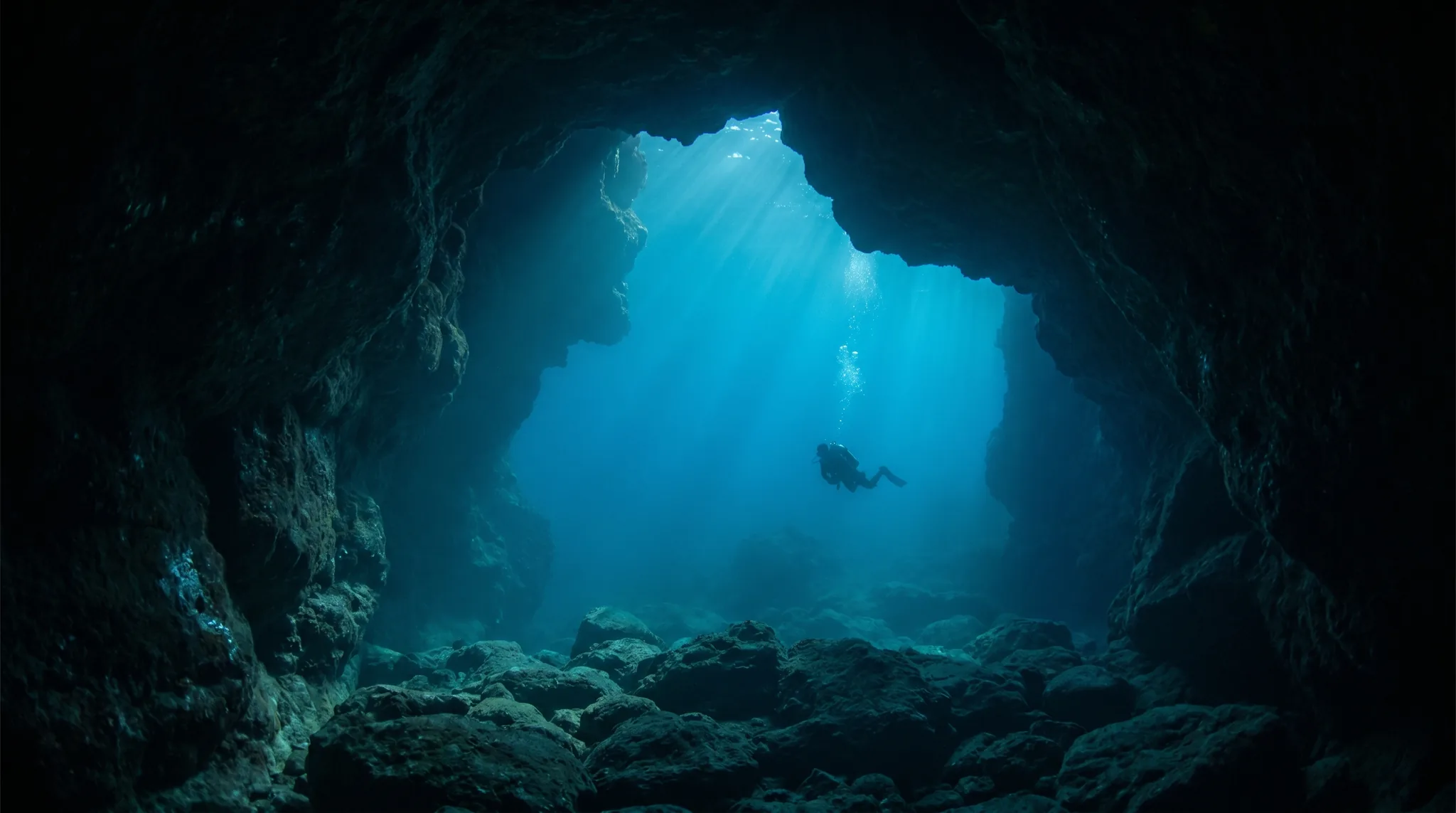
Boat-access reef diving with Green Sea Turtle, octopus and cave formations across a varied spread of sites for all skill levels.
Water temperature around Kerama ranges from about 22°C in February to 29°C in July, based on satellite sea-temperature data for its dive sites.
In the warm season (about 29°C) a rash guard or 3mm shorty is comfortable in Kerama; in the coldest months (about 22°C) step up to a 3mm full suit.
Fin maps 82 sites in Kerama (68 scuba diving sites and 31 snorkelling spots, with some suited to both), organised into 3 areas.
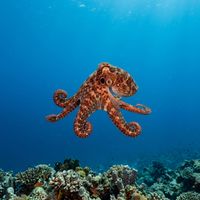
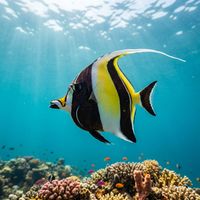
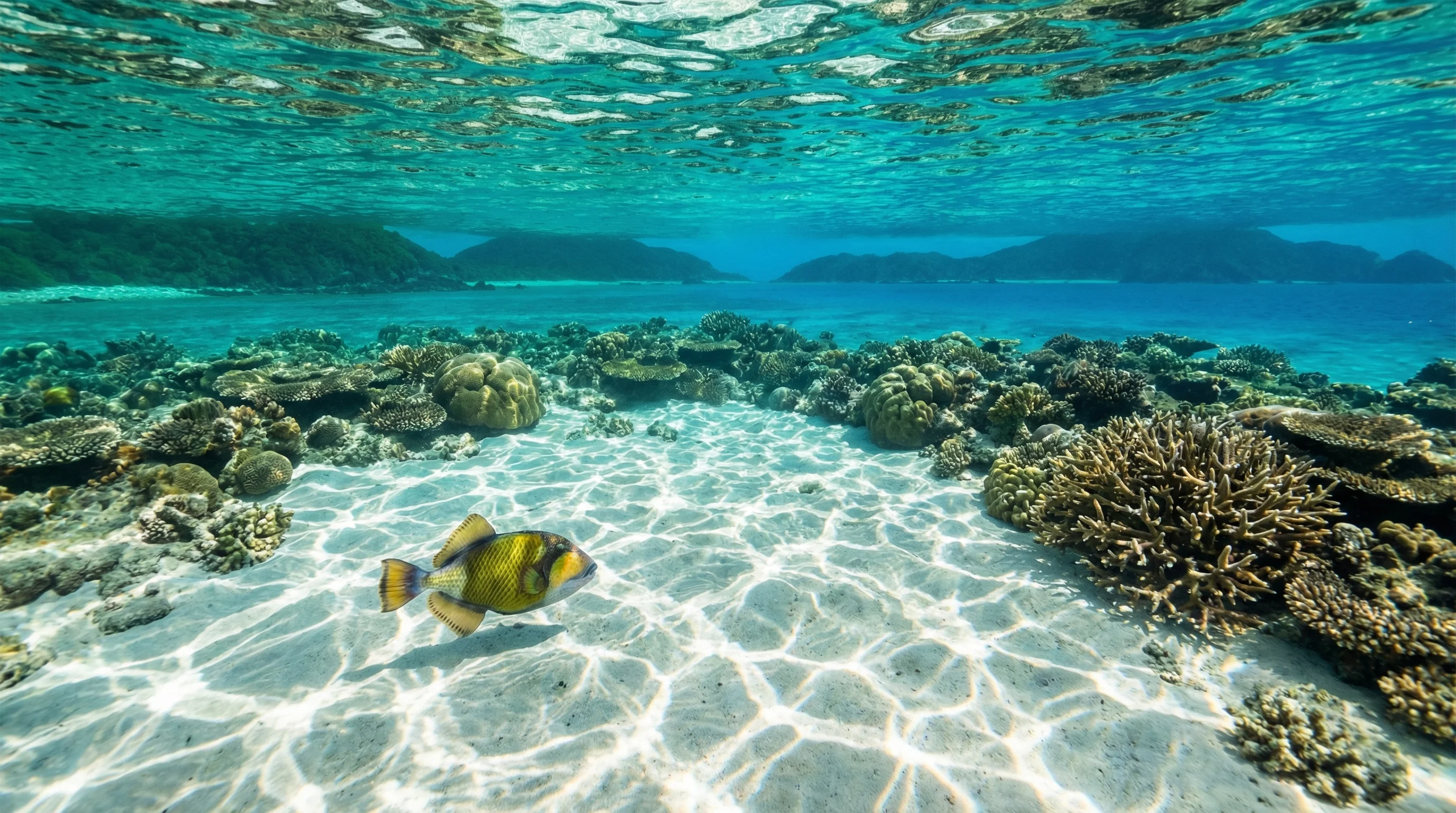
Kerama's reefs support a wide range of species. Green Sea Turtle is frequently observed across the islands, and triggerfish are particularly well represented, with Titan Triggerfish, Clown Triggerfish, Lagoon Triggerfish, Flagtail Triggerfish and Orangestripe Triggerfish all commonly recorded. Turkey Moray, Lunartail Grouper, Regal Angelfish and Day Octopus are also regular sightings.
The majority of Kerama's dive sites are rated for beginners, with shallow reefs around Zamami and Tokashiki offering manageable conditions. Sites like Sanchin, Gina and Furuzamami Beach are well suited to those new to diving. A smaller number of sites, including Uchizan, KRM and Shimozone, involve strong currents and are better left to experienced divers.
Most sites in Kerama require boat access, and this is true across all three sub-areas of Tokashiki, Zamami and Aka. However, Furuzamami Beach on Zamami Island is a notable exception, offering direct shore entry onto a shallow fringing reef suitable for both snorkelling and diving.
Tokashiki has the largest number of sites and includes varied terrain such as the reef, wall and cave topography at Tokashiki Lighthouse and the complex formations at Labyrinth. Zamami offers a wide spread of sites ranging from calm beginner reefs to challenging drift dives like Uchizan and Shimozone. Aka is the smallest of the three sub-areas but still provides a worthwhile selection of reef dives.