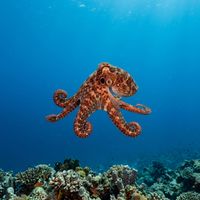
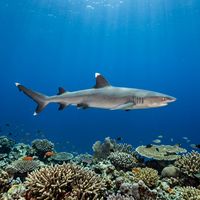
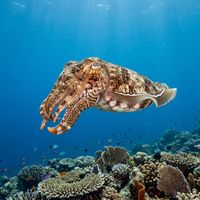
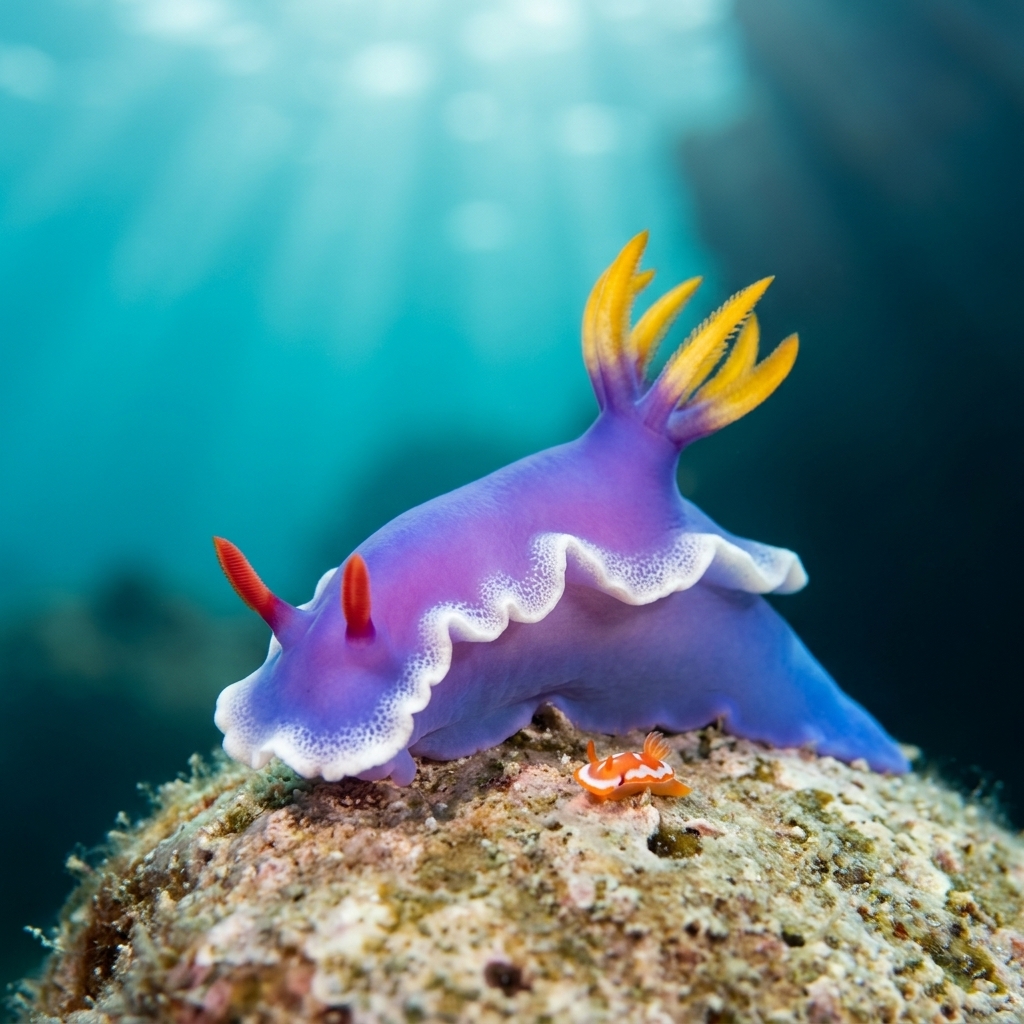
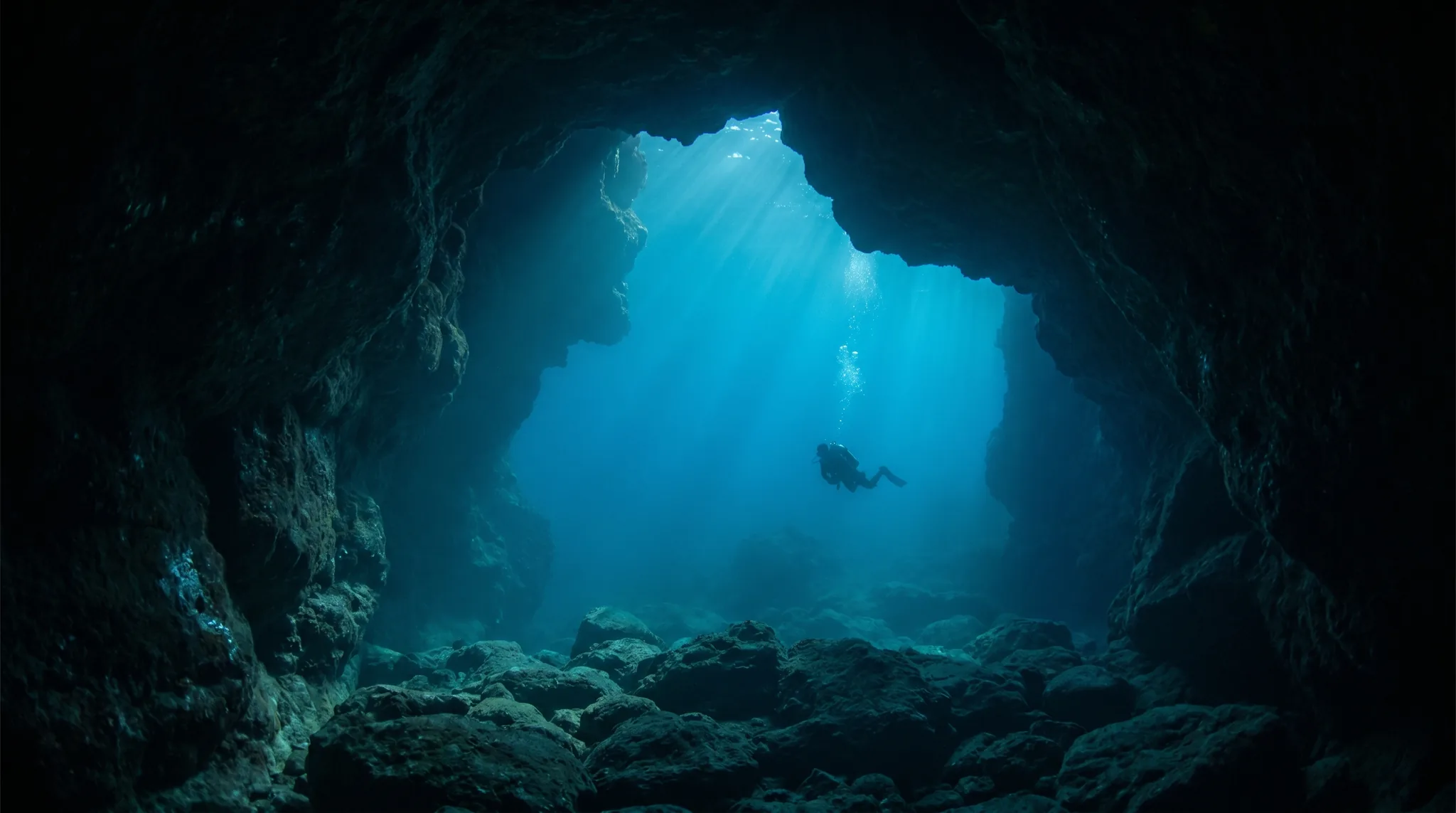
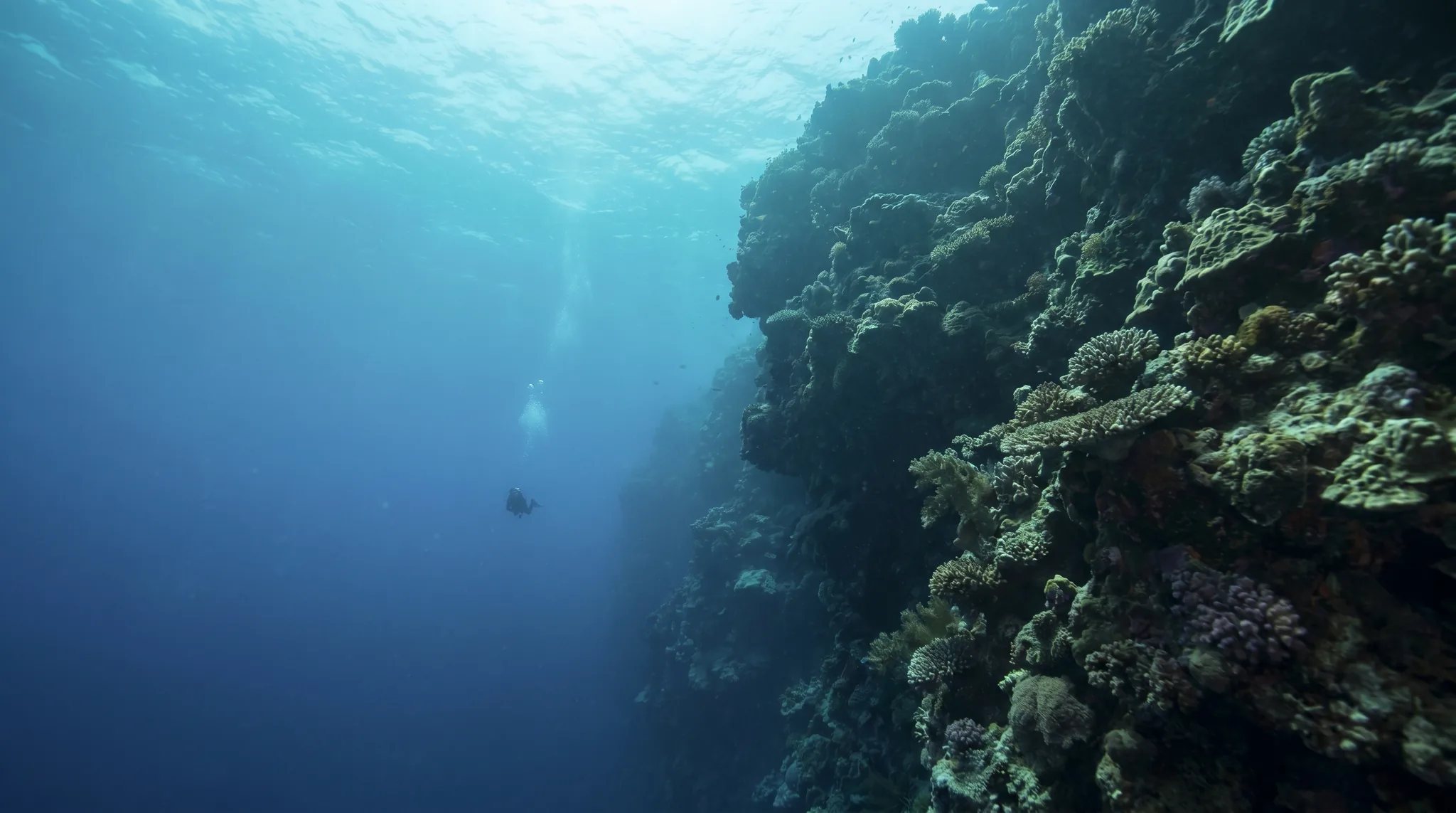
Cape Manzamo and Onna offers a varied mix of reef, wall, cave, and cavern sites alongside a dedicated artificial reef. Topography shifts from shallow beginner-friendly reef to deeper drift and wall diving, with the more demanding sites bringing Whitetip Reef Shark and strong currents into play. Cephalopods and nudibranchs are a particular strength, with Day Octopus, Broadclub Cuttlefish, and multiple sea slug species consistently observed across sites. Water stays warm through the summer peak, with conditions generally settling from late spring onward.

Monthly water temperature across Cape Manzamo & Onna's sites, from satellite sea-surface data corrected for depth. The band shows the site-to-site spread.
Water temperature climbs steadily from its coolest in late winter through to a warm summer peak in August and September, making the warmer months especially comfortable for extended dives. The histogram points to late spring and summer as the most popular period, though conditions remain reasonable well into autumn. Some sites carry strong, shifting currents, so conditions can vary considerably between sheltered beginner reefs and more exposed channel dives.
16 operators

Japan
Japan
Japan
11 more sites to explore
Water temperature around Cape Manzamo & Onna ranges from about 22°C in February to 29°C in August, based on satellite sea-temperature data for its dive sites.
In the warm season (about 29°C) a rash guard or 3mm shorty is comfortable in Cape Manzamo & Onna; in the coldest months (about 22°C) step up to a 3mm full suit.
Fin maps 23 sites in Cape Manzamo & Onna (19 scuba diving sites and 9 snorkelling spots, with some suited to both).
Across Cape Manzamo & Onna's dive sites, May, June, July, August, September and October are most often reported as the best months to visit.
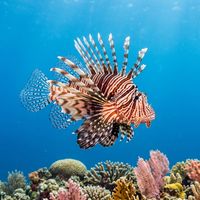
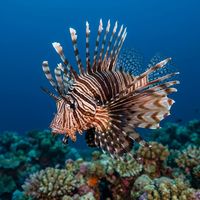
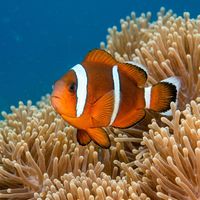
The area has a strong nudibranch and cephalopod community, with Day Octopus, Broadclub Cuttlefish, Varicose Wart Slug, Cinderella Sea Slug, and Magnificent Chromodoris all observed regularly. Whitetip Reef Shark and Indian Lionfish are common across multiple sites, and Green Sea Turtle is an occasional encounter. Yellowtail Clownfish and Moorish Idol round out the reef fish life.
Yes, a good number of sites are rated for beginners, including Sand Way, Nakayukui, and the Legare-J Underwater Studio artificial reef. These tend to be shallower reefs with mild currents and shore or boat access. More advanced divers are catered for at sites like Toilet Bowl and Miyagi Channel, where stronger currents and complex cavern topography demand greater experience.
A handful of sites offer shore entry, including Mermaid's Grotto and Legare-J Underwater Studio. The majority of sites in the area are boat-access only, so most divers will join one of the local operators. Operators such as Flare Dive, Piranha Divers, and SEAKERS OKINAWA are among those running trips in the region.
The area covers reef, wall, cave, cavern, pinnacle, drift, and artificial reef sites, giving divers a wide range of underwater environments to explore. Shallower reef sites suit snorkellers and beginners, while walls and caverns at sites like Manzamo and Overhead Rock offer more involved dives. The artificial reef at Legare-J Underwater Studio provides a distinctive and accessible alternative to natural reef diving.