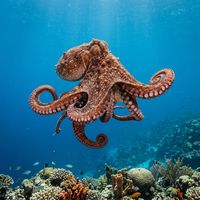
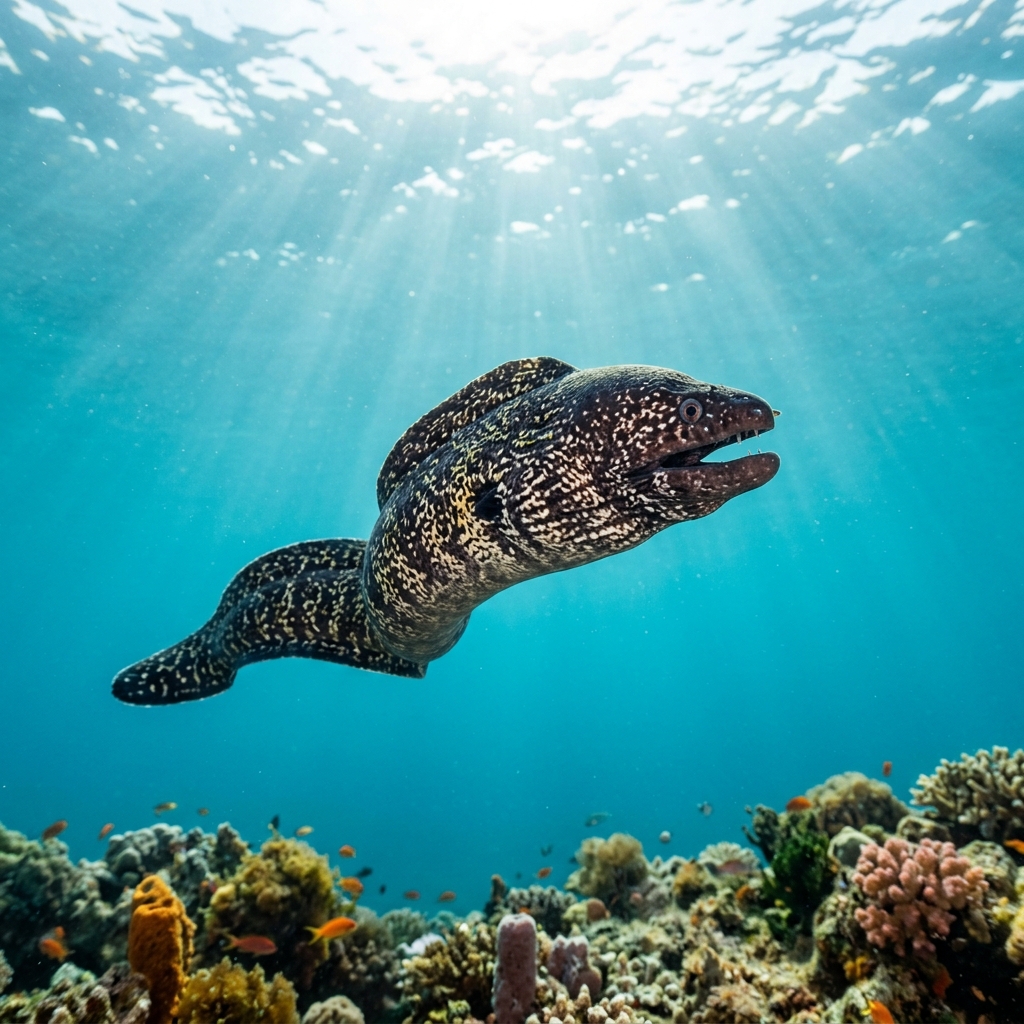
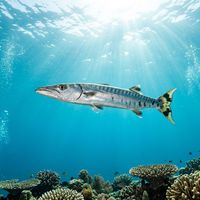
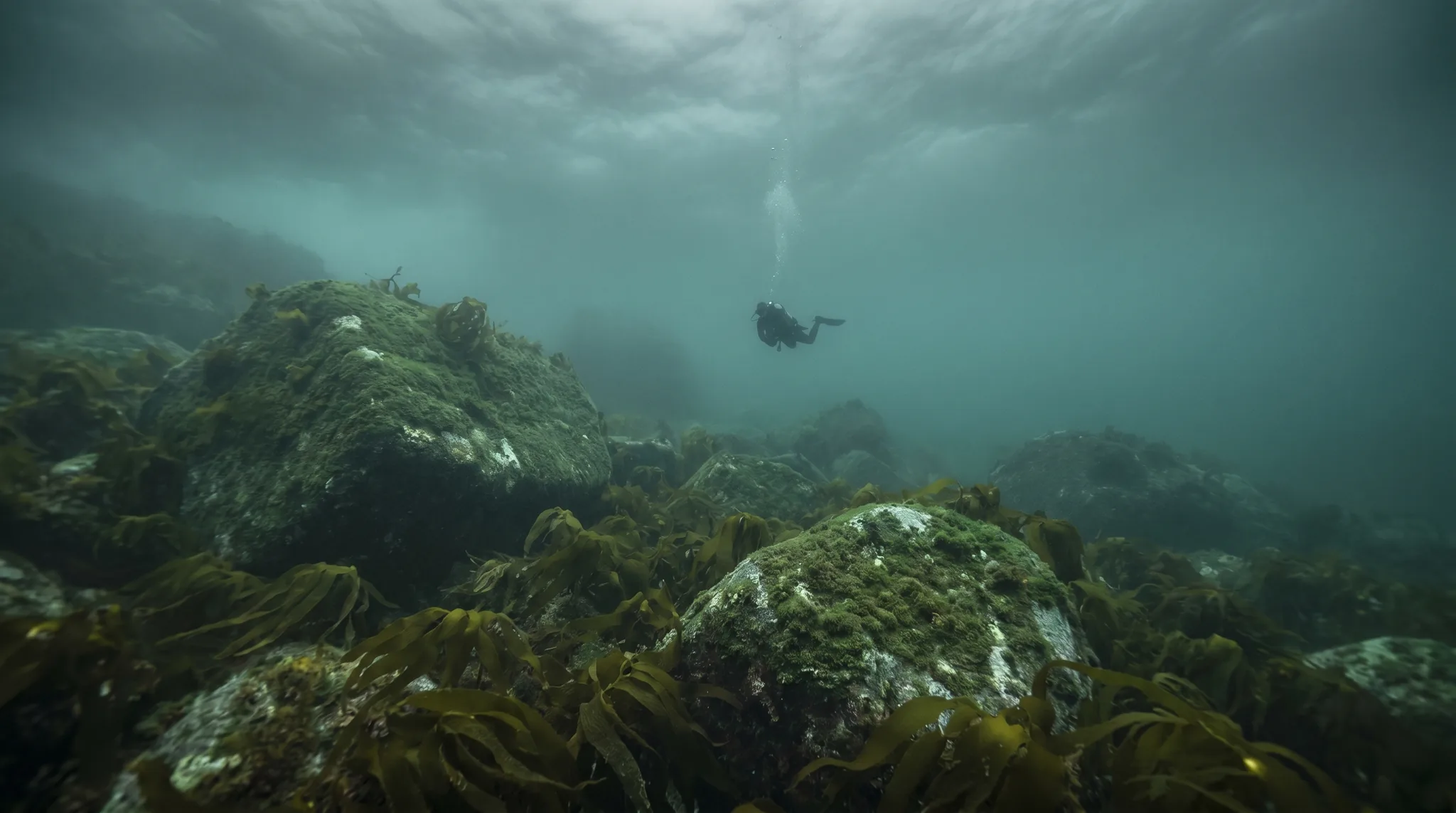
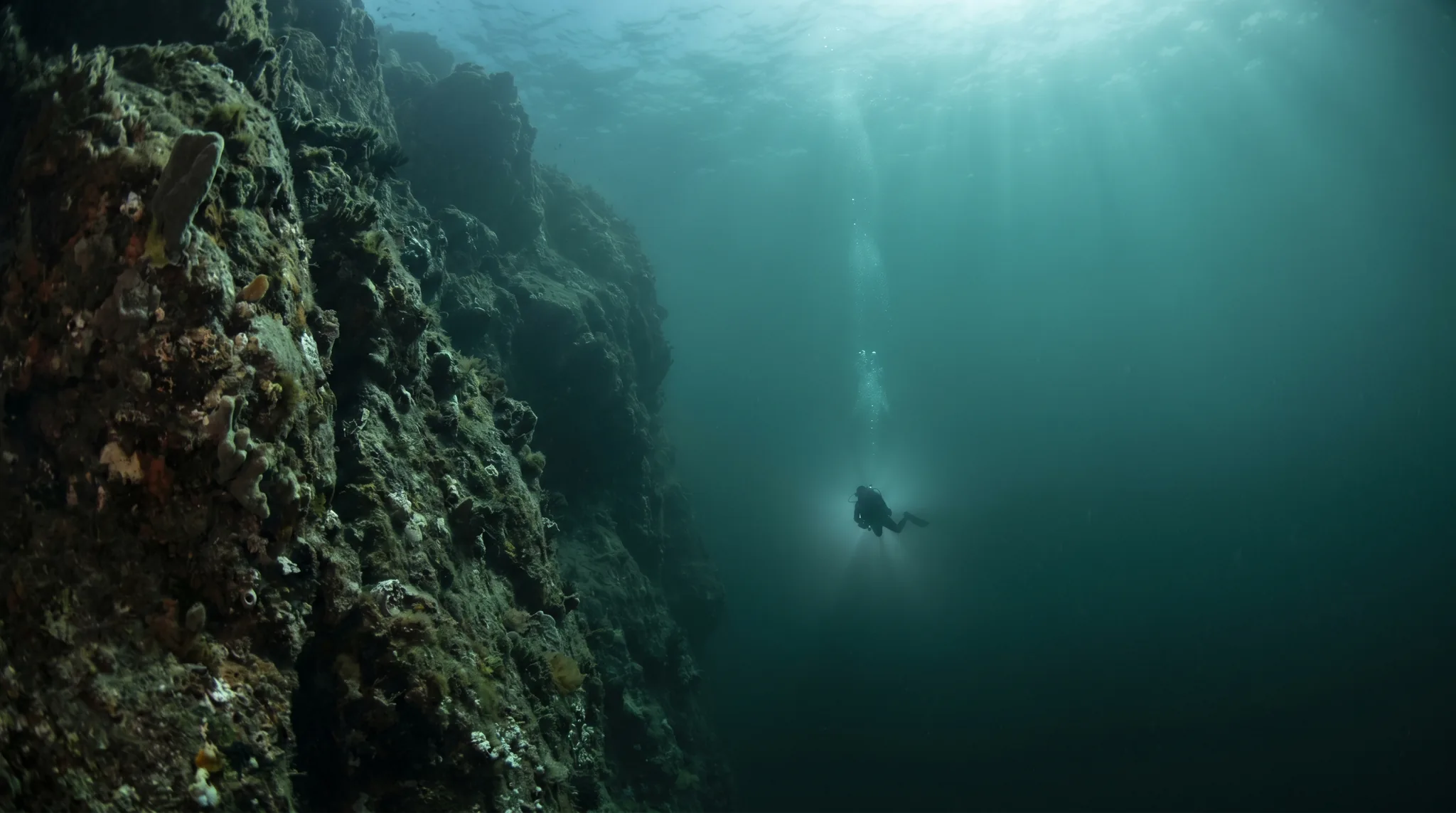
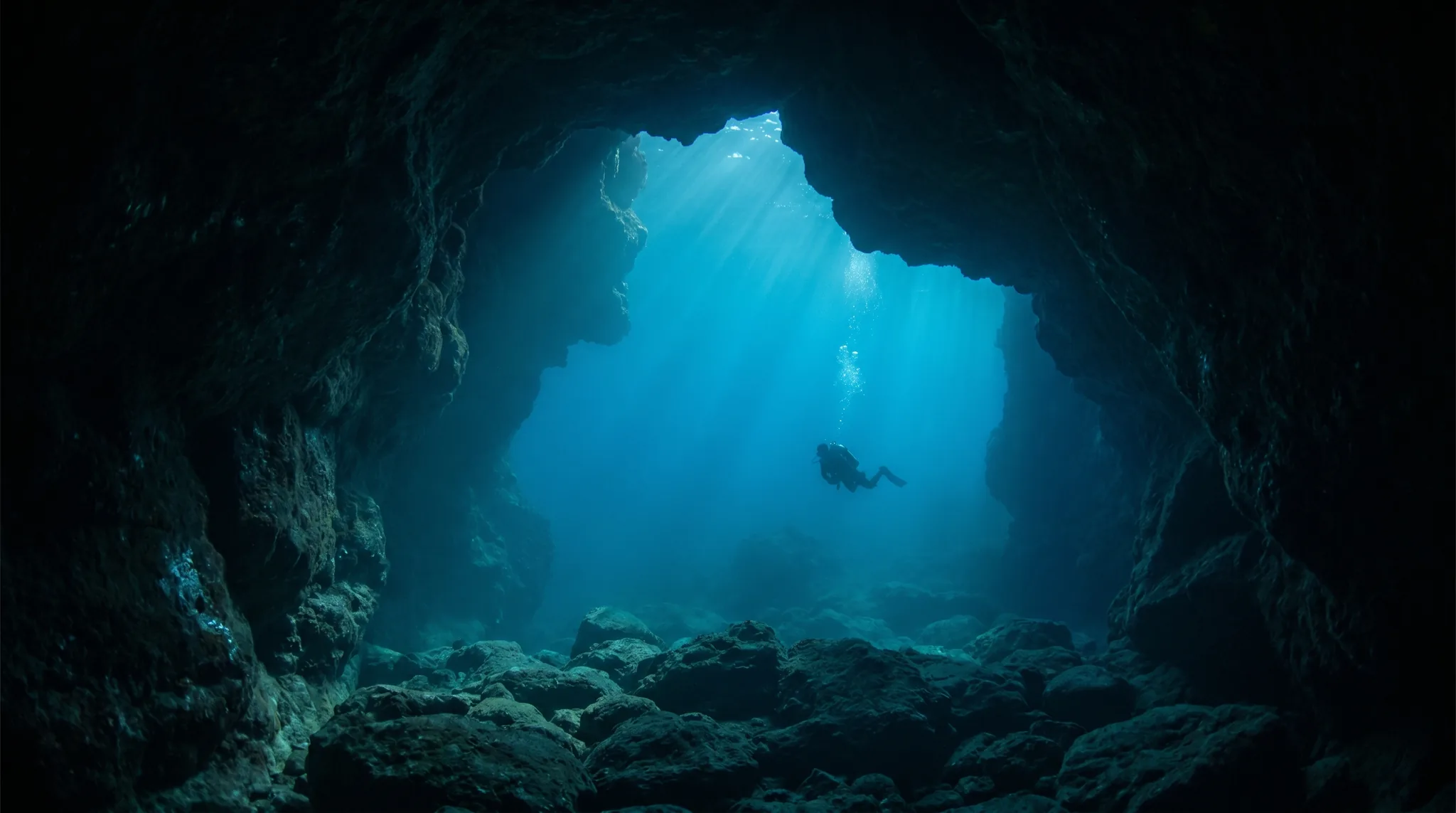
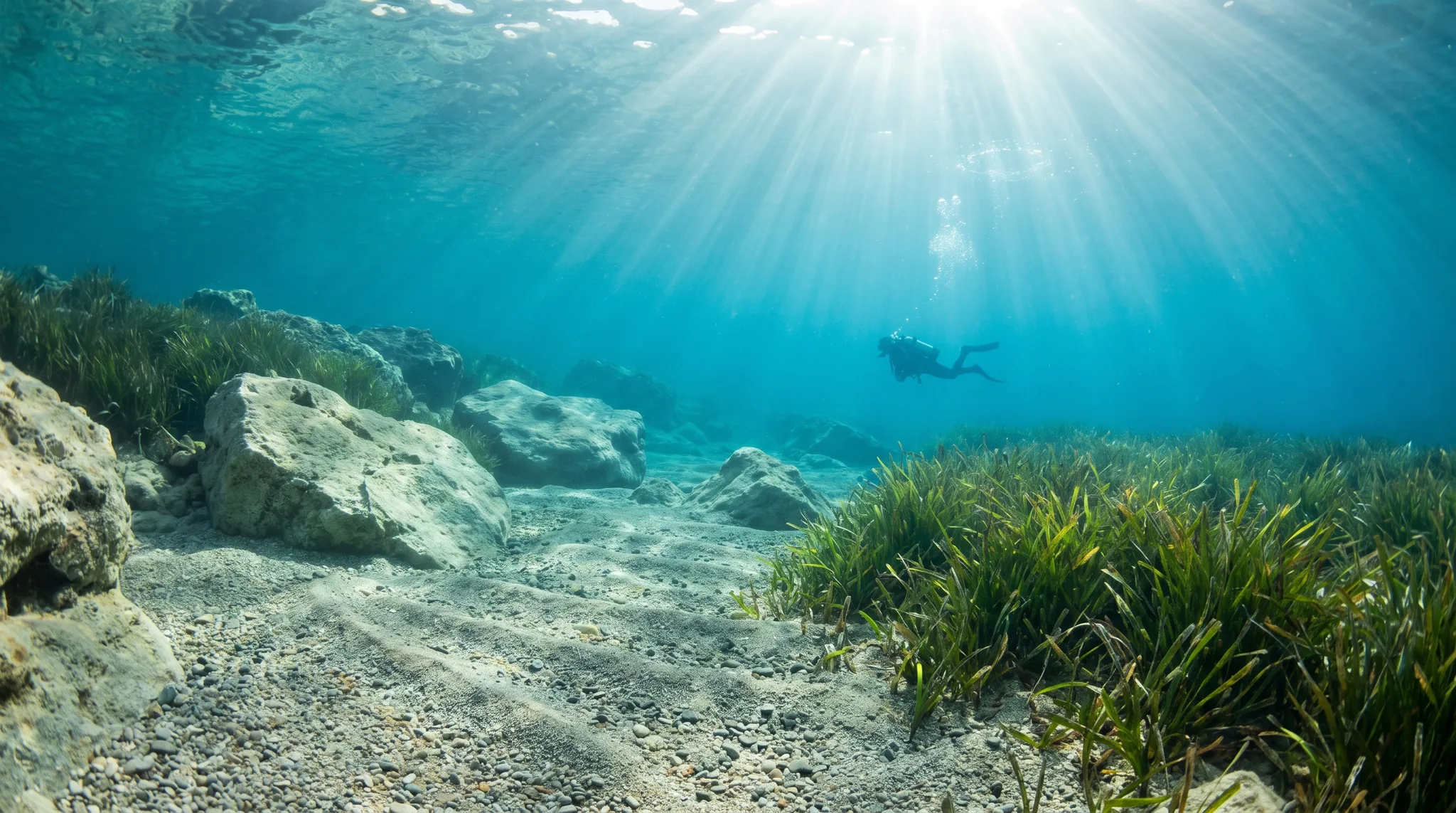
Alghero's underwater character is defined by an exceptional concentration of cave and cavern systems alongside walls, drop-offs and reefs. Sites range from shallow shore entries suited to beginners through to deep drift dives on gorgonian-covered walls for advanced divers. The Common Octopus, Mediterranean Moray and Great Barracuda appear consistently across sites. Conditions are at their most welcoming from late spring through autumn, with warm water and good visibility across the season.
Monthly water temperature across Alghero's sites, from satellite sea-surface data corrected for depth. The band shows the site-to-site spread.
Water temperature rises through spring and peaks in late summer, making the warmest conditions available from June through October. The cooler shoulder months of May and October still attract strong diver numbers and often bring better visibility along the deeper walls. Winter temperatures drop noticeably, and most of the exposed boat-access sites are best left for the warmer half of the year.
17 operators
Alghero, Italy
22 more sites to explore
Water temperature around Alghero ranges from about 14°C in February to 24°C in August, based on satellite sea-temperature data for its dive sites.
In the warm season (about 24°C) a 3mm full suit is comfortable in Alghero; in the coldest months (about 14°C) step up to a 7mm or semi-dry suit.
Fin maps 34 sites in Alghero (28 scuba diving sites and 10 snorkelling spots, with some suited to both).
Across Alghero's dive sites, May, June, July, August, September and October are most often reported as the best months to visit.
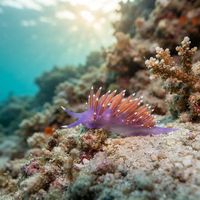
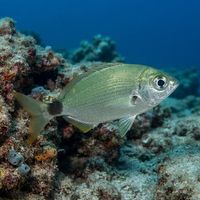
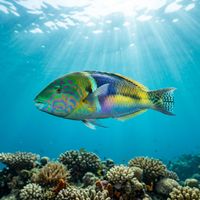
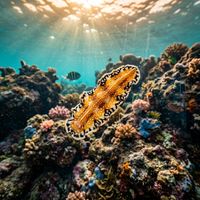
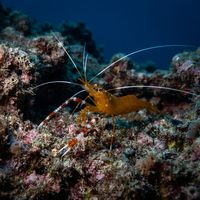
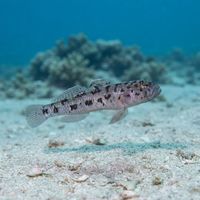
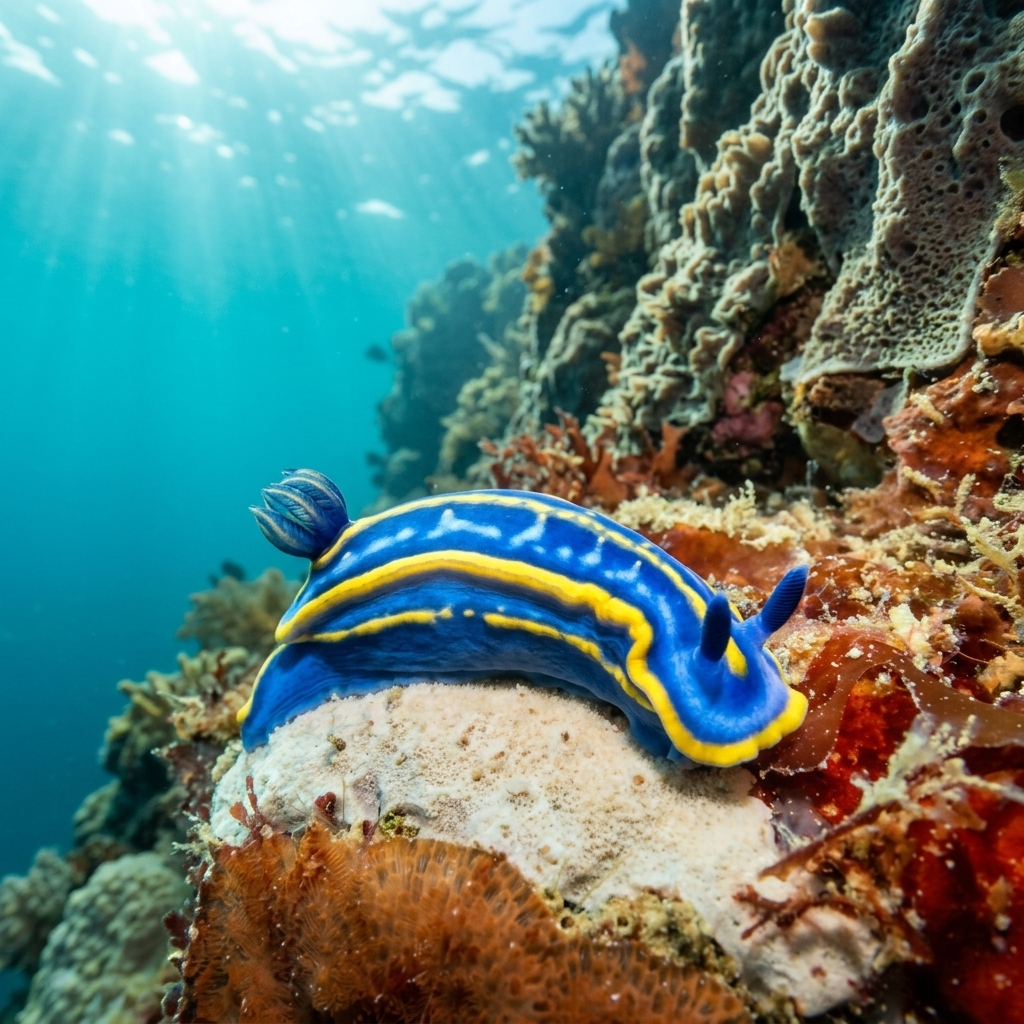
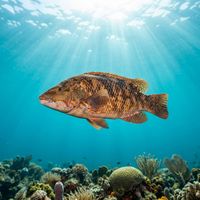
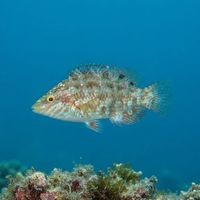
Alghero's sites regularly produce sightings of Common Octopus, Mediterranean Moray and Great Barracuda. Cleaner Shrimp, Conger Eel, Squat Lobster and Cuckoo Wrasse are also commonly encountered, particularly around the cave and wall sites. Nudibranch enthusiasts will find several species present, including Felimare orsinii, Tricolor Doris and the White-spotted Yellow Nudibranch.
A good portion of Alghero's sites are graded for beginners, including The Dolmen, Capo Galera, Madonnina and several cavern sites that offer sheltered, shallower profiles. More advanced sites such as Fantasmi Cave, The Gorgonias and The Canyon involve strong currents, deep drops or complex overhead environments and are reserved for experienced divers. The range of skill-level options makes Alghero workable for mixed-ability groups.
The majority of sites are reached by boat, which is the standard way to access the cave systems and deeper walls around the headlands. Capo Galera is a notable exception, offering a straightforward shore entry over a shallow reef. Several operators based in Alghero, including Sandalia Diving Center, Porto Conte Diving Center and Alghero Divers, run regular boat trips to the main sites.
Alghero is particularly known for its limestone cave and cavern systems, which appear across a large number of sites including Stalattiti Cave, Falco Cave, Cervi Cave and Fantasmi Cave. Walls and drop-offs are also central to the area's character, with sites like Capo Caccia and The Gorgonias offering dramatic vertical terrain. Reefs and canyon formations round out the mix, giving divers a varied programme across multiple visits.