
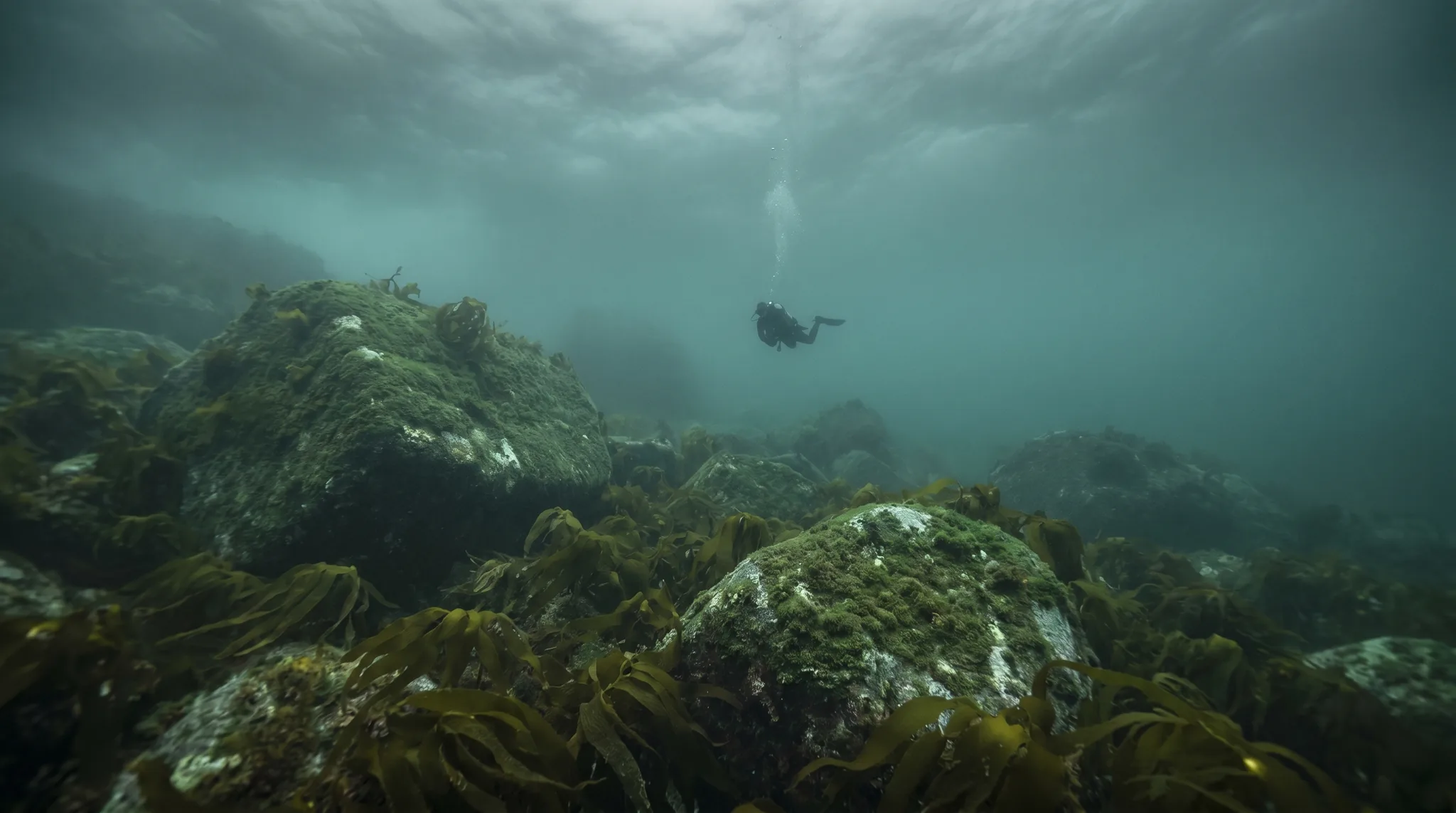
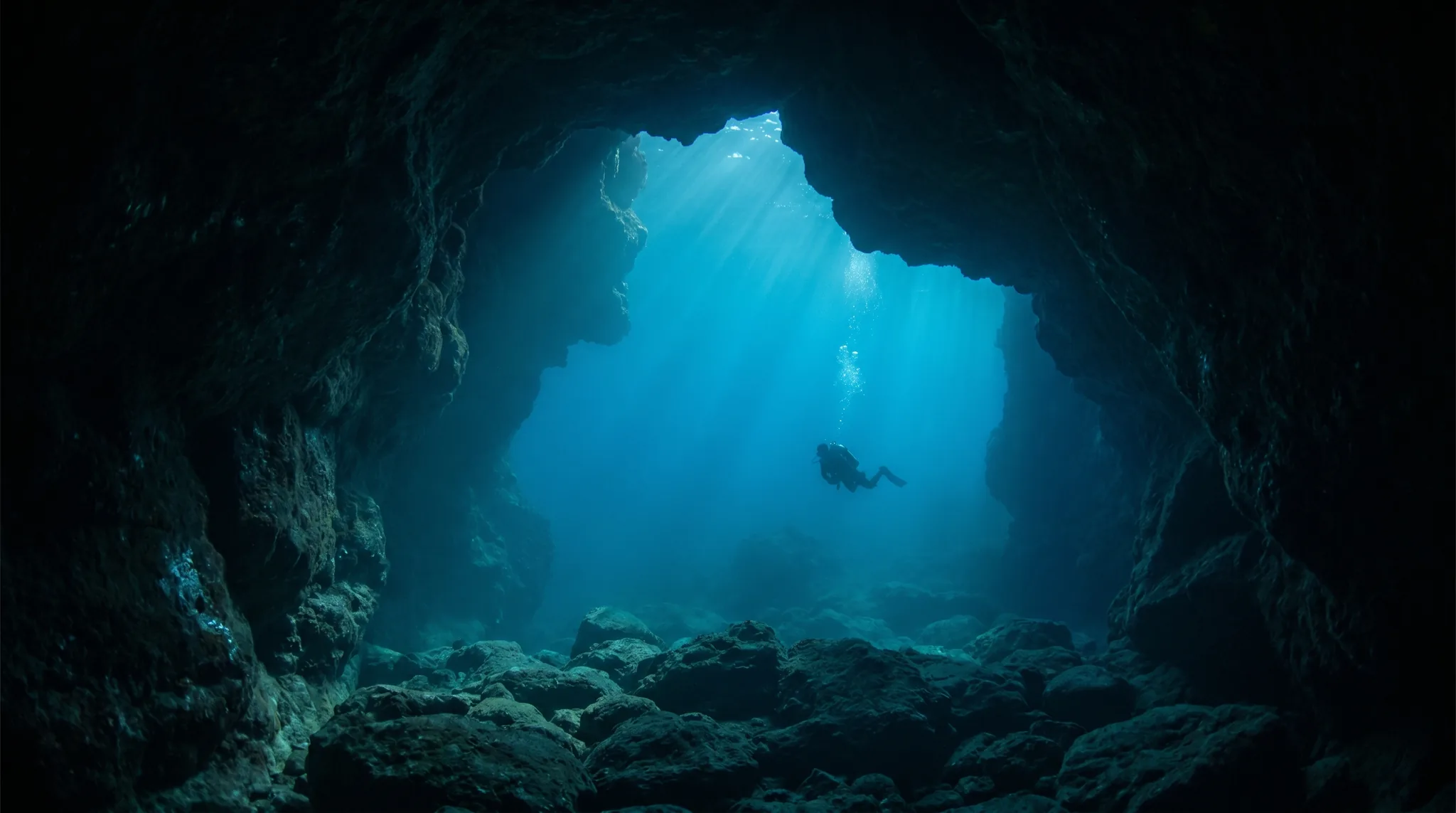
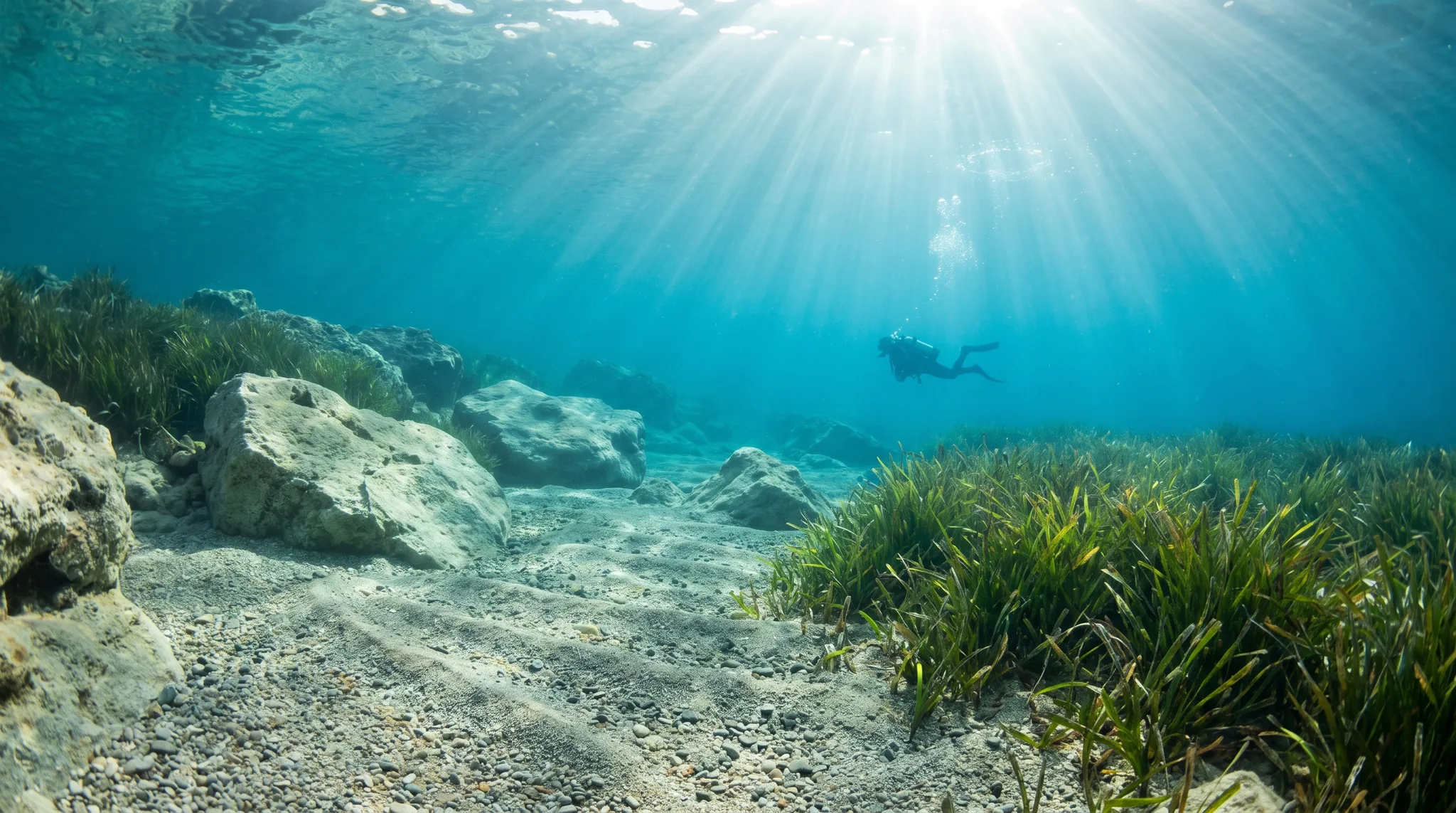
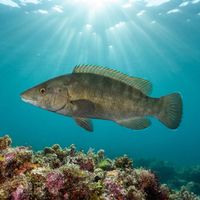
La Maddalena Archipelago is a boat-access diving destination built almost entirely on granite. Walls, seamounts, caves, reefs and canyons sit across a wide skill range, from shallow beginner reefs like Scoglio del Paganetto to demanding offshore structures such as Blue Hole and Secca di Washington. The signature fauna is cephalopod-led: European Common Cuttlefish and Common Octopus are ever-present, while the Dusky Grouper appears at the more sheltered sites. Spring and autumn draw the strongest diver numbers, when visibility is at its best.
Monthly water temperature across La Maddalena Archipelago's sites, from satellite sea-surface data corrected for depth. The band shows the site-to-site spread.
Water temperatures rise steadily from spring into late summer, peaking in September and October, which also align with the highest-rated diving months. Spring brings improving conditions and good visibility after the cooler winter lull. Exposed offshore sites can carry current, so conditions vary noticeably between sheltered reef dives and open-water structures.
16 operators
27 more sites to explore
Water temperature around La Maddalena Archipelago ranges from about 14°C in February to 21°C in September, based on satellite sea-temperature data for its dive sites.
In the warm season (about 21°C) a 5mm suit is comfortable in La Maddalena Archipelago; in the coldest months (about 14°C) step up to a 7mm or semi-dry suit.
Fin maps 39 sites in La Maddalena Archipelago (36 scuba diving sites and 6 snorkelling spots, with some suited to both).
Across La Maddalena Archipelago's dive sites, May, June, September and October are most often reported as the best months to visit.
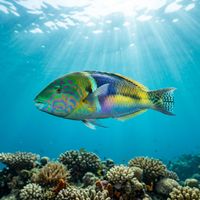
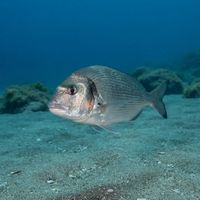
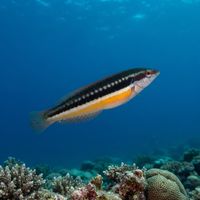
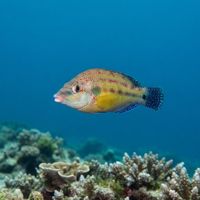
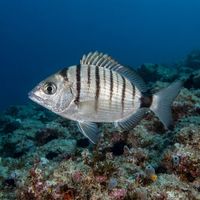
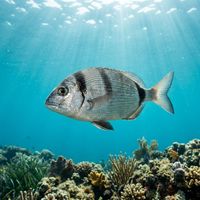
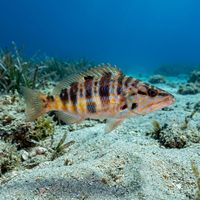
The most reliably encountered species are European Common Cuttlefish, Painted Comber, Tompot Blenny, and Two-banded Seabream, all observed across the great majority of sites. Common Octopus and Scorpionfish are also frequently seen, and patient divers may spot the Dusky Grouper at quieter sites. Conger Eel and Wide Eyed Flounder turn up on sandy seabeds near reef structures.
Yes, several sites are rated for beginners. Scoglio del Paganetto, Il Fungo, and Grottino di San Francesco all offer manageable depths and accessible topography for newer divers. Punta Battistoni is the one shore-entry site and is particularly gentle. More advanced sites such as Blue Hole, Secca di Washington, and Rocca Ruja are best left until you have more experience with deeper water and potential current.
Almost all sites here are boat-access only, reflecting the offshore nature of the archipelago's reefs and seamounts. Punta Battistoni is the notable exception, reachable from shore and well suited to beginners. A wide range of local dive operators serve the area, including DST Sardegna, Aquarius Dive Center, and Anthias Diving Center, among others.
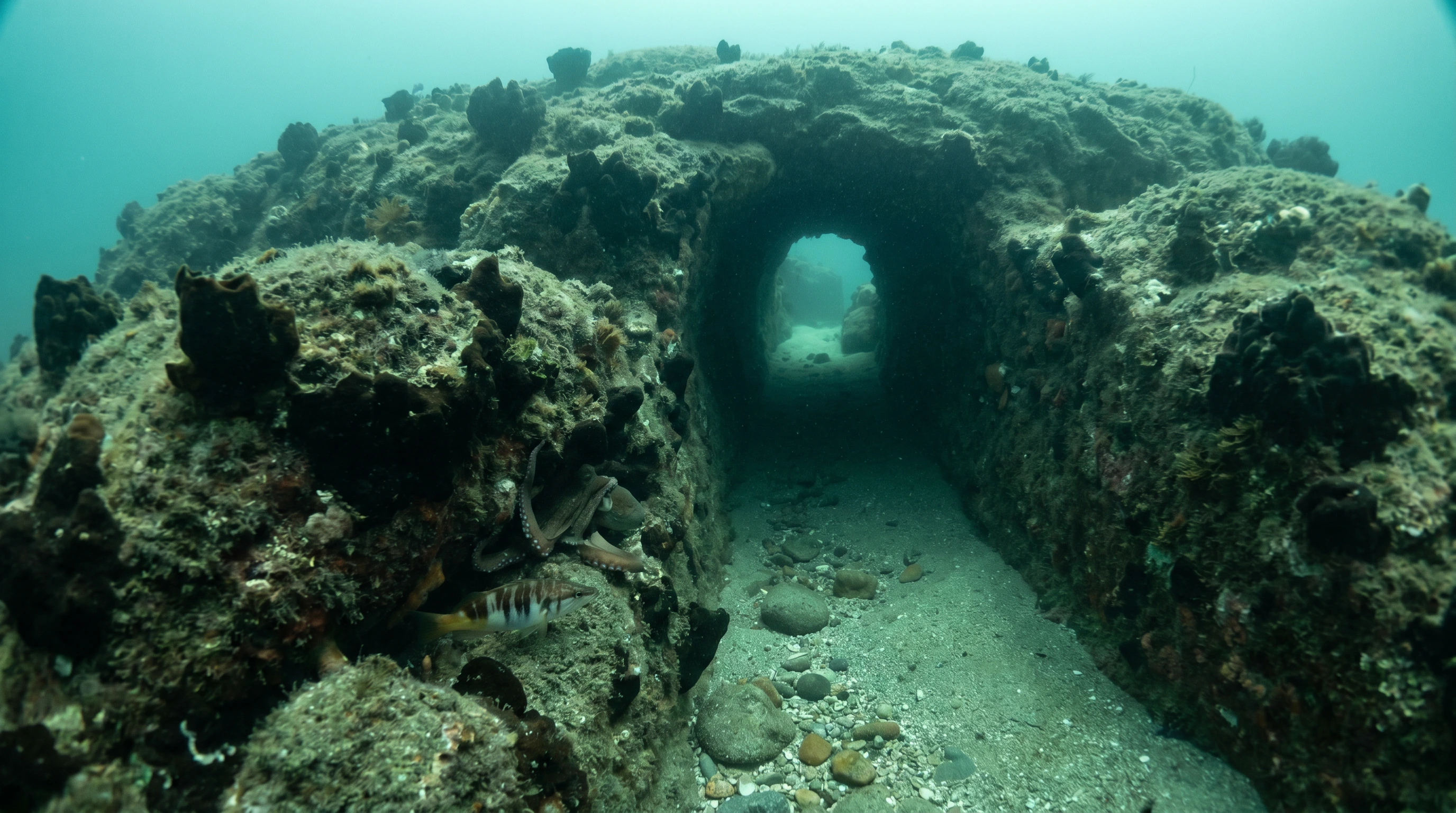
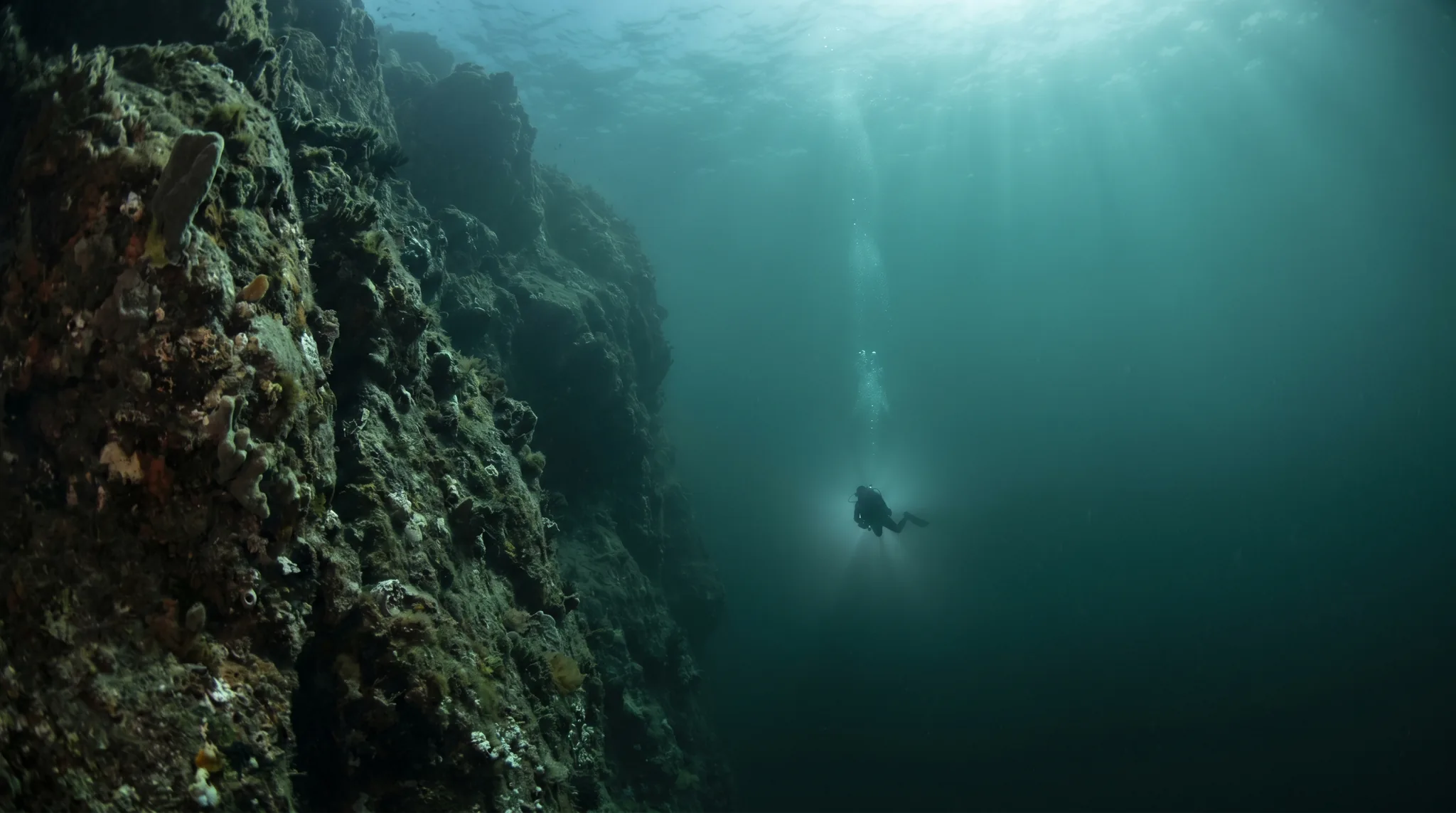
The site mix is varied: granite walls, open reefs, seamounts, caves, canyons, and two wrecks including Relitto Angelika, which doubles as an artificial reef. Structures like Secca di Spargi combine reef, cave, and drop-off in a single dive, while Blue Hole features an amphitheatre of pinnacles and walls. This variety means the area suits a wide range of diving preferences.