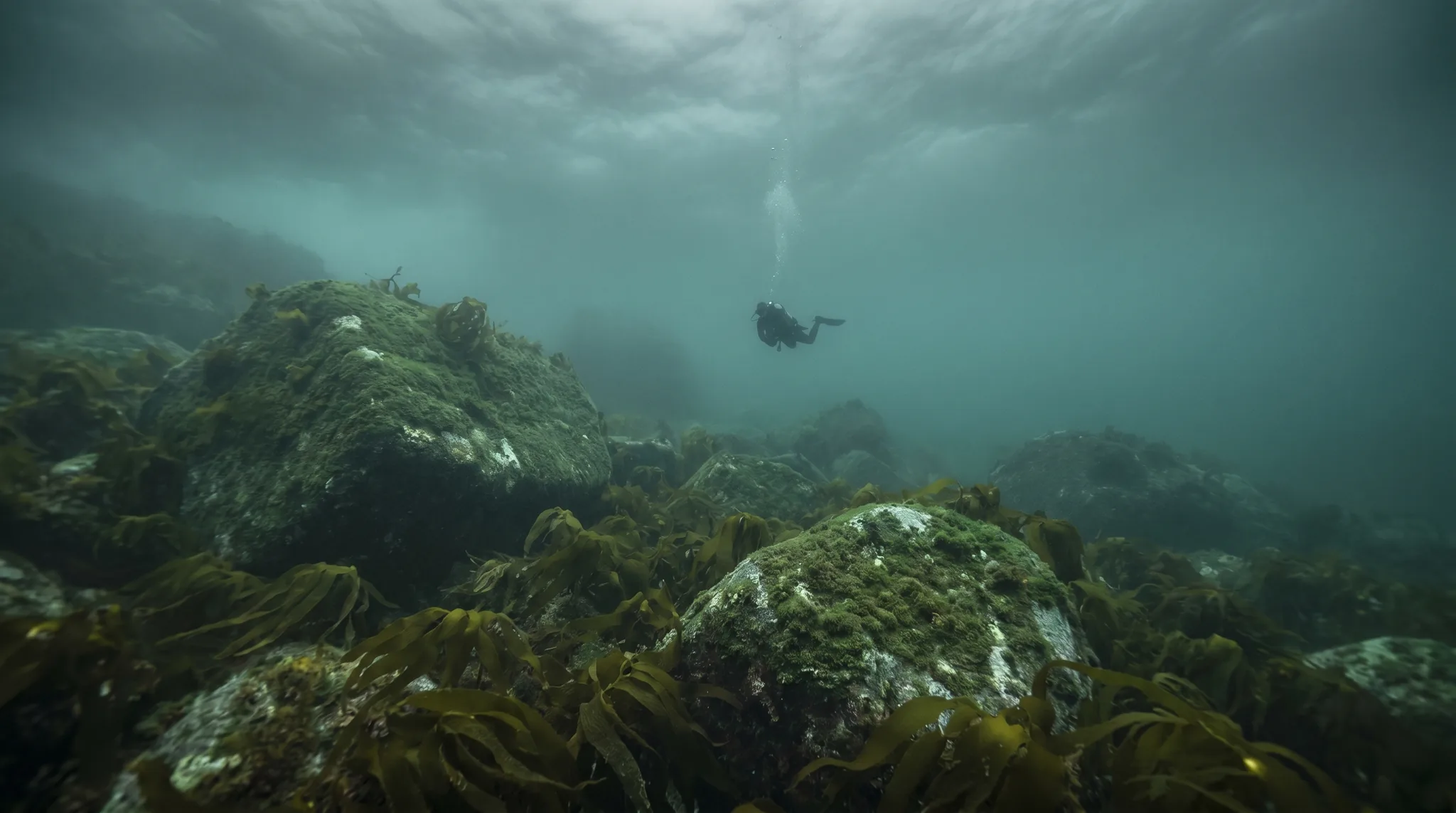
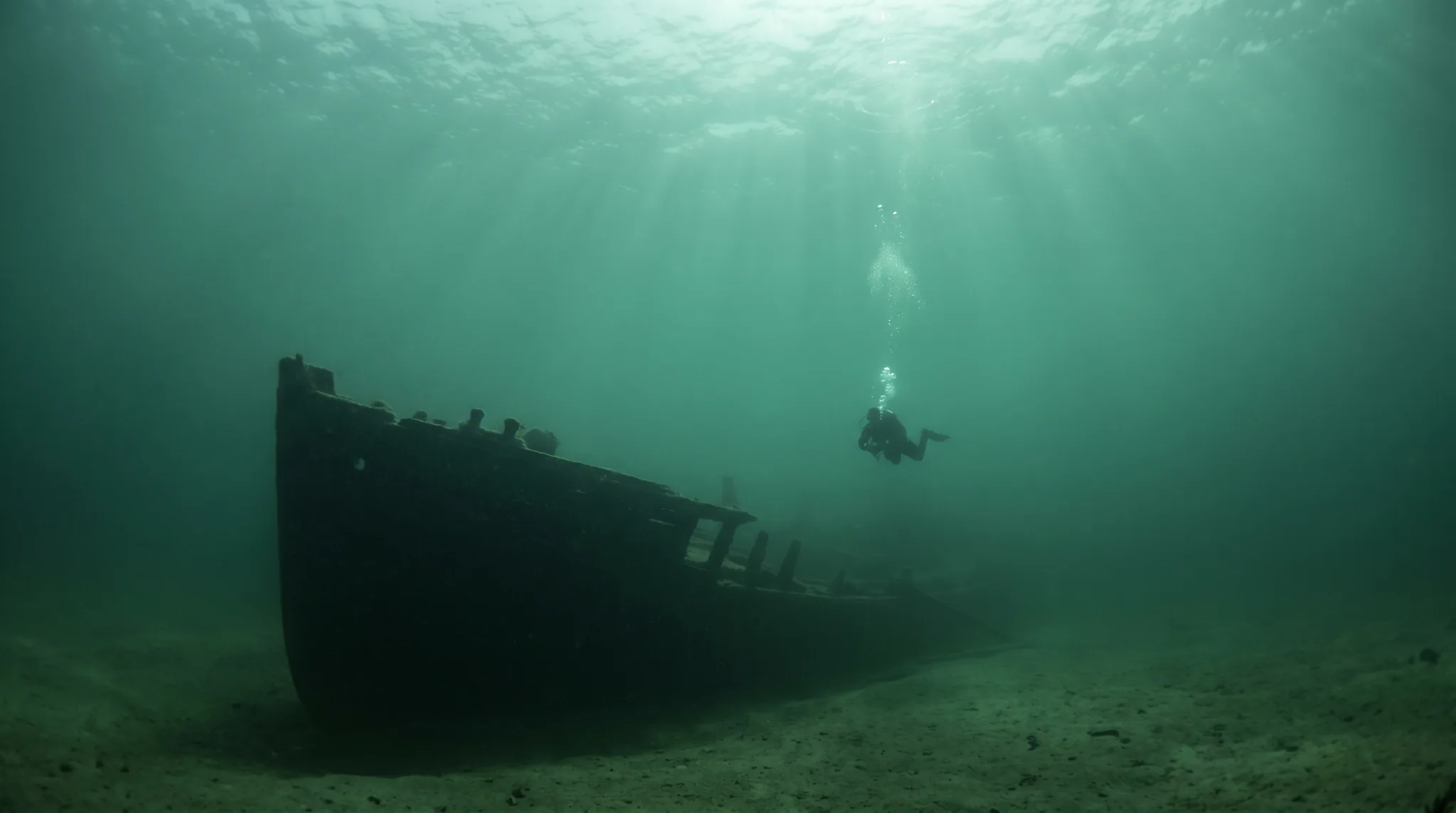
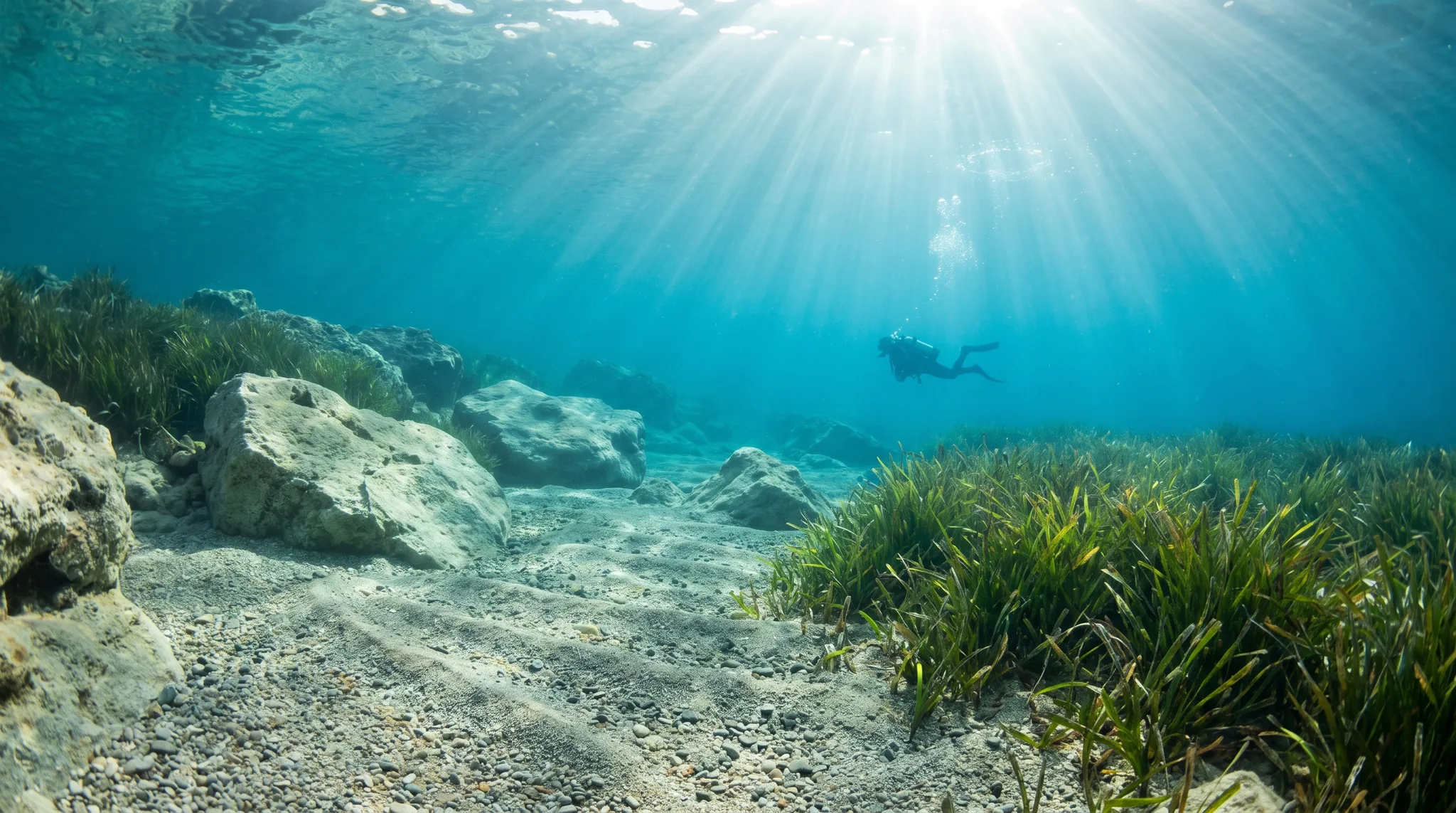
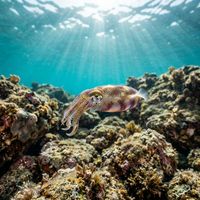
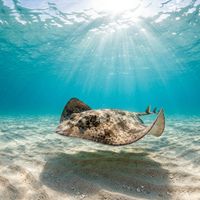
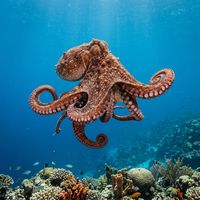
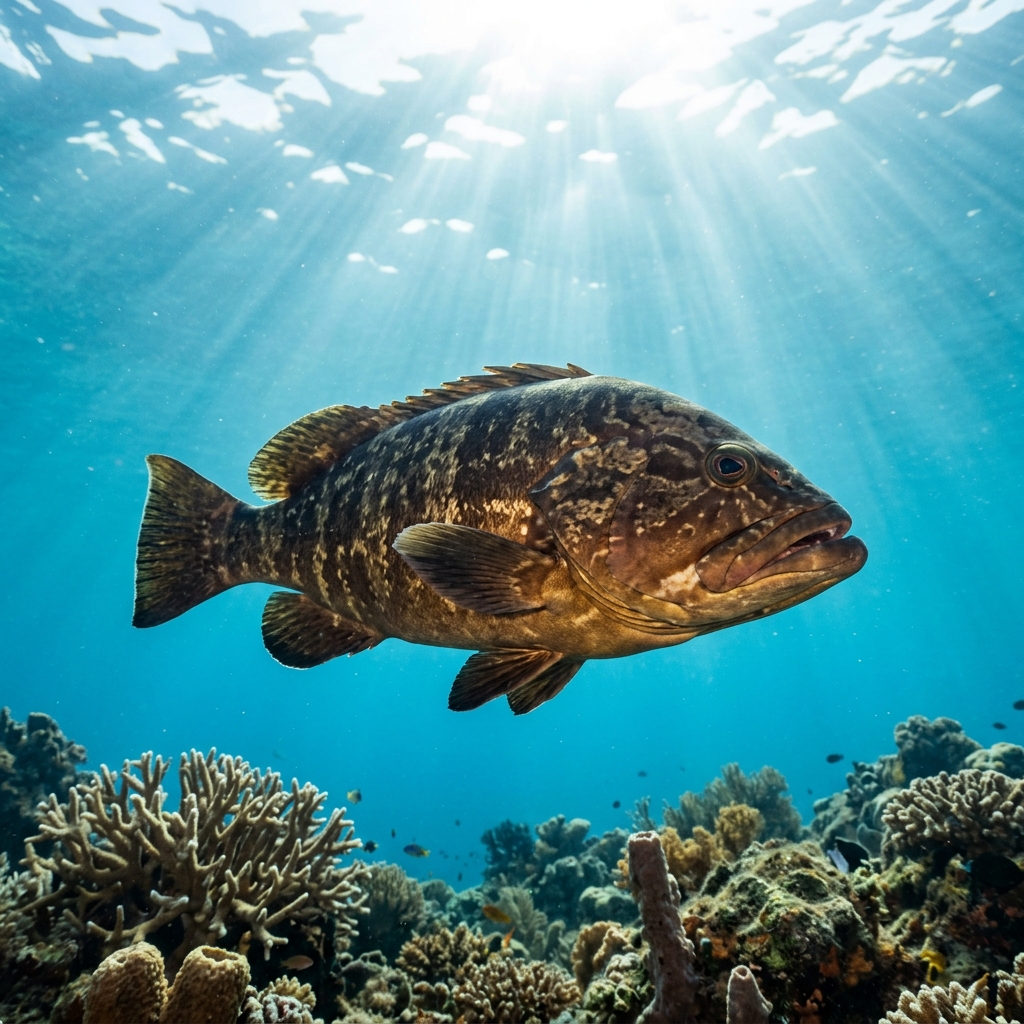
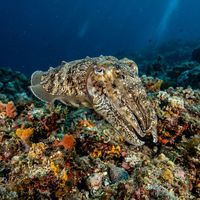
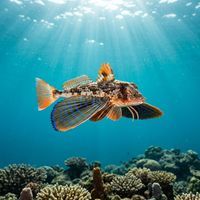
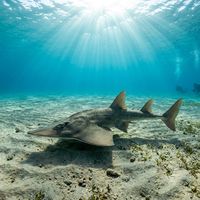
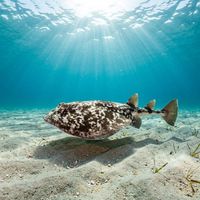
The Sinis Peninsula offers a varied underwater landscape across its sites, split between dedicated dive spots and locations accessible to snorkellers alike. The expected species range is broad, spanning rays including the Butterfly Ray and Guitarfish, cephalopods such as the Common Octopus, European Common Cuttlefish and Bobtail Squid, and reef residents like the Dusky Grouper and European Spiny Lobster. Gorgonian growth adds structure at depth, while Jorunna Nudibranch and Flatworm reward slower, closer attention. Water stays warm through summer and cools noticeably in winter.
Monthly water temperature across Sinis Peninsula's sites, from satellite sea-surface data corrected for depth. The band shows the site-to-site spread.
Water temperatures rise steadily from spring into a warm summer peak, making the mid-year months the most comfortable for longer dives. Cooler conditions from late autumn through winter suit those happy in thicker exposure protection. The best-months data points to both the warmer season and the cooler shoulder months as worthwhile, suggesting the peninsula can be rewarding outside the peak summer window for divers willing to adapt.
5 operators
Water temperature around Sinis Peninsula ranges from about 14°C in February to 26°C in August, based on satellite sea-temperature data for its dive sites.
10 more sites to explore
In the warm season (about 26°C) a 3mm full suit is comfortable in Sinis Peninsula; in the coldest months (about 14°C) step up to a 7mm or semi-dry suit.
Fin maps 10 sites in Sinis Peninsula (7 scuba diving sites and 7 snorkelling spots, with some suited to both).
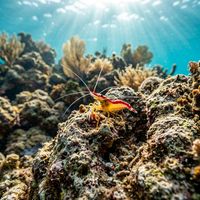
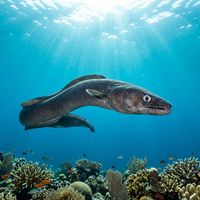
The species range here leans heavily toward bottom-dwelling and reef animals. Rays are a highlight, with the Butterfly Ray, Guitarfish and Marbled Electric Ray all expected across the sites. Cephalopods are well represented by the Common Octopus, European Common Cuttlefish and Bobtail Squid, while the Dusky Grouper, Conger Eel and European Spiny Lobster are common reef residents. Gorgonian growth and Jorunna Nudibranch reward divers who look closely at the structure.
The peninsula has a mix of dive and snorkel sites, with some locations accessible to both activities, suggesting a range of depths and conditions across the area. Without operator-specific course data available, prospective beginners should check directly with local dive services before visiting. The shared dive-and-snorkel sites may offer shallower options that ease newer divers in gently.
The site mix includes locations designated for snorkelling as well as diving, and several sites serve both activities, which often indicates accessible shore entries. However, specific entry-type data is not recorded for individual sites in this region, so it is worth confirming access arrangements locally before planning a self-guided session.