

Liguria stands out among Italian diving destinations for its exceptional concentration of wrecks, from shallow training grounds to deep technical targets that demand trimix and specialist planning. Reefs, walls, canyons and a cave dive round out a site mix that suits every certification level. The four sub-areas each have their own character: Portofino leads for site density, Cinque Terre hosts some of the deepest wrecks, Riviera di Ponente spreads sites along the western coast, and Bergeggi and Noli offer a quieter alternative. Across all areas, the European Common Cuttlefish, Common Octopus, Mediterranean Moray and Great Barracuda define the local marine life.
4 areas
 54
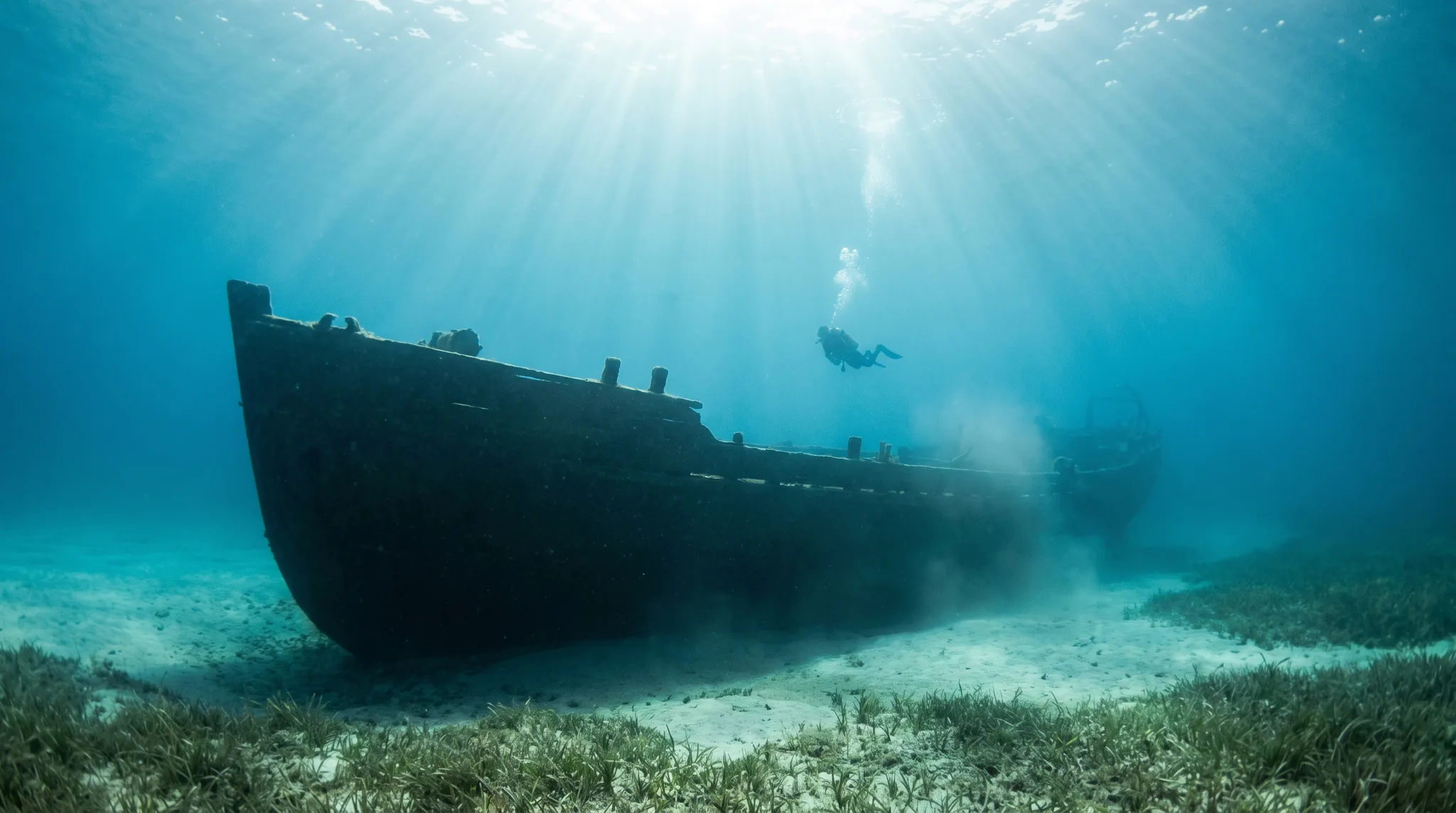
54A wreck-rich, nudibranch-diverse destination where reef walls and technical targets suit every level of diver.
 35
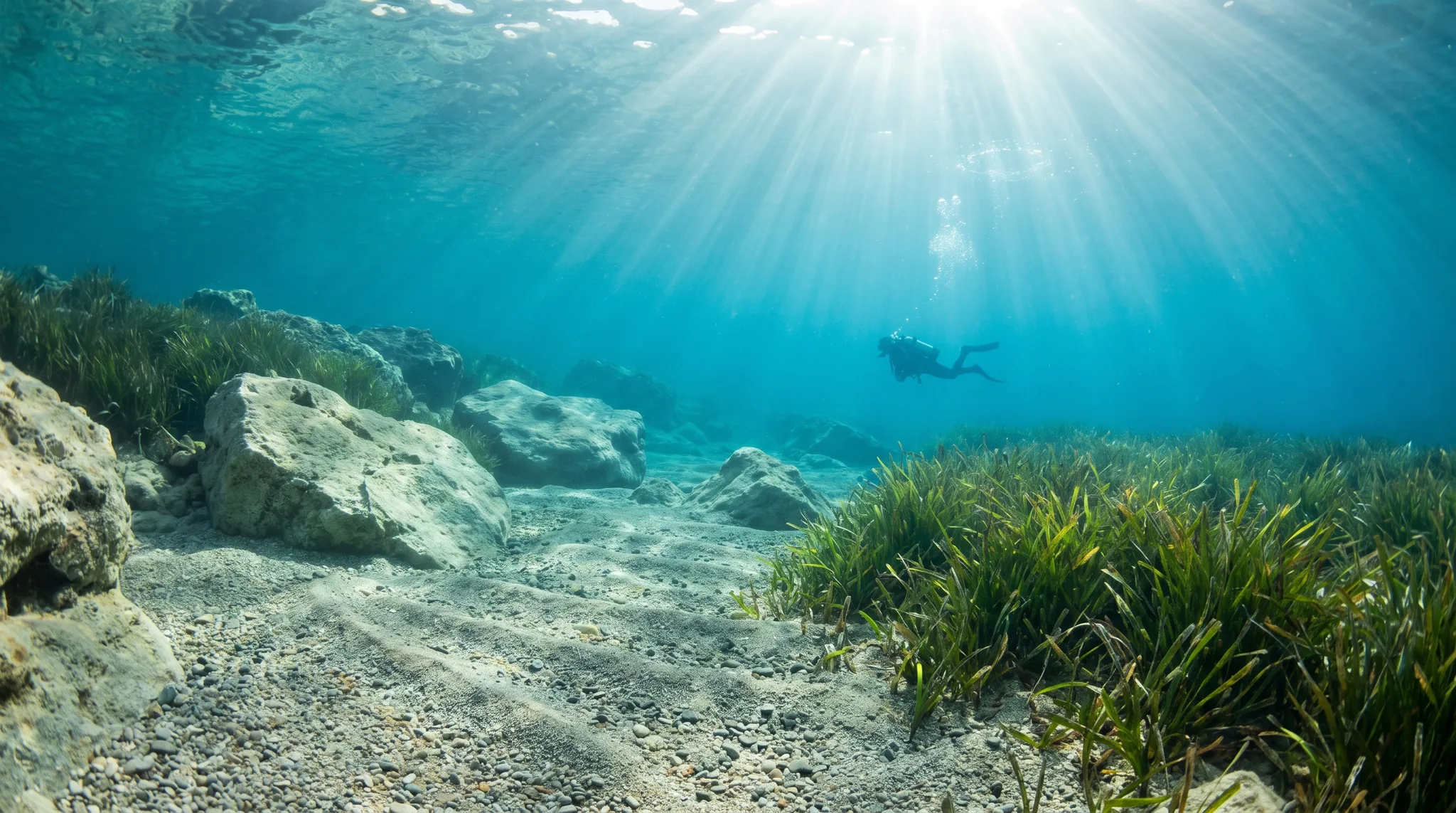
35Technical wrecks alongside accessible reefs, with European Common Cuttlefish and Common Octopus as standout encounters.
 27
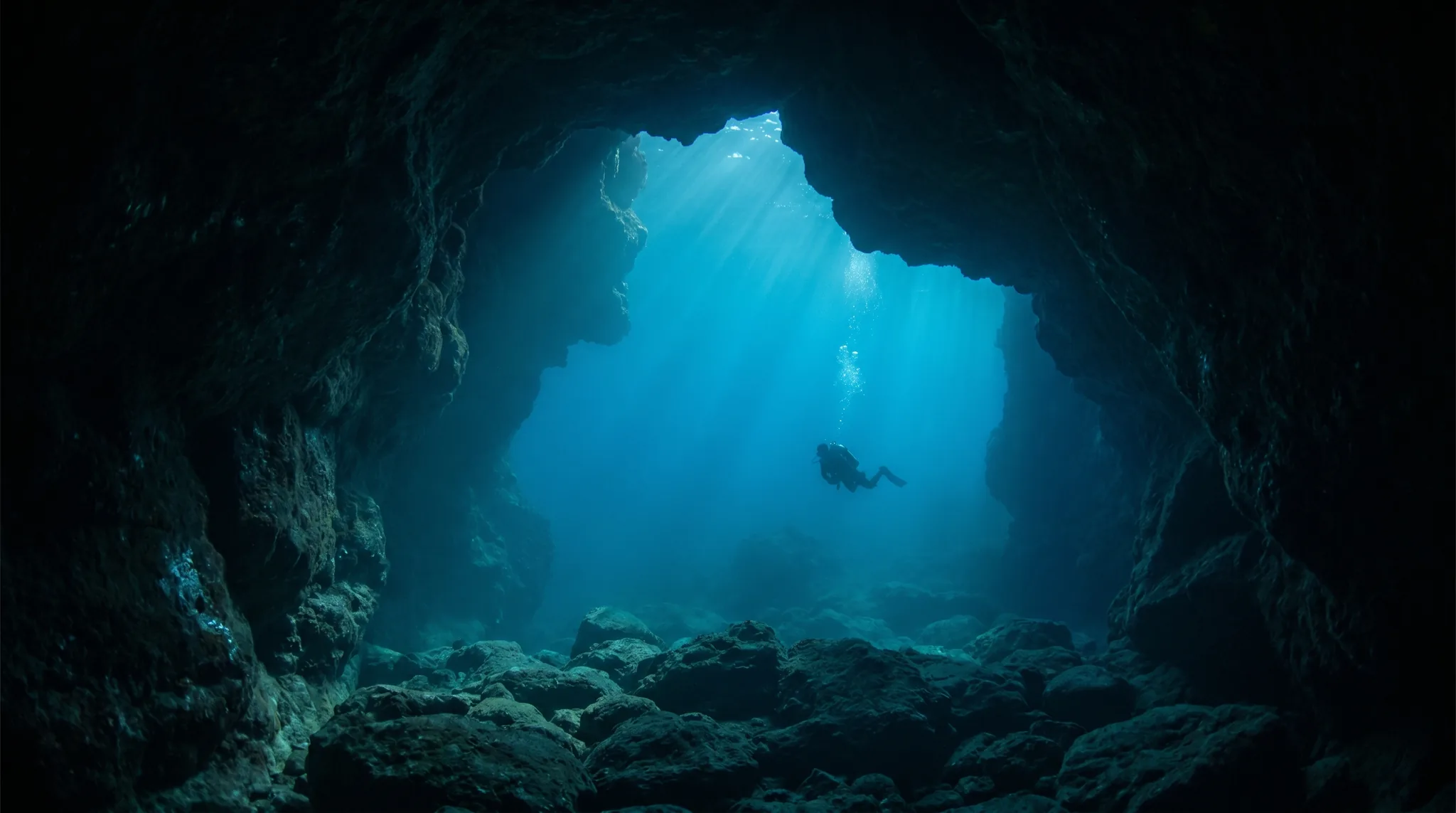
27Ligurian diving from beginner reefs to deep technical wrecks, with outstanding cephalopod and crustacean diversity.
 17
17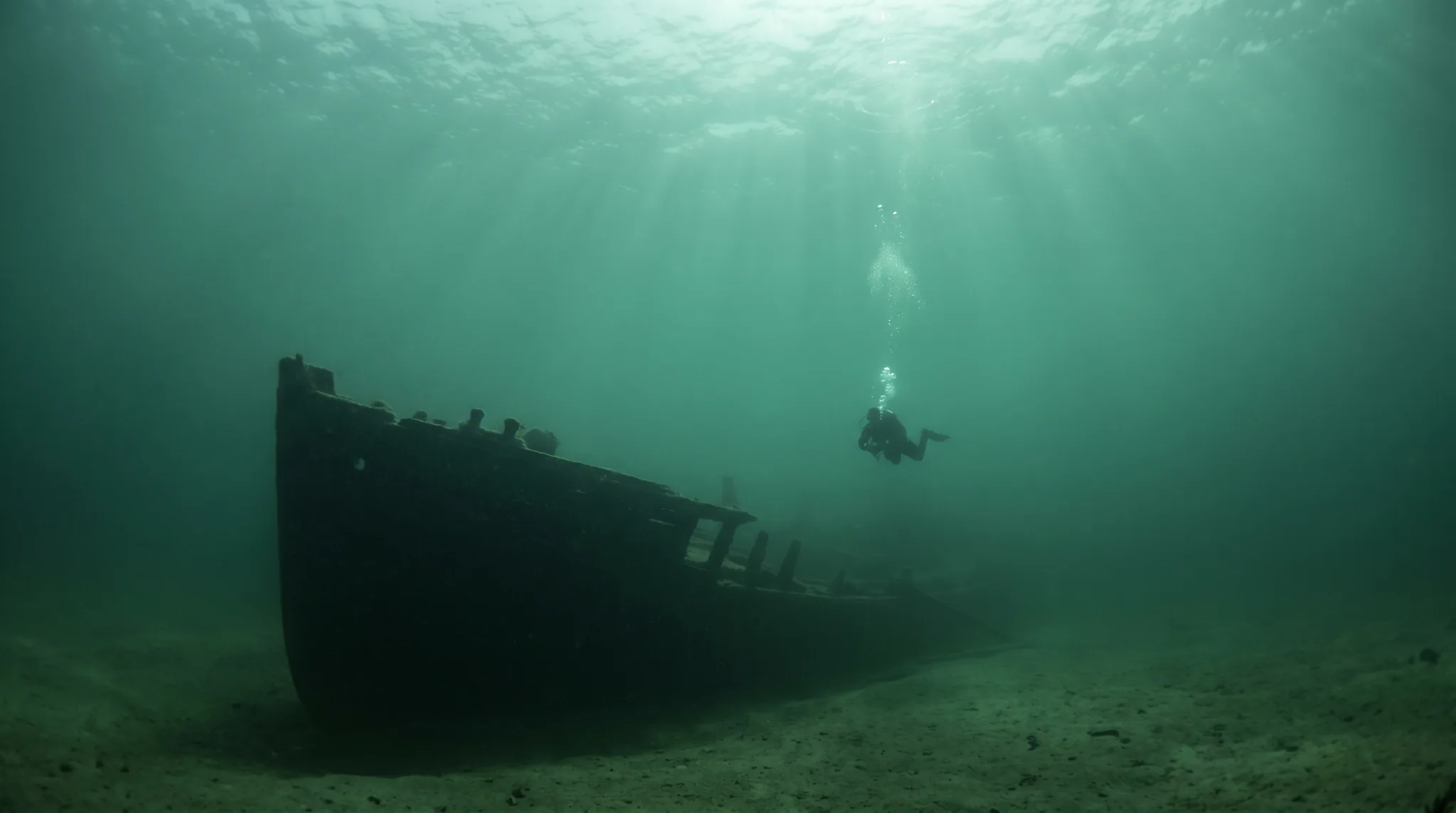
Monthly water temperature across Liguria's sites, from satellite sea-surface data corrected for depth. The band shows the site-to-site spread.
Water temperatures rise through late spring and peak in September and October, which also coincide with the highest concentration of recommended diving months. Winter brings noticeably cooler water and fewer favourable days, making the warmer half of the year the productive season. The range from sheltered shallow reefs to fully exposed deep wrecks means conditions vary considerably by site, and boat access is the norm across Liguria.
78 operators

Santa Margherita Ligure, Italy
Santa Margherita Ligure, Italy
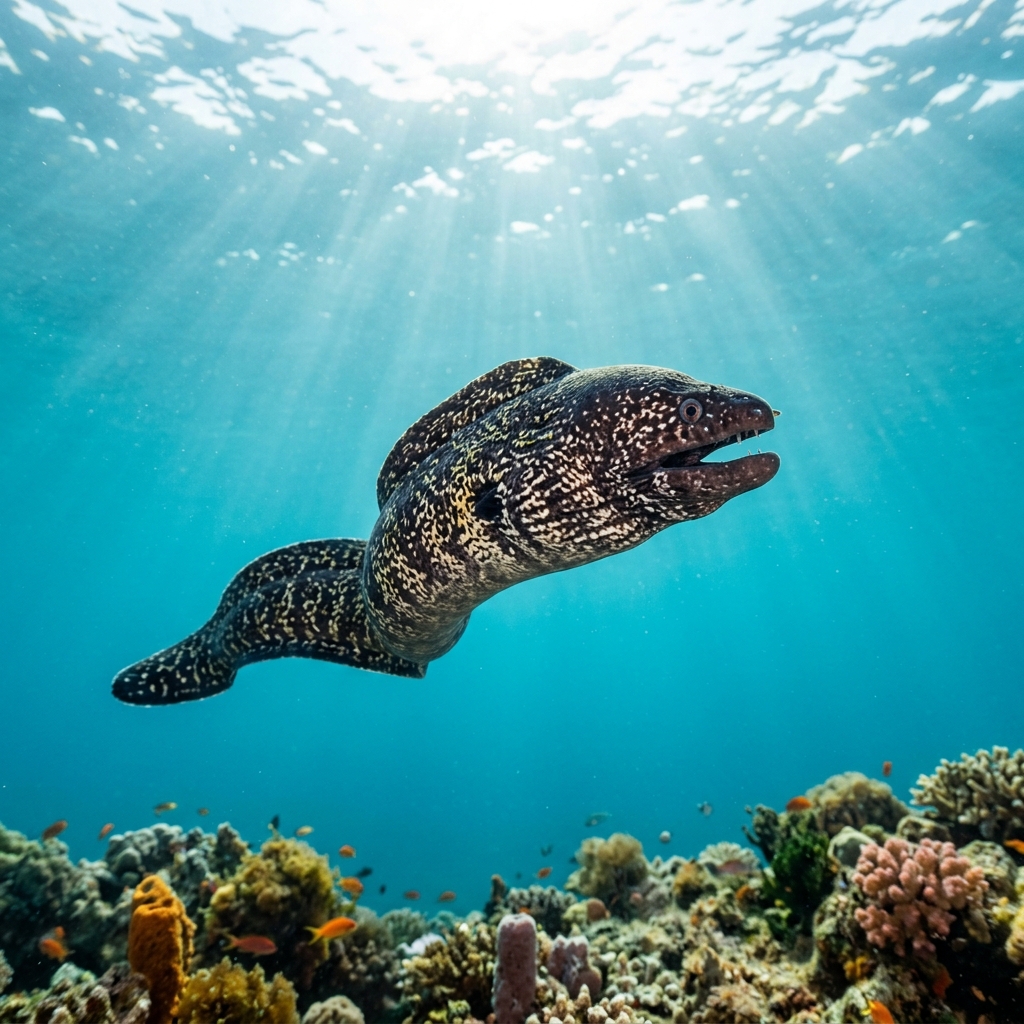
Reef and wall diving across all skill levels, with deep pinnacles, caves, and reliable sightings of moray, octopus and barracuda.
Water temperature around Liguria ranges from about 14°C in February to 20°C in September, based on satellite sea-temperature data for its dive sites.
In the warm season (about 20°C) a 5mm suit is comfortable in Liguria; in the coldest months (about 14°C) step up to a 7mm or semi-dry suit.
Fin maps 133 sites in Liguria (115 scuba diving sites and 28 snorkelling spots, with some suited to both), organised into 4 areas.
Across Liguria's dive sites, May, June, July, August, September and October are most often reported as the best months to visit.
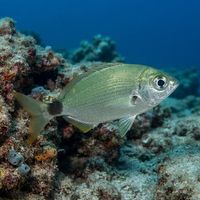
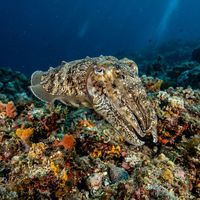
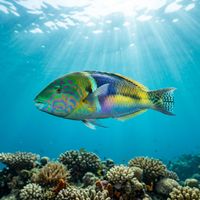
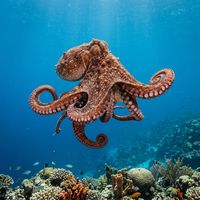
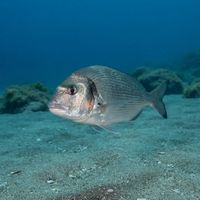
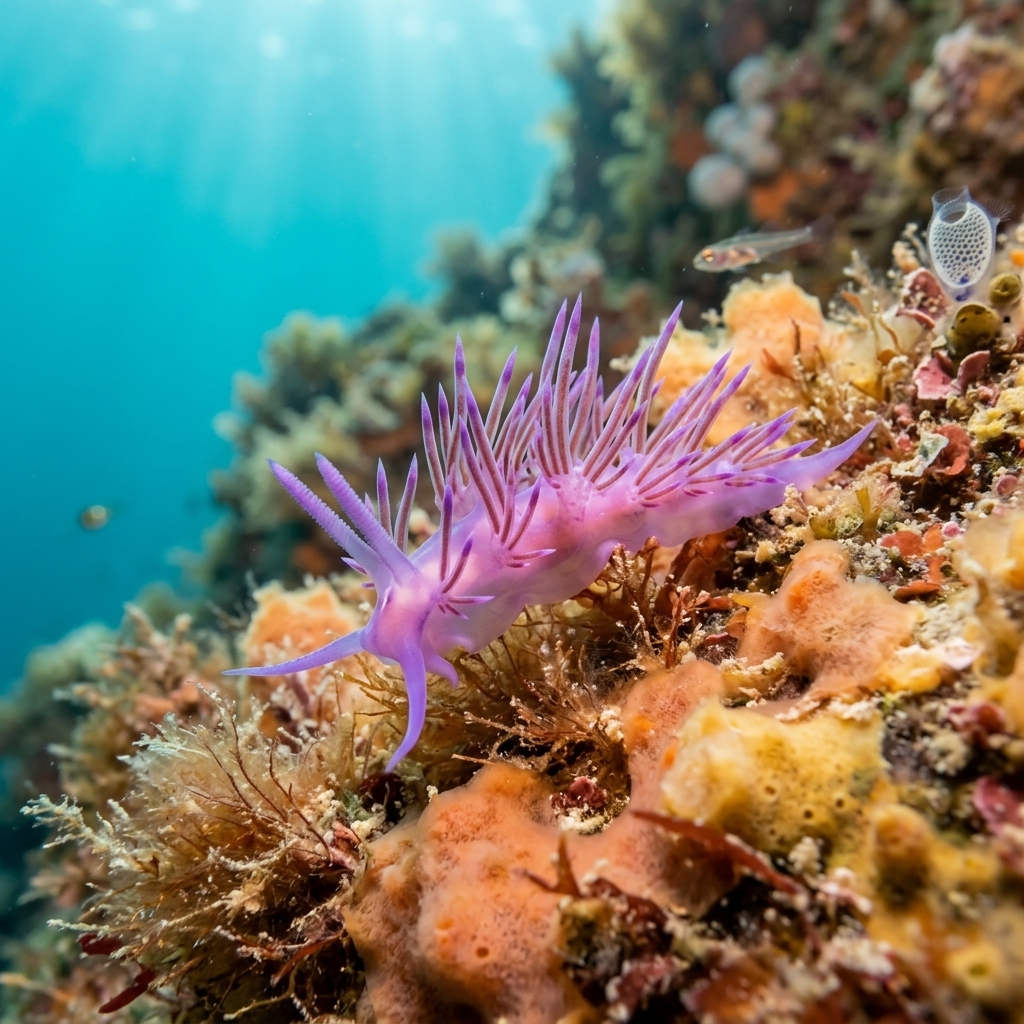
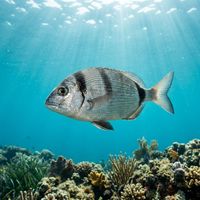
The signature species here are the European Common Cuttlefish, Common Octopus, Mediterranean Moray and Great Barracuda. On almost any dive you will also encounter the Two-banded Seabream, Painted Comber, Castagnole and Turkish Wrasse in good numbers. Scorpionfish are common on the reef, and nudibranch hunters will find the Mediterranean Violet Aeolid and Cratena Slug on many sites. The Mauve Stinger appears regularly, so divers should keep an eye out during the warmer months.
Liguria caters to a wide spread of skill levels. Beginners can explore shallow reefs such as Ciappa del Lupo and the Santa Reef artificial reef, which is also used for training. Intermediate divers have cave, canyon and mid-depth reef options, while advanced and technical divers are drawn to the region's extensive wreck collection, several of which require trimix and specialist certification. With so many operators based across the region, finding instruction or guided dives at the right level is straightforward.
Portofino has the greatest number of sites and is the most established diving hub in Liguria. Cinque Terre is home to some of the deepest and most demanding wrecks, including the Saint Nazaire and Relitto Bolzaneto. Riviera di Ponente extends the range of sites along the western stretch, while Bergeggi and Noli offer a smaller, less busy cluster of sites. Each area has local operators, so you can base yourself in any of them and still access a varied programme of dives.
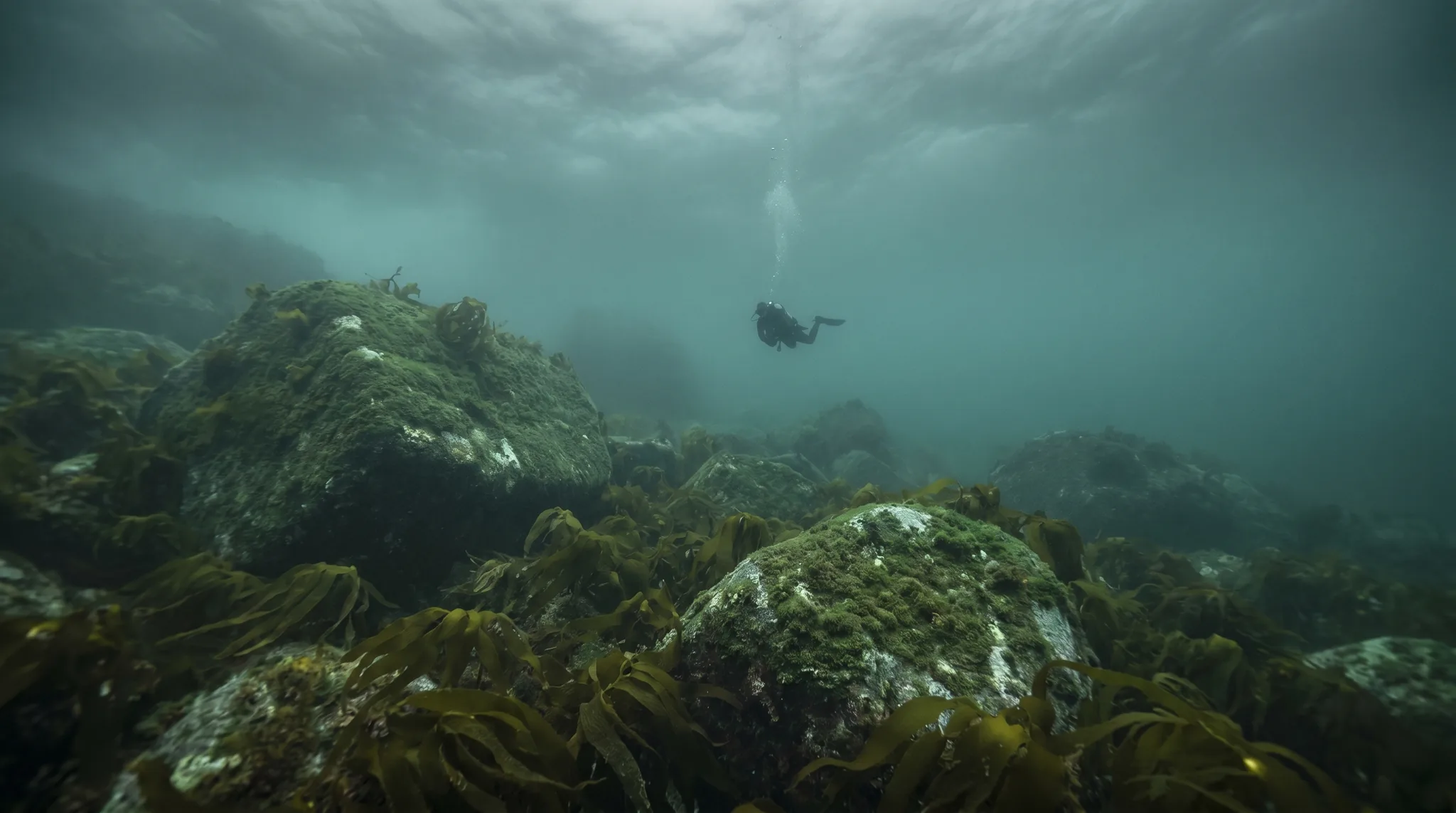
The overwhelming majority of sites in Liguria are accessed by boat, which is partly a reflection of how far offshore many of the wrecks and reefs sit. Shore diving is available, with the Santa Reef artificial reef in Santa Margherita Ligure being a notable shore-accessible option. Divers without their own transport will find that the region's many operators run regular boat trips covering all sub-areas.


