

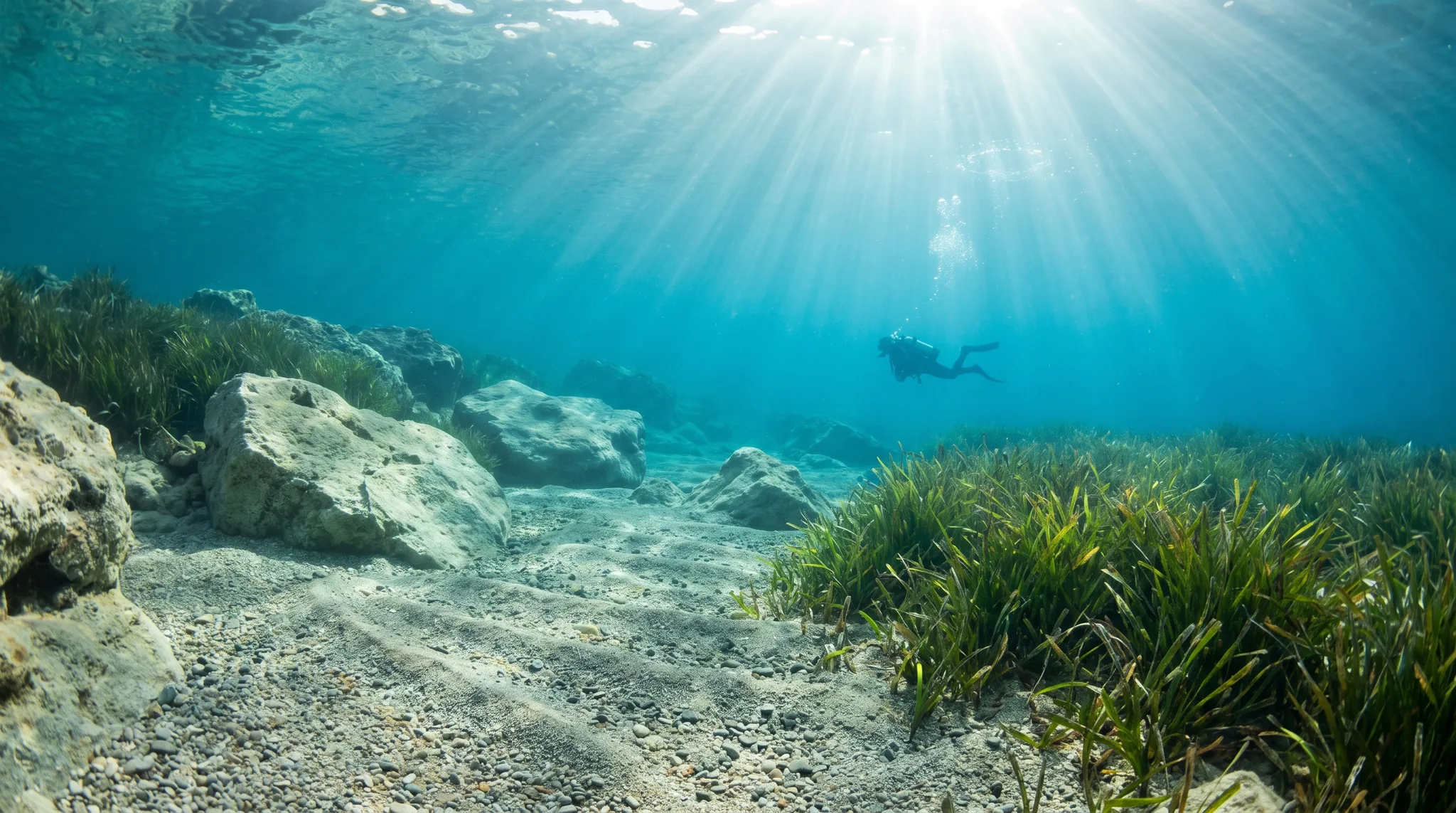
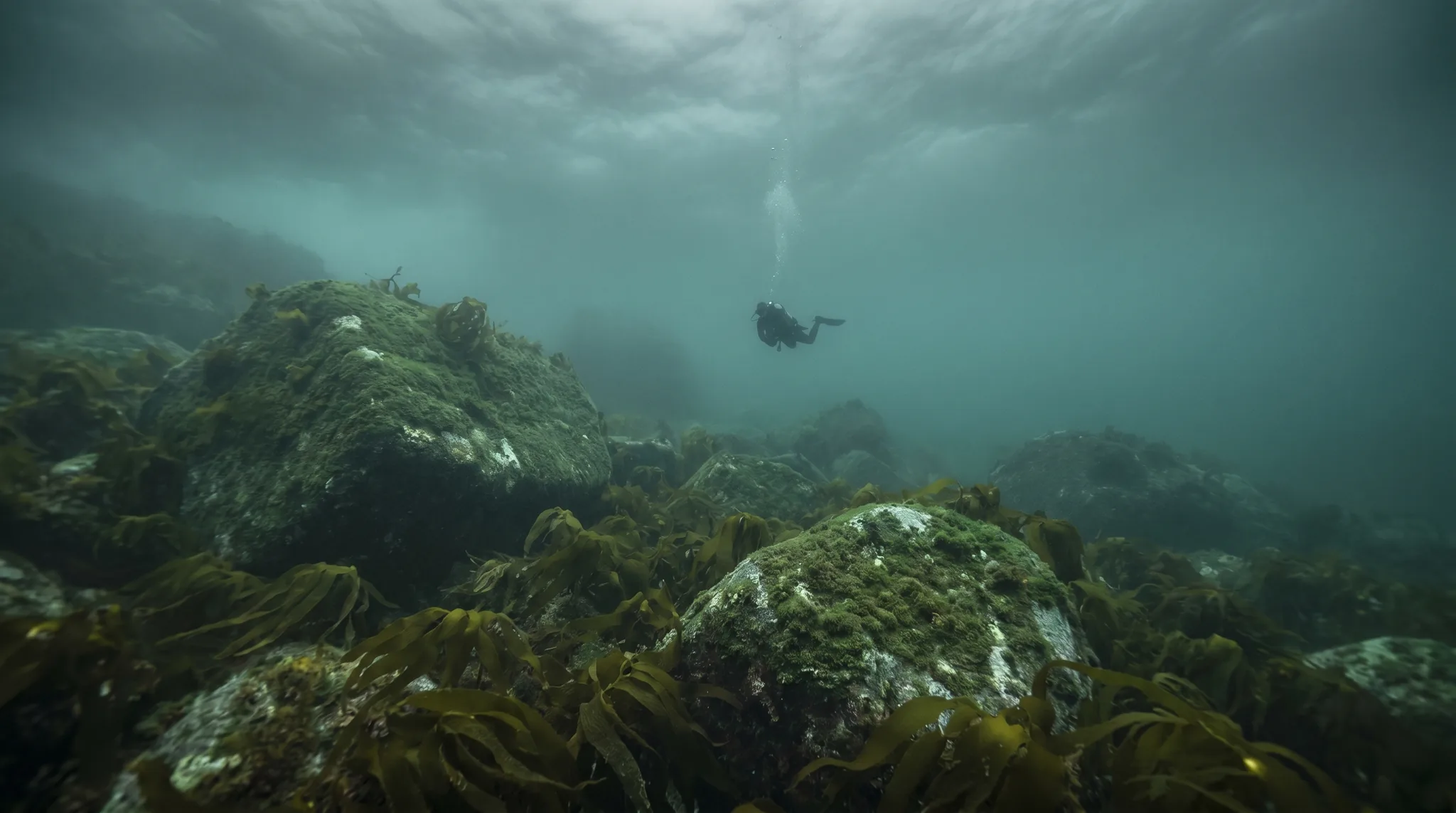
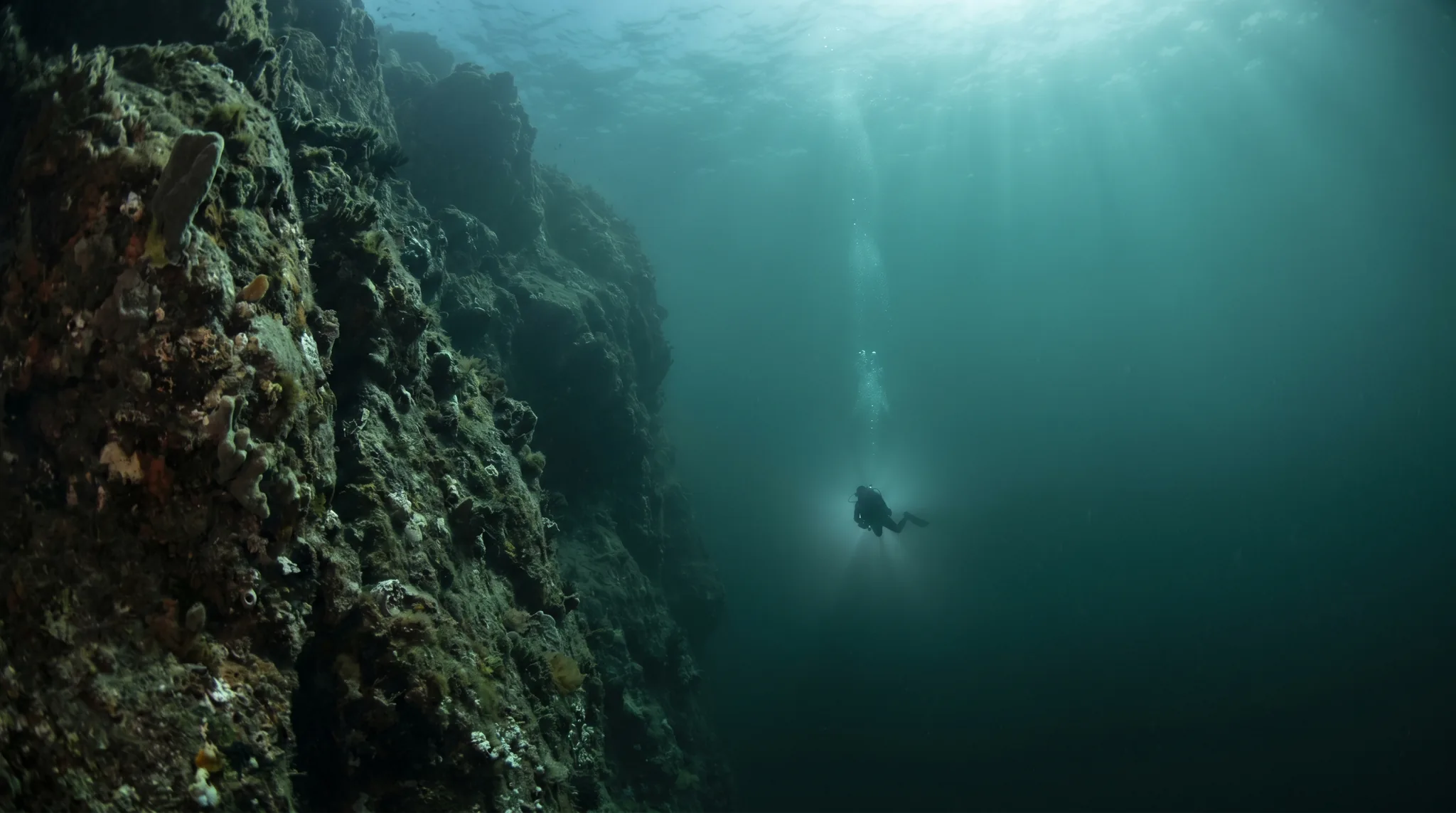
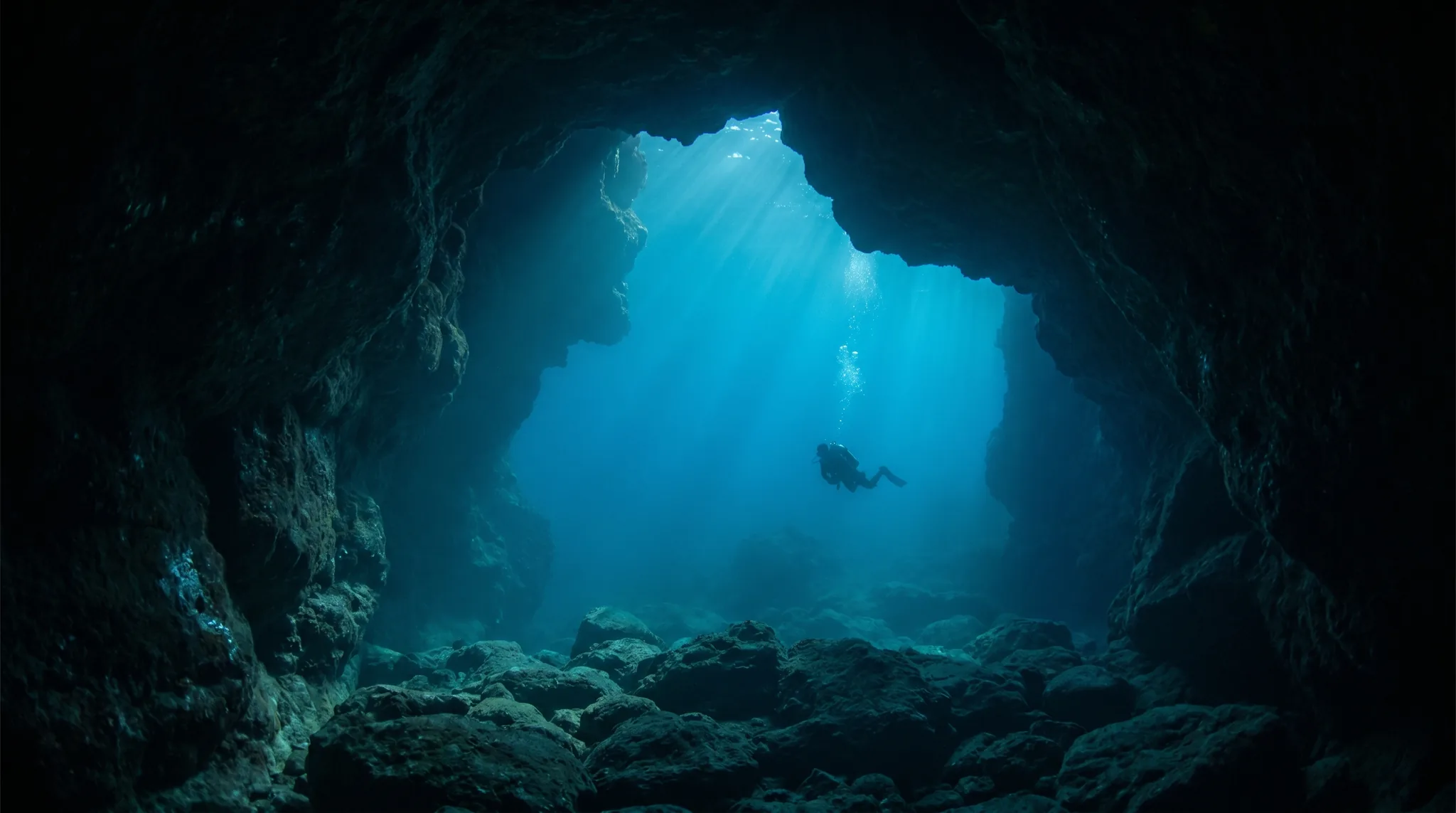
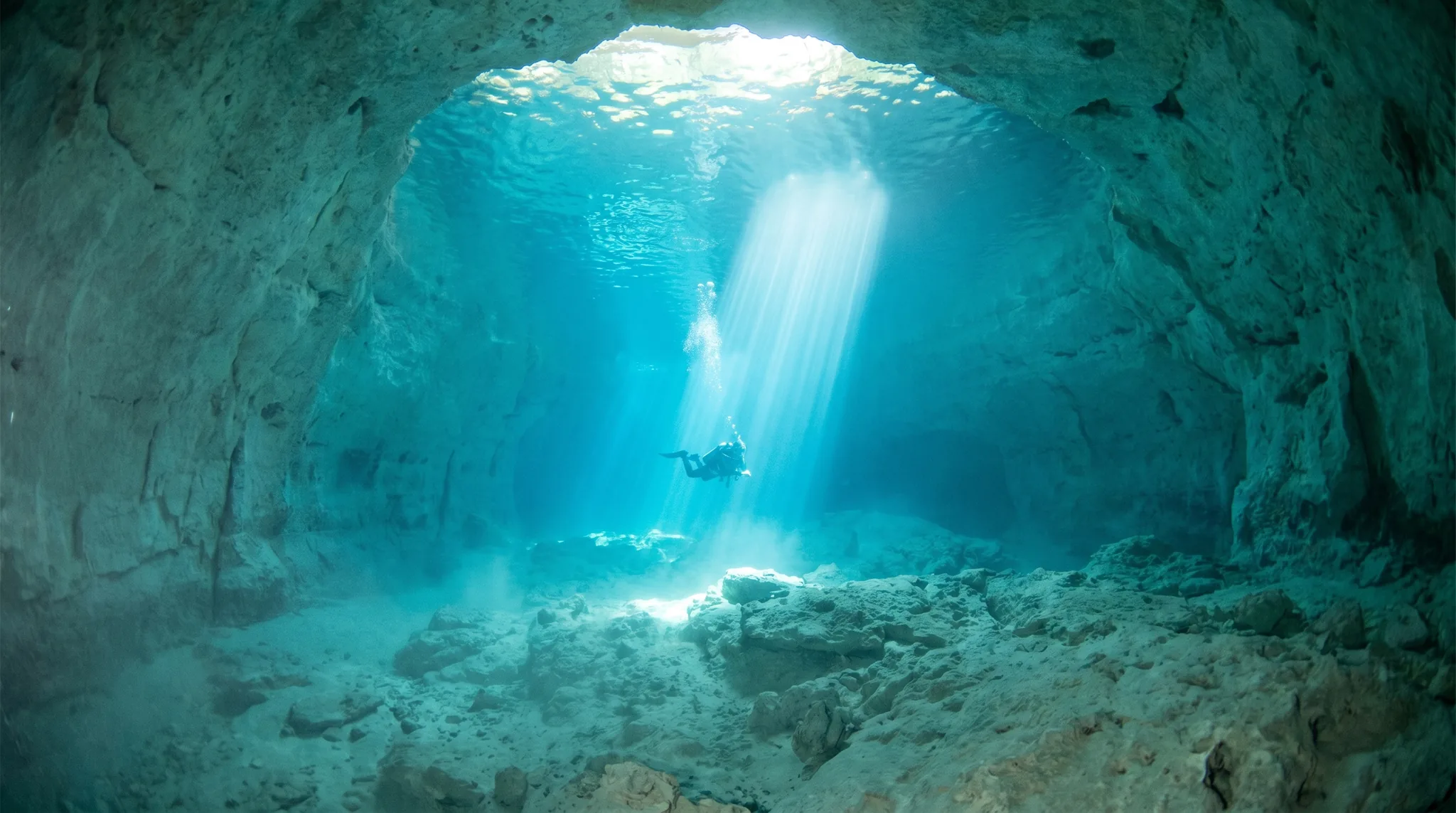
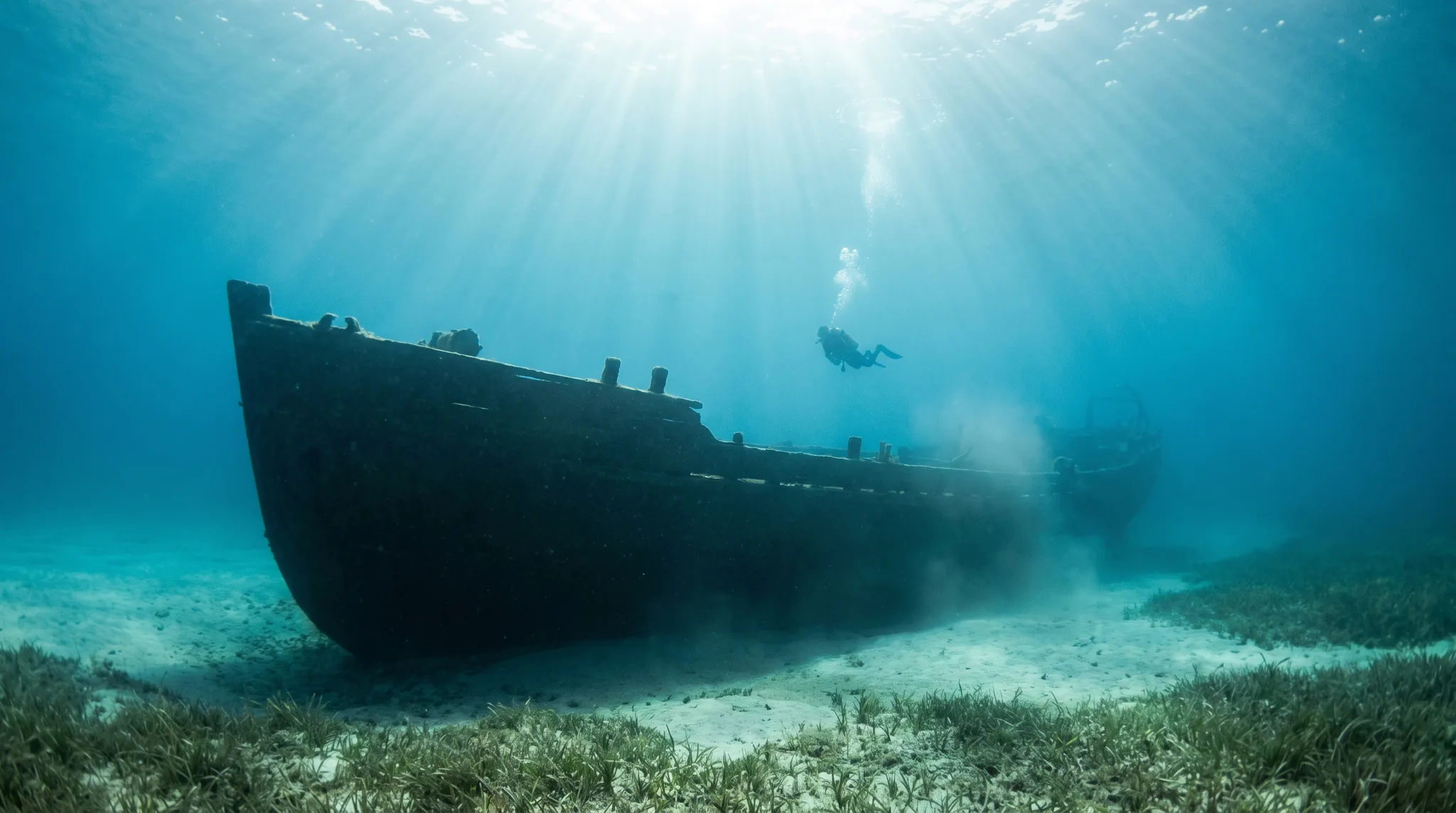
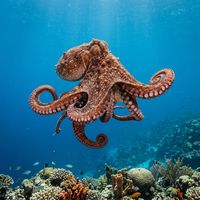
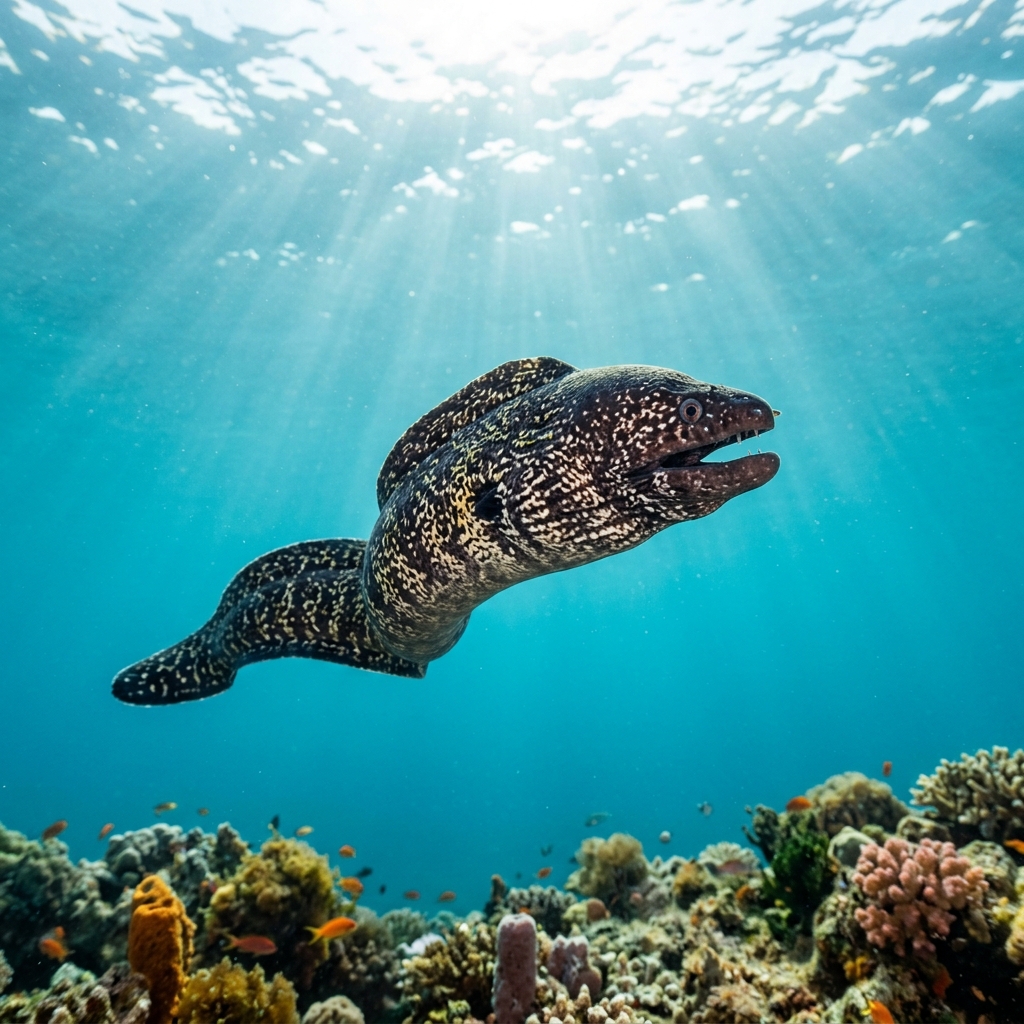
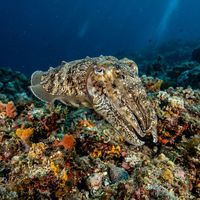
Tuscany's underwater character is shaped by two distinct sub-areas: the island-rich Tuscan Archipelago, which holds the great majority of sites, and the mainland-adjacent waters around Livorno. Together they deliver an unusually broad range of diving, from shallow beginner reefs and shore-accessible wrecks to deep walls, seamounts and technical cave systems. Cephalopods define the encounter list, with Common Octopus, Mediterranean Moray and European Common Cuttlefish observed consistently across sites. Snorkellers and new divers share accessible reef bays alongside experts probing drop-offs well beyond recreational depths. Visibility and water warmth peak from late summer into autumn, shaping the clearest window for the most rewarding dives.
2 areas
Monthly water temperature across Tuscany's sites, from satellite sea-surface data corrected for depth. The band shows the site-to-site spread.
Water temperature climbs steadily from spring into summer, reaching its warmest in September and October, which also score highest in diver preference. The cooler months from January through April suit hardier divers but reward those willing to go with quieter conditions and good visibility. Exposed boat sites in the archipelago can carry current, while sheltered shore entries around Livorno and Pomonte offer calmer water year-round.
79 operators


Water temperature around Tuscany ranges from about 14°C in February to 20°C in September, based on satellite sea-temperature data for its dive sites.
In the warm season (about 20°C) a 5mm suit is comfortable in Tuscany; in the coldest months (about 14°C) step up to a 7mm or semi-dry suit.
Fin maps 141 sites in Tuscany (123 scuba diving sites and 40 snorkelling spots, with some suited to both), organised into 2 areas.
Across Tuscany's dive sites, May, June, July, August, September and October are most often reported as the best months to visit.
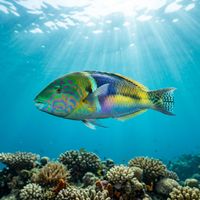
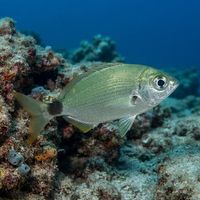
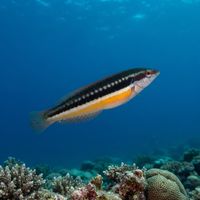
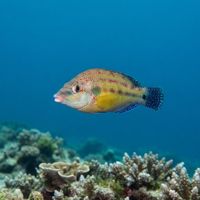
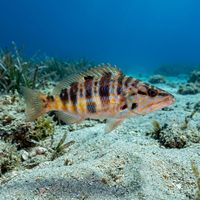
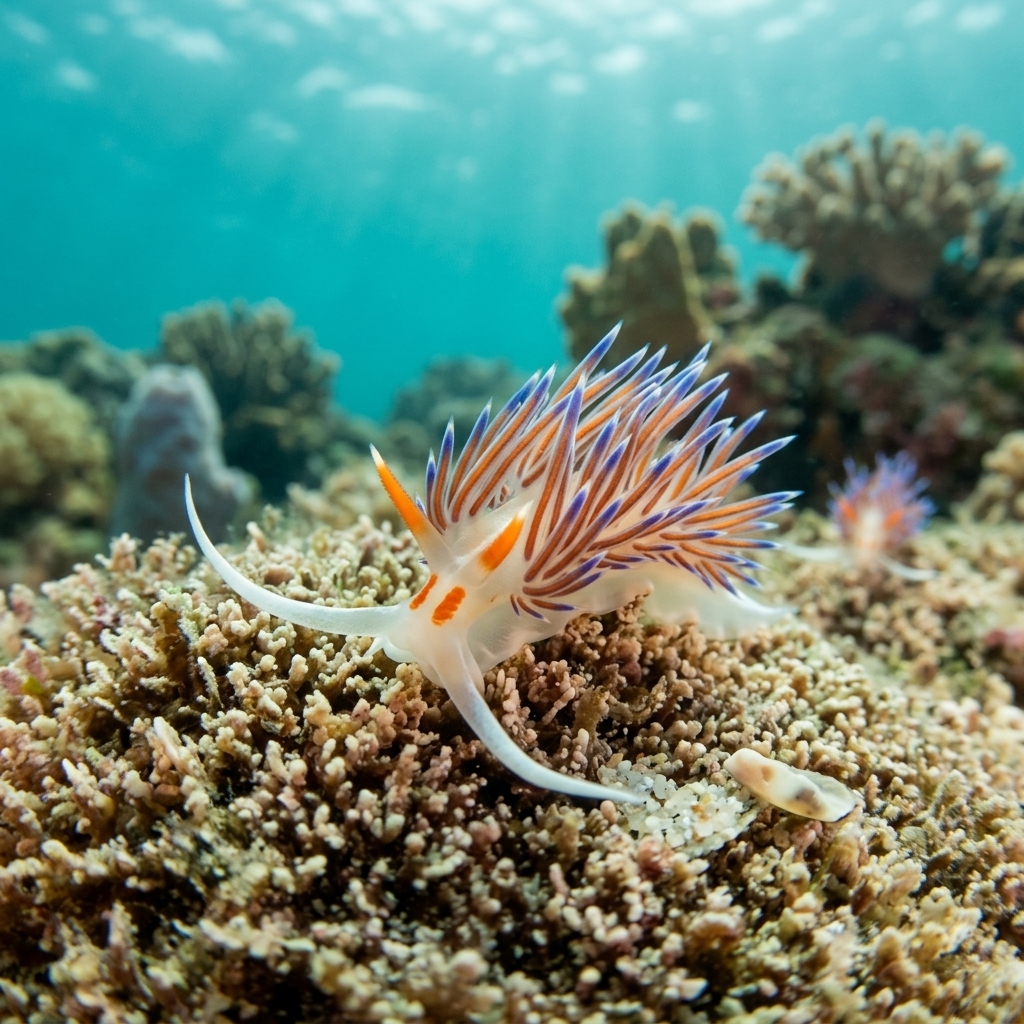
The most consistently observed species across Tuscany's sites are Common Octopus, Turkish Wrasse, Two-banded Seabream and Mediterranean Moray. European Common Cuttlefish, Painted Comber, Castagnole and Mediterranean Cardinalfish are also very frequently recorded. Divers exploring rockier and cave habitats often encounter Conger Eel, Scorpionfish and the small but striking Cratena Slug.
A good portion of Tuscany's dive sites are rated for beginners, including shore-entry sites like Baia di Castiglioncello and the shallow wreck of Relitto Di Pomonte. Boat-access beginner sites such as Franata delle Cernie and Secca del Careno provide guided introductions to reef and wall diving. Intermediate and expert sites exist alongside these, so beginners and more experienced divers can operate from the same base.
The Tuscan Archipelago accounts for the large majority of sites and includes the full range of terrain: seamounts like Secca della Croce, deep walls at Capo Poro, technical cave dives at Grotta Maurizio Sarra and accessible wrecks near Pomonte. Livorno contributes a smaller cluster of sites closer to the mainland, offering a more compact alternative with operators such as Centro sub Livorno and Baratti Diving serving the area.
Both options exist in Tuscany. Shore entries include Baia di Castiglioncello, Relitto Di Pomonte and Grotta Giusti, making independent access straightforward for those sites. The majority of sites across the archipelago, including the deeper walls and seamounts, require boat access, and the region has a wide network of operators such as Dive Tuscany, Argentario Divers and Maremma Diving to facilitate those trips.


