Clupeidae spp.
Sardines form dense, silvery schools in cold North Atlantic and North Sea waters. Strong sightings along South Coast England, Brittany, and Norway.
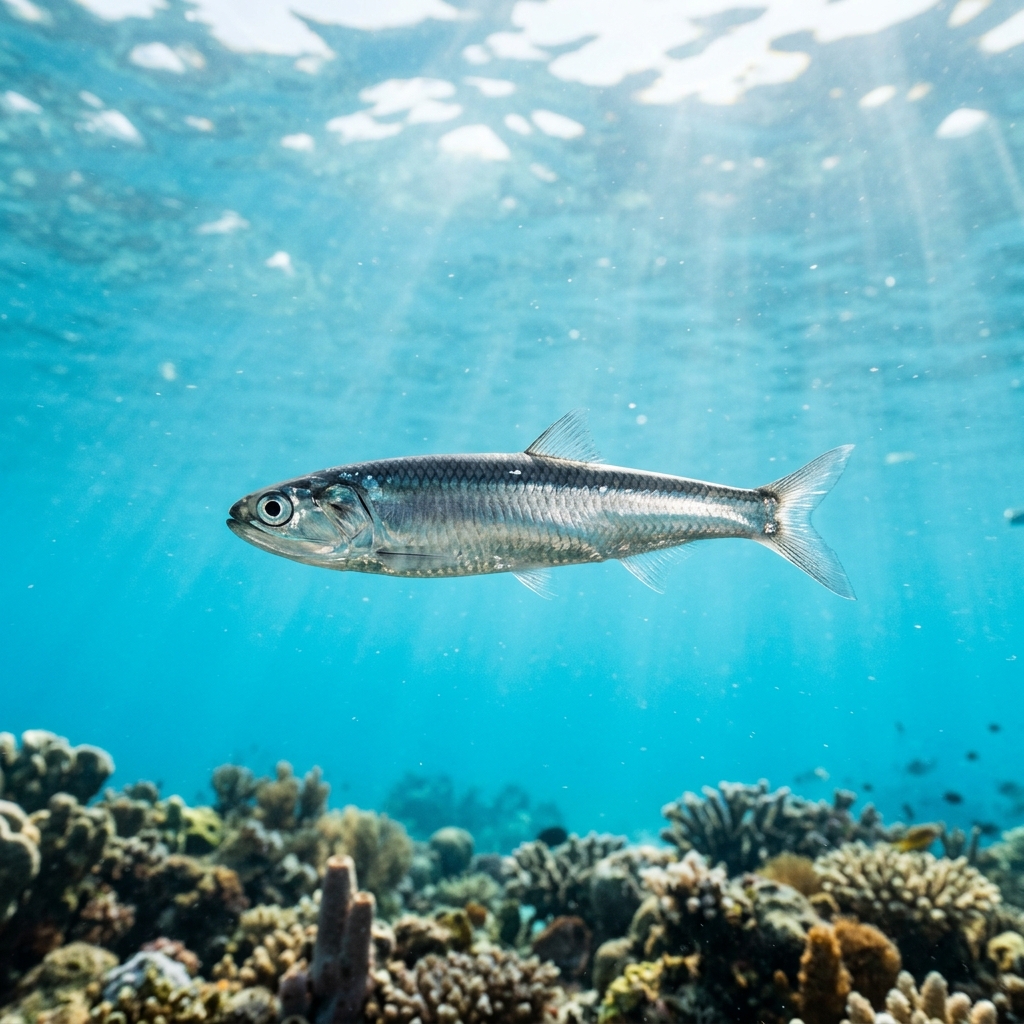
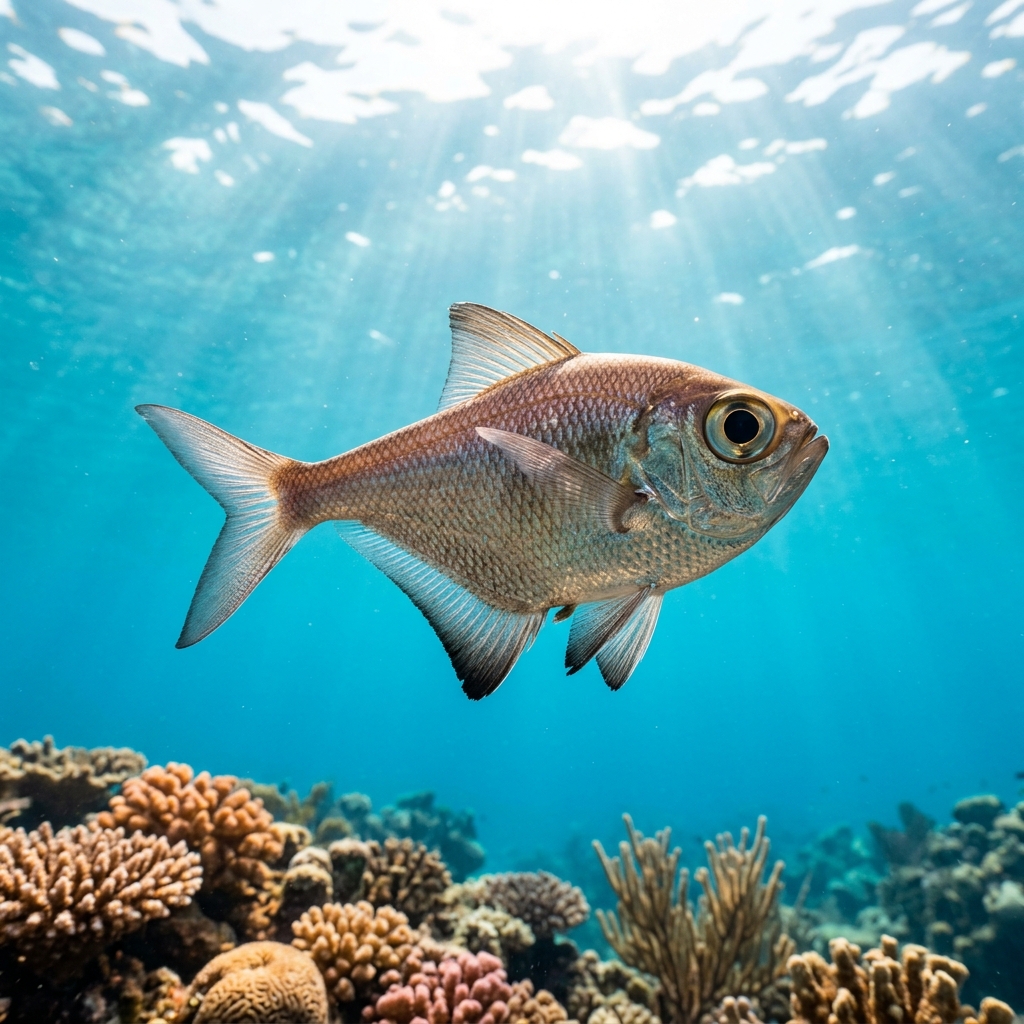
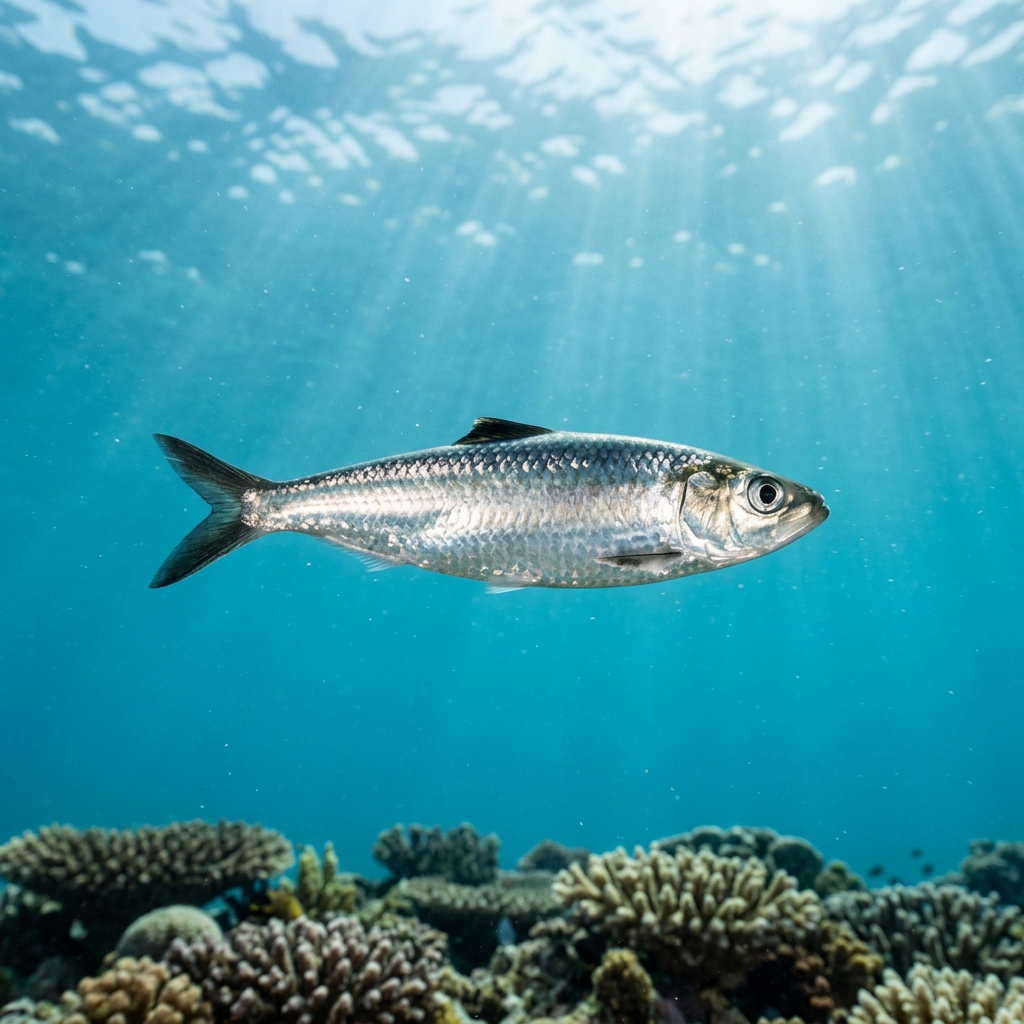
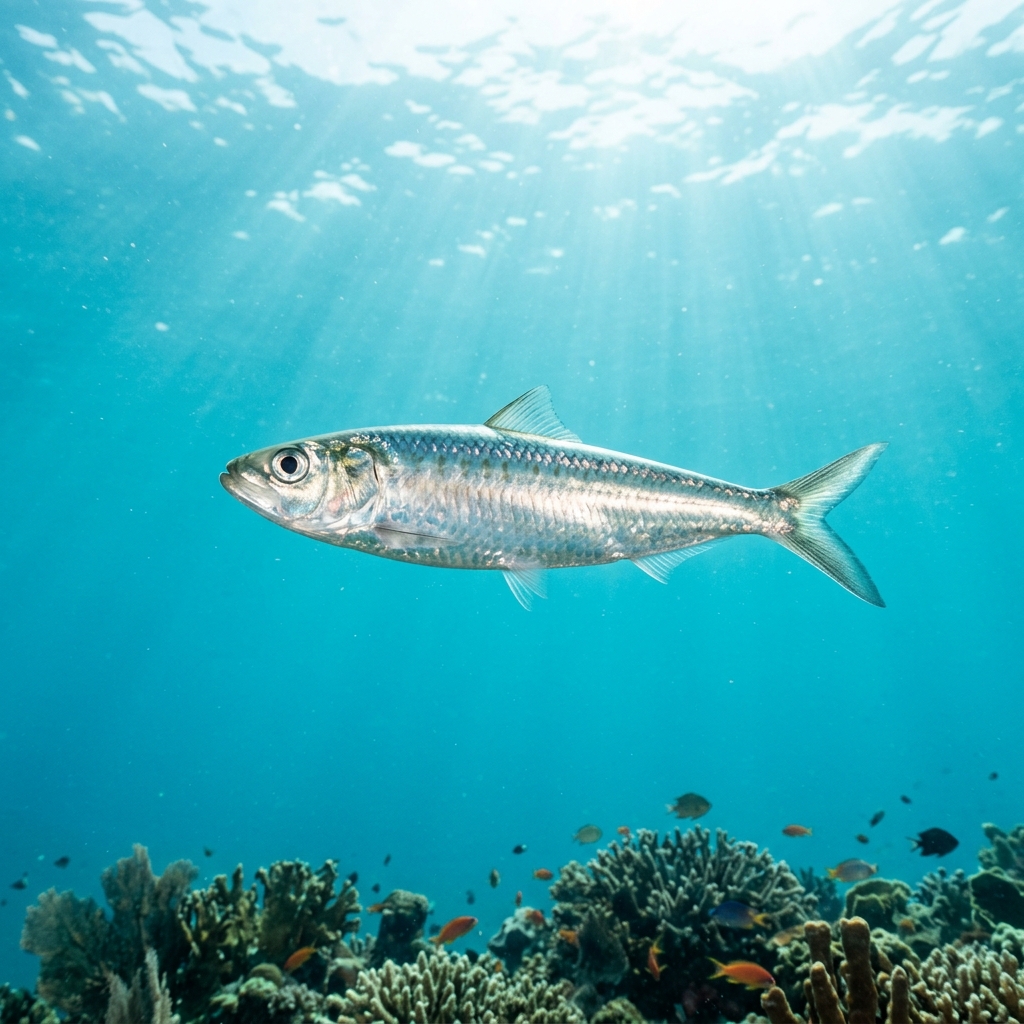
Small, streamlined fish with bright silver flanks, a darker blue-green back, and large, reflective scales that catch the light as a school moves. In the water, the defining cue is collective behaviour: sardines form tight, fast-moving balls or curtains that ripple and flash in unison. Individual fish are slender with a forked tail and a single short dorsal fin placed roughly mid-body. Size varies across the family but most are palm-length or smaller.
Sardines are almost always encountered in schools, sometimes numbering in the thousands, which compress into tight bait balls when threatened by predators. Divers in the middle of an active school experience the fish parting smoothly around them, reforming moments later. Schools are often found in open water or in the water column above reefs and rocky walls, and can appear at a wide range of depths.
The synchronised turning of a sardine school is controlled by each fish reacting to its nearest neighbours rather than any single leader, producing the fluid, coordinated movement that makes large schools so visually arresting for divers.
No clear seasonal peak emerges from the available sighting data, so sardines should be treated as a year-round possibility in their range. The observed water-temperature niche of roughly 6 to 15 degrees Celsius points firmly to cooler seasons or persistently cold regions rather than summer warmth.
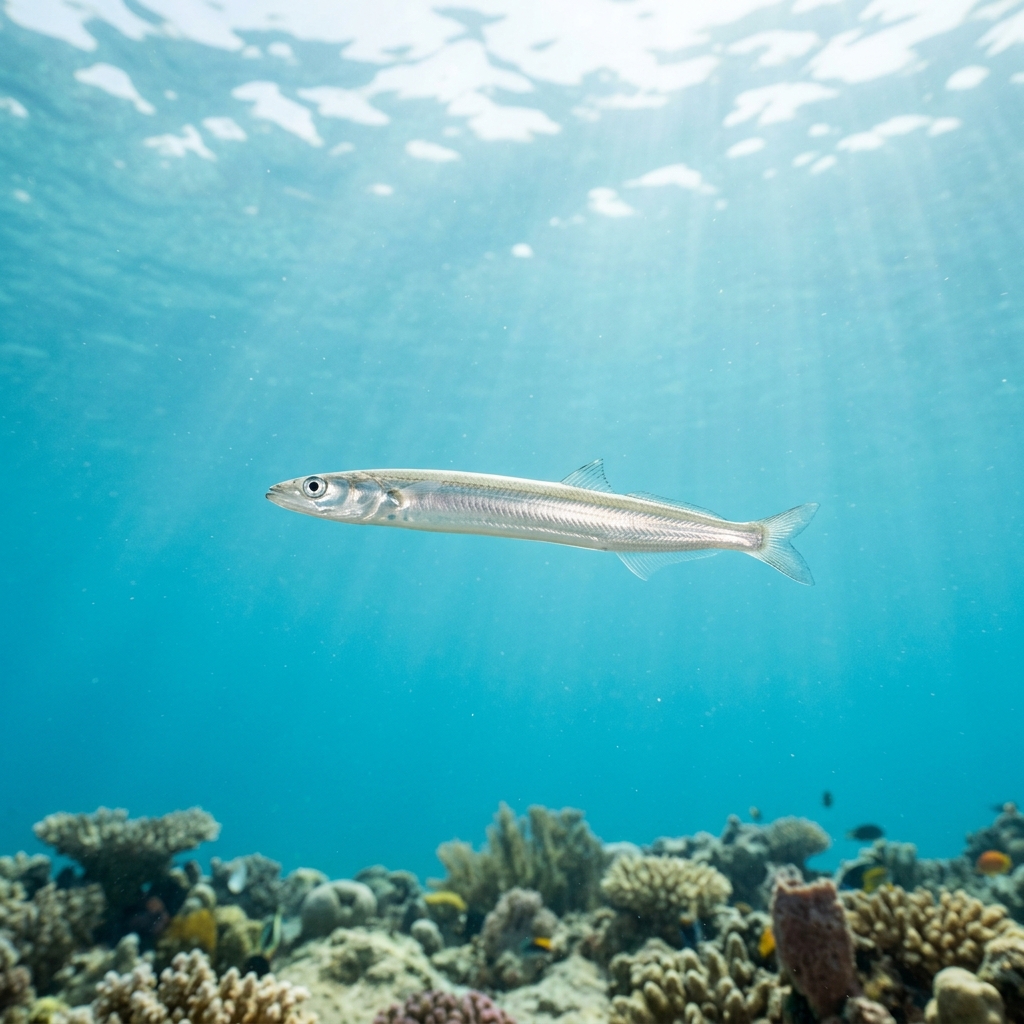
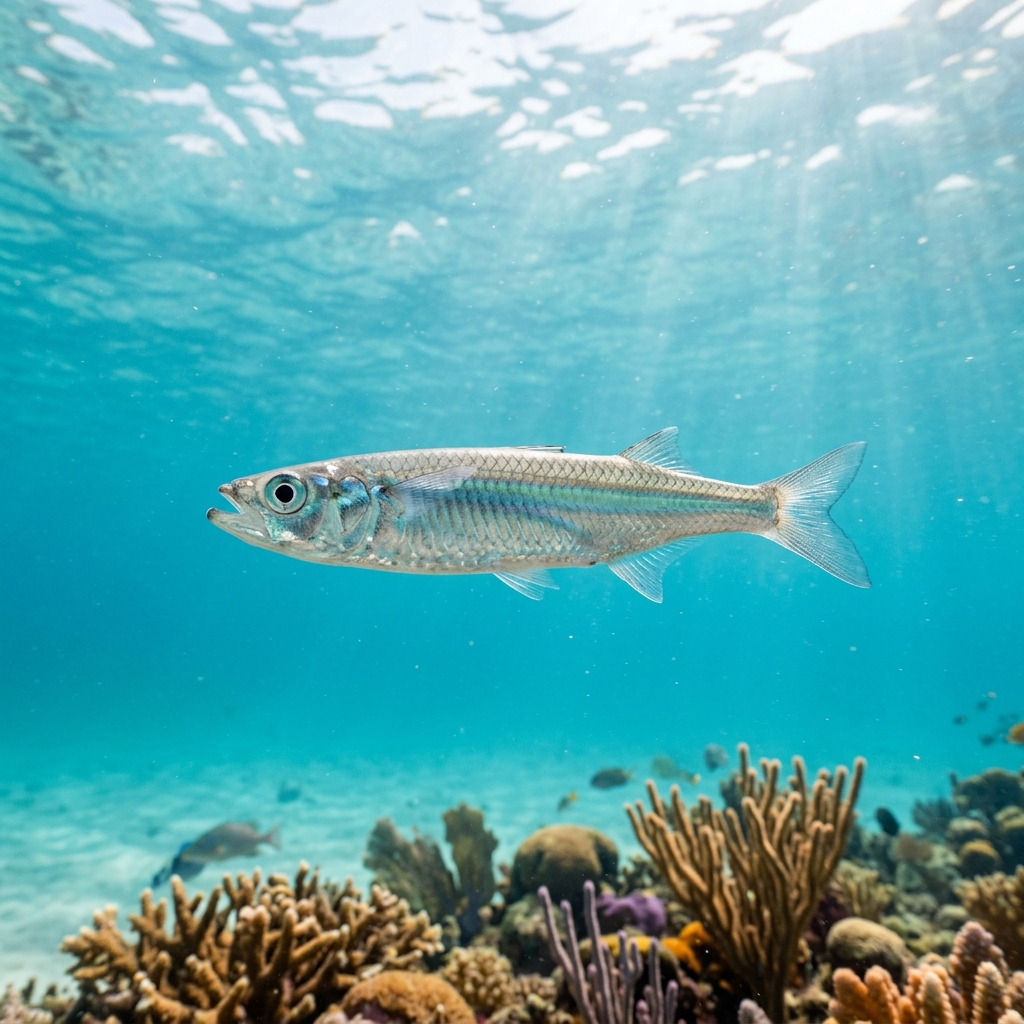
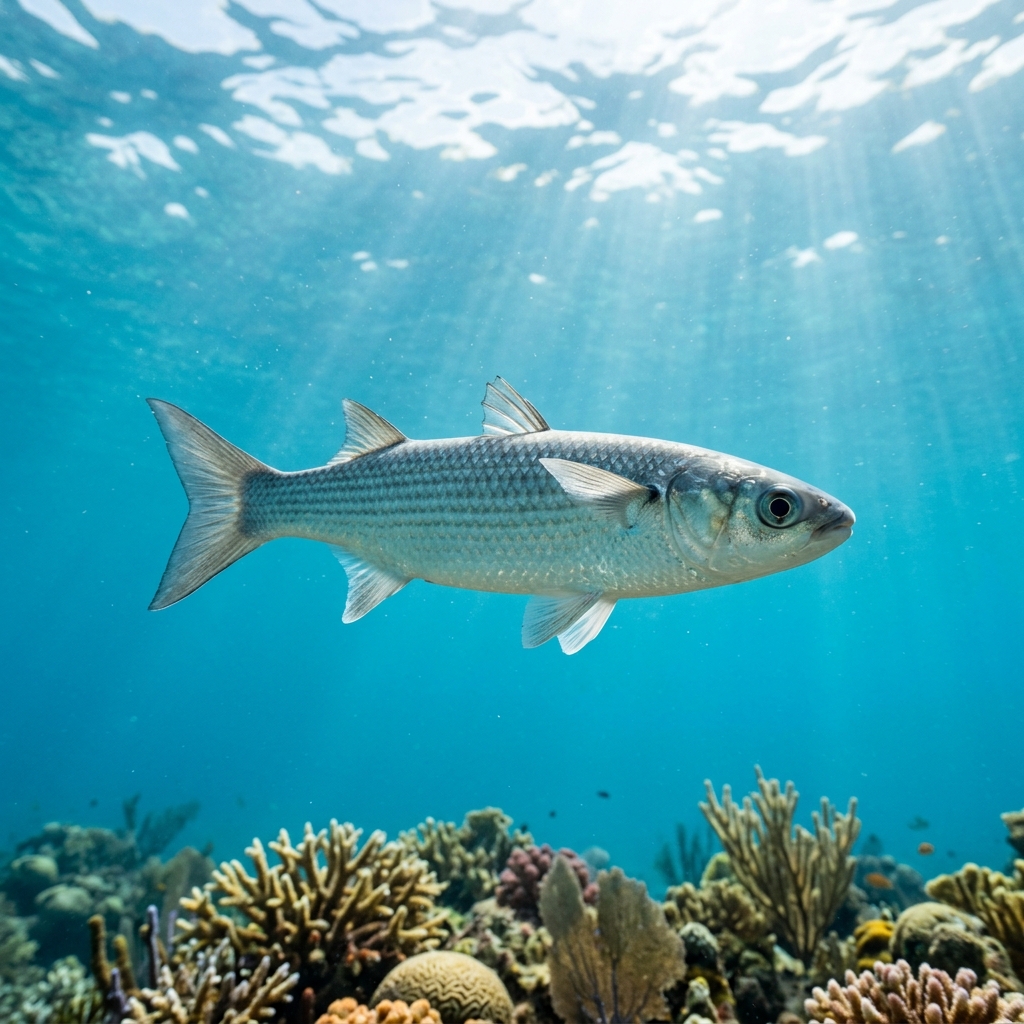
Reef neighbours a diver could mistake it for. Use the identification notes above to tell them apart.
Sardines are most commonly logged across the cold and cool waters of the North Atlantic and North Sea, with the strongest site coverage in Norway, the United Kingdom, and France. Top regions include Southern and Western Norway, South Coast England, Brittany and Normandy, and the Southwest Coast of Ireland. The United States Northeast and Great Lakes region also shows solid coverage for cold-water species in the family.
Mapping where Sardine is logged…
Sardines are well recorded across the North Atlantic, with strong site coverage in Norway, the United Kingdom, Ireland, and France. Key regions include South Coast England, Brittany and Normandy, Southern Norway, and the Southwest Coast of Ireland. The Northeast United States also has solid coverage.
There is no defined seasonal peak in the available data, so sardines can be encountered year-round in their range. Their preferred water temperatures of roughly 6 to 15 degrees Celsius suggest they are most reliably found during cooler months in temperate regions, or throughout the year in persistently cold-water locations such as Norway.
Look for small, slender silver fish with a blue-green back, large reflective scales, and a forked tail. The easiest identifier is their behaviour: sardines school in dense, fast-moving groups that flash as they turn. Anchovies are similarly shaped but typically have a larger mouth and a more pointed snout, while sand eels are much more elongated and eel-like.
No. Sardines pose no threat to divers. They may scatter briefly when a diver enters a school but will typically reform around you within moments.
Schooling is a predator-defence strategy. A large, tightly coordinated group confuses predators, making it hard to single out one fish. Each individual reduces its own risk by staying close to its neighbours, which also explains the rapid, synchronised turning that makes sardine schools so remarkable to watch.
Site and sighting data is aggregated from diver logs, iNaturalist and GBIF. For taxonomy and conservation status:
Anchovy
2,433 sites