Gadidae spp.
Cod are most logged in Canada, the UK, and Brittany. Spot them in cold water from 3 to 16°C, mainly May to November.
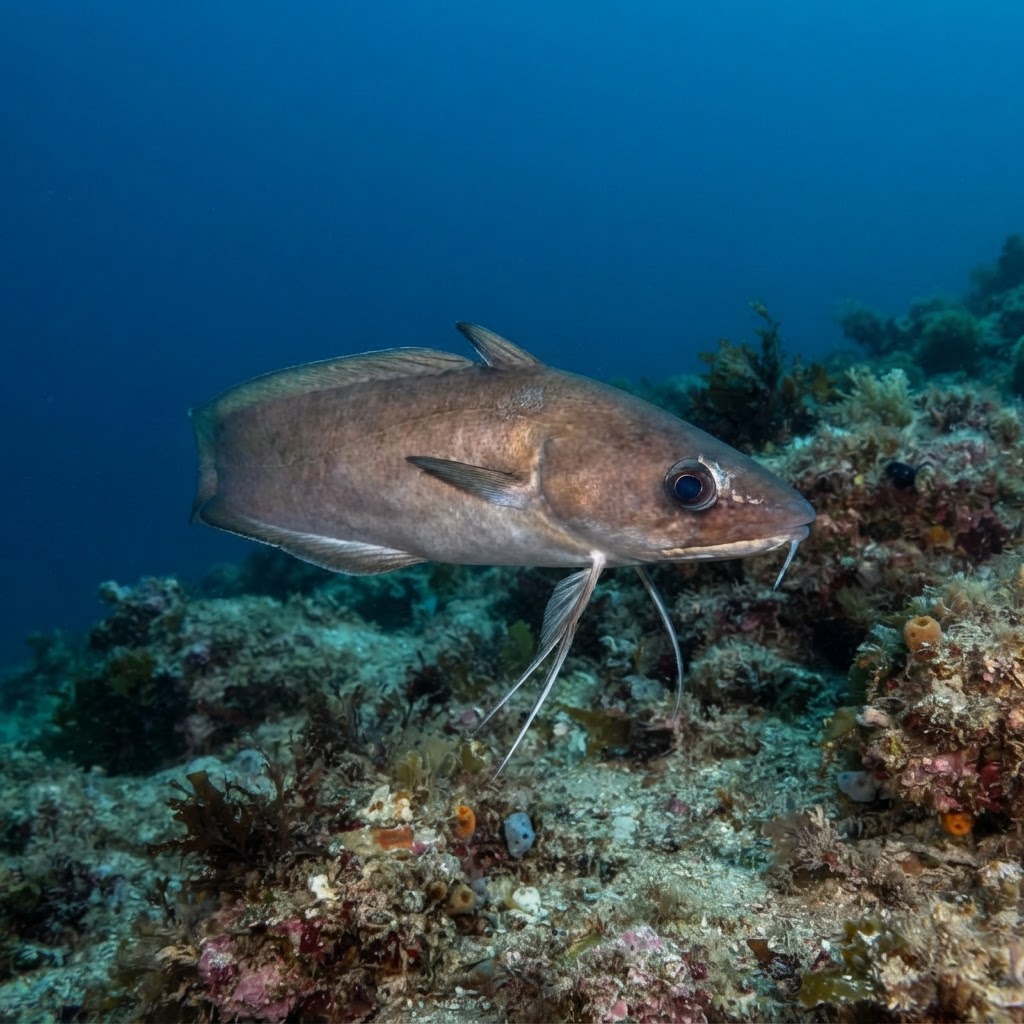
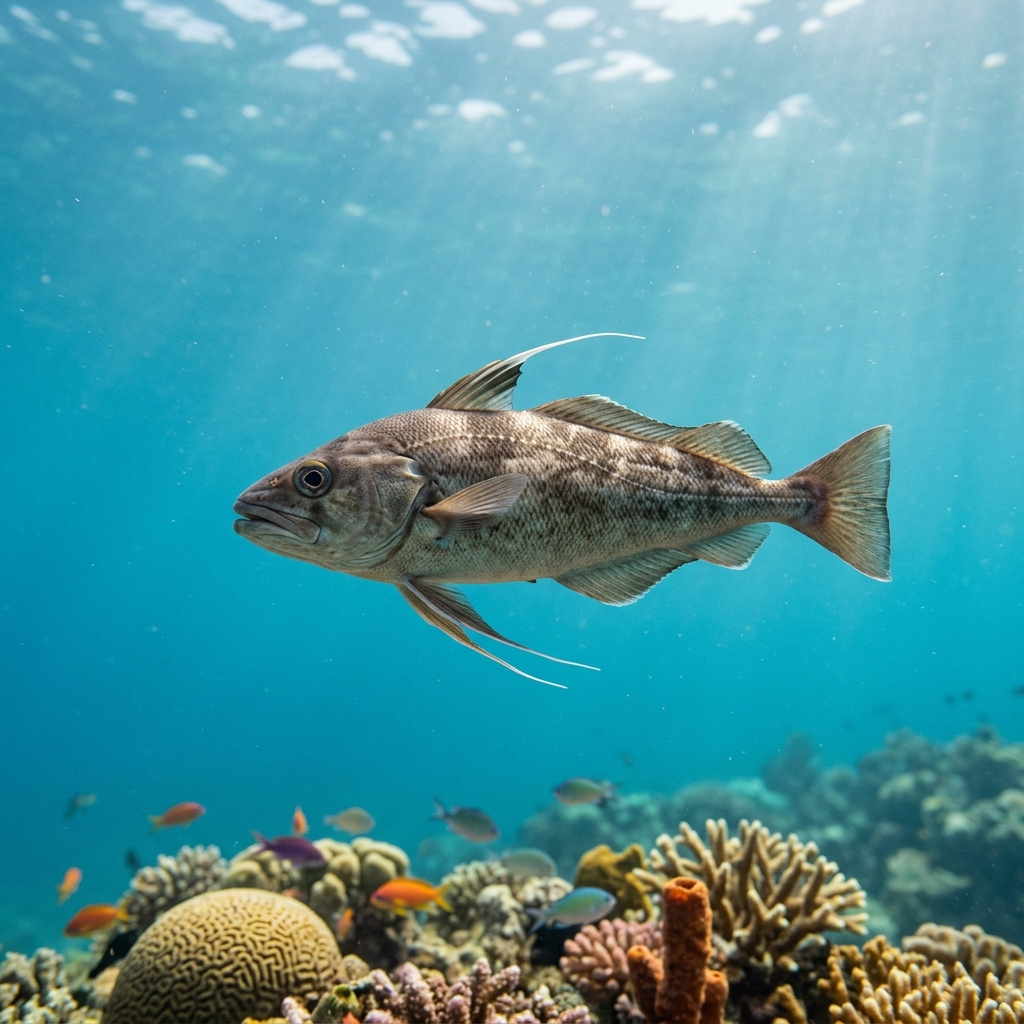
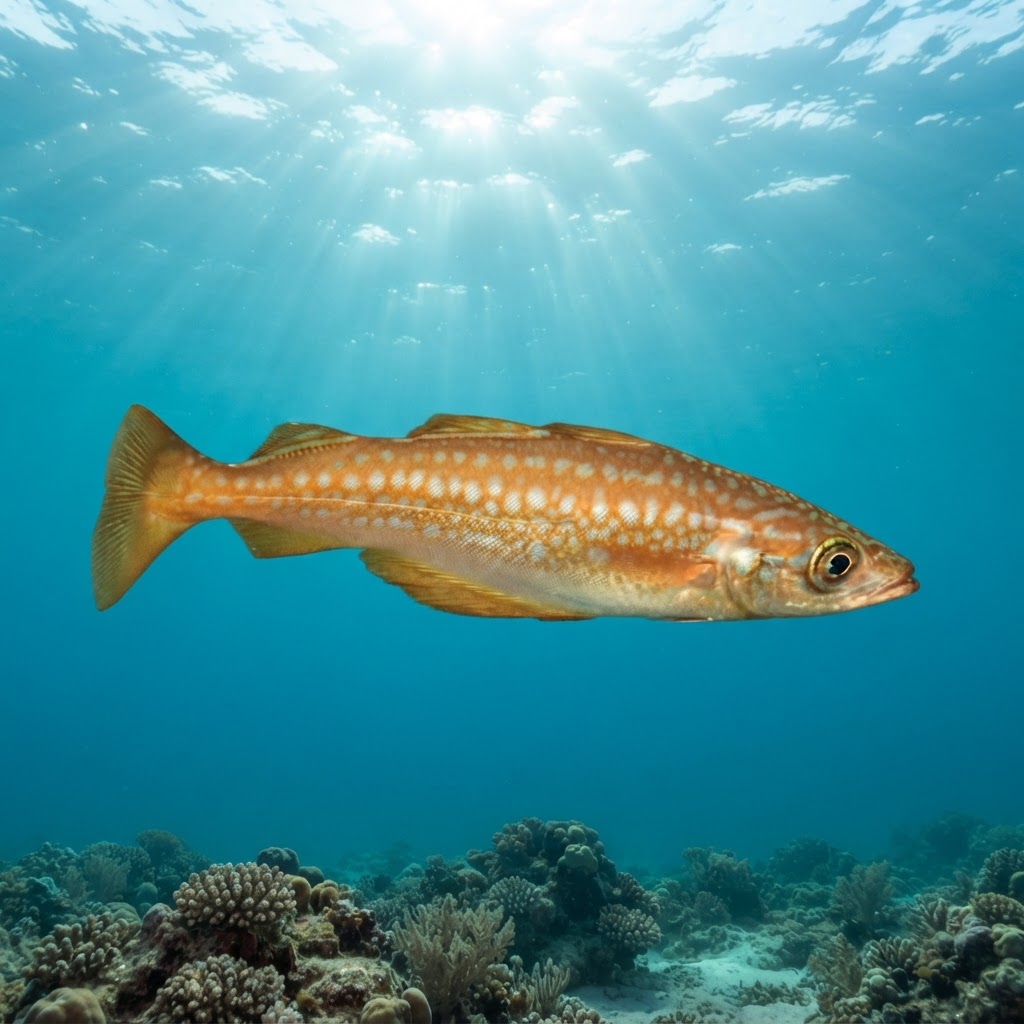
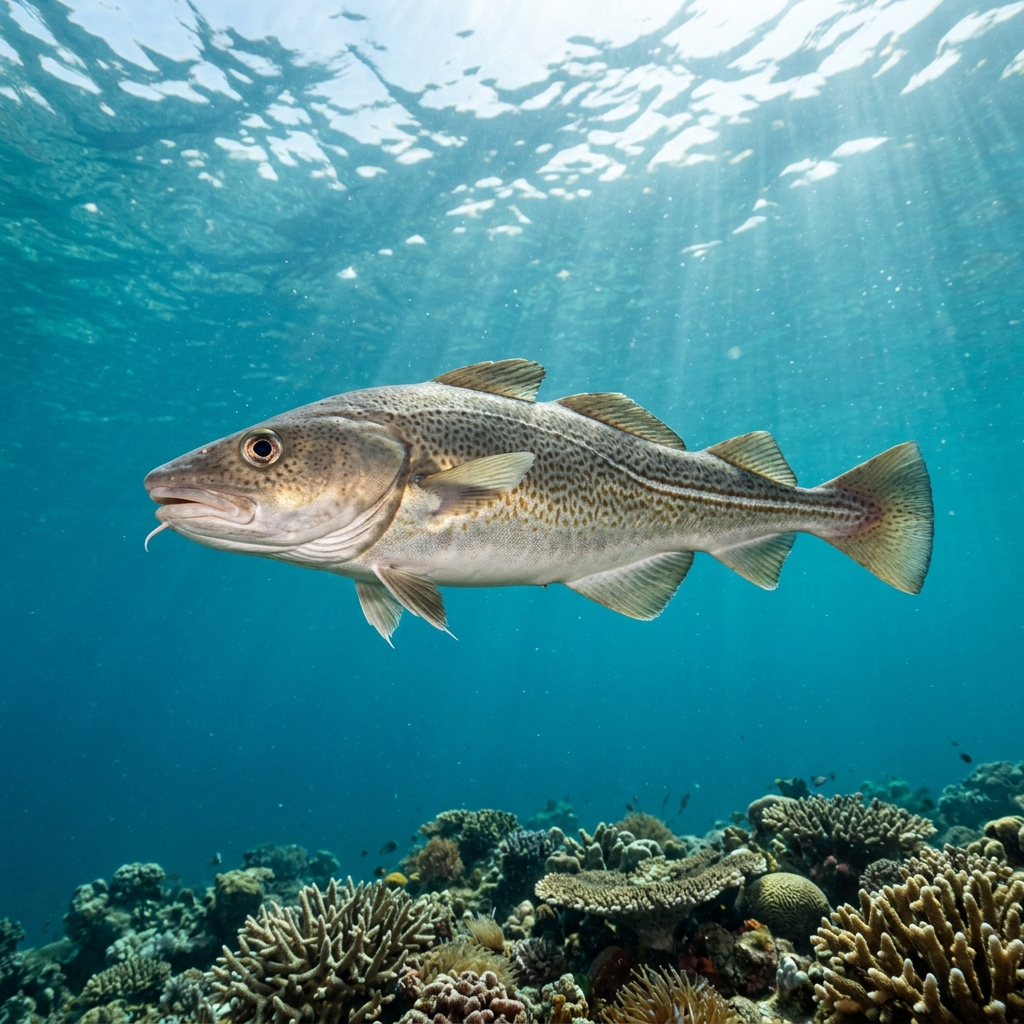
Members of the cod family share a few reliable clues underwater: a prominent barbel (whisker-like sensory projection) beneath the chin, a rounded body that tapers towards the tail, and two or three separate dorsal fins running along the back. Colouring varies across the family from mottled brown and olive green to pale grey or cream, often with a pale lateral line (a sensory canal running along the flank). Most are stocky, mid-water to bottom-hugging fish that hover or drift rather than dart.
Cod are typically seen cruising slowly just above or along rocky, mixed-sediment bottoms, often in low-visibility, greenish water. They tend to be unhurried around divers, occasionally pausing or hovering before moving off, which gives you a reasonable window to observe them closely. Look near structure, boulders, and kelp edges where they forage for prey on or near the seabed.
The chin barbel is not just decorative: cod family members use it to taste and probe the sediment for buried invertebrates and small fish, making them active sensory hunters on the seafloor.
In the Northern Hemisphere, sightings concentrate between May and November, which aligns with the family's preference for cold to cool water in the 3 to 16°C range. Winter dives are possible but encounters become less frequent.
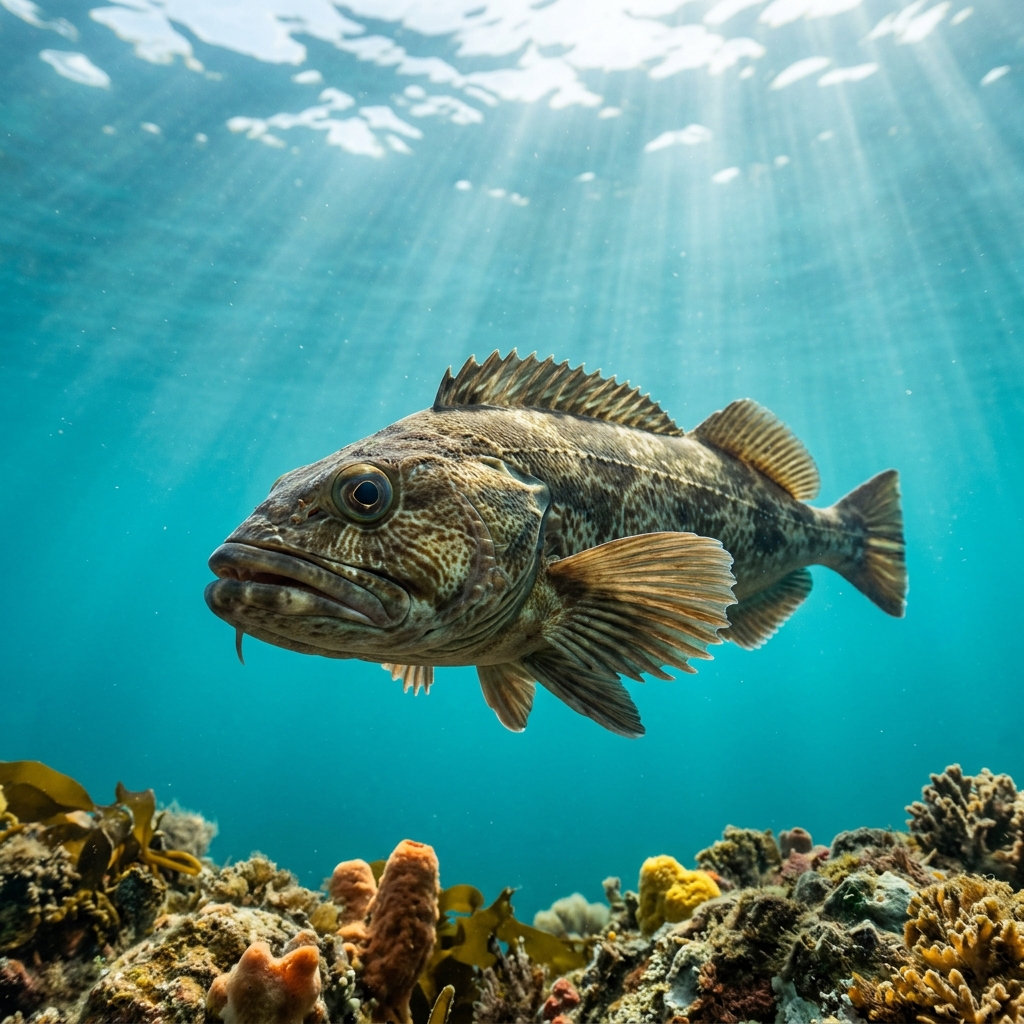
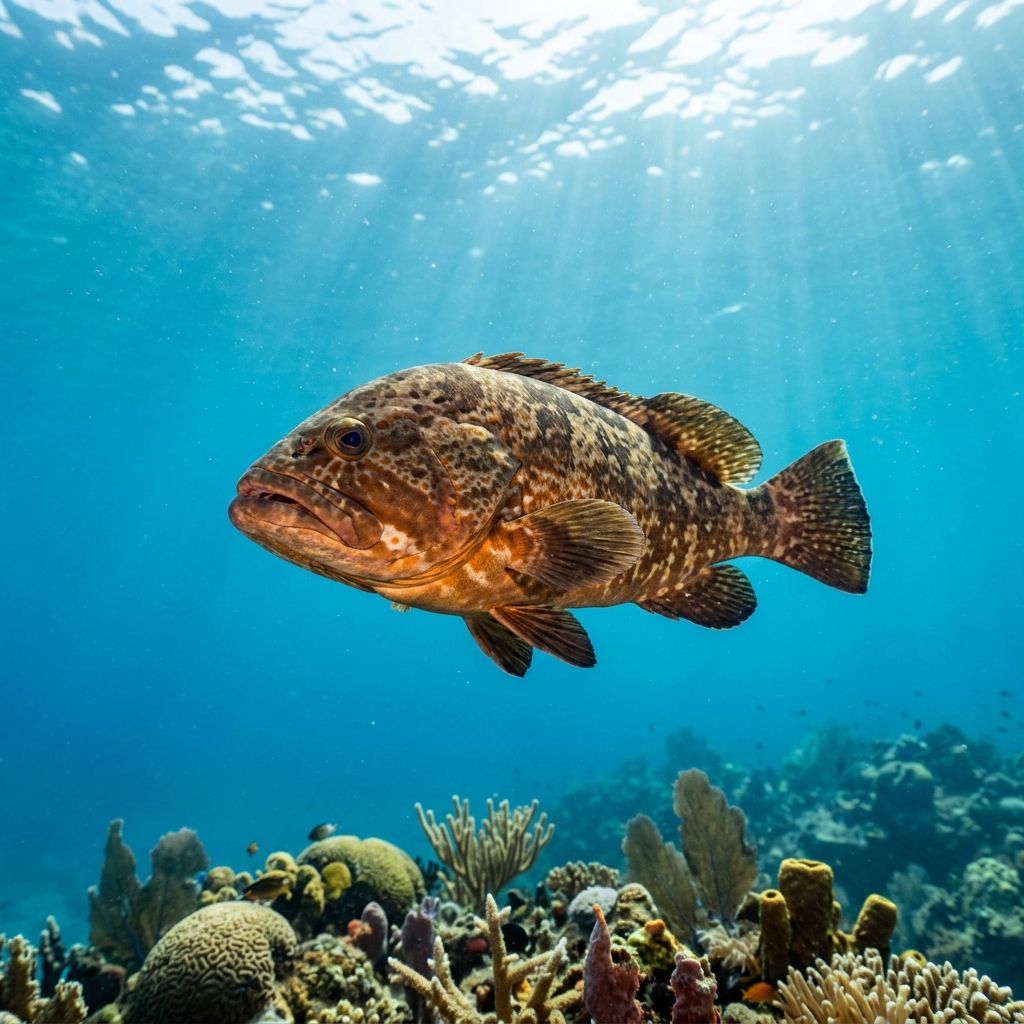
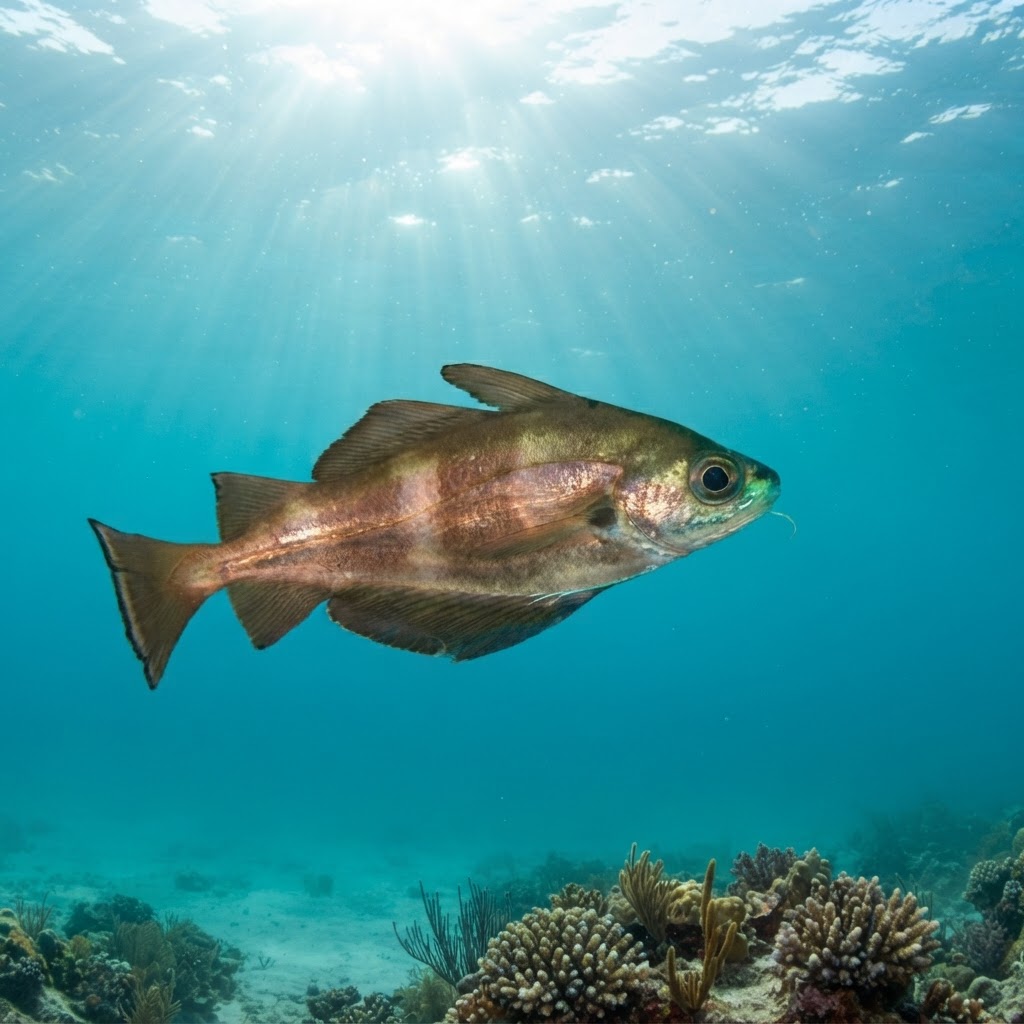
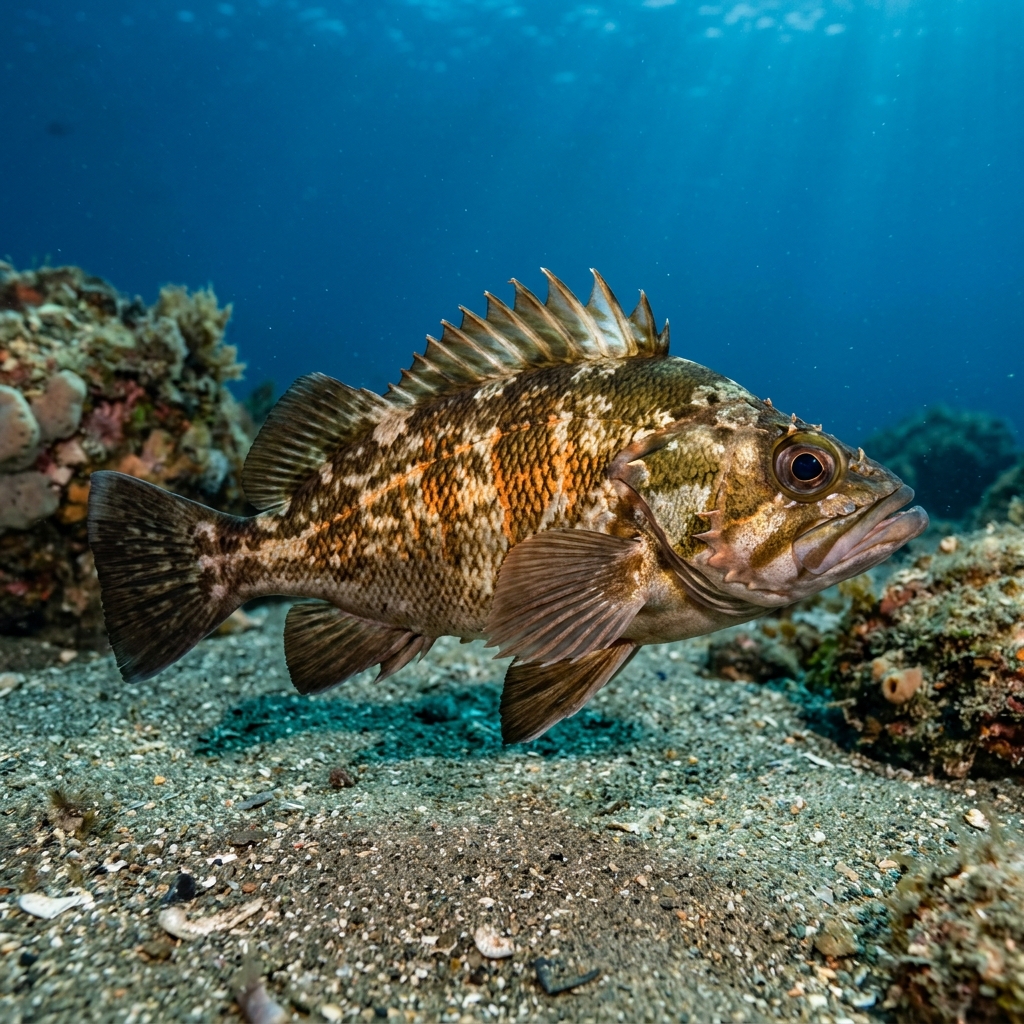
Reef neighbours a diver could mistake it for. Use the identification notes above to tell them apart.
Cod family members are most commonly logged in Canada (particularly Nova Scotia, the Bay of Fundy, and the Gulf Coast), the United Kingdom (especially the South Coast), and France, with Brittany and Normandy standing out as a particularly strong region. Strong records also come from the Netherlands (Zeeland), Ireland, Norway, and the northeastern United States. If you're specifically chasing this family, the cold, nutrient-rich waters of the North Atlantic are your best bet.
Mapping where Cod is logged…
Cod are most reliably logged across the North Atlantic, particularly in Canada (Nova Scotia, Bay of Fundy, New Brunswick), the UK (South Coast), Brittany and Normandy in France, Zeeland in the Netherlands, Ireland, and Norway. The northeastern United States and the St. Lawrence region of Quebec are also solid options.
In the Northern Hemisphere, sightings are most concentrated between May and November. Cod prefer cold to cool water, so they are present year-round in suitable temperate and subarctic habitats, but encounters peak during the warmer half of the year when more divers are in the water.
Look for the chin barbel (a short whisker beneath the lower jaw), three separate dorsal fins, and a stocky, tapered body with mottled brownish or greenish colouring. A pale lateral line running along the flank is another consistent feature across the family. They tend to move slowly near the bottom, which gives you time to check for these details.
No. Cod family members pose no threat to divers. They are generally slow-moving, non-aggressive fish that may approach out of curiosity but will not bite or behave defensively.
Cod use a sensory barbel under the chin to detect prey by touch and taste before striking, making them tactile hunters rather than purely visual ones. This adaptation is especially useful in the murky, low-visibility conditions common across their North Atlantic range.
Site and sighting data is aggregated from diver logs, iNaturalist and GBIF. For taxonomy and conservation status:
Pouting
236 sites