Trachelochismus pinnulatus
A rarely-logged 7cm clingfish found on North Island, New Zealand, in cool 14-19C water year-round.
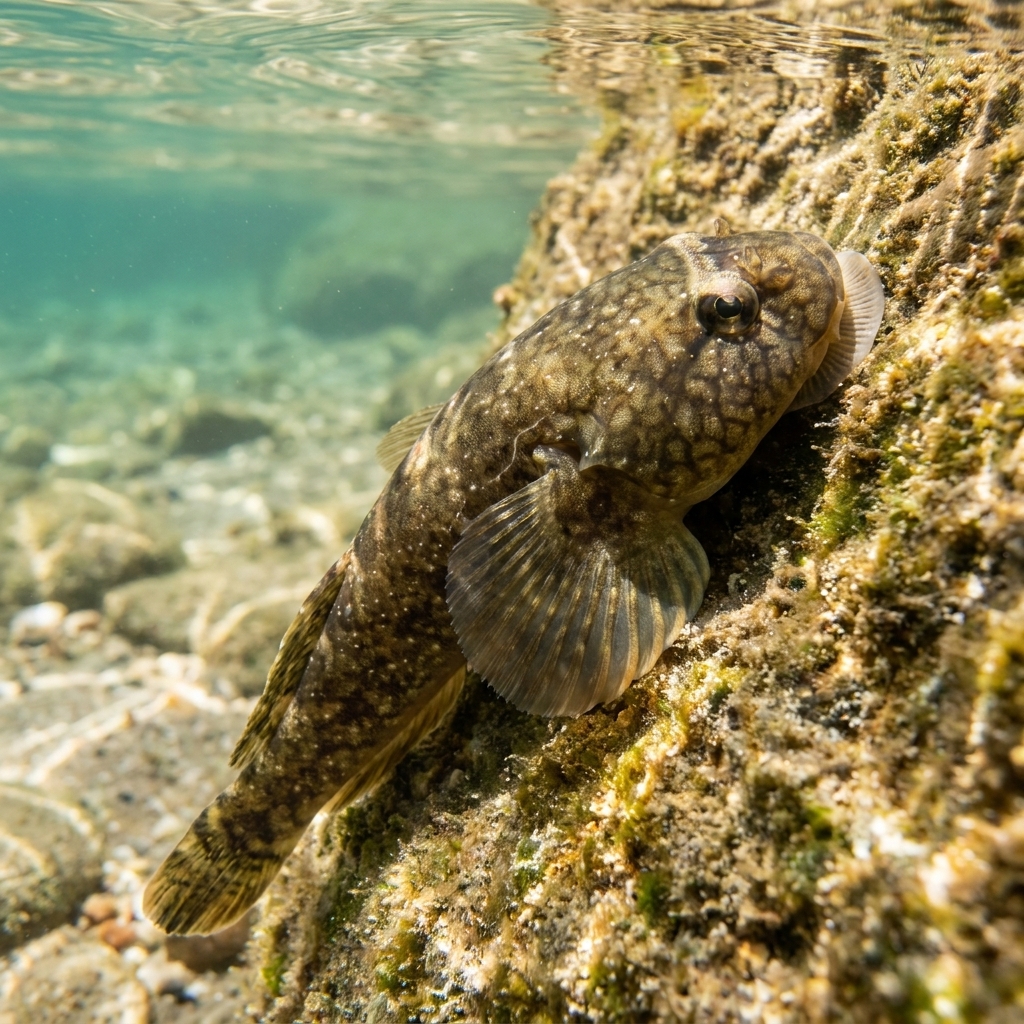
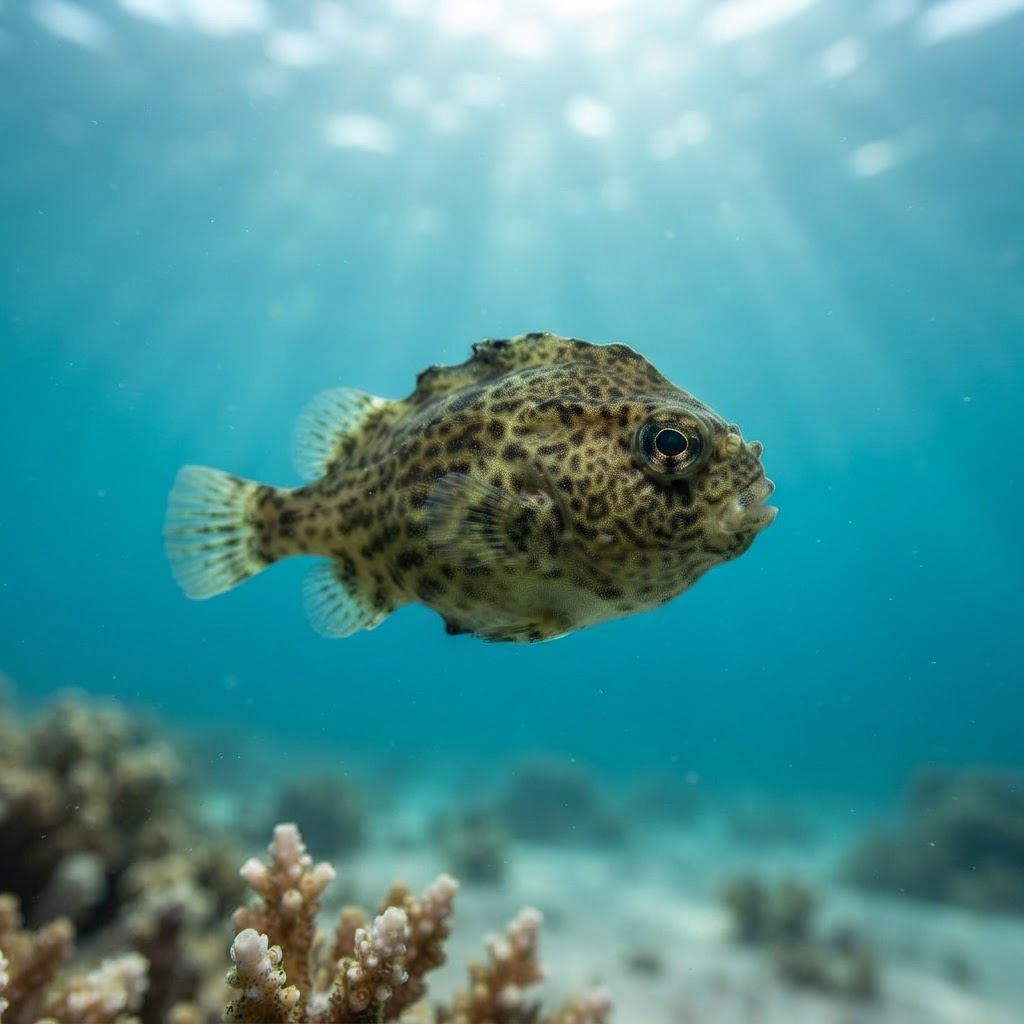
A small, soft-bodied fish just 7 cm long, with a mottled brown to olive body that blends easily into rocky reef and kelp holdfasts. Its most useful ID feature is the modified pelvic fin fused into a suction disc on its underside, which it uses to grip rock rather than swim in open water. Look for a stout, slightly tadpole-shaped body tapering toward the tail, with no scales visible and a smooth, almost slimy-looking skin.
Divers typically find this species stuck flat against rock surfaces using its sucker disc, staying motionless rather than swimming into open water. It is a reef-hugging, low-profile fish that relies on camouflage and grip rather than speed, so spotting one usually means slowing down and scanning rock crevices and kelp bases closely. It is not a fish that approaches divers or reacts much to their presence.
The sucker disc on its belly is formed from fused pelvic fins, an adaptation shared across the clingfish family that lets it hold fast against rock even in surge and current.
Sightings do not show a clear seasonal pattern, so treat this as a year-round possibility rather than a seasonal target. Water temperatures at recorded sightings range from 13.8 to 19.4C, consistent with New Zealand's temperate coastal conditions across most of the year.
Logged sites are concentrated entirely in New Zealand, with North Island the region where divers have actually recorded it. There is no data yet from other countries, so North Island's rocky reef sites are currently the reliable place to look.
Mapping where New Zealand Lumpfish is logged…
Current diver records place this species on North Island, New Zealand, which is the only region with confirmed sightings so far. Look for it clinging to rocky reef surfaces rather than swimming in the open.
There is no strong seasonal pattern in the sighting data, so it appears to be a year-round find. It has been recorded in water between 13.8 and 19.4C, typical of New Zealand's temperate coastal seasons.
Look for a small, mottled brown fish around 7 cm long, sitting flat against rock rather than swimming. The giveaway is its sucker-like pelvic disc, which it uses to anchor itself in place.
They stay small, typically around 7 cm in length, making them easy to overlook against rock and kelp.
Its pelvic fins are fused into a suction disc on its underside, a trait shared with other clingfish that lets it grip rock surfaces firmly even in strong current or surge.
Site and sighting data is aggregated from diver logs, iNaturalist and GBIF. For taxonomy and conservation status:
Soldierfish
3,612 sites