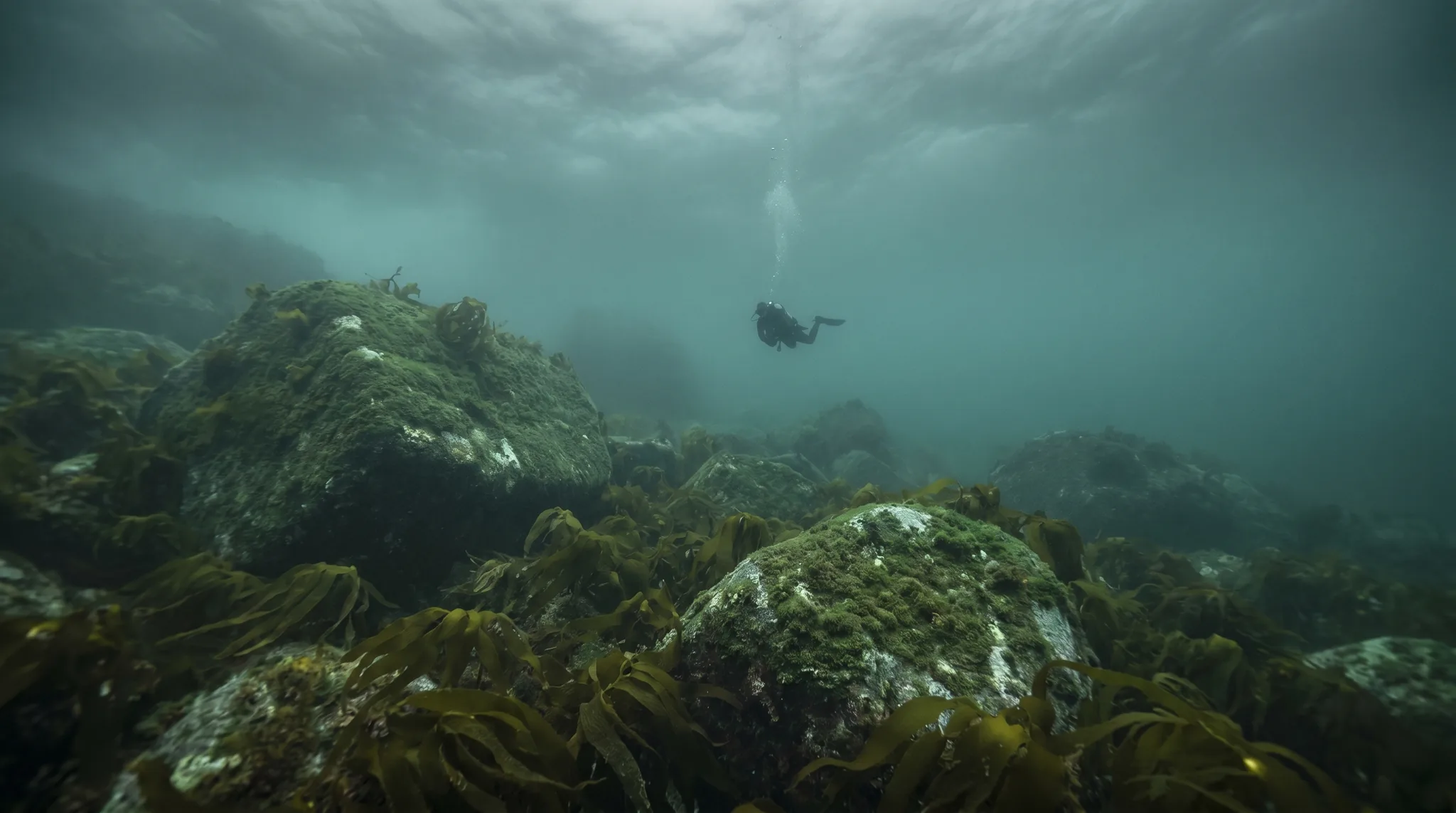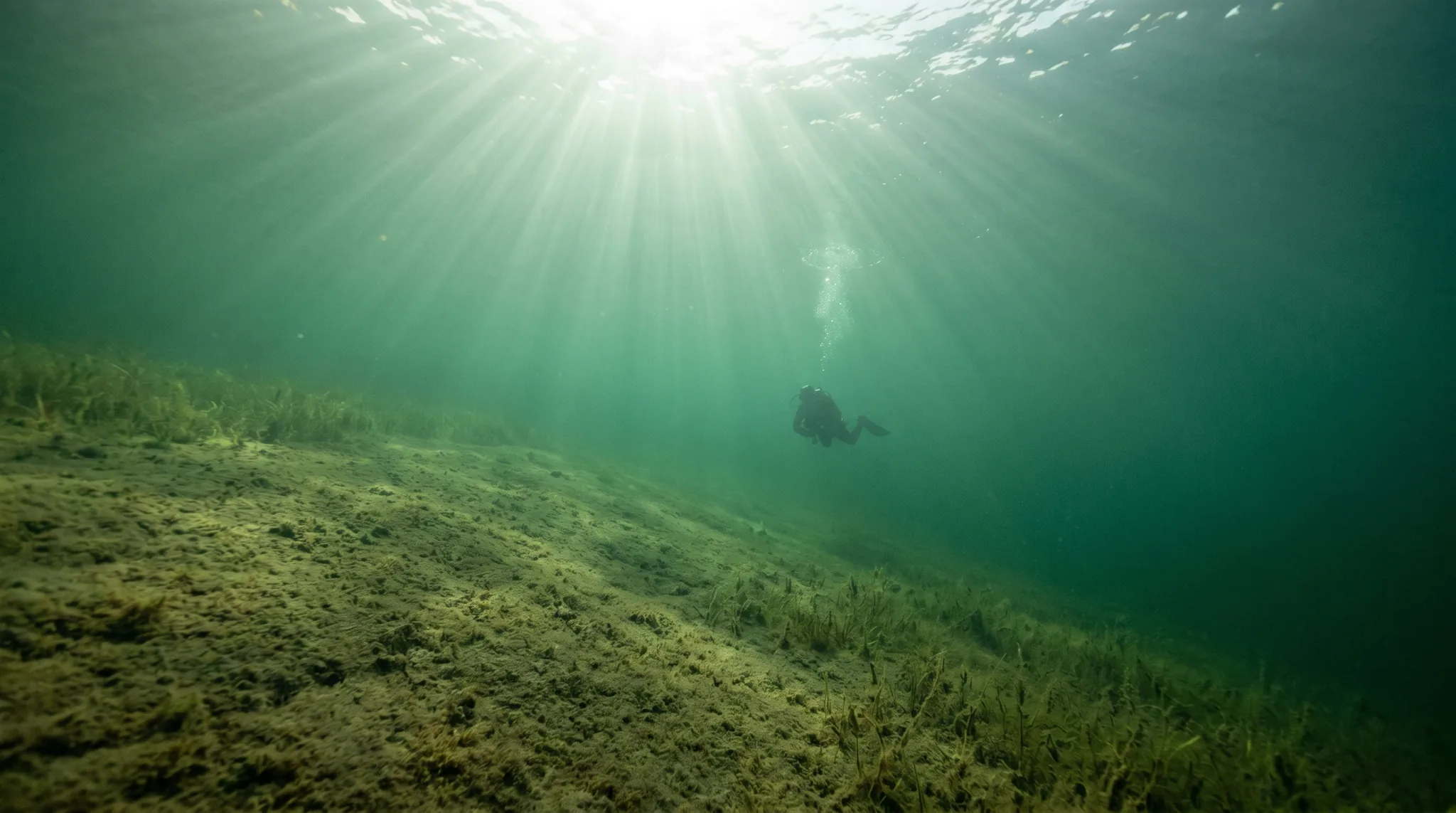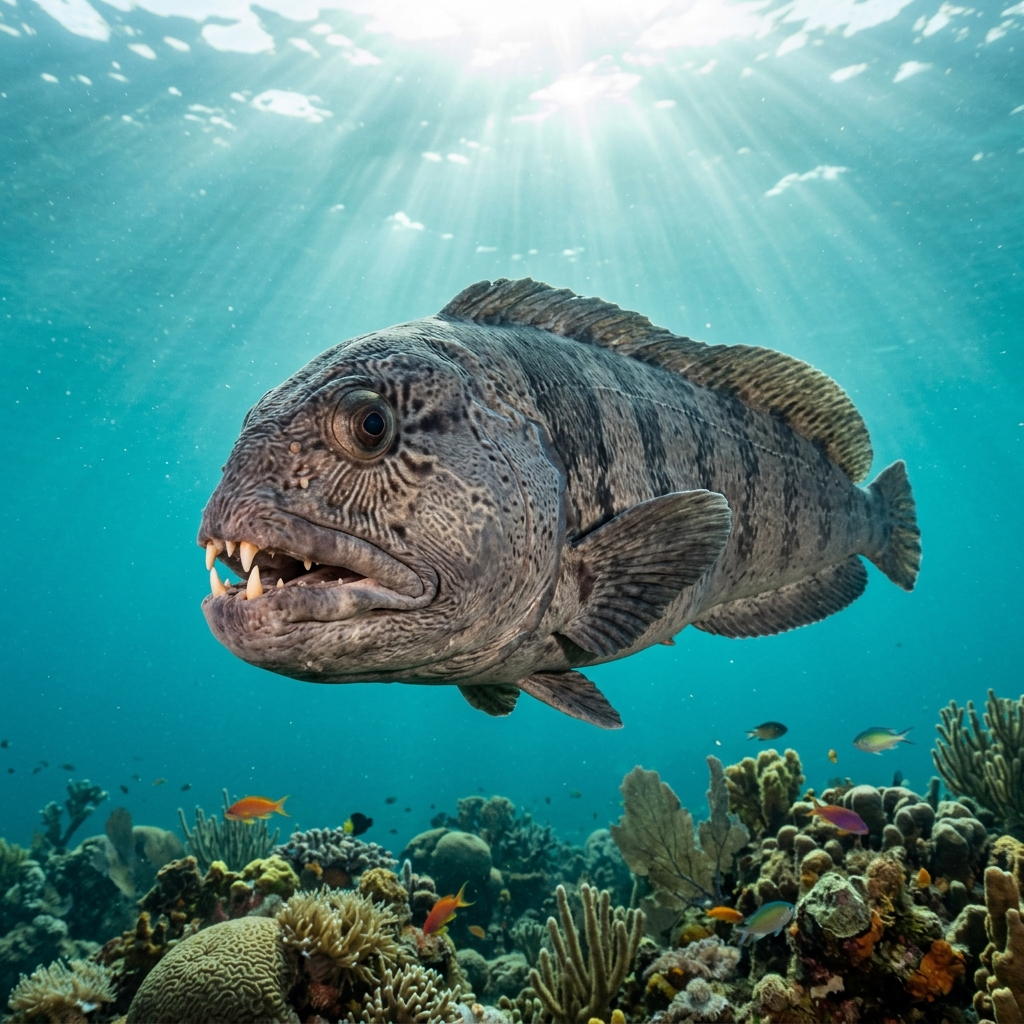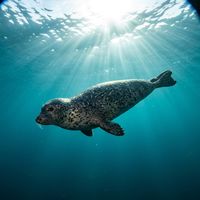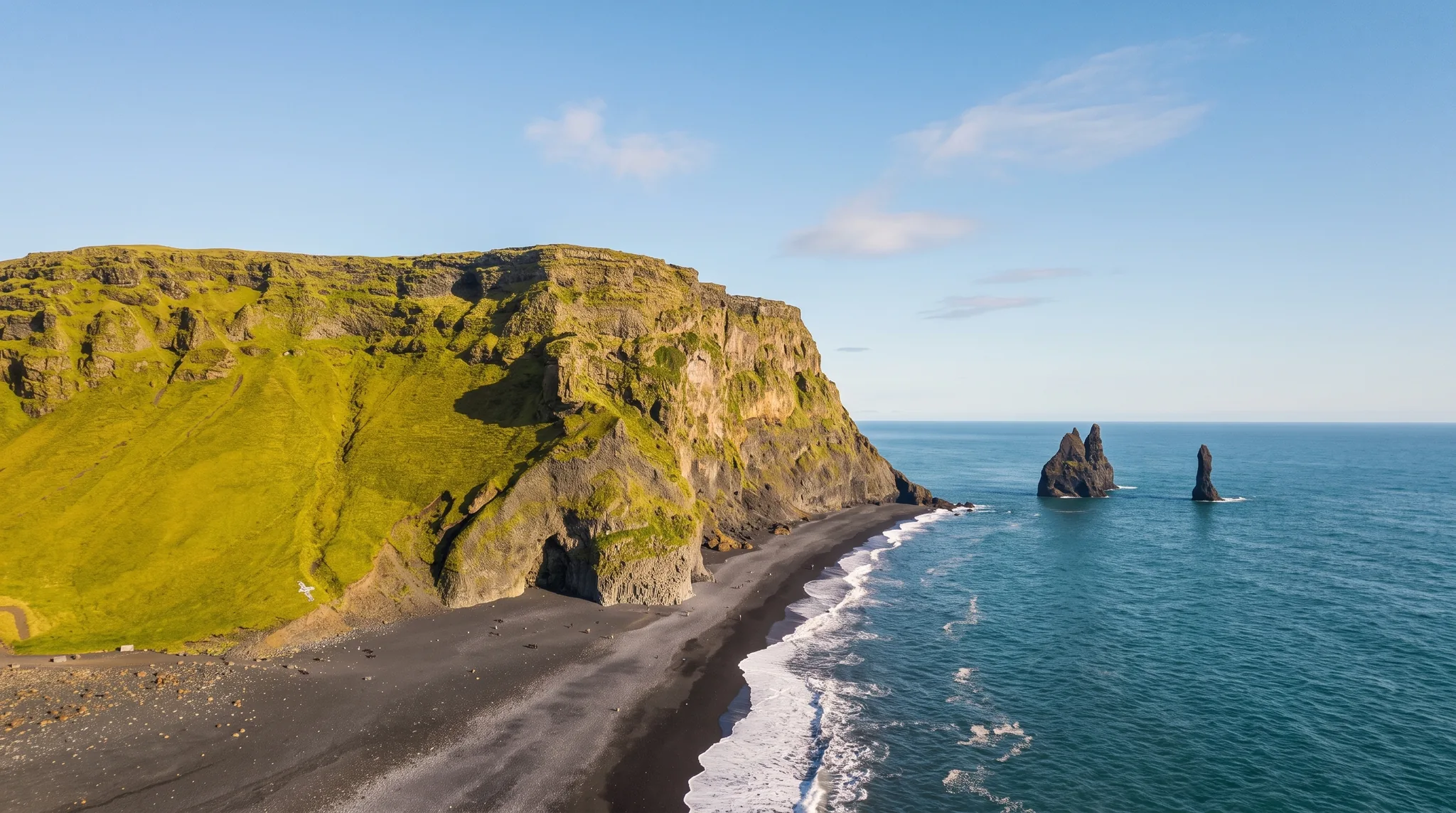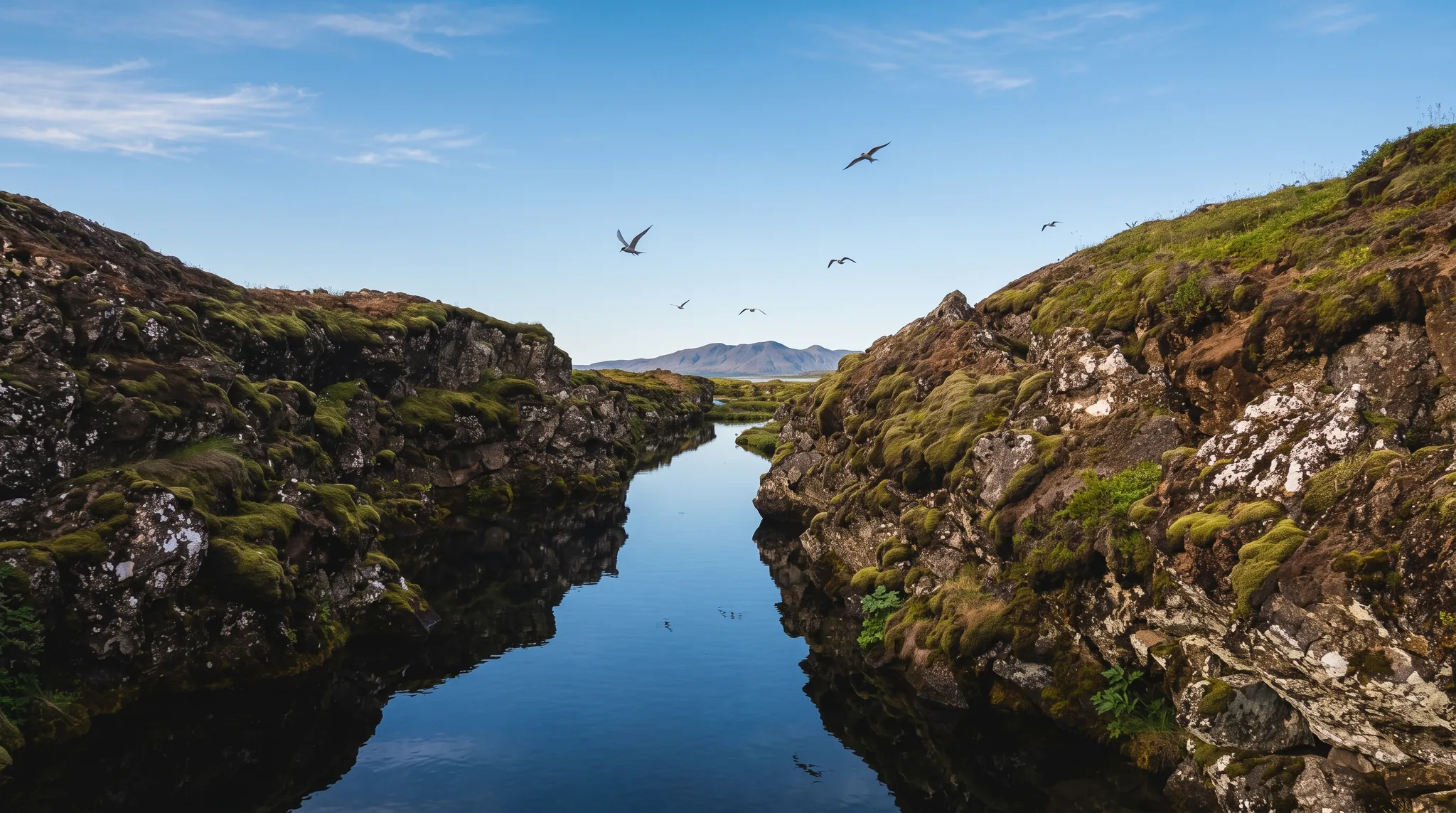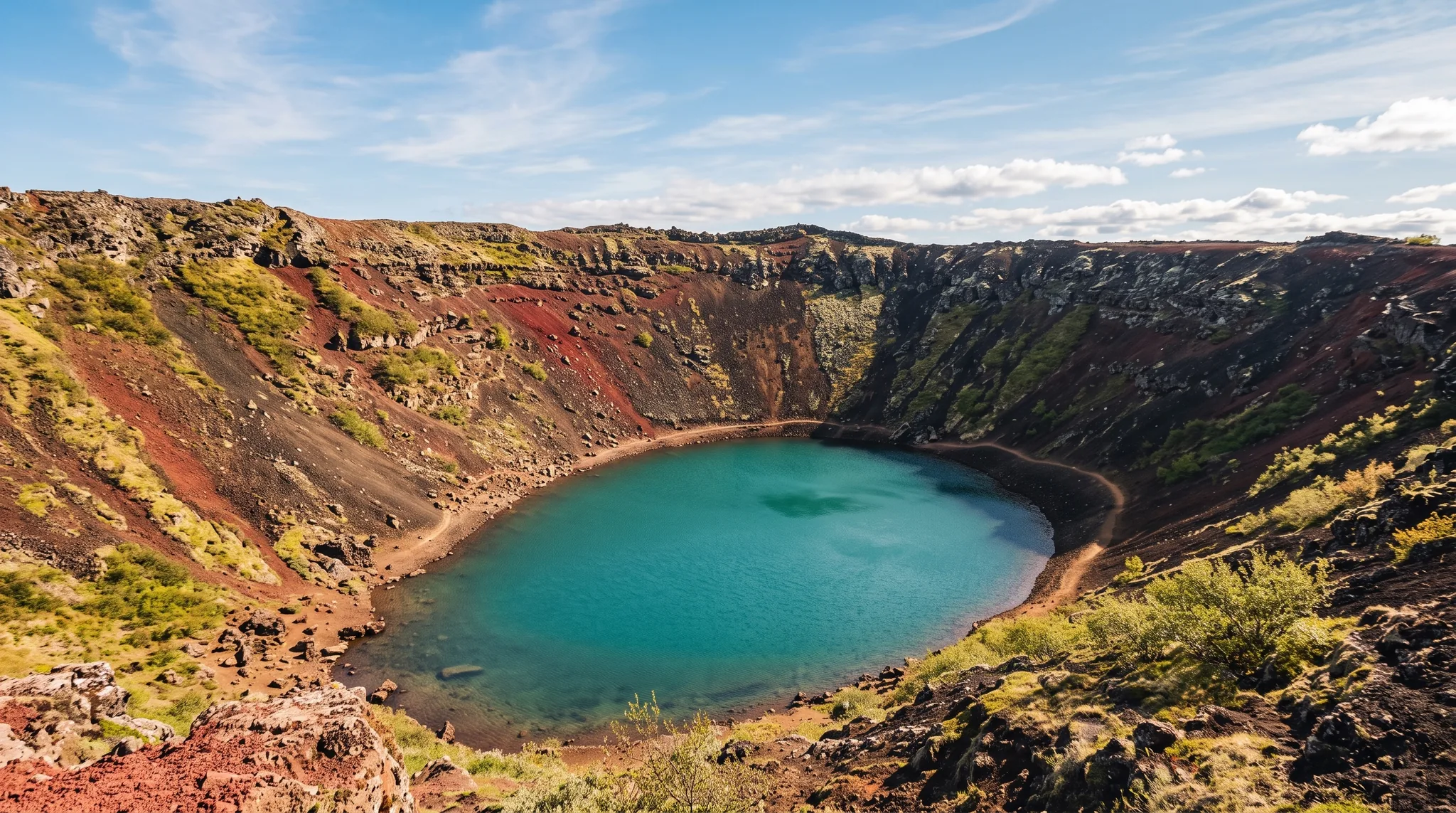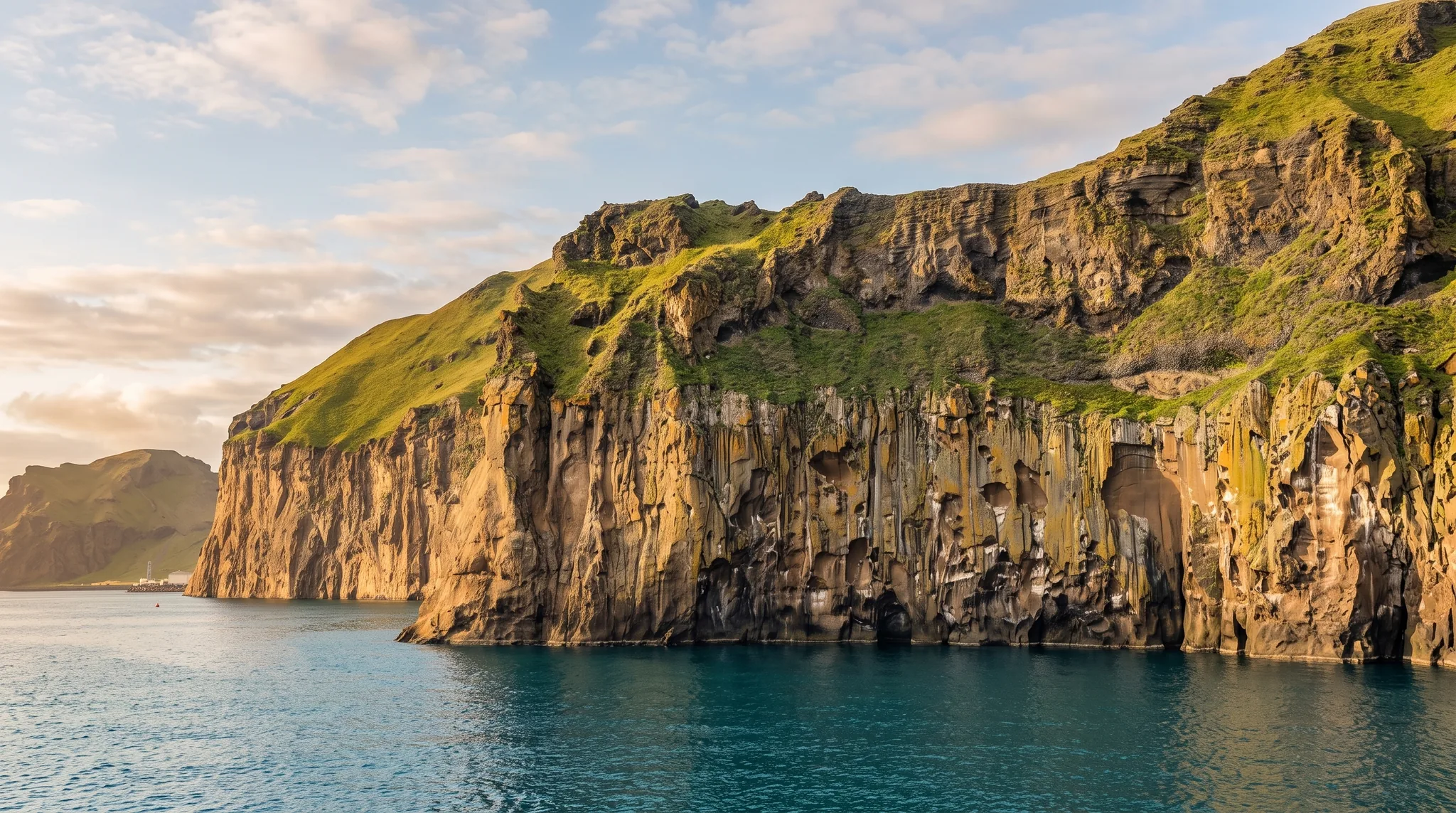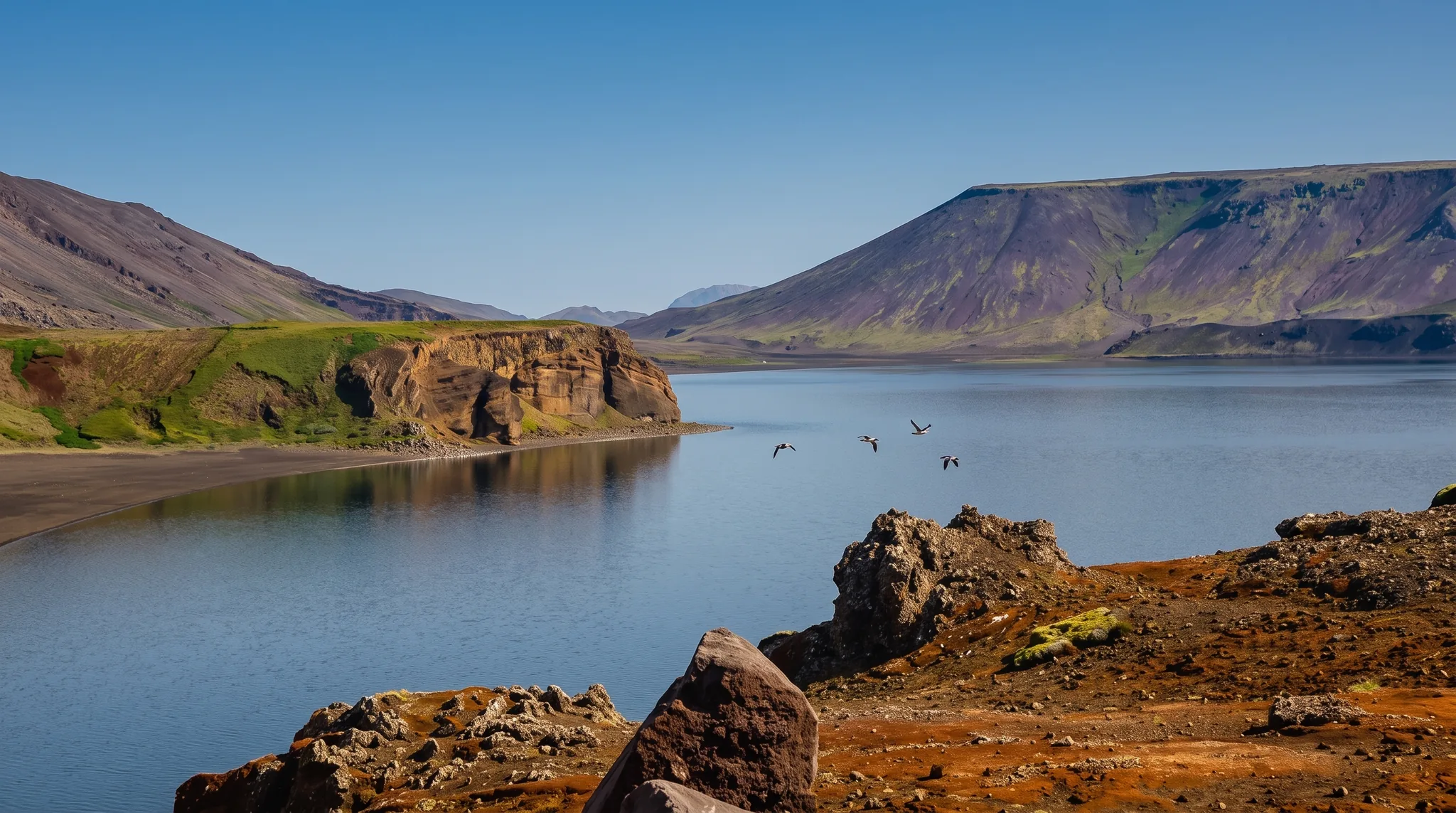
Reykjanes sits where the North Atlantic meets Iceland's volcanic interior, and that collision shapes every dive here. The peninsula offers both ocean sites and freshwater or brackish fissures, so conditions vary considerably across the six sites in the database. Garður draws divers to kelp forests and mixed algae gardens, with species such as Atlantic wolffish and harbour seal. Bjarnagjá is a lava fissure where fresh groundwater meets seawater, creating a brackish environment. Lake Kleifarvatn, the largest lake on the peninsula, sits directly atop the Mid-Atlantic Ridge and includes an artificial reef structure. Water temperatures peak in late summer and drop to just above freezing in winter, so a drysuit is necessary year-round.
Fin maps 6 sites in Reykjanes (6 scuba diving sites).
3 more sites to explore