
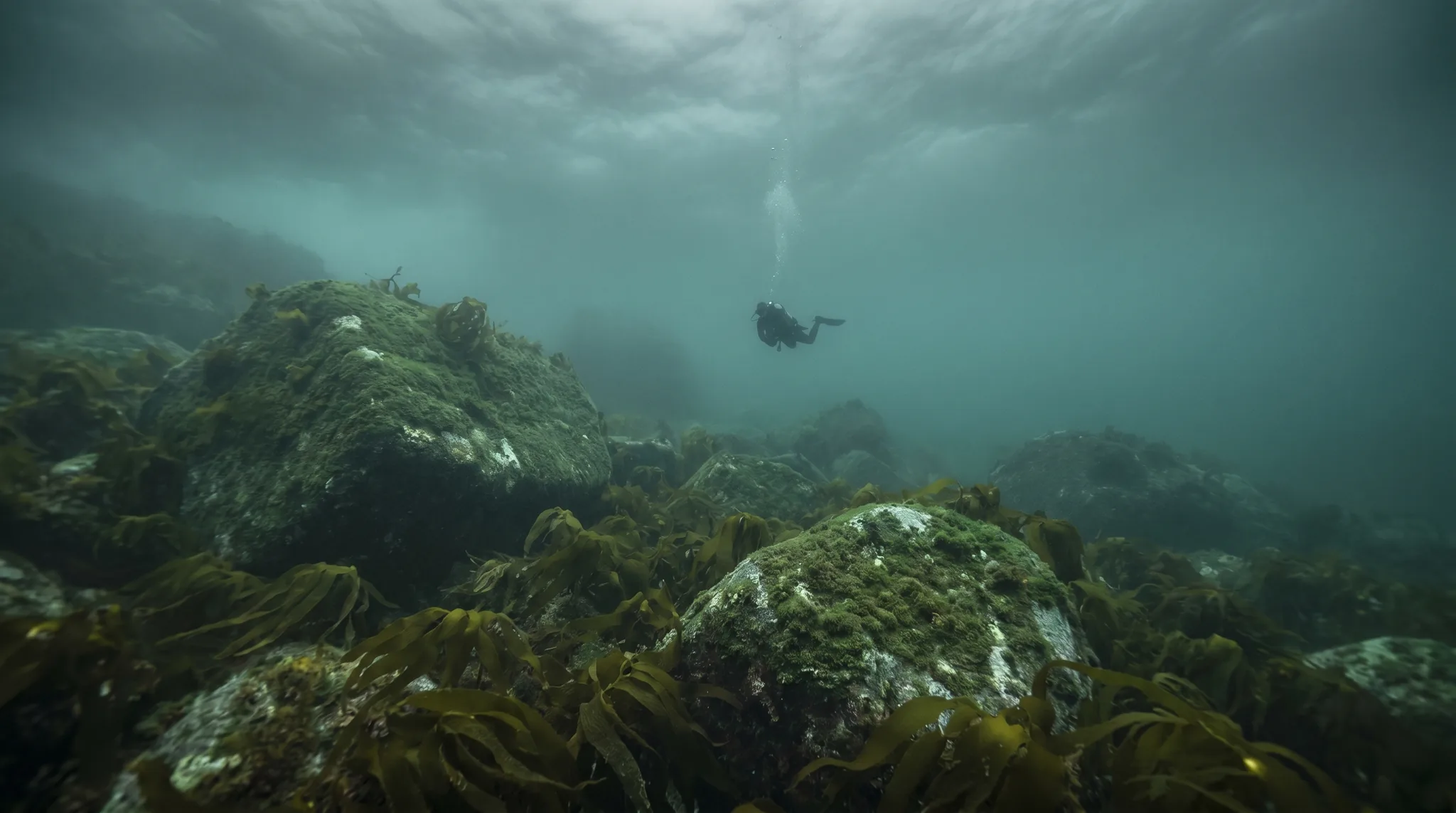
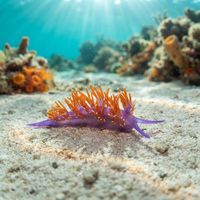
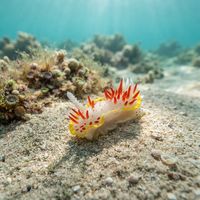
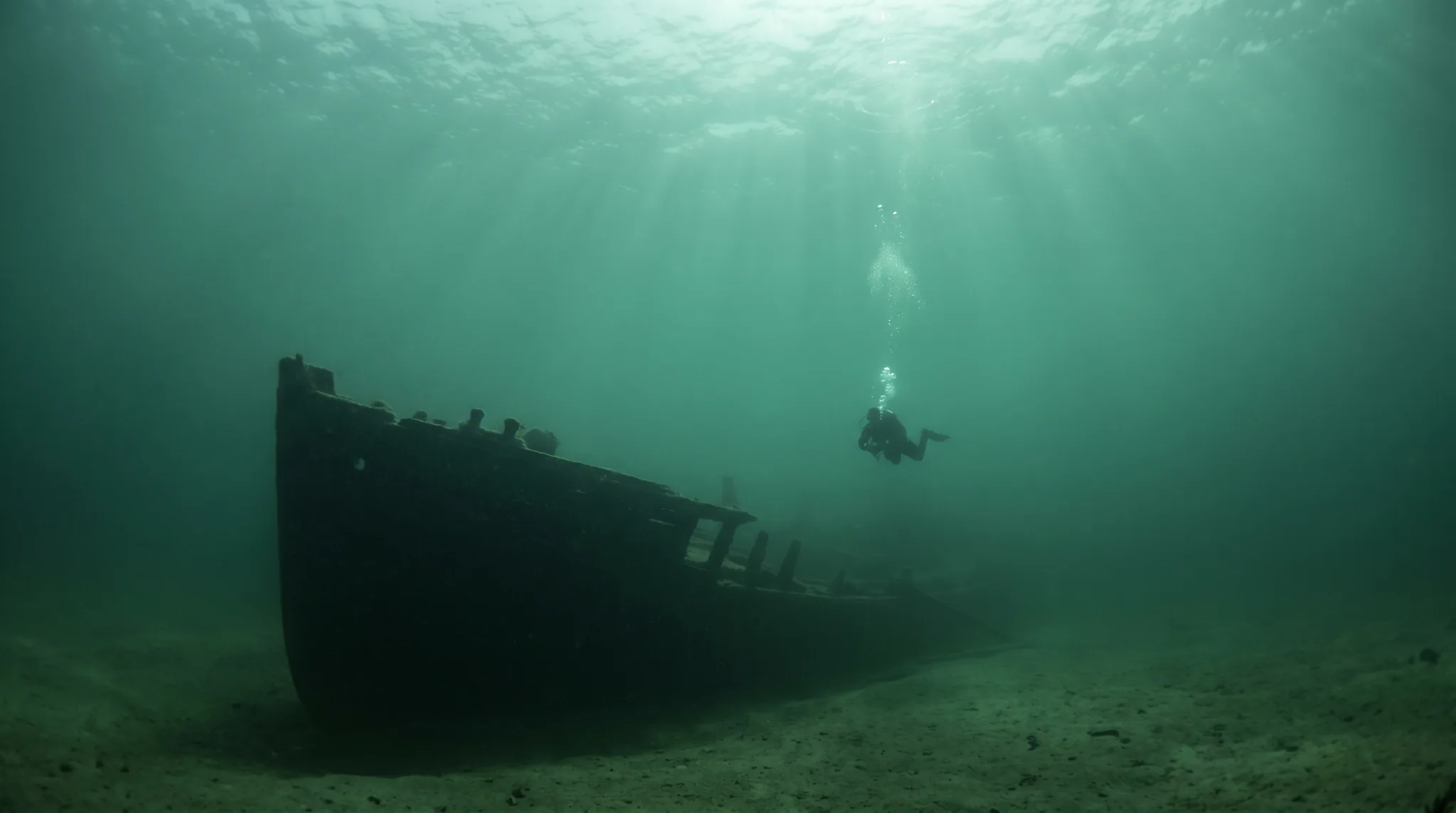
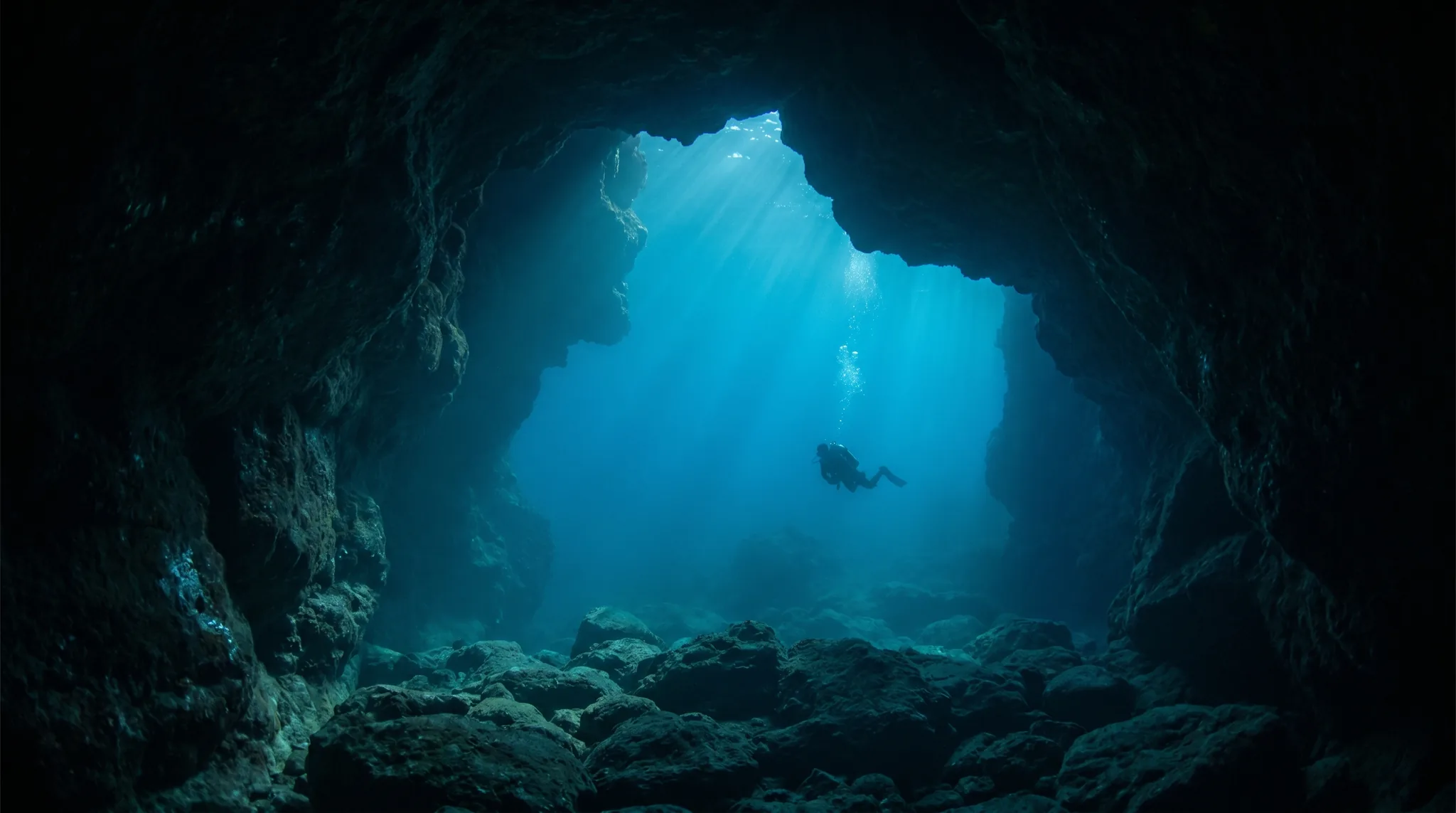
Marseille and Calanques offers a layered diving landscape shaped by three distinct sub-areas: the Riou Archipelago, Calanques National Park, and the Frioul Islands. Sites range from beginner-friendly shore reefs and seagrass beds to deep technical wrecks and overhead cave systems requiring trimix. Nudibranch diversity is a quiet highlight, with the Tricolor Doris, Cratena Slug, and Felimare fontandraui recorded consistently across sites. Common Octopus, Mediterranean Moray, and European Common Cuttlefish define the resident character, while Great Barracuda appear on occasion.
3 areas
Monthly water temperature across Marseille and Calanques's sites, from satellite sea-surface data corrected for depth. The band shows the site-to-site spread.
Water stays cool through winter and early spring, warming gradually from late spring into the summer months when conditions draw the most divers. The peak window runs from late spring through early autumn, when visibility is at its best and sites across all three sub-areas are most accessible. Exposed sites in the Riou Archipelago can carry swell and current, particularly at deeper wall and drop-off sites suited to advanced and technical divers.
67 operators
France
250 more sites to explore
A cave and wreck-rich island group near Marseille, with exceptional nudibranch diversity and sites spanning beginner to technical level.
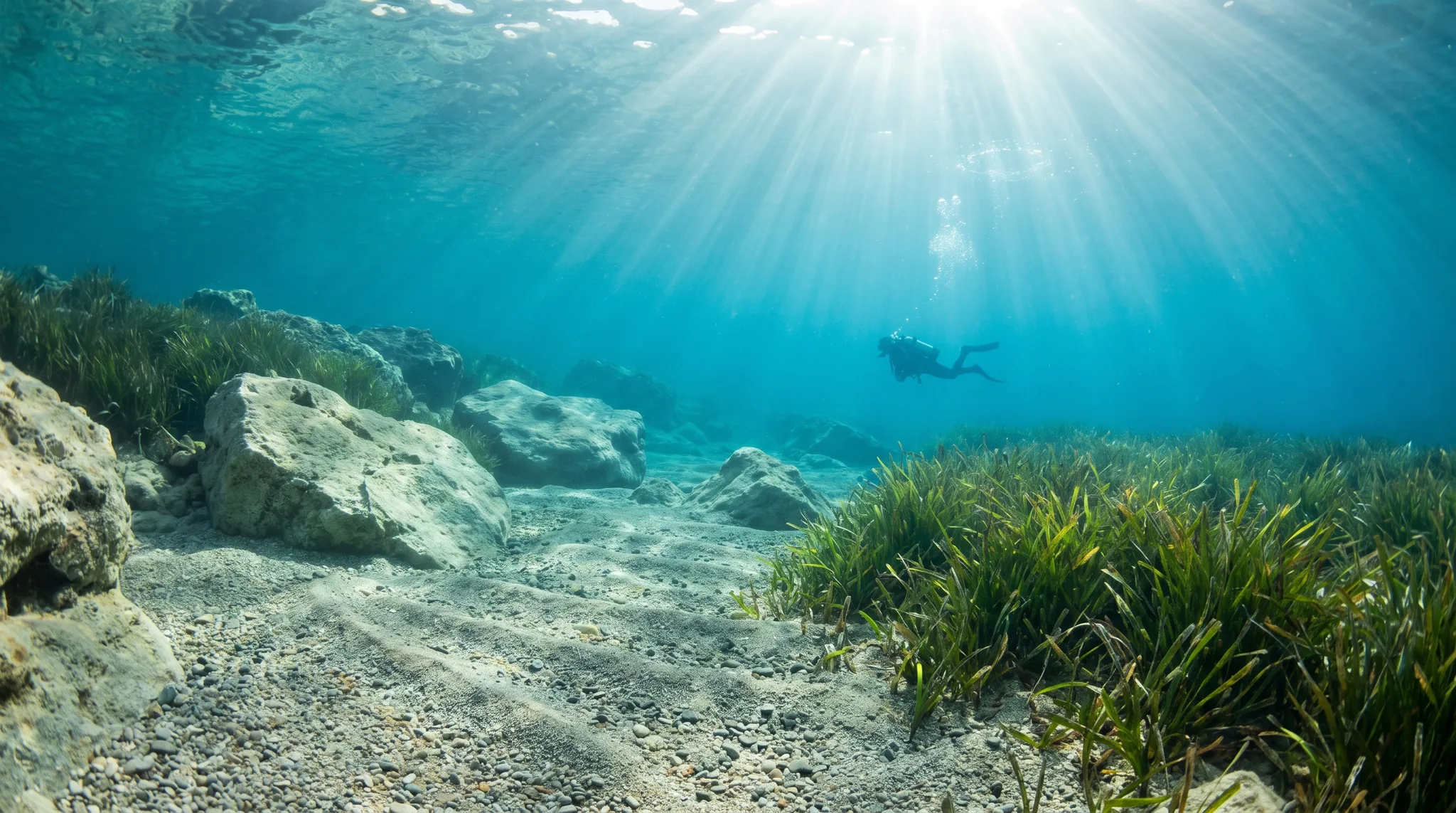
Water temperature around Marseille and Calanques ranges from about 13°C in February to 20°C in August, based on satellite sea-temperature data for its dive sites.
In the warm season (about 20°C) a 5mm suit is comfortable in Marseille and Calanques; in the coldest months (about 13°C) step up to a 7mm or semi-dry suit.
Fin maps 262 sites in Marseille and Calanques (247 scuba diving sites and 44 snorkelling spots, with some suited to both), organised into 3 areas.
Across Marseille and Calanques's dive sites, May, June, July, August, September and October are most often reported as the best months to visit.
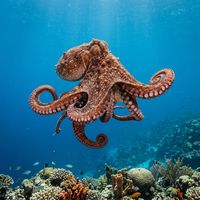
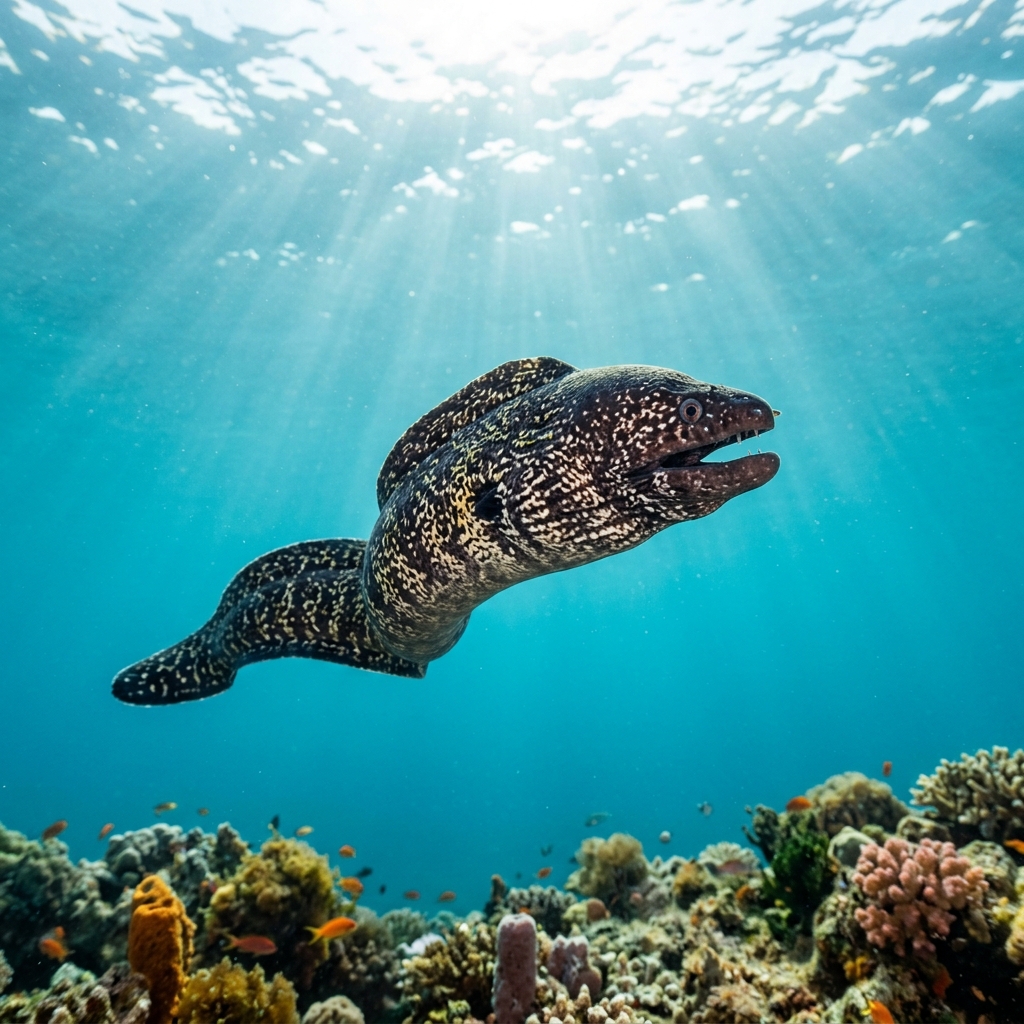
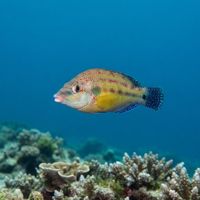
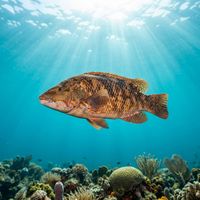
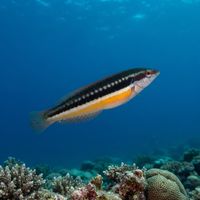
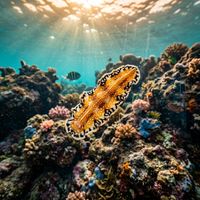
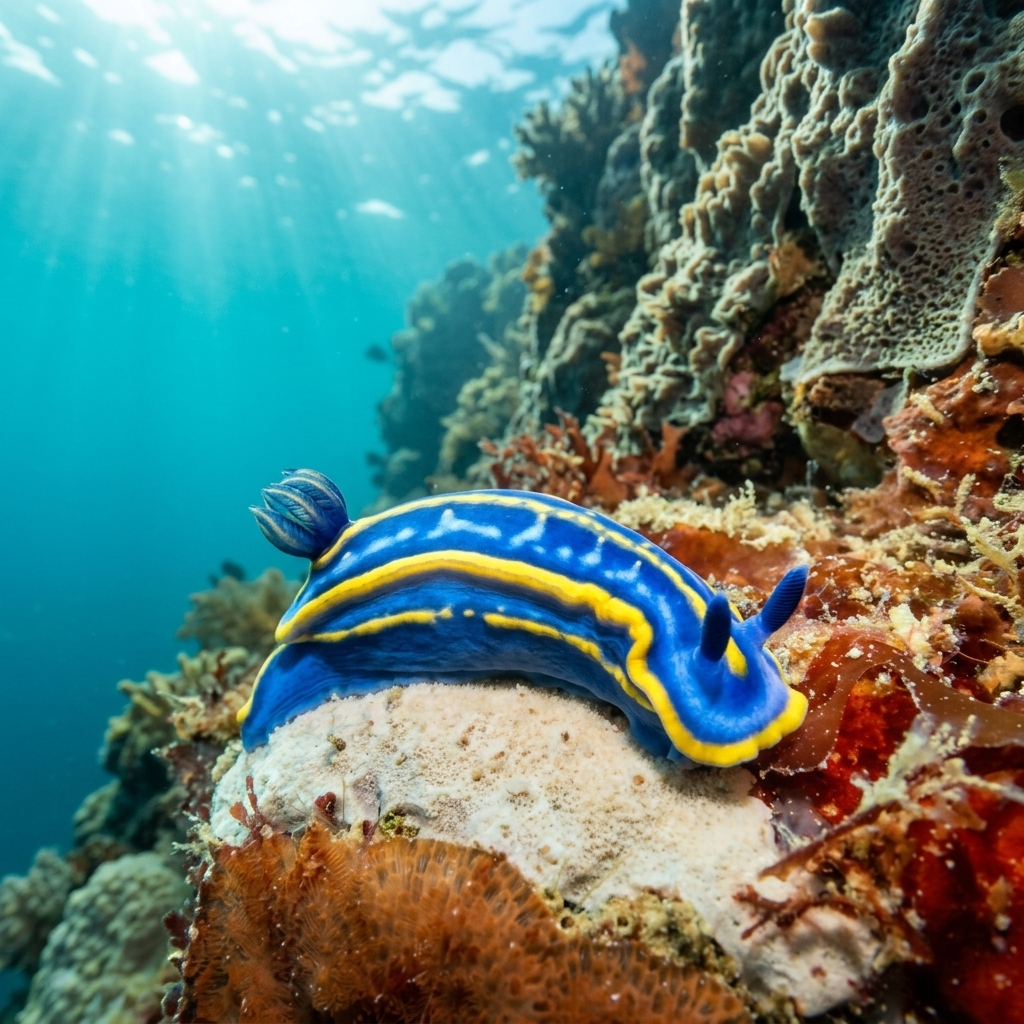
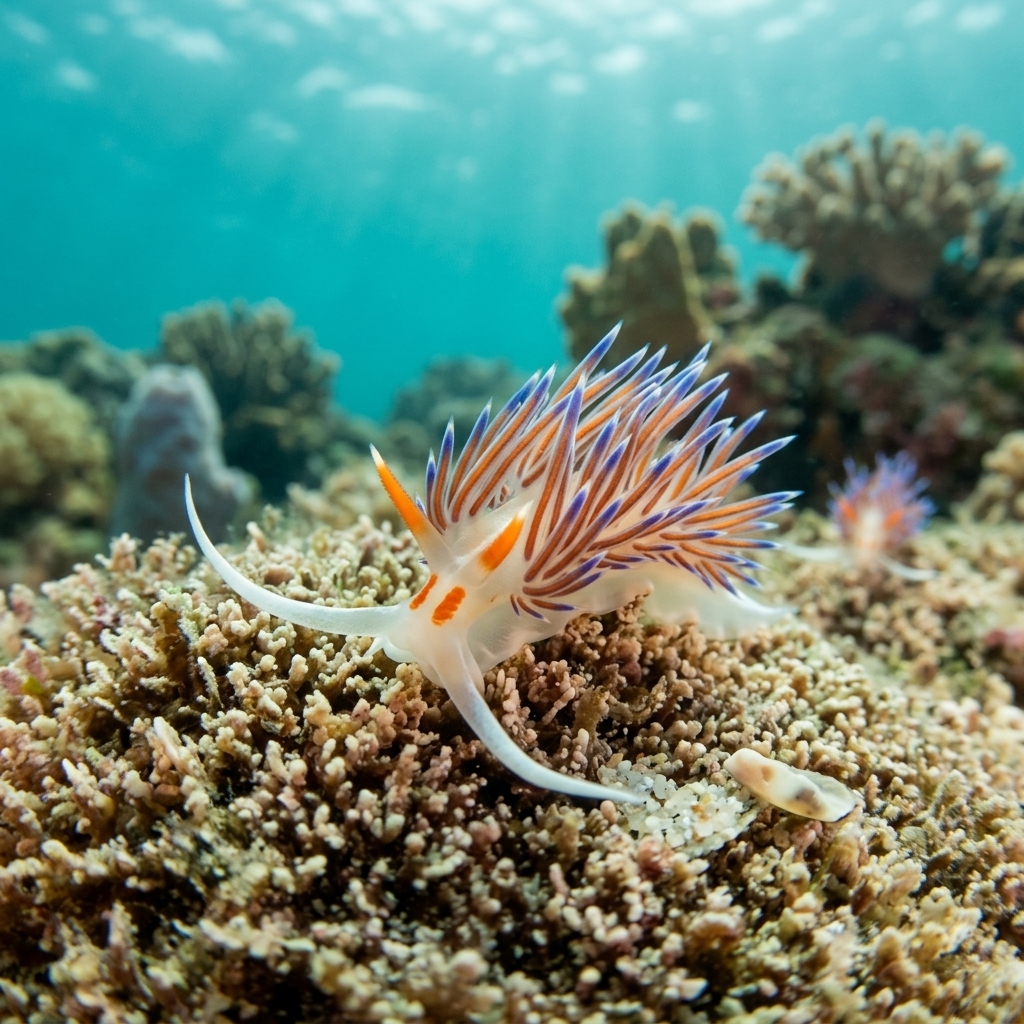
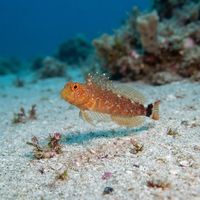
The region has a strong cast of resident species. Common Octopus and Mediterranean Moray are encountered very frequently across sites, and European Common Cuttlefish are reliably common. Great Barracuda appear on occasion, while nudibranch enthusiasts will find the Tricolor Doris, Cratena Slug, Felimare fontandraui, and Mediterranean Violet Aeolid recorded consistently. Conger Eel, Squat Lobster, and Gorgon's Head add further interest at depth.
The region caters to a wide range of skill levels. Shore-entry beginner sites like Anse du Petit Mugel offer reef, seagrass, and gentle drop-off terrain. Intermediate divers have strong options including Grotte de Boulegeade and Émergence du Bestouan. At the advanced and technical end, sites such as Fora Simona, Le Bananier, Le Protee, and Le Natal demand trimix certification and significant experience.
The Riou Archipelago holds the largest share of sites and includes some of the region's deepest wrecks and most demanding walls. Calanques National Park offers the broadest mix of site types, from shallow beginner reefs to technical cave systems. The Frioul Islands has a smaller selection of sites and represents a more contained option closer to the main urban area.
Both options exist. Shore entries are available at sites including Anse du Petit Mugel and Goul de la Tannerie, making independent access straightforward for those sites. Many of the deeper and more complex sites, particularly across the Riou Archipelago and Calanques National Park, require boat access. Numerous local operators, including Prosub, Atoll Plongée, and La Calanque, run boat trips throughout the region.