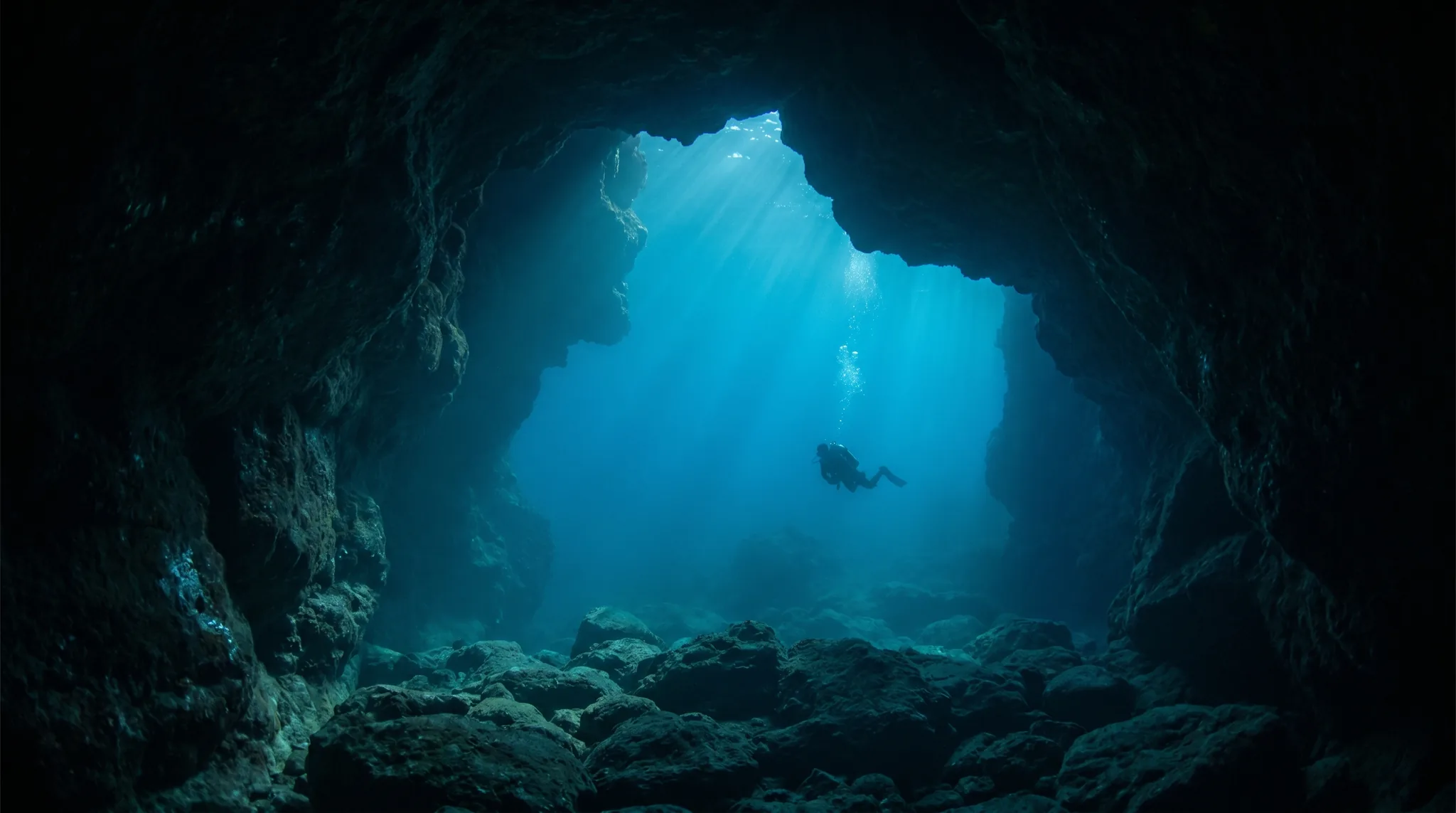
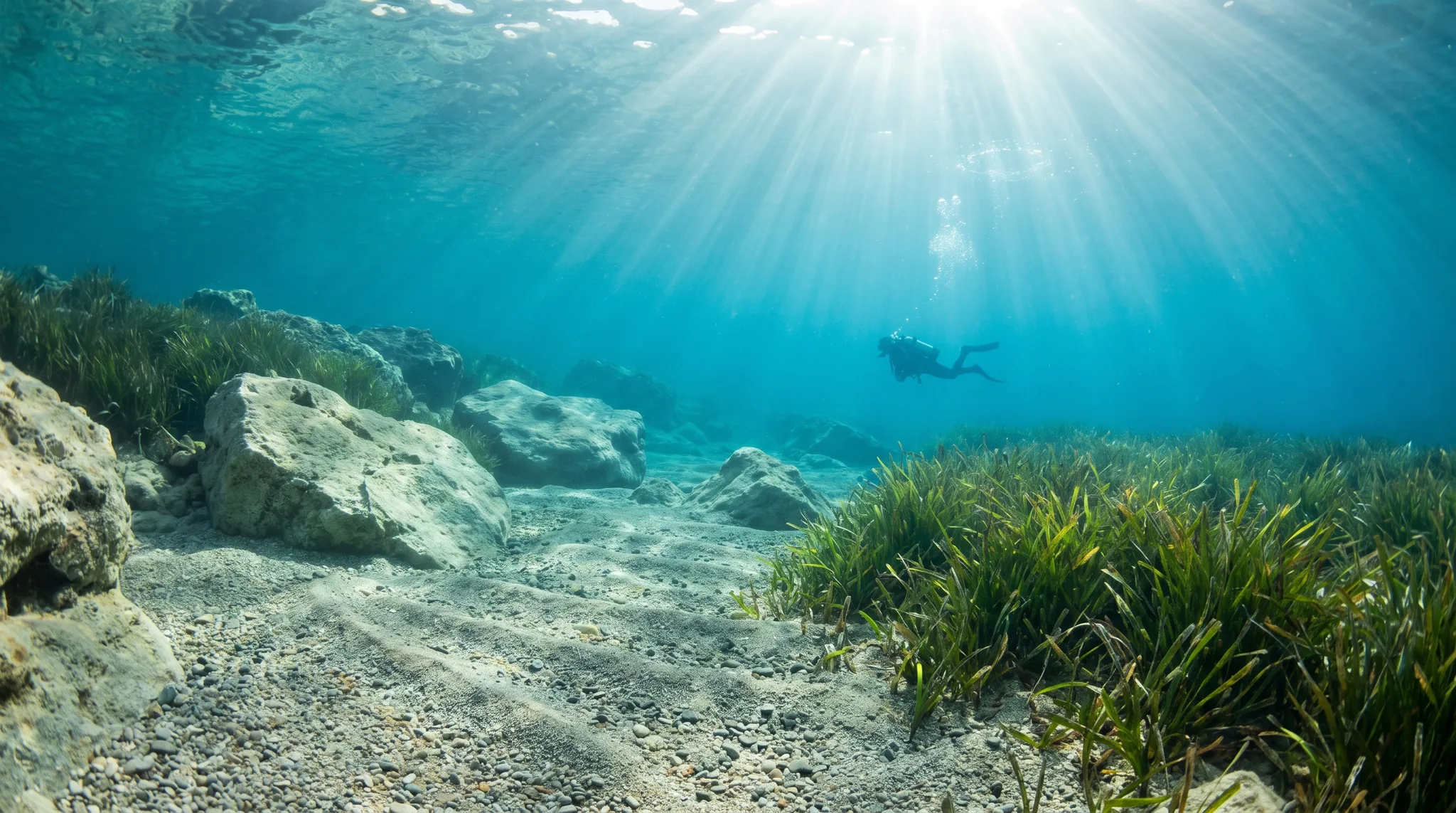
Hyères and Port-Cros divides into two sub-areas: the larger Port-Cros National Park, with the bulk of sites, and Porquerolles Island. Between them you get an unusually broad range of diving, from shallow reef and seagrass beginner dives to deep technical wrecks including a submarine, a cargo ship, and a wartime aircraft. Cephalopods and crevice life are the signature: Common Octopus, Mediterranean Moray, and European Common Cuttlefish appear across the site list, with occasional Great Barracuda on the deeper structures.
2 areas
Monthly water temperature across Hyères and Port-Cros's sites, from satellite sea-surface data corrected for depth. The band shows the site-to-site spread.
Water stays cool through winter and early spring, rising gradually from May onwards and peaking in late summer before easing back through autumn. Diver numbers from the best-months data peak in late spring and across summer and early autumn, when warmer water and calmer conditions make the deeper walls and wrecks most rewarding. Winter diving remains possible for those who tolerate cooler water, though the site network thins in appeal.
51 operators

La Londe-les-Maures, France
85 more sites to explore
Two island groups offering everything from ultra-shallow reef to deep wrecks, with wrasse, moray and octopus throughout.
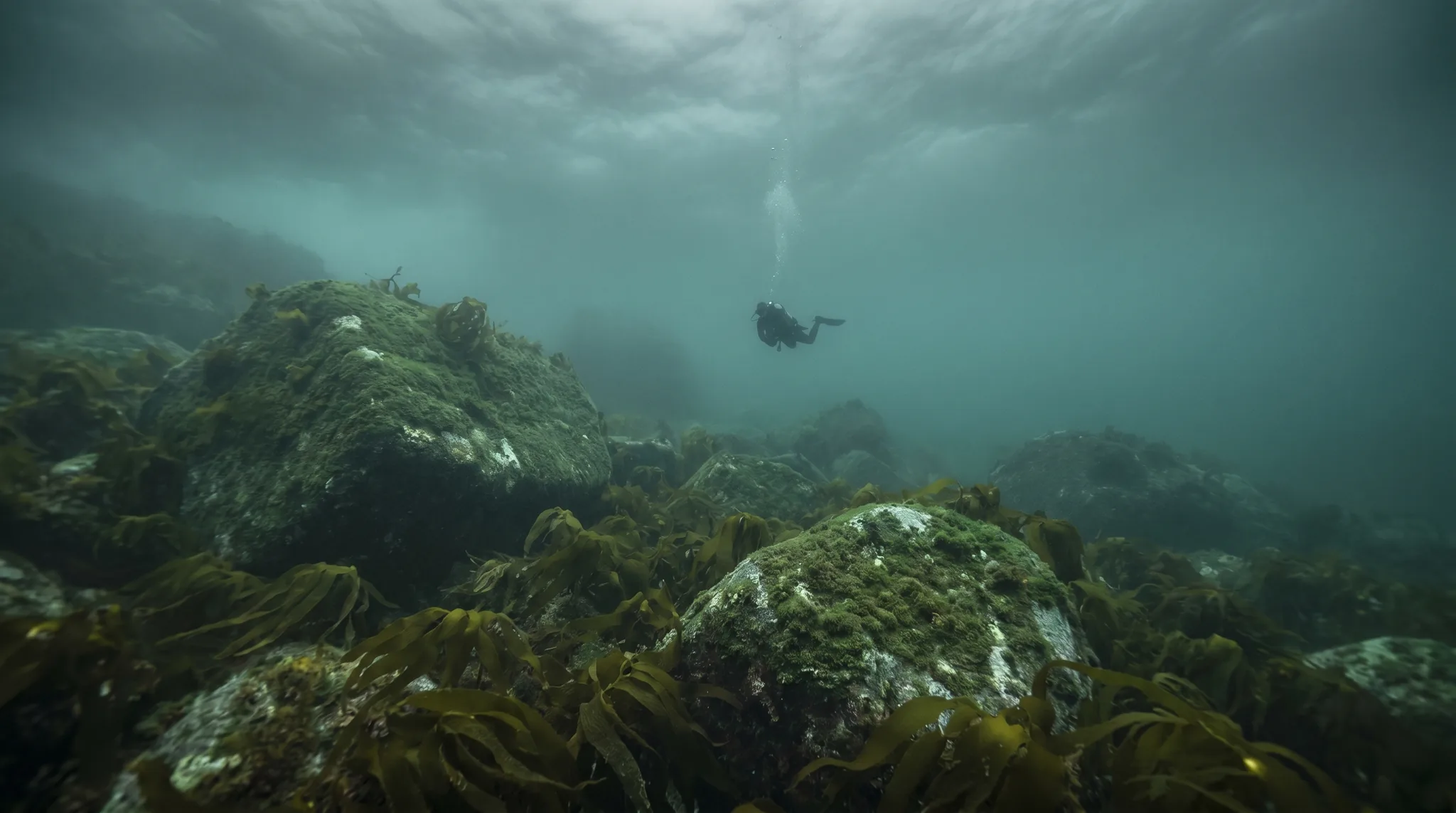
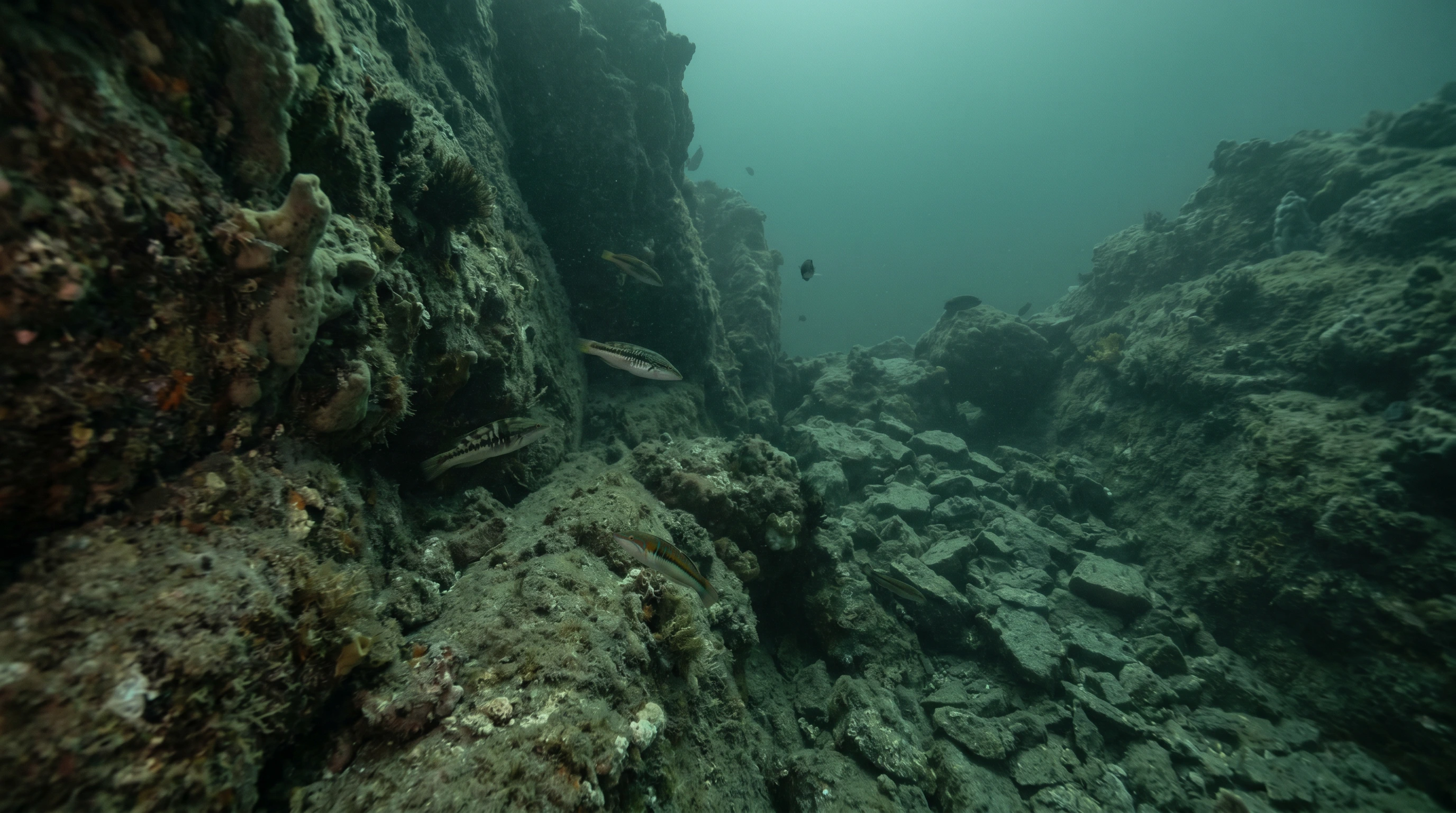
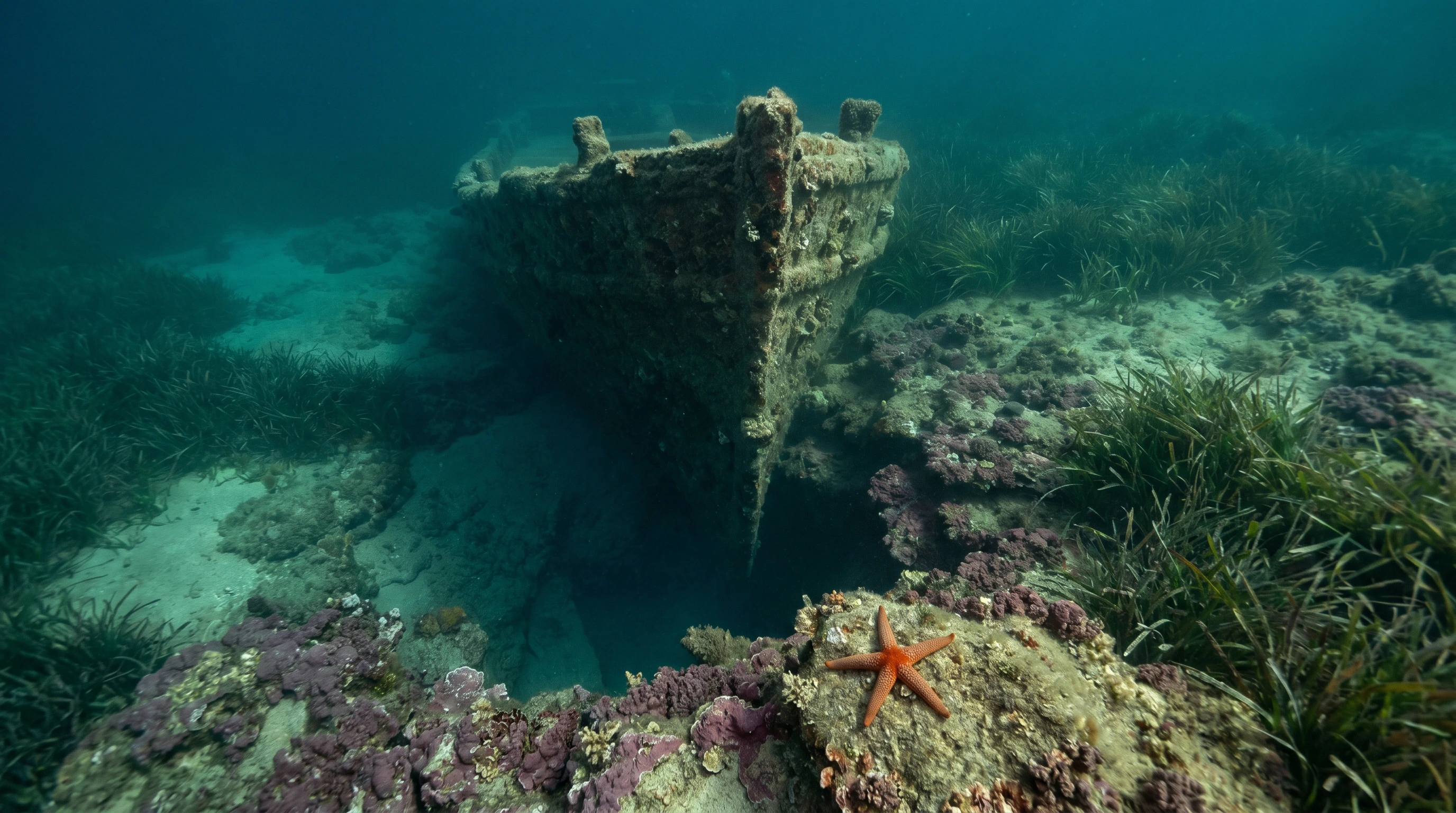
Water temperature around Hyères and Port-Cros ranges from about 14°C in January to 21°C in August, based on satellite sea-temperature data for its dive sites.
In the warm season (about 21°C) a 5mm suit is comfortable in Hyères and Port-Cros; in the coldest months (about 14°C) step up to a 7mm or semi-dry suit.
Fin maps 97 sites in Hyères and Port-Cros (89 scuba diving sites and 19 snorkelling spots, with some suited to both), organised into 2 areas.
Across Hyères and Port-Cros's dive sites, May, June, July, August, September and October are most often reported as the best months to visit.
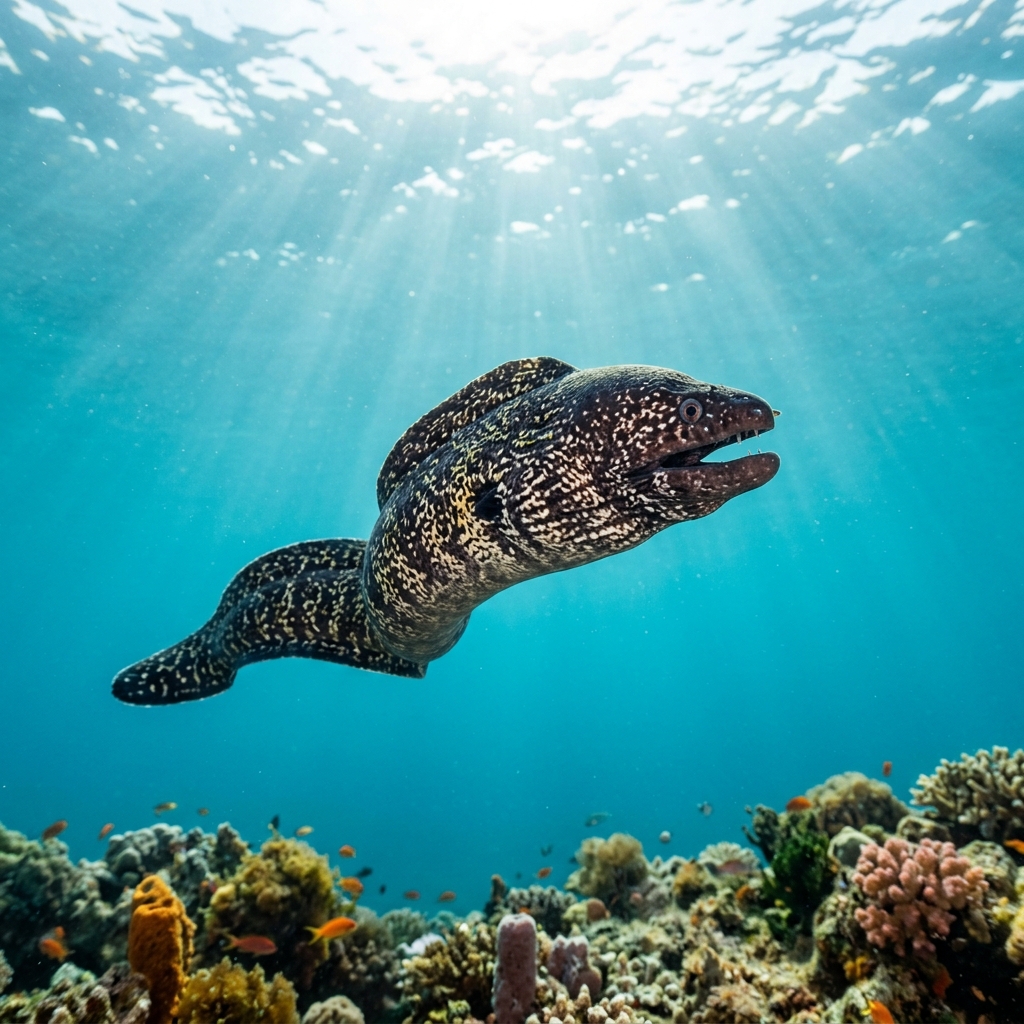
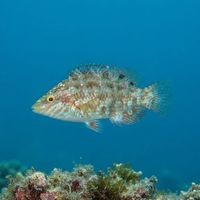
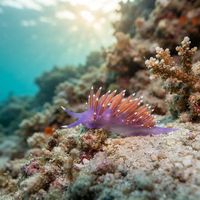
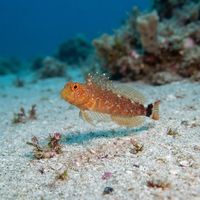
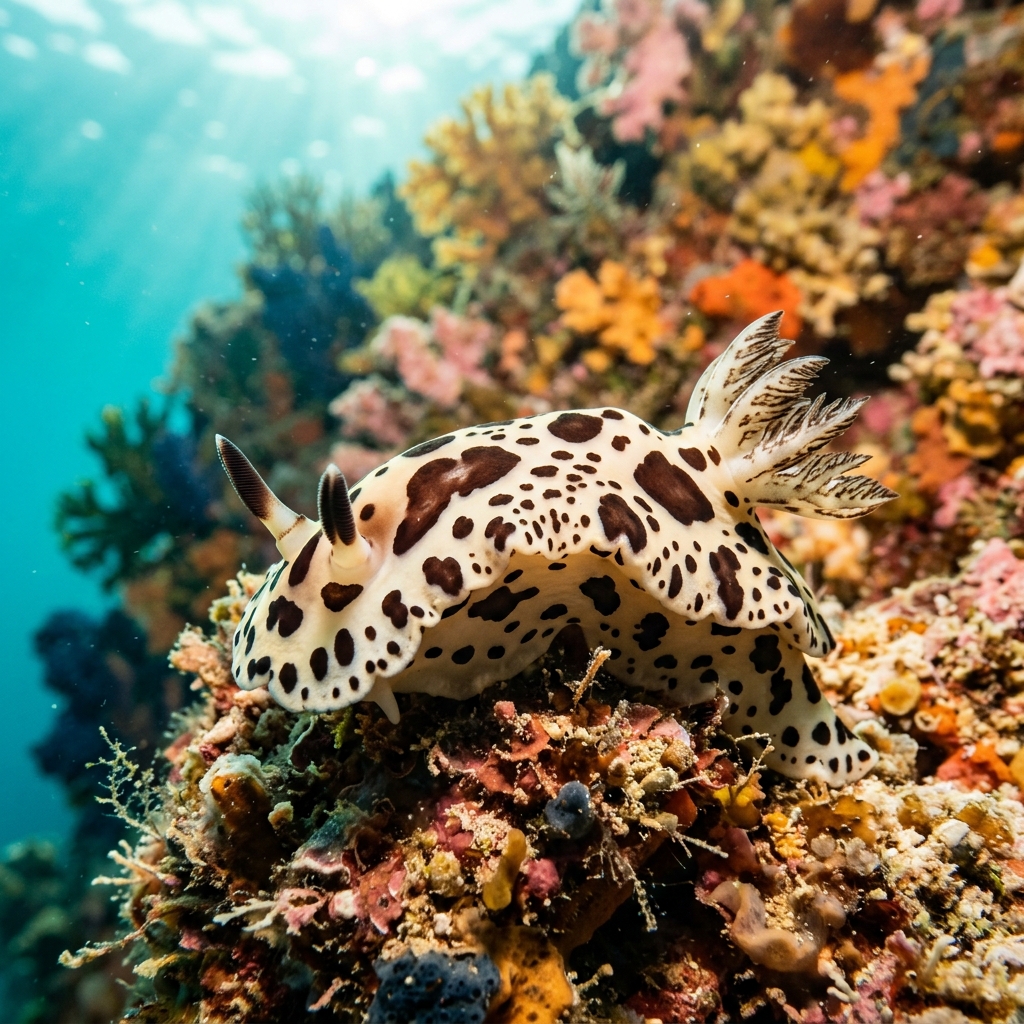
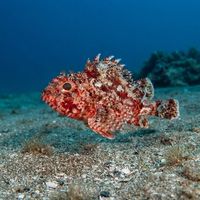
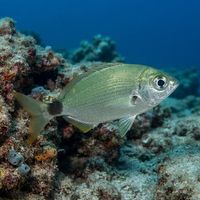
The region has strong populations of Common Octopus, Mediterranean Moray, Scorpionfish, and Conger Eel across its reefs and walls. European Common Cuttlefish are common, and Great Barracuda appear occasionally on deeper structures. Nudibranch enthusiasts are well served, with Cratena Slug, Giant Doris, Tricolor Doris, and Felimare orsinii all recorded as observation-backed species.
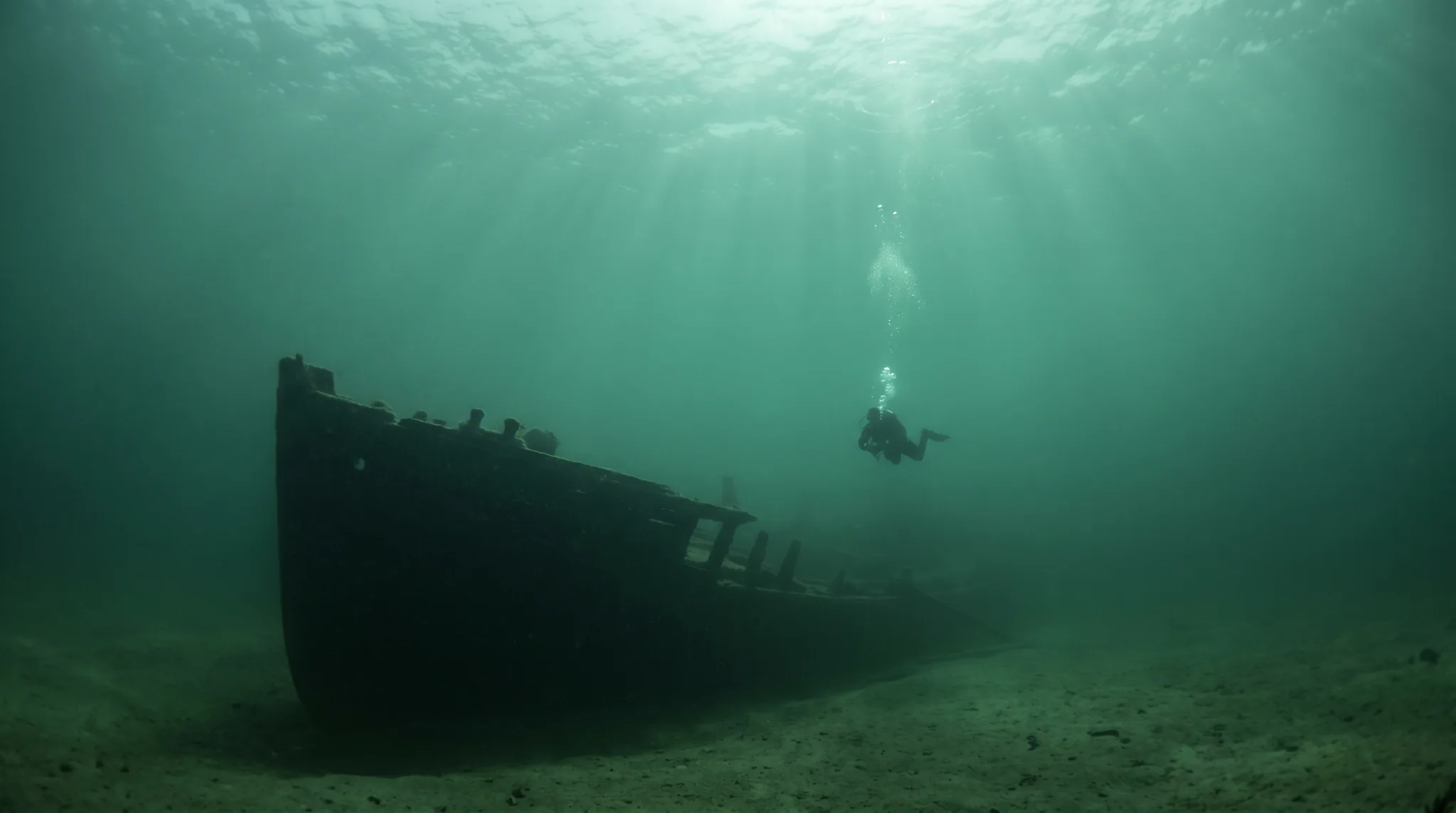
Yes, the region has a good spread of beginner-rated sites. Shallow reef and seagrass dives such as Calanque du Four à Chaux on Porquerolles Island and Pointe du Vaisseau in Port-Cros National Park offer accessible entries with calm conditions. Advanced divers are equally catered for by deep wrecks like the Togo, the Rubis submarine, and the Hellcat aircraft.
Port-Cros National Park holds the great majority of listed sites and concentrates much of the wreck diving, including the Rubis submarine and the Togo cargo ship. Porquerolles Island has a smaller site count but offers its own wrecks, including the deep Le Niedersachsen and Le Glenn Martin, as well as accessible shore-entry snorkel spots like Anse de Magaud.
The majority of dive sites in the region are boat-access only, and there are numerous operators based locally, including Porquerolles Plongée, Plongée Hyères, and Ulysse Plongée, among others. Shore-entry options do exist, notably for snorkelling at Anse de Magaud and Plage de Brégançon, as well as the shallow dive at Calanque du Four à Chaux on Porquerolles Island.