
Calanques National Park offers a striking range of dive and snorkel terrain, from shallow seagrass beds and rocky reefs to deep walls, caves, and wrecks. Sites span every skill level, with gentle shore entries at places like Calanque de Sormiou and technically demanding boat dives such as Le Protee for trimix-equipped divers. Nudibranch diversity is exceptional throughout, and the Common Octopus and Mediterranean Moray are encountered across the park. Calanque d'En-Vau holds the greatest concentration of sites, while Calanque de Morgiou and Calanque de Sormiou offer quieter alternatives.
3 areas
Monthly water temperature across Calanques National Park's sites, from satellite sea-surface data corrected for depth. The band shows the site-to-site spread.
Water stays cool through winter and spring, warming noticeably from June through September, which is when the majority of divers visit. Visibility tends to be at its best during the warmer months, rewarding those who plan around the summer peak. Exposed coastal topography means some boat sites can be affected by wind and swell, so checking local conditions with operators is worthwhile, particularly outside the core season.
32 operators
France
102 more sites to explore
 55
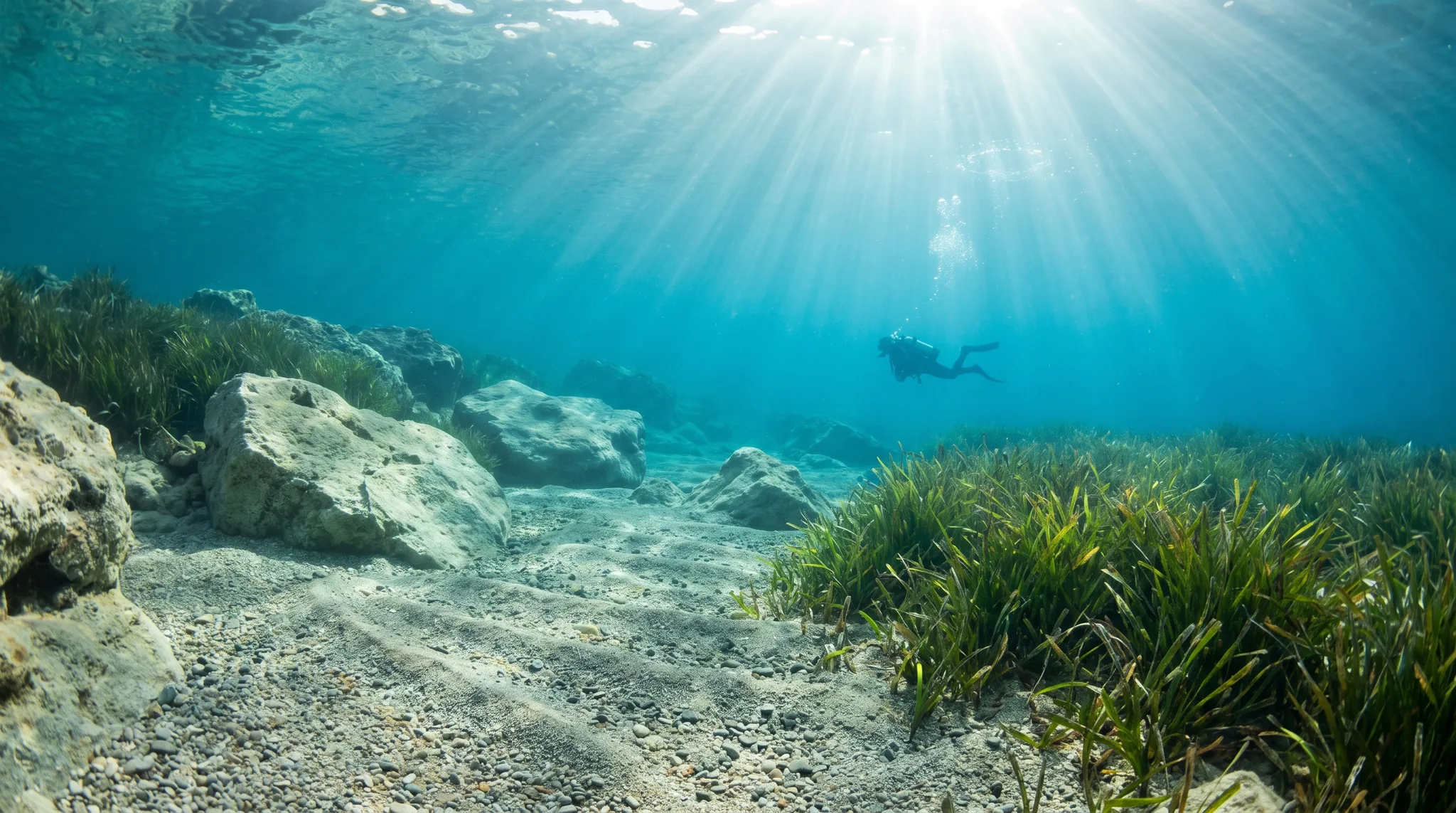
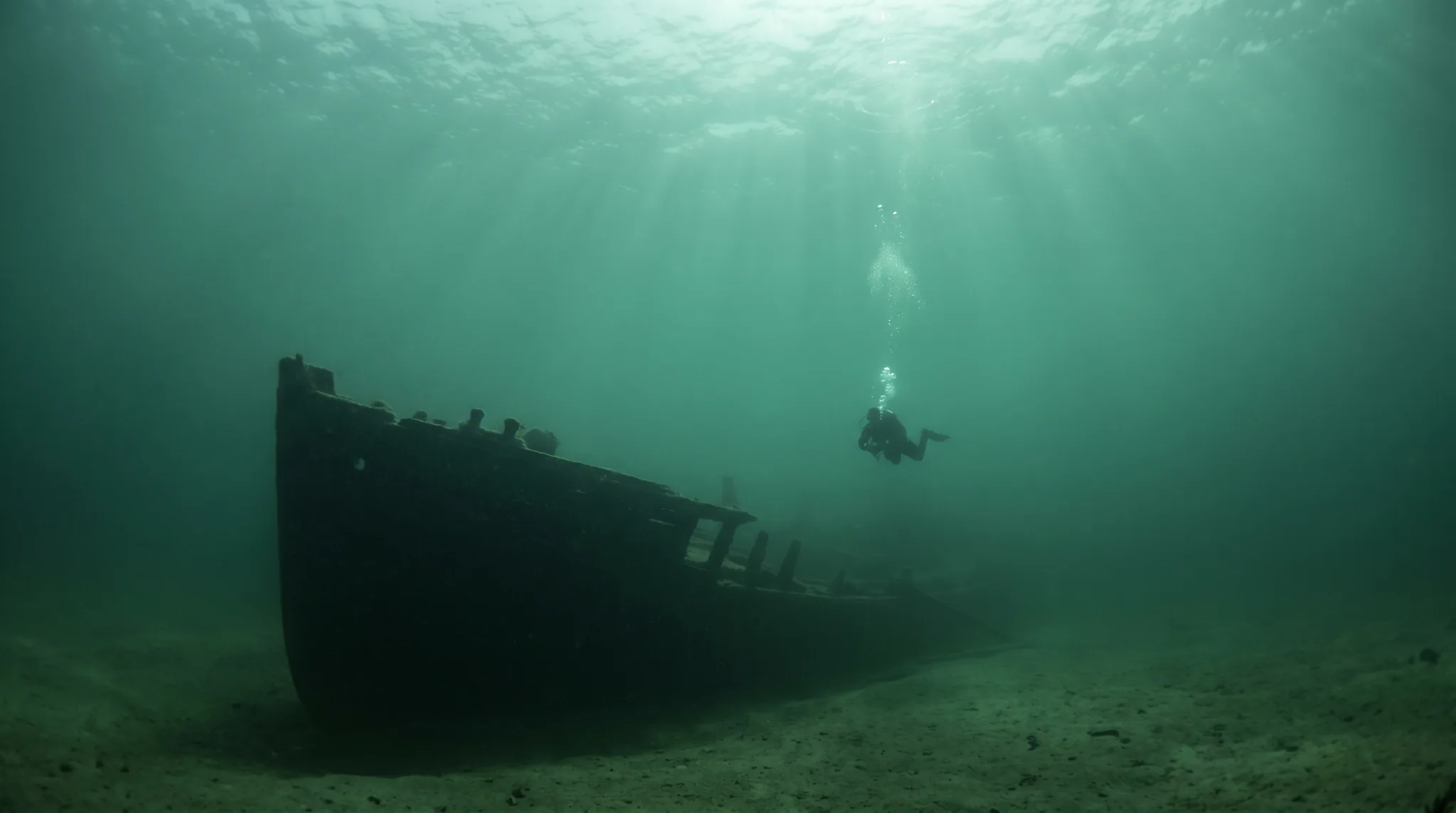
55Deep walls, caves, a technical wreck, and exceptional nudibranch diversity make Calanque d'En-Vau one of the richest dive areas along this stretch of coast.
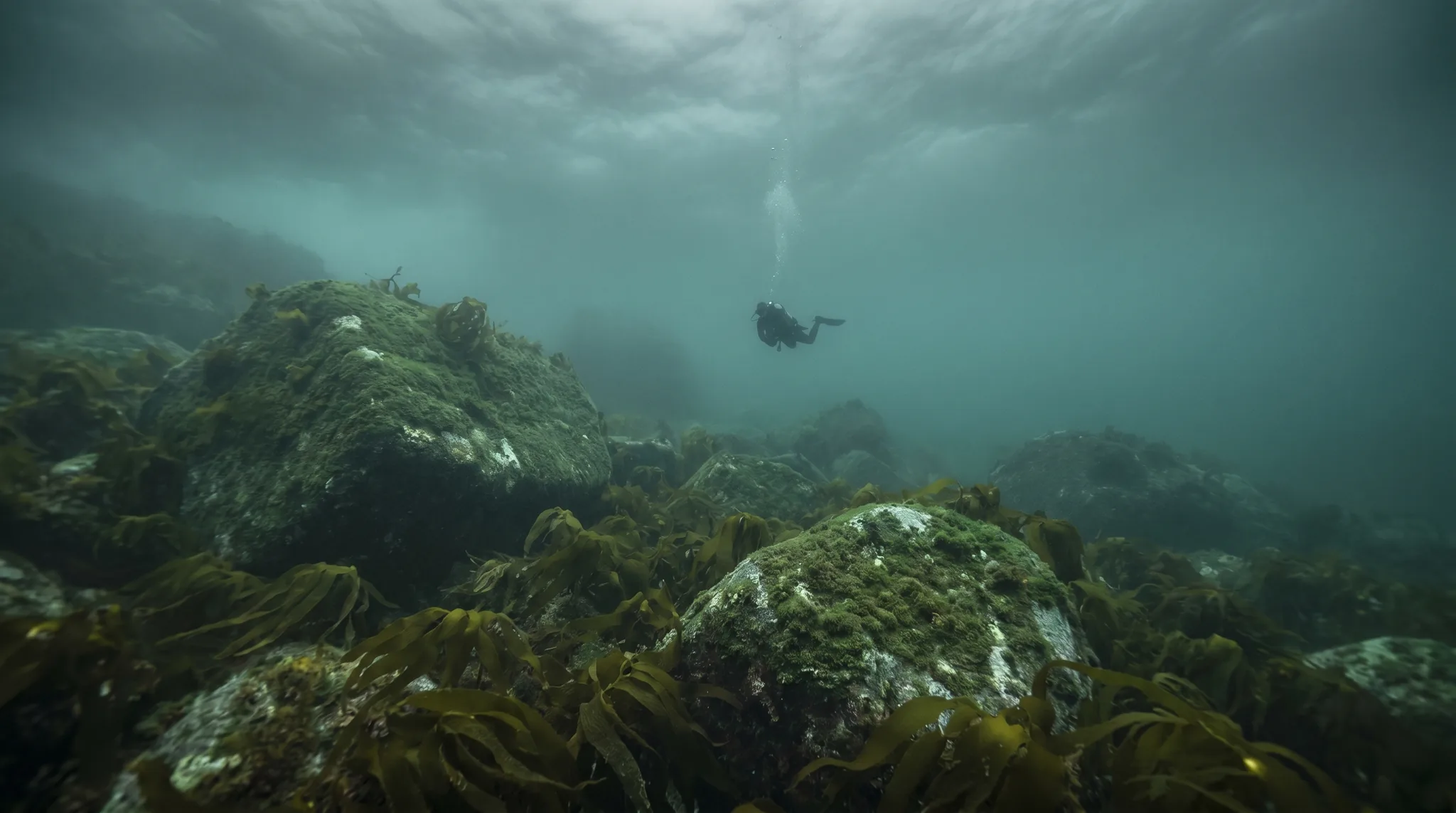
Water temperature around Calanques National Park ranges from about 14°C in January to 20°C in July, based on satellite sea-temperature data for its dive sites.
In the warm season (about 20°C) a 5mm suit is comfortable in Calanques National Park; in the coldest months (about 14°C) step up to a 7mm or semi-dry suit.
Fin maps 114 sites in Calanques National Park (107 scuba diving sites and 28 snorkelling spots, with some suited to both), organised into 3 areas.
Across Calanques National Park's dive sites, May, June, July, August, September and October are most often reported as the best months to visit.
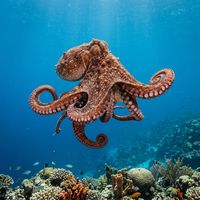
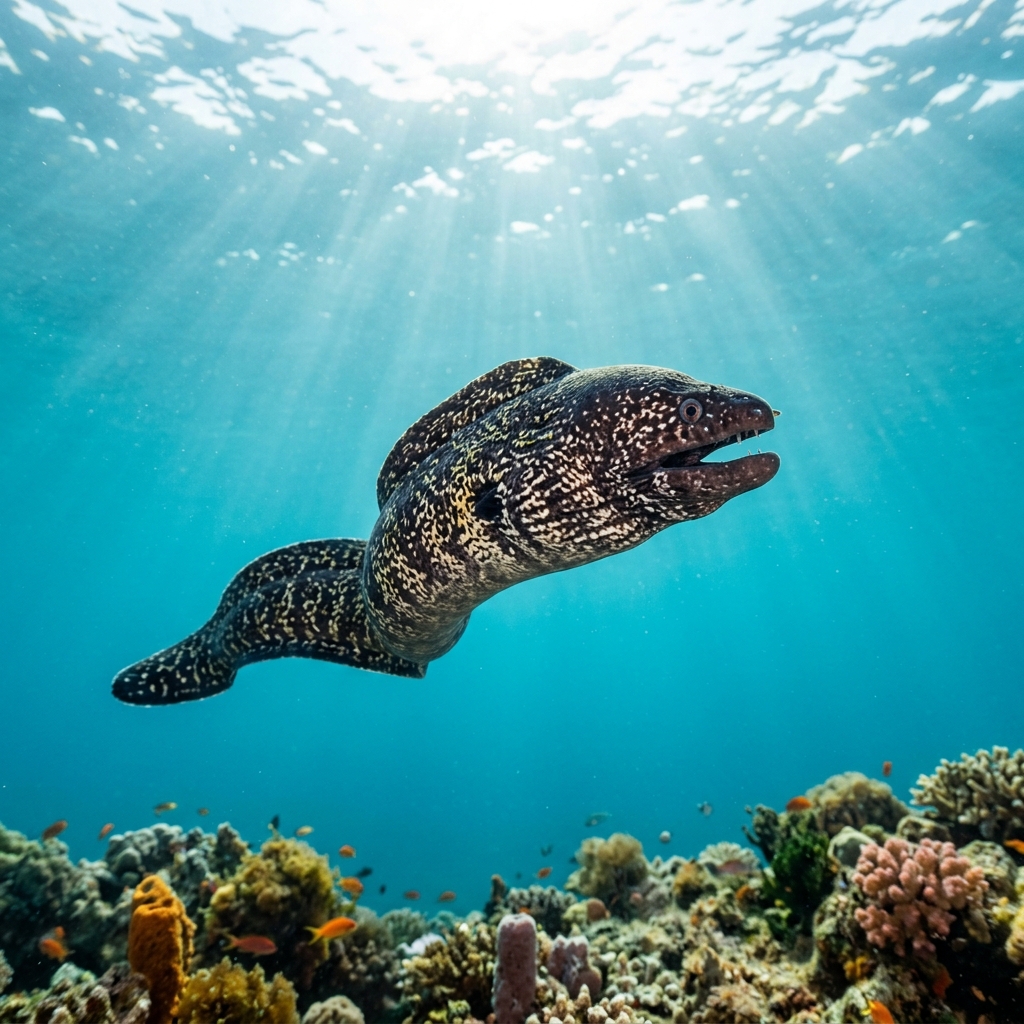
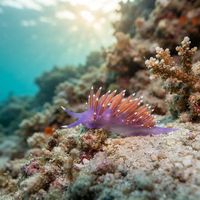
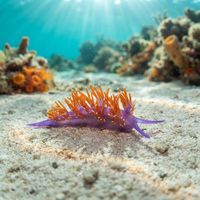
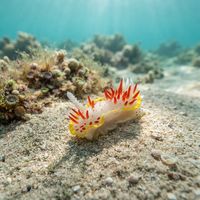
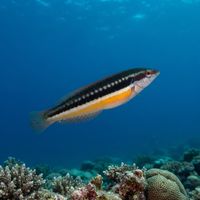
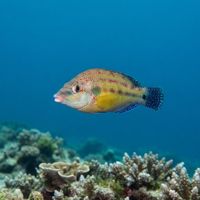
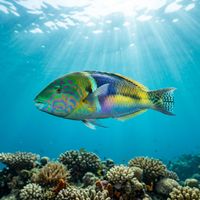
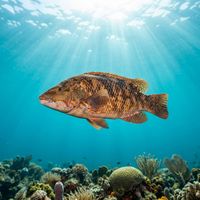
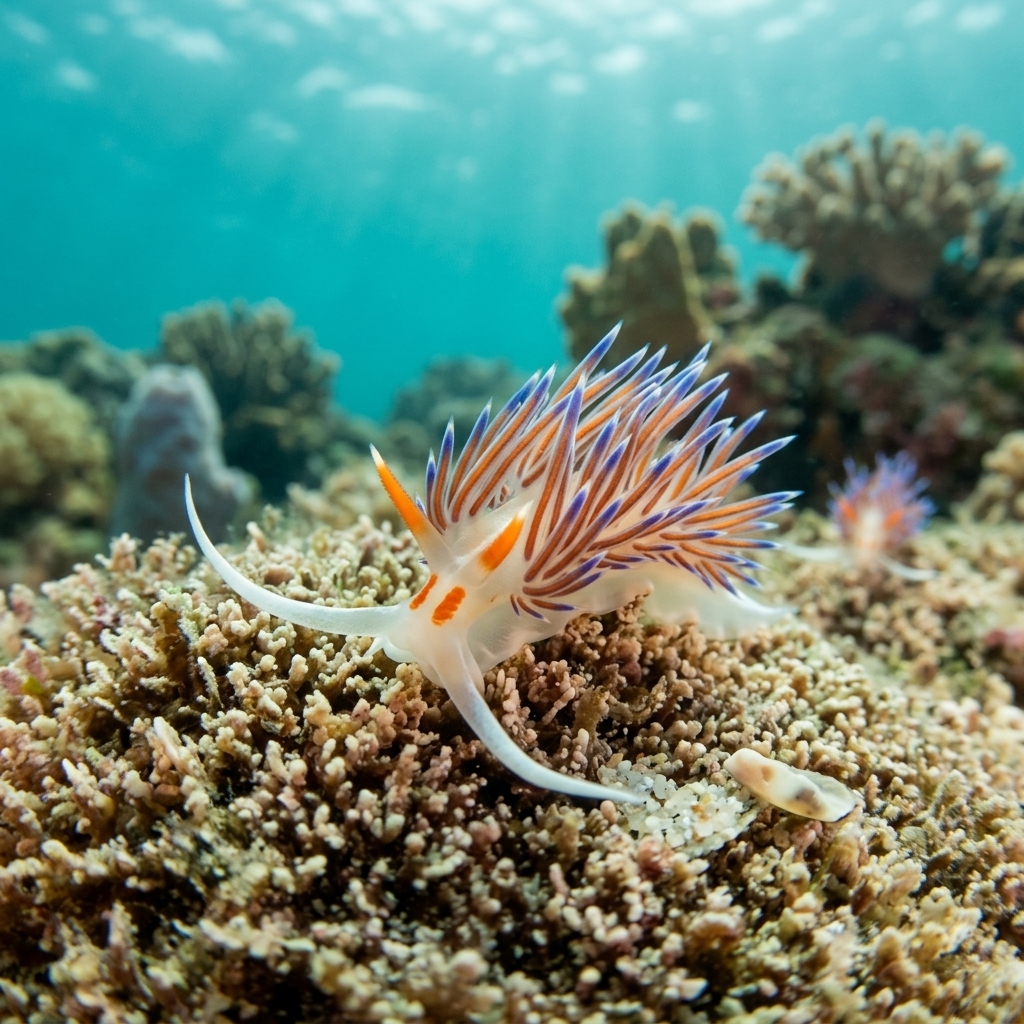
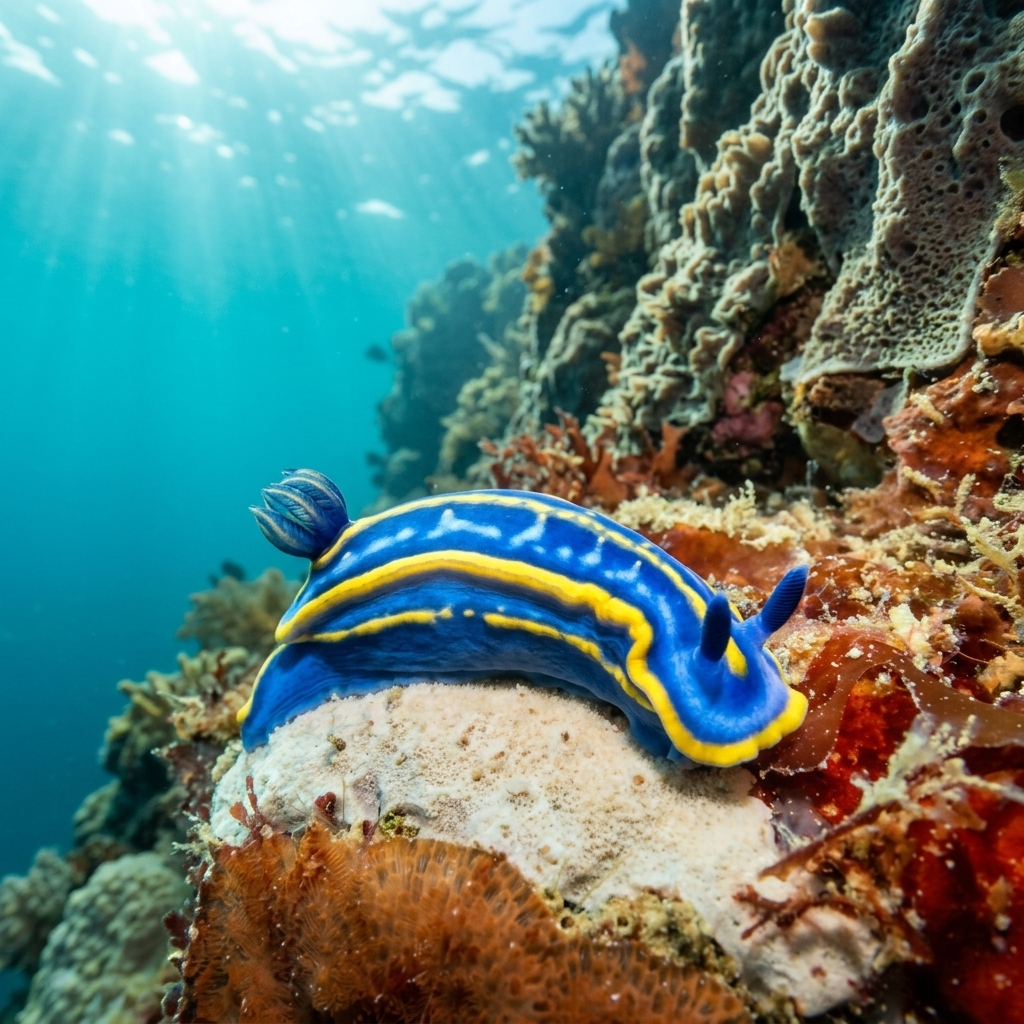
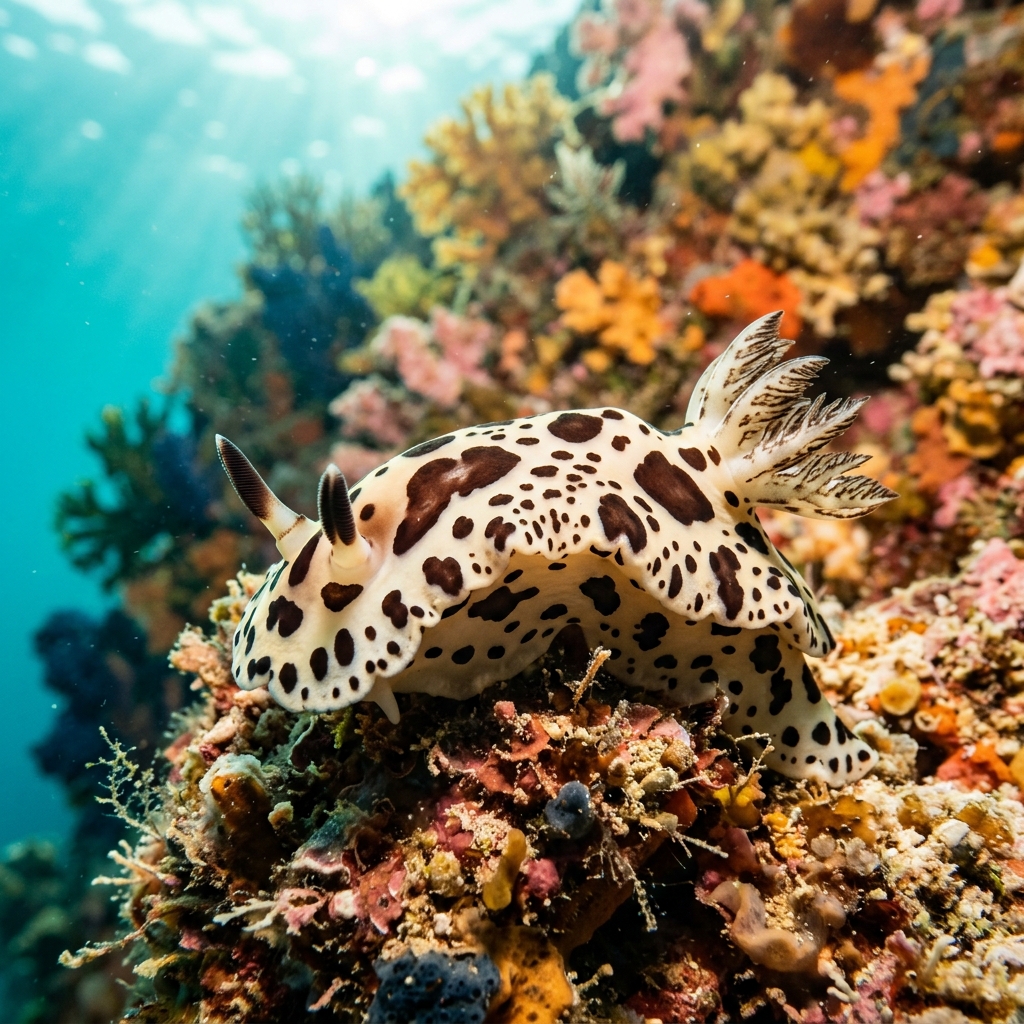
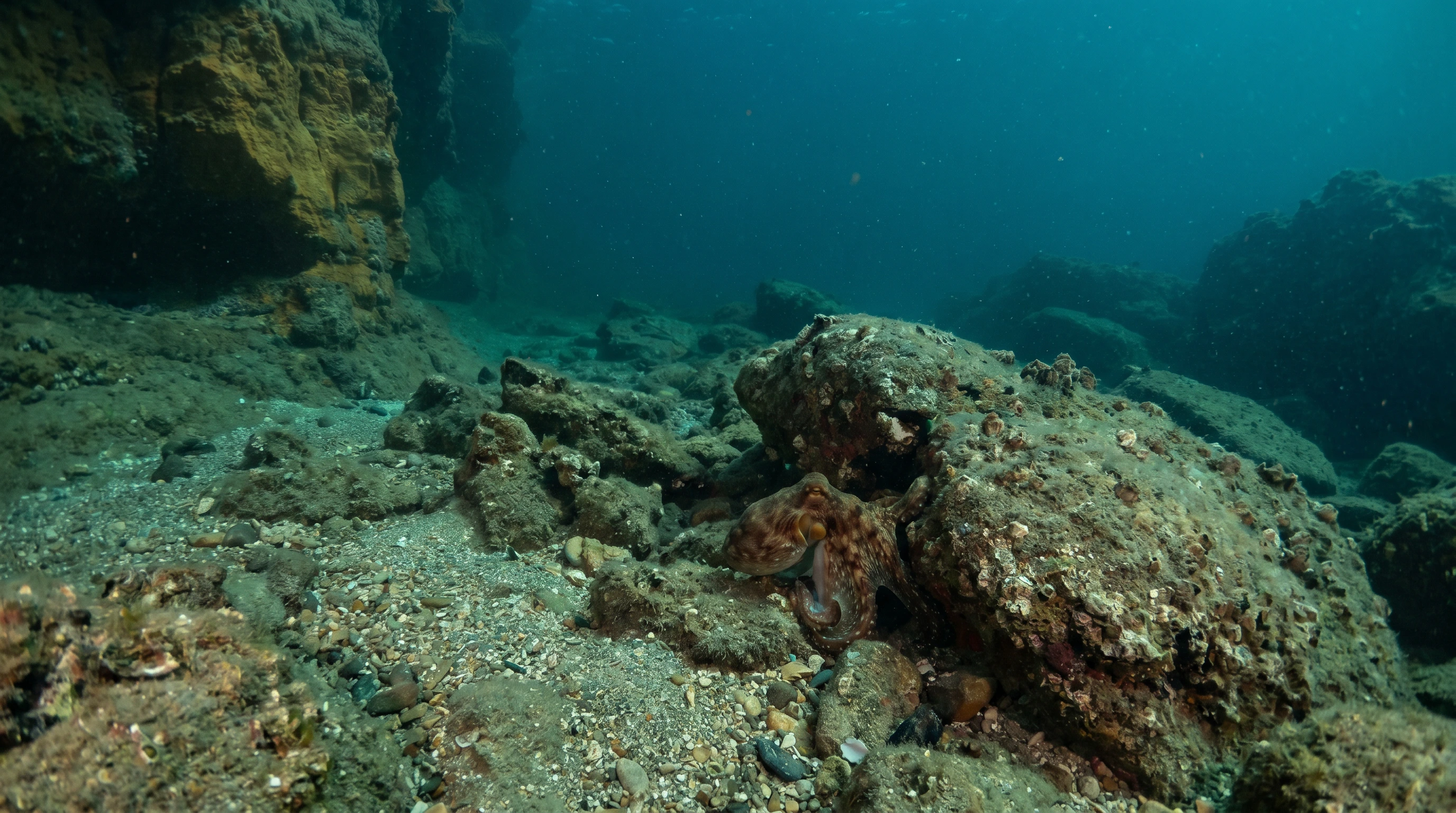
The park has a well-documented nudibranch community, with the Violet Sea Slug, Flabellina Ischitana, Cratena Slug, and Tricolor Doris all observed across many sites. The Common Octopus and Mediterranean Moray are encountered almost everywhere, while the Peacock Wrasse, Turkish Wrasse, and Mediterranean Rainbow Wrasse are also very commonly seen. Great Barracuda and Small Red Scorpionfish round out the more charismatic residents.
Yes, there are a good number of sites pitched at beginners, including Anse du Petit Mugel and Les Magnons, both of which offer accessible depths and varied topography including reef, wall, and seagrass. Shore entry is available at some of these shallower sites, which reduces the logistical demands. More advanced and technical sites such as La Pierre du Levant and Le Protee are available for those with greater experience.
Calanque d'En-Vau is the largest sub-area and holds the widest variety of sites, ranging from beginner reefs to the demanding deep wreck Le Protee. Calanque de Morgiou offers a more contained selection of sites, while Calanque de Sormiou is a good choice for snorkellers and beginner divers thanks to its shallow, shore-accessible inlet. Each area has its own character shaped by its topography and depth range.
It depends on the site. Several sites, including Calanque de Sormiou and Anse du Petit Mugel, are accessible directly from shore. However, the majority of dive sites in the park require a boat, particularly the deeper walls, caves, and wrecks. Operators such as Narval Plongée Cassis, Saphir Plongée, and Tek Dive Concept are among those offering boat-based access throughout the park.