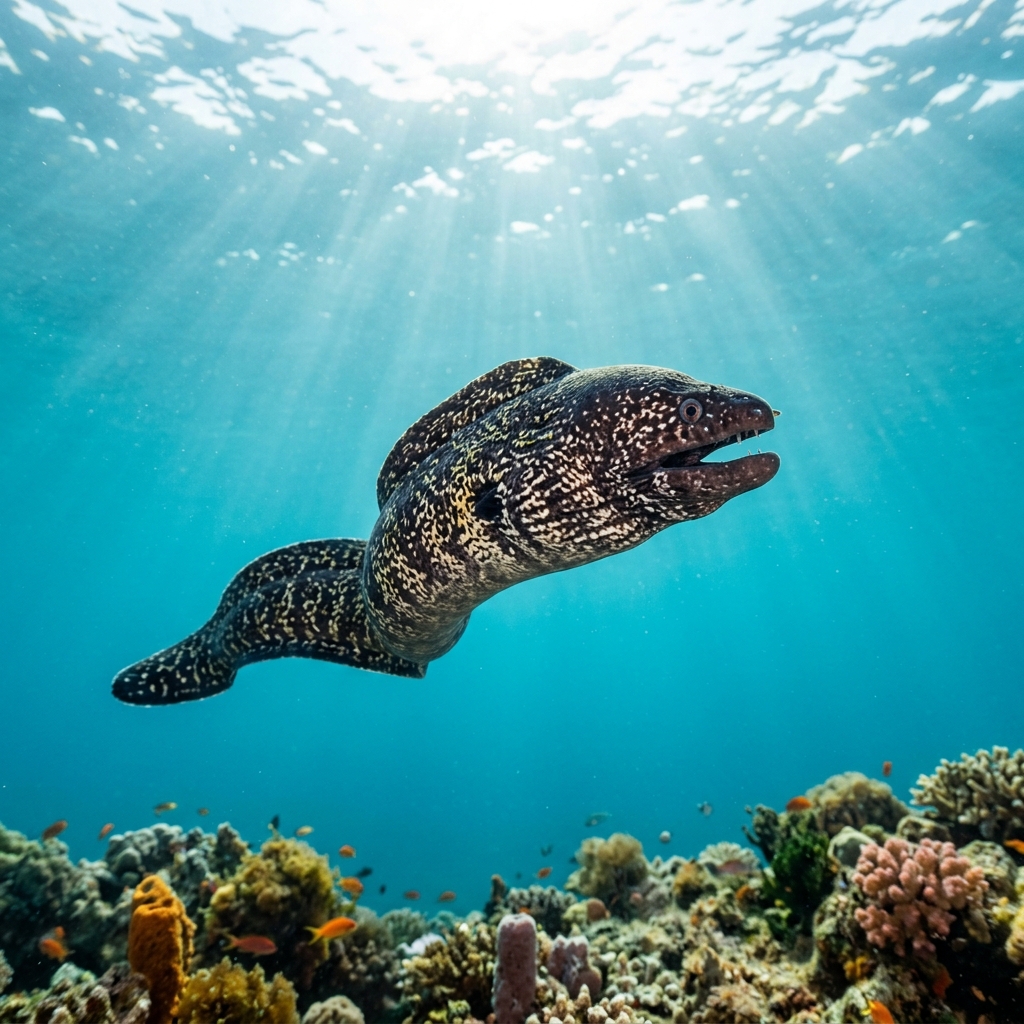
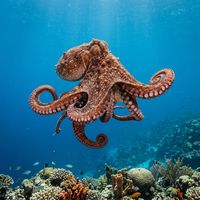
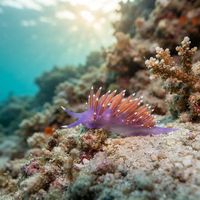
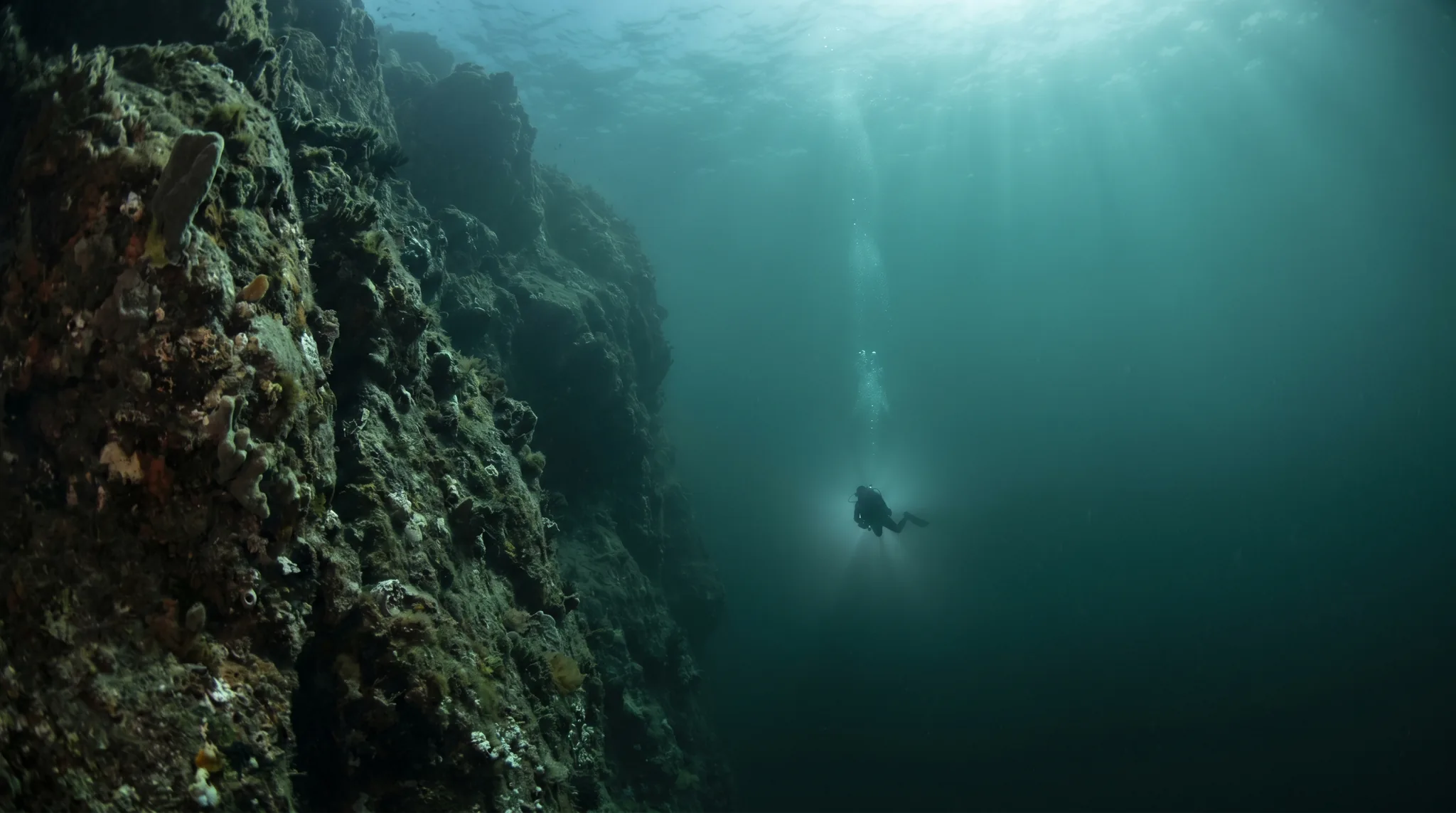
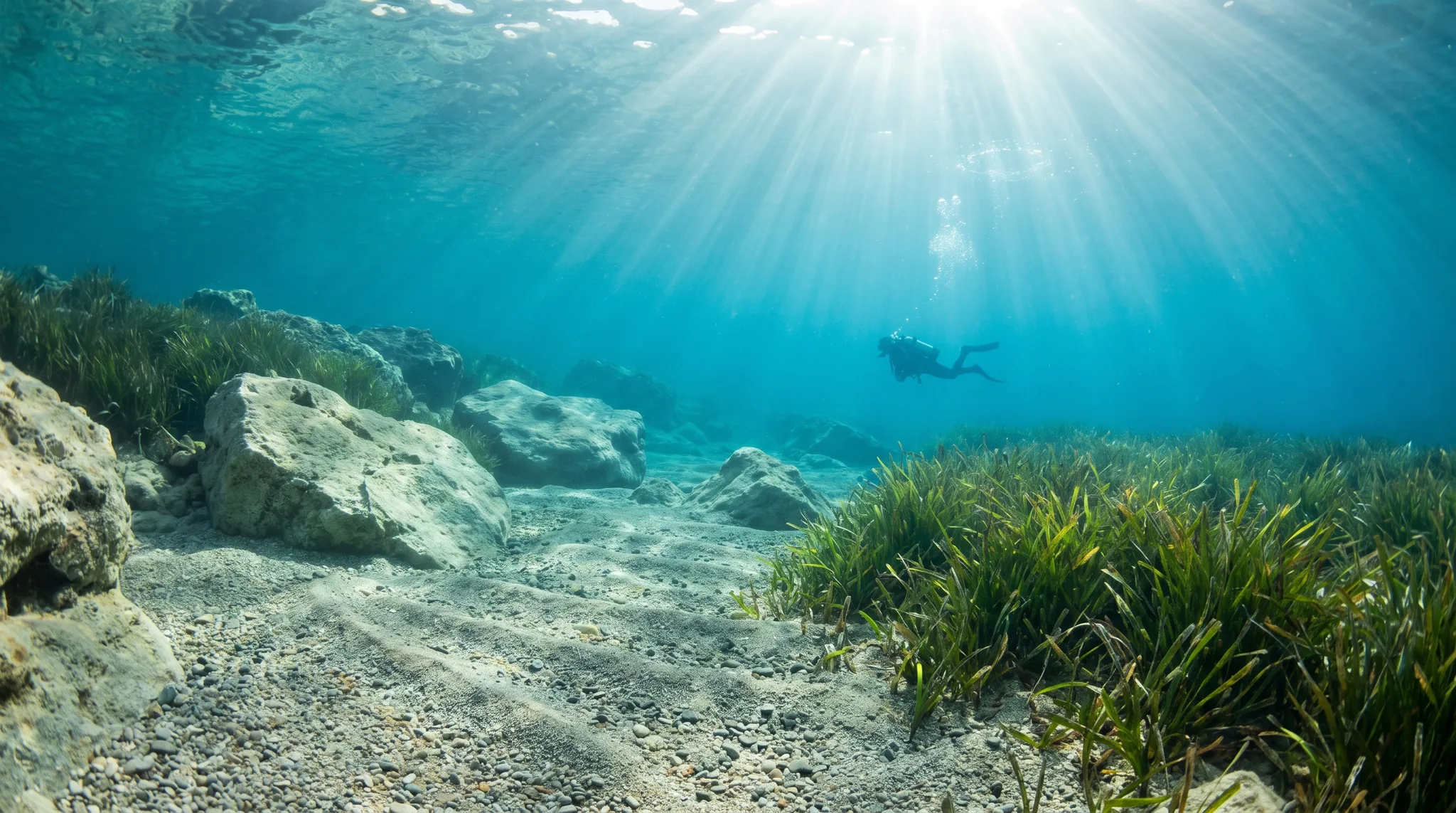
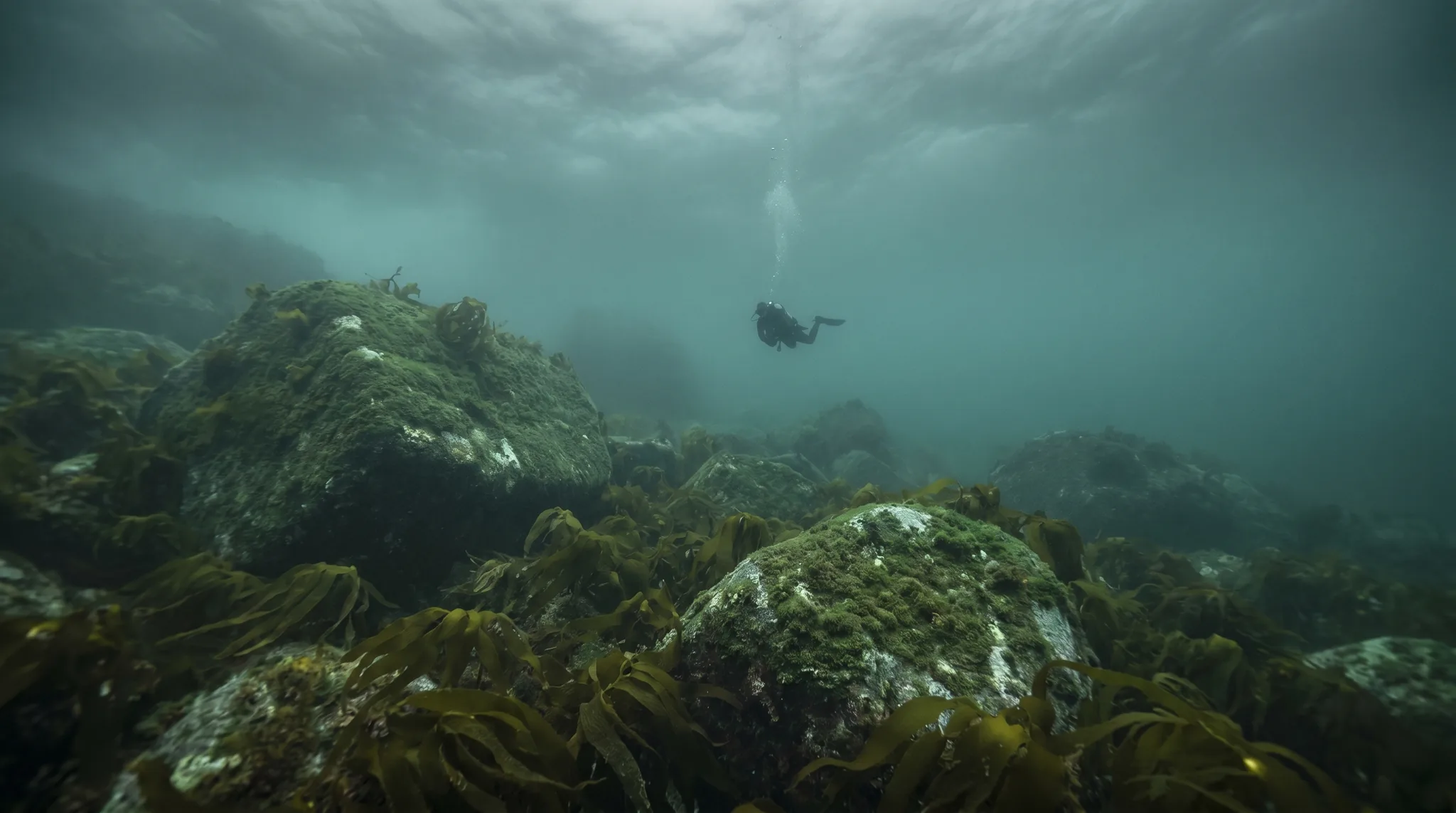
The French Riviera offers a varied underwater landscape anchored across three sub-areas: the site-rich Lérins Islands, Cap Ferrat, and Cap d'Antibes. Reef and wall diving dominate, with drop-offs that range from shallow beginner reefs to deep technical descents. The signature wildlife includes Mediterranean Moray, Common Octopus, and European Common Cuttlefish, alongside a remarkable diversity of nudibranchs. Water warms through summer, making June to September the peak window for comfortable diving and snorkelling.
Monthly water temperature across French Riviera's sites, from satellite sea-surface data corrected for depth. The band shows the site-to-site spread.
Water temperatures sit at their coolest through winter and early spring, then climb steadily from May onward, peaking in late summer before easing back through autumn. The warmest months coincide with the best visibility and the highest activity across the region's reefs and walls. Winter diving is possible for those equipped appropriately, but the summer and early autumn months offer the most rewarding conditions across all skill levels.
66 operators

122 more sites to explore
3 areas
83Two islands, walls and deep reefs rich in nudibranchs, morays and octopus. A rare range from beginner shallows to technical depths.
49A compact headland packing wrecks, gorgonian valleys, and caves for every level, with exceptional nudibranch and moray sightings.
2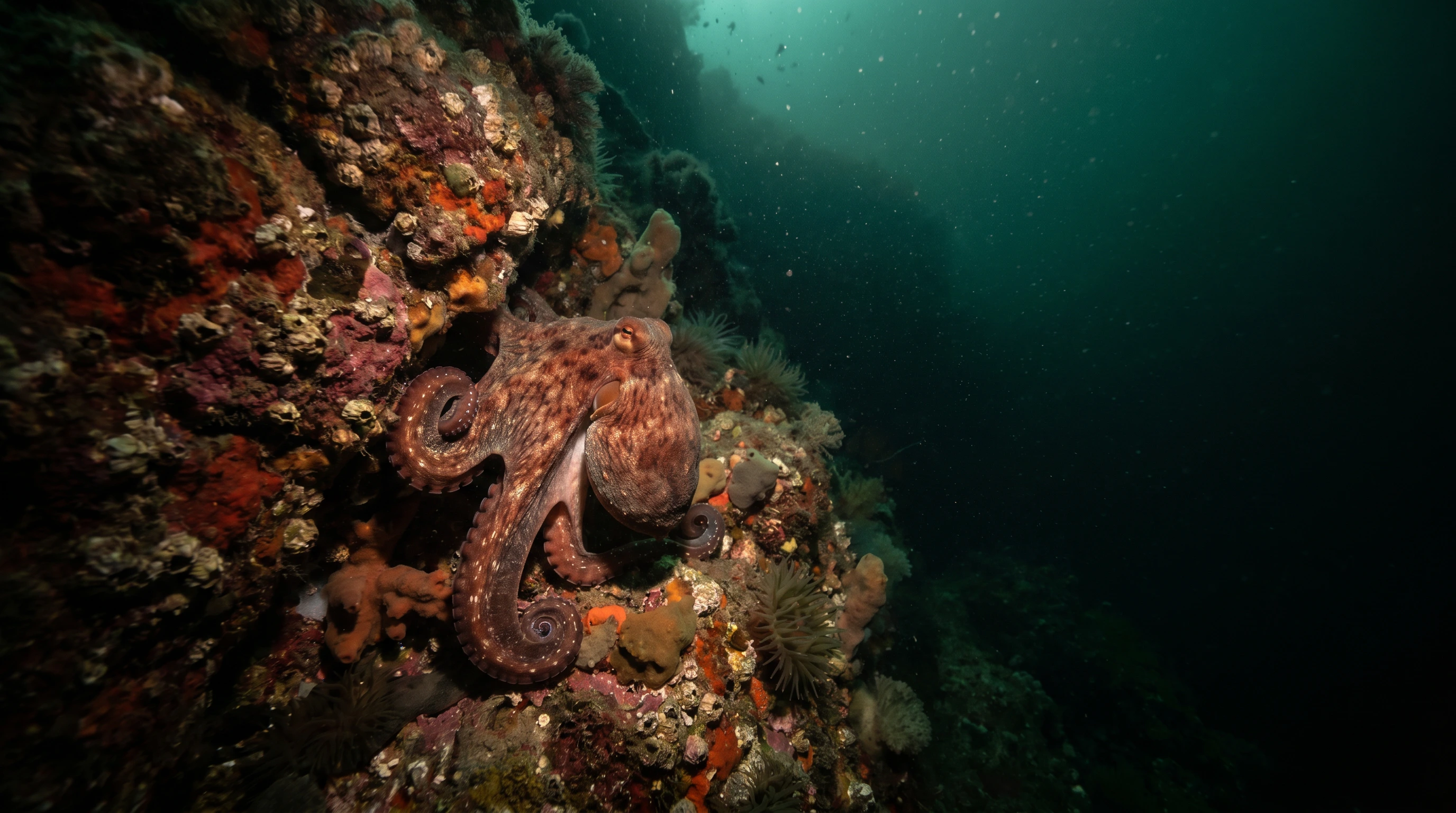
Water temperature around French Riviera ranges from about 14°C in January to 21°C in August, based on satellite sea-temperature data for its dive sites.
In the warm season (about 21°C) a 5mm suit is comfortable in French Riviera; in the coldest months (about 14°C) step up to a 7mm or semi-dry suit.
Fin maps 134 sites in French Riviera (117 scuba diving sites and 30 snorkelling spots, with some suited to both), organised into 3 areas.
Across French Riviera's dive sites, May, June, July, August and September are most often reported as the best months to visit.
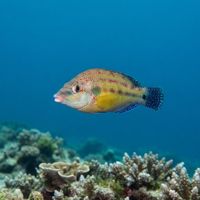
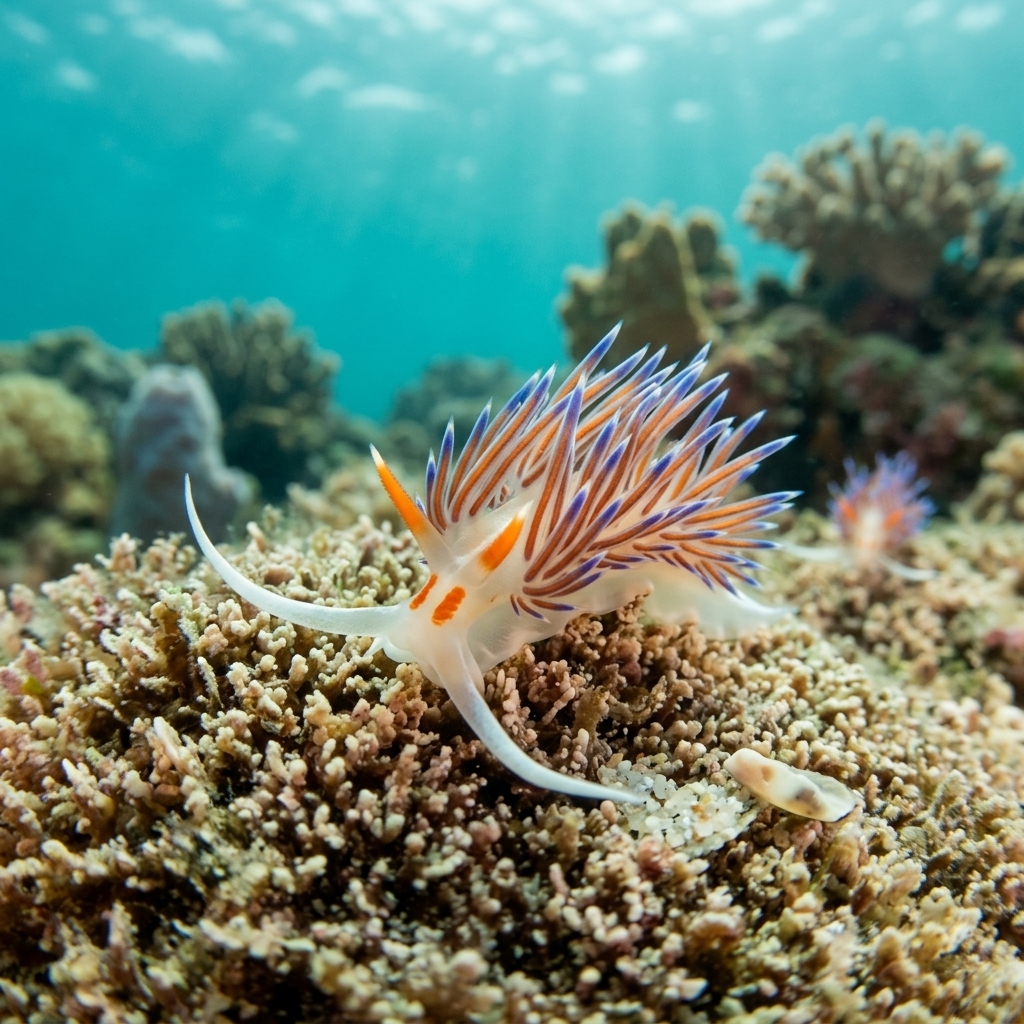
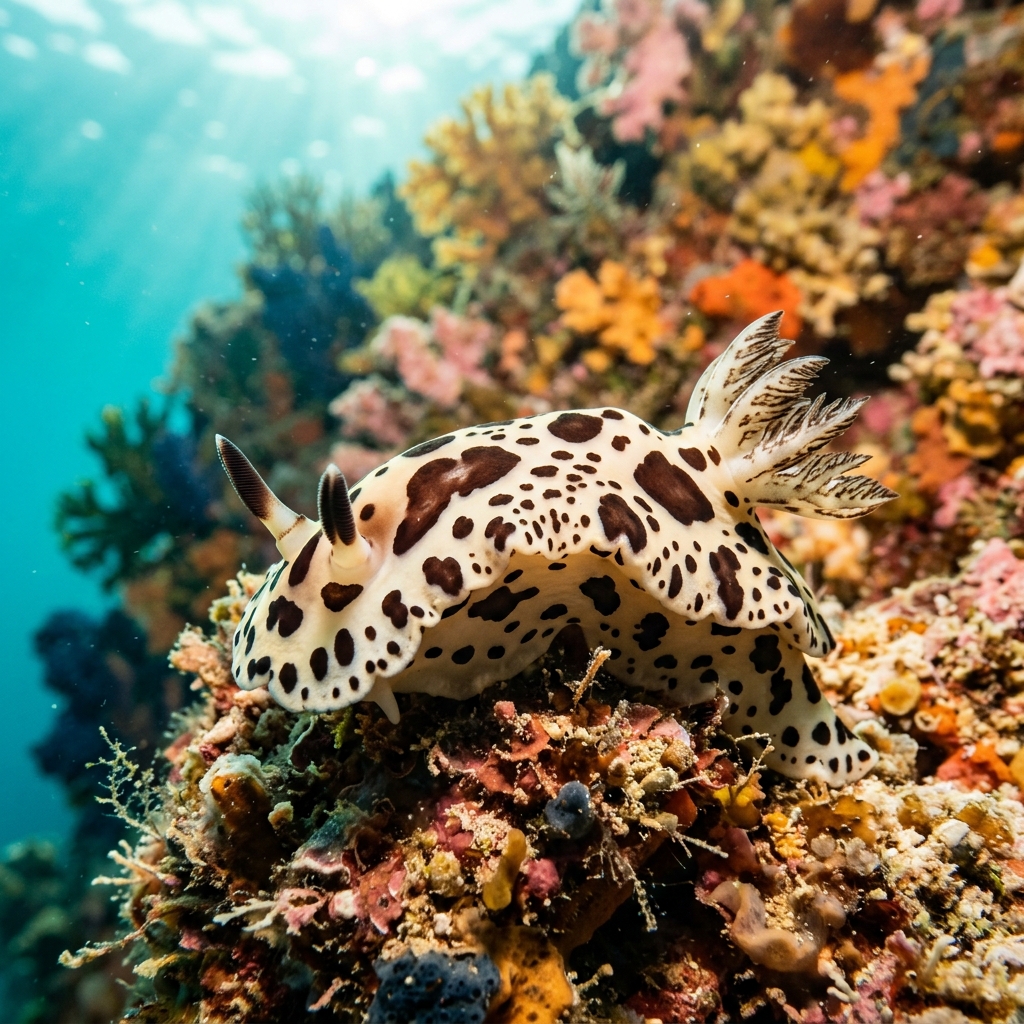
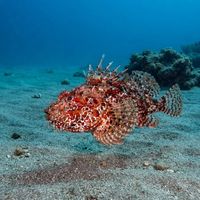
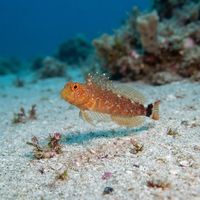
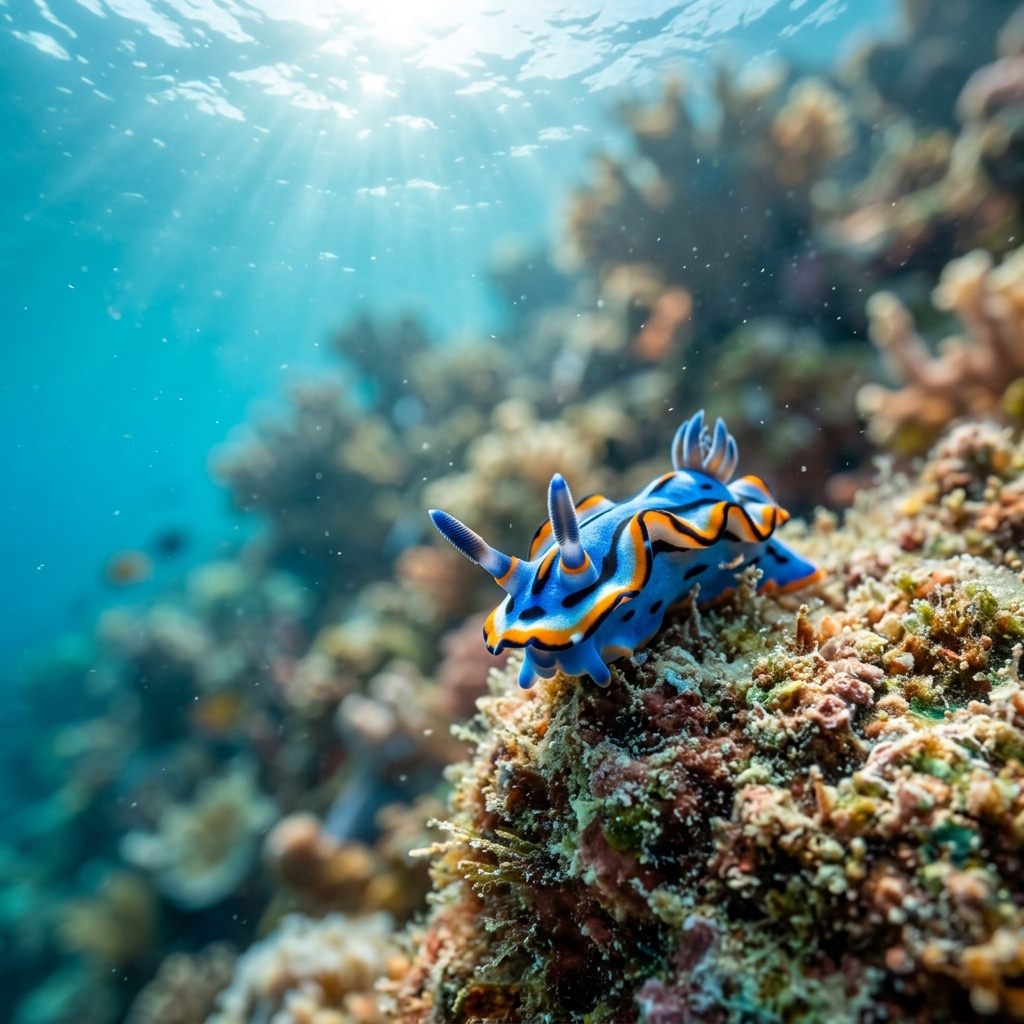
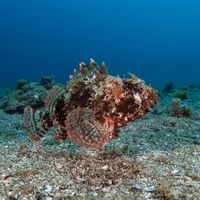
The French Riviera's signature species are Mediterranean Moray, Common Octopus, and European Common Cuttlefish, all observation-backed across a wide range of sites. Wrasse, Scorpionfish, Bream, and Painted Comber are very commonly encountered on the reefs. Nudibranch enthusiasts are particularly well served, with Cratena Slug, Splendid Elysia, Tricolor Doris, Giant Doris, and Mediterranean Violet Aeolid all recorded here.
Yes, the region caters well to beginners alongside more experienced divers. Sites such as La Digue and Le Lido at Cap Ferrat are rated beginner-friendly, offering shallow reef and cave diving with shore or boat entry. Intermediate and advanced sites, including deep walls and technical drop-offs, are also plentiful for those looking to progress.
The Lérins Islands hold the greatest concentration of sites and include some of the deepest and most technical diving in the region, such as Le Jardin, La Theiere, and Banc des vieilles. Cap Ferrat offers the widest range of skill levels, from shallow shore reefs to deep offshore seamounts like Sec de Merlo. Cap d'Antibes has fewer listed sites but adds to the overall variety of the region.
Access varies by site. Shallow reefs at Cap Ferrat, including La Digue, can be reached directly from shore. The majority of deeper sites, particularly around the Lérins Islands and Cap Ferrat's offshore structures, require boat access. Several operators are based across the region, including Cap Ferrat Diving, Easy Dive, and Poseidon Diving and Snorkeling in Nice, offering guided trips to both accessible and more remote sites.