
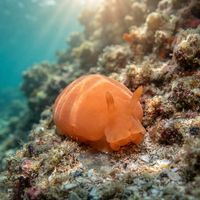
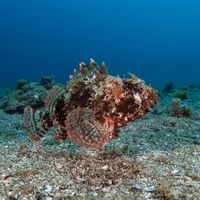
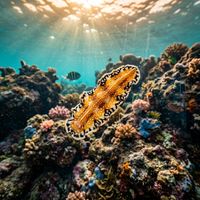
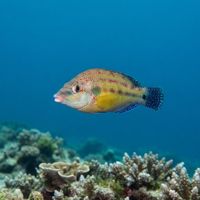
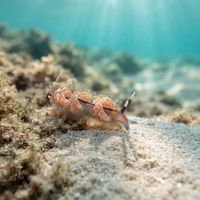
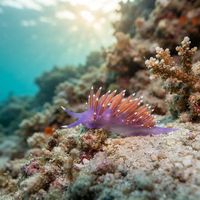
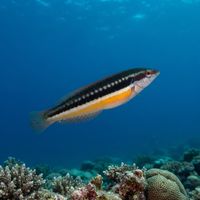
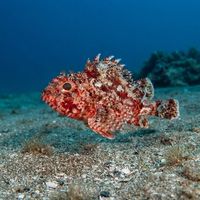
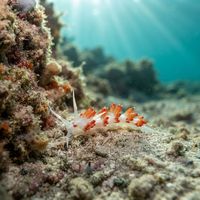
The Frioul Islands offer a compact but varied dive roster, running from shallow wreck dives to deep boat-only reefs. The signature experience is nudibranch hunting: Peach Seaslug, Violet Sea Slug, Facelina Rubrovittata and Flabellina Cavolini are all regularly observed across the sites. Common Octopus and Black Scorpionfish are almost ubiquitous. Several wrasse species weave through the reef faces, while shore entries at Jardins de Sausset and Carro make the islands accessible to beginners alongside deeper challenges like Le Samson.
Monthly water temperature across Frioul Islands's sites, from satellite sea-surface data corrected for depth. The band shows the site-to-site spread.
Water is at its coldest in late winter and warms steadily through spring into summer, when temperatures peak and conditions are most comfortable for extended dives. The warmest period runs from early summer through to early autumn, which aligns with peak dive activity. Cooler months bring lower water temperatures but can still be rewarding for those prepared for the chill.
3 operators
8 more sites to explore
Water temperature around Frioul Islands ranges from about 13°C in February to 20°C in July, based on satellite sea-temperature data for its dive sites.
In the warm season (about 20°C) a 5mm suit is comfortable in Frioul Islands; in the coldest months (about 13°C) step up to a 7mm or semi-dry suit.
Fin maps 13 sites in Frioul Islands (12 scuba diving sites and 3 snorkelling spots, with some suited to both).
Across Frioul Islands's dive sites, May, June, July, August and September are most often reported as the best months to visit.
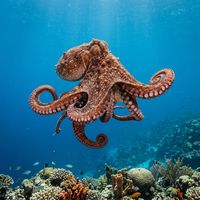
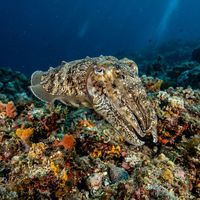
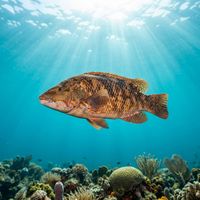
The Frioul Islands are particularly strong for cephalopods and nudibranchs. Common Octopus and European Common Cuttlefish are frequently encountered, and the reefs host a remarkable range of sea slugs including Peach Seaslug, Violet Sea Slug, Facelina Rubrovittata and Flabellina Cavolini. Wrasse species are ever-present on the reef faces, and Black Scorpionfish are reliably spotted across most sites.
Yes, several sites are rated for beginners. Jardins de Sausset and Carro are both shore-entry sites at manageable depths, and the P38 bomber fighter wreck is a shallow, straightforward boat dive well suited to those early in their diving experience. Intermediate and deeper sites such as Le Bois de Carry and Le Samson provide progression for more experienced divers.
The islands offer a mix of entry types. Jardins de Sausset and Carro can be reached directly from shore, which suits independent divers. Several sites, including Le Bois de Carry, Le Samson and the P38 bomber fighter, require boat access. Local operators Zef Marine, Nemausa and Côte Bleue Plongée all run trips to the area.
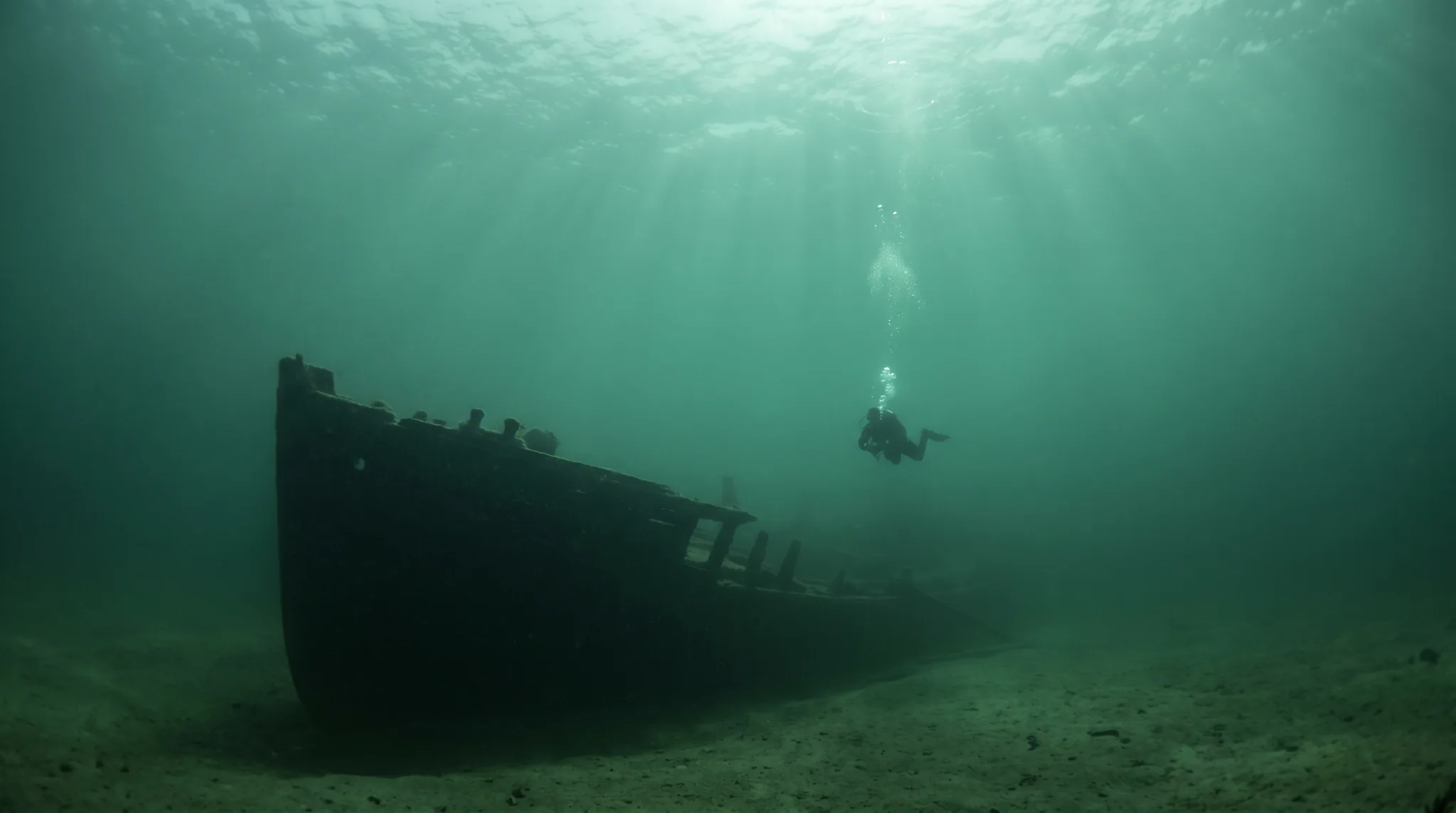
Reefs form the backbone of diving here, often combined with drop-offs or cave systems as at Carro. There is also a notable wreck in the P38 bomber fighter, which sits at a very shallow depth and is one of the more distinctive dives in the area. Current levels vary by site, with some reef faces requiring careful management and others offering calm, relaxed conditions.