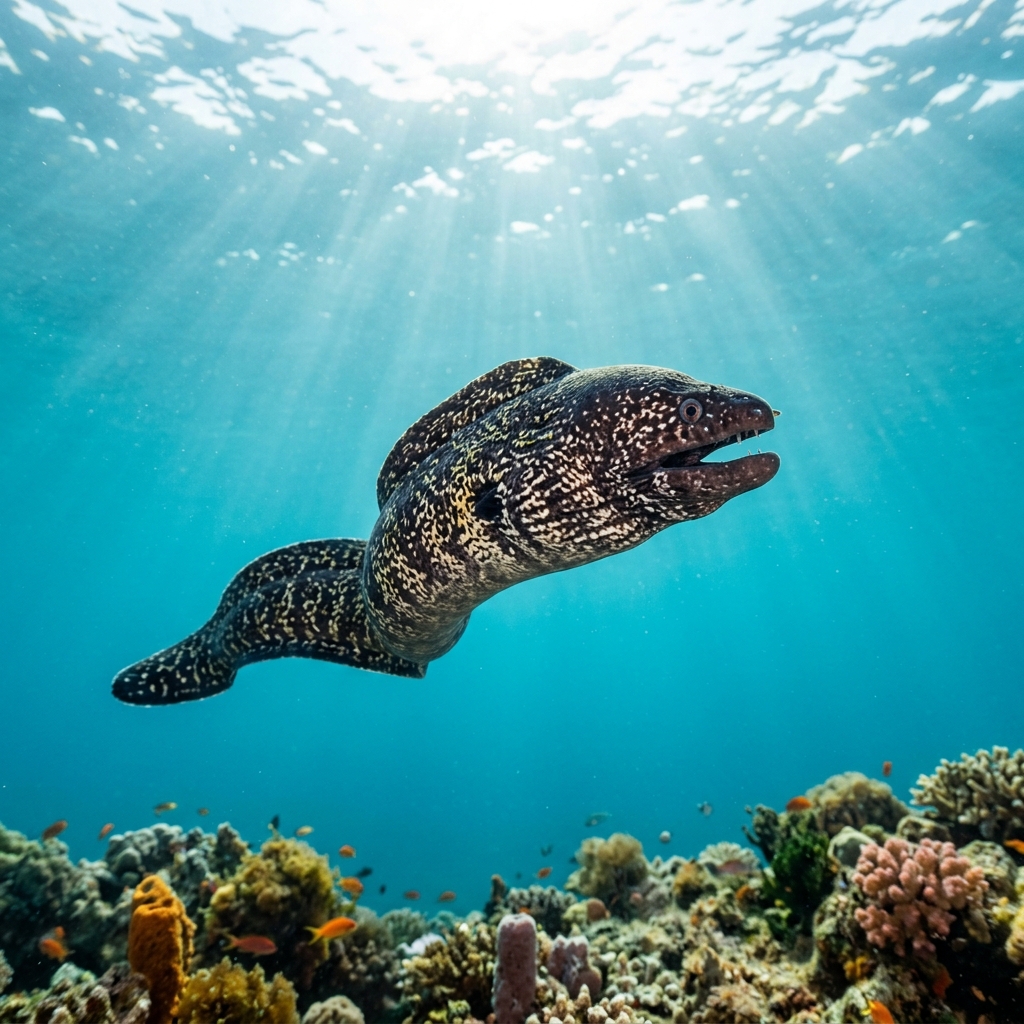
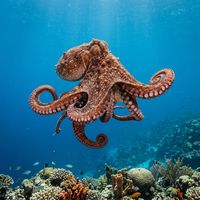
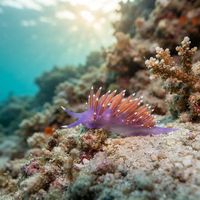
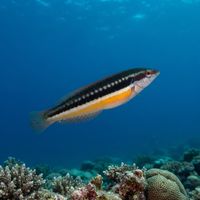
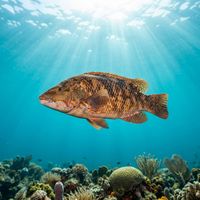
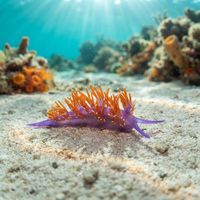
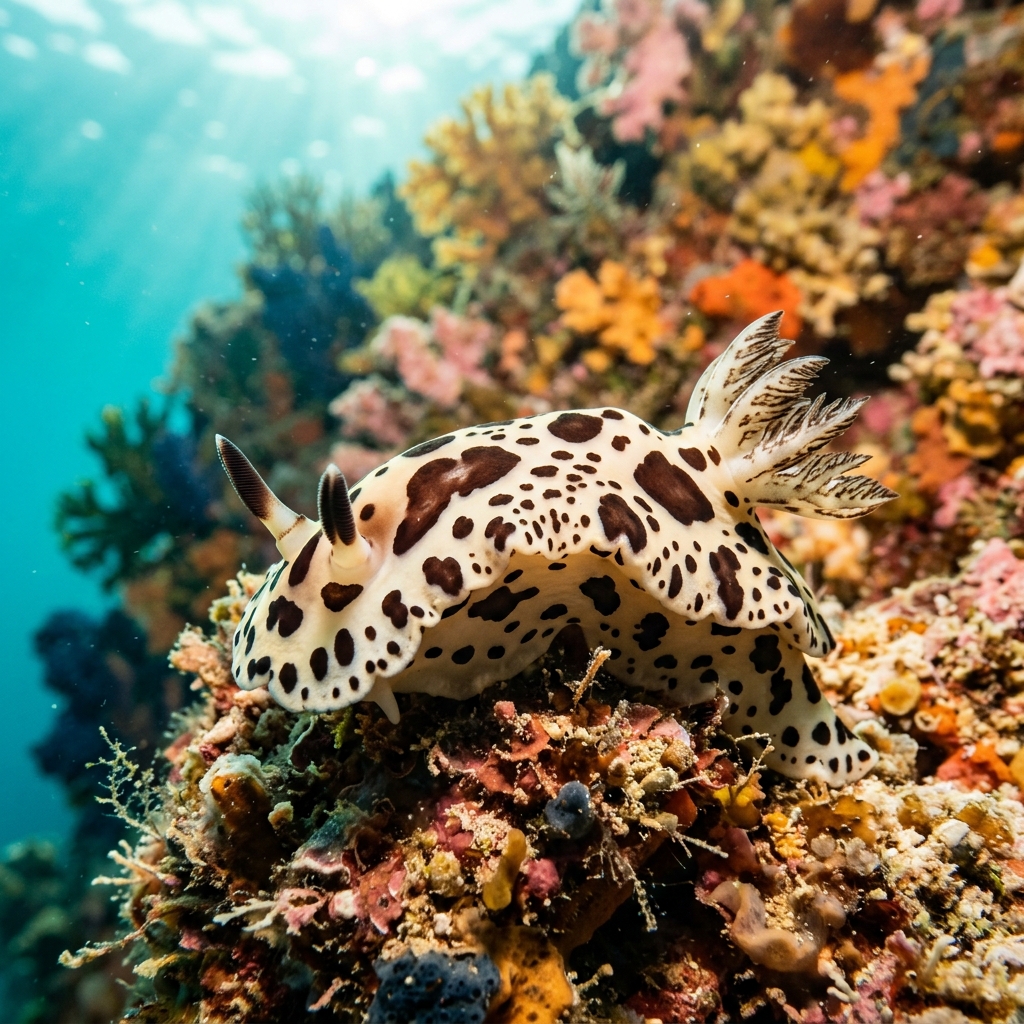
French Riviera and Provence covers three distinct sub-areas: Marseille and Calanques, the French Riviera, and Hyères and Port-Cros, together forming one of the most varied dive destinations in France. Shore entries on shallow reefs sit alongside technical wrecks that demand trimix certification, and cave systems cut through walls that plunge into deep water. The marine life is remarkably consistent across sites: Common Octopus, Mediterranean Moray, Bream, and Scorpionfish appear almost everywhere, while a dedicated nudibranch fauna including Cratena Slug and Tricolor Doris rewards attentive divers. Water warms through summer, making late spring to early autumn the most comfortable window.
3 areas
 262
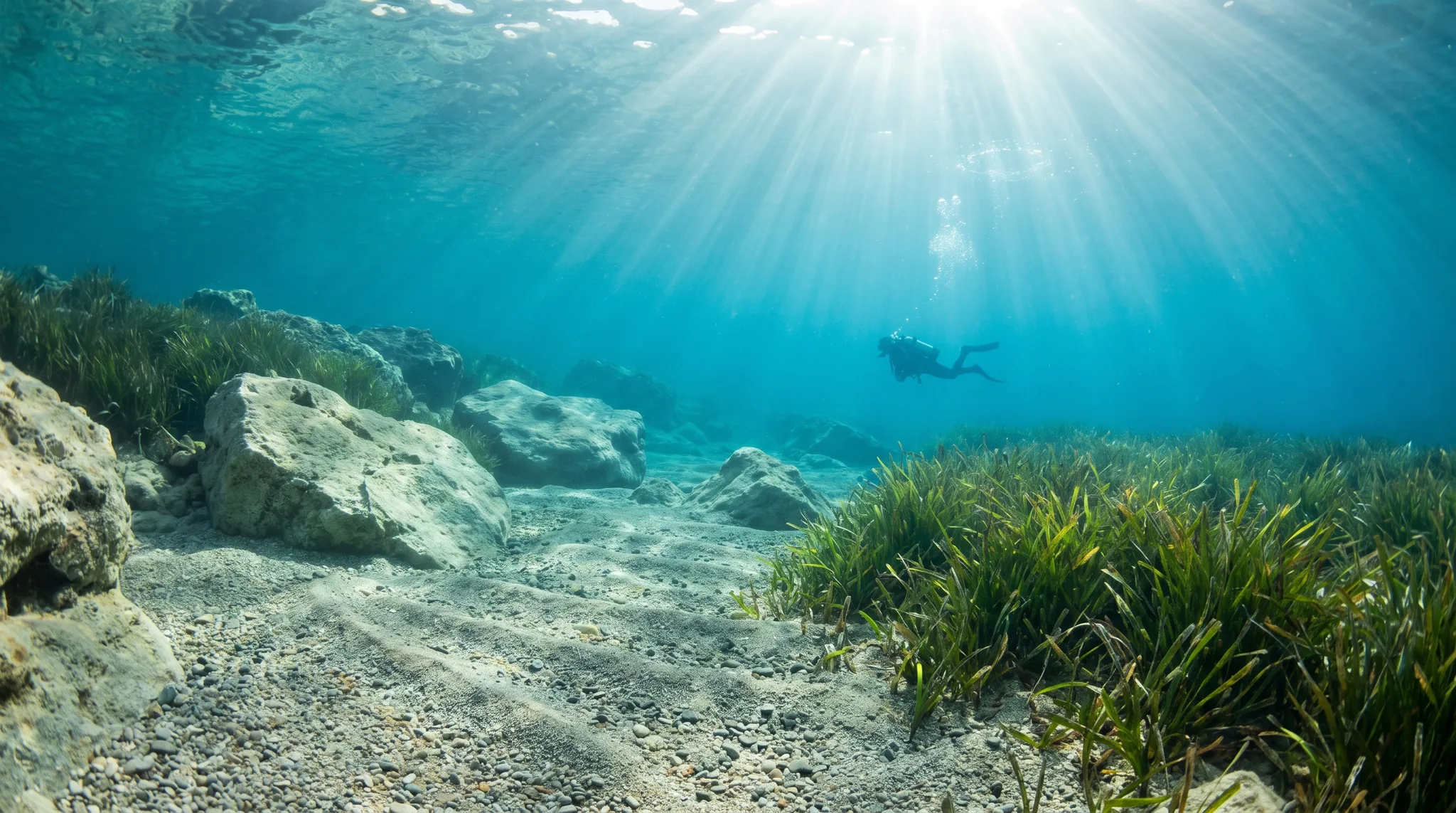
262Three sub-areas covering reefs, caves, deep wrecks and seagrass, with rich nudibranch life and signature Mediterranean predators.
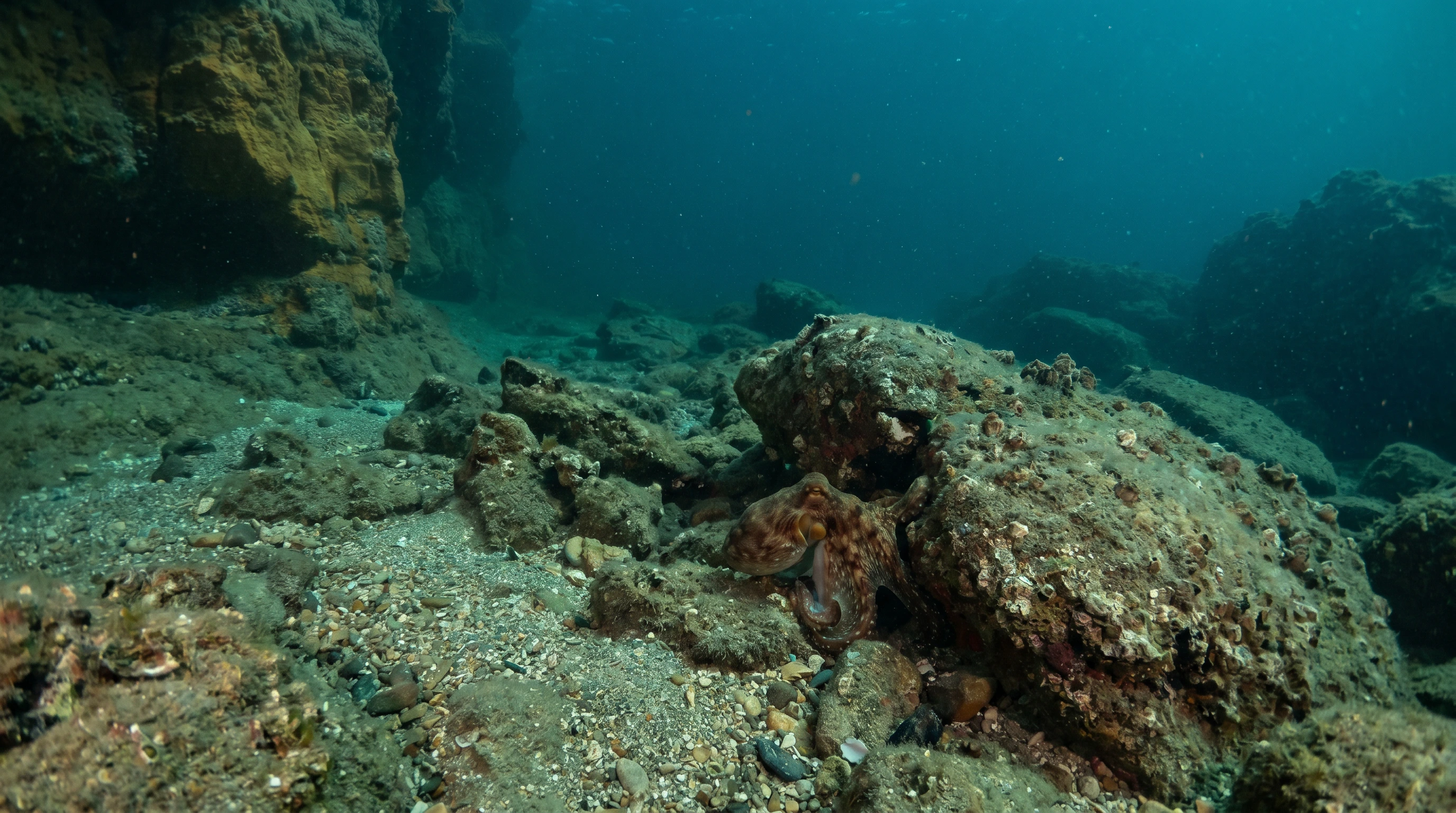
134Reef and wall diving across three distinct headlands, with Mediterranean Moray, Common Octopus, and an exceptional nudibranch community.
 97
97Wrecks, walls and cephalopod-rich reefs across two island groups, with sites ranging from beginner shallows to deep technical dives.
Monthly water temperature across French Riviera & Provence's sites, from satellite sea-surface data corrected for depth. The band shows the site-to-site spread.
Water temperatures sit at their coolest through winter and early spring, then rise steadily from late spring into summer, peaking in July and August before tapering off through autumn. The warmest months align closely with the busiest diving period, running from May through October, when visibility across the region tends to be at its best. Exposed sites around the Île de Riou and Île Saint-Honorat can carry current, while sheltered shore entries near Cap Ferrat offer calmer conditions year-round.
178 operators


Water temperature around French Riviera & Provence ranges from about 14°C in January to 20°C in July, based on satellite sea-temperature data for its dive sites.
In the warm season (about 20°C) a 5mm suit is comfortable in French Riviera & Provence; in the coldest months (about 14°C) step up to a 7mm or semi-dry suit.
Fin maps 493 sites in French Riviera & Provence (456 scuba diving sites and 94 snorkelling spots, with some suited to both), organised into 3 areas.
Across French Riviera & Provence's dive sites, May, June, July, August, September and October are most often reported as the best months to visit.
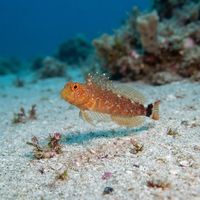
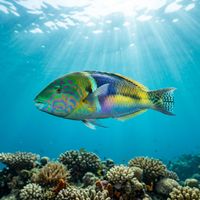
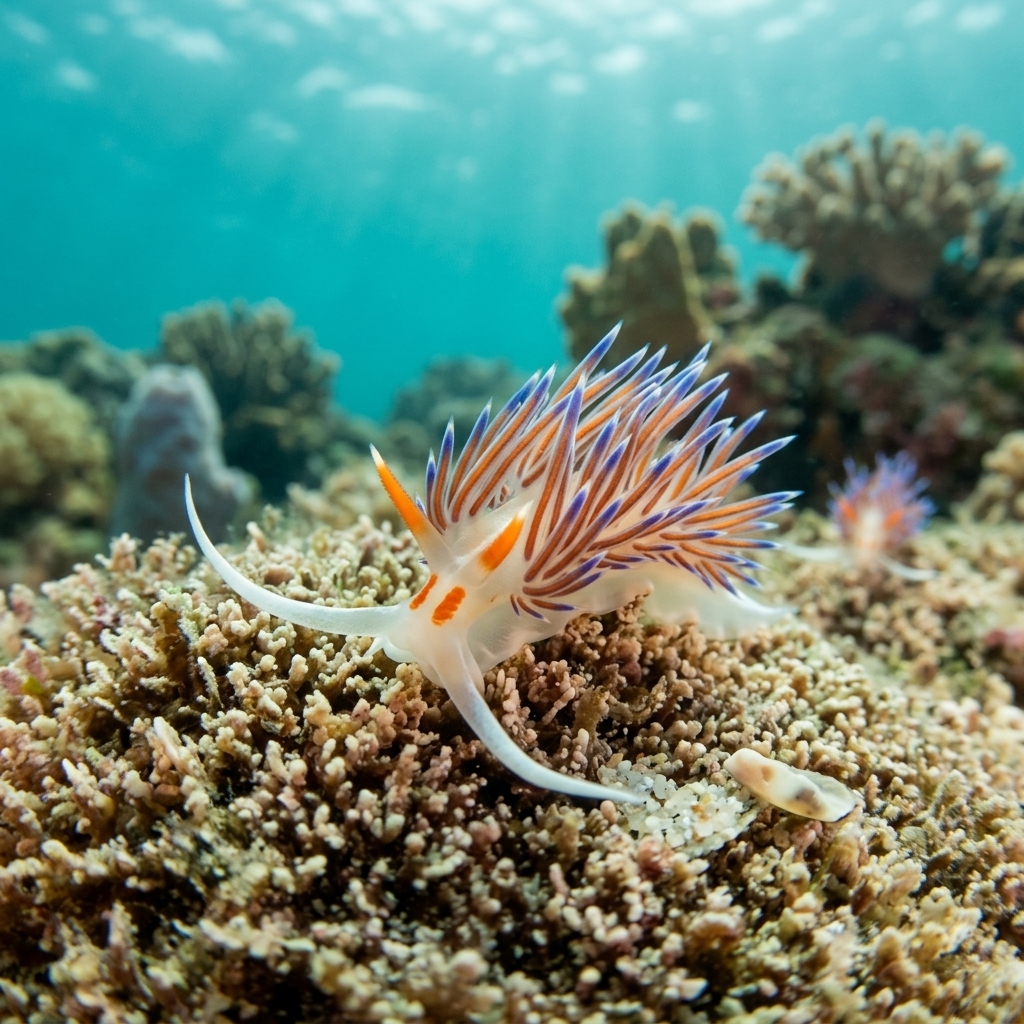
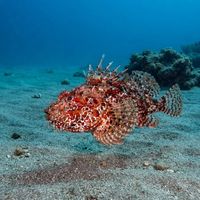
The region has a rich and well-documented fauna. Mediterranean Moray and Common Octopus are observed at the vast majority of sites, while Scorpionfish, Tompot Blenny, and Castagnole are almost equally widespread. Nudibranch diversity is a particular draw, with species including Cratena Slug, Tricolor Doris, Felimare fontandraui, and Mediterranean Violet Aeolid all regularly recorded. Great Barracuda appears occasionally, and Conger Eel is reliably found in rocky crevices.
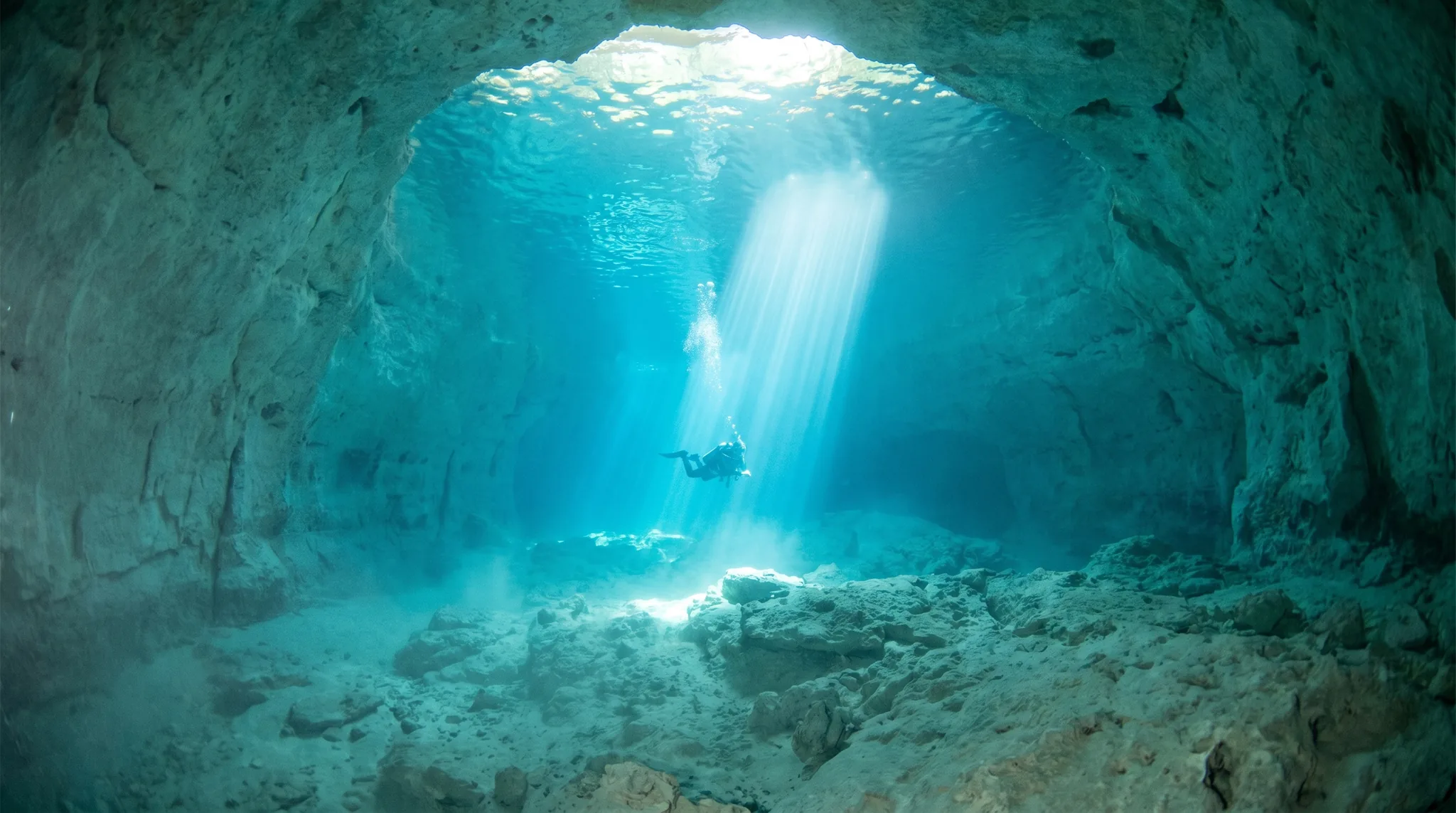
The region caters well to divers of all levels. Shore-entry sites such as La Digue at Cap Ferrat and Anse du Petit Mugel offer shallow, calm dives rated suitable for beginners, covering reef, seagrass, and wall environments. Intermediate divers can progress to cave and drift diving at sites like Grotte de Boulegeade. Advanced and technical sites, including deep wrecks off Île de Riou and Île Saint-Honorat, require significant experience and, in some cases, trimix certification.
Marseille and Calanques is the largest sub-area and includes dramatic sites around the Île de Riou, from beginner reefs to extreme-depth technical wrecks such as Le Natal and Le Bananier. Hyères and Port-Cros features notable wrecks including Le Niedersachsen off Porquerolles Island. The French Riviera sub-area, centred around Cap Ferrat and the Lérins Islands, offers a strong mix of accessible shore dives and deep wall and reef sites off Île Saint-Honorat and Île Sainte-Marguerite.
Several sites in the region are accessible directly from shore, including La Digue at Cap Ferrat and Anse du Petit Mugel, both rated suitable for beginners. However, many of the deeper and more dramatic sites, including the technical wrecks and the walls off the offshore islands, require boat access. A number of operators across the region, including Porquerolles Plongée, European Diving School, and Easy Dive, run boat trips to these sites.