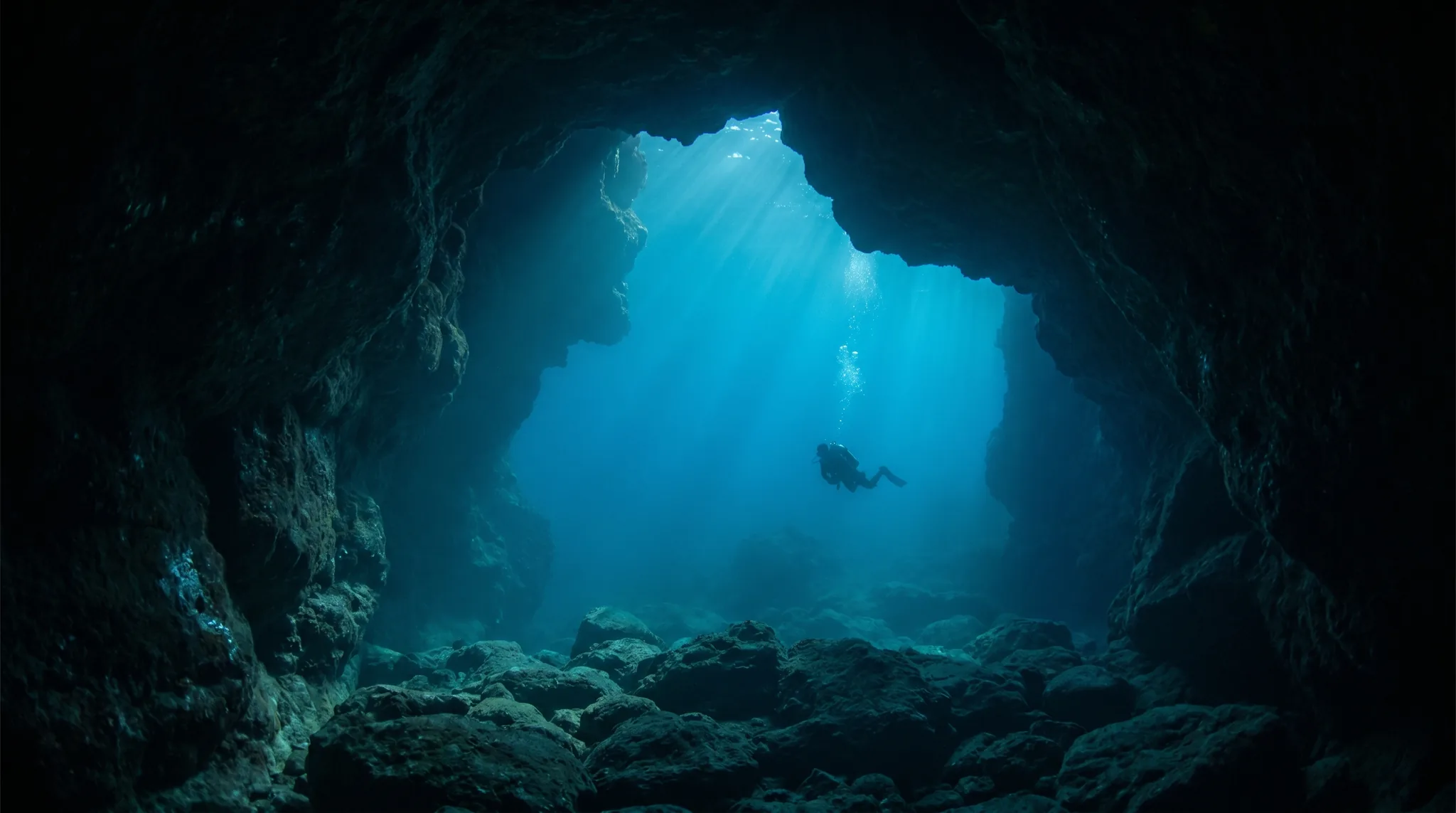
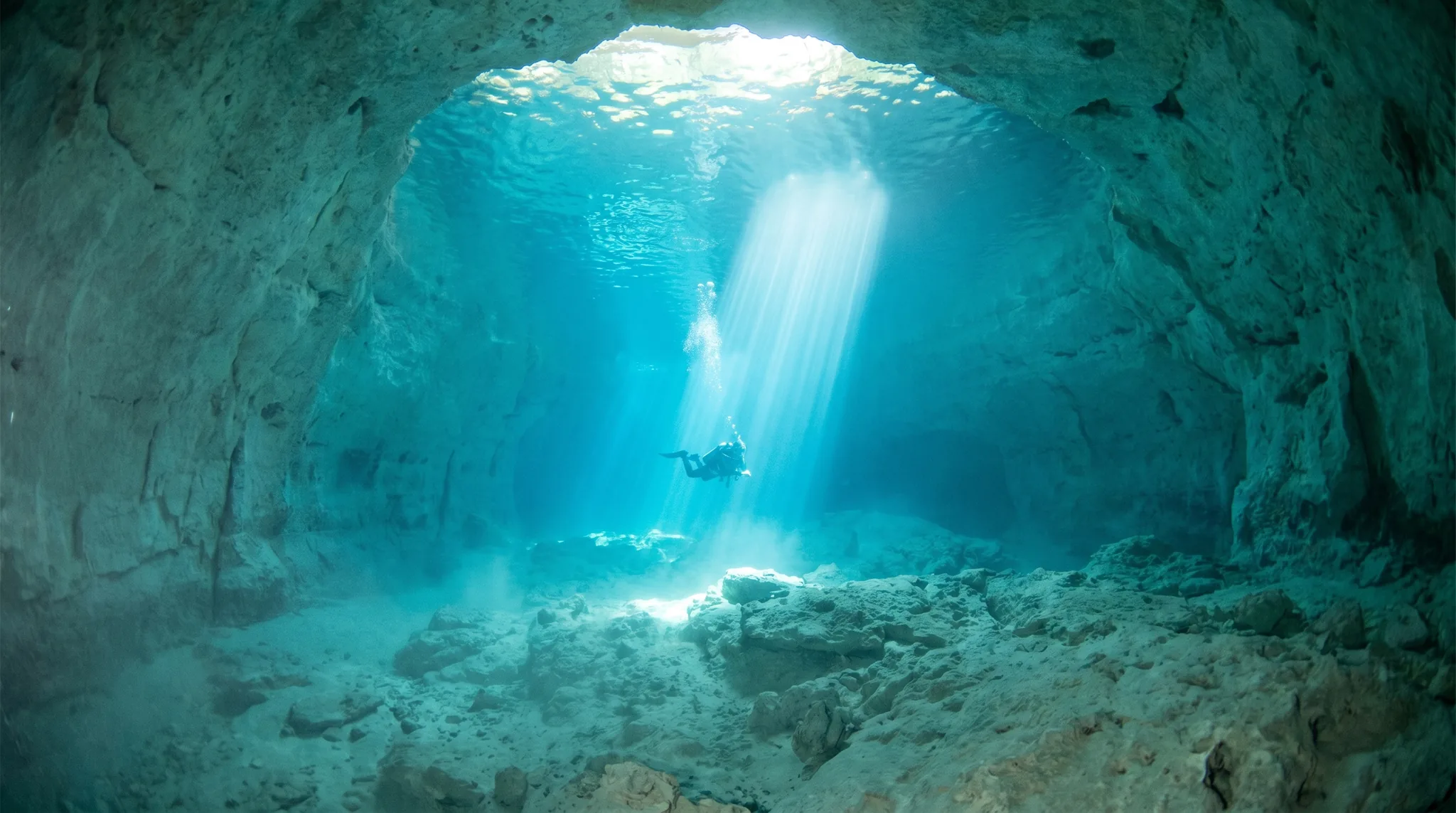
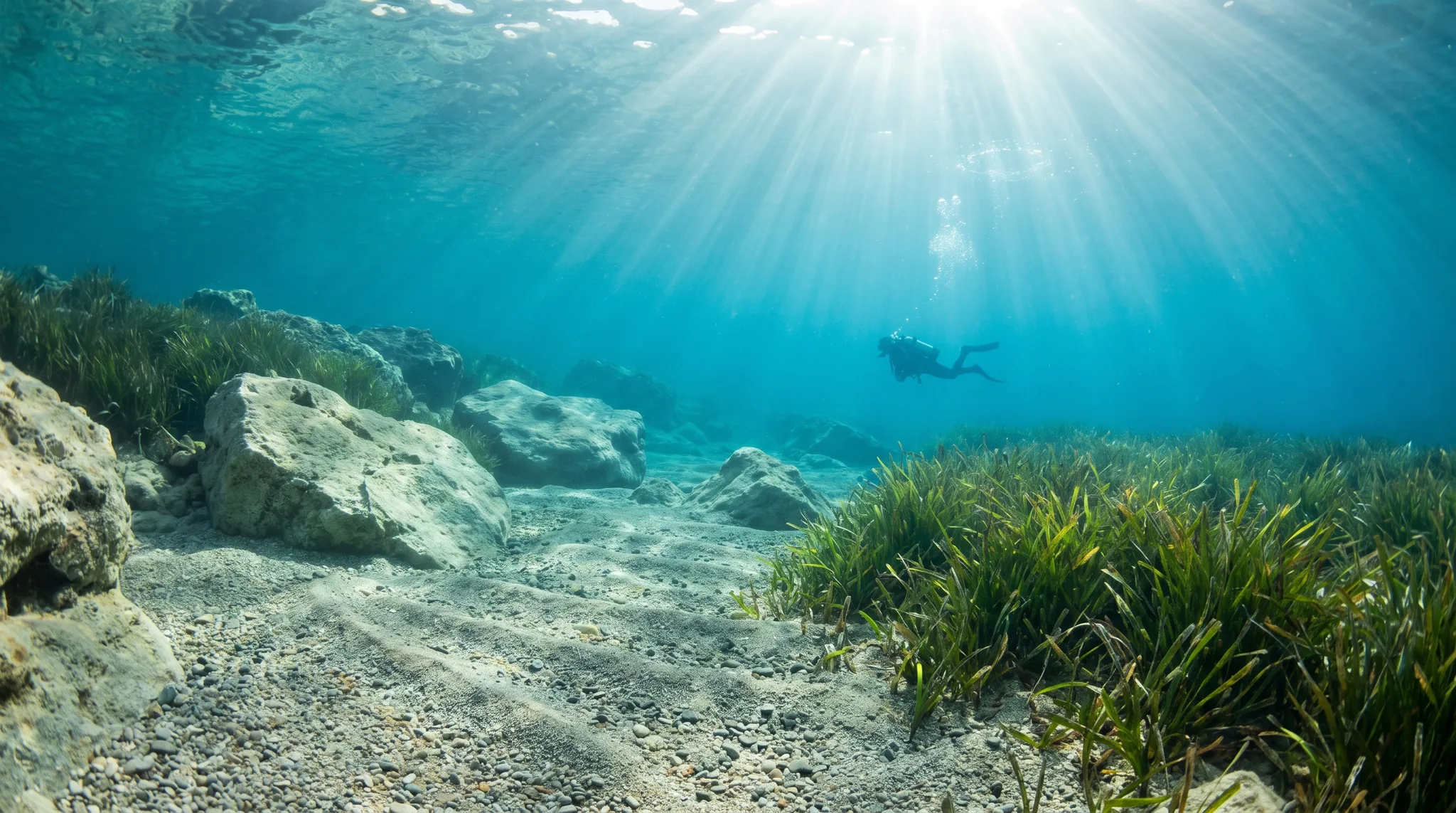
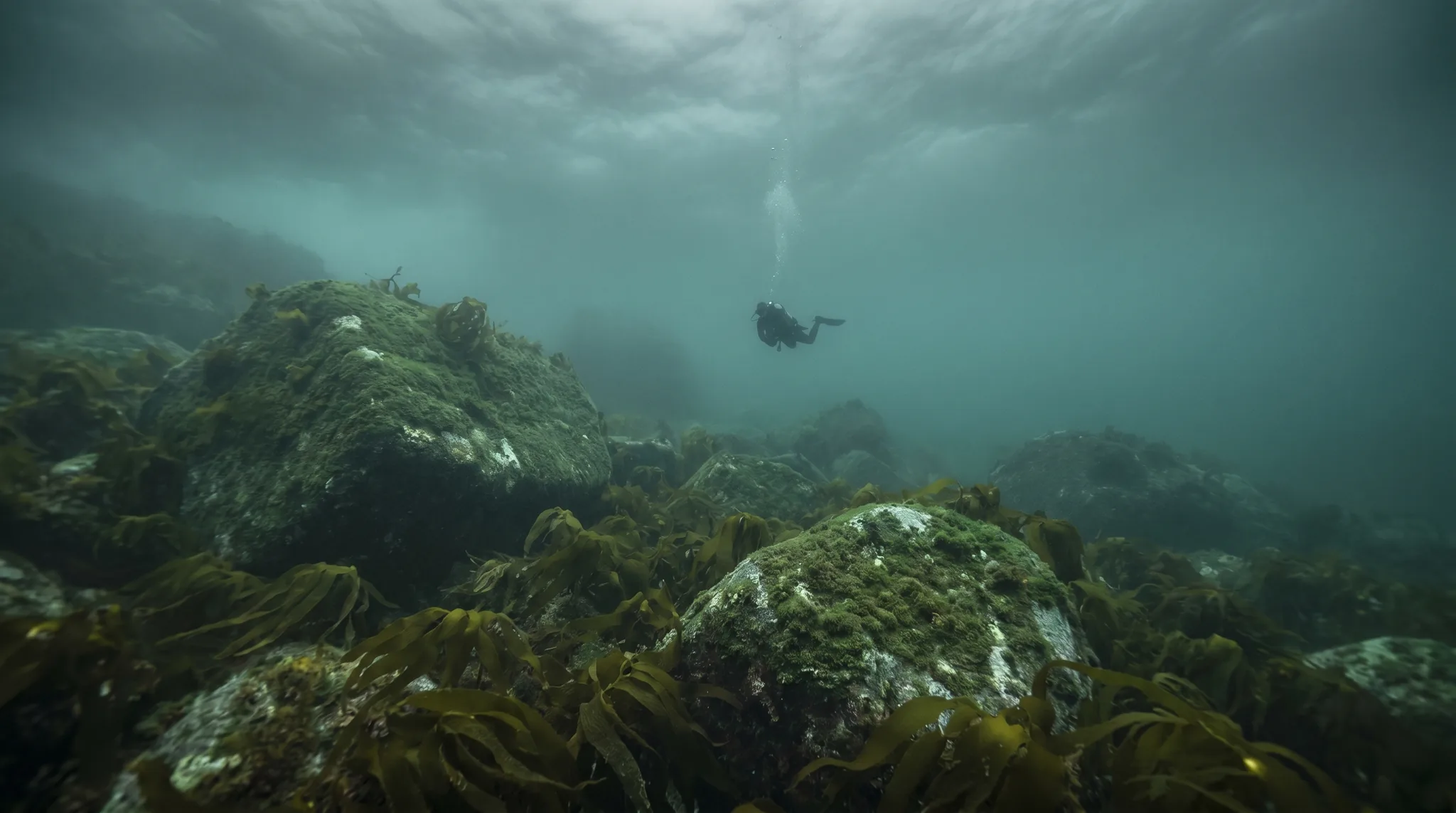
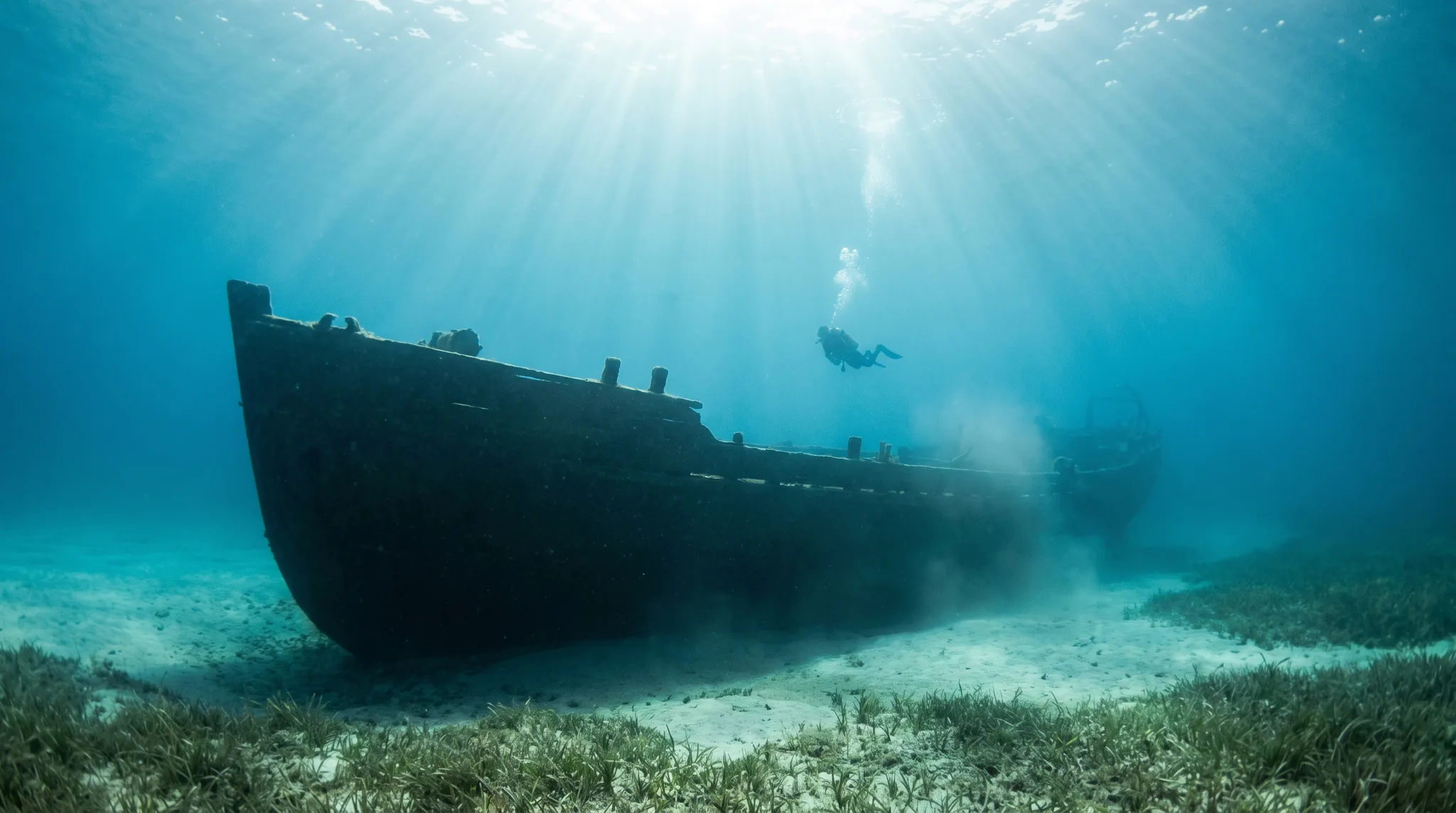
Montpellier and Hérault diving centres on the Vermilion Coast, where volcanic rock formations meet seagrass meadows, artificial reefs and coralligenous structures. Most sites are shallow and beginner-friendly, with a handful of intermediate reef dives reaching greater depth. The signature underwater characters are the European Common Cuttlefish, Common Octopus and Seahorse, supported by dense populations of Wrasses, Bream, Scorpionfish and a remarkable variety of nudibranchs. Summer brings the warmest water and the highest diver traffic, while spring and autumn offer quieter conditions.
Monthly water temperature across Montpellier & Hérault's sites, from satellite sea-surface data corrected for depth. The band shows the site-to-site spread.
Water temperature climbs steadily from cool late-winter lows to warm summer peaks that hold through September, making July, August and September the most comfortable months for diving in light exposure. Spring and autumn shoulder seasons remain accessible but noticeably cooler, rewarding divers who tolerate a thicker wetsuit with less crowded sites. Winter temperatures drop to their lowest around February, when only the most committed divers venture in.
12 operators
France
14 more sites to explore
Water temperature around Montpellier & Hérault ranges from about 12°C in February to 22°C in July, based on satellite sea-temperature data for its dive sites.
In the warm season (about 22°C) a 3mm full suit is comfortable in Montpellier & Hérault; in the coldest months (about 12°C) step up to a 7mm or semi-dry suit.
Fin maps 21 sites in Montpellier & Hérault (17 scuba diving sites and 5 snorkelling spots, with some suited to both).
Across Montpellier & Hérault's dive sites, May, June, July, August and September are most often reported as the best months to visit.
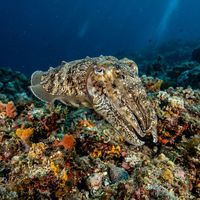
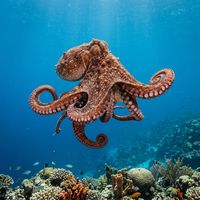
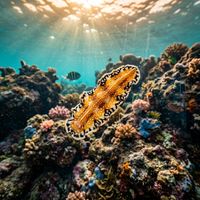
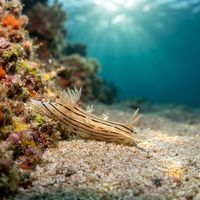
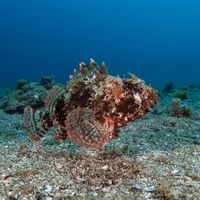
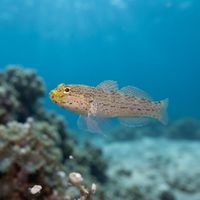
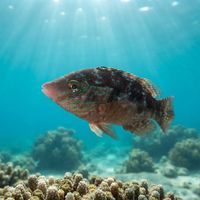
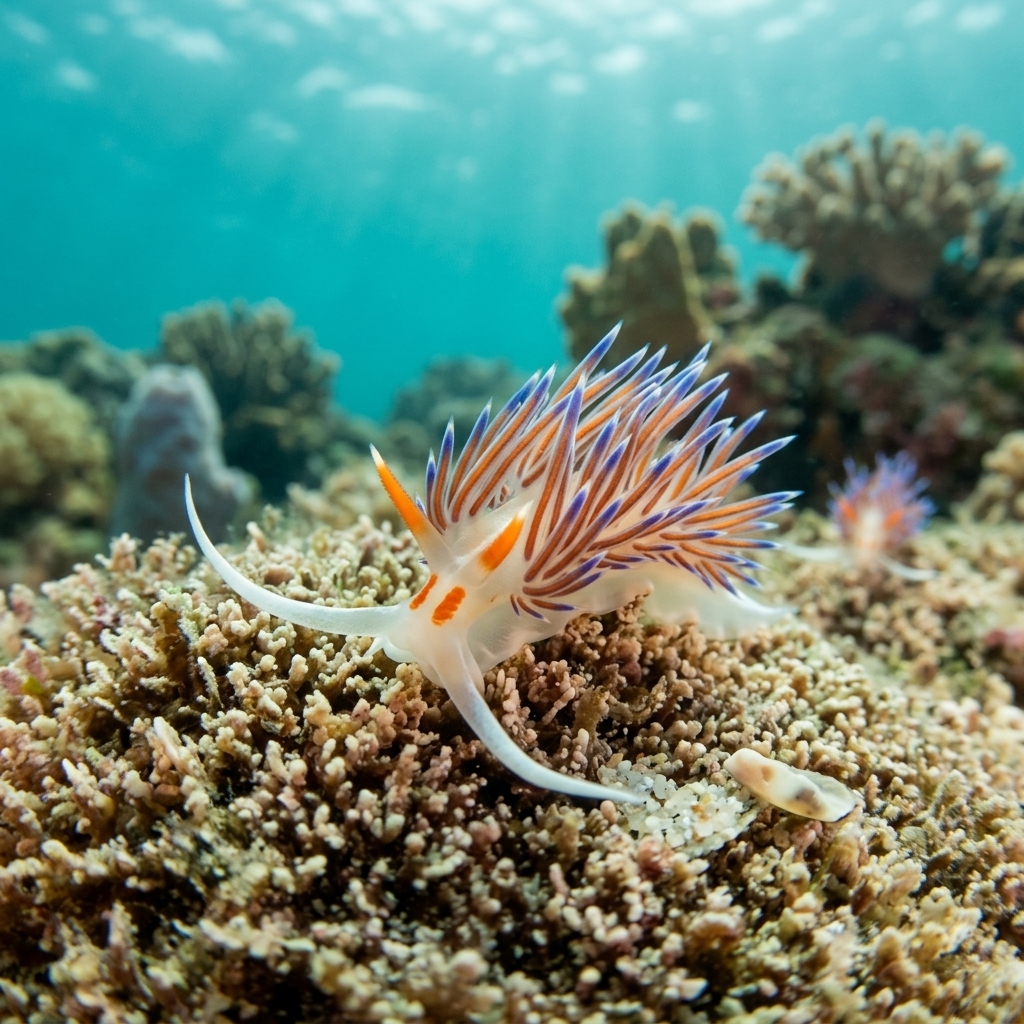
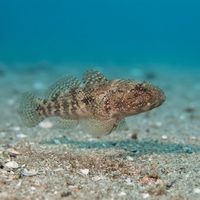
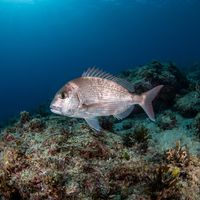
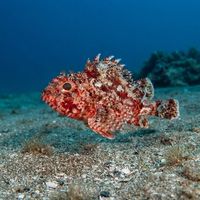
The European Common Cuttlefish is the standout encounter, observed across the vast majority of sites. Common Octopus and Seahorse are also recorded sightings. Beyond the signature trio, divers regularly encounter Wrasses, Bream, Scorpionfish, Striped Red Mullet, Conger Eel and Tompot Blenny. Nudibranch enthusiasts will find Cratena Slug, Mediterranean Violet Aeolid, Felimare villafranca and Splendid Elysia on the same dives.
The majority of sites are rated beginner level, many of them shallow shore entries such as La Plagette, Le ponton and Plage Du Lazaret. These mix reef, seagrass and artificial reef habitats at very modest depths, making them ideal for newly certified divers or those returning after a break. A smaller number of sites, including Les 3 Pics, step up to intermediate level with mild currents and greater depth.
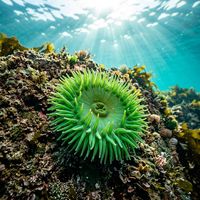
The Vermilion Coast offers a varied mix: natural rocky and reef structures sit alongside artificial reefs and seagrass meadows. Several sites, such as Bobby and Brescou, feature scree slopes and coralligenous habitats accessible only by boat. Shore-entry options like La Plagette and La Bordelaise provide immediate access to reef and muck habitat in very shallow water, suiting independent divers without boat support.
Both access styles are well represented. Shore entries are available at several beginner-friendly sites and allow divers to explore without needing to arrange a charter. The deeper and more exposed reef sites, including Les 3 Pics and Bobby, require a boat. With no listed operators in the current data, independent divers should research local charter options before travelling.