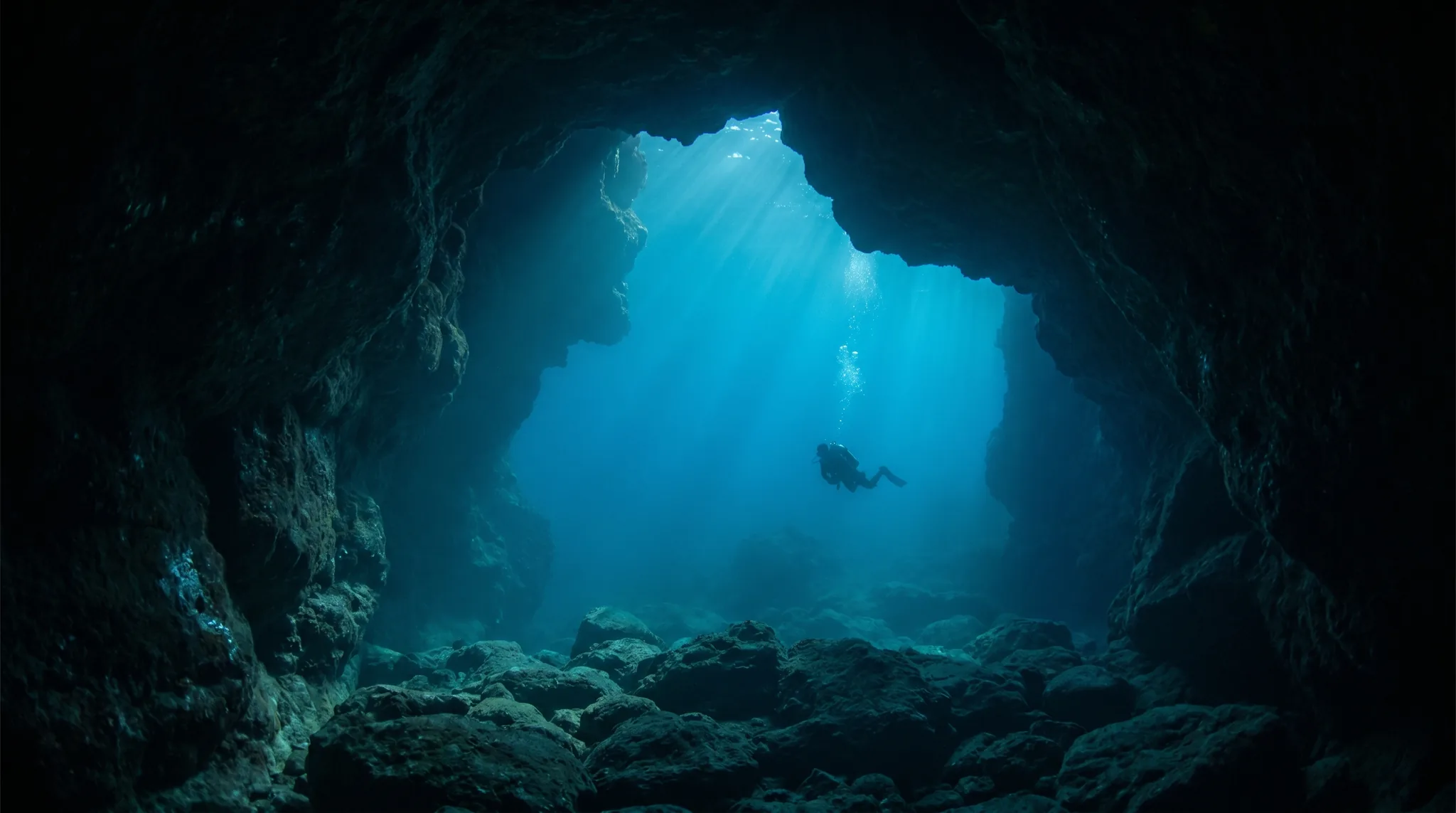
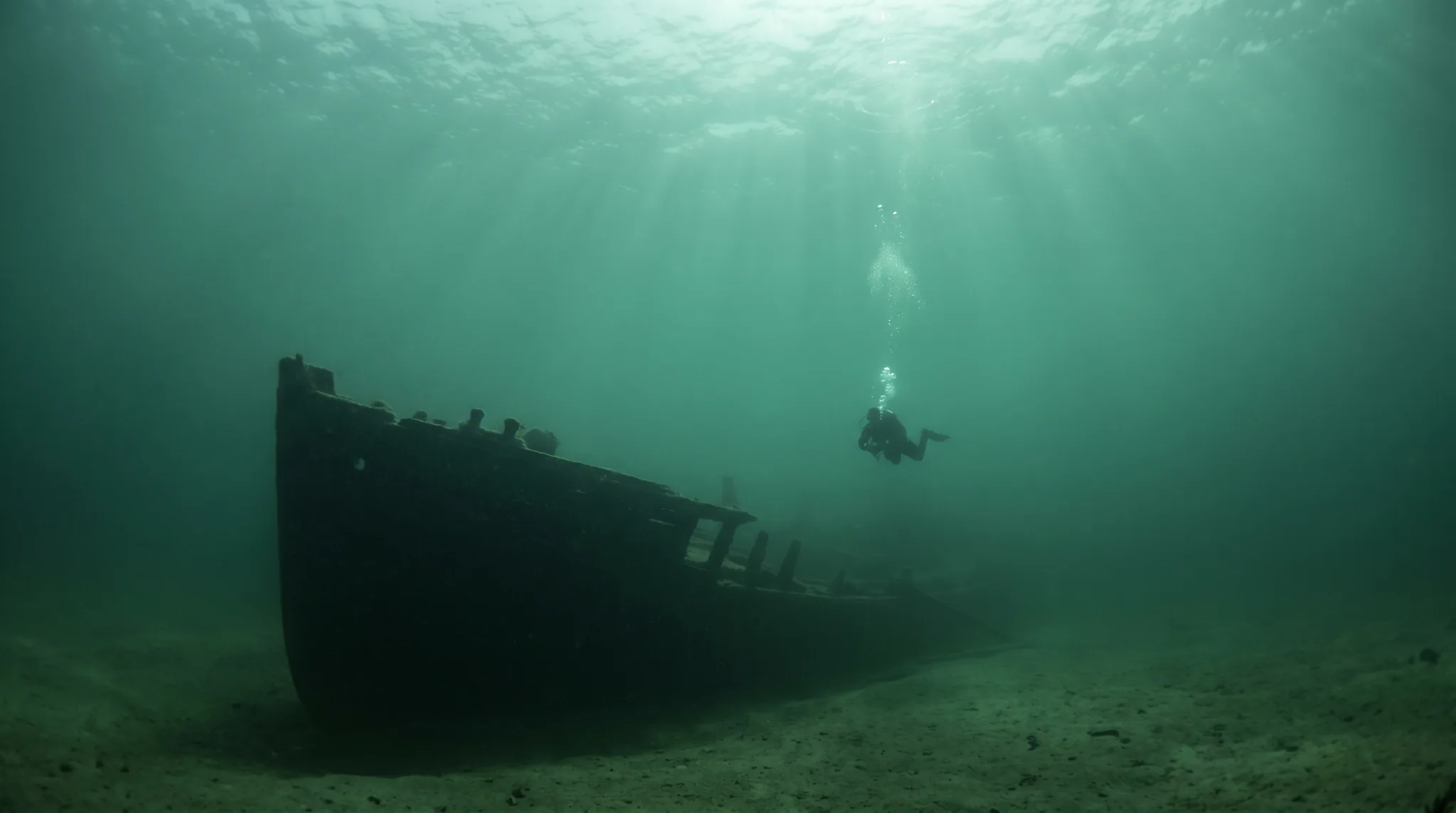
The Riou Archipelago divides across three island groups: Île Maïre, Île de Riou, and Île Jarre, each with its own character. Caves are a defining feature throughout, from beginner-friendly caverns to technical penetrations. Wrecks range from accessible artificial reefs to deep technical targets. The marine life leans heavily toward nudibranchs and wrasses, with Mediterranean Moray and Common Octopus appearing across nearly all sites. Conditions favour warmer months, though the archipelago dives year-round.
3 areas
Monthly water temperature across Riou Archipelago's sites, from satellite sea-surface data corrected for depth. The band shows the site-to-site spread.
Water temperature climbs from its winter low in late winter through to a summer peak in August, then eases off through autumn. The warmest months draw the highest dive activity, with May through October representing the clear peak season. Exposure varies by island: Île de Riou hosts drift and wall dives where currents can build, while Île Jarre and Île Maïre offer more sheltered options.
38 operators
France
France
113 more sites to explore
 69
69Deep wrecks, cave systems and colourful walls off Marseille, with exceptional nudibranch diversity throughout.
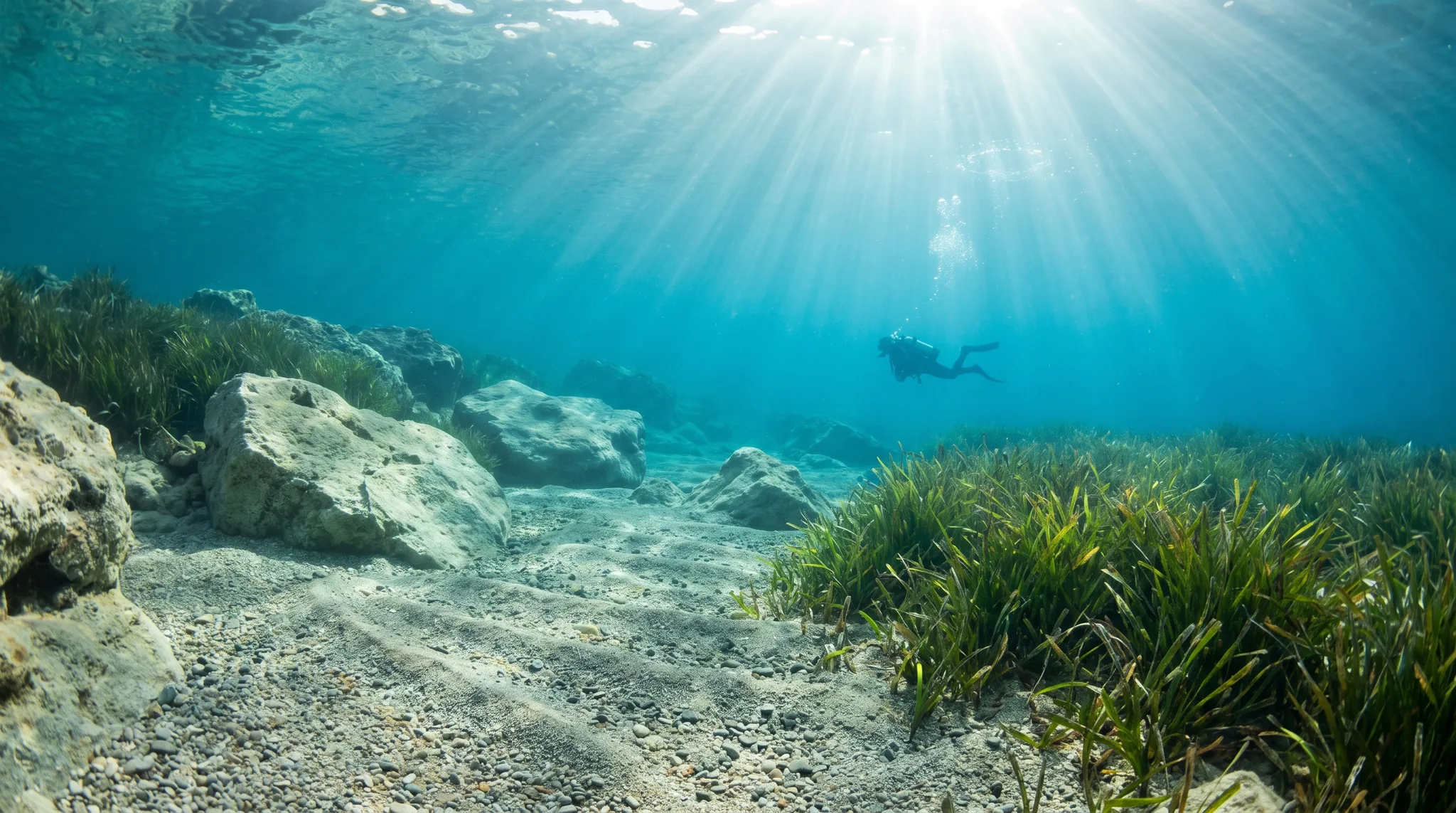
Water temperature around Riou Archipelago ranges from about 13°C in February to 19°C in August, based on satellite sea-temperature data for its dive sites.
In the warm season (about 19°C) a 5mm suit is comfortable in Riou Archipelago; in the coldest months (about 13°C) step up to a 7mm or semi-dry suit.
Fin maps 125 sites in Riou Archipelago (118 scuba diving sites and 13 snorkelling spots, with some suited to both), organised into 3 areas.
Across Riou Archipelago's dive sites, May, June, July, August, September and October are most often reported as the best months to visit.
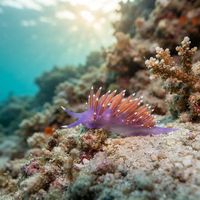
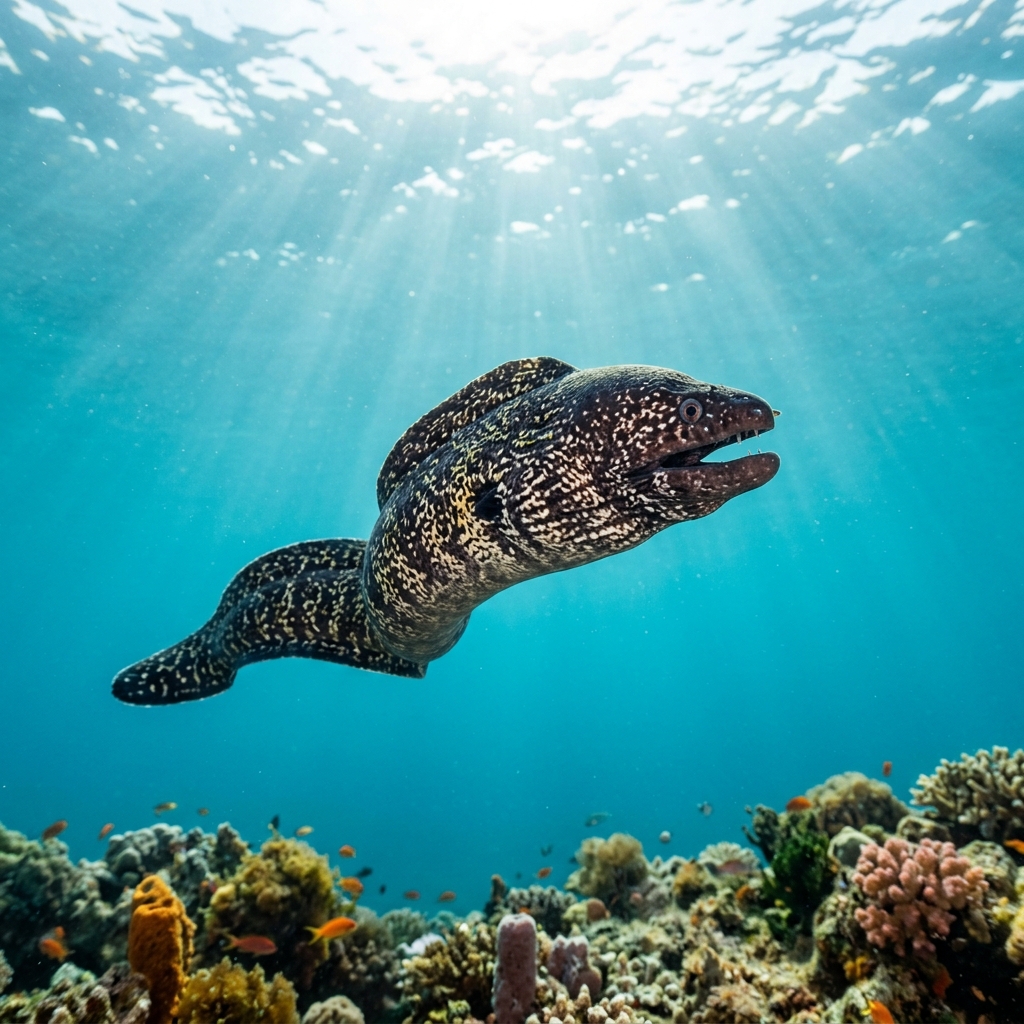
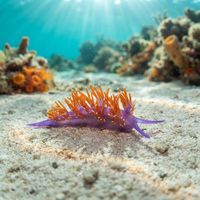
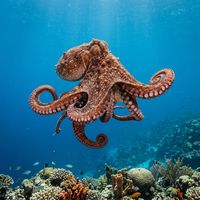
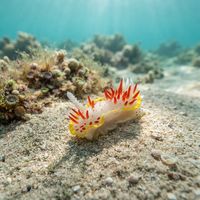
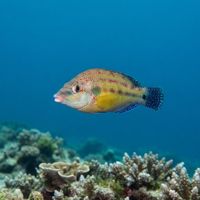
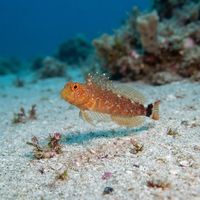
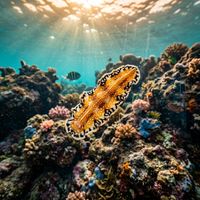
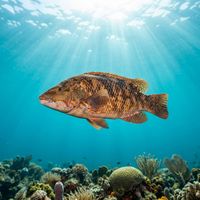
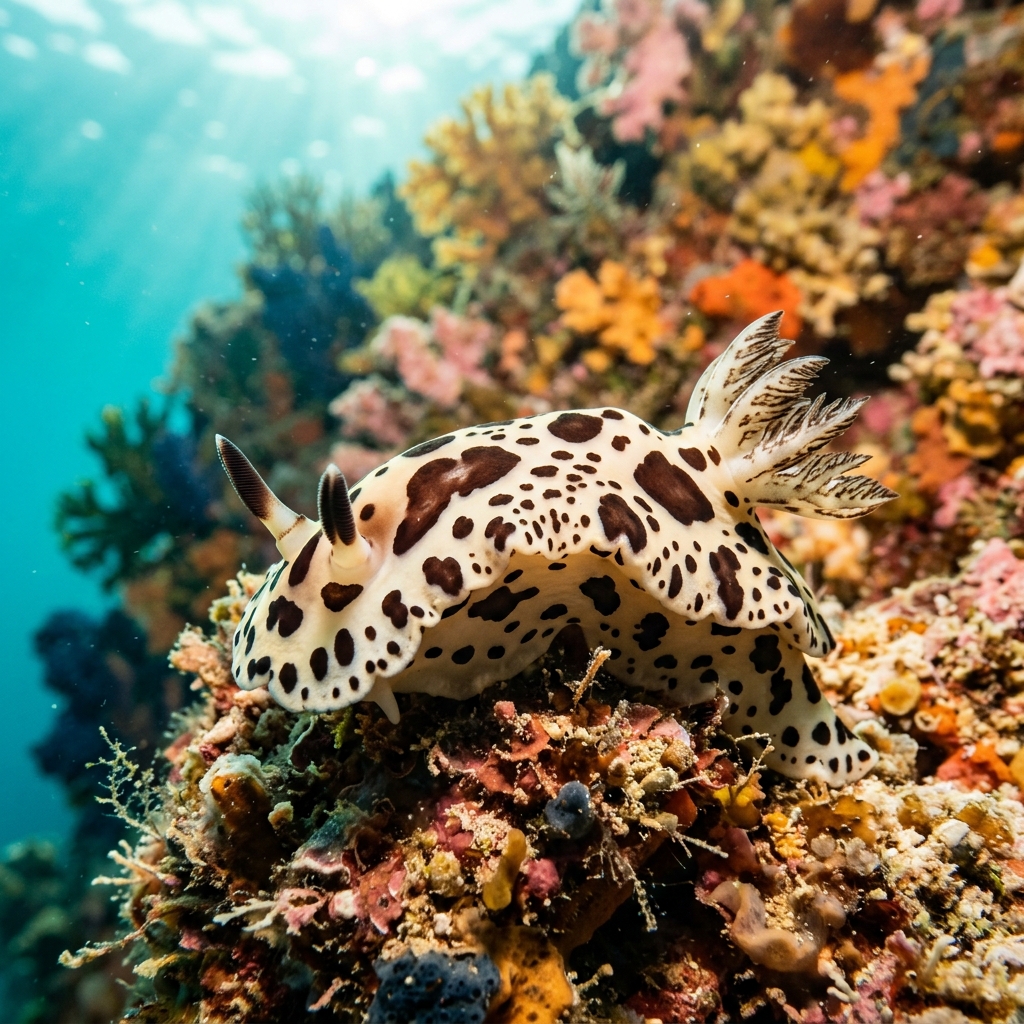
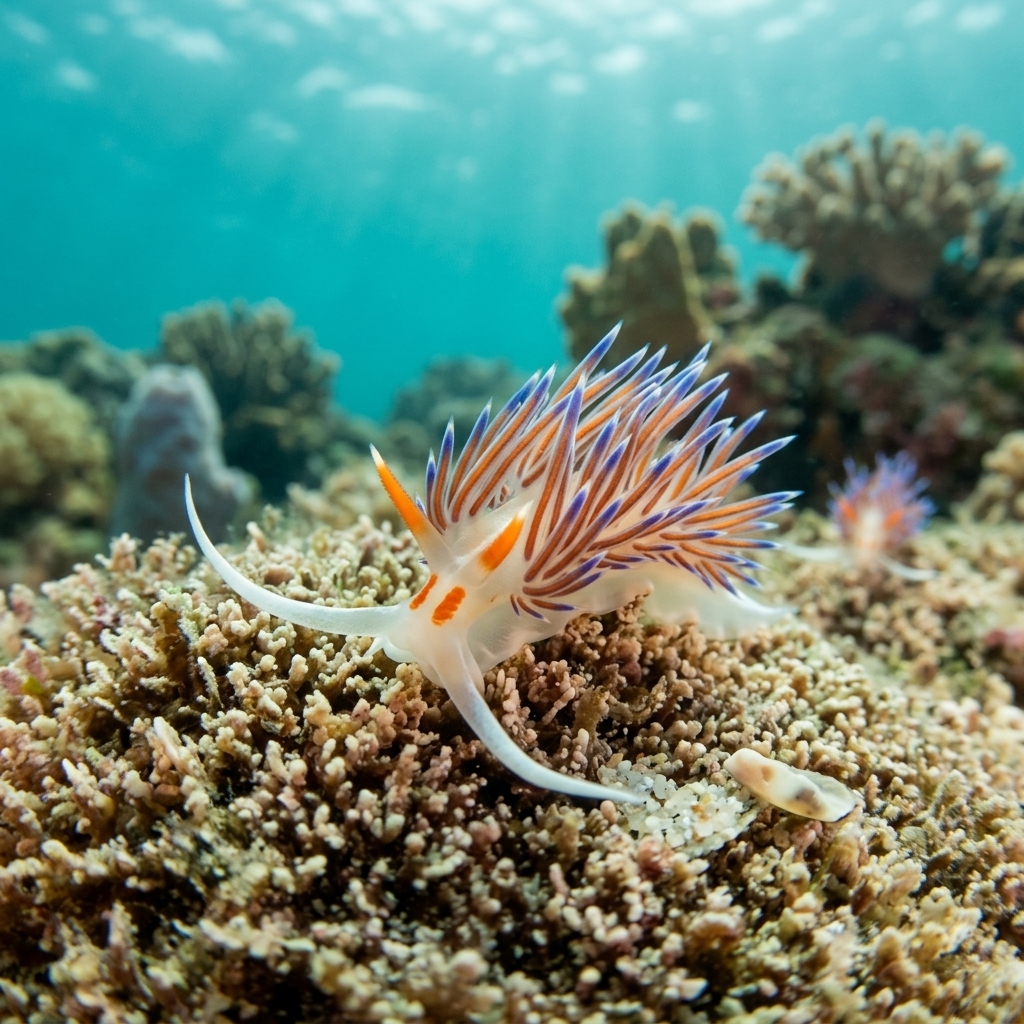
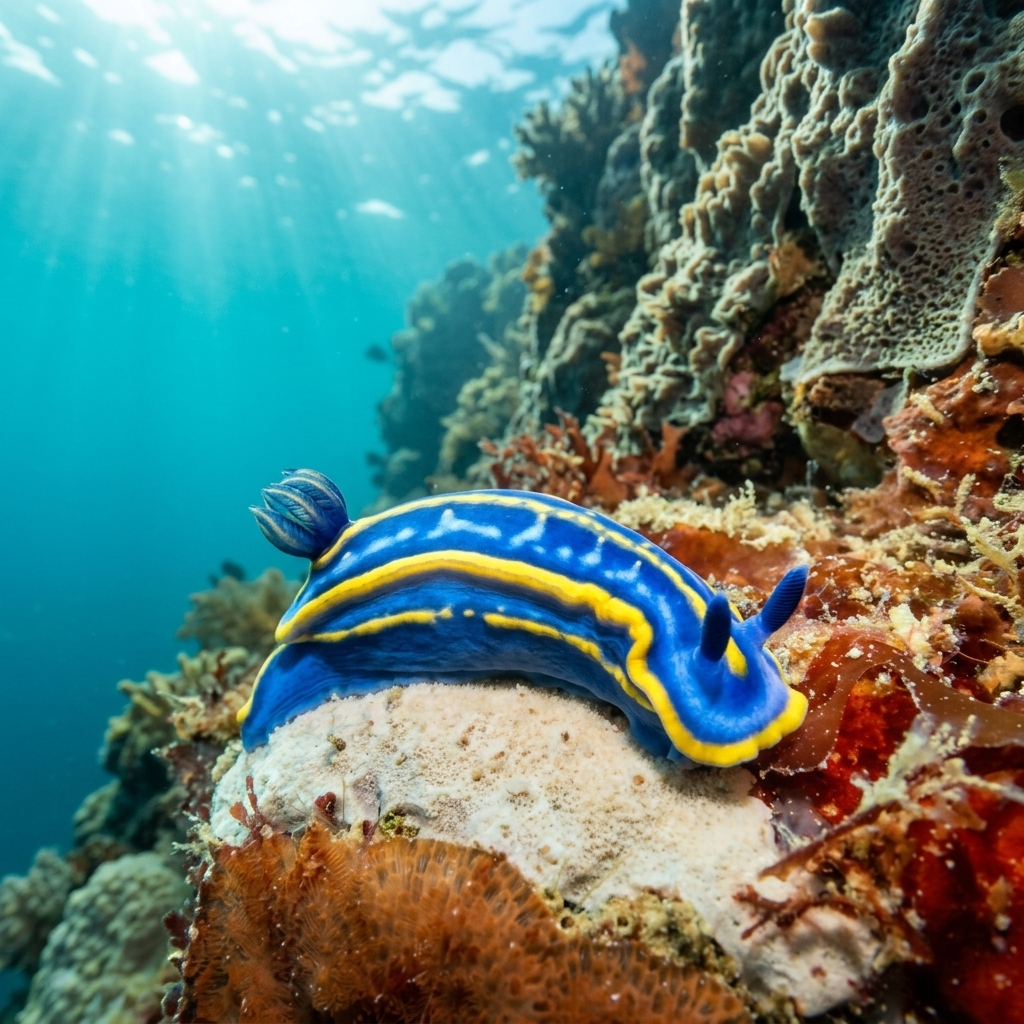
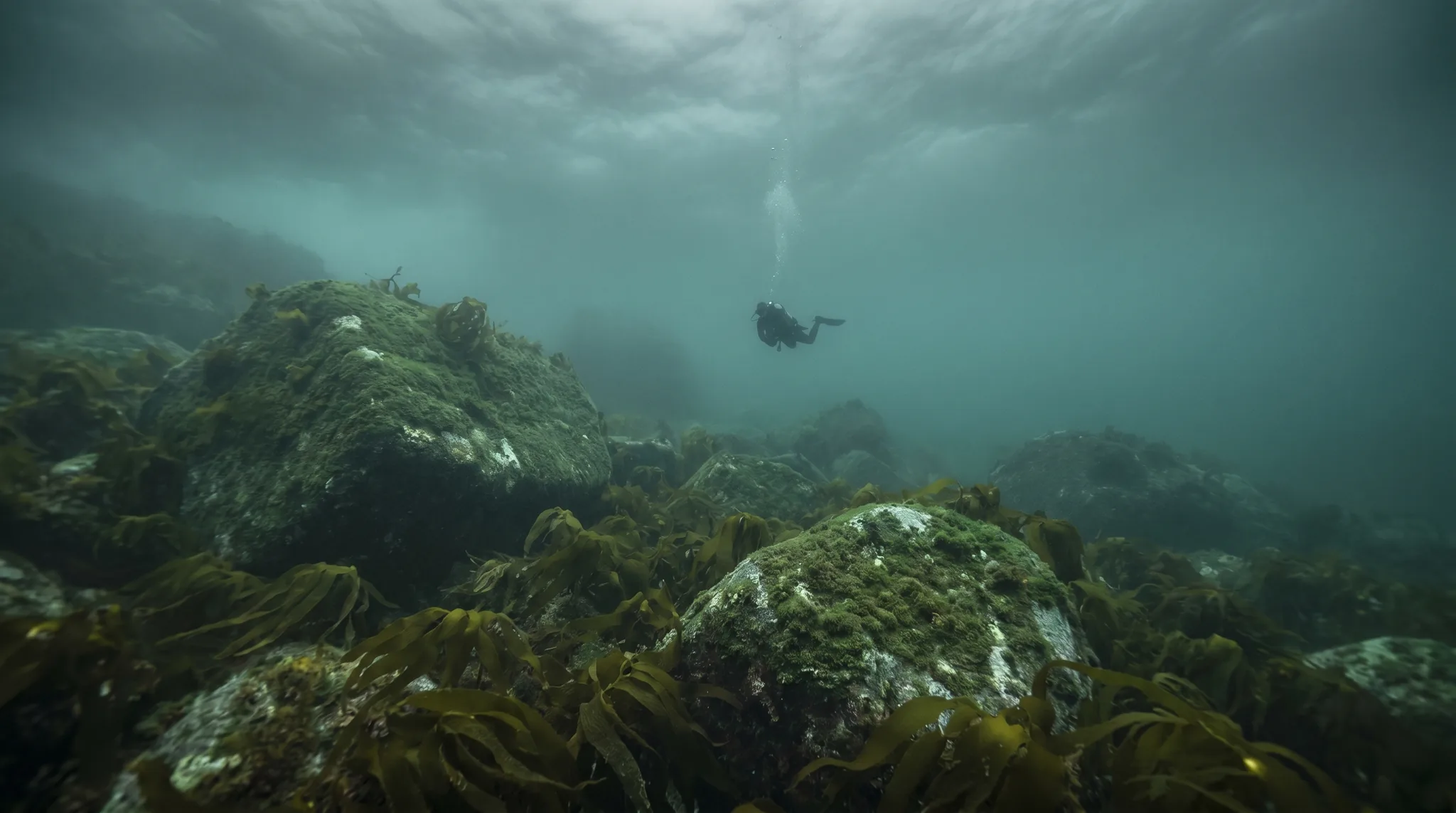
The archipelago is particularly rich in nudibranchs: Violet Sea Slug, Flabellina Ischitana, Cratena Slug, Tricolor Doris, and Diaphorodoris papillata are all observed across a wide range of sites. Mediterranean Moray and Common Octopus are very common reef residents. Wrasse species are prolific, including Peacock Wrasse, Mediterranean Rainbow Wrasse, Brown Wrasse, Axillary Wrasse, and Turkish Wrasse. Great Barracuda appears occasionally, and Red Scorpionfish and Small Red Scorpionfish are spotted regularly.
The archipelago caters to a wide range of skill levels. Beginner-rated sites include La Grotte Mystérieuse, Grotte de l'Arc en Ciel, Le Chaouen, and Les Pierres Tombées, which offer cave, reef, and wreck experiences at accessible depths. Intermediate divers have several cave and wall sites to explore, while advanced and technical divers can target deep wrecks such as Le Natal and Le Bananier, which require trimix certification.
Île Maïre holds the largest number of sites and features prominent wrecks like Le Chaouen alongside cave dives such as Veyron's Caves and Mejean. Île de Riou offers dramatic topography including walls, drift dives, and deep wrecks, with sites like Grotte de Boulegeade and Fora Simona for more experienced divers. Île Jarre is the home of several cave and cavern sites, including La Grotte Mystérieuse and La Grotte Sans Fond, many of which are suitable for beginners.
The majority of dive sites across the archipelago are boat-access only, which reflects the island nature of the area. A small number of sites, including Les Farillons and Grotte de l'Arc en Ciel, can be reached from shore or by boat. For snorkelling, Calanque du Cap Rousset offers direct shore entry. Many of the listed operators run regular boat departures to the islands.