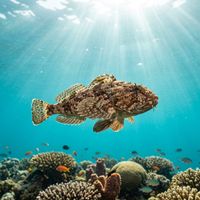
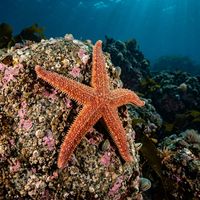
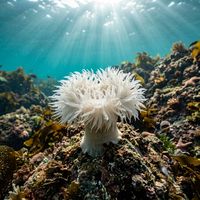
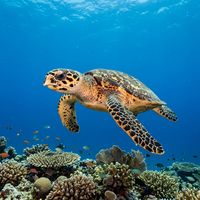
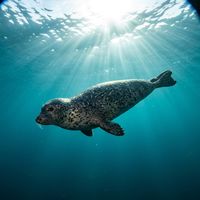
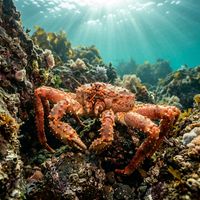
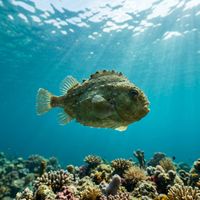
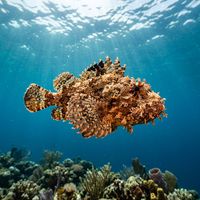
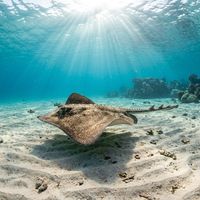
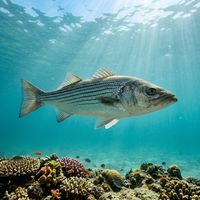
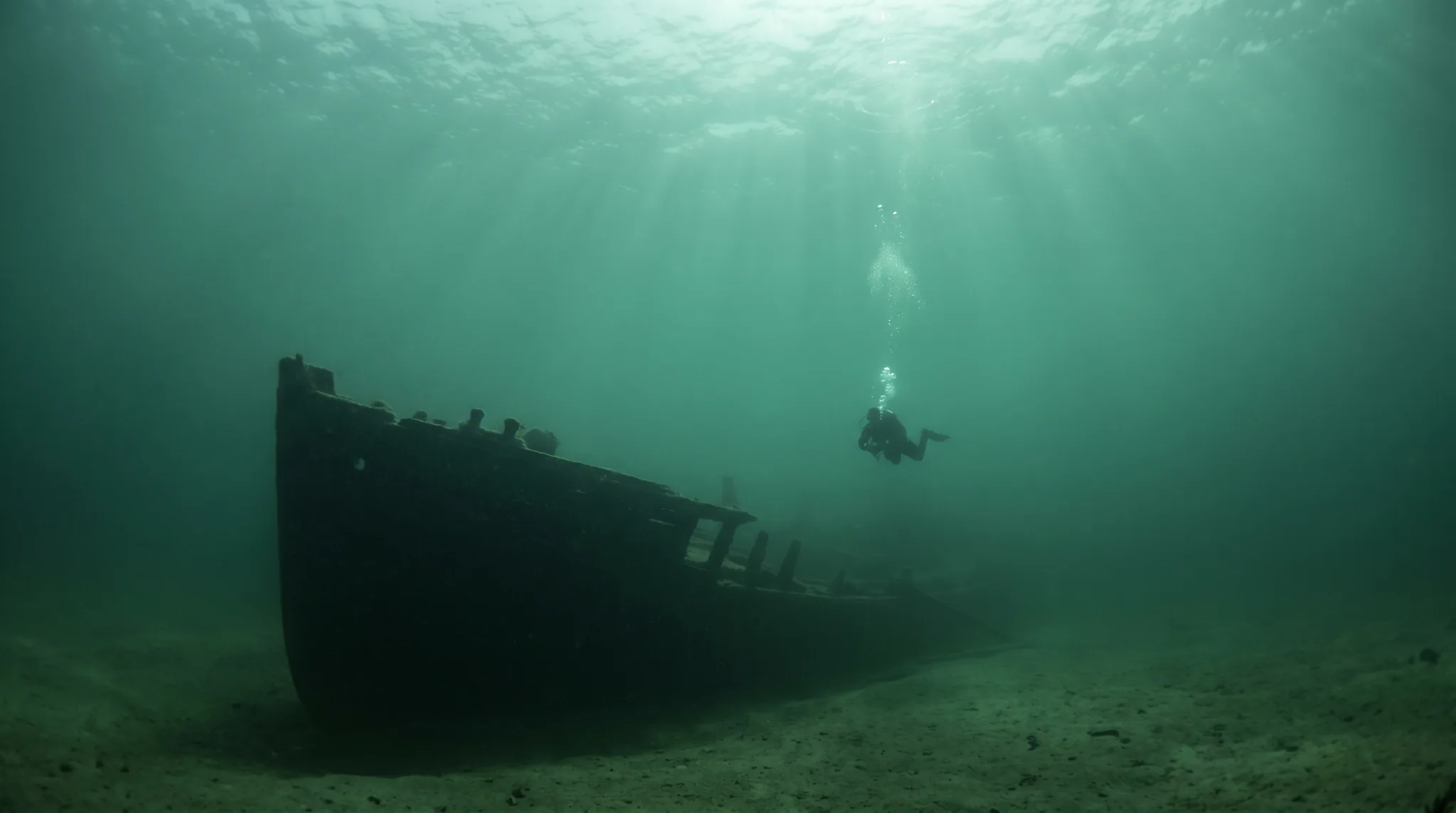
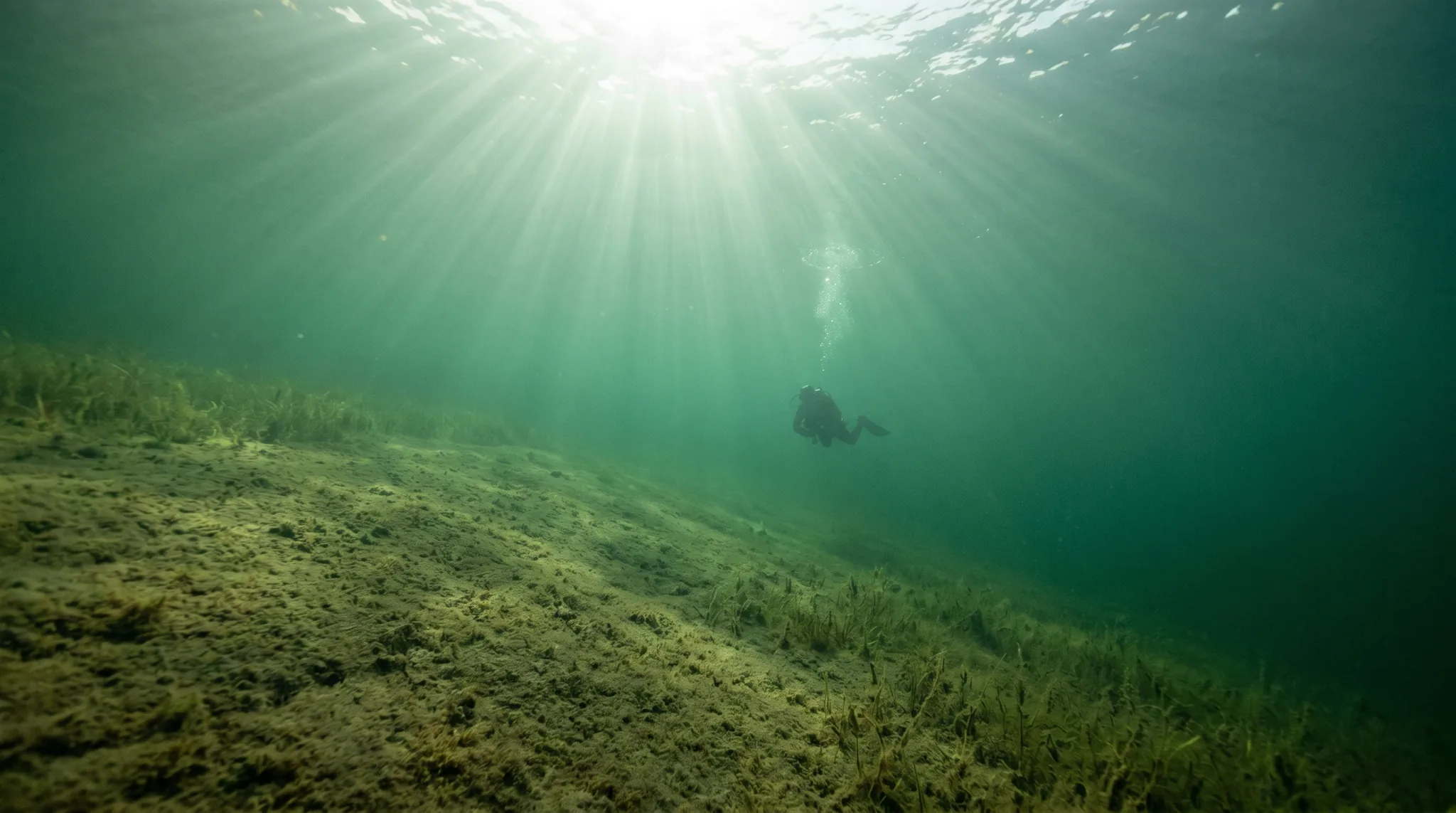
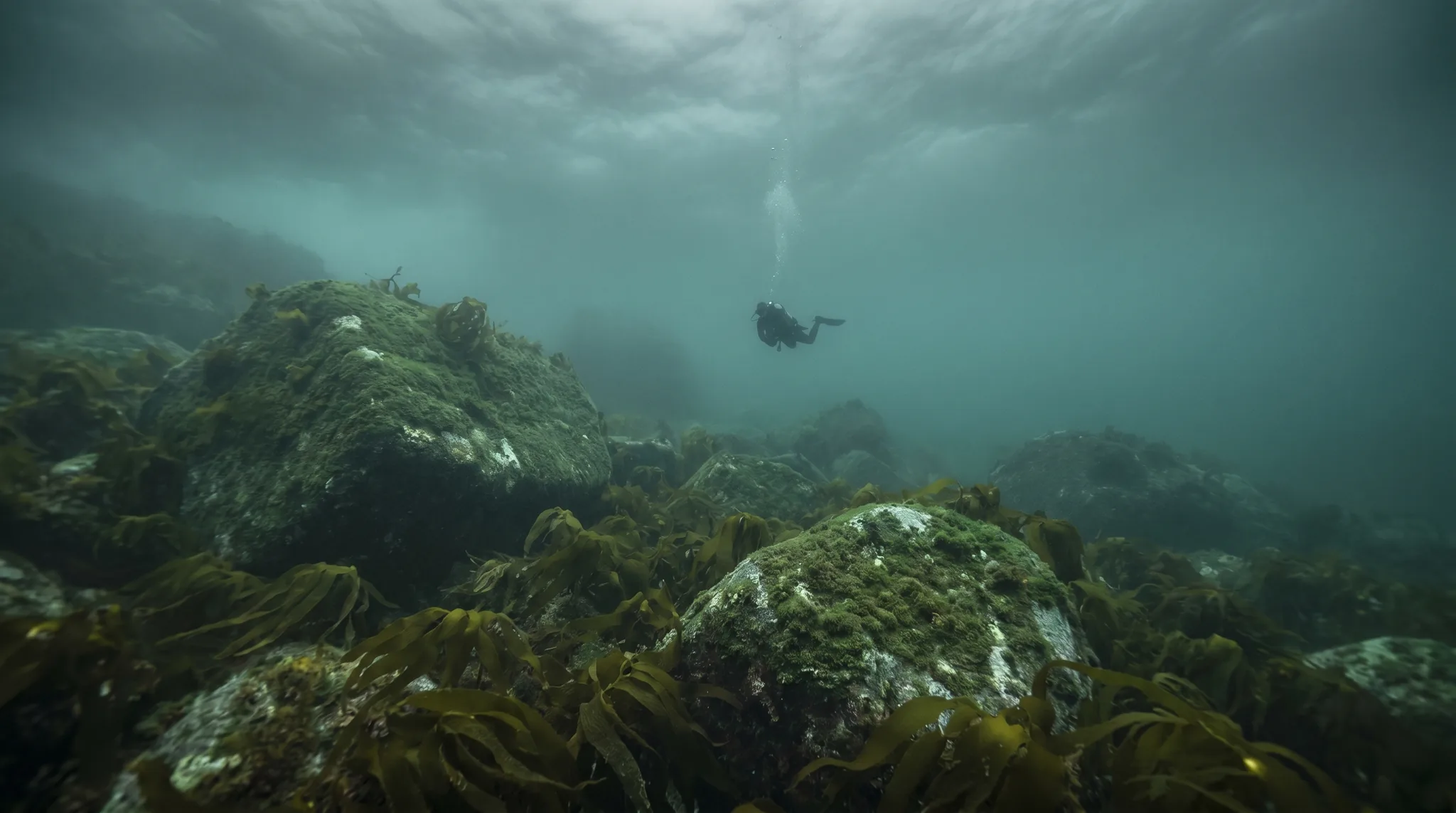
Côte-Nord encompasses saltwater and estuarine sites along the St. Lawrence River and Gulf of St. Lawrence, as well as freshwater river and lake sites on the Gaspé Peninsula. Water temperatures sit at or below freezing in winter and rise to around fifteen degrees Celsius at peak summer, making a drysuit or thick wetsuit necessary for all but the warmest months. Marine life includes plumose anemones, sculpin, lumpfish, feather stars, brittle stars, skate, and harbour seals. Sites range from shallow beginner snorkel reefs like Rocher Cap-Chat to advanced drift and drop-off dives. Conditions vary widely by site, with surf, cold water, and currents demanding experience at the more exposed locations. Divers in Quebec must hold a FQAS permit.
Monthly water temperature across Côte-Nord's sites, from satellite sea-surface data corrected for depth. The band shows the site-to-site spread.
Water temperatures are at or below freezing from January through April, rising gradually to around fifteen degrees in July and August before dropping again through autumn. Drysuits or thick wetsuits are appropriate for all months. Summer offers the widest range of accessible sites, though experienced divers visit year-round.
1 operator
Water temperature around Côte-Nord ranges from about -1°C in January to 15°C in July, based on satellite sea-temperature data for its dive sites.
In the warm season (about 15°C) a 7mm or semi-dry suit is comfortable in Côte-Nord; in the coldest months (about -1°C) step up to a drysuit.
Fin maps 9 sites in Côte-Nord (3 scuba diving sites and 6 snorkelling spots).
Across Côte-Nord's dive sites, June, July, August and September are most often reported as the best months to visit.
7 more sites to explore