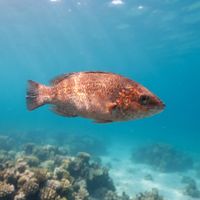
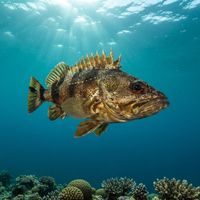
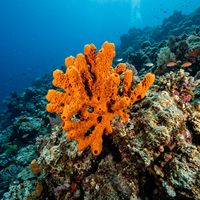
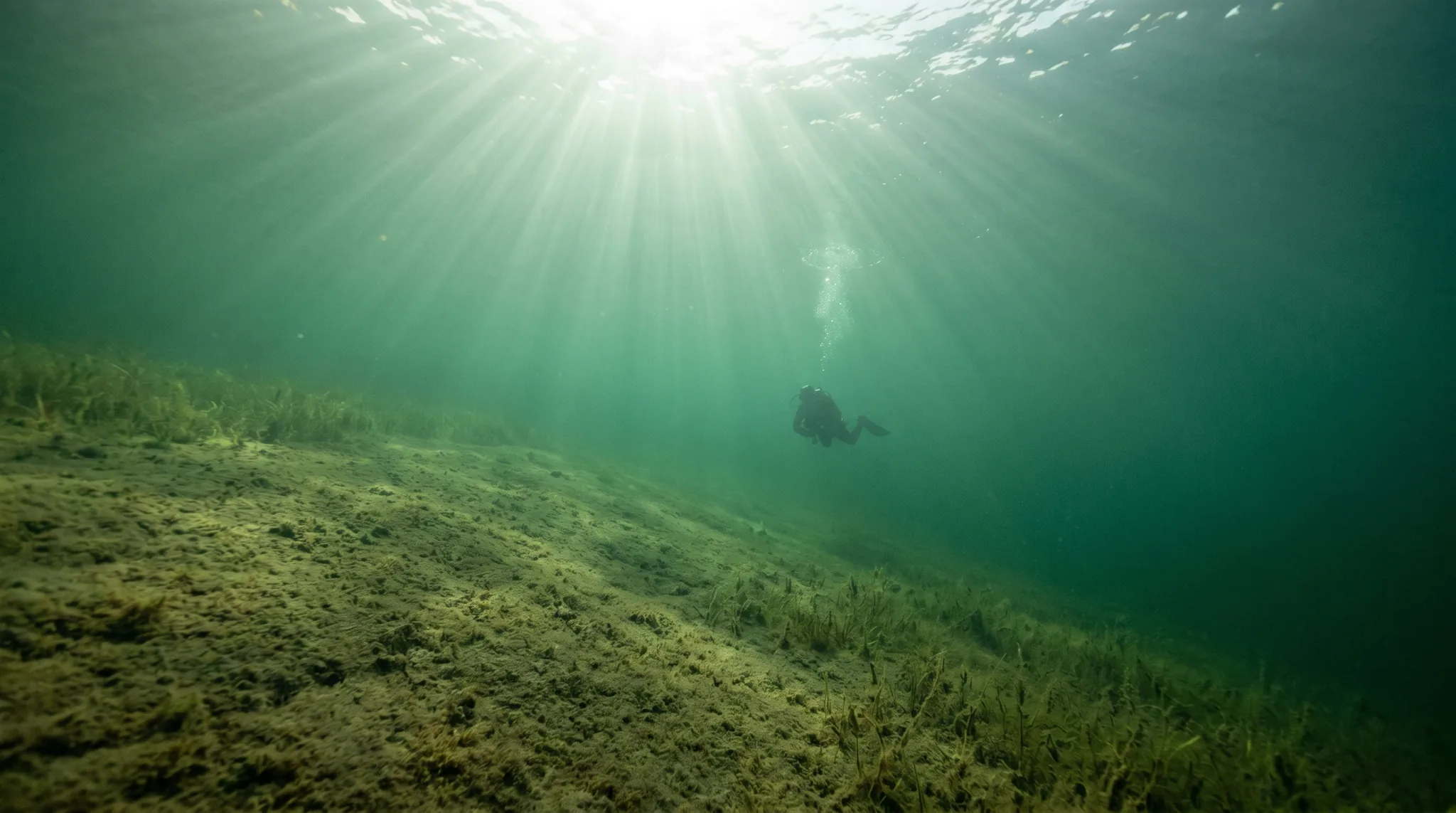
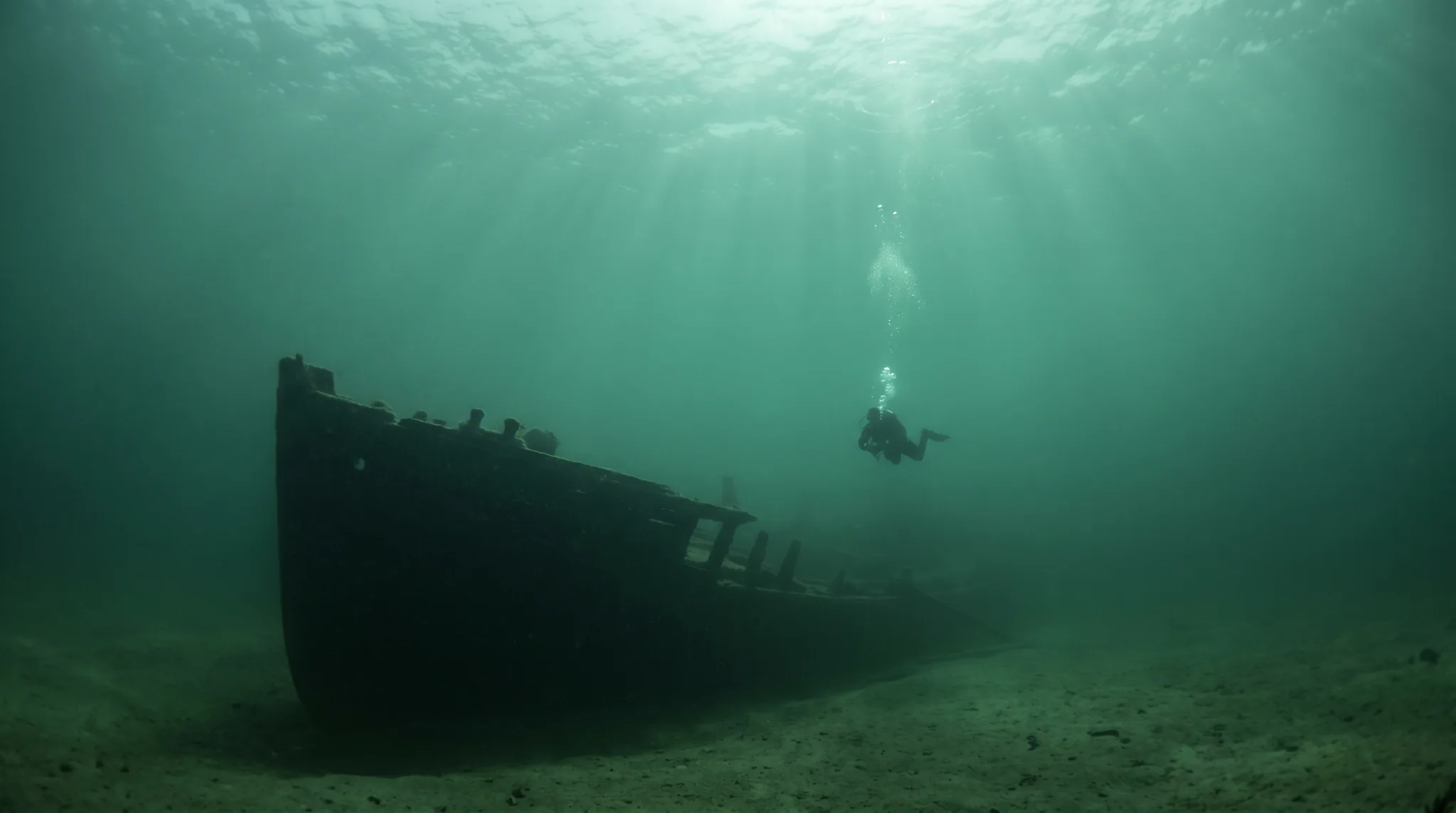
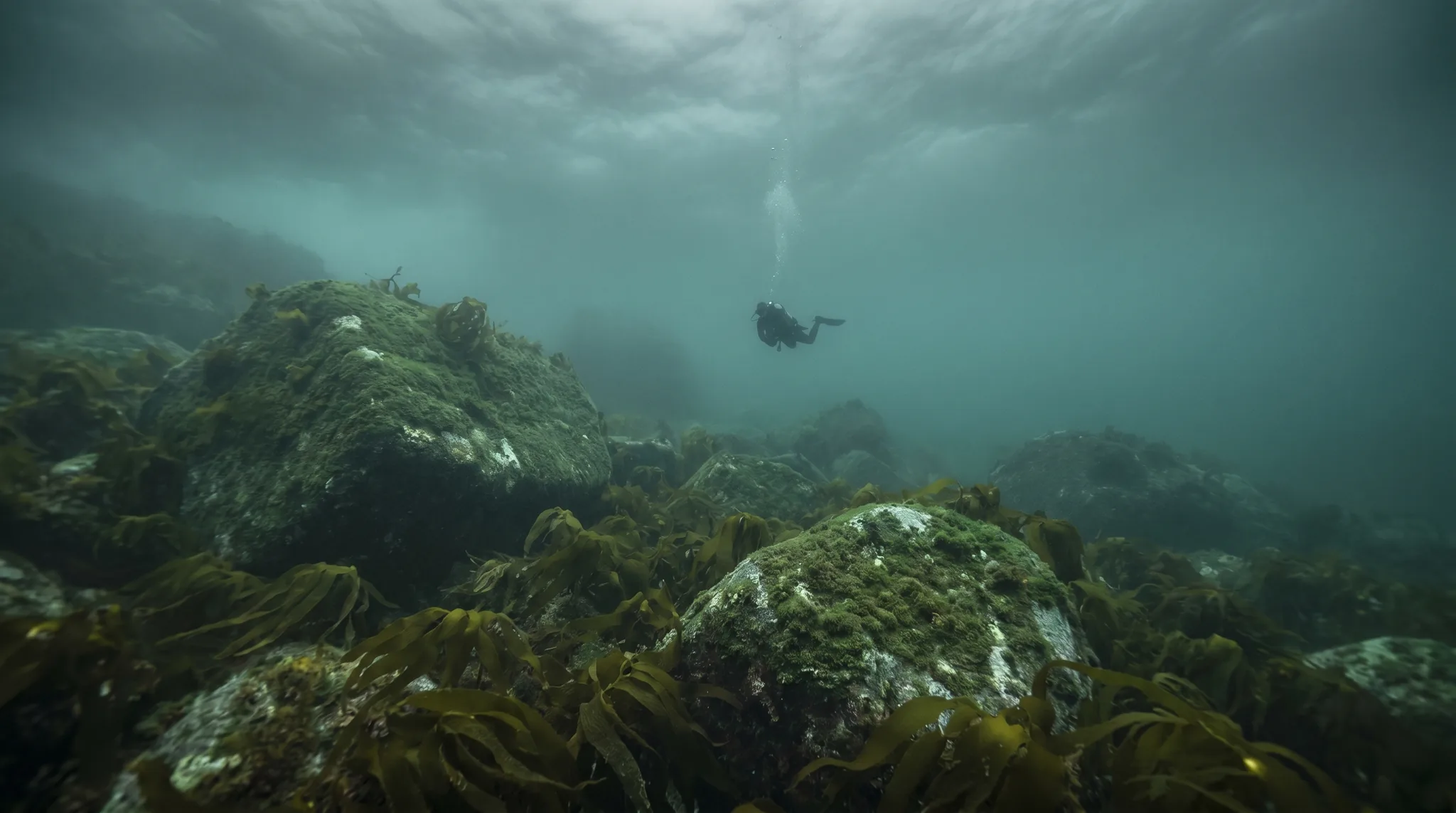
The Magdalen Islands split their underwater offering across two distinct sub-areas: Cap-aux-Meules and Entry Island. Dive sites feature reef and kelp forest environments, best explored from shore by intermediate divers. Snorkelling accounts for the larger share of sites. The marine life leans invertebrate-heavy, with Sea Raven and Feather Star observed consistently across sites, and Sponge common throughout. Water is cold for most of the year, warming noticeably from mid-summer into early autumn.
2 areas
Monthly water temperature across Magdalen Islands's sites, from satellite sea-surface data corrected for depth. The band shows the site-to-site spread.
Water temperatures sit near freezing through winter and only begin to climb meaningfully from late spring. The warmest conditions arrive in July and August, making summer the practical window for comfortable diving. Autumn brings a gradual cool-down, though September can still offer reasonable conditions for those prepared for cold water.
2 operators
39 more sites to explore
Water temperature around Magdalen Islands ranges from about -1°C in February to 18°C in August, based on satellite sea-temperature data for its dive sites.
In the warm season (about 18°C) a 5mm suit is comfortable in Magdalen Islands; in the coldest months (about -1°C) step up to a drysuit.
Fin maps 40 sites in Magdalen Islands (14 scuba diving sites and 26 snorkelling spots), organised into 2 areas.
Across Magdalen Islands's dive sites, June, July, August and September are most often reported as the best months to visit.
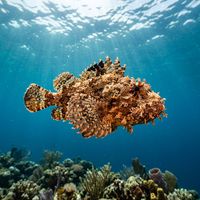
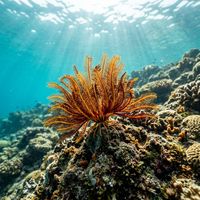
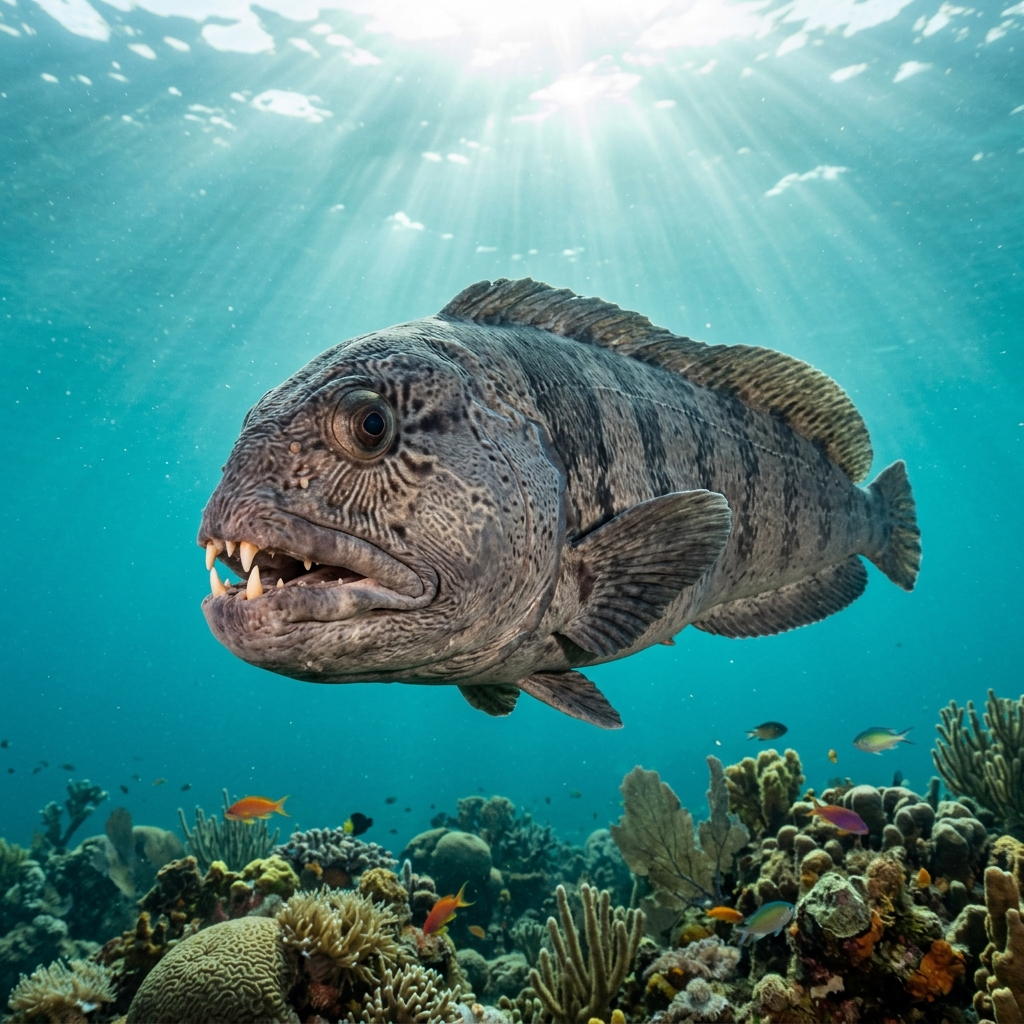
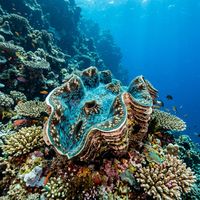
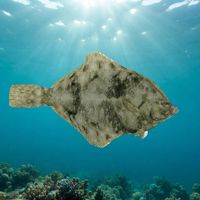
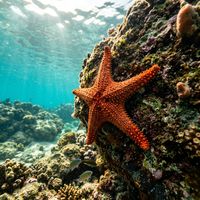
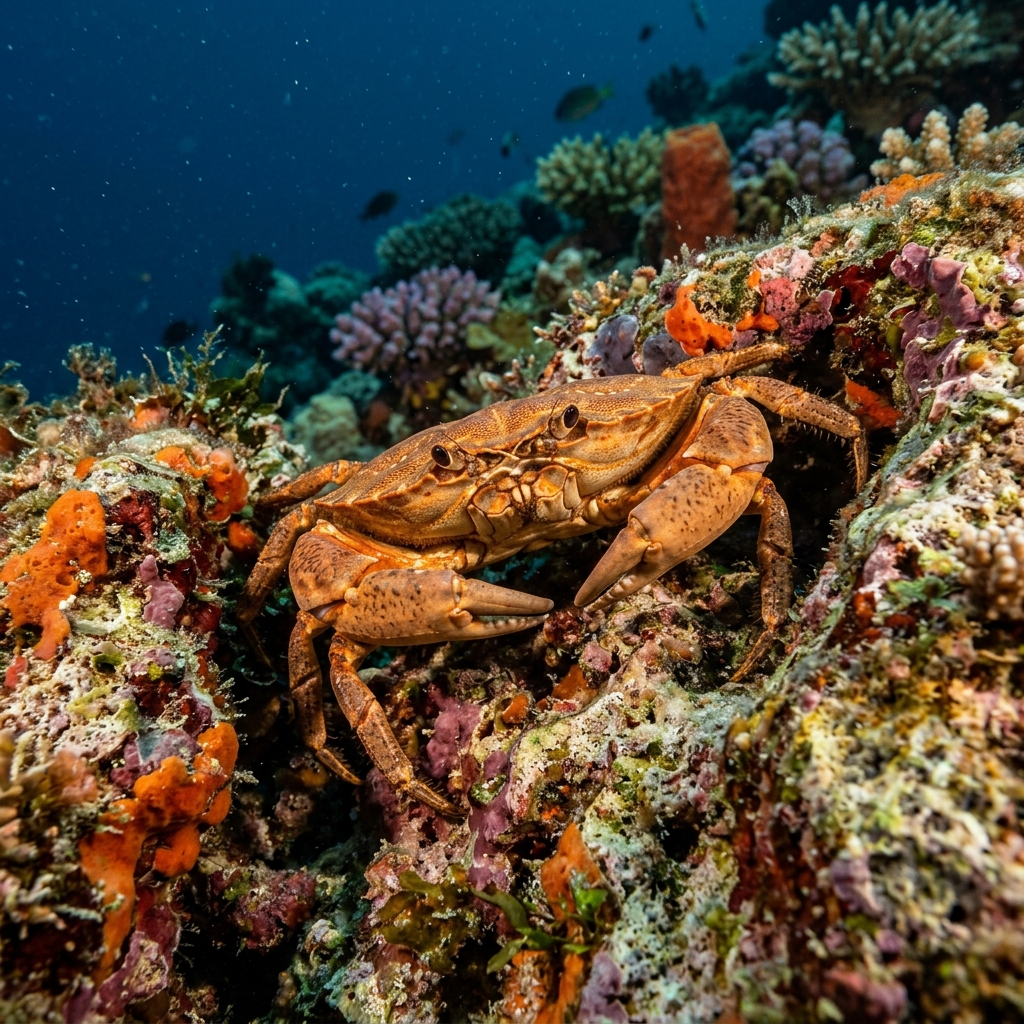
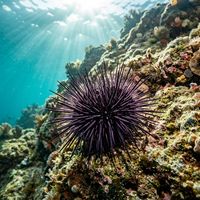
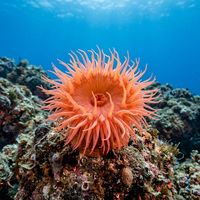
The most consistently observed species are Sea Raven and Feather Star, both recorded across the full range of dive sites. Sponge is common throughout. Less frequent but observation-backed species include Atlantic Wolffish, Sea Anemone, Sea Star, Crab, Sea Urchin, and Sea Cucumber. Humpback Whale and Giant Clam have been observed at a smaller number of sites.
The dive sites listed for the Magdalen Islands are rated at intermediate skill level, so complete beginners may find them challenging. Cold water temperatures for much of the year add to the demands on divers. Snorkelling sites are more numerous and accessible, making them a better starting point for less experienced visitors.
Cap-aux-Meules holds the larger share of sites, while Entry Island offers a smaller, more concentrated selection. Both sub-areas contribute to the overall mix of reef and kelp forest environments that defines diving in the Magdalen Islands. Shore entry is available, as seen at Neils Harbour, which spans a wide depth range from very shallow to quite deep.
Yes, shore entry is documented at sites in the Magdalen Islands, with Neils Harbour being a named example. This removes the need for a boat for at least some dives, though visitors should check local conditions before entering, as exposed coasts can be affected by swell and current.