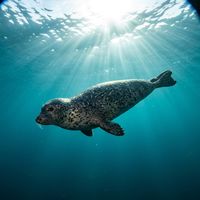
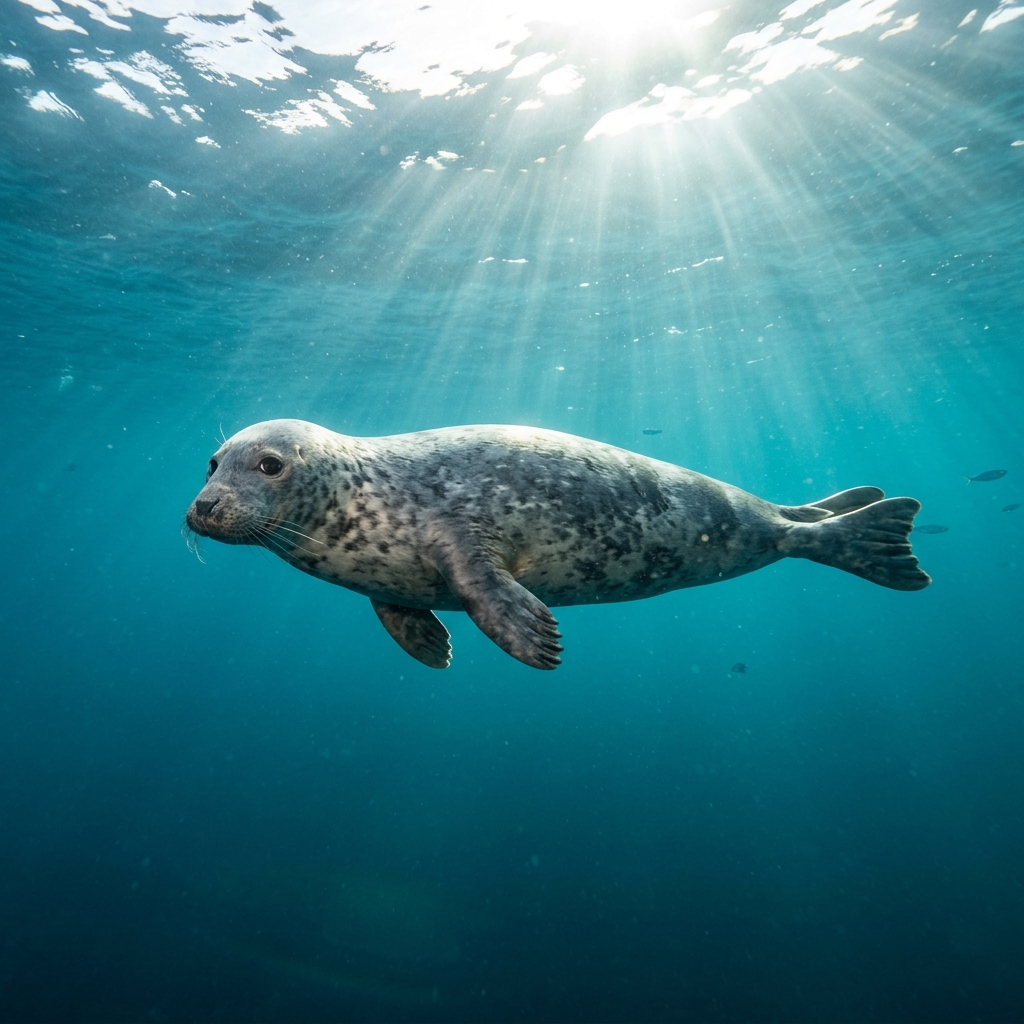
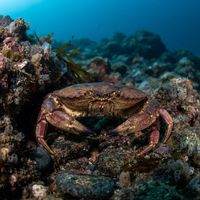
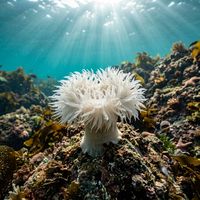
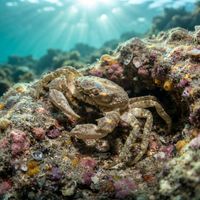
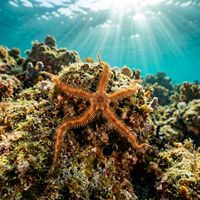
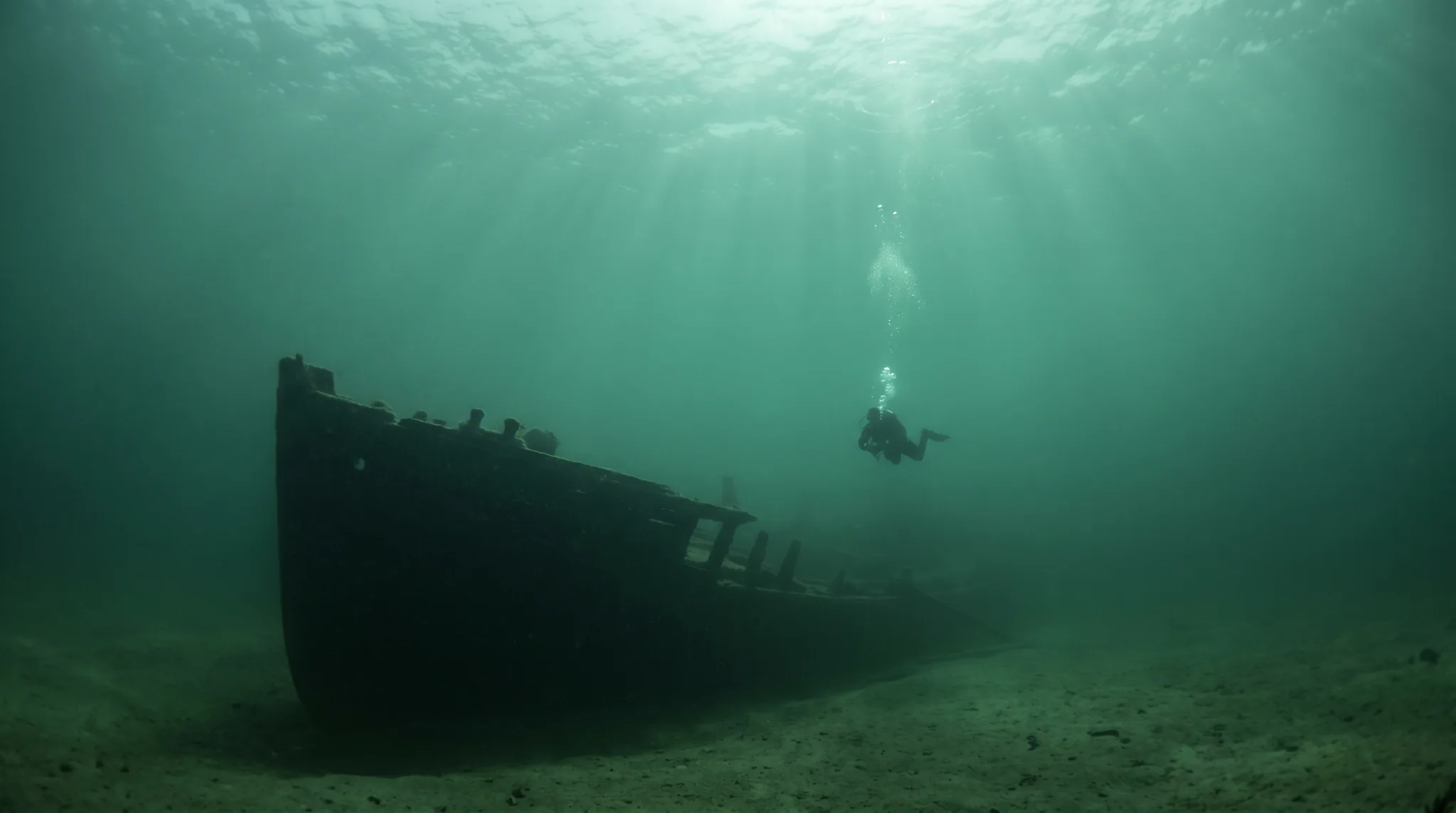
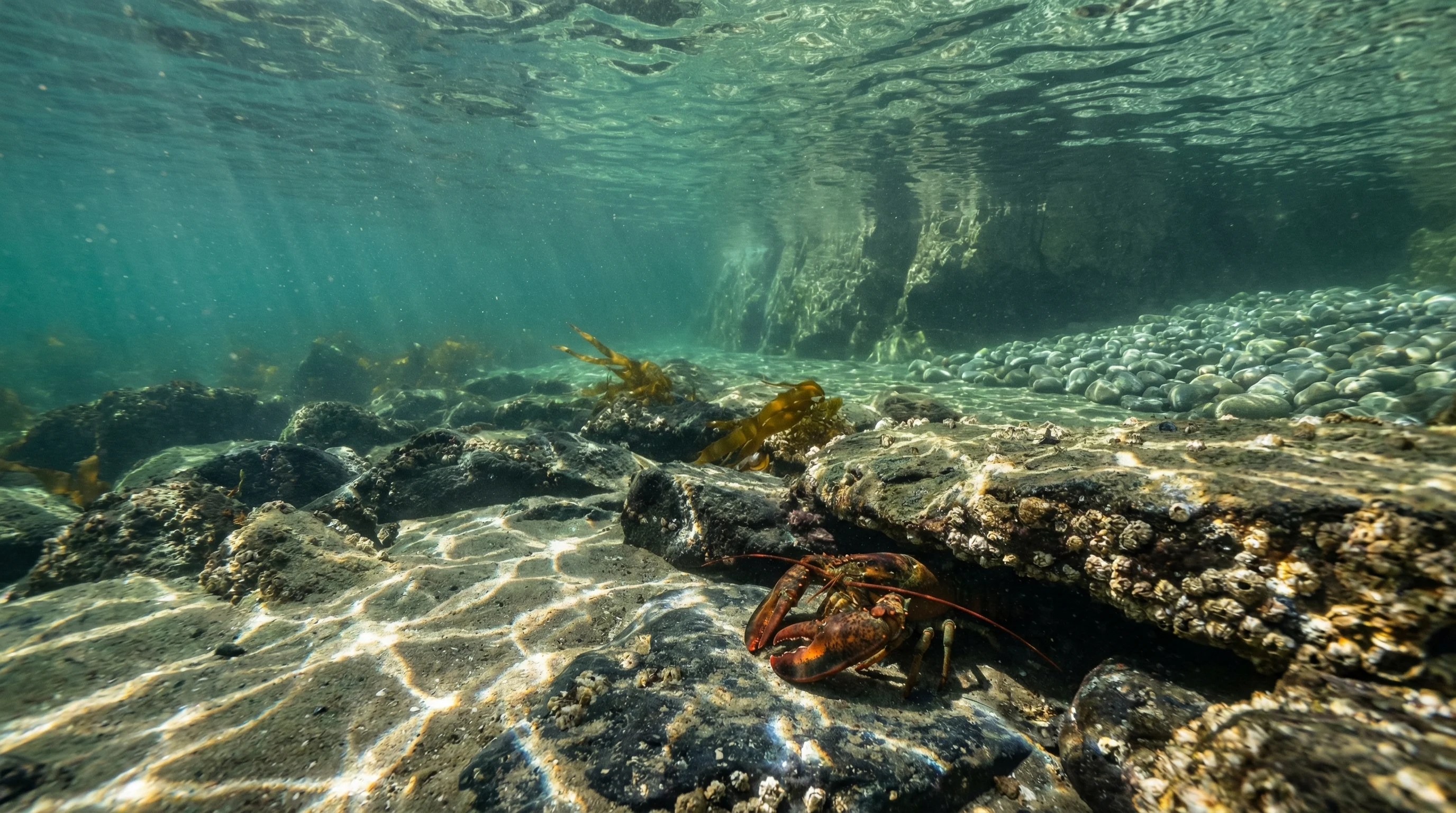
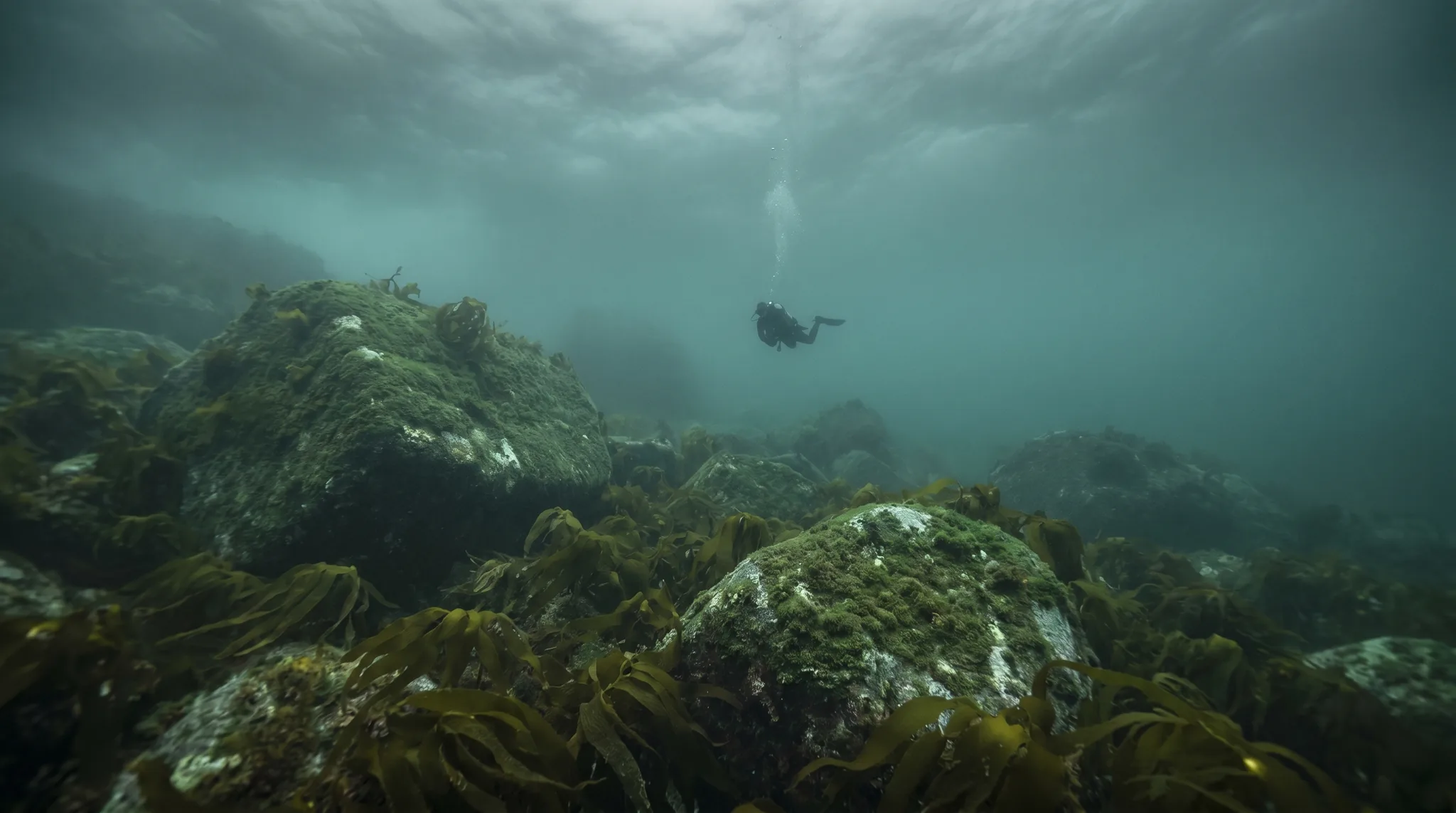
The Gaspé Peninsula divides into two distinct sub-areas: Forillon National Park, with shore-accessible kelp forests and reef systems, and Percé, where boat-access reefs and a wreck combination draw divers offshore. Cold water defines the experience year-round, and the signature wildlife reflects it: Harbor Seal and Gray Seal are observed across nearly every site. Common Lobster, Rock Crab, Brittle Star, and Dead Man's Fingers fill the reefs, while whale encounters add an unpredictable highlight to summer dives.
2 areas
Monthly water temperature across Gaspé Peninsula's sites, from satellite sea-surface data corrected for depth. The band shows the site-to-site spread.
Water temperatures climb from near-freezing in winter to their warmest in July and August, making summer the most comfortable window for extended dives. Spring and autumn remain cold but are still dived by those properly equipped. Exposure and currents at some sites, particularly around Percé, require attention regardless of season.
5 operators
25 more sites to explore
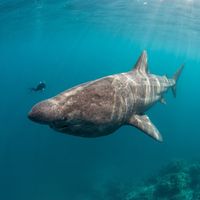
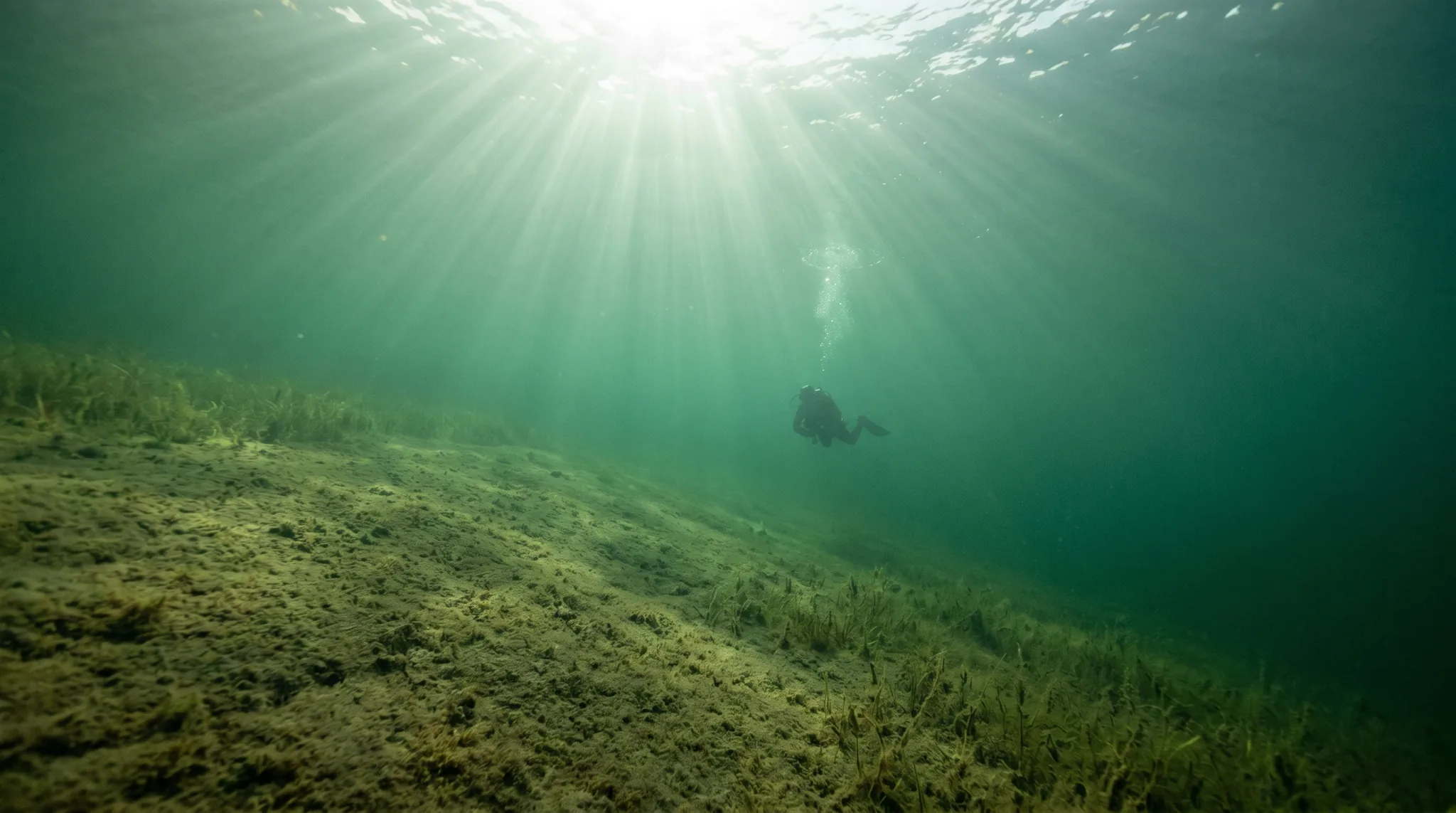
Cold-water reefs and kelp forests where Harbor Seal, Gray Seal, and Basking Shark are regularly spotted on the Gaspé Peninsula.
Water temperature around Gaspé Peninsula ranges from about -1°C in February to 16°C in August, based on satellite sea-temperature data for its dive sites.
In the warm season (about 16°C) a 7mm or semi-dry suit is comfortable in Gaspé Peninsula; in the coldest months (about -1°C) step up to a drysuit.
Fin maps 31 sites in Gaspé Peninsula (22 scuba diving sites and 14 snorkelling spots, with some suited to both), organised into 2 areas.
Across Gaspé Peninsula's dive sites, June, July, August and September are most often reported as the best months to visit.
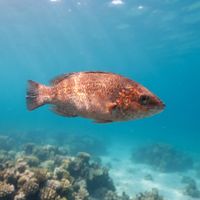
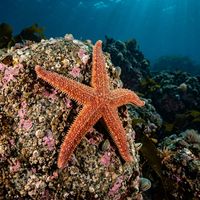
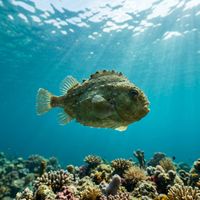
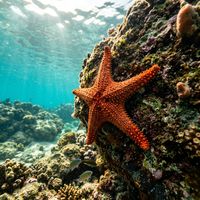
Harbor Seal and Gray Seal are observed across the region and are the species you are most likely to encounter. Common Lobster, Rock Crab, and Wrasses are consistently present on the reefs, while Brittle Star, Common Sea Star, and Dead Man's Fingers colonise the rocky structures. Whale sightings, including Humpback Whale, Blue Whale, and Fin Whale, have been recorded, though these are far less predictable.
Several sites are rated for beginners, including Roche Carree, Unisol, and Grande Grave, so new divers are not excluded. That said, cold water and currents at some locations mean a degree of preparation and appropriate thermal protection are essential. Intermediate-rated sites such as Forillon National Park and Grande Ile suit those with more cold-water experience.
Forillon National Park sites are largely shore-accessible, with kelp forest and reef environments at relatively shallow depths. Percé sites require boat access and include a reef and wreck combination at Roche Carree, as well as natural and artificial reef structures at Guian. The two sub-areas complement each other well for a multi-day trip.
Plongée Forillon is the operator listed for the region. For boat-access sites in both Forillon and Percé, arranging trips through a local operator is the practical route, particularly for sites several hundred metres or more offshore.