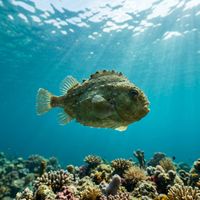
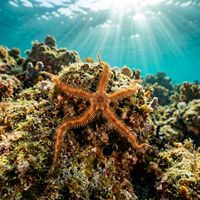
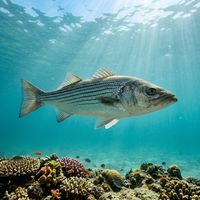
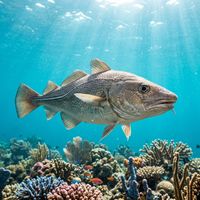
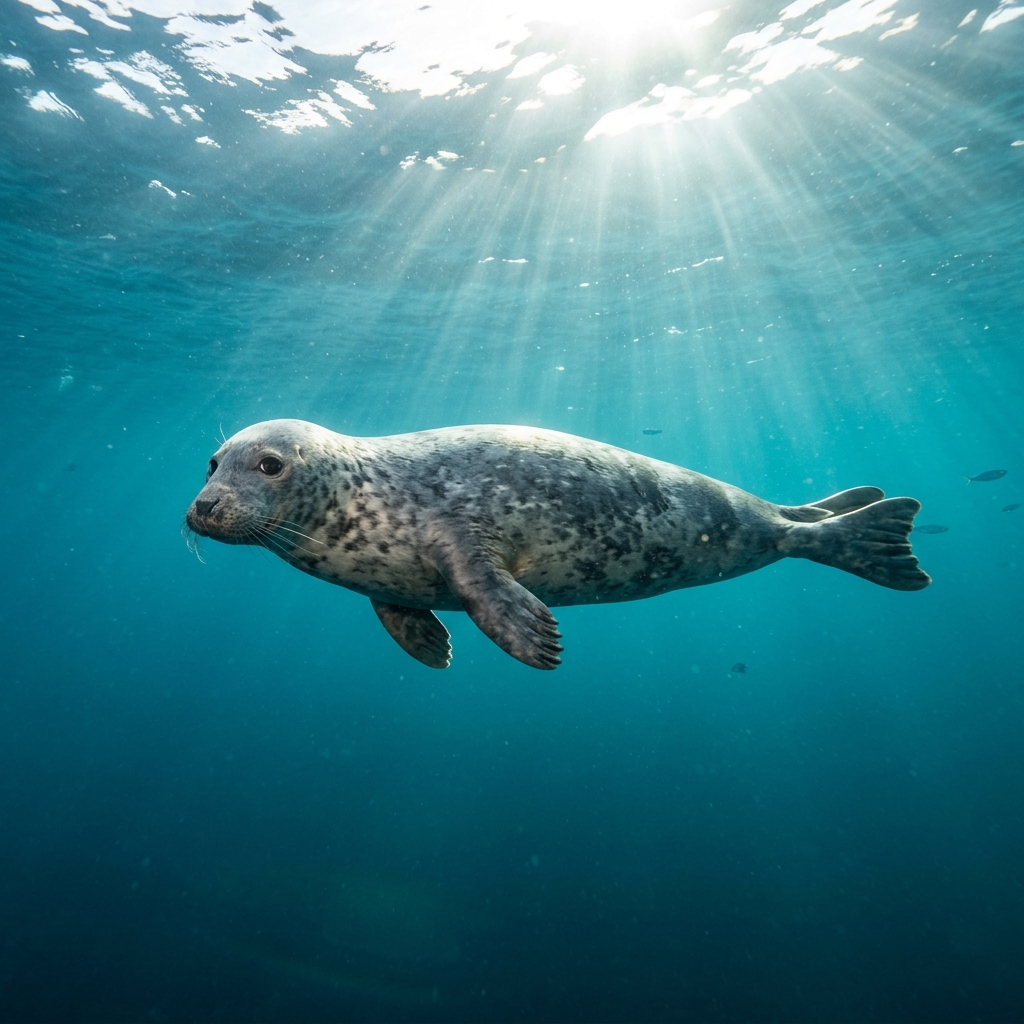
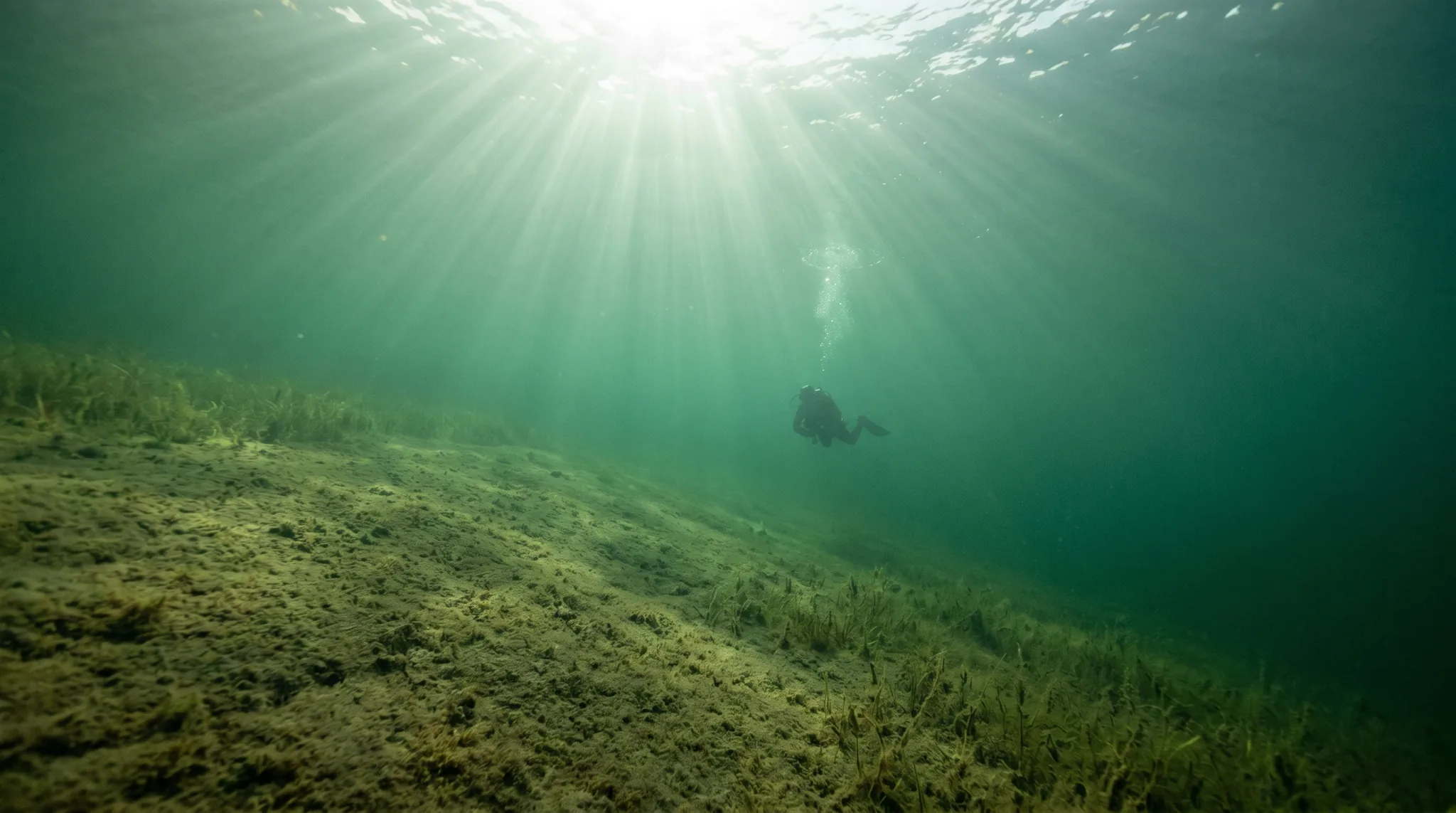
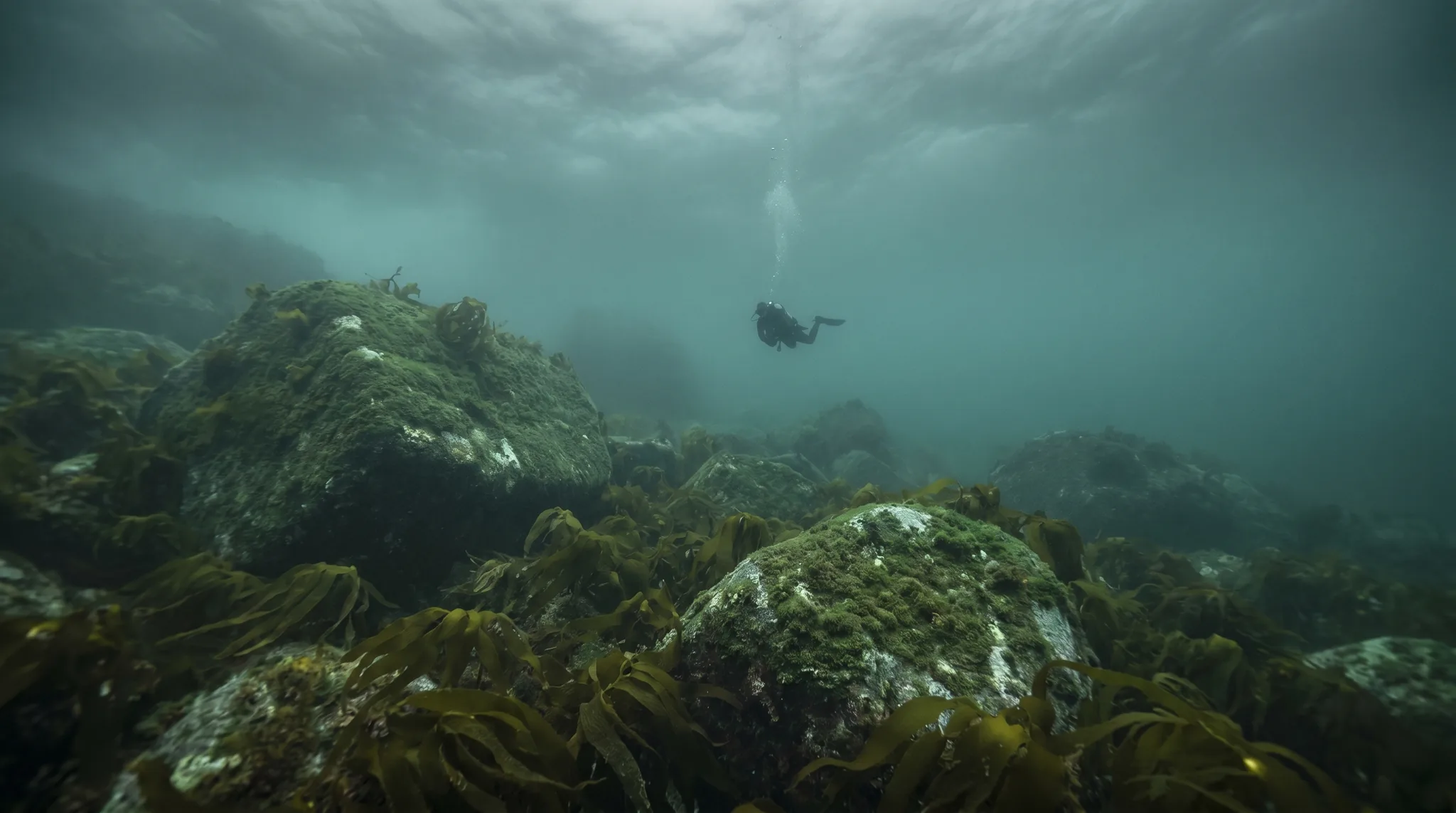
The St. Lawrence Estuary offers cold-water diving and snorkelling across three distinct sub-areas: Bas-Saint-Laurent, Les Escoumins & Bergeronnes, and Charlevoix. Sites range from shallow shore-entry reefs and beginner-friendly wrecks to drift dives with drop-offs. The water runs cold year-round, rewarding those who dress for it with encounters that include Lumpfish, Brittle Star, Cod, Righteye Flounder, and the occasional Harbor Seal. Currents and tidal movement shape most dives, making site selection and timing central to planning.
3 areas
Monthly water temperature across St. Lawrence Estuary's sites, from satellite sea-surface data corrected for depth. The band shows the site-to-site spread.
Water temperatures rise from near freezing in winter to their warmest in July and August, making late spring through autumn the practical diving window. Tidal currents are a defining feature at many sites, particularly at drift and drop-off sites such as Crique Ouest, so divers should plan entries around the tidal cycle. Dry suits are appropriate for most of the season given the consistently cold conditions.
24 operators

Riviere-du-Loup, Canada
67 more sites to explore
Cold-water estuary diving with wrecks, reef life and Harbor Seal encounters along the St. Lawrence.
Water temperature around St. Lawrence Estuary ranges from about 0°C in January to 11°C in July, based on satellite sea-temperature data for its dive sites.
With water around 0–11°C, a drysuit works in St. Lawrence Estuary year-round.
Fin maps 73 sites in St. Lawrence Estuary (31 scuba diving sites and 48 snorkelling spots, with some suited to both), organised into 3 areas.
Across St. Lawrence Estuary's dive sites, June, July, August, September and October are most often reported as the best months to visit.
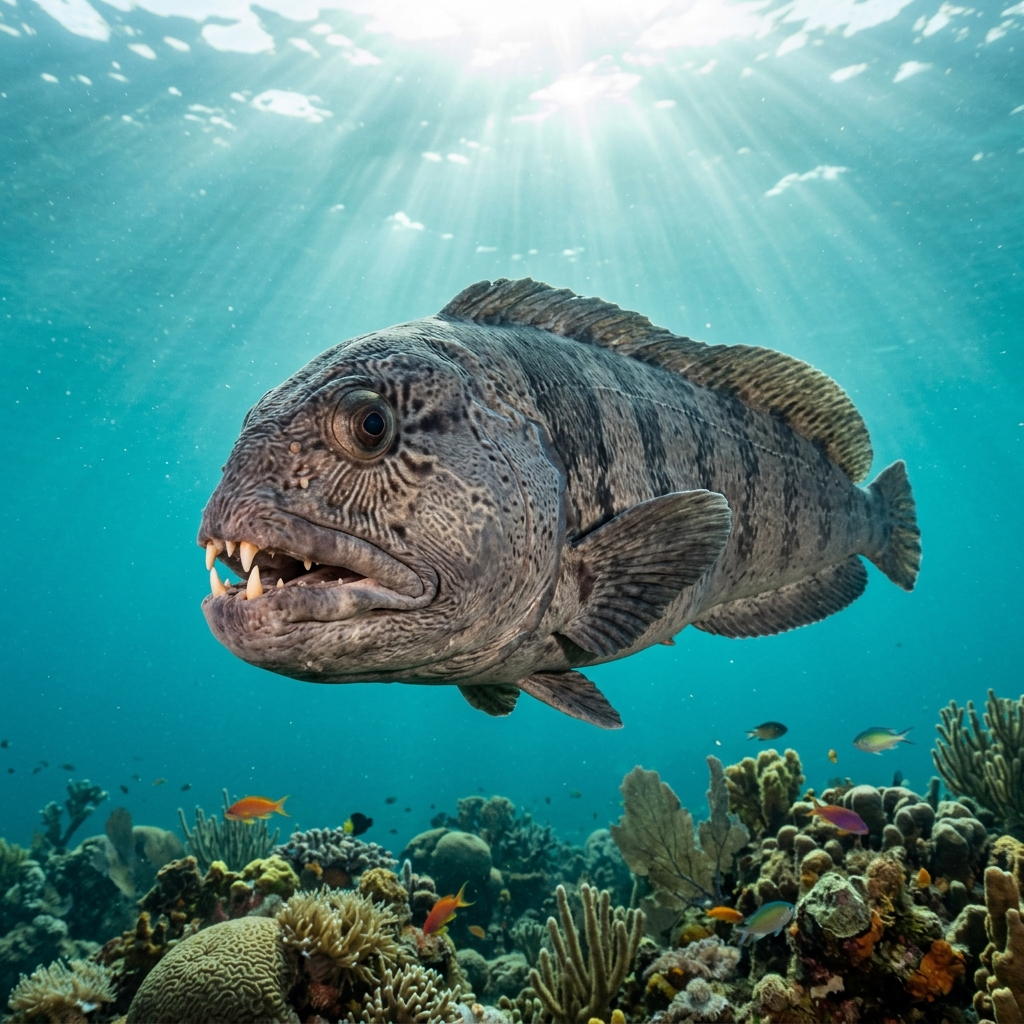
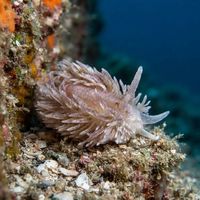
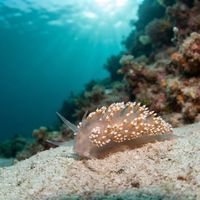
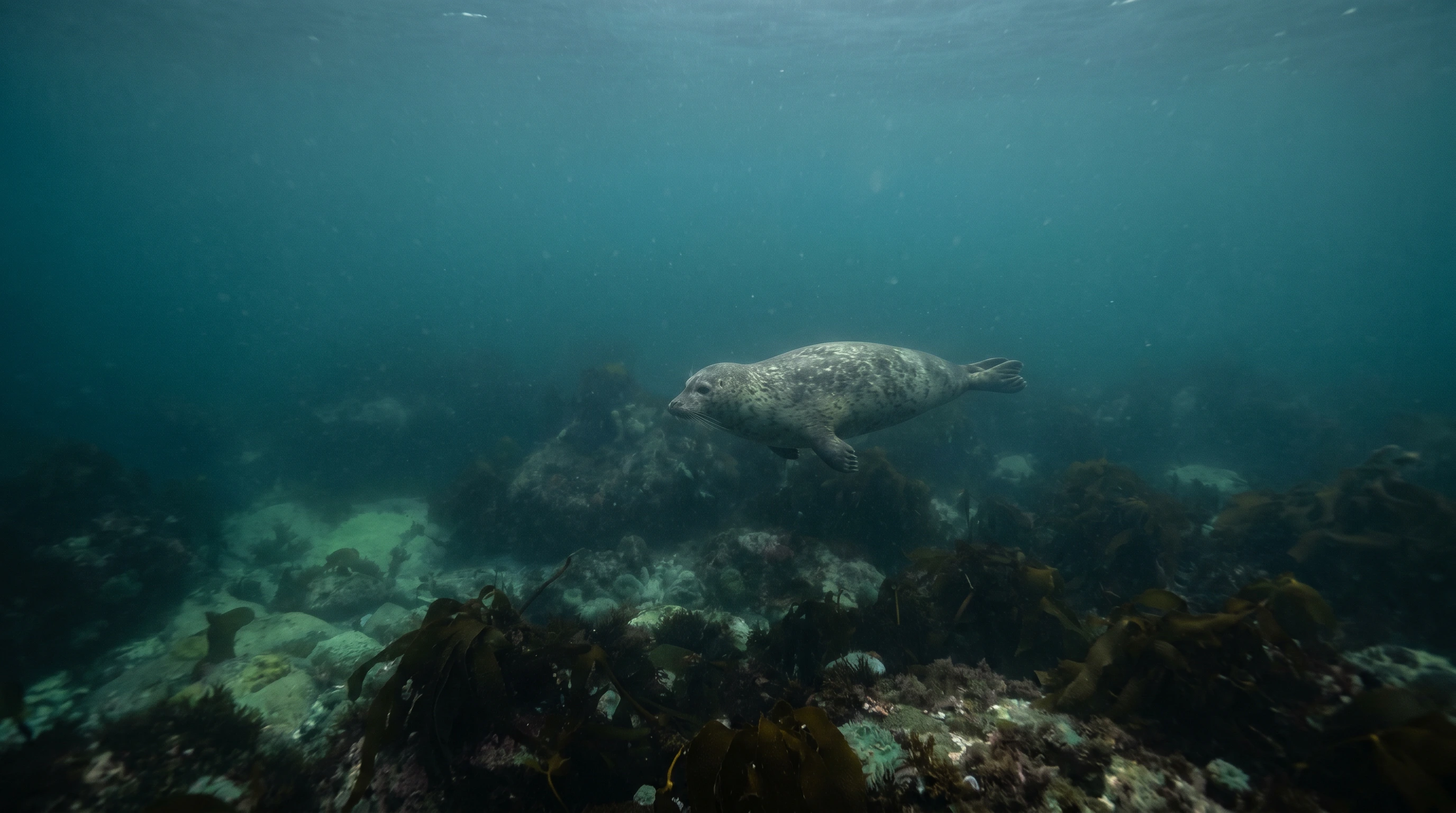
Lumpfish, Brittle Star, Cod, and Righteye Flounder are observed very commonly across sites. Harbor Seal is the region's signature species and is seen occasionally. Less frequent but recorded encounters include Atlantic Wolffish, Gray Seal, Humpback Whale, and even Giant Jellyfish and Lion Nudibranch.
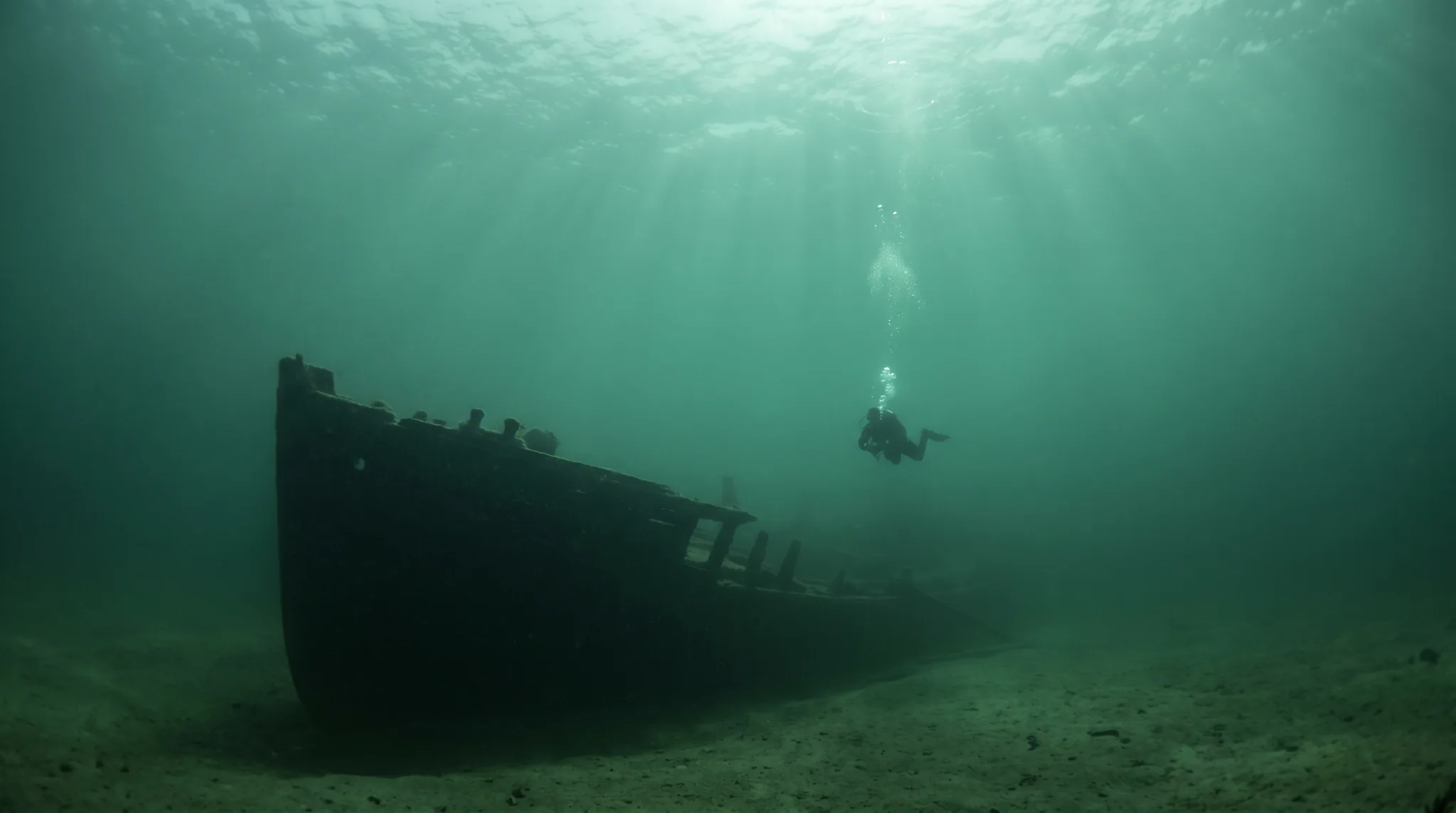
A good number of sites are rated for beginners, including shallow shore-entry options such as Vieux Quai, Blehem, and the wreck at Epave. Intermediate sites like Crique Ouest and Germanicus involve currents or boat access and suit divers with some cold-water experience. The cold temperatures mean proper exposure protection is important regardless of skill level.
Bas-Saint-Laurent has the largest number of sites and includes coastal reef and wreck options. Les Escoumins & Bergeronnes is a close second in site count and is a well-established area for guided cold-water diving, served by operators including the Marine Environment Discovery Centre. Charlevoix rounds out the region with a solid selection of sites and its own character shaped by the local topography.
Shore entry is the dominant access type across the region, making independent diving practical at many sites. Boat access is required for some sites, including the Germanicus wreck. Two local operators, Centre de Plongée du Bas St-Laurent and Marine Environment Discovery Centre, offer guided access to sites throughout the region.