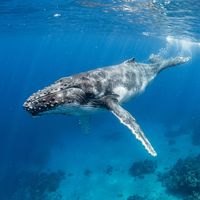
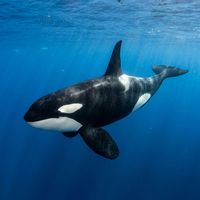
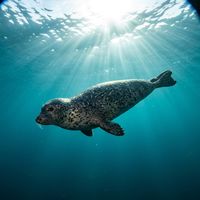
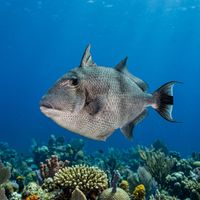
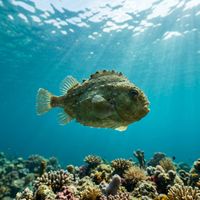
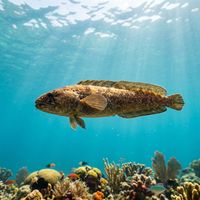
Baffin Island offers cold-water diving and snorkelling at the edge of the Arctic, where near-freezing temperatures year-round shape every aspect of the experience. Observed species include Humpback Whale, Orca, Harbor Seal, and Grey Triggerfish, alongside Sea Star and Sea Urchin on the seabed. The region spans four distinct sub-areas, from Clyde River and North Baffin in the north to Iqaluit and Frobisher Bay in the south, each offering a different character and access point.
Monthly water temperature across Baffin Island's sites, from satellite sea-surface data corrected for depth. The band shows the site-to-site spread.
Water temperatures hover at or just below freezing for most of the year, rising fractionally through late summer before dropping again by autumn. The most active diving period runs from late spring through early autumn, when light and access improve. Dry suit experience and cold-water familiarity are essential; conditions are demanding but rewarding for prepared divers.
7 operators
31 more sites to explore
4 areas
13Remote Baffin Island diving and snorkelling in near-freezing water, with Harbor Seal and cold-water invertebrates.
 7
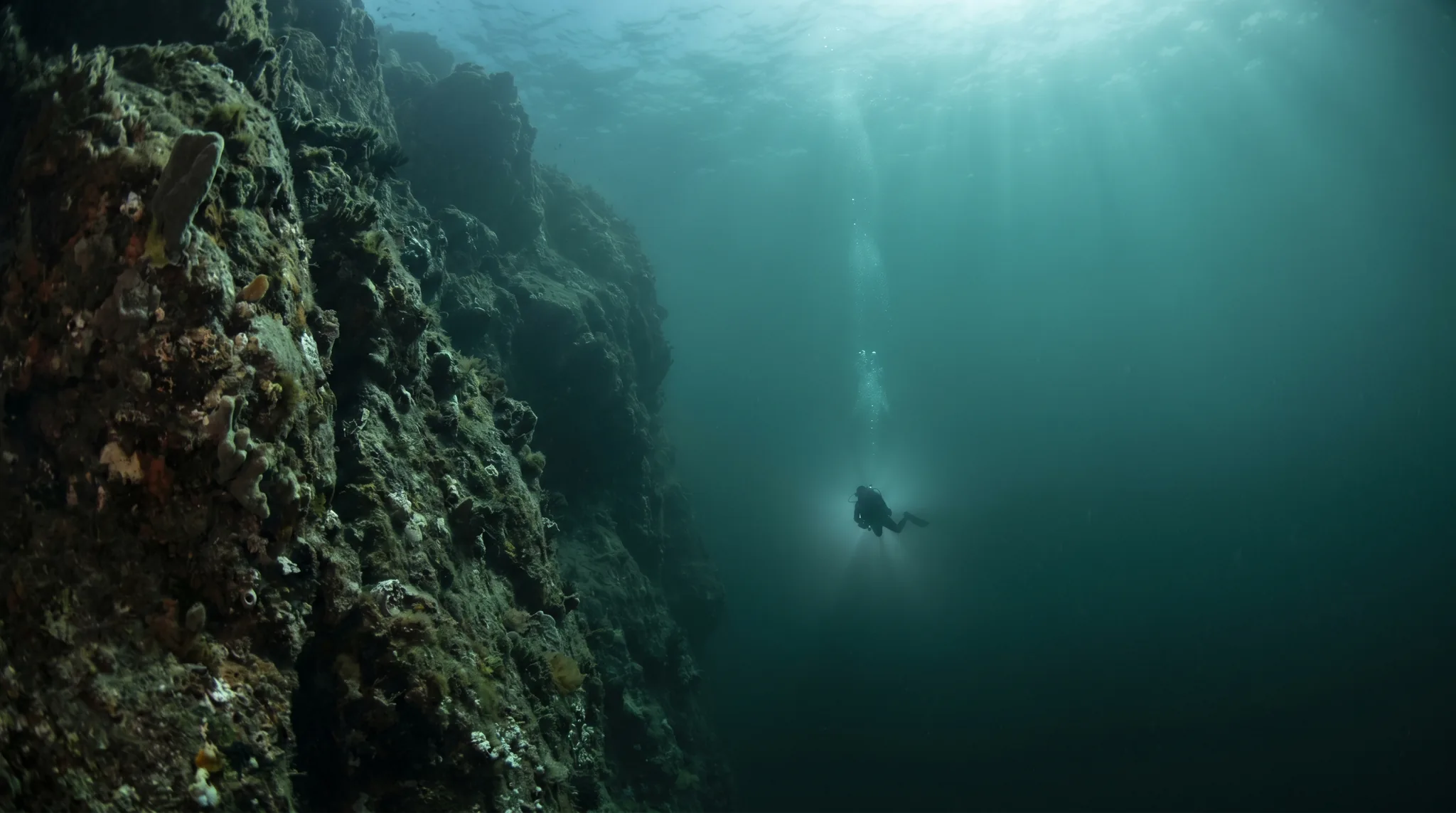
7Arctic Ocean diving above the Arctic Circle on Baffin Island, with glaciers, icebergs, fjord walls, and humpback whales accessible via local outfitter.
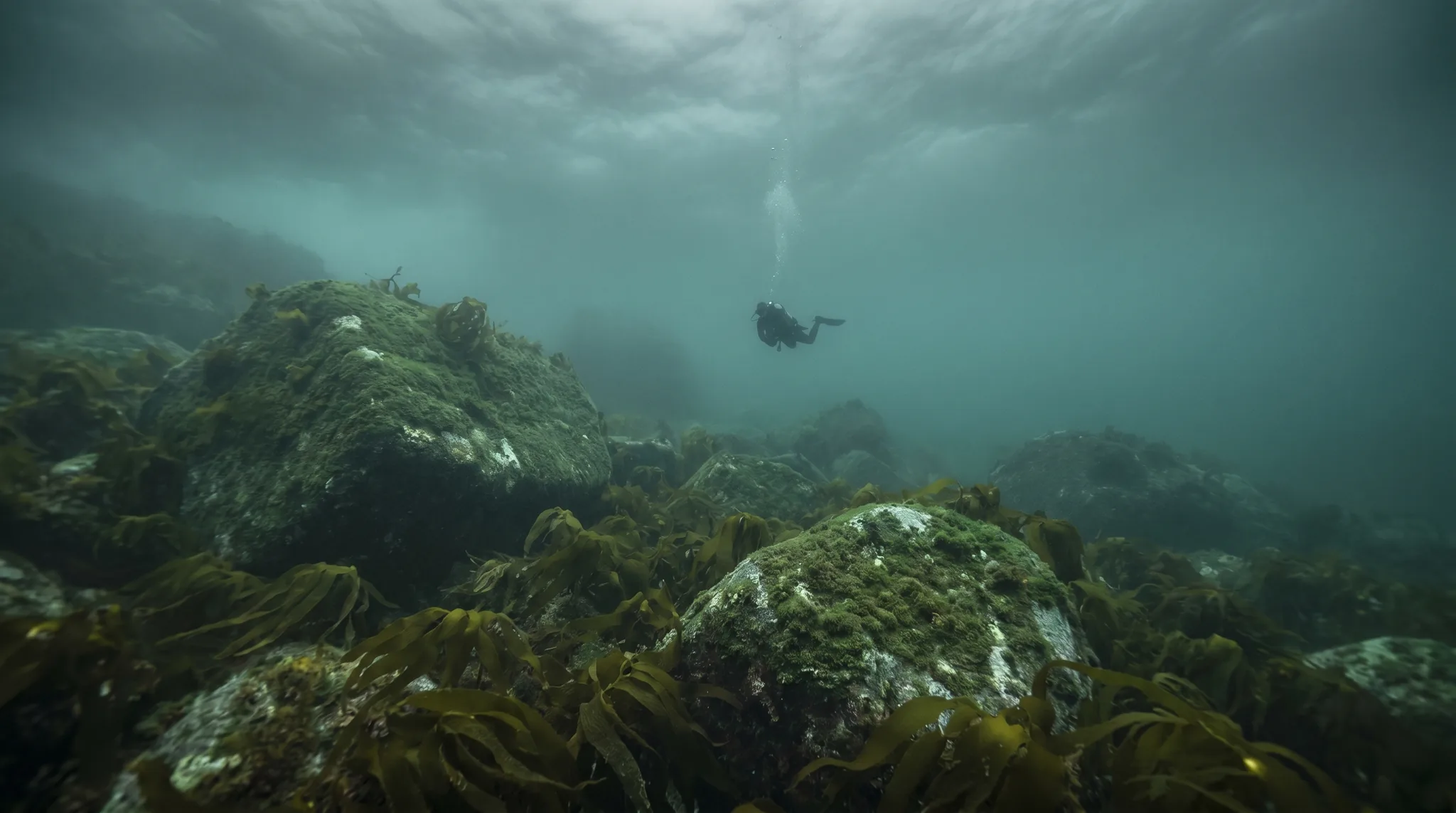
6Arctic diving and snorkelling in Frobisher Bay near Iqaluit, with floe edge, kelp forests, and drop-offs in near-freezing water.
5Extreme Arctic fiord diving near Pangnirtung, with sub-zero waters, drop-offs and kelp forests accessible only to advanced drysuit-equipped divers.
Water temperature around Baffin Island ranges from about -2°C in January to 2°C in August, based on satellite sea-temperature data for its dive sites.
With water around -2–2°C, a drysuit works in Baffin Island year-round.
Fin maps 31 sites in Baffin Island (14 scuba diving sites and 24 snorkelling spots, with some suited to both), organised into 4 areas.
Across Baffin Island's dive sites, May, June, August and September are most often reported as the best months to visit.
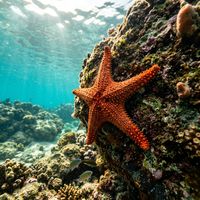
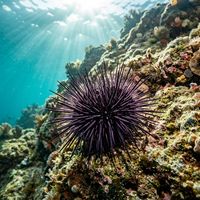
Observed sightings from the region include Humpback Whale, Orca, Harbor Seal, Grey Triggerfish, Sea Star, and Sea Urchin. Whale and seal encounters tend to occur in open water, while invertebrates are found closer to the seabed. The species list is short but truly Arctic in character, with little overlap with temperate or tropical diving.
The conditions here are not well suited to beginners. Water temperatures remain near or below freezing throughout the year, requiring dry suit competency and cold-water experience. Divers without prior cold-water and dry suit training should gain that experience before attempting a dive in this region.
The region divides into four sub-areas: Clyde River and North Baffin has the greatest number of sites and sits furthest north, while Qikiqtarjuaq offers a mid-island base. Iqaluit and Frobisher Bay provide access in the south, and Pangnirtung and Cumberland Sound round out the options with a smaller site selection. Choosing a sub-area will depend on your access point and the type of terrain you want to explore.
Three operators are listed for the region: Nanuq Tours, Inukpak Outfitting Inc., and Arctic Kingdom. Given the remoteness of the area and the demands of Arctic conditions, joining a guided trip with a specialist operator is strongly advisable rather than attempting independent access.