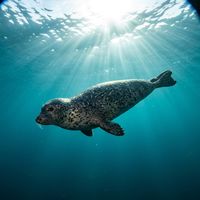
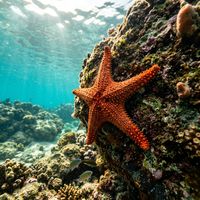
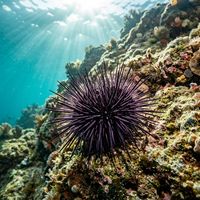
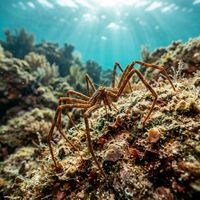
Clyde River and North Baffin offer cold-water diving and snorkelling in one of Canada's most remote corners of Nunavut. Water temperatures sit at or below freezing for much of the year, climbing only slightly in late summer. Sites are split between diving and snorkelling, with Harbor Seal, Sea Star, and Sea Urchin all recorded here. Nunavut Parks is the sole operator, reflecting how expedition-style this region truly is.
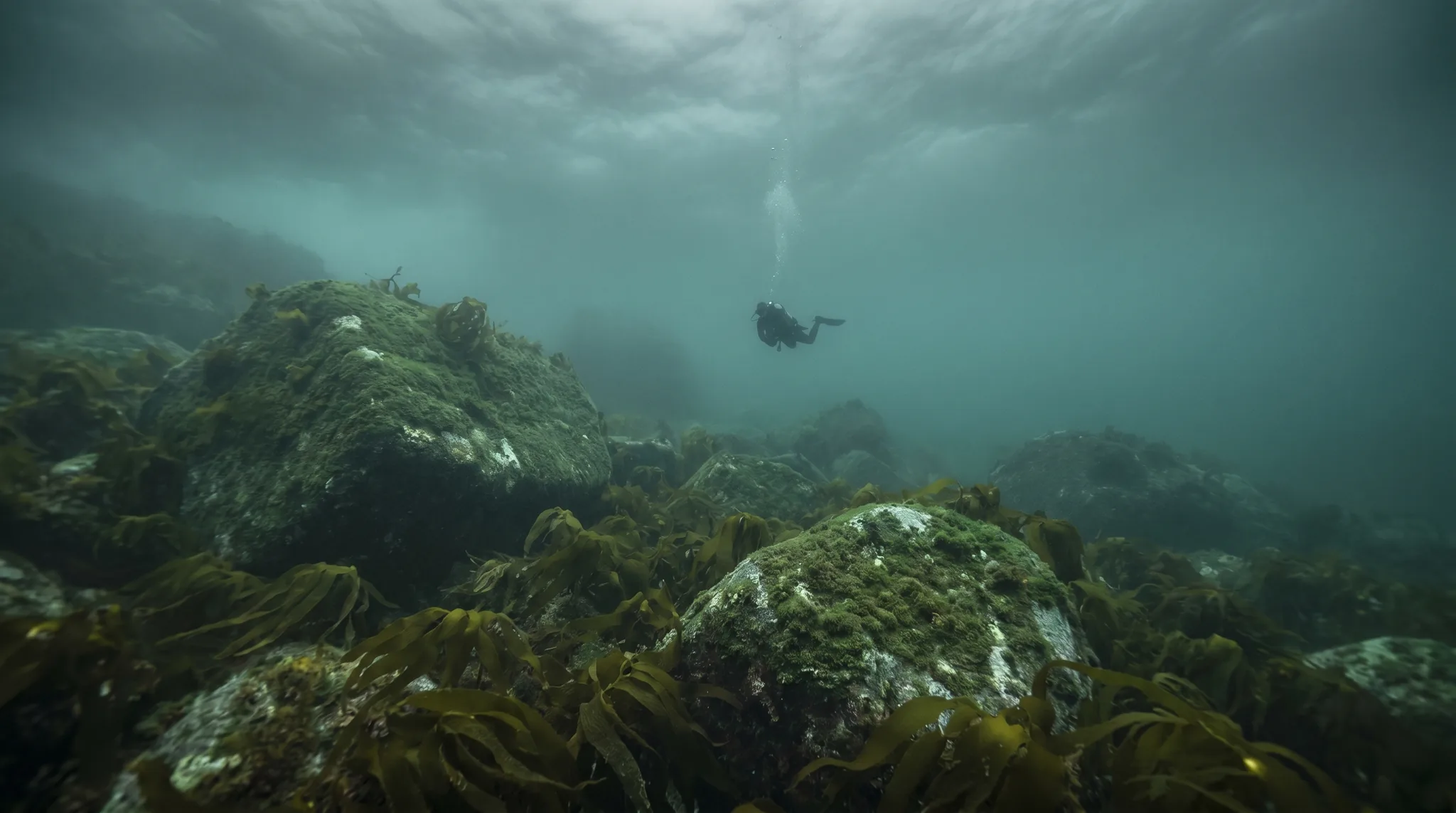
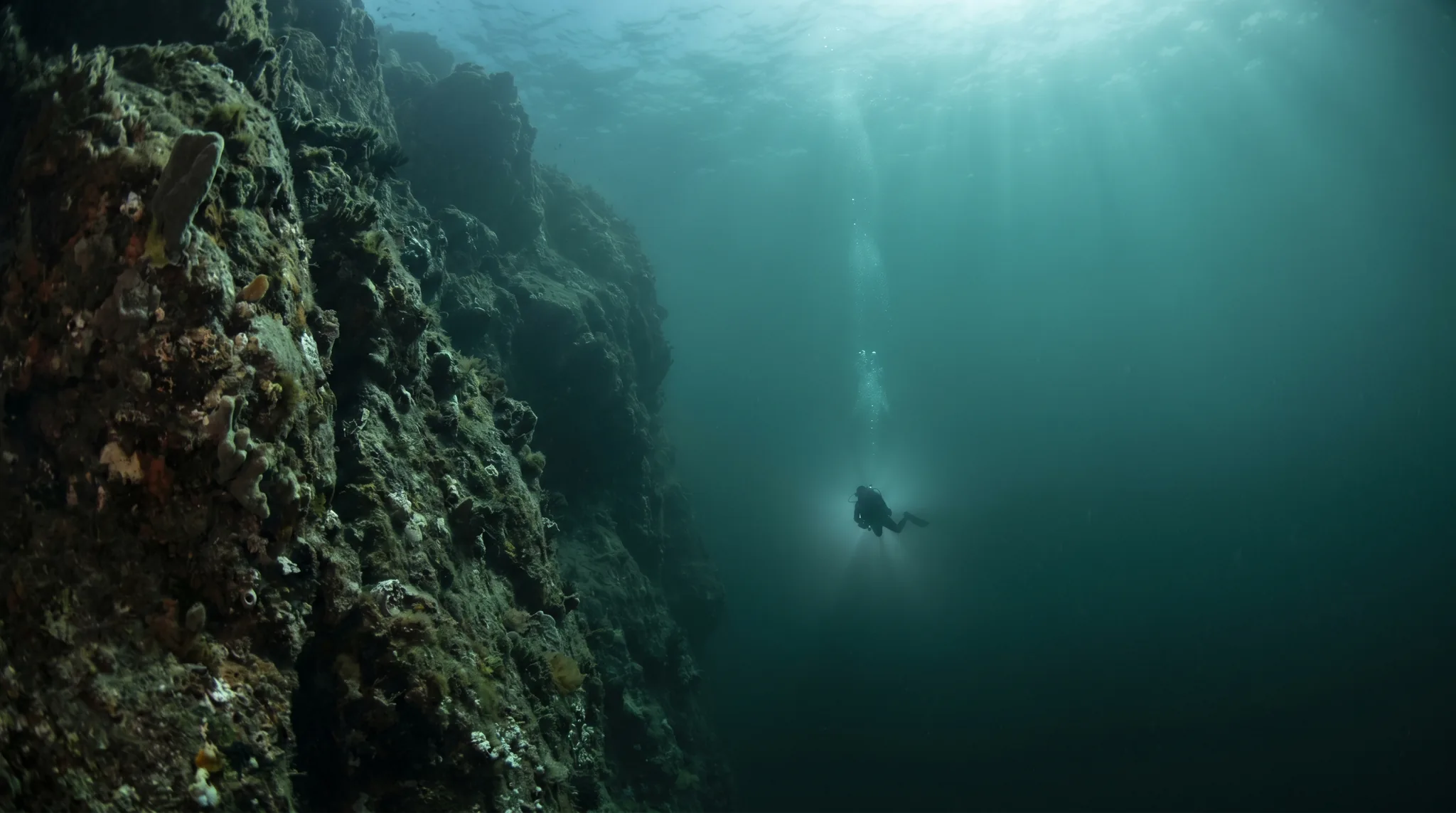
Monthly water temperature across Clyde River & North Baffin's sites, from satellite sea-surface data corrected for depth. The band shows the site-to-site spread.
Water temperatures remain at or near freezing from autumn through spring, rising only marginally in August and September. Those late-summer months represent the most accessible window for diving, when ice conditions ease and water temperatures reach their annual peak. Divers should expect demanding cold throughout the season and plan accordingly.
Water temperature around Clyde River & North Baffin ranges from about -2°C in January to 2°C in August, based on satellite sea-temperature data for its dive sites.
13 more sites to explore
With water around -2–2°C, a drysuit works in Clyde River & North Baffin year-round.
Fin maps 13 sites in Clyde River & North Baffin (6 scuba diving sites and 10 snorkelling spots, with some suited to both).
The near-freezing water temperatures and remote location make this region best suited to experienced cold-water divers and snorkellers who are comfortable managing heavy exposure protection. Logistics are expedition-level, with Nunavut Parks as the only operator. Beginners would find conditions extremely challenging.
Nunavut Parks is the sole listed operator for this region, which signals that access is organised rather than independent. Given the remoteness of Baffin Island, arranging any visit through an established operator is strongly advisable. There is no infrastructure typical of mainstream dive destinations.
The region has a mix of dive-only and snorkel-only sites, with a smaller number suitable for both activities. Snorkelling accounts for the majority of available sites, pointing to a strong shallow-water component alongside the dedicated dive sites. Visibility can vary considerably across the region.