Zoarcidae spp.
Cold-water fish logged across the North Atlantic and beyond. Best seen Jul, Oct in Brittany, Nova Scotia, and the British Isles in waters as cold as 0.3 °C.
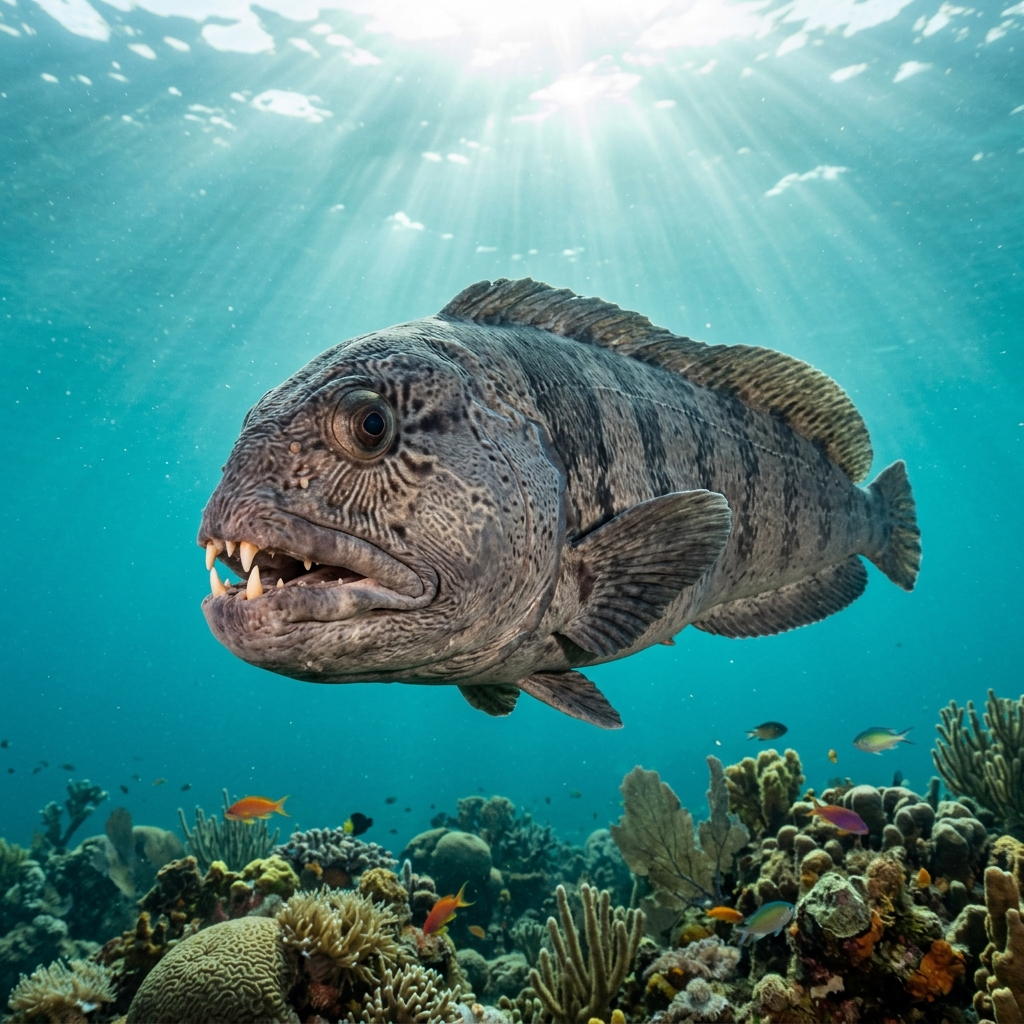
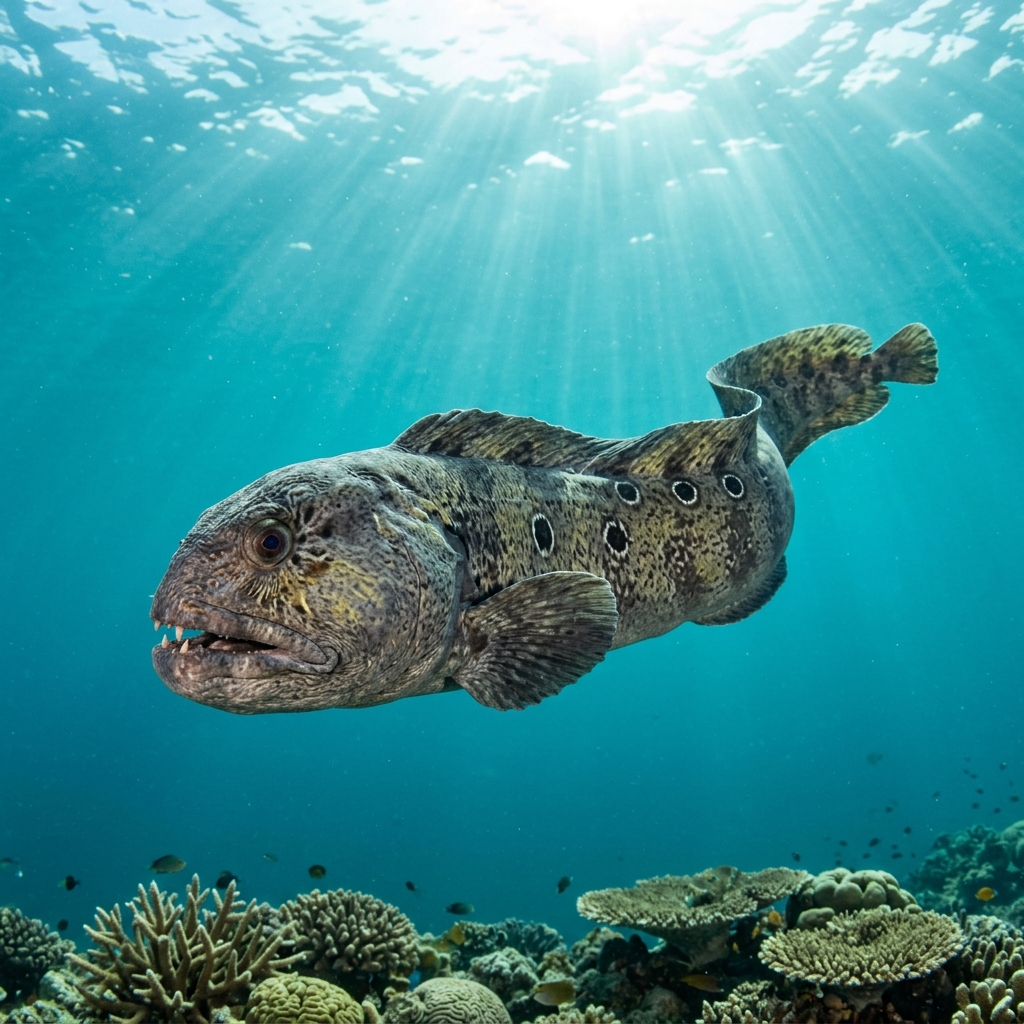
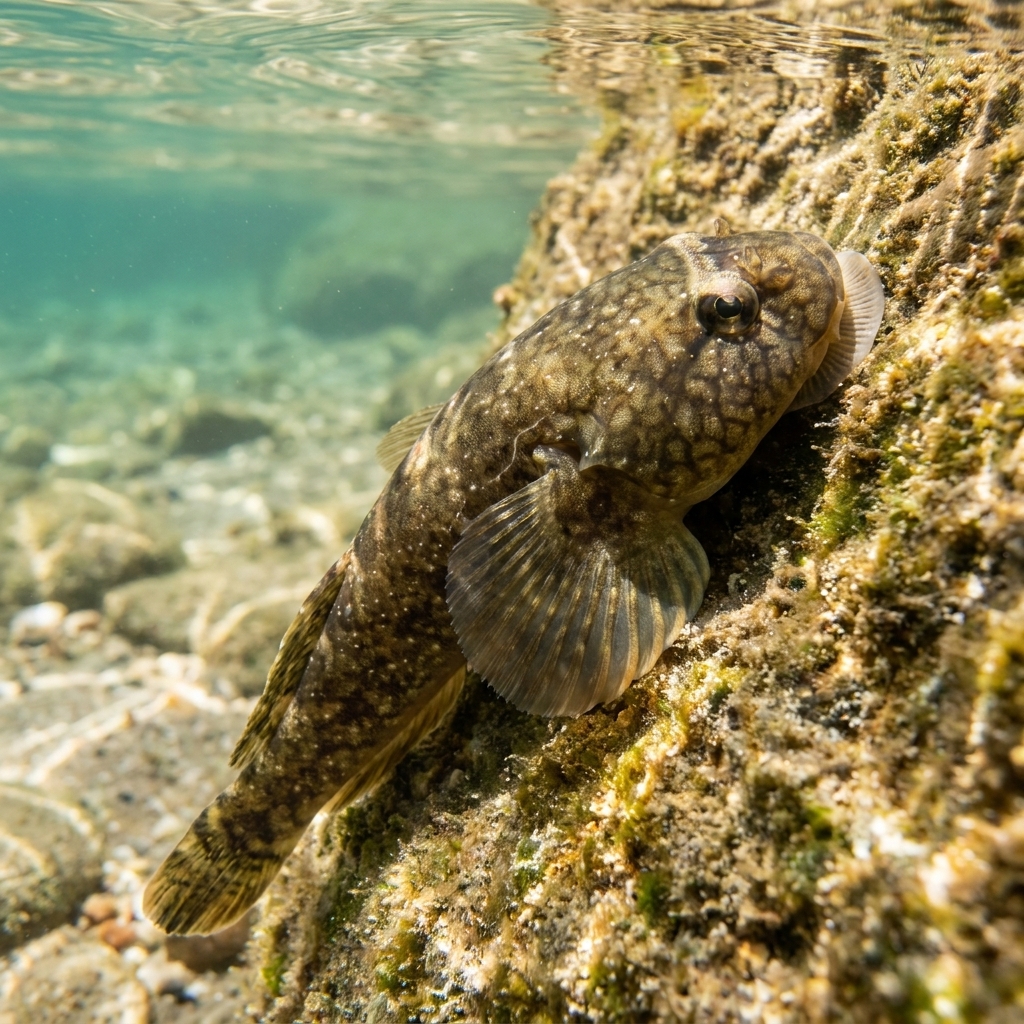
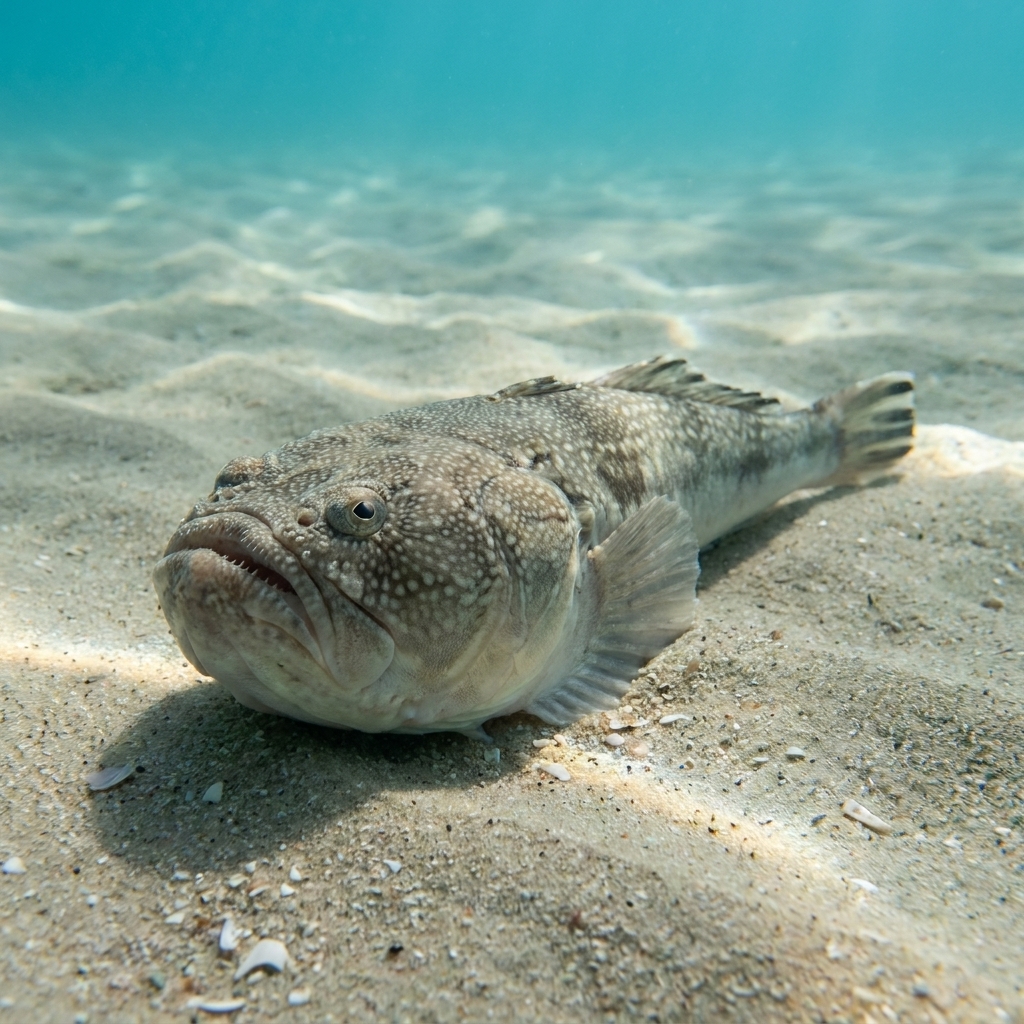
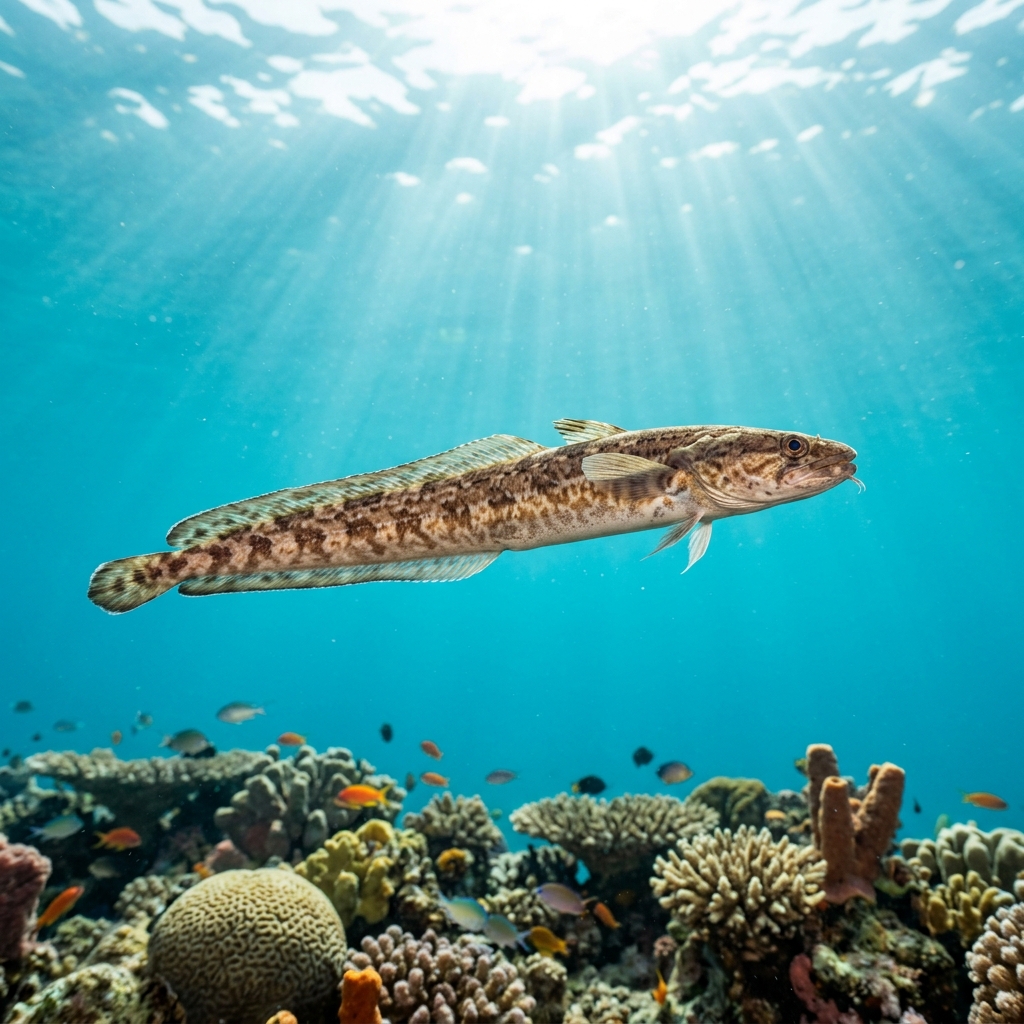
Pouts are elongated, eel-like fish with a long dorsal fin that runs continuously into the tail and anal fin, giving them a ribbon-bodied silhouette unlike most reef fish. Colour varies across the family from pale sandy-yellow to olive-brown or mottled grey, often with subtle banding or blotching that breaks up their outline on rocky or weedy ground. The blunt, slightly bulbous head and thick lips are the key in-water details to lock on to. Most species are relatively small and tight against the substrate, so easy to overlook against the background.
Pouts are bottom-hugging fish, most often found tucked into crevices, beneath overhangs, or resting on weedy or rocky reef at moderate depths. They tend to hold position when a diver approaches rather than bolting, which makes for a reasonable close-up look if you move slowly. Encounters are typically solitary and brief, with the fish eventually reversing into a gap in the rock.
Several species in the Zoarcidae family brood their eggs internally or guard egg masses in burrows, an unusual reproductive strategy among fish that live in such cold, deep environments.
In the Northern Hemisphere, sightings concentrate between July and October, which likely reflects increased diver activity in these cold-water regions during summer and early autumn rather than any absence in winter. The family is comfortable in very cold water, down to around 0.3 °C, so they are present year-round wherever the habitat suits them.
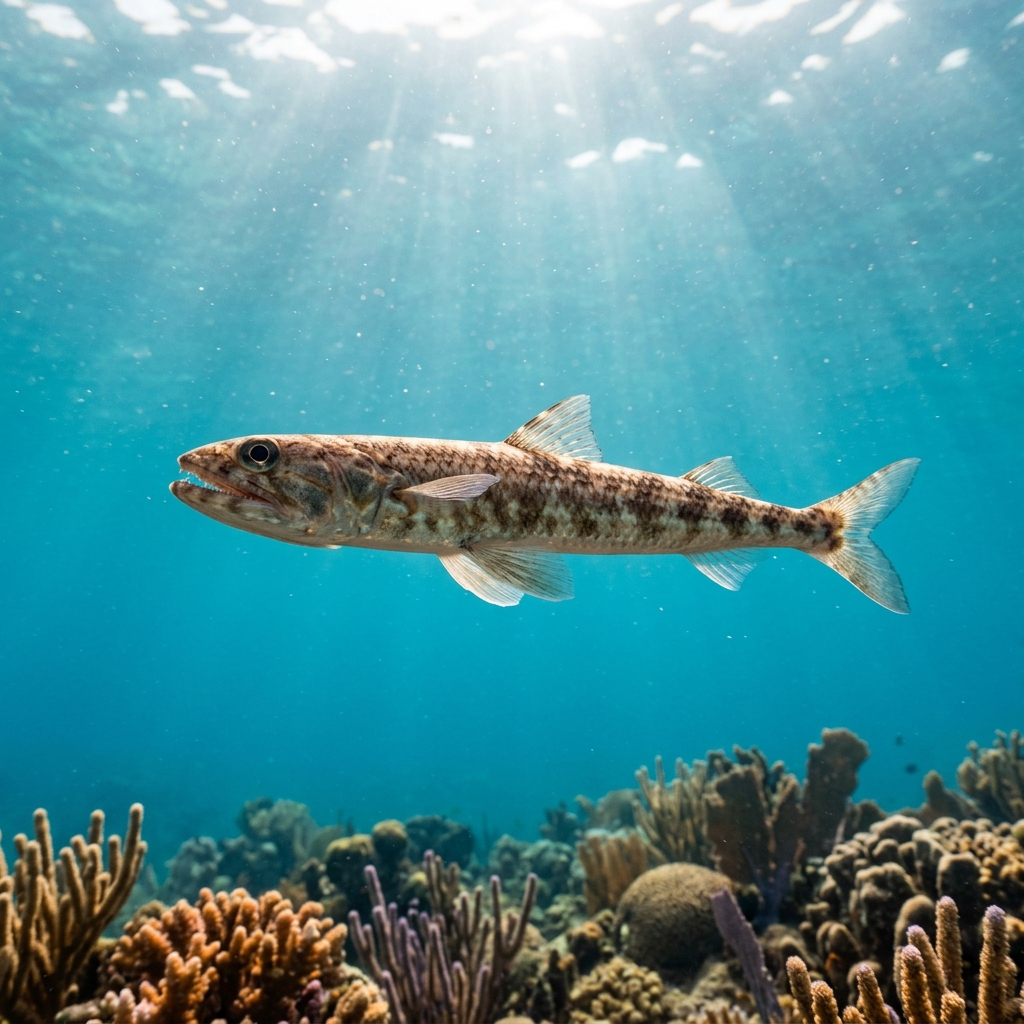
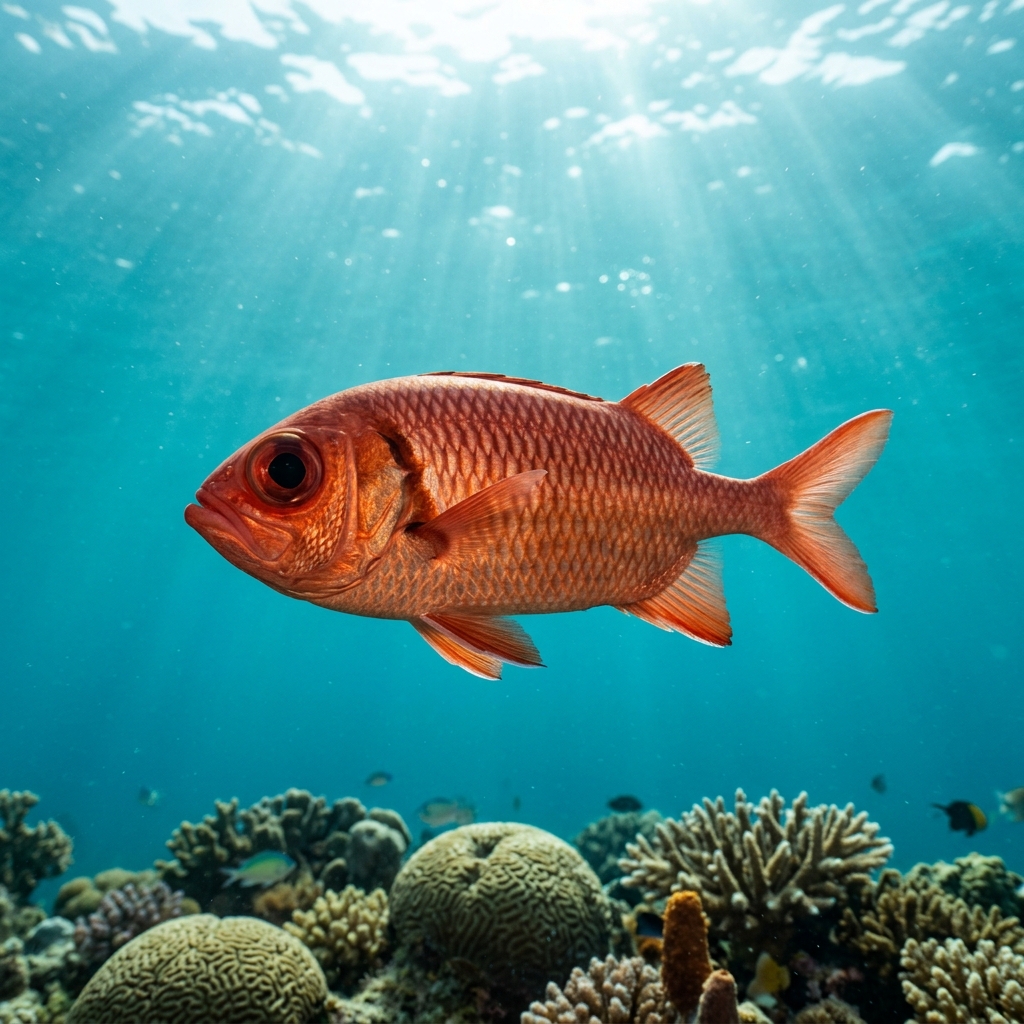
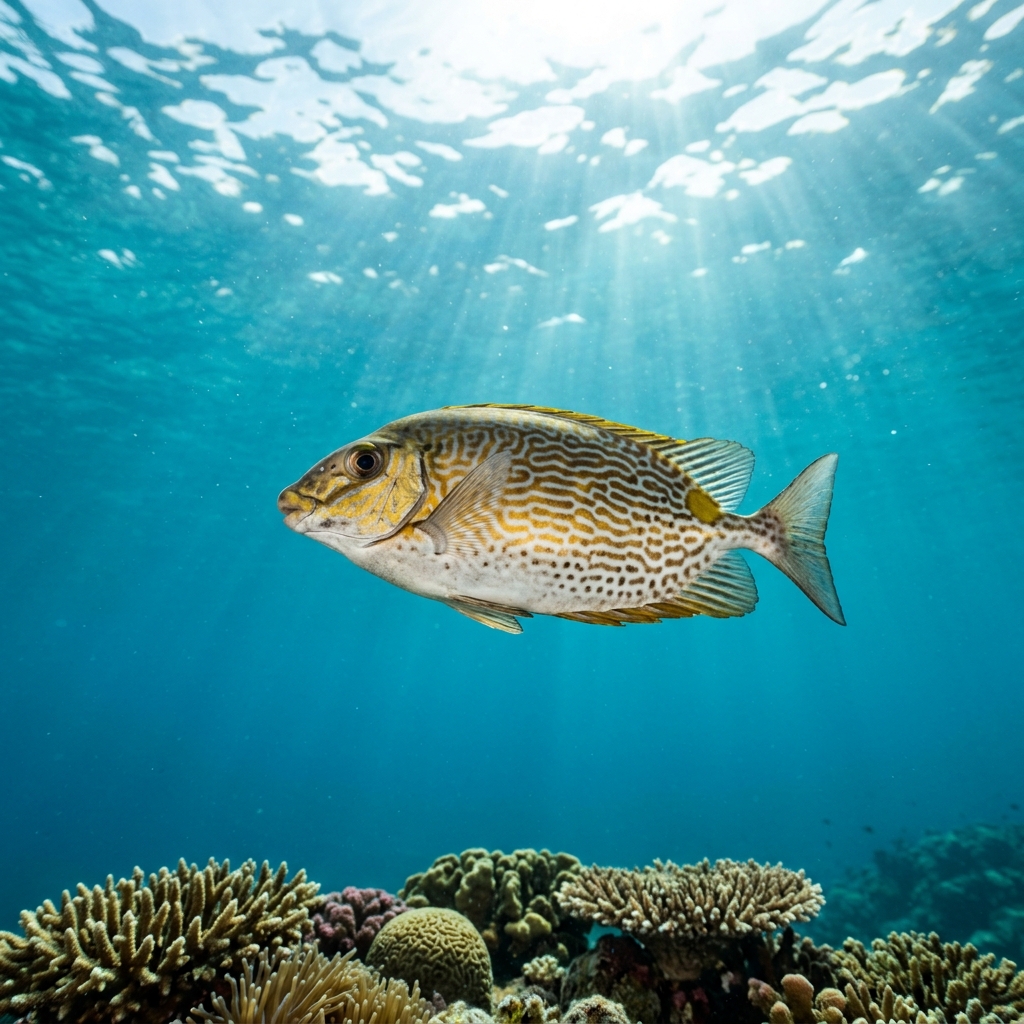
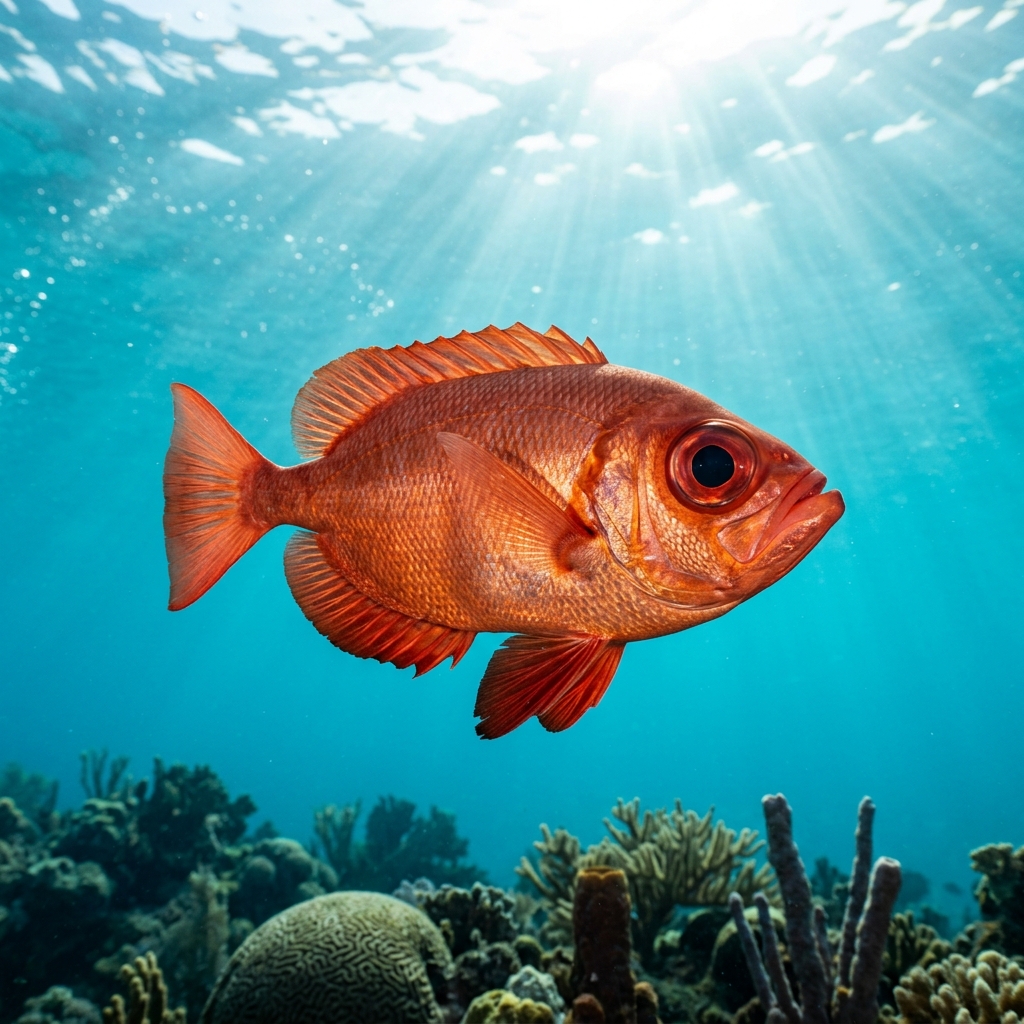
Reef neighbours a diver could mistake it for. Use the identification notes above to tell them apart.
Pouts are most commonly logged in Canada, the United Kingdom, France, and Norway, with strong representation in the United States and Ireland as well. The richest regions in the data are Brittany and Normandy, Northern Germany, the St. Lawrence and Quebec corridor, and Nova Scotia and the Bay of Fundy. Zeeland in the Netherlands and the Southwest Coast of Ireland are also reliable areas to search rocky, cold-water ground.
Mapping where Pout is logged…
Pouts are a cold North Atlantic and North Pacific family. Divers log them most reliably in Canada (particularly Nova Scotia, the Bay of Fundy, and the St. Lawrence), the British Isles, Brittany and Normandy in France, Norway, and Zeeland in the Netherlands. These are predominantly temperate, rocky-reef environments.
Diver sightings in the Northern Hemisphere peak between July and October, when more people are diving cold temperate waters. Because pouts tolerate water temperatures down to near freezing, they are resident year-round; summer and early autumn simply bring the most diver activity to their habitat.
Look for the long, ribbon-like body with a continuous fin running from behind the head all the way around the tail, and the blunt, broad head with thick lips. Colour is usually muted, ranging from sandy yellow to olive or mottled grey-brown. They sit still on the bottom, often partly hidden in a crevice, which is the most reliable behavioural cue.
No. Pouts pose no risk to divers. They are small, non-aggressive fish that typically retreat into cover when approached. No special precautions are needed.
A number of species within the Zoarcidae family give birth to live young or guard egg masses in burrows rather than releasing eggs freely into the water column. This level of parental investment is uncommon among cold-water reef fish and is one reason the family has successfully colonised very cold and even polar habitats.
Site and sighting data is aggregated from diver logs, iNaturalist and GBIF. For taxonomy and conservation status:
Soldierfish
3,612 sites