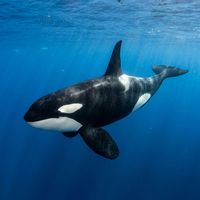
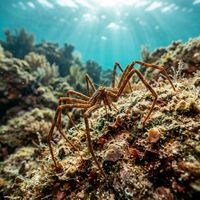
Ellesmere and the High Arctic offer some of the most demanding and distinctive cold-water diving and snorkelling in Canada. Water temperatures remain at or just below freezing year-round, shaping a starkly different underwater world from anything further south. Sites split between dedicated dive and snorkel locations rather than overlapping, and the short accessible season runs from late spring through early summer. Observation-backed Orca sightings and Sea Spider encounters define the wildlife experience here.
Monthly water temperature across Ellesmere & High Arctic's sites, from satellite sea-surface data corrected for depth. The band shows the site-to-site spread.
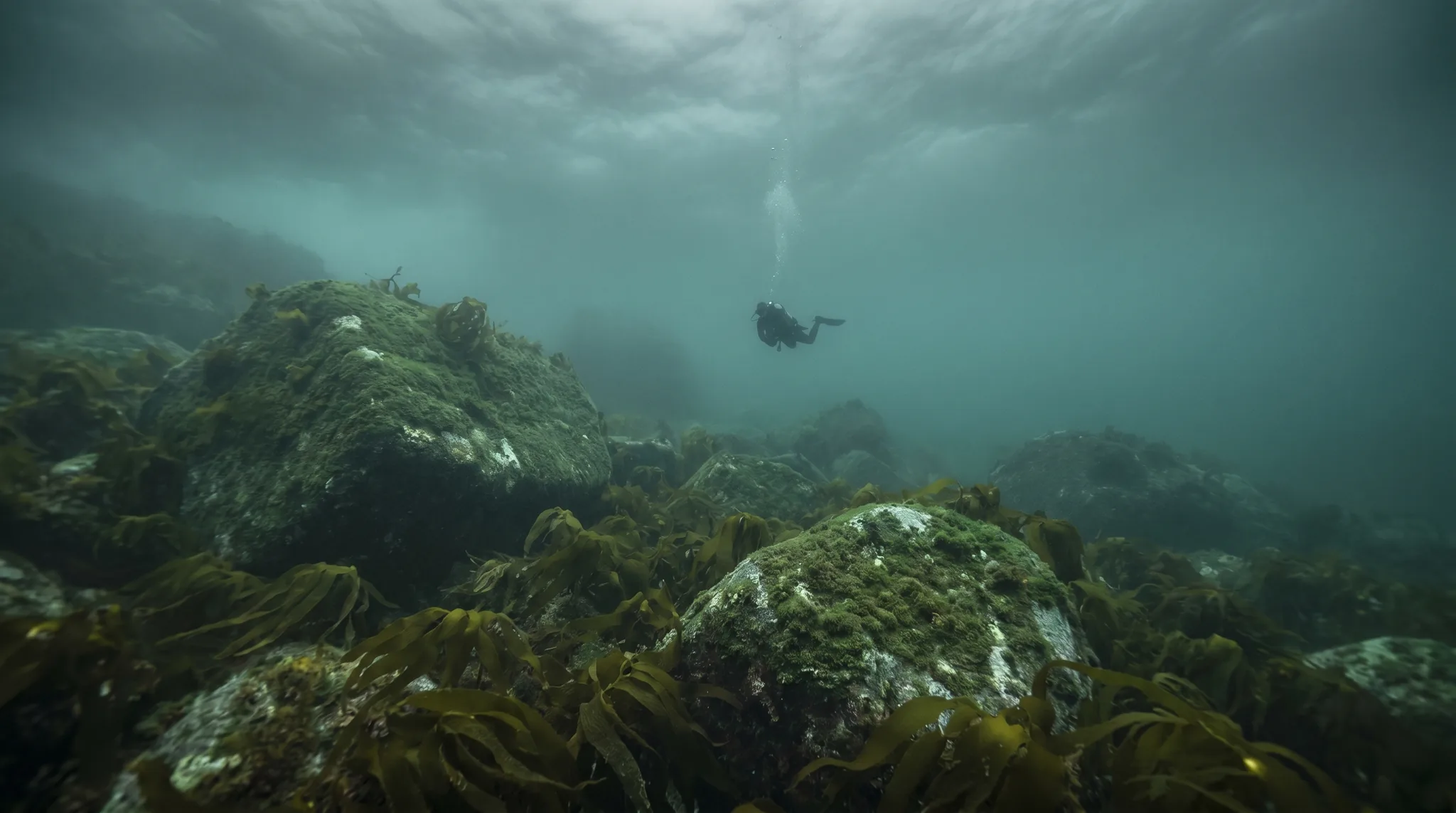
Water stays at or just below freezing throughout the year, with the very slight warming in August still leaving conditions firmly in dry-suit territory. The best-months data points strongly to late spring and early summer as the prime window, when seasonal light returns and conditions are most reliably accessible. Divers should expect demanding cold, limited seasonal availability, and the logistical realities of operating at High Arctic latitudes.
4 operators
Gjoa Haven, Canada
Gjoa Haven, Canada
Canada
Canada
11 more sites to explore
Water temperature around Ellesmere & High Arctic ranges from about -2°C in January to 0°C in August, based on satellite sea-temperature data for its dive sites.
With water around -2–0°C, a drysuit works in Ellesmere & High Arctic year-round.
Fin maps 11 sites in Ellesmere & High Arctic (6 scuba diving sites and 5 snorkelling spots).
Across Ellesmere & High Arctic's dive sites, May and June are most often reported as the best months to visit.
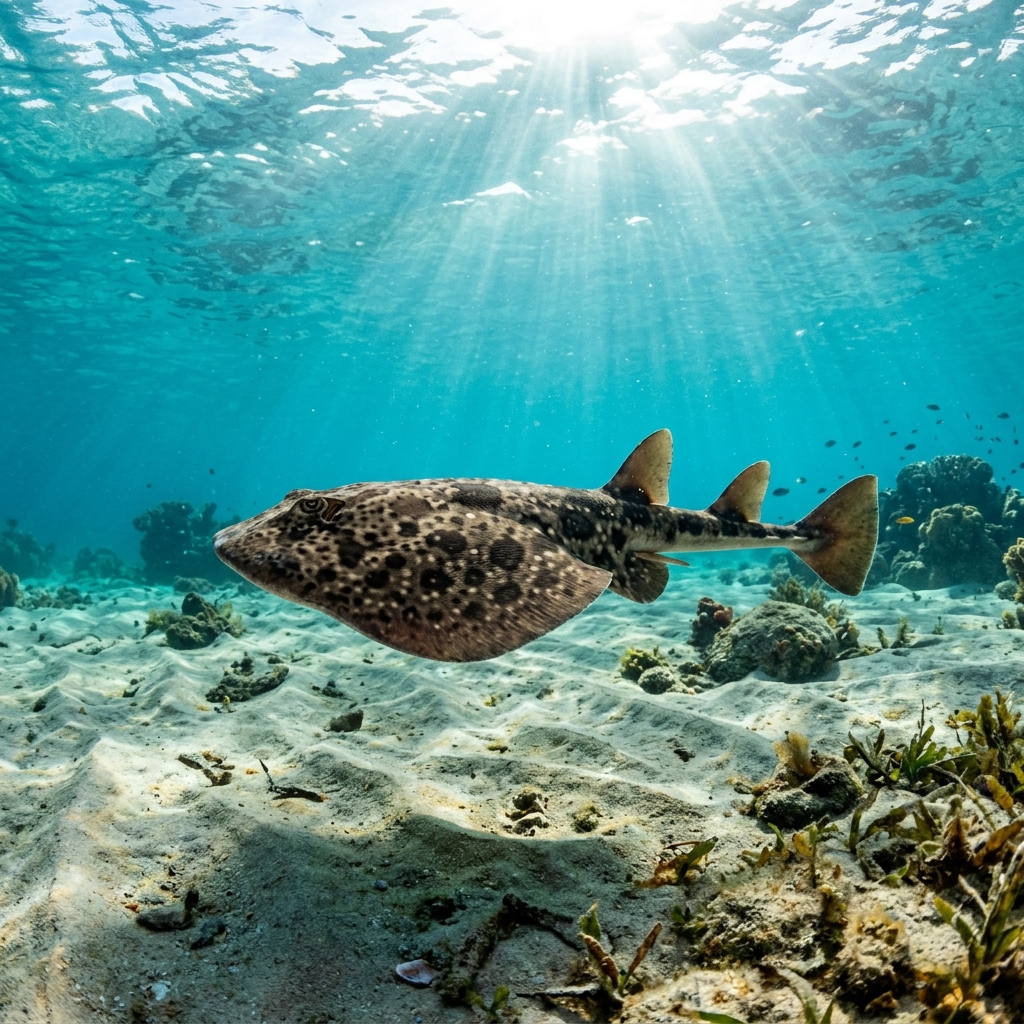
The most notable observation-backed species in the region is Orca, which has been recorded in these waters. Sea Spider is also associated with the sites here. Note that the Lesser Electric Ray appears in the data as an expected-range species rather than a confirmed sighting, so treat any encounter as a bonus rather than a certainty.
The conditions here are not suited to novice divers. Water sits at or just below freezing year-round, demanding dry-suit experience and cold-water diving competence. The remote High Arctic setting adds logistical complexity that requires divers to be self-sufficient and experienced before attempting sites in this region.
Access in this region depends heavily on specialist operators. Arctic Watch Wilderness Lodge and Arctic Bay Adventures are the two operators listed for the region. Given the remoteness of High Arctic Nunavut, planning through one of these providers is the practical route to reaching sites safely.
The region's sites are divided between dedicated dive locations and dedicated snorkel locations, with no sites listed as suitable for both activities. This means the dive and snorkel experiences draw on distinct spots rather than sharing the same entry points. Both sets of sites sit within the same extreme cold-water environment.