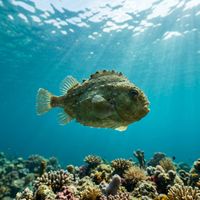
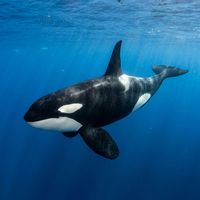
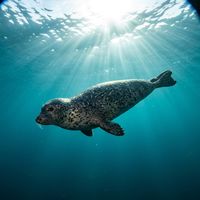
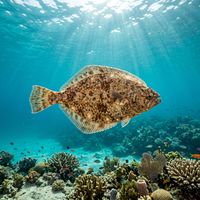
Kivalliq offers cold-water diving and snorkelling across a mix of marine and freshwater sites in Nunavut. The Lumpfish is the most frequently observed species, appearing at the majority of sites, while Orca, Harbor Seal, Sculpin, and Righteye Flounder have all been recorded. Water temperatures climb from near freezing in winter to their warmest in late summer, making July through September the practical window for in-water activity. No operators are currently listed, so visits require independent planning.
Monthly water temperature across Kivalliq's sites, from satellite sea-surface data corrected for depth. The band shows the site-to-site spread.
Water stays at or below freezing for much of the year, rising only in summer to its warmest point in August and September. Meaningful dive conditions are concentrated in the summer months, when temperatures are at their least extreme and the best-months data clusters. Drysuits and cold-water experience are essential given the temperature range across the region.
12 operators
25 more sites to explore
Water temperature around Kivalliq ranges from about -2°C in January to 6°C in August, based on satellite sea-temperature data for its dive sites.
With water around -2–6°C, a drysuit works in Kivalliq year-round.
Fin maps 25 sites in Kivalliq (8 scuba diving sites and 18 snorkelling spots, with some suited to both).
Across Kivalliq's dive sites, June, July, August and September are most often reported as the best months to visit.
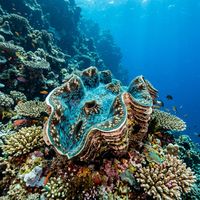
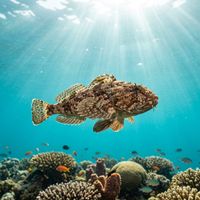
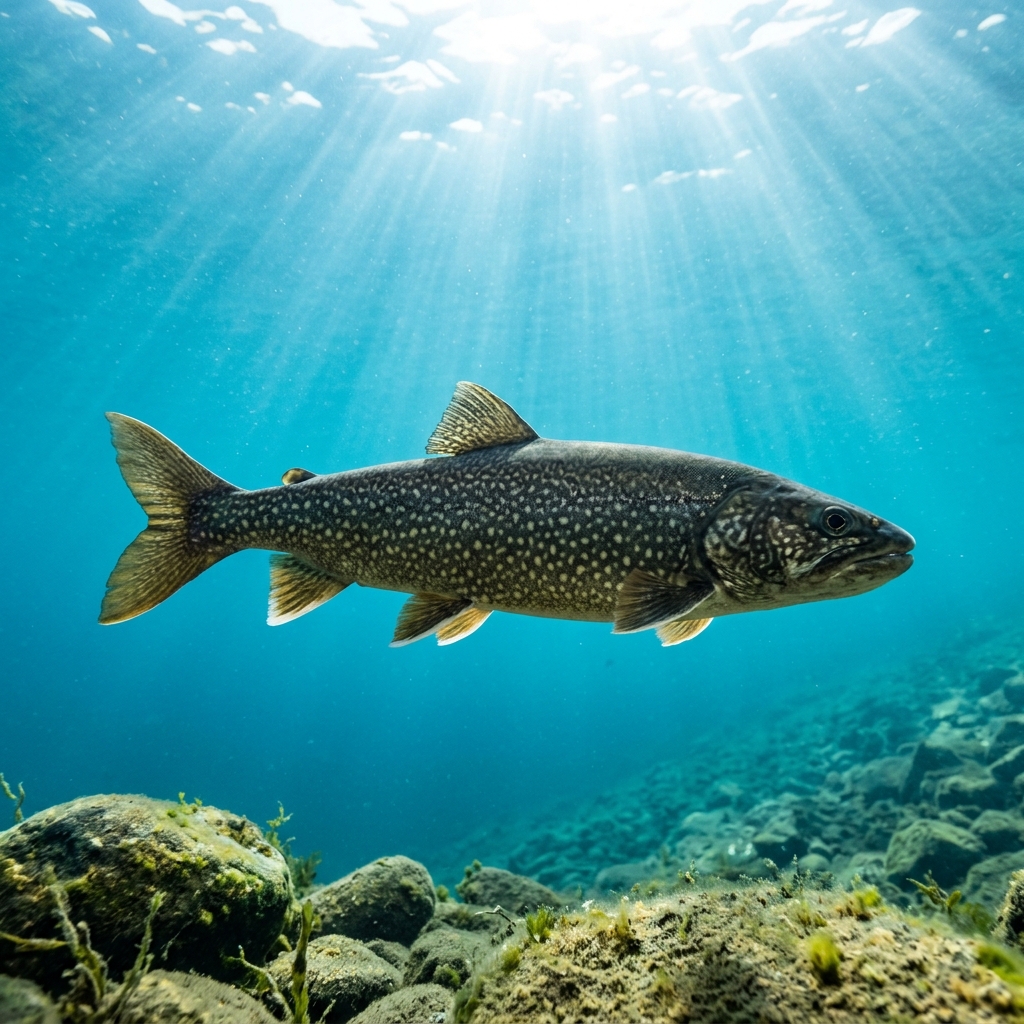
Observation-backed species include Lumpfish, which appear at the large majority of sites and are the most reliably seen animal in the region. Orca, Harbor Seal, Sculpin, Righteye Flounder, Lake Trout, and Giant Clam have also been recorded. The species list is relatively focused, reflecting the subarctic environment.
The cold water, which hovers near or below freezing for much of the year and peaks only in late summer, makes Kivalliq challenging for inexperienced divers. Drysuit competency and cold-water dive experience are strongly advisable before visiting. There are currently no listed operators in the region, so self-sufficient expedition-style planning is required.
No dive or snorkel operators are currently listed for Kivalliq, meaning there is no established guided or charter infrastructure in the region's data. Access to sites requires independent organisation. Visitors should plan accordingly for a remote, self-supported trip in Nunavut.
Snorkelling sites account for the clear majority of locations listed in Kivalliq, with a smaller number designated for diving and one site suitable for both. This suggests the region's underwater terrain skews toward shallower, more accessible water at most spots. Divers will find fewer dedicated sites but can combine some locations with snorkellers.