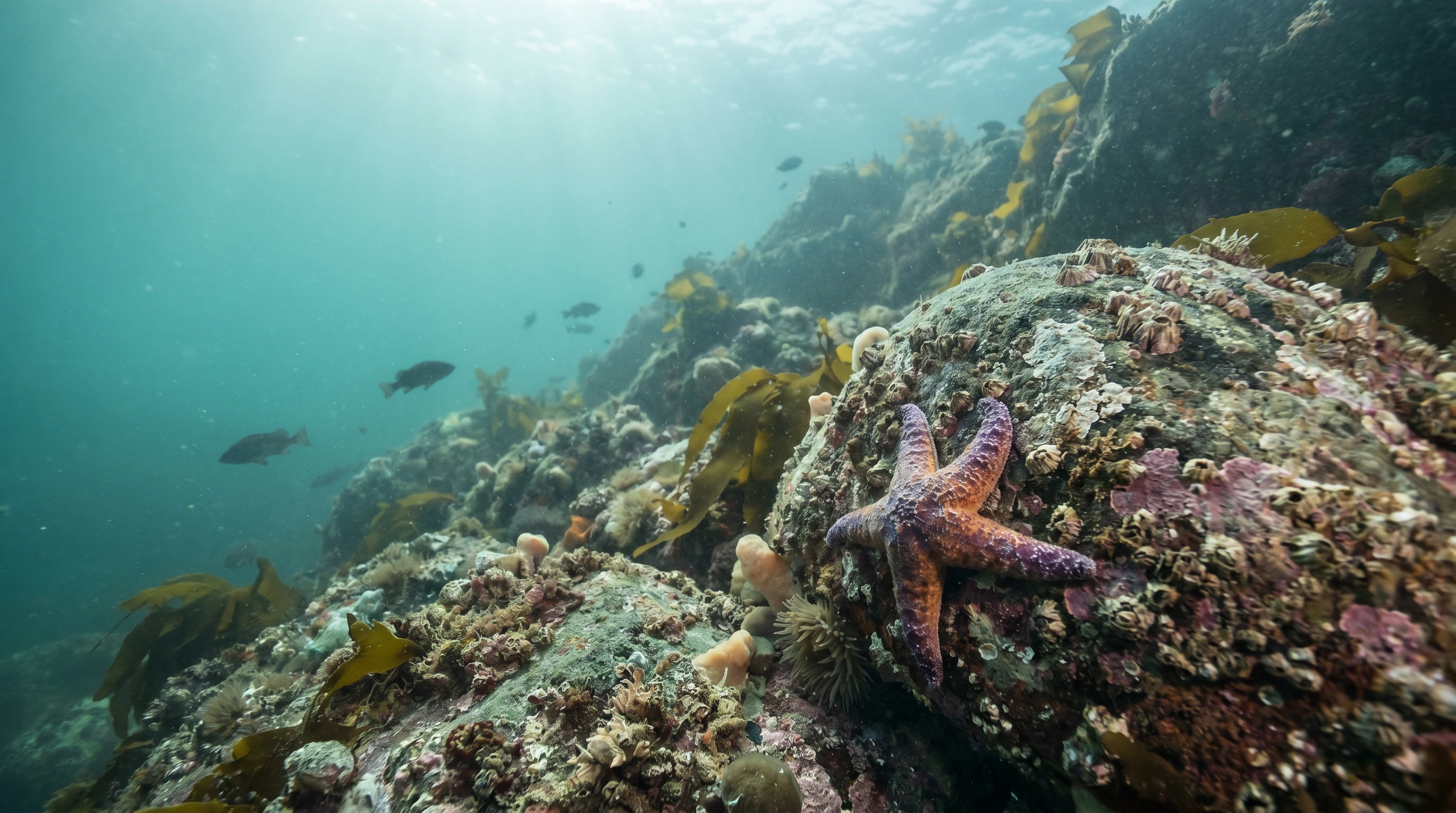
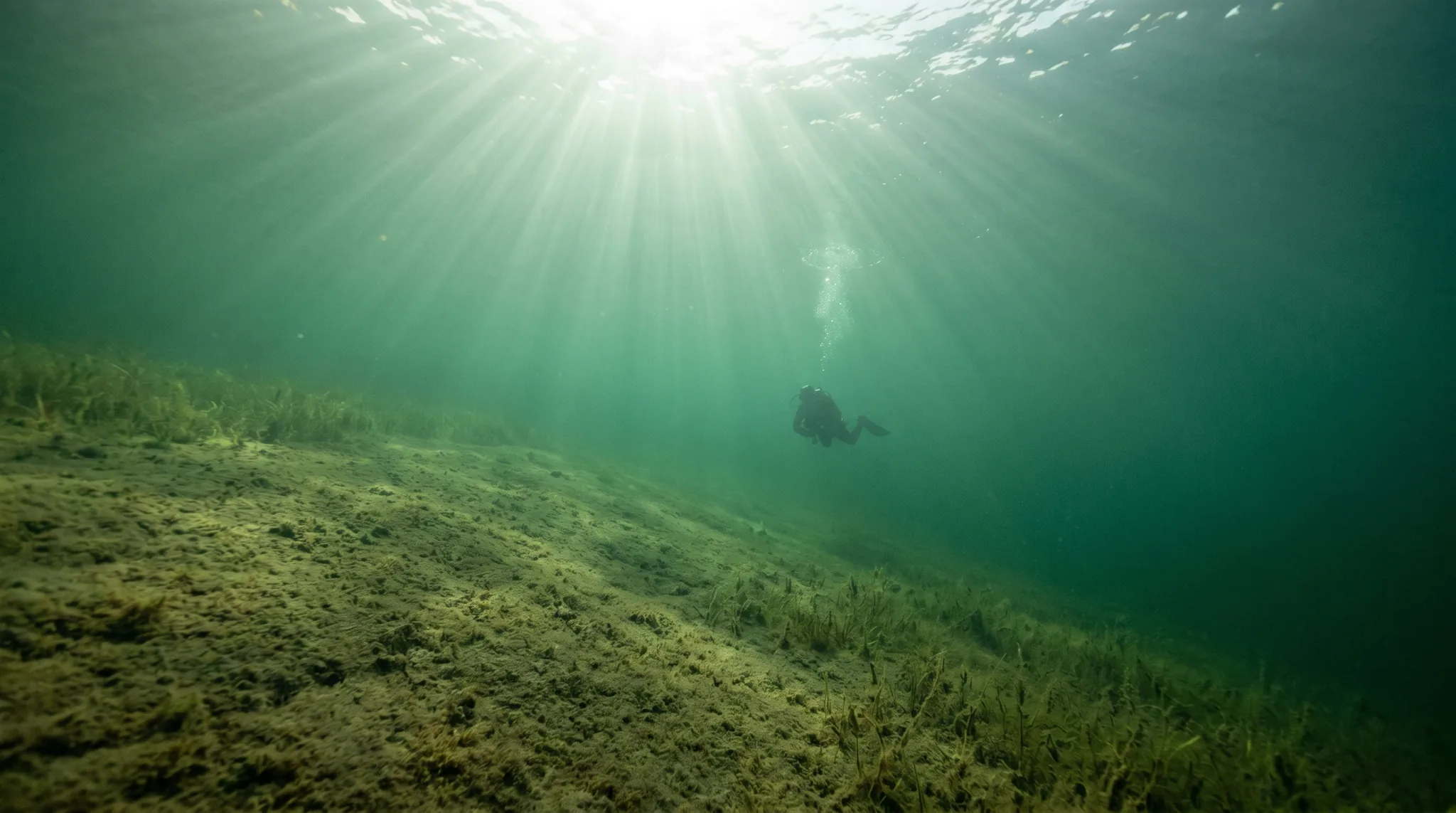
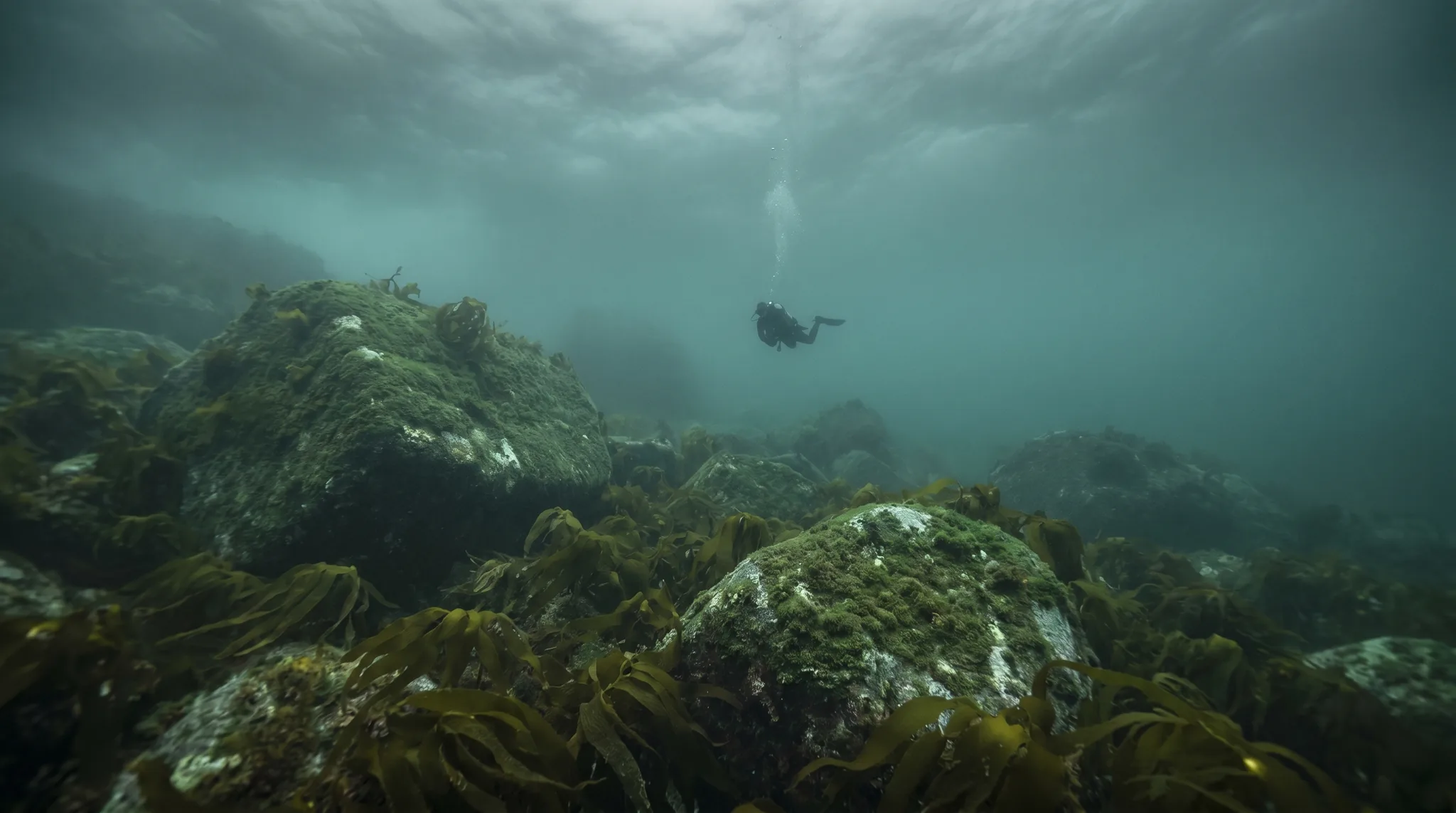
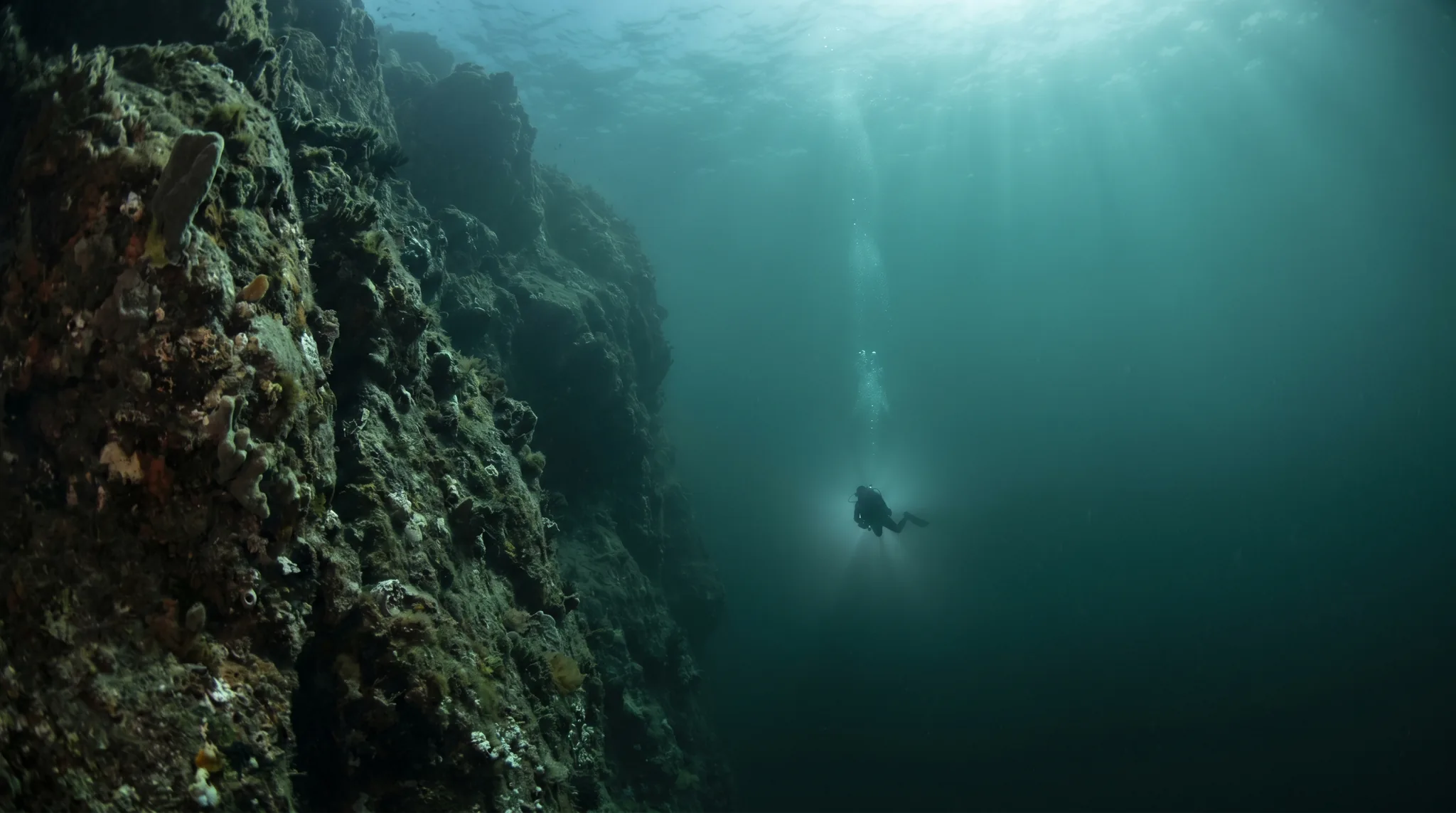
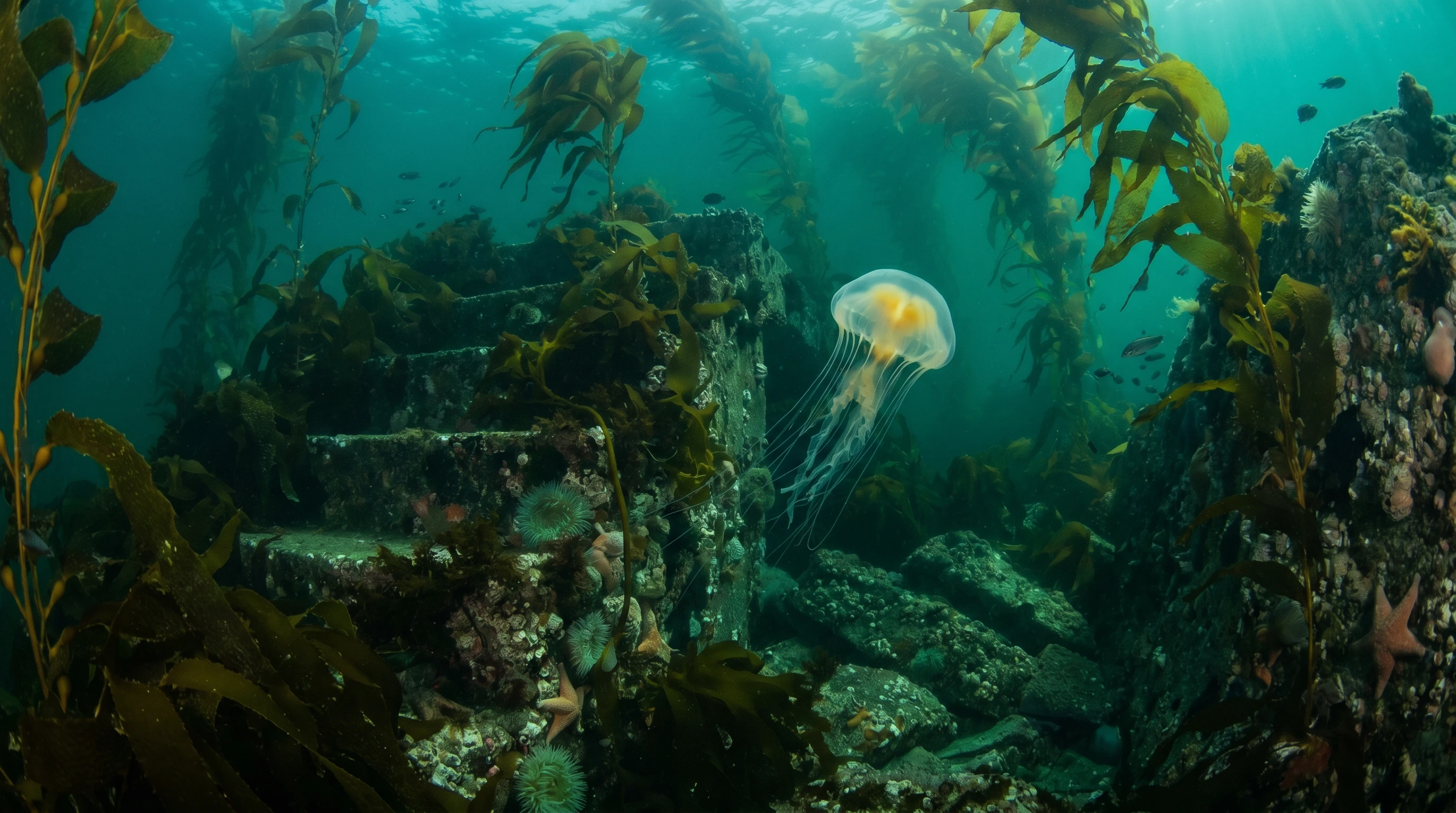
Vancouver Island's diving spans four distinct sub-areas, from the sheltered artificial reefs and wrecks around Nanaimo and Victoria to the powerful tidal rapids near Port Hardy and the current-swept passages of Campbell River. Kelp forests, rocky reefs, walls and drift sites shape the experience, with the Giant Pacific Octopus, Harbor Seal, Steller Sea Lion and a remarkable diversity of nudibranchs encountered across sites. Cold water runs year-round, making this a dry-suit destination that rewards well-prepared divers.
4 areas
Monthly water temperature across Vancouver Island's sites, from satellite sea-surface data corrected for depth. The band shows the site-to-site spread.
Water stays cold throughout the year, warming slightly through summer and cooling again by winter, so a dry suit is essential regardless of season. Visibility tends to improve from late summer into autumn, which coincides with the peak months rated by divers. Currents vary enormously by sub-area: sites near Campbell River and Port Hardy demand careful tide planning, while Nanaimo and Victoria offer calmer entry points.
31 operators
Colwood, Canada

Campbell River, Canada
81 more sites to explore
Cold-water diving with dramatic walls, wrecks and one of the richest nudibranch communities on Vancouver Island.
Water temperature around Vancouver Island ranges from about 8°C in January to 12°C in July, based on satellite sea-temperature data for its dive sites.
In the warm season (about 12°C) a 7mm or semi-dry suit is comfortable in Vancouver Island; in the coldest months (about 8°C) step up to a drysuit.
Fin maps 93 sites in Vancouver Island (83 scuba diving sites and 24 snorkelling spots, with some suited to both), organised into 4 areas.
Across Vancouver Island's dive sites, July, August and September are most often reported as the best months to visit.
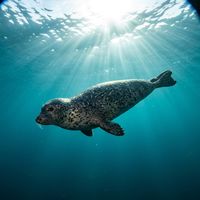
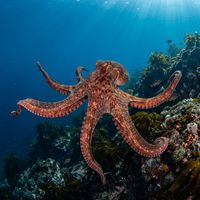
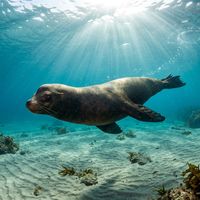
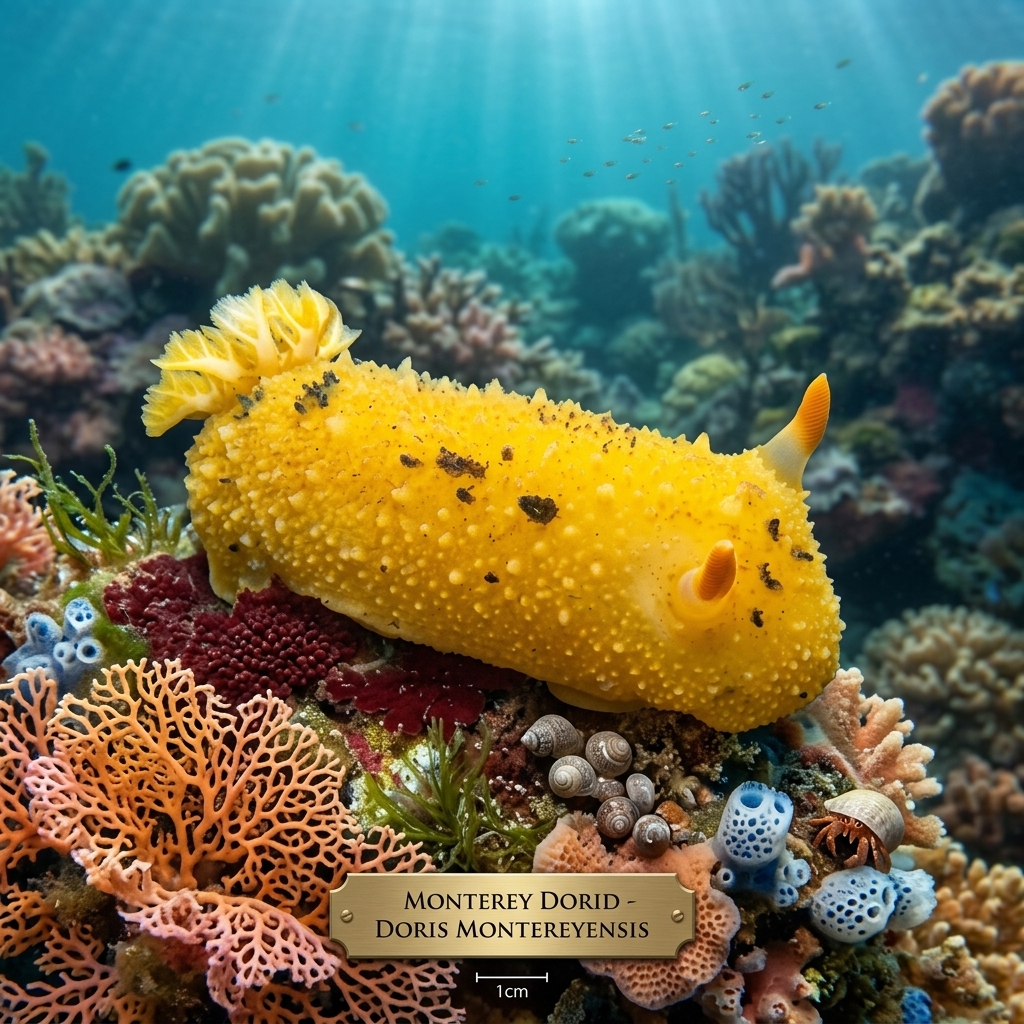
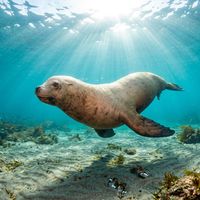
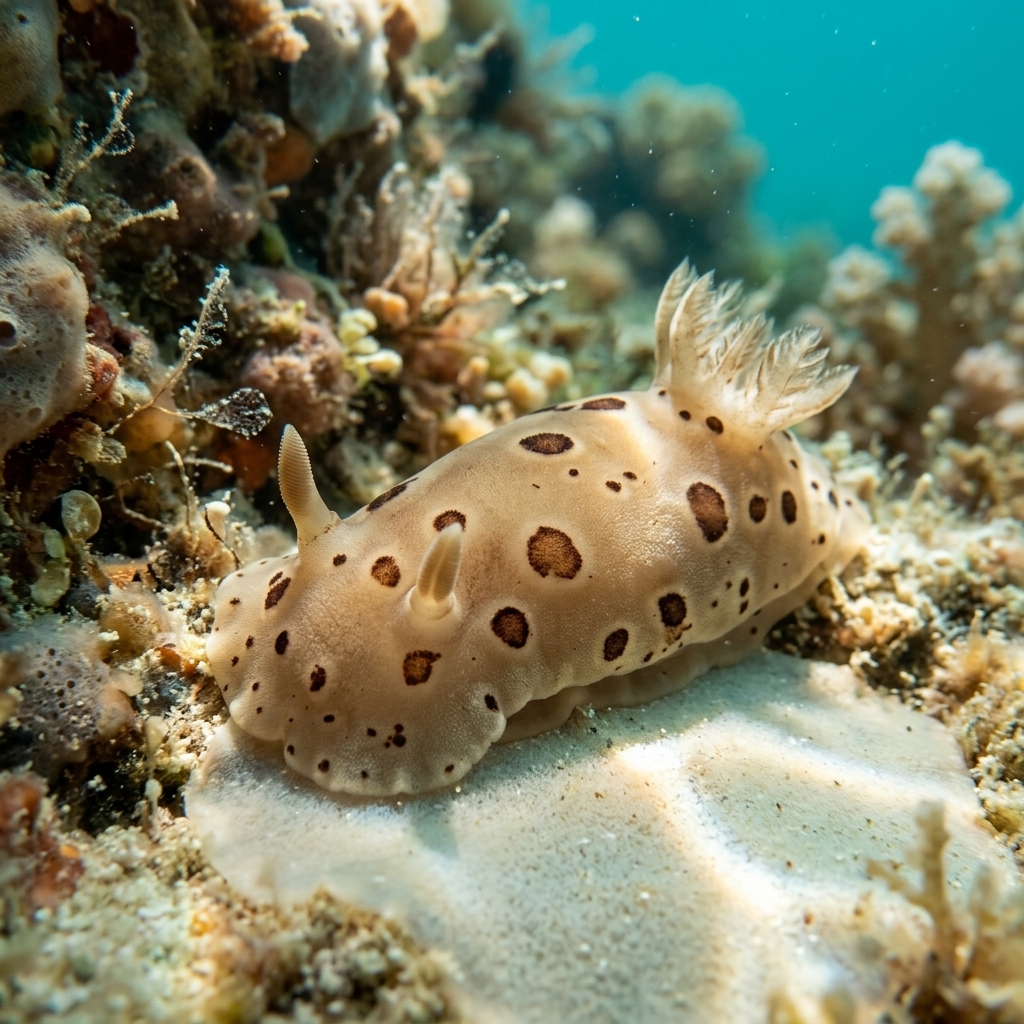
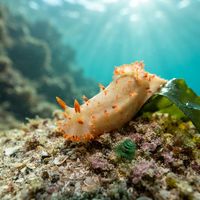
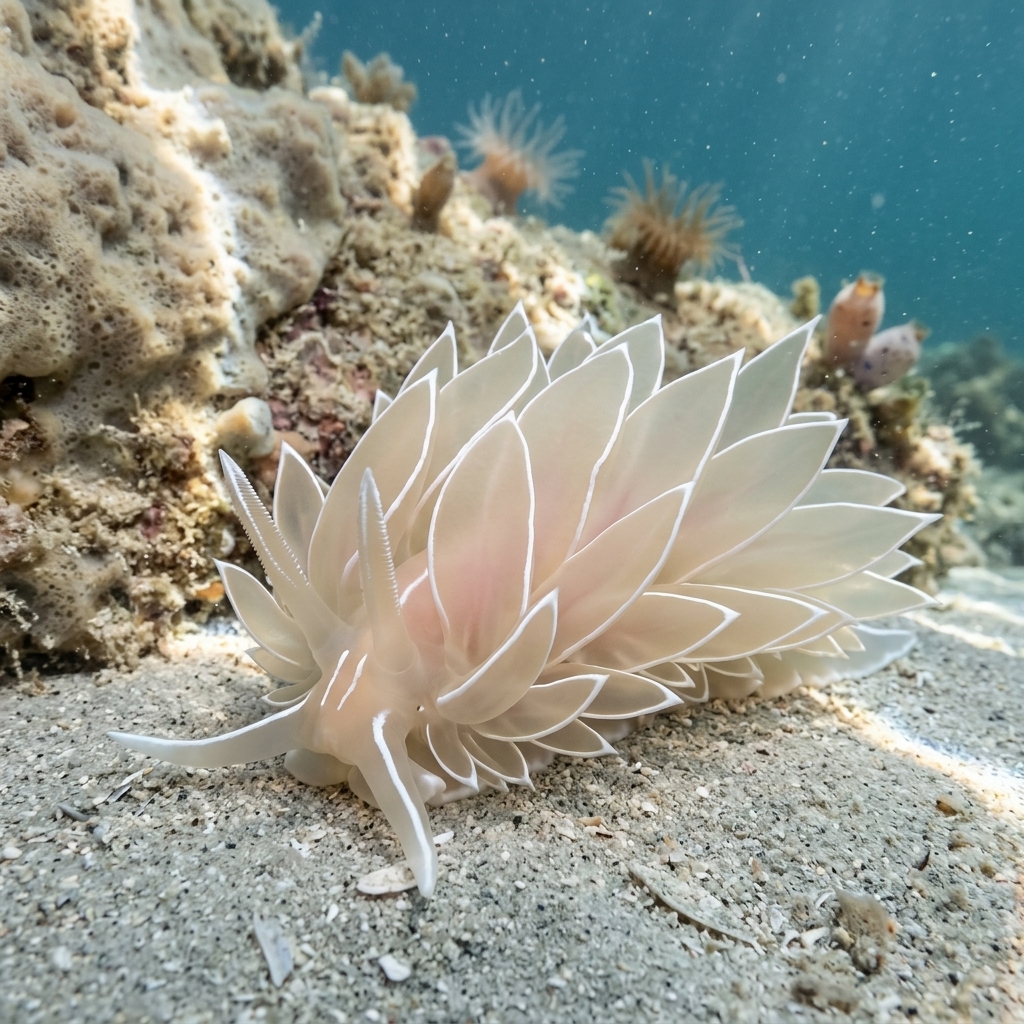
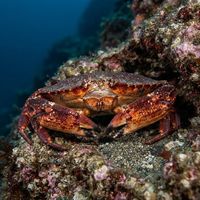
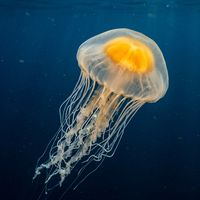
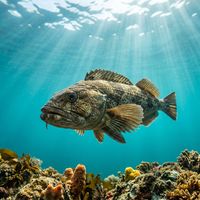
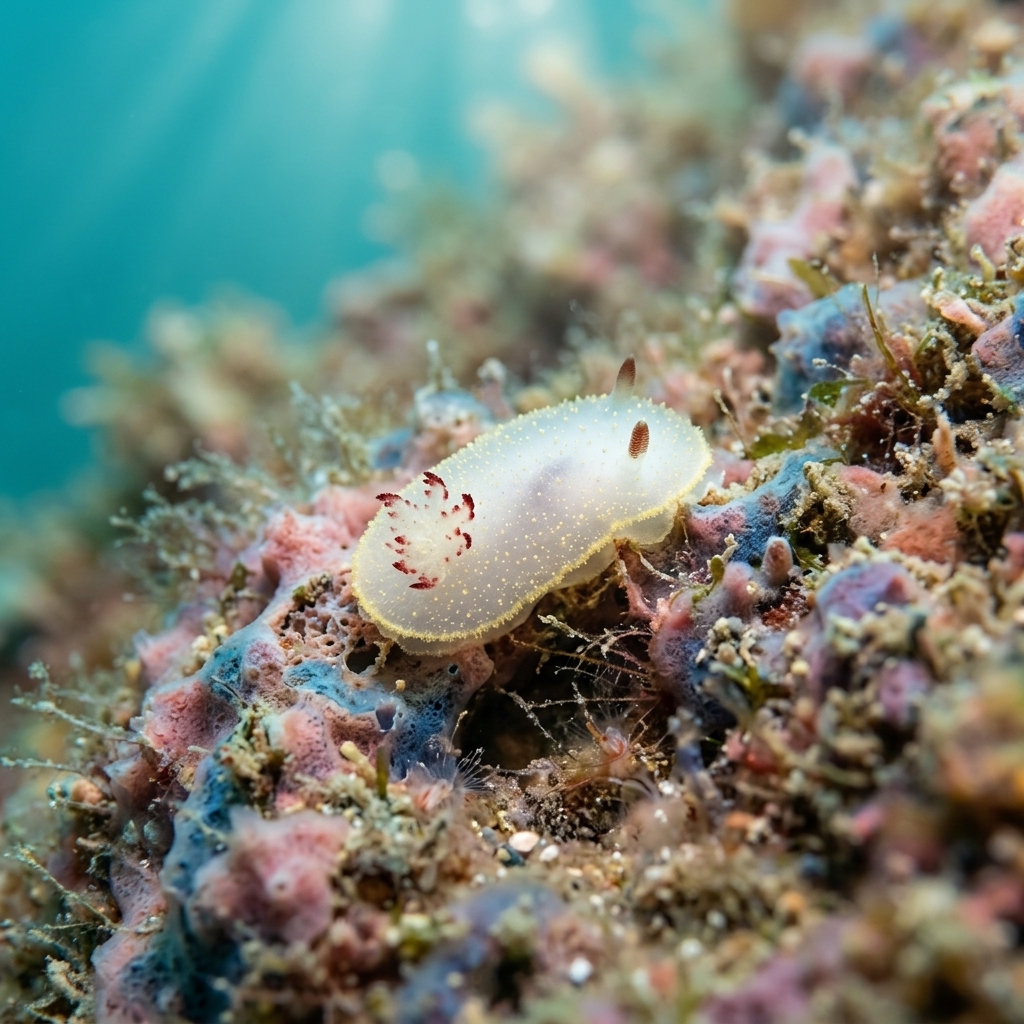
Vancouver Island's signature species include the Giant Pacific Octopus, Harbor Seal, Steller Sea Lion and California Sea Lion, all of which have been observed across many sites. Nudibranchs are a particular highlight, with the Monterey Dorid, Northern Leopard Dorid, White-lined Dirona, Nanaimo Dorid and Hermissenda all commonly recorded. King Crab, Ling Cod, Scorpionfish and Egg-yolk Jellyfish round out a varied and distinctive cold-water fauna.
Yes, a handful of sites are rated at beginner or intermediate level. Ogden Point is a shore-access site that suits beginners, offering an artificial reef in relatively shallow water. Tyler Rock is another site listed at beginner skill level, though it is boat-access only. Many of the region's other sites, particularly around Campbell River and Port Hardy, require intermediate to expert skills due to currents and depth.
Nanaimo and Victoria account for the largest concentration of sites and include accessible artificial reefs, wrecks and kelp forest dives suited to a range of skill levels. Campbell River is home to tidal drift sites and the HMCS Columbia wreck, while Port Hardy includes expert-level current diving at sites like Nakwakto Rapids. Each sub-area has its own character, and choosing between them largely depends on your experience level and preferred site type.
The majority of sites across Vancouver Island require boat access, reflecting the island's rugged coastline and the offshore position of many reefs and drift sites. Shore diving is available at select locations, most notably Ogden Point in Victoria, which is also one of the few sites suitable for both diving and snorkelling from the shore. Operators such as Ogden Point Dive Centre, God's Pocket Resort and Dolphins Resort can arrange boat charters across the various sub-areas.