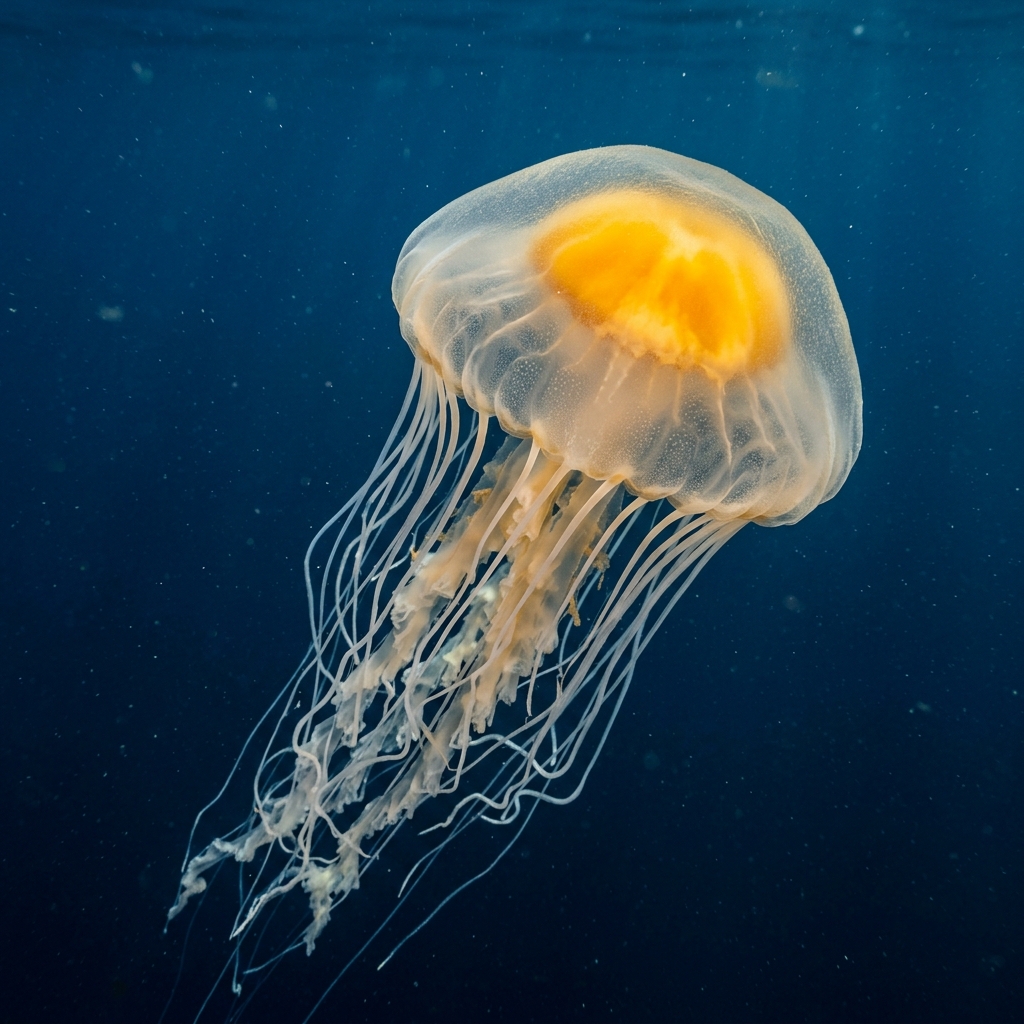
Phacellophora camtschatica
Spot the egg-yolk jellyfish along the Pacific Coast and British Columbia in cold water from 4-14 °C. Where to dive it, when, and how to recognise it.
Safety warning
This species can sting on contact with its tentacles, which may trail well beyond the body and can still sting after the animal is dead or washed up. Look but do not touch, and give it a wide berth.
If you're stung
Stinging tentaclesGeneral first-aid guidance, not a substitute for professional medical care. In an emergency, call your local emergency number.
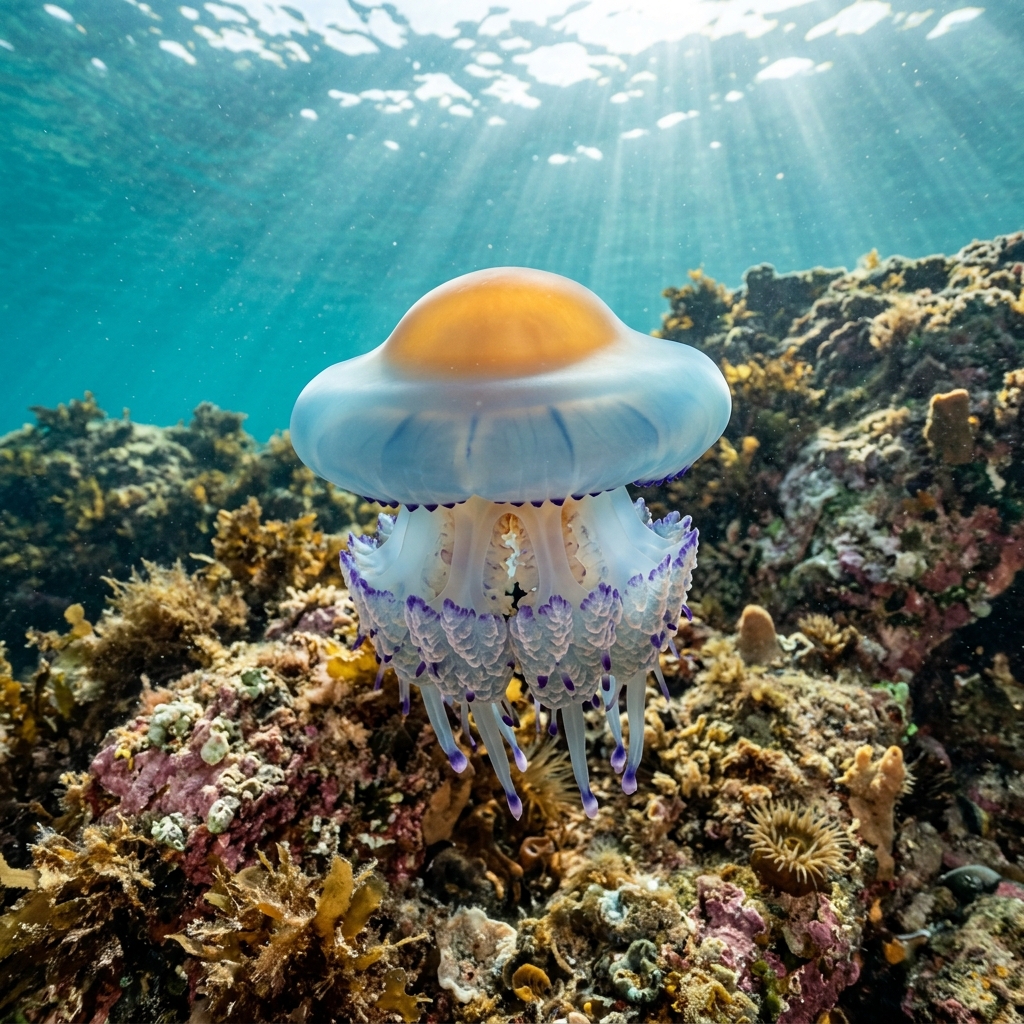
That bright yellow-orange lump in the centre of an otherwise pale, translucent bell is the giveaway, it looks exactly like a fried egg floating through the water column. Bells reach roughly 40 cm across, making this one of the larger jellies you are likely to encounter in cold temperate seas. Long, hair-fine tentacles trail well behind the bell and are easy to miss in low visibility. No other cold-water jelly in its range combines that vivid yolk-coloured centre with such a pale, almost colourless umbrella.
Egg-yolk jellies drift through the open water column on their own, rarely in groups, letting currents carry them while their tentacles fan out to snare prey. They pay little attention to divers, holding their course and ignoring close approaches rather than pulsing away. When actively hunting you may see the tentacles spread wide and fully extended, which is the best time to appreciate just how long they are relative to the bell.
This species is a known host for small crustaceans, particularly juvenile cancer crabs, which hitch rides on or beneath the bell and sometimes steal food directly from its tentacles, making a close look worthwhile even on a routine sighting.
In the Northern Hemisphere, sightings are spread across most of the year with a broad concentration from May through March, effectively year-round with a slight lull in April. This fits the species' preference for cold water between roughly 4 and 14 °C, which persists along the Pacific Coast and Canadian waters for much of the year.
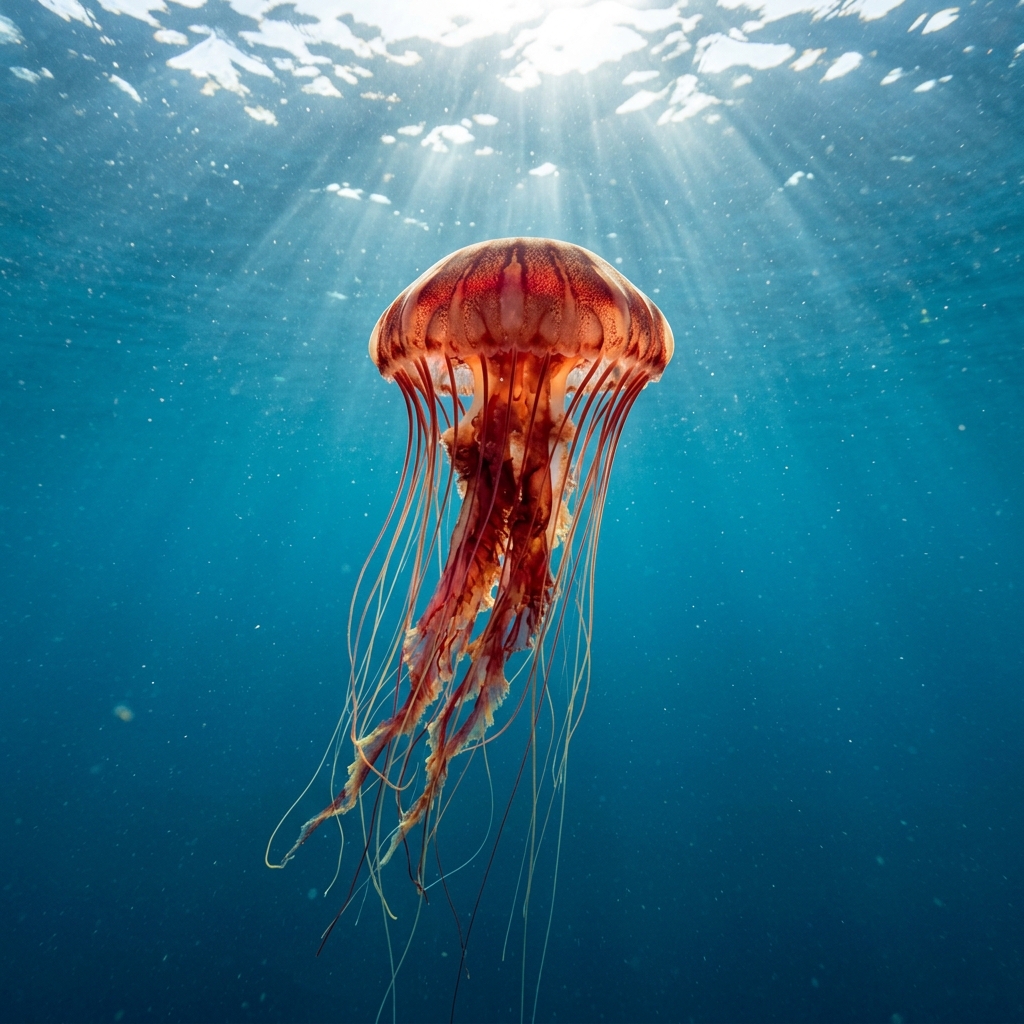
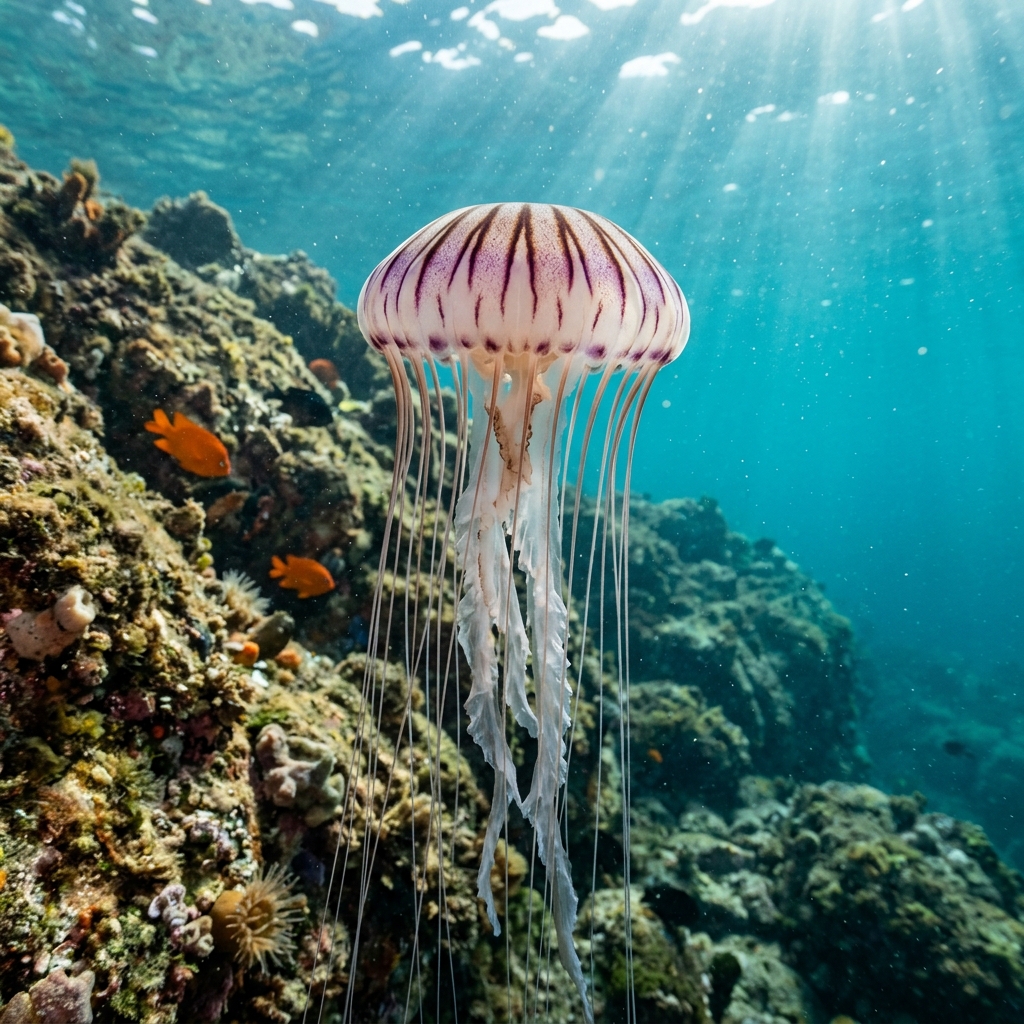
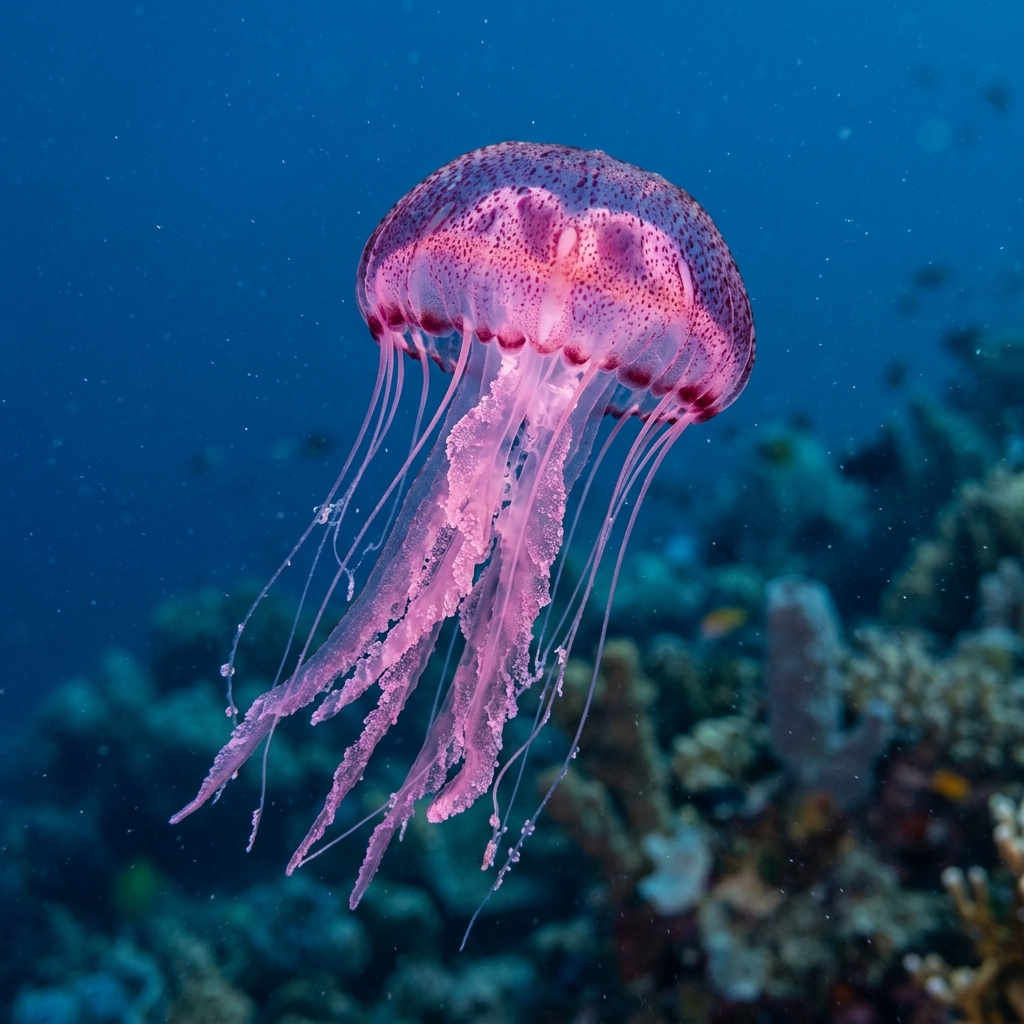
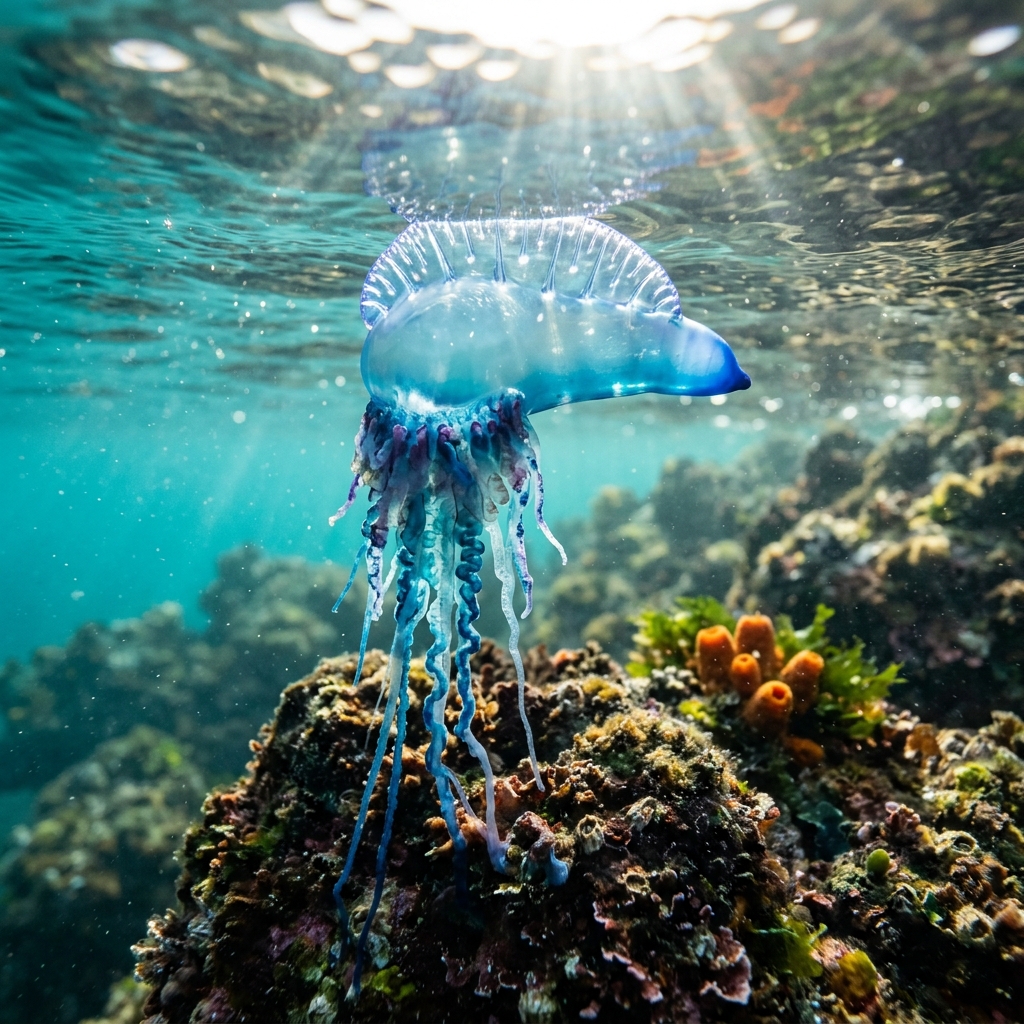
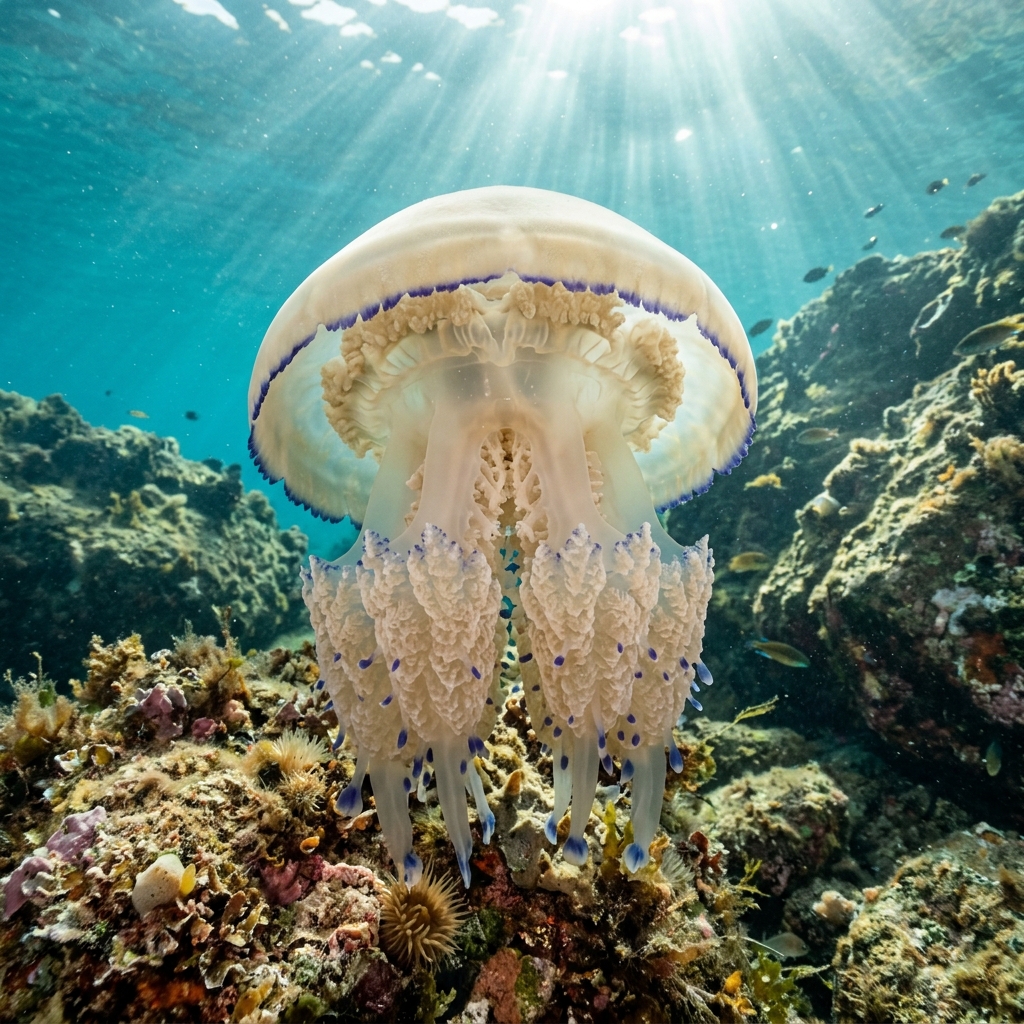
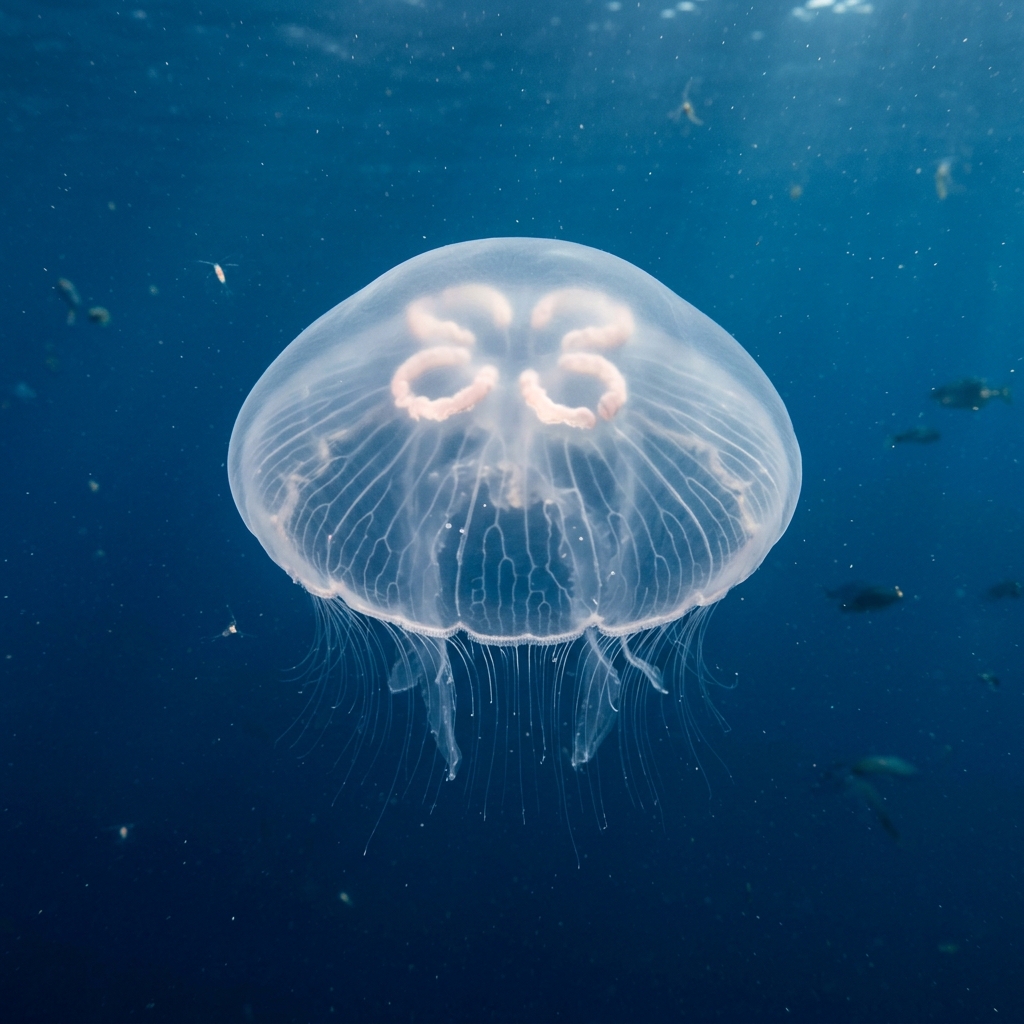
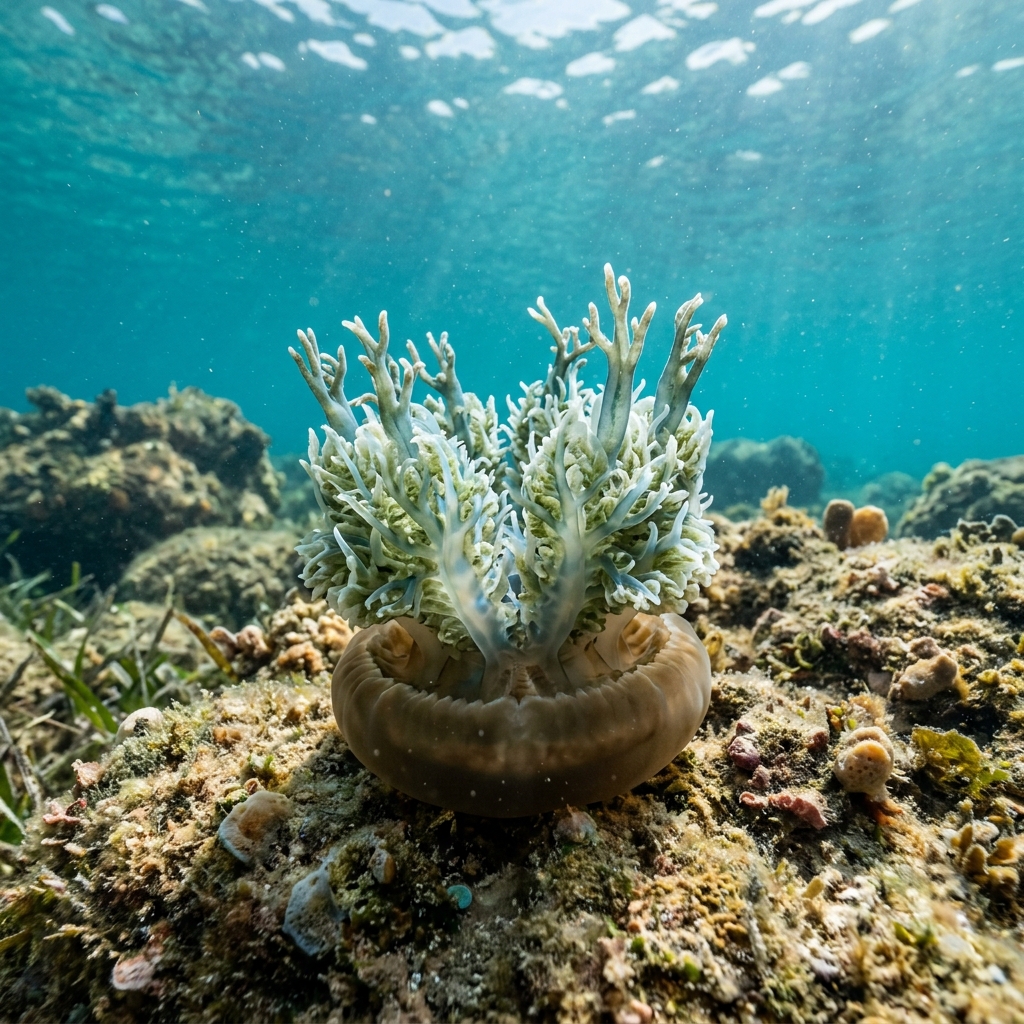
Reef neighbours a diver could mistake it for. Use the identification notes above to tell them apart.
Most sightings come from the Pacific Coast of the United States and the British Columbia coast of Canada, which together account for the overwhelming majority of logged encounters. Smaller numbers of sightings come from the Great Lakes and Northeast United States, Nova Scotia and the Bay of Fundy, and the islands of Cape Verde. A handful of records exist from Baja California and the British Virgin Islands.
Mapping where Egg-yolk Jellyfish is logged…
The best-documented diving is along the Pacific Coast of the United States and the British Columbia coast of Canada, where sightings are most frequently logged. Smaller numbers of encounters are recorded from Nova Scotia, the Bay of Fundy, the Great Lakes and Northeast US, and Cape Verde.
Northern Hemisphere sightings are logged across most of the year, broadly from May through to March. Because this species favours cold water in the 4-14 °C range, it is present in Pacific Northwest and Canadian waters for much of the year rather than in a tight seasonal window.
Look for a large, nearly colourless translucent bell, up to about 40 cm across, with a vivid yellow-orange central mass that resembles an egg yolk. Very long, fine tentacles trail behind it. The combination of pale bell and bold orange centre is distinctive in cold temperate waters.
Most individuals encountered by divers have bells around 40 cm in diameter, though larger specimens are recorded. The trailing tentacles can extend considerably further than the bell diameter suggests.
Yes, juvenile crabs, particularly young cancer crabs, are regularly found riding on or beneath the bell. They appear to use the jelly for shelter and transport, and will steal captured prey from the tentacles. Spotting a hitchhiker on the bell is not uncommon and is worth looking for on any encounter.
Site and sighting data is aggregated from diver logs, iNaturalist and GBIF. For taxonomy and conservation status:
Moon Jellyfish
1,766 sites