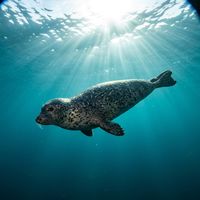
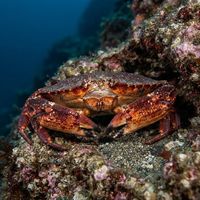
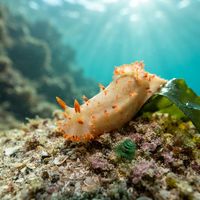
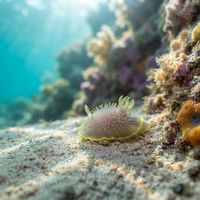
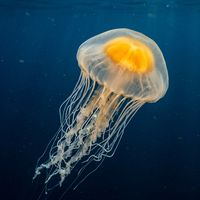
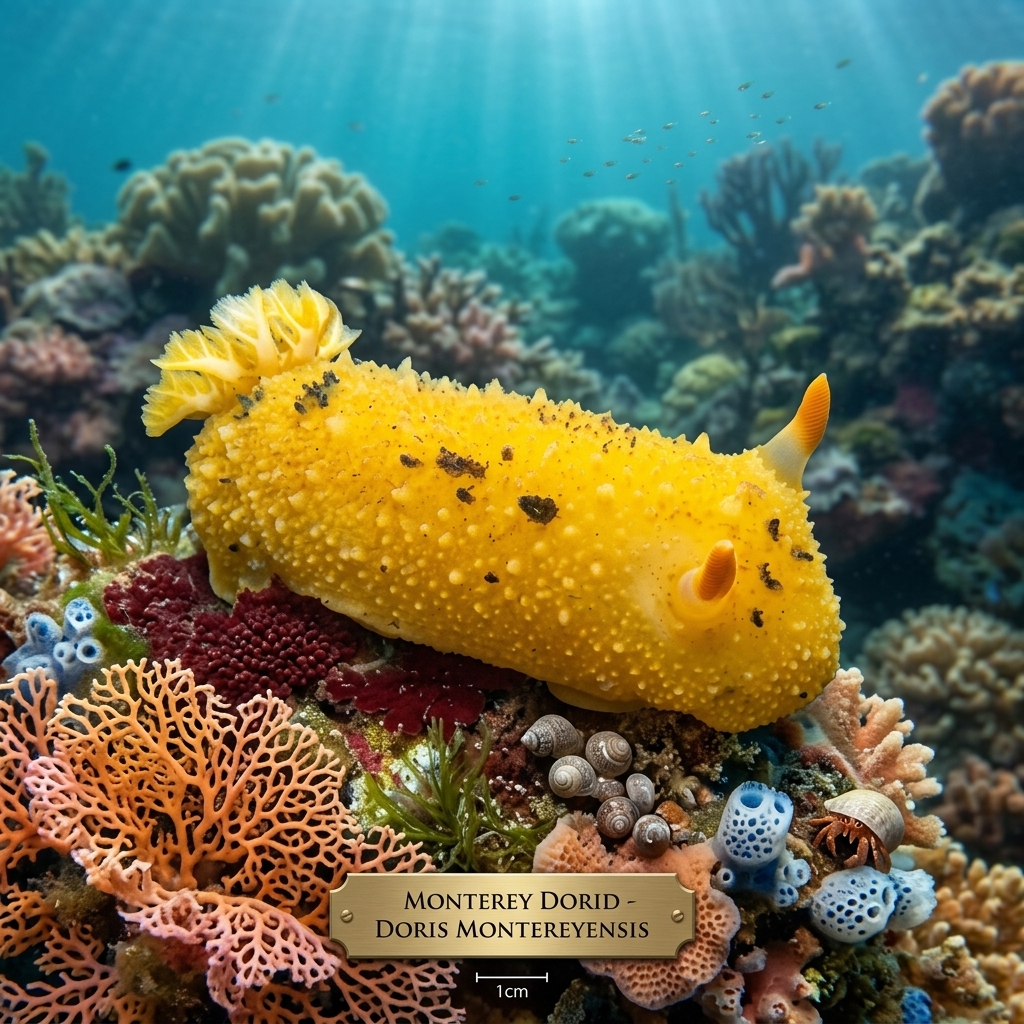
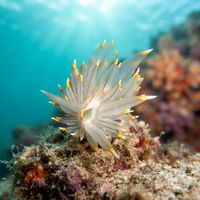
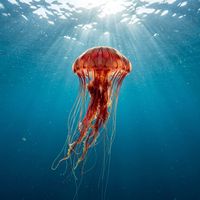
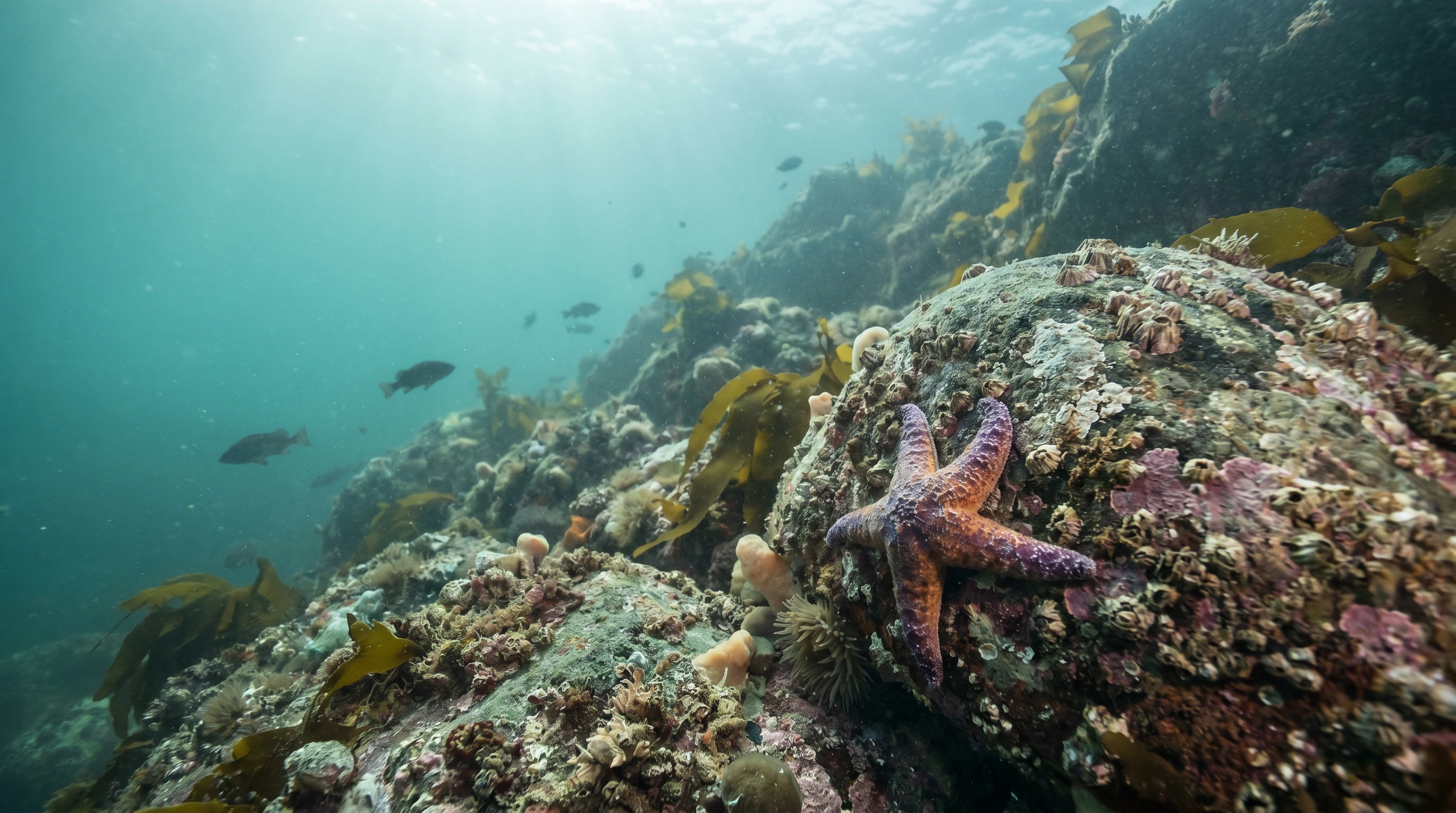
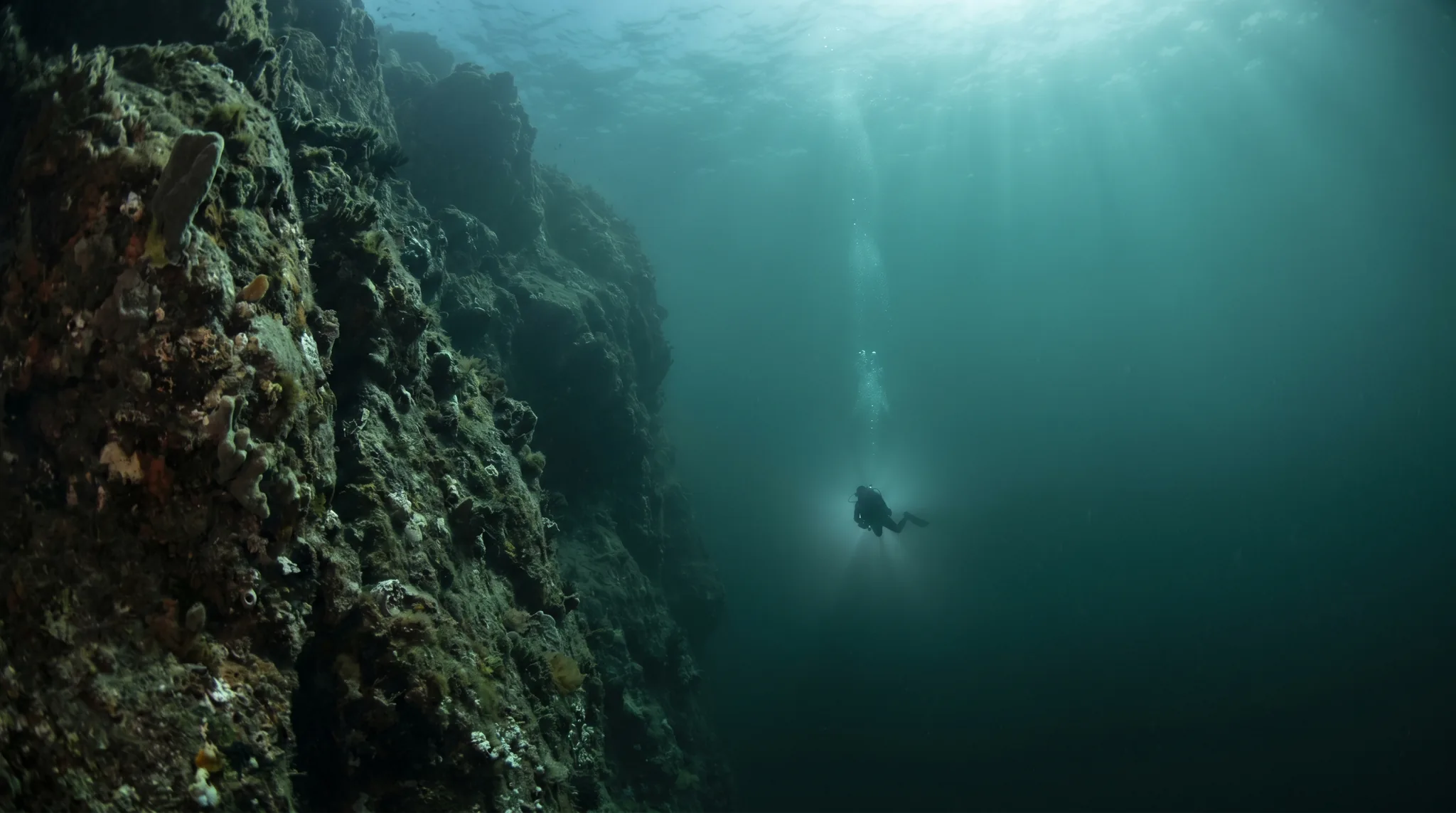
The Gulf Islands deliver cold-water diving shaped by tidal current and dramatic topography. Reef and wall sites dominate, with drift diving a defining feature at advanced sites such as Arbutus Point, Domville Island, and Sheep Island. Shore entry is available at beginner-friendly spots including Arachne Reef and Maple Bay. Marine life leans heavily toward invertebrates: the Egg-yolk Jellyfish and Leather Star appear across nearly every site, while the East Pacific Red Octopus, Monterey Dorid, and an impressive range of nudibranchs reward patient observation. Harbor Seal and California Sea Lion appearances add a larger-animal dimension.
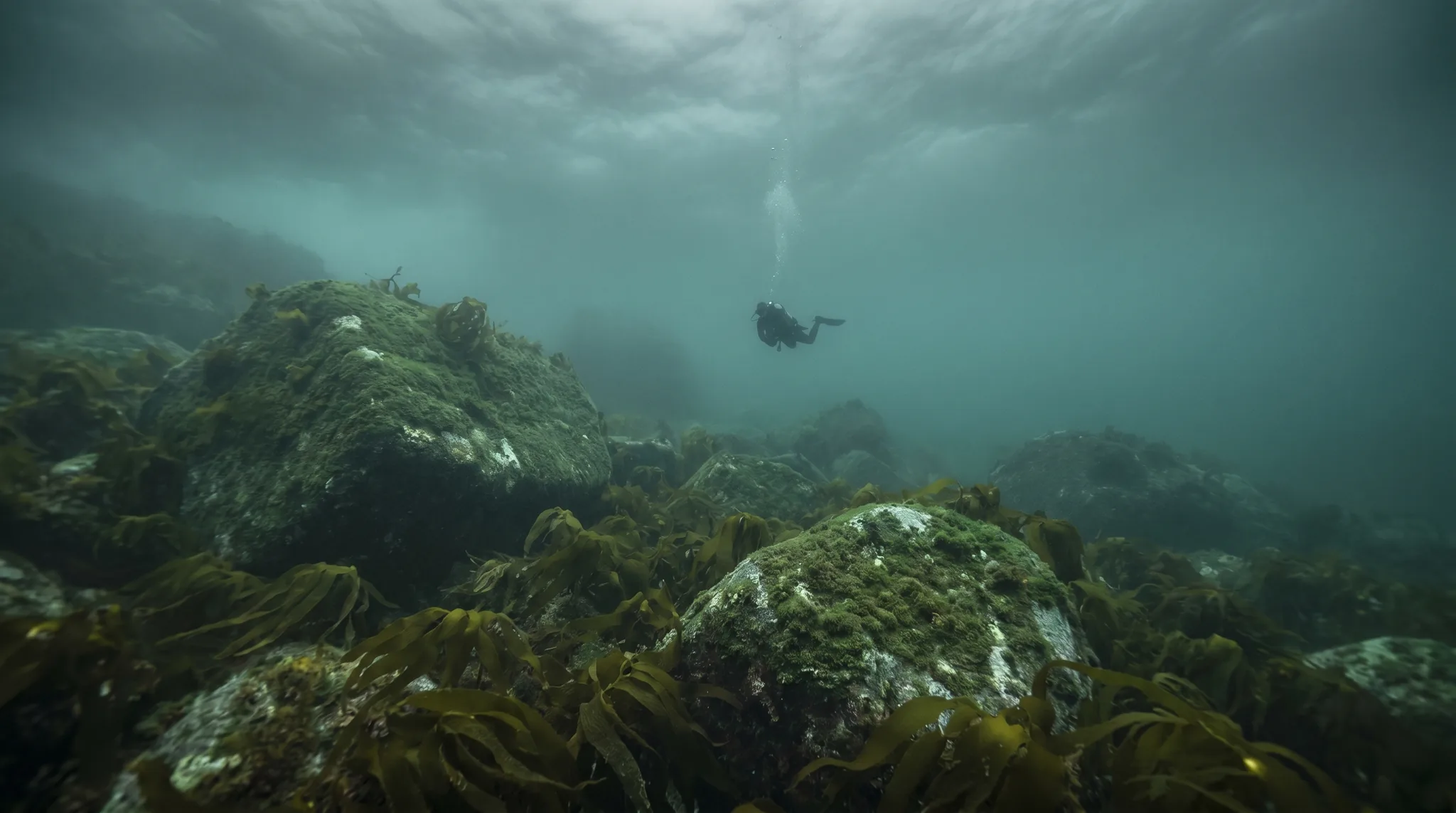
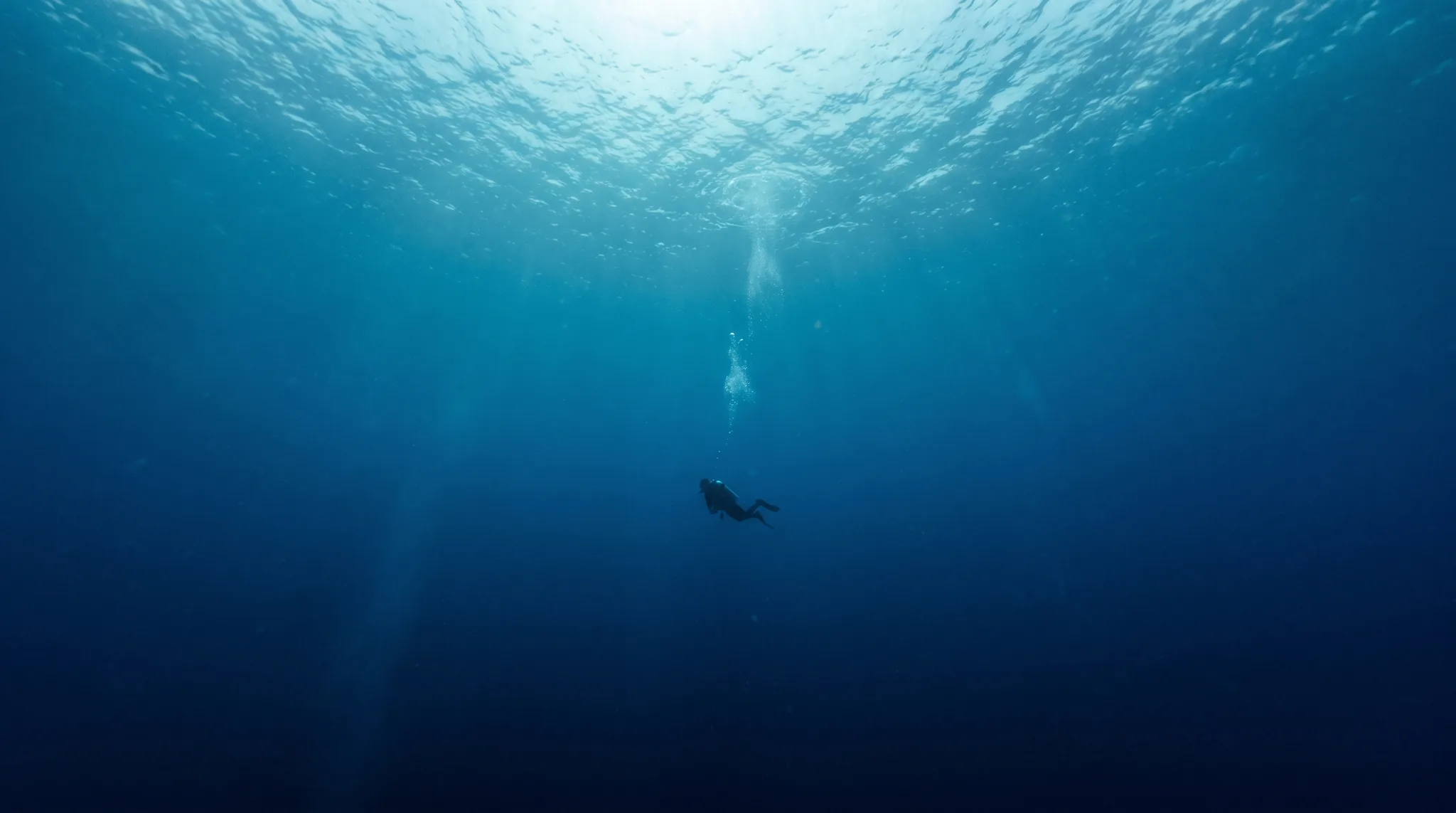
Monthly water temperature across Gulf Islands's sites, from satellite sea-surface data corrected for depth. The band shows the site-to-site spread.
Water temperature stays cold year-round, lifting only slightly through summer and early autumn. The warmest months run from July through October, which aligns with the best-rated diving period and generally brings the most settled conditions for boat-based drift dives. Winter and spring remain diveable but demand adequate thermal protection given the persistently cold temperatures.
32 more sites to explore
Water temperature around Gulf Islands ranges from about 8°C in January to 12°C in July, based on satellite sea-temperature data for its dive sites.
In the warm season (about 12°C) a 7mm or semi-dry suit is comfortable in Gulf Islands; in the coldest months (about 8°C) step up to a drysuit.
Fin maps 38 sites in Gulf Islands (36 scuba diving sites and 5 snorkelling spots, with some suited to both).
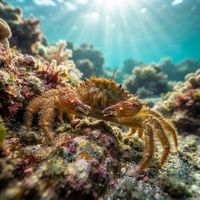
The Gulf Islands are particularly strong for invertebrate diversity. The Egg-yolk Jellyfish, Leather Star, and Crab are encountered across nearly all sites, while nudibranchs including the Monterey Dorid, Nanaimo Dorid, Northern Leopard Dorid, Hermissenda, and White-lined Dirona are common finds on the reefs. The East Pacific Red Octopus is a reliable sighting, and there is a good chance of encountering Harbor Seal or California Sea Lion on any given dive.
Several sites are well suited to newer divers. Arachne Reef and Maple Bay offer shore entry at manageable depths, and Cultus Lake provides a sheltered freshwater option. However, many of the most compelling sites, including Arbutus Point, Domville Island, and Sheep Island, involve strong currents and deeper walls that require advanced certification and current-diving experience.
Both options exist. Arachne Reef, Maple Bay, and Cultus Lake are shore-entry sites accessible without a boat. The more exposed and current-driven sites, such as Arbutus Point, Domville Island, and Sheep Island, are boat-access only. Captain Jack's Subsea Retreat is the locally listed operator for those needing guided or boat-supported access.
Reef diving is the backbone of the Gulf Islands site portfolio, often combined with wall sections and strong tidal current that makes drift diving the preferred technique at many locations. Site character ranges from shallow, sheltered reefs ideal for close-focus invertebrate work to deep walls where currents concentrate marine life and require careful timing relative to the tide.