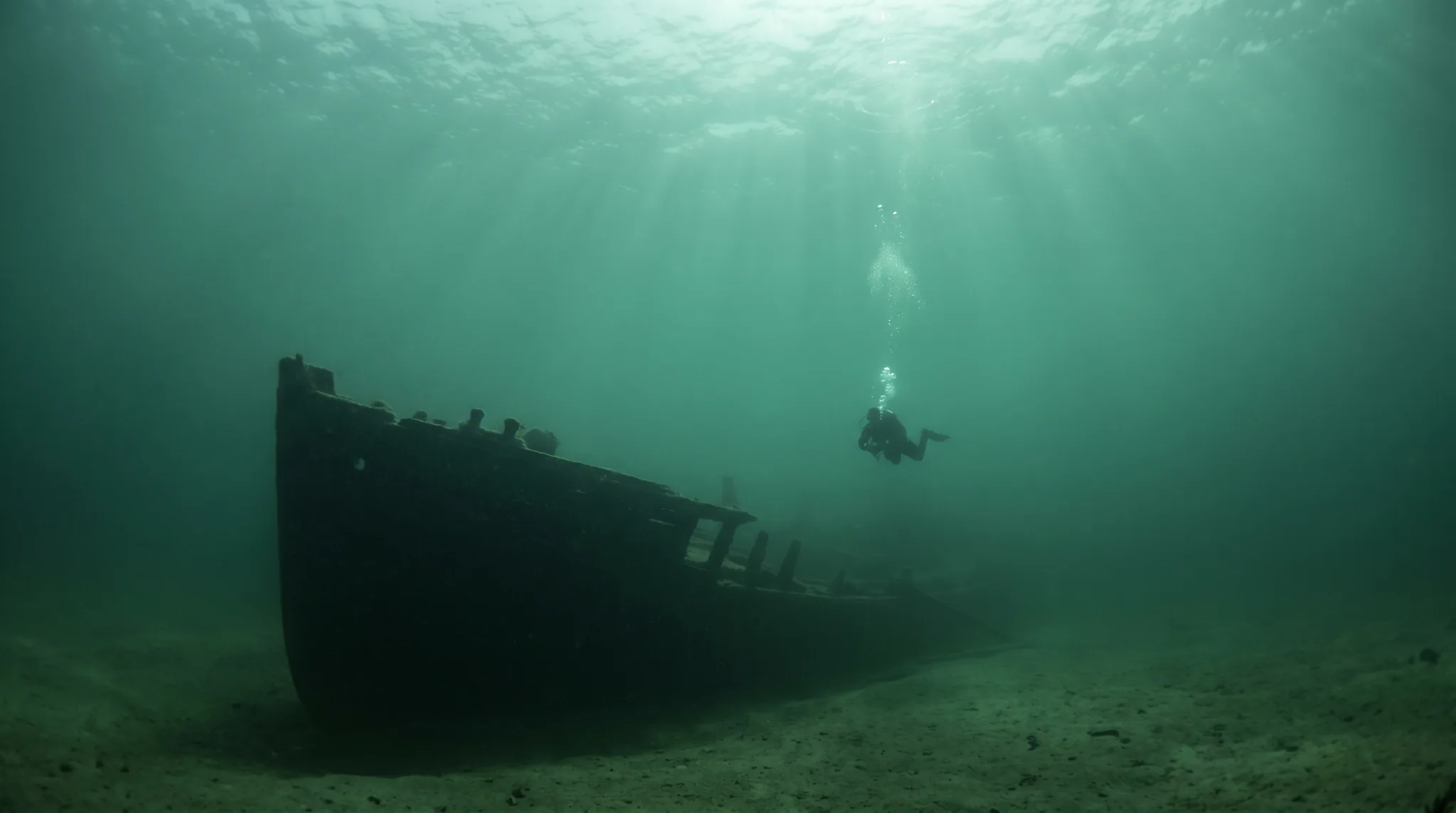
Best for advanced divers, 13-40m, boat entry, moderate current.
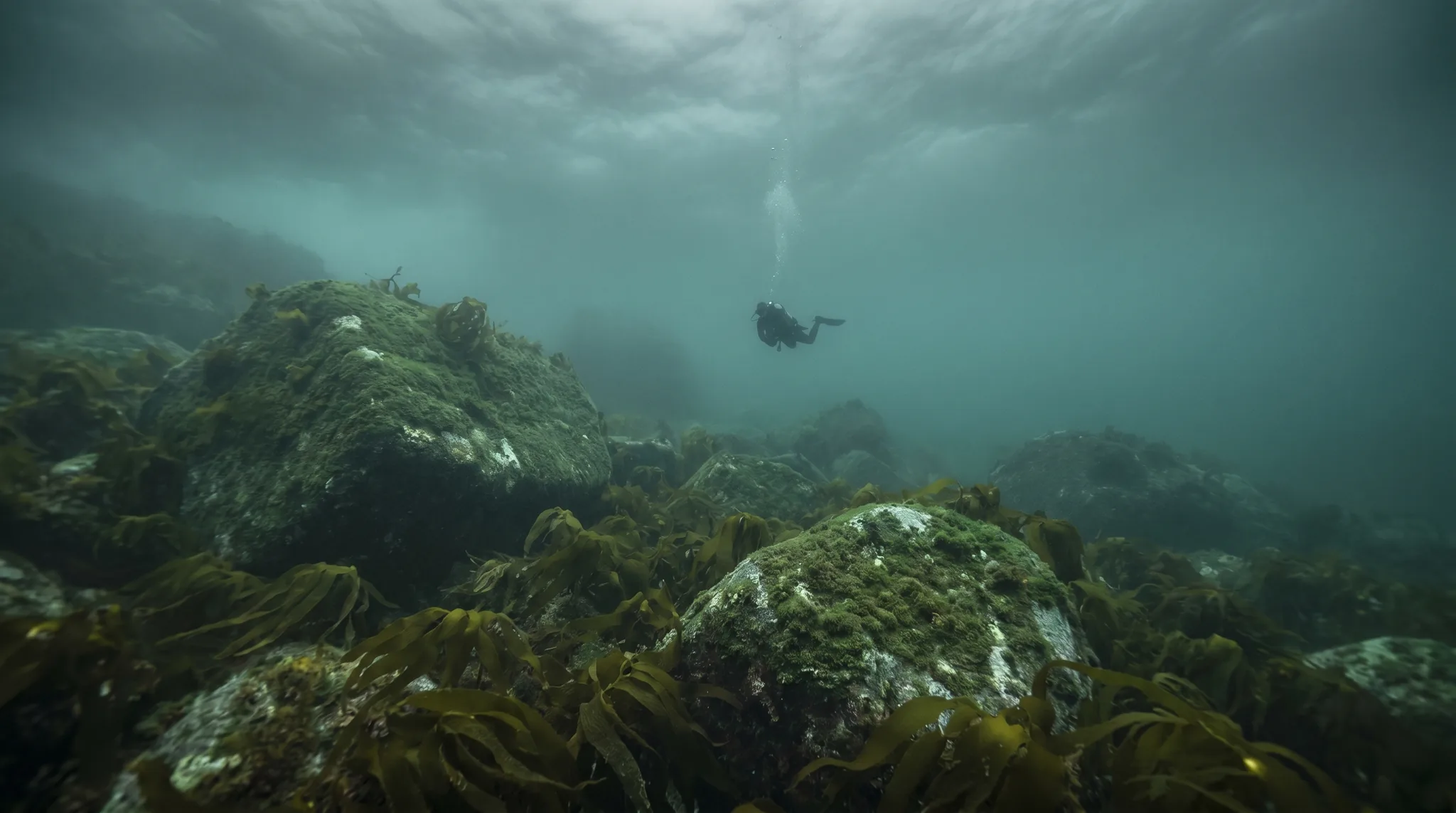
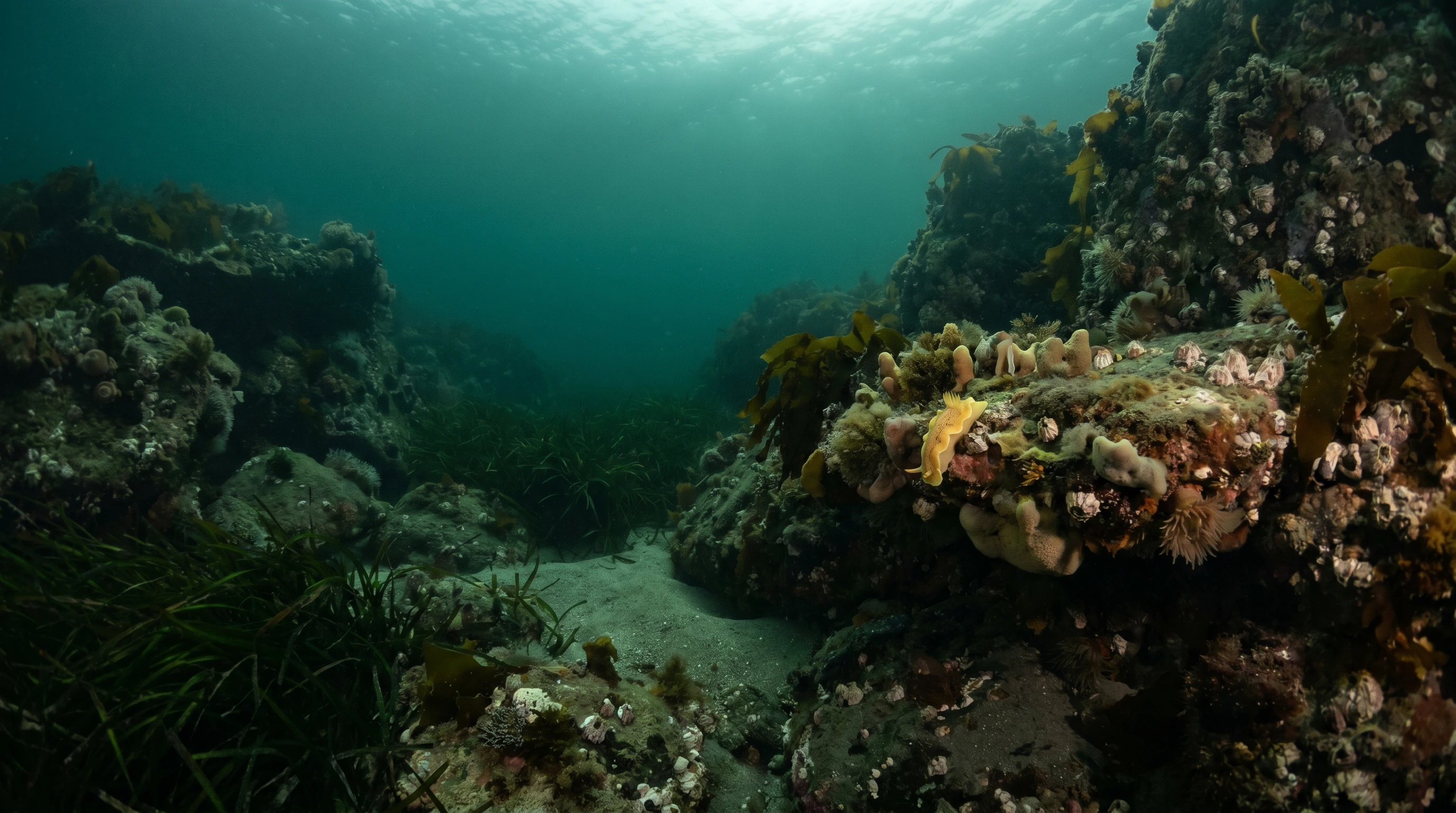
The HMCS Saskatchewan is an artificial reef wreck located 7000 metres off the coast of Nanaimo. This advanced dive site features a former naval vessel resting at depths ranging from 13 to 40 metres, with an average depth of 30 metres. Access is strictly by boat. Divers should be prepared for moderate currents and variable visibility between 5 and 27 metres. Water temperatures are cold, fluctuating between 7C and 14C throughout the year. Due to the depth and the nature of the wreck, this site presents hazards including decompression requirements, nitrogen narcosis, and overhead environments. Typical dive times are approximately 50 minutes. Boat charters and guided tours are available for those visiting this site.
49.21600, -123.88450
Most dives start at the mid-ship buoy so divers can go either direction when they reach the wreck.
Charters depart from the Brechin Boat Launch in Nanaimo.
Recorded at this site
Depth
13-40m
Visibility
5-27m
Skill Level
Advanced
Entry
Boat
Boat required
Water Temp
7-14°C
Current
Moderate
Typical Dive
50 min
Best Time
Jan, Feb, Mar, Sep, Oct, Nov, Dec
No, this site is classified for advanced divers due to its depth, potential for strong currents, and the overhead environment of the wreck.
The wreck lies at depths between 13 and 40 metres, with an average depth of 30 metres.
The HMCS Saskatchewan is a boat dive located 7000 metres from shore, requiring a boat charter to access.
Snorkelling is not recommended due to the significant depth of the wreck and the advanced nature of the site.
Water temperatures range from 7C in winter months to 14C during the summer.
Diving at HMCS Saskatchewan in Nanaimo requires the following certifications: Advanced. Always dive within your training limits.
A drysuit recommended is recommended for diving at HMCS Saskatchewan in Nanaimo. Water temperatures range from 7°C to 14°C.
The best months to visit HMCS Saskatchewan in Nanaimo are January, February, March, September, October, November, and December. Conditions outside these months can still be good but are less predictable.