Acanthodoris nanaimoensis
Spot the Nanaimo Dorid along the British Columbia and Pacific Coast in cool 7-15 °C water. Tips on when, where, and how to identify this rare 1 cm nudibranch.
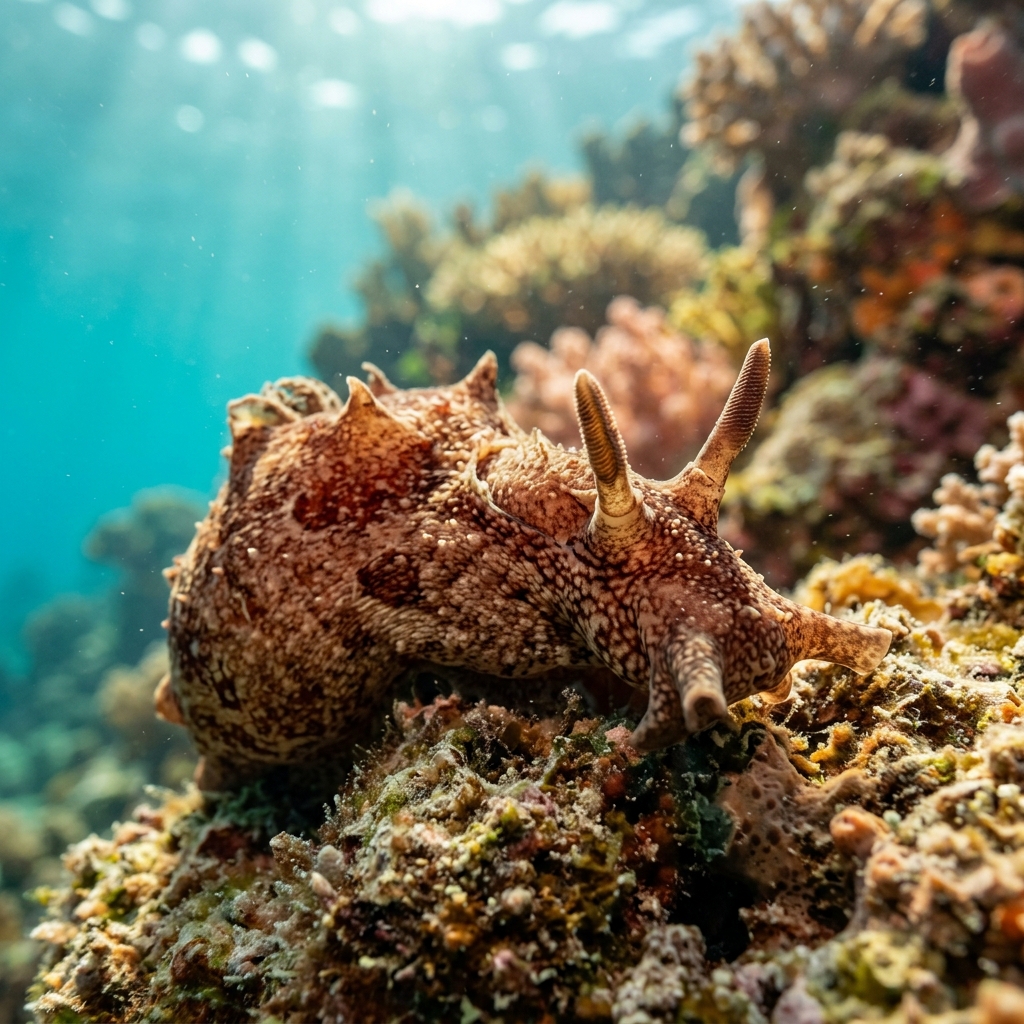
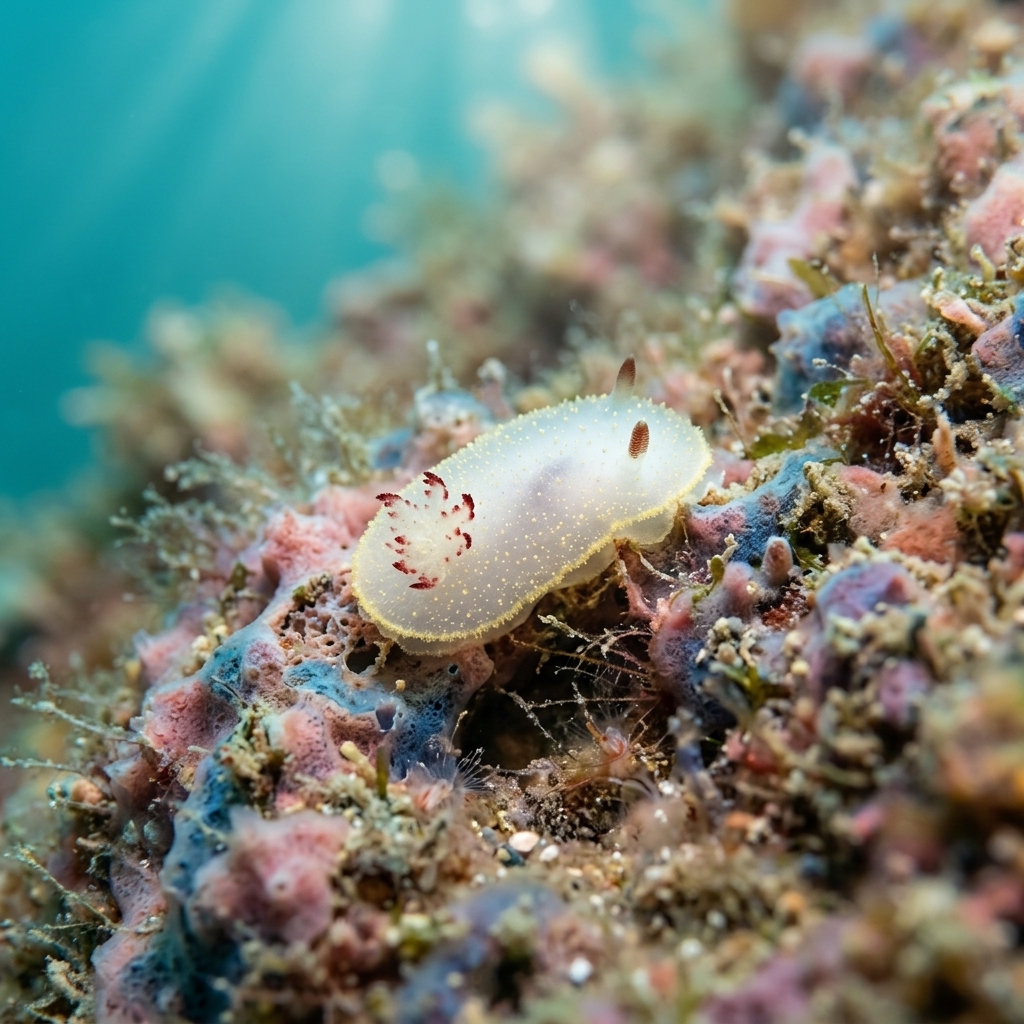
At around 1 cm, this is a tiny nudibranch that demands a sharp eye and a slow pace. Look for a soft, rounded body covered in small tubercles (bumpy projections on the dorsal surface) that give it a textured, almost frosted appearance. It sits tight on rocky or algae-covered substrate and barely moves, so scanning slowly is the only reliable approach. Its small size and pale colouration make it very easy to overlook against the cold-water reef.
Expect to find this nudibranch hugging the bottom, crawling slowly across rock, algae, or encrusting invertebrates rather than moving through the water column. Sightings are rare even at sites where it is known to occur, so treat any encounter as a slow-down moment and check your buoyancy carefully before approaching. There is currently too little observational data to say anything definitive about its reactions to divers or its social habits.
Like other members of its family, the Nanaimo Dorid is thought to feed on encrusting bryozoans (moss-like colonial animals that coat rocky surfaces), which is why slow, methodical searches of bryozoan-covered rock in cold Pacific waters give you the best realistic chance of a sighting.
Sightings concentrate between September and February, aligning with the cooler months in the Pacific Northwest when water temperatures sit in the 7 to 15 °C range that this species appears to favour.
Almost all logged sightings come from the British Columbia Coast in Canada and the Pacific Coast of the United States, with Alaska adding a smaller but notable cluster of sites. These cold temperate waters, running from the Pacific Northwest up into southeastern Alaska, account for the overwhelming majority of real diver observations. A handful of range-model sites extend the potential distribution to the British Virgin Islands and China, but confirmed diver sightings are concentrated firmly in the North Pacific.
Mapping where Nanaimo Dorid is logged…
The vast majority of confirmed sightings come from the British Columbia Coast in Canada and the Pacific Coast of the United States, including a cluster of sites in Alaska. These cold, rocky North Pacific diving destinations are by far the most productive places to look.
Logged sightings concentrate between September and February in the Pacific Northwest. This cooler period matches the species' observed water-temperature range of roughly 7 to 15 °C, so autumn through winter dives in British Columbia or the US Pacific Coast give you the best odds.
It is a very small nudibranch, around 1 cm, with a pale, tubercle-covered body that blends easily into rocky substrate. Slow down, look close, and focus your search on encrusting surfaces in cold water. Its tiny size is the single biggest identification challenge.
They reach around 1 cm in length, making them one of the smaller nudibranchs a Pacific Northwest diver might encounter. A good macro lens and a slow, methodical search pattern are essential to have any real chance of spotting one.
Yes, they are rated rare at the majority of sites where they are recorded. Even at known sites, a sighting is far from guaranteed. Patient, close-focus searching of rocky benthic areas in cold Pacific waters gives you the best chance.
Site and sighting data is aggregated from diver logs, iNaturalist and GBIF. For taxonomy and conservation status:
Light-spotted Aegires
3,168 sites