
Victoria's diving is shaped by cold, productive water and strong currents that draw an exceptional cast of marine life. Shore dives like Ogden Point and Albert Head Lagoon suit beginners, while current-swept sites such as Ten Mile Point, Swordfish Island, and Race Rocks reward advanced divers with drift diving through kelp forests and over dramatic walls. Harbor Seal and California Sea Lion encounters are frequent, and the reef invertebrate life, including Giant Pacific Octopus and a remarkable diversity of nudibranchs, is a consistent draw.
1 areas
Monthly water temperature across Victoria's sites, from satellite sea-surface data corrected for depth. The band shows the site-to-site spread.
Water temperature stays cold and remarkably stable year-round, shifting only slightly between winter and the warmer months of late summer and autumn. September scores highest among divers, alongside the winter months of January, February, and December, suggesting that calm conditions and good marine activity are not limited to summer. A drysuit is the practical choice for any season given the consistently cold water.
17 operators
Colwood, Canada
Canada
Victoria, Canada
North Saanich, Canada
24 more sites to explore
Current-driven reefs near Victoria where sea lions, Giant Pacific Octopus and an extraordinary nudibranch diversity meet divers at almost every site.
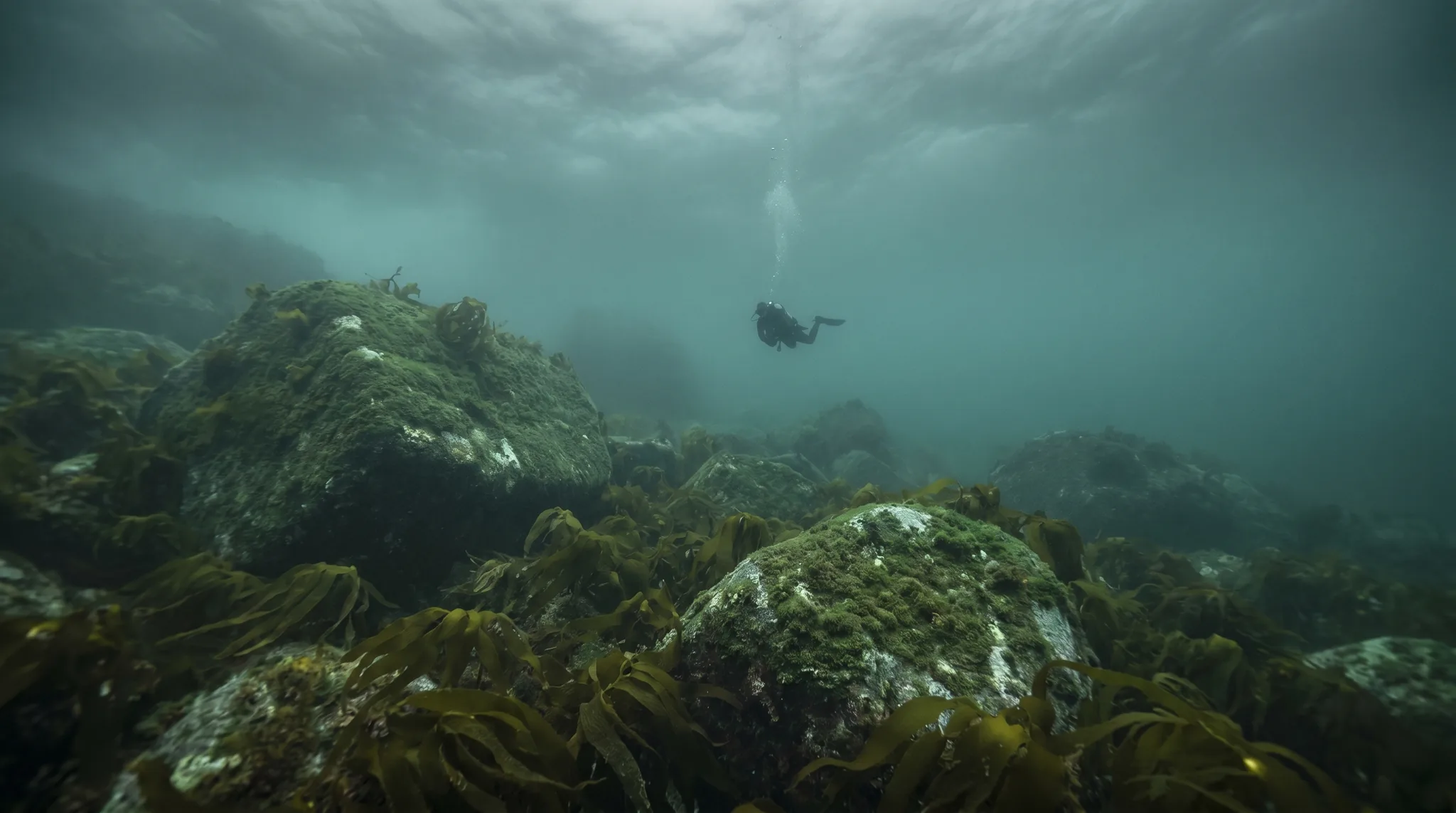
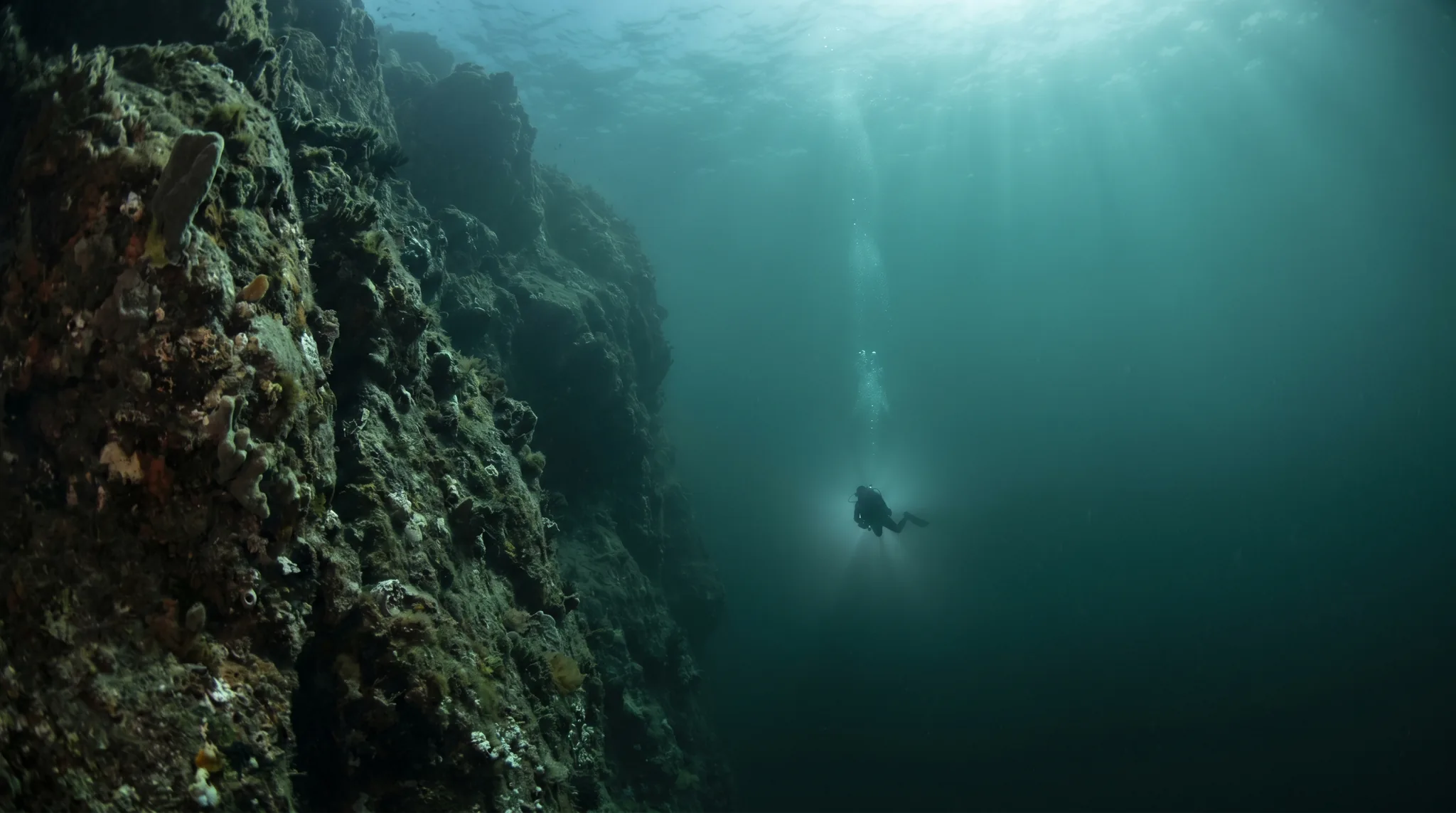
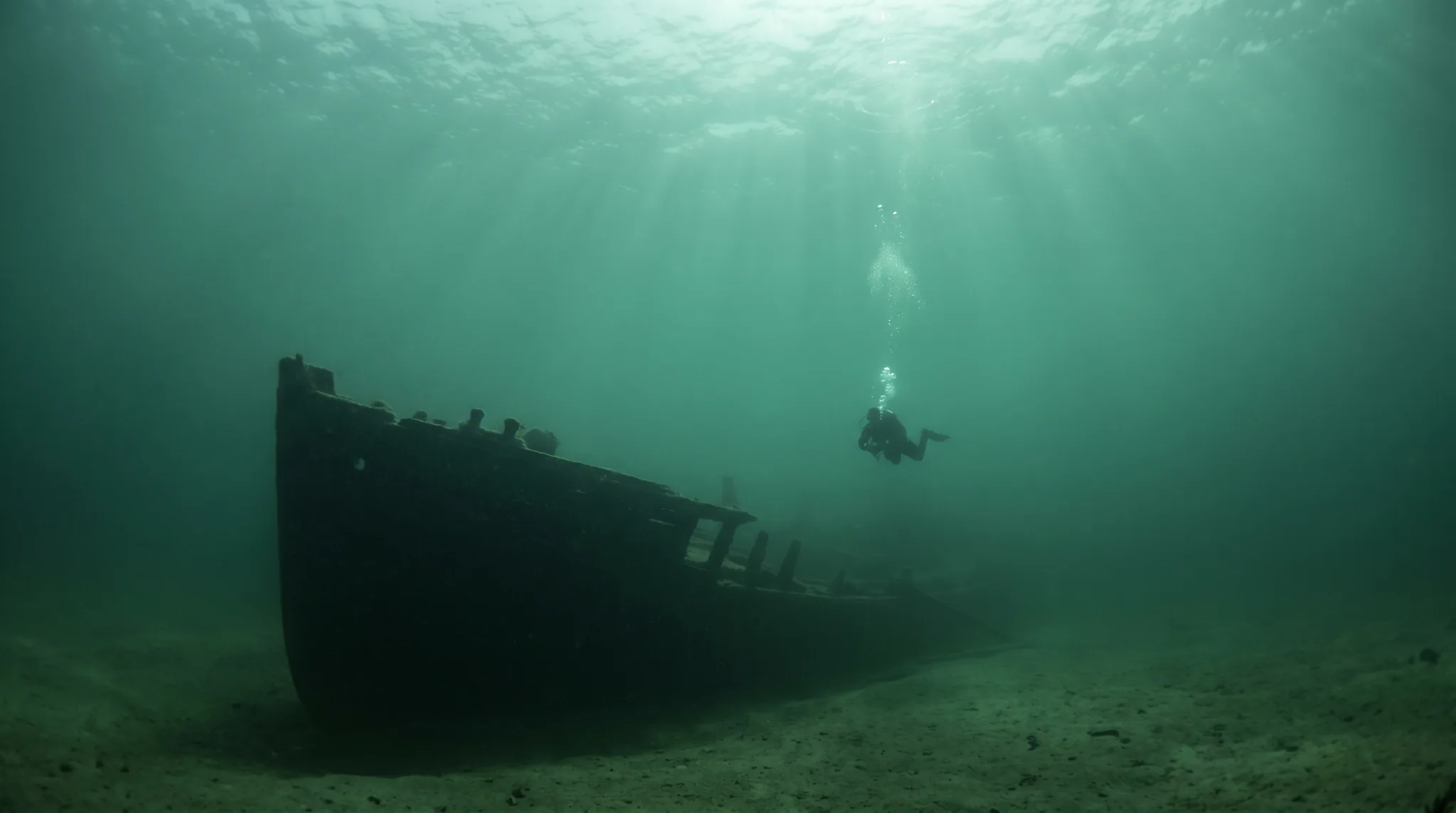
Water temperature around Victoria ranges from about 8°C in January to 10°C in July, based on satellite sea-temperature data for its dive sites.
With water around 8–10°C, a drysuit works in Victoria year-round.
Fin maps 31 sites in Victoria (30 scuba diving sites and 6 snorkelling spots, with some suited to both).
Across Victoria's dive sites, January, February, September and December are most often reported as the best months to visit.
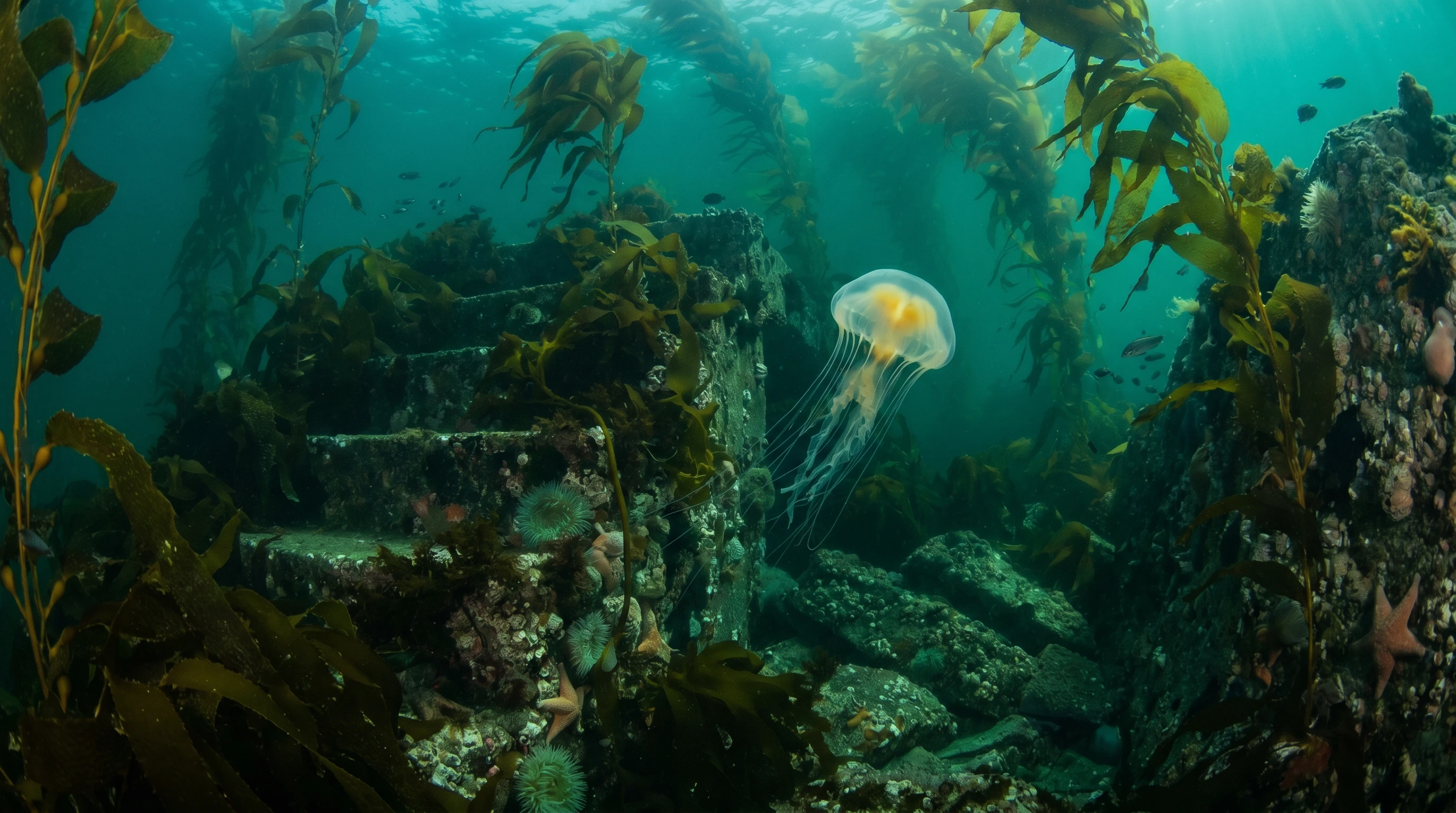
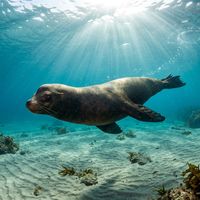
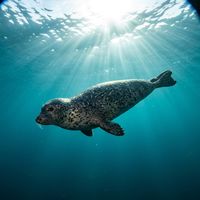
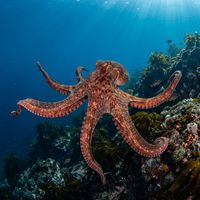
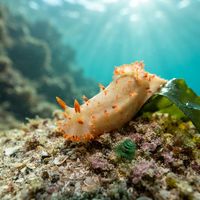
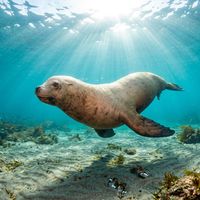
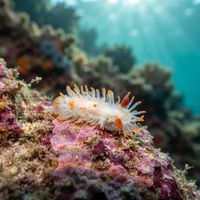
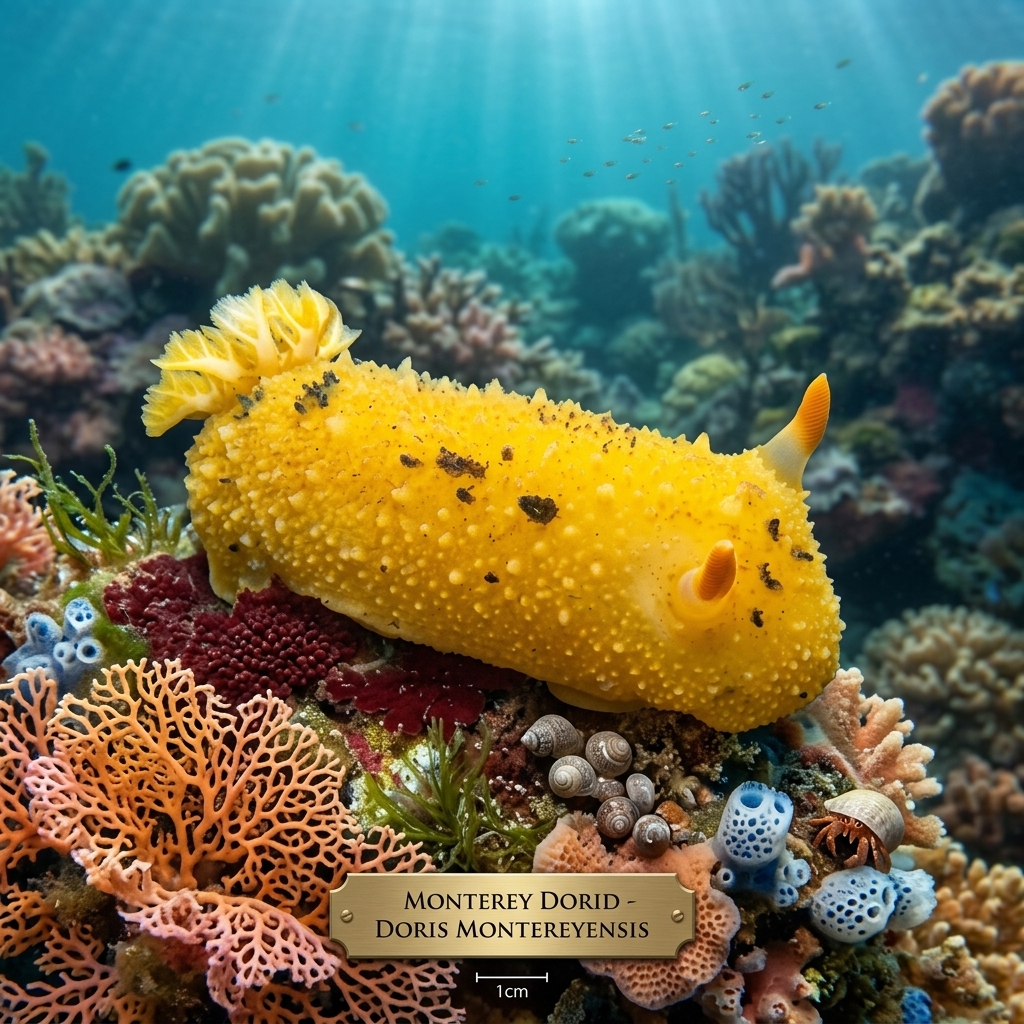
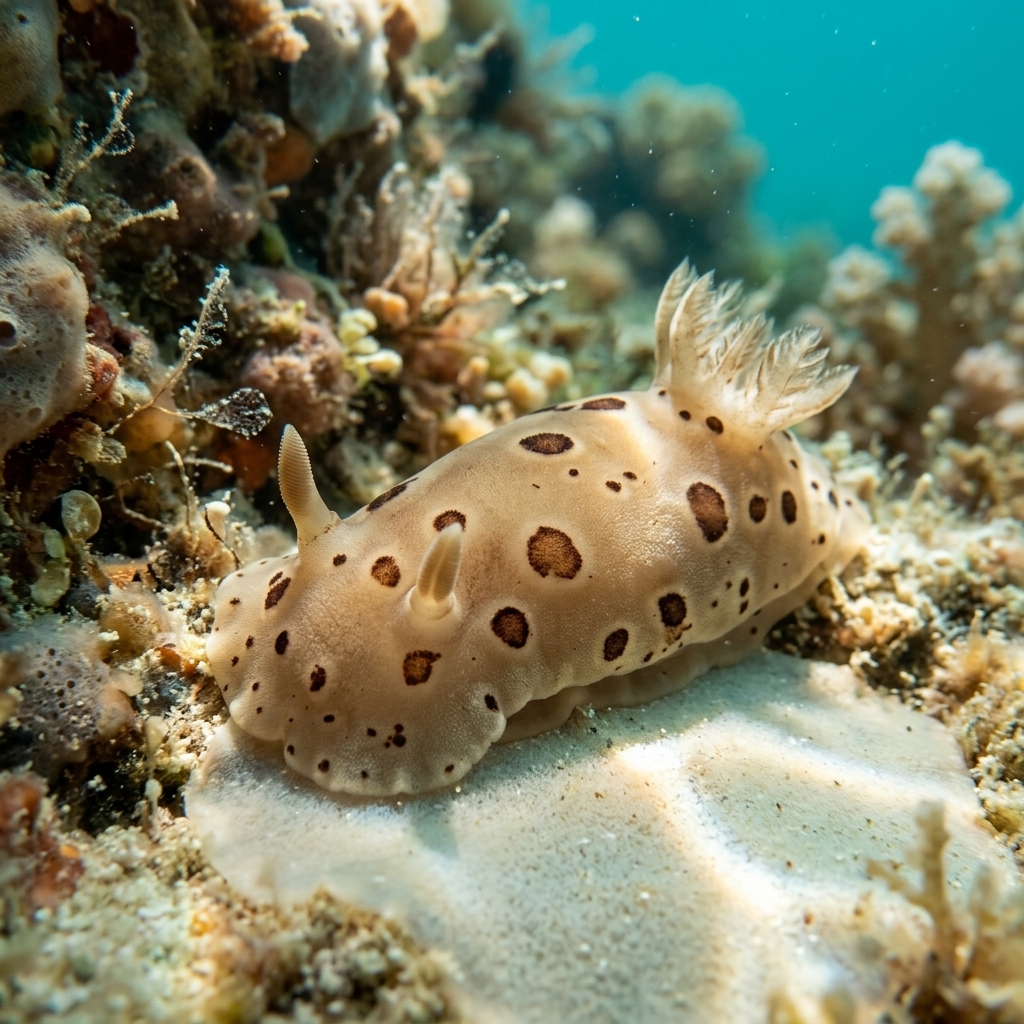
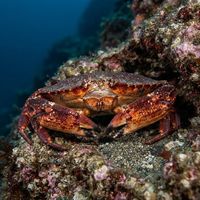
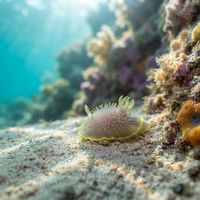
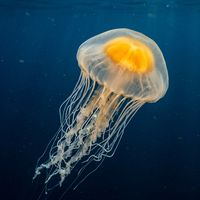
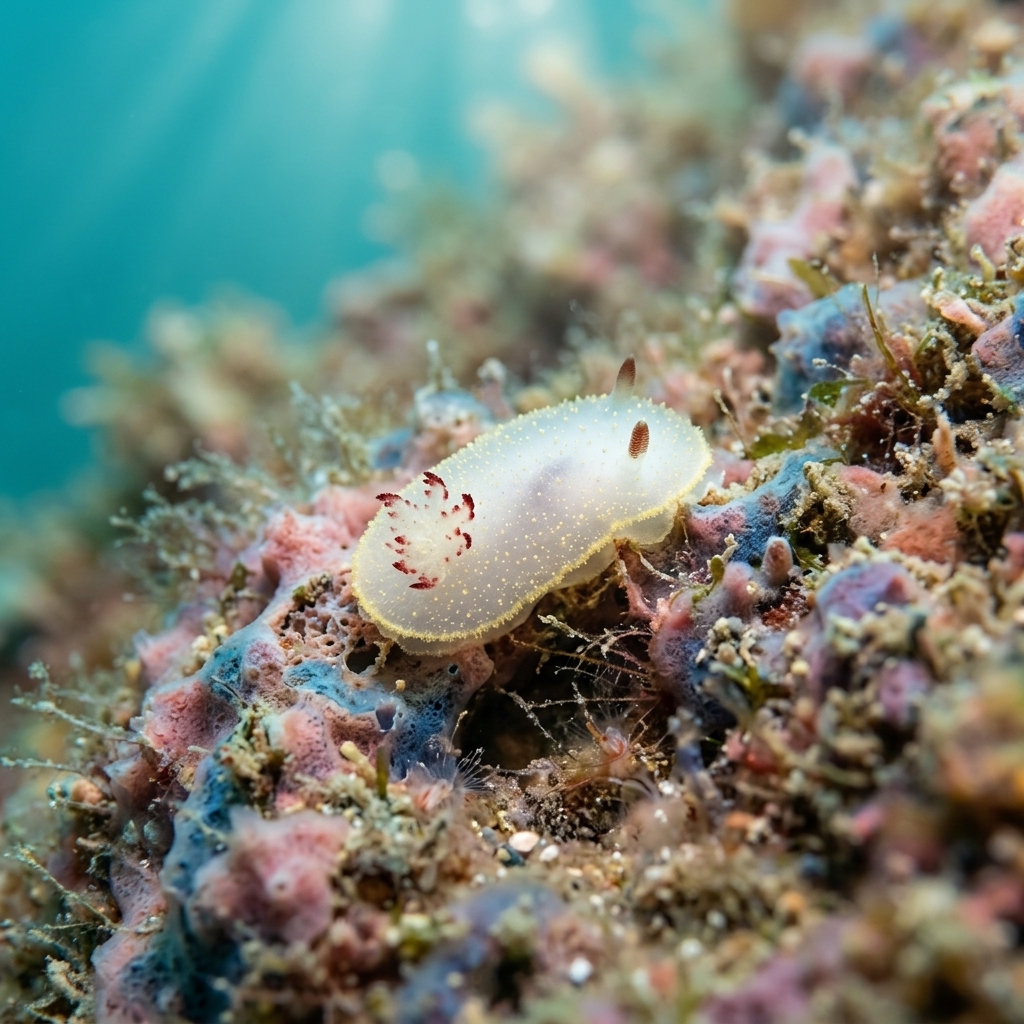
Harbor Seal and California Sea Lion are among the most frequently observed animals across Victoria's sites. Giant Pacific Octopus is a well-documented resident on the reefs, and nudibranchs, including Monterey Dorid, Northern Leopard Dorid, Nanaimo Dorid, and Cockerell's Nudibranch, appear across a wide range of sites. Red Rock Crab, Graceful Kelp Crab, Helmet Crab, and Egg-yolk Jellyfish round out the invertebrate life, while Scalyhead Sculpin and Longfin Sculpin are common fish encounters.
Several Victoria sites are rated for beginners. Ogden Point is shore-accessible and offers a gradual range of depths, making it a popular first-choice site. Albert Head Lagoon is another shore-entry beginner site with varied topography including kelp forest and wall sections. Current-swept sites like Race Rocks, Swordfish Island, and Ten Mile Point are reserved for advanced divers, so less experienced divers have solid options without venturing into more demanding conditions.
Race Rocks is Victoria's dedicated sub-area and accounts for a large portion of the region's total sites. It specialises in current-driven, boat-access diving across reef, drift, and kelp forest terrain, and is predominantly suited to advanced divers. The wider Victoria area mixes shore and boat entry across a broader range of skill levels, offering everything from calm beginner reefs to deep walls, making the two sub-areas quite distinct in character.
Both options exist in Victoria. Ogden Point and Albert Head Lagoon are accessible directly from shore and are well suited to divers without boat arrangements. Willis Point is also a shore-entry site, transitioning from shallow reef into a deep wall. Sites like Race Rocks, Swordfish Island, and McCurdy Point require boat access, and several local operators, including Ogden Point Dive Centre, Wilson Diving, and Rockfish Divers, offer guided trips to these locations.