Ophiodon elongatus
Spot ling cod along British Columbia and the US Pacific Coast in cold 4-9 °C water. Diver ID tips, best seasons, and top sites.
Safety warning
Ling cod have a very large mouth lined with sharp, needle-like teeth and are capable of a fast, powerful strike. Do not place hands near the head or into crevices where one may be resting unseen. They are not aggressive without provocation, but a startled or cornered individual can bite hard enough to cause a serious laceration. Maintain a respectful distance and avoid touching.
If you're bitten
BiteGeneral first-aid guidance, not a substitute for professional medical care. In an emergency, call your local emergency number.
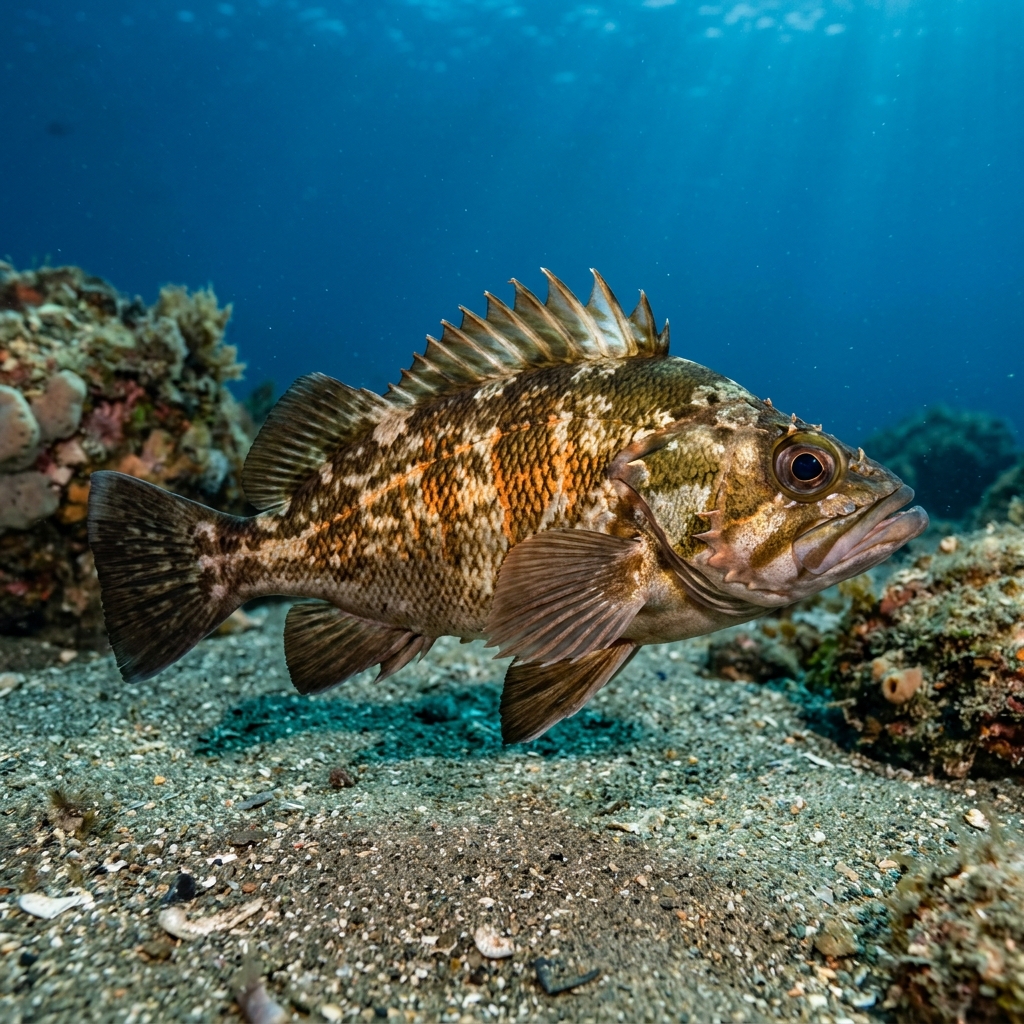
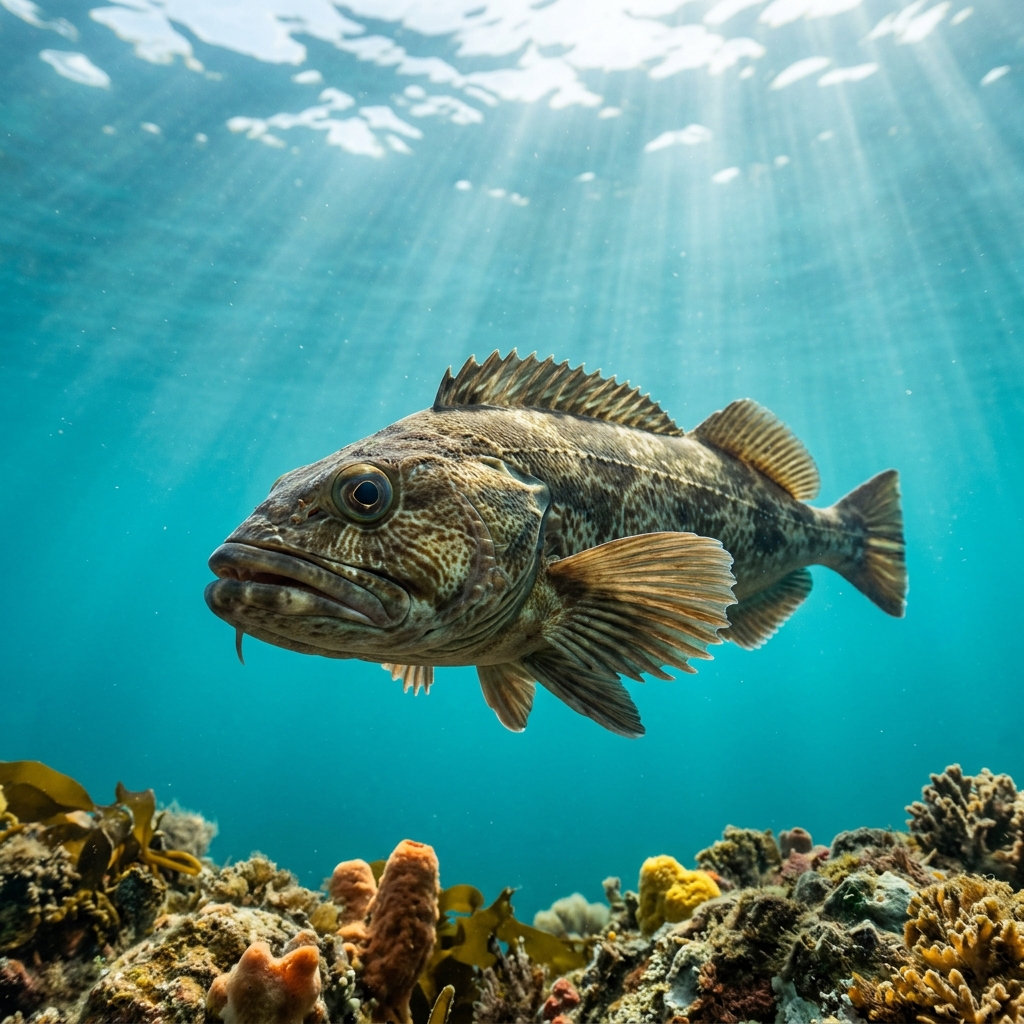
Ling cod are hard to miss once you know the shape: a very long, flattened body with a huge mouth full of prominent teeth, a single long dorsal fin running nearly the full length of the back, and a distinctly large head relative to the body. Colouration varies from mottled brown and olive green to grey or almost black, blending tightly with rocky substrate. Adults commonly reach a metre or more in length, so the combination of size, that cavernous jaw, and the elongated body makes them one of the more recognisable ambush predators on north Pacific reefs. Females grow noticeably larger than males.
Expect to find ling cod sitting perfectly still on rocky ledges or boulder fields, relying on their camouflage to ambush passing prey rather than actively patrolling. They are often unbothered by divers at first, holding their position and giving good observation time, but a slow, non-threatening approach is wise given they can move explosively when startled or provoked. Look for them tucked into crevices or stationed at the base of walls where current brings prey to them.
One of the more striking ling cod facts is that the flesh is sometimes a vivid blue-green colour due to a bile pigment called biliverdin, which is entirely harmless and disappears when cooked.
Sighting data for the Northern Hemisphere concentrates from August through March, suggesting the cooler autumn and winter months are the most productive. This aligns with their preference for cold water in the 4.5 to 8.6 °C range, which is most reliably encountered during those months.
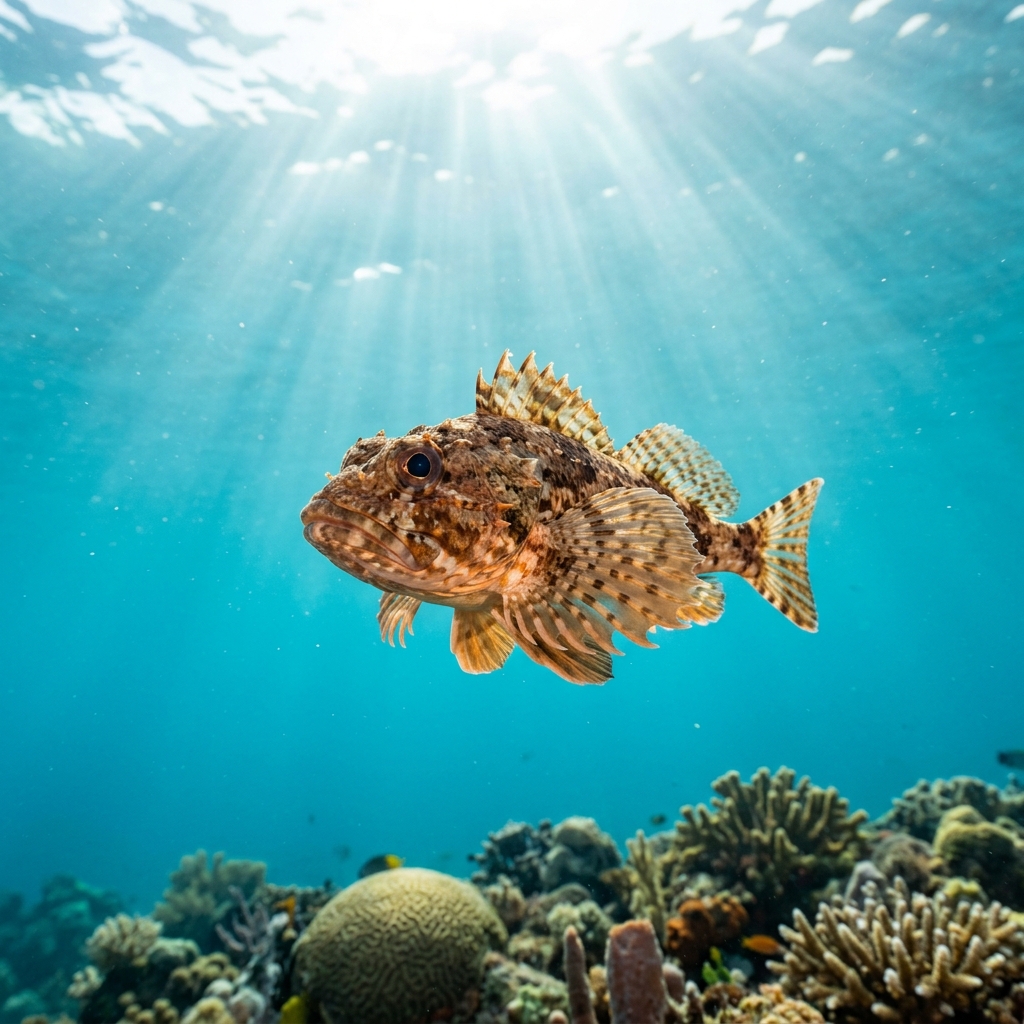
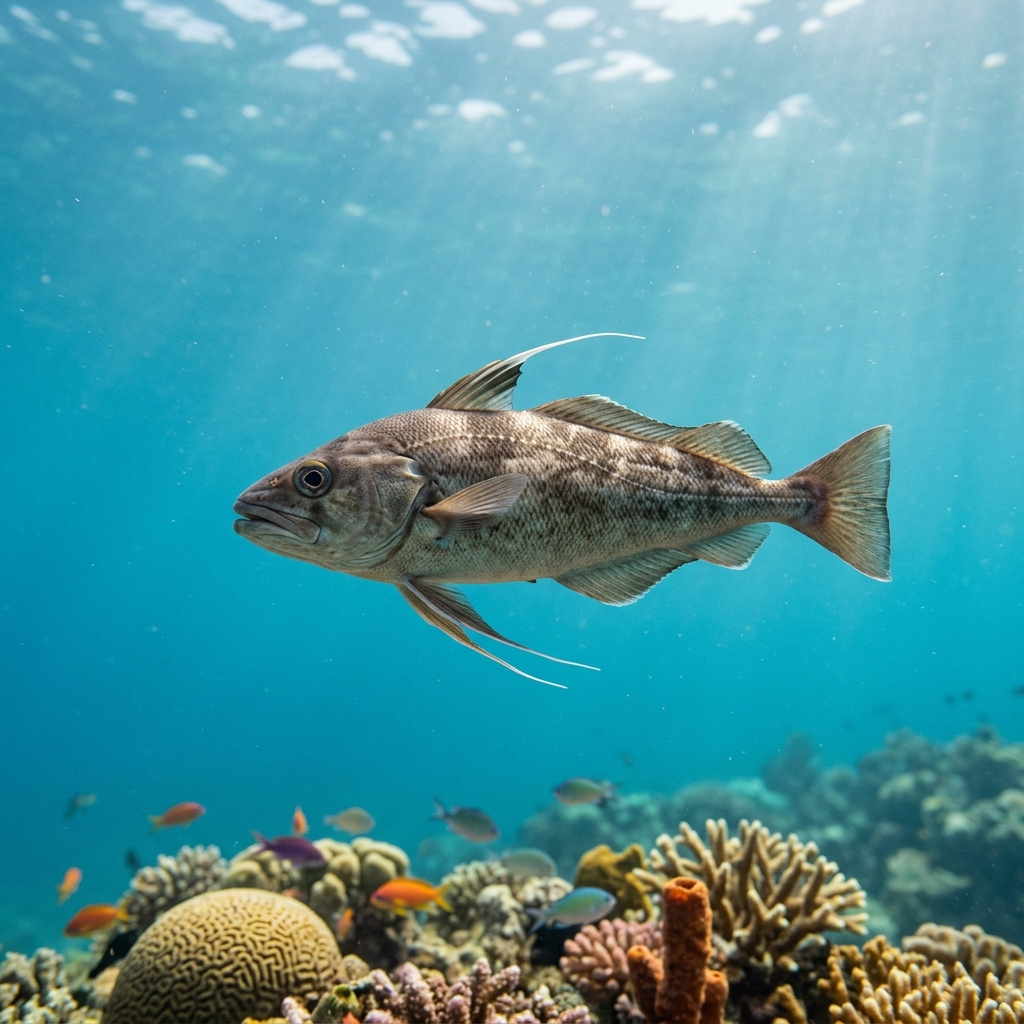
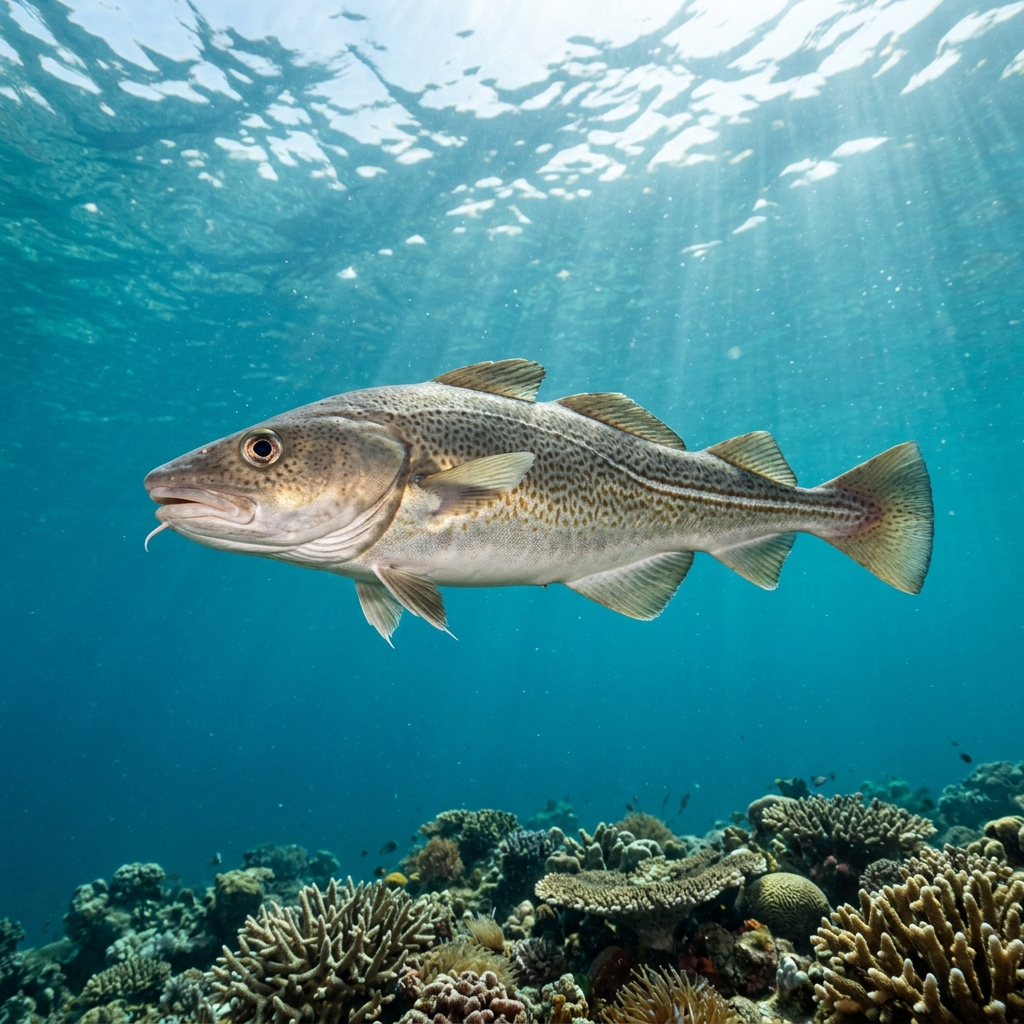
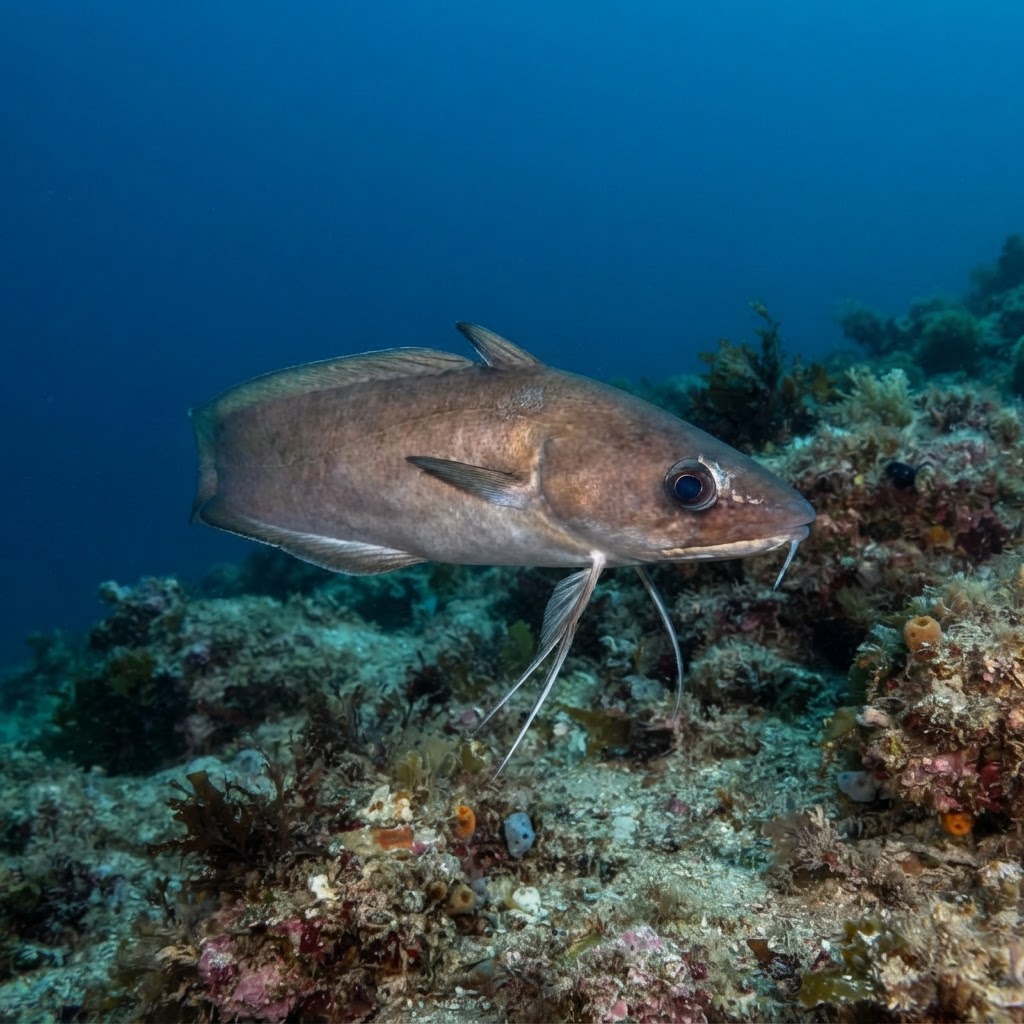
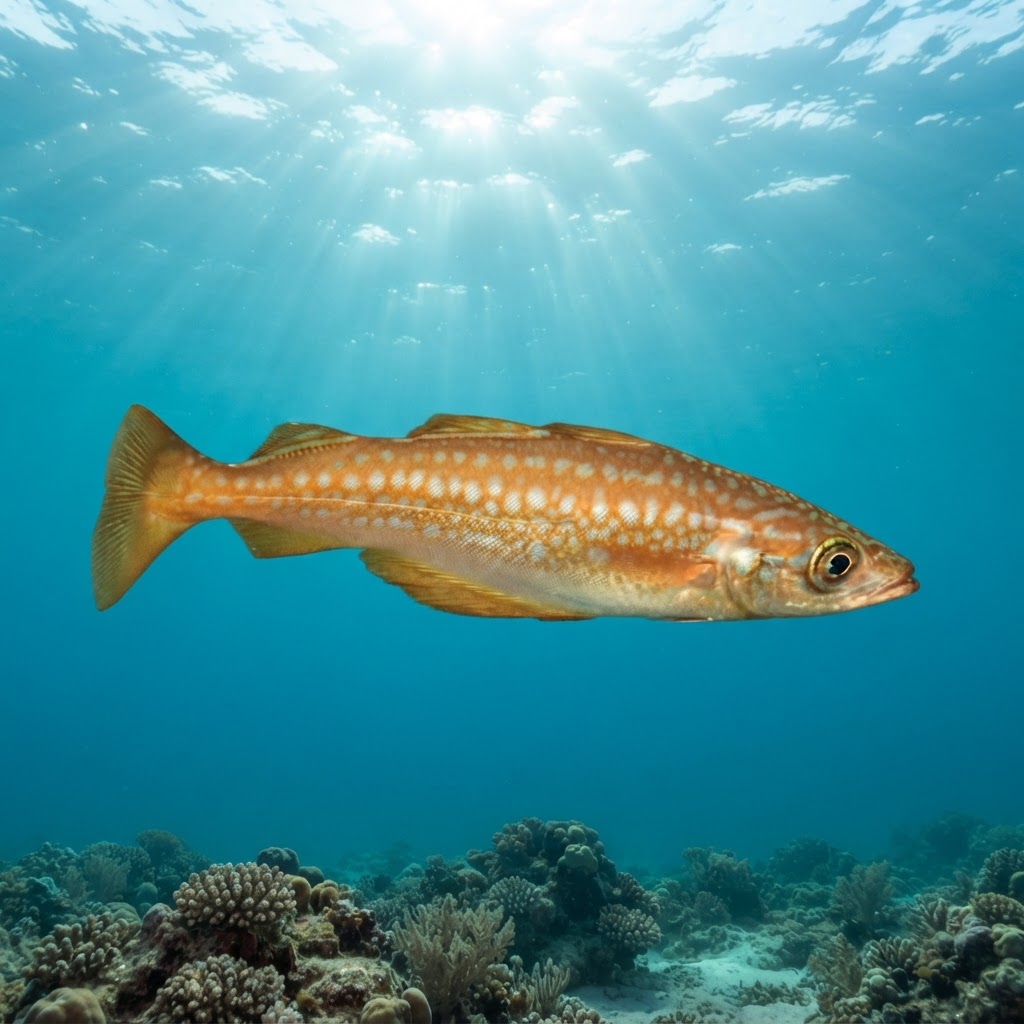
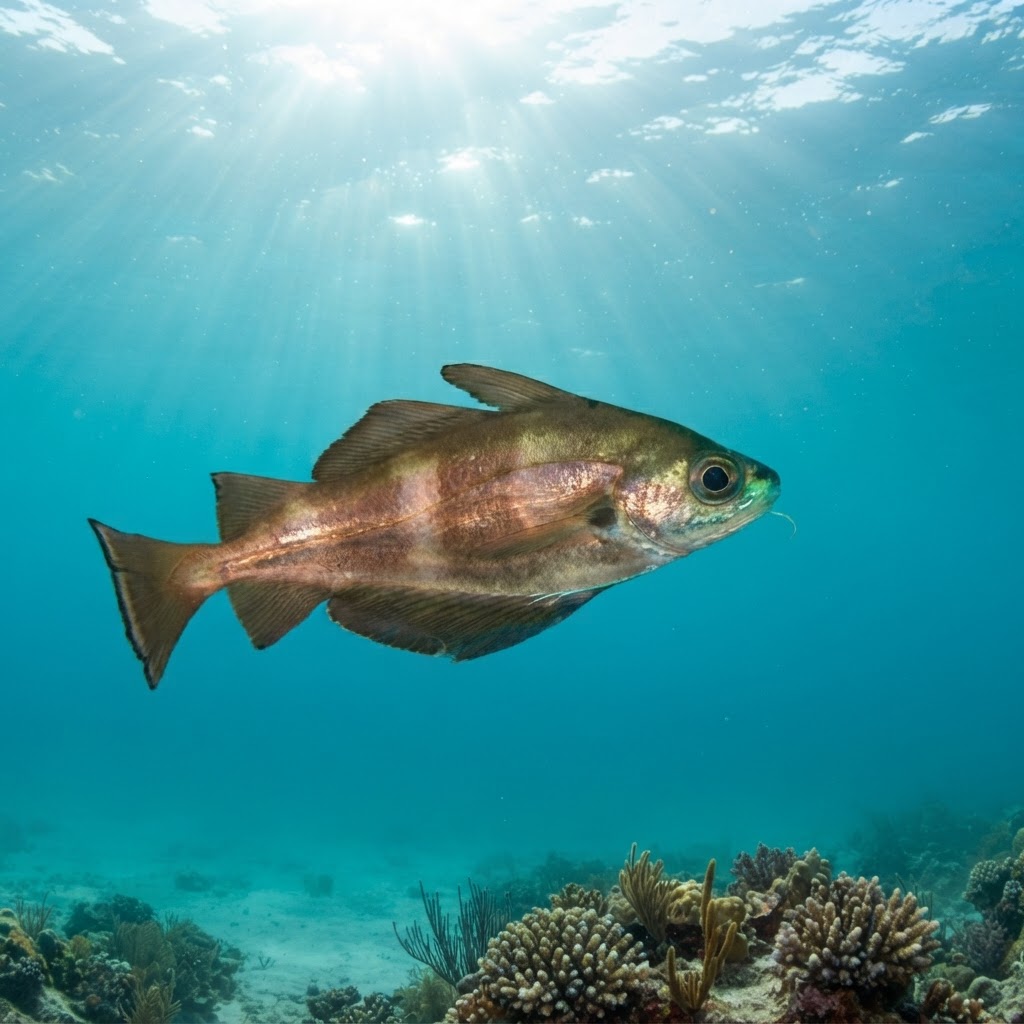
Reef neighbours a diver could mistake it for. Use the identification notes above to tell them apart.
Ling cod are overwhelmingly a north-east Pacific species, with the vast majority of logged sightings coming from British Columbia and the broader Canadian Pacific coast, followed closely by the US Pacific Coast, particularly the Pacific Northwest. Alaska accounts for a solid share of sightings as well, making the cold-water fjords and rocky reefs of the Gulf of Alaska worth exploring. Isolated records exist from Mexico and China, but those are outliers.
Mapping where Ling Cod is logged…
Ling cod are a north-east Pacific species logged most consistently along the British Columbia coast and the US Pacific Coast, with Alaska also offering regular encounters. The rocky reefs and kelp-covered walls of the Pacific Northwest are your best bet.
Northern Hemisphere sighting data points to August through March as the most productive window. Ling cod favour very cold water in the 4.5 to 8.6 °C range, so the cooler autumn and winter months align well with both their temperature preference and recorded encounter rates.
Yes, with caution warranted. Their enormous mouths are packed with sharp teeth and they can strike quickly if startled or cornered. They are not aggressive towards divers unprovoked, but reaching into crevices or getting too close to the head is risky. Keep distance, move slowly, and never handle them.
Key on the very long body, disproportionately large head, and the single continuous dorsal fin stretching most of the back. The mottled brown-to-olive colouration and tendency to sit motionless on rocky substrate are consistent giveaways. Sculpins look superficially similar but are much smaller and have a broader, flatter head without the elongated body.
Adults typically reach around 106 cm in length, with females growing larger than males. On the reef they are imposing, and a fish exceeding a metre in the cold kelp forests of British Columbia is not unusual.
Some ling cod have vivid blue-green flesh caused by a bile pigment called biliverdin that accumulates in their tissues. It is completely harmless and has no effect on the live animal. Not all individuals show it, so encountering a blue-fleshed fish is considered a notable find among divers familiar with the species.
Site and sighting data is aggregated from diver logs, iNaturalist and GBIF. For taxonomy and conservation status:
Pollack
282 sites