Diaulula odonoghuei
Spot the Northern Leopard Dorid along British Columbia and the US Pacific Coast. Cold-water nudibranch, sightings Nov, Aug. ID tips and top dive sites inside.
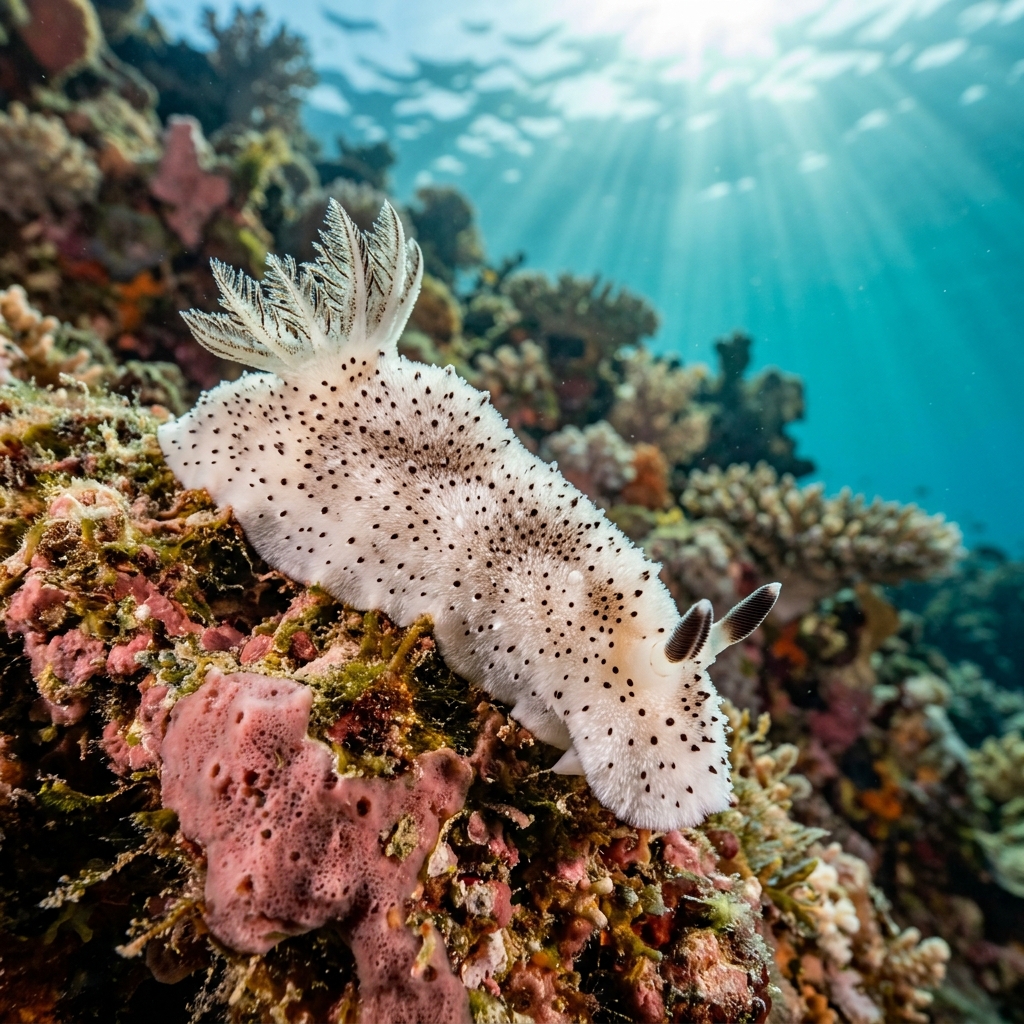
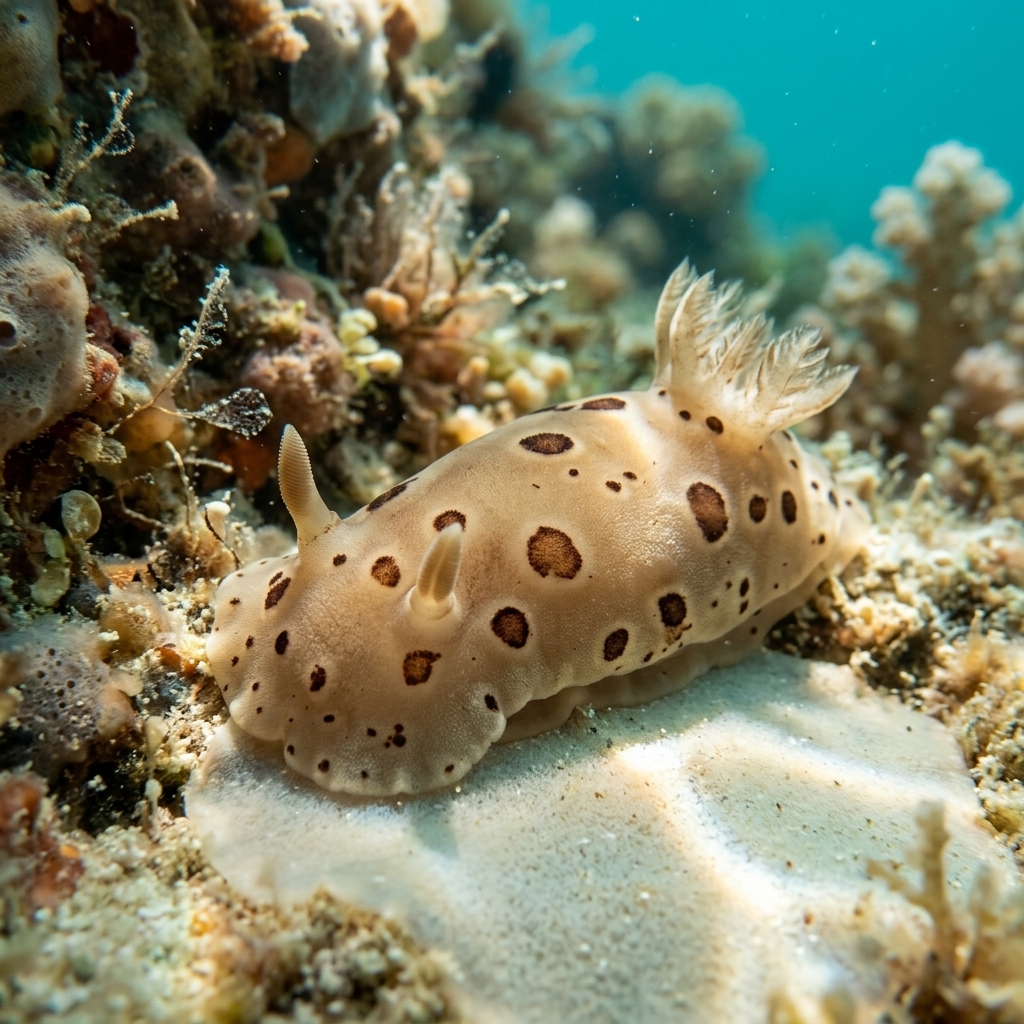
Look for a pale, flattened dorid nudibranch body patterned with dark, irregular spots arranged in a leopard-like fashion across the mantle. The gills and rhinophores (the paired sensory horns on the head) are typically visible when the animal is active. Cold, greenish-grey North Pacific water is almost always the backdrop when you encounter one, which helps narrow the ID immediately. No size data is confirmed from observations, so treat any leopard-spotted dorid in these cold-water Pacific sites as a candidate.
So little is known about this nudibranch's behaviour around divers that each encounter is useful to the scientific record. When found, it is likely moving slowly across rocky or algae-covered reef surfaces as dorids typically do when foraging for sponges. Note whether you find it alone or in company, how it responds to light or close approach, and log those details, every observation adds to the picture.
Because it is so infrequently observed and formally documented, this species is listed as Not Evaluated on the conservation scale, meaning even basic details like its maximum size and depth range remain unconfirmed from diver records. Your logged sighting, especially with a photo, contributes directly to filling that gap.
Sightings concentrate from November through August in the Northern Hemisphere, suggesting a broad season that covers winter and spring, with a summer peak. The species occupies very cold water, roughly 8 to 12°C, so look for it whenever conditions in the North Pacific are in that range.
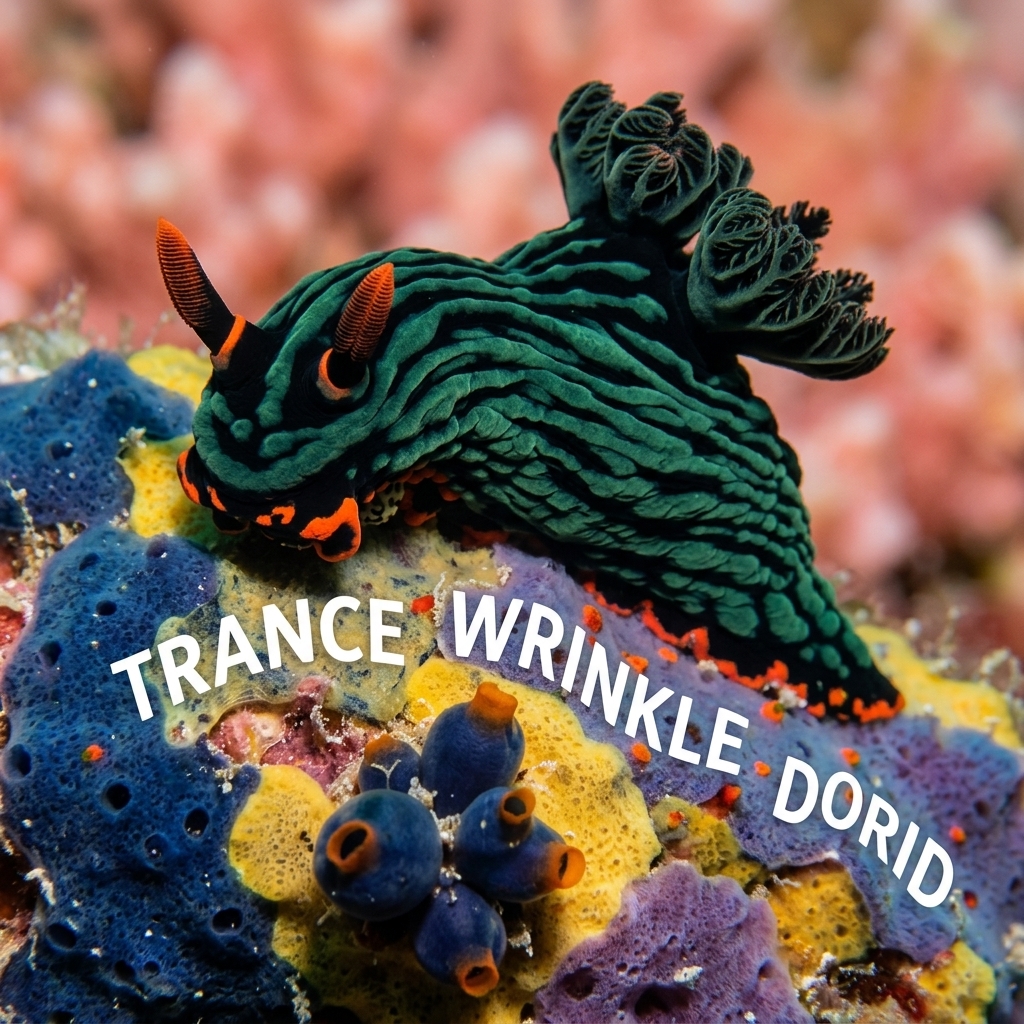
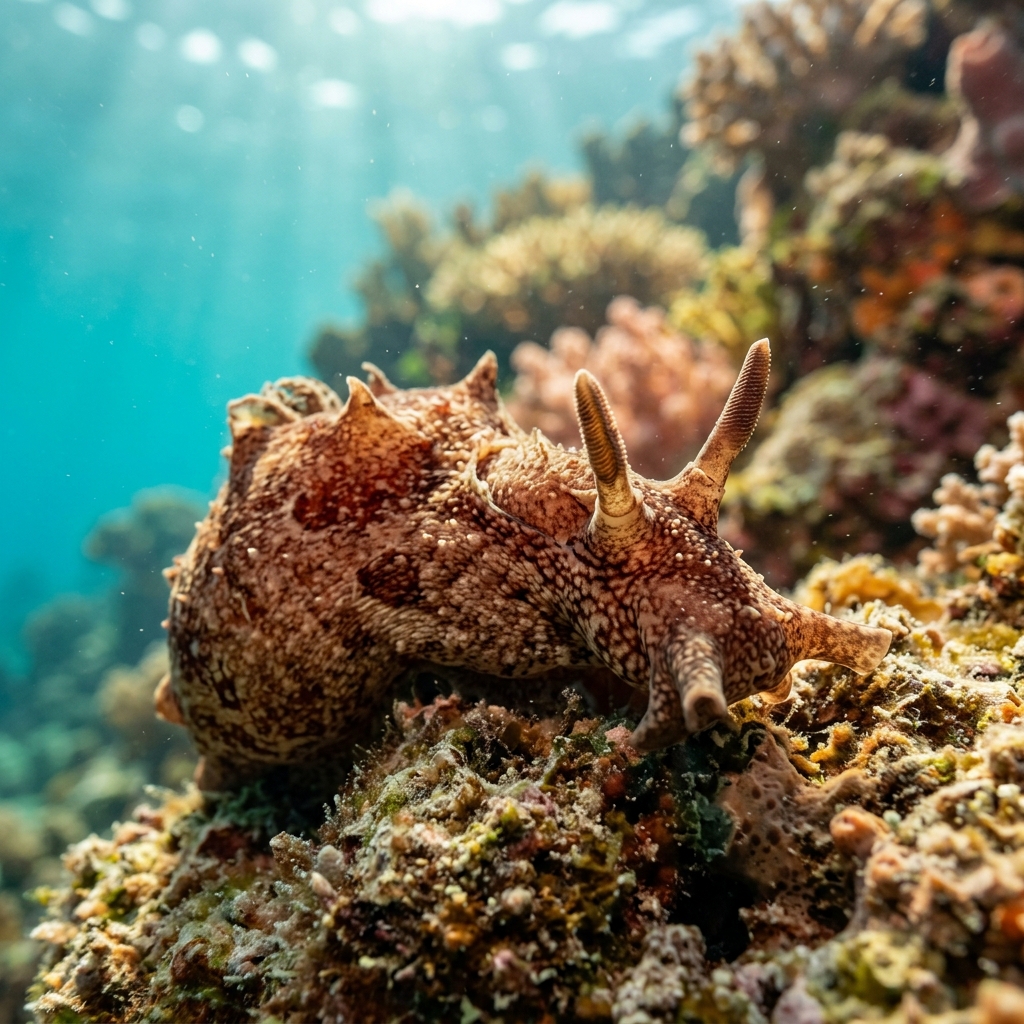
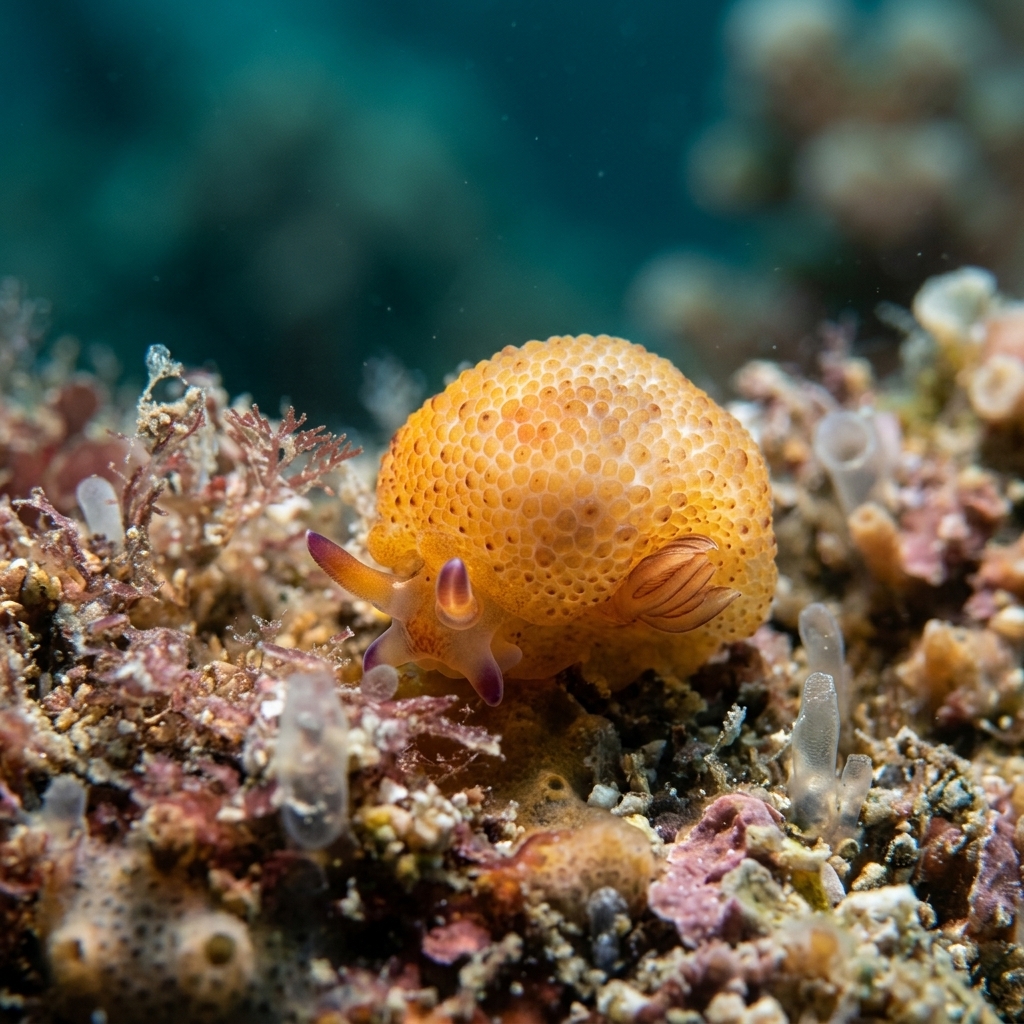
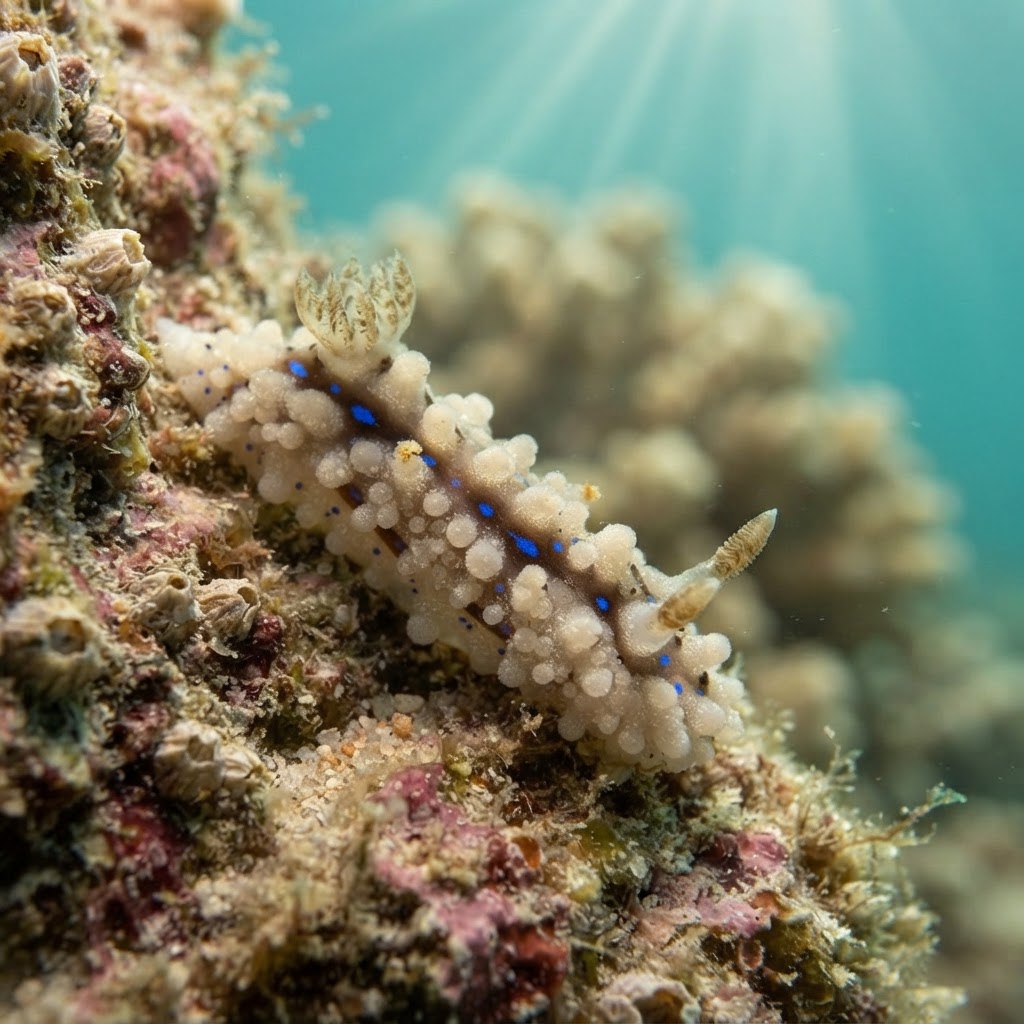
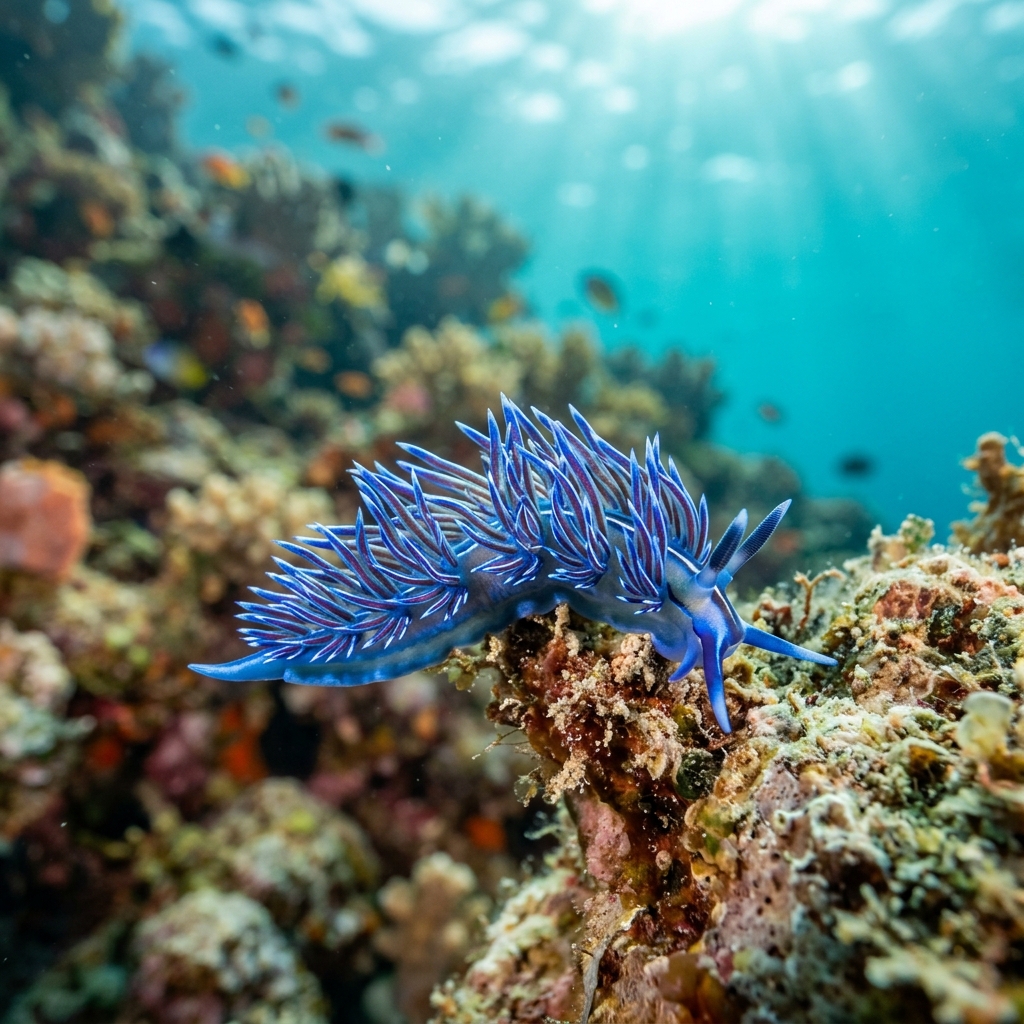
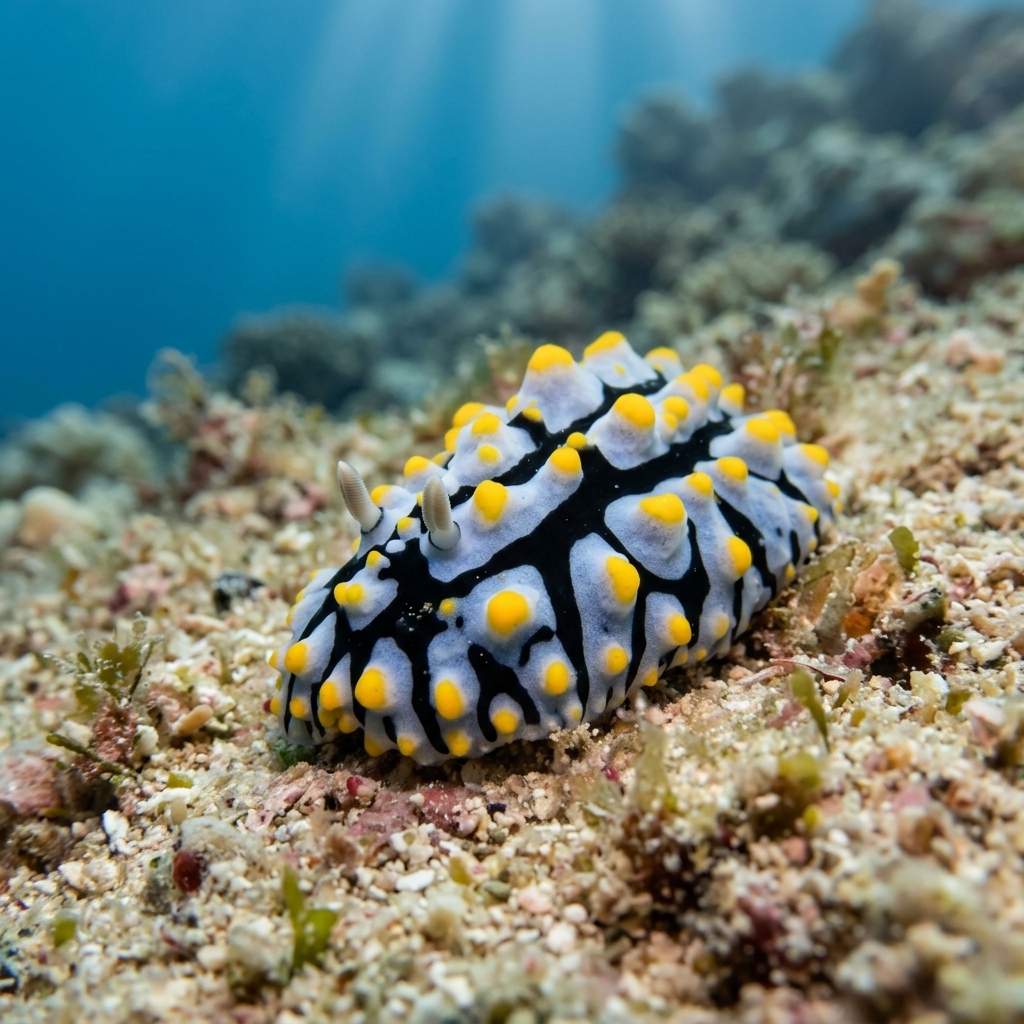
Reef neighbours a diver could mistake it for. Use the identification notes above to tell them apart.
Most logged along the British Columbia coast and the US Pacific Coast, making Canada and the United States the go-to destinations for this species. Alaska and the Russian Far East also produce sightings, reflecting its preference for cold North Pacific waters. A handful of records exist from farther afield, but the vast majority of confirmed observations come from the BC and Pacific Coast dive sites.
Mapping where Northern Leopard Dorid is logged…
The strongest concentration of sightings is along the British Columbia coast in Canada and the Pacific Coast of the United States. Alaska and the Russian Far East also produce records. All confirmed hotspots are cold-water, rocky North Pacific environments.
Recorded sightings in the Northern Hemisphere run from November through August, covering the colder months of the year. Given the species occupies water around 8 to 12°C, the cooler seasons on the BC and Pacific Coast align best with those conditions.
Key on a flattened dorid body with a pale base colour covered in dark, irregular spots resembling a leopard's coat. Paired rhinophores on the head and a gill plume at the rear are typical dorid features. The cold, Pacific rocky reef setting is itself a useful context clue.
Confirmed size data from diver observations is not yet available for this species. If you measure or estimate the length of one you find, logging that detail helps build the first reliable size record.
No. Like all nudibranchs, this species poses no threat to divers. You can observe it closely, but avoid touching it, as physical contact can disturb its mucus coating and disrupt its behaviour.
It is classed as uncommon at most sites where it has been recorded, and rare at a significant number of them. Very few sites report it as common. This, combined with its Not Evaluated conservation status, makes a clean photo sighting a worthwhile contribution to science.
Site and sighting data is aggregated from diver logs, iNaturalist and GBIF. For taxonomy and conservation status:
Light-spotted Aegires
3,168 sites