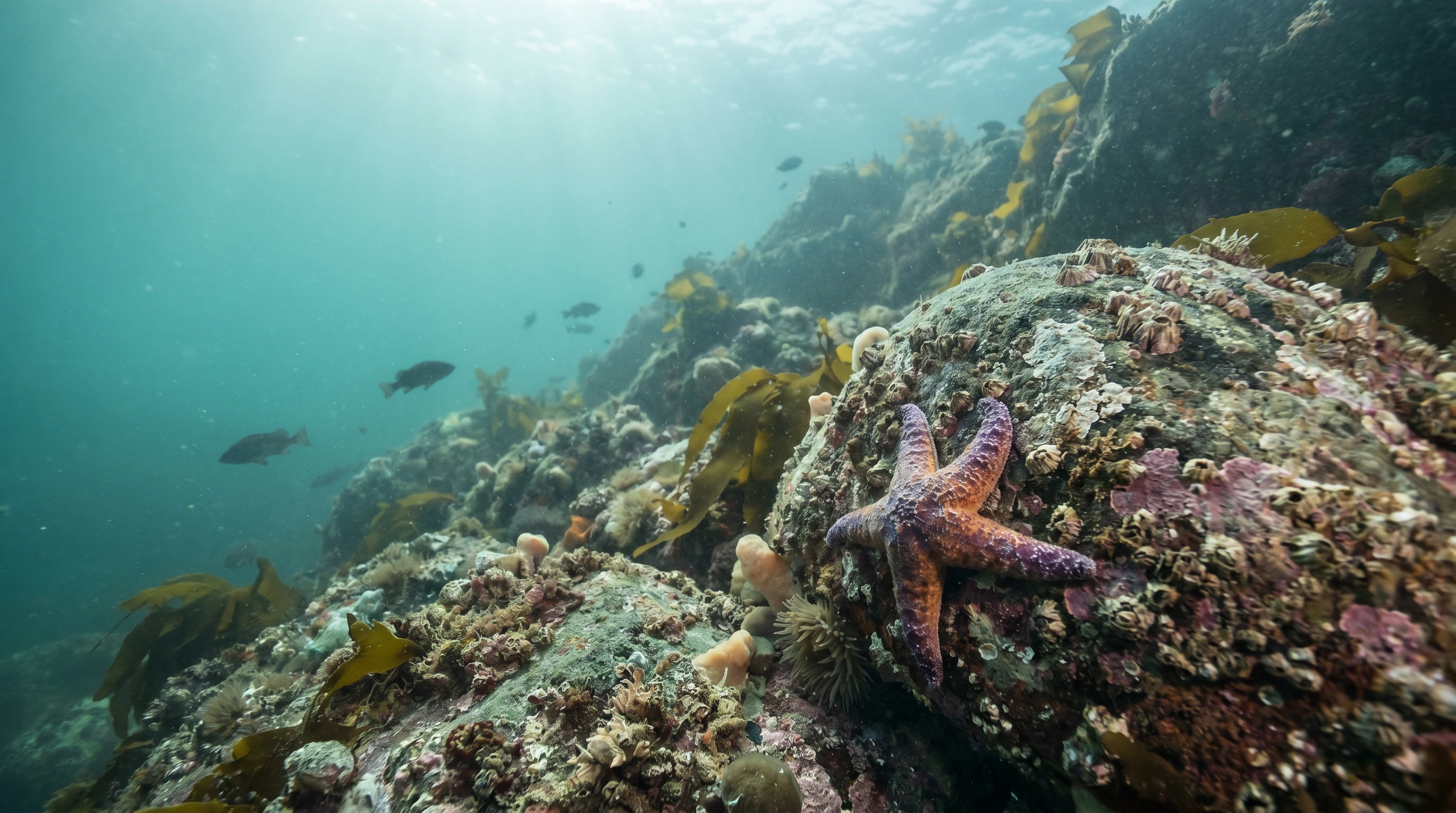
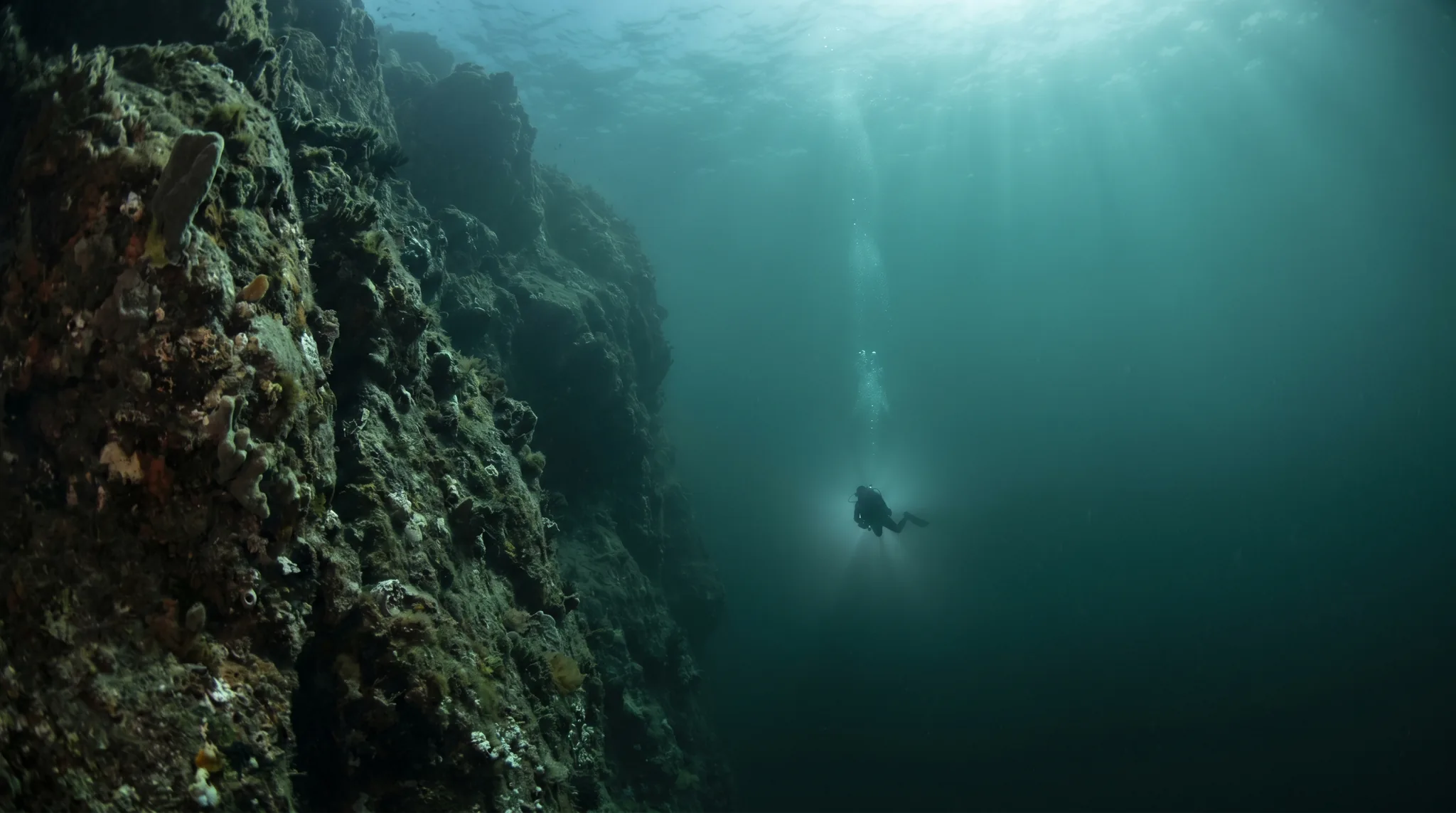
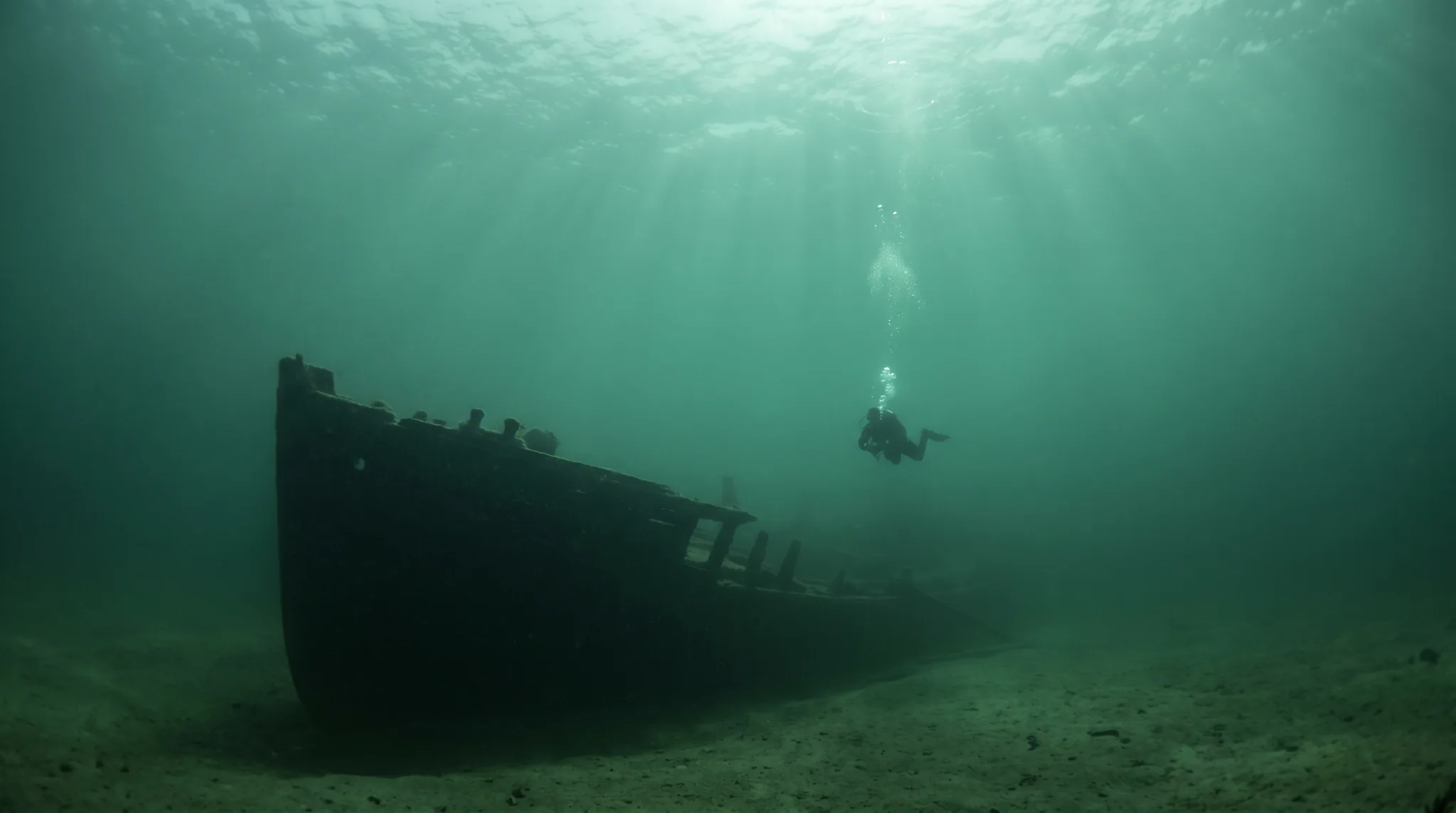
Howe Sound divides neatly into two zones: the shore-accessible Horseshoe Bay area, which holds the bulk of sites, and the boat-dependent waters around Gambier and Bowyer Islands. Artificial reefs and sunken vessels define much of the diving, including the USS Annapolis and the CCG Ready, while kelp forests, walls and reefs add variety. The Giant Pacific Octopus and Harbor Seal are signature encounters, alongside a rich nudibranch community. Most sites suit beginners, with colder months offering sharper visibility.
2 areas
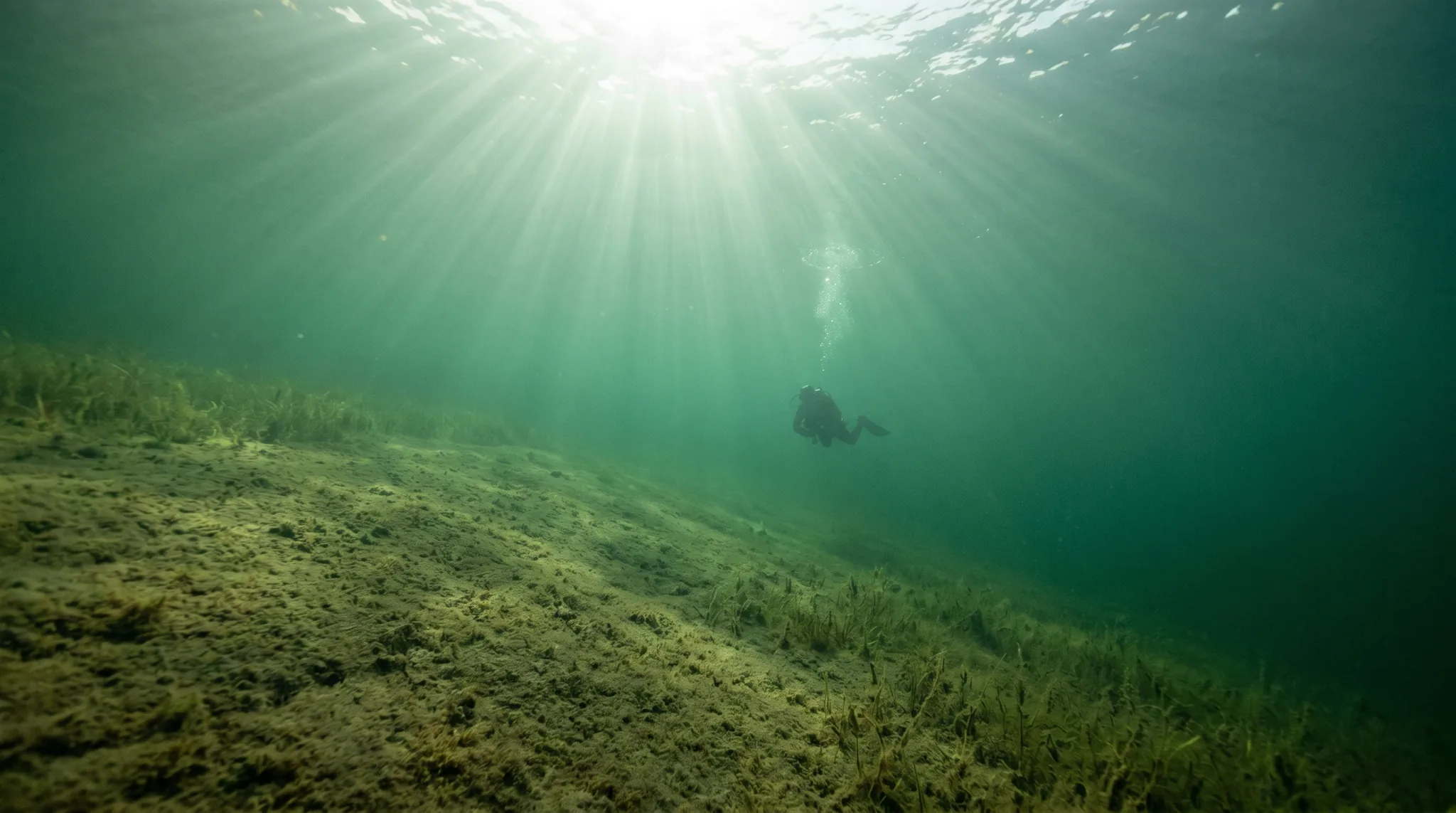

Monthly water temperature across Howe Sound's sites, from satellite sea-surface data corrected for depth. The band shows the site-to-site spread.
Water temperatures are cold through winter and early spring, then climb gradually toward summer. The best-months data points to spring and autumn as peak periods, when visibility tends to improve and marine activity is strong. Summer brings warmer water but conditions vary, so a drysuit or well-sealed wetsuit is advisable year-round.
15 operators

Bowen Island, Canada
13 more sites to explore
Water temperature around Howe Sound ranges from about 7°C in January to 16°C in July, based on satellite sea-temperature data for its dive sites.
In the warm season (about 16°C) a 7mm or semi-dry suit is comfortable in Howe Sound; in the coldest months (about 7°C) step up to a drysuit.
Fin maps 25 sites in Howe Sound (25 scuba diving sites and 4 snorkelling spots, with some suited to both), organised into 2 areas.
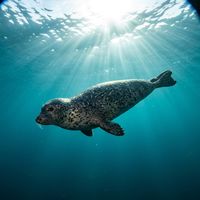
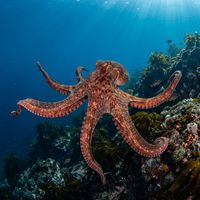
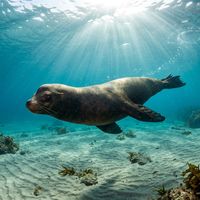
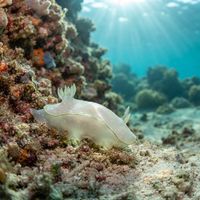
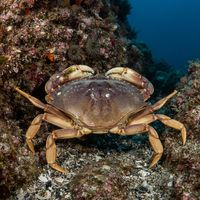
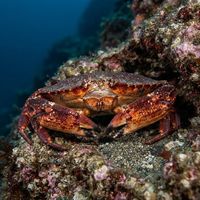
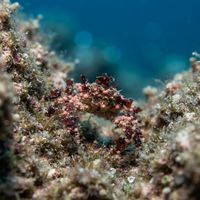
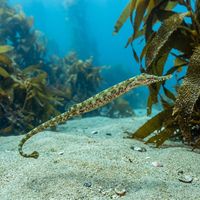
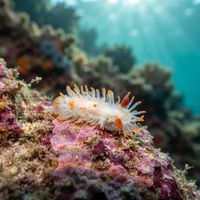
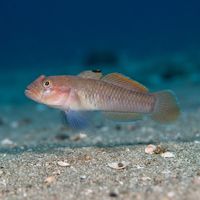
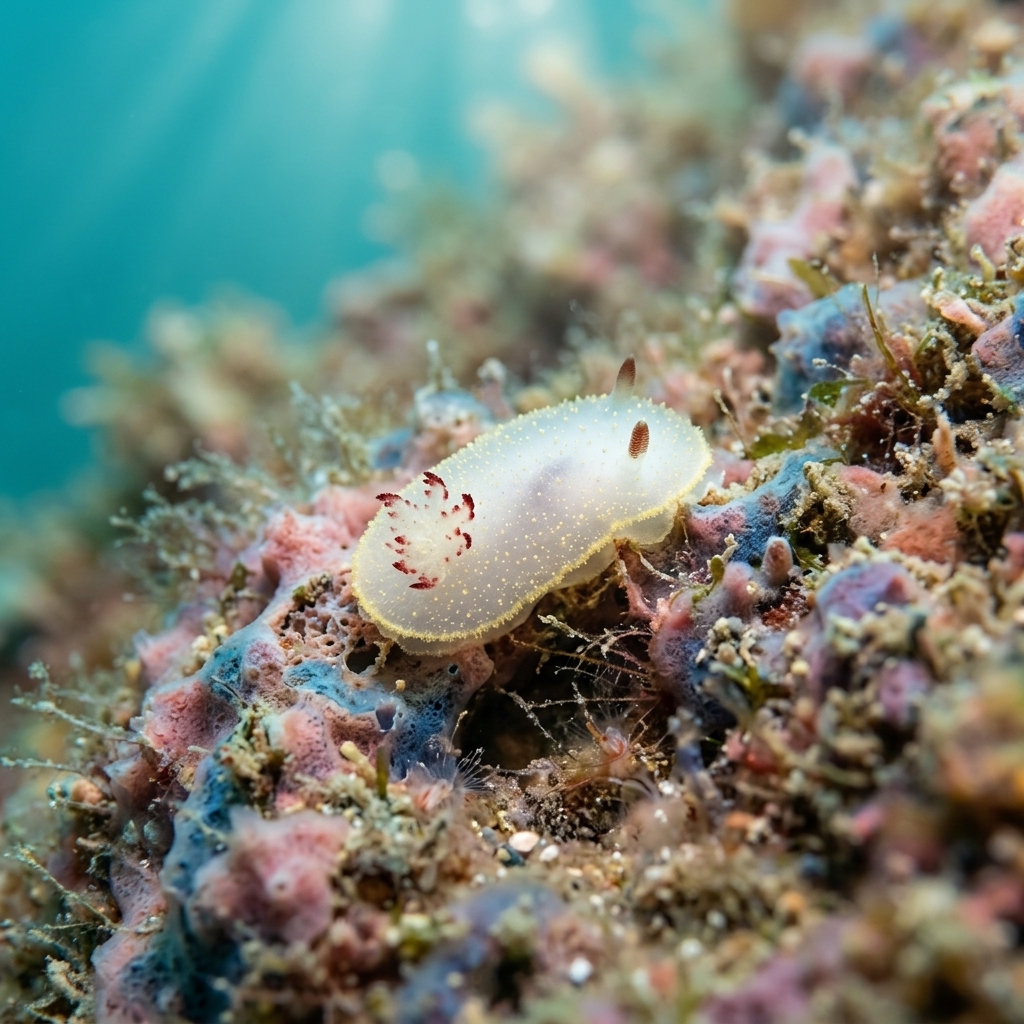
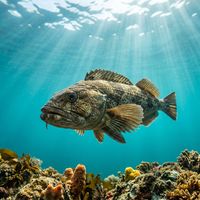
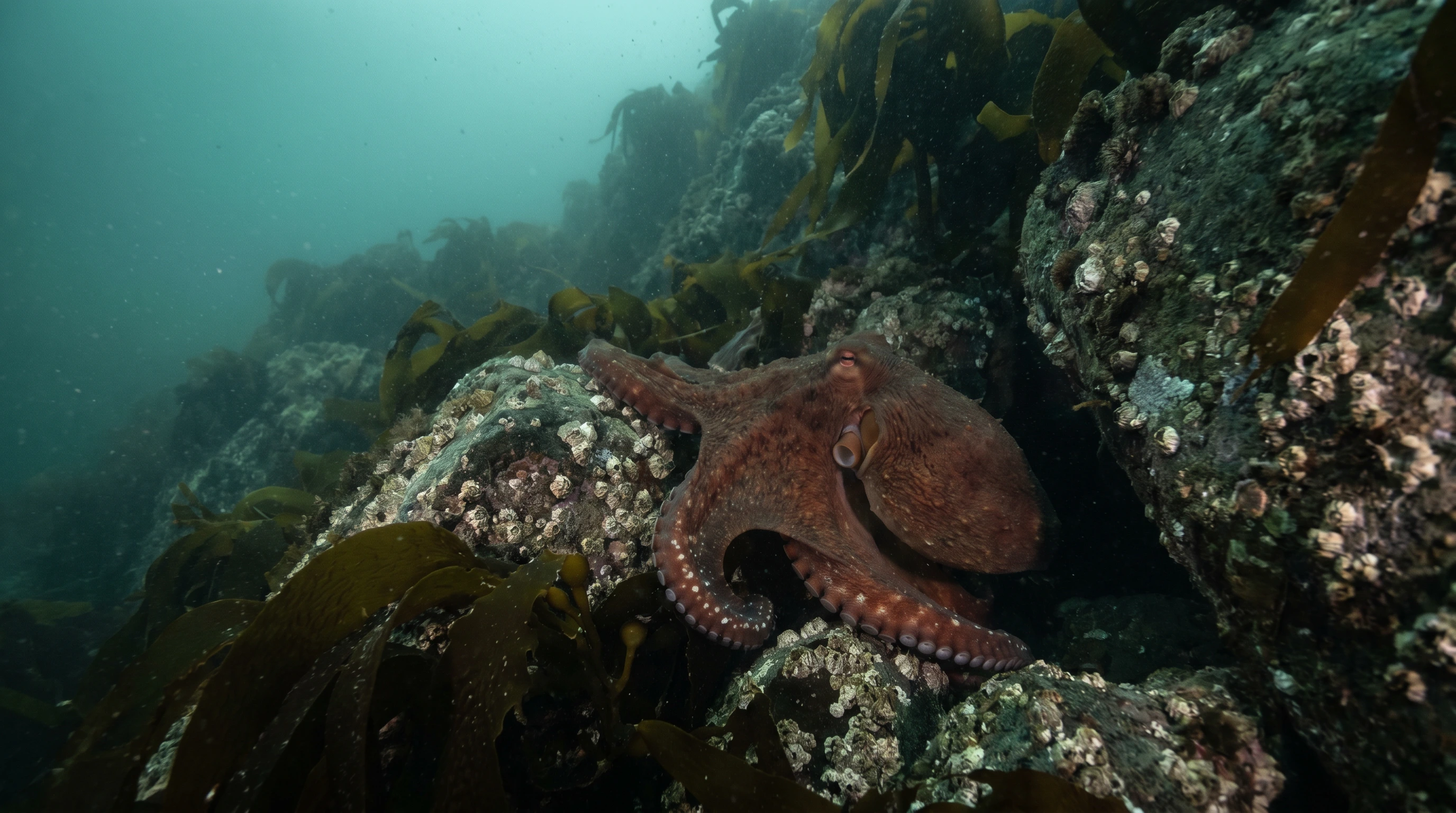
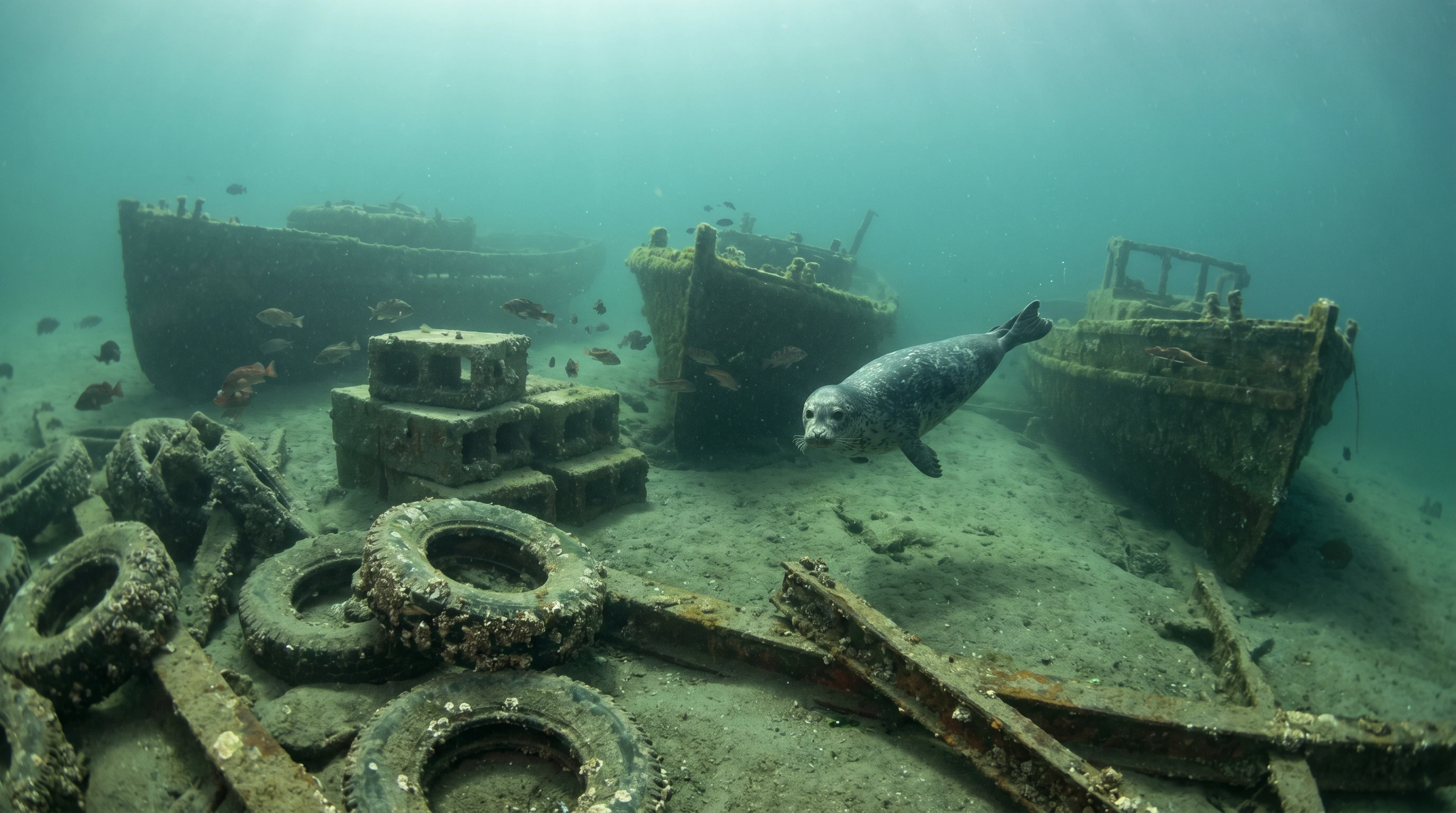
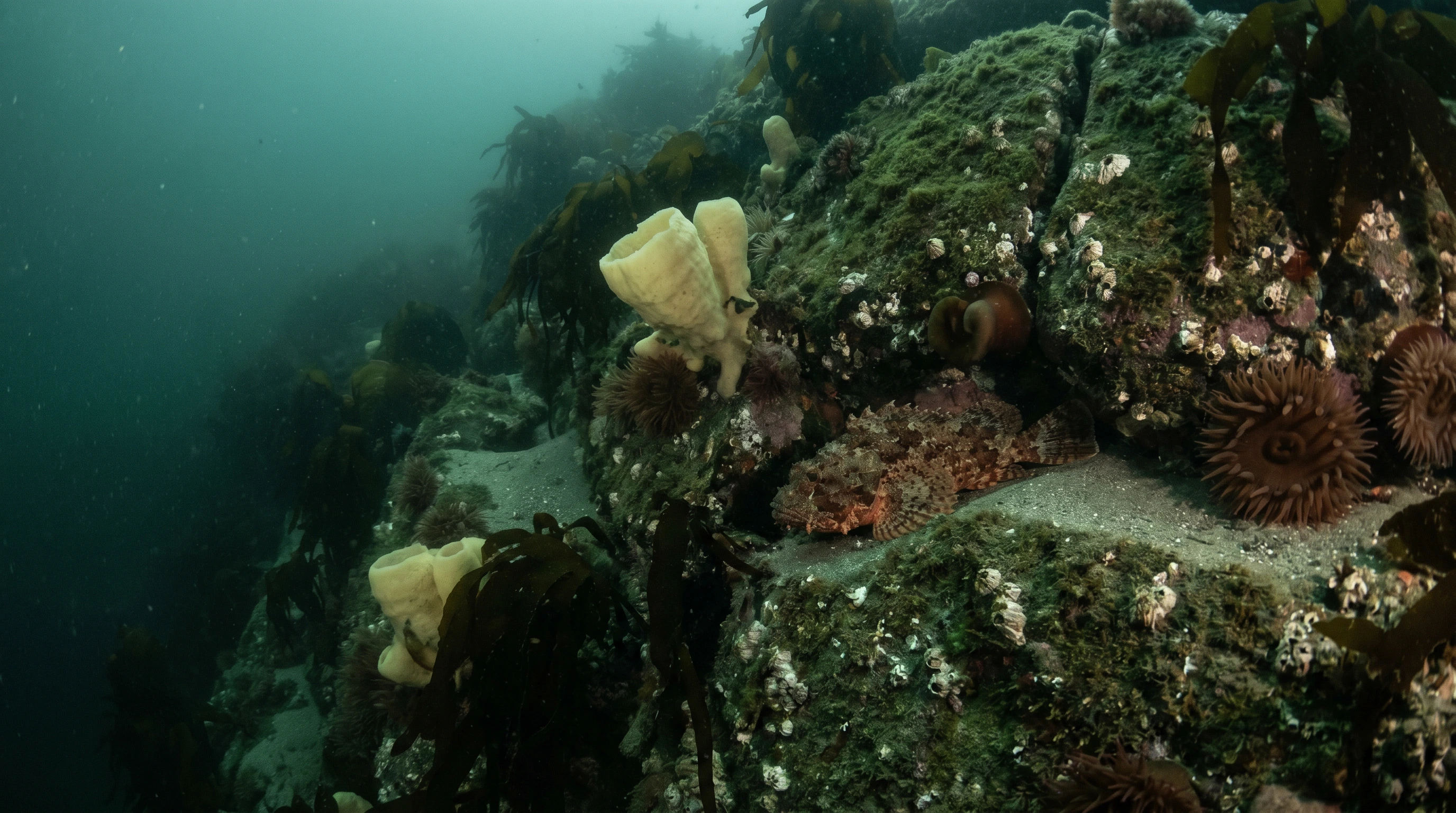
The Giant Pacific Octopus is the headline encounter, observed across the majority of sites. Harbor Seal and California Sea Lion are also commonly sighted. Nudibranchs are a real highlight, with the Nanaimo Dorid, White-lined Dirona, Monterey Dorid and Northern Leopard Dorid all recorded. Ling Cod, Grunt Sculpin, Scorpionfish and King Crab round out a diverse cold-water community.
The majority of sites in Howe Sound are rated for beginner or newly certified divers. Shore entries at Whytecliff Park, Seymour Bay, Whiskey Cove and Porteau Cove are all beginner-friendly, with shallow options available. Intermediate divers are catered for at sites like Kelvin Grove and the CCG Ready wreck. The overall mix makes Howe Sound accessible for those building experience.
Horseshoe Bay holds the larger share of sites and most can be reached from shore, making it practical for independent divers. Gambier and Bowyer Islands require boat access but offer dedicated wreck diving, including the CCG Ready artificial reef. Operators such as Sea Dragon Charters serve the boat-access sites, while shore divers in the Horseshoe Bay area have a wide range of entry points to choose from.
Artificial reefs and wrecks are central to the Howe Sound experience, with the USS Annapolis being one of the most visited. Natural reef, wall and kelp forest topography appears across many sites, including Whytecliff Park and Kelvin Grove. Porteau Cove combines wrecks with reef structure in a single site. Freshwater alternatives at Alouette Lake and Buntzen Lake are also available for training or a change of environment.