Best for intermediate divers, 9-40m, shore & boat entry, strong current.
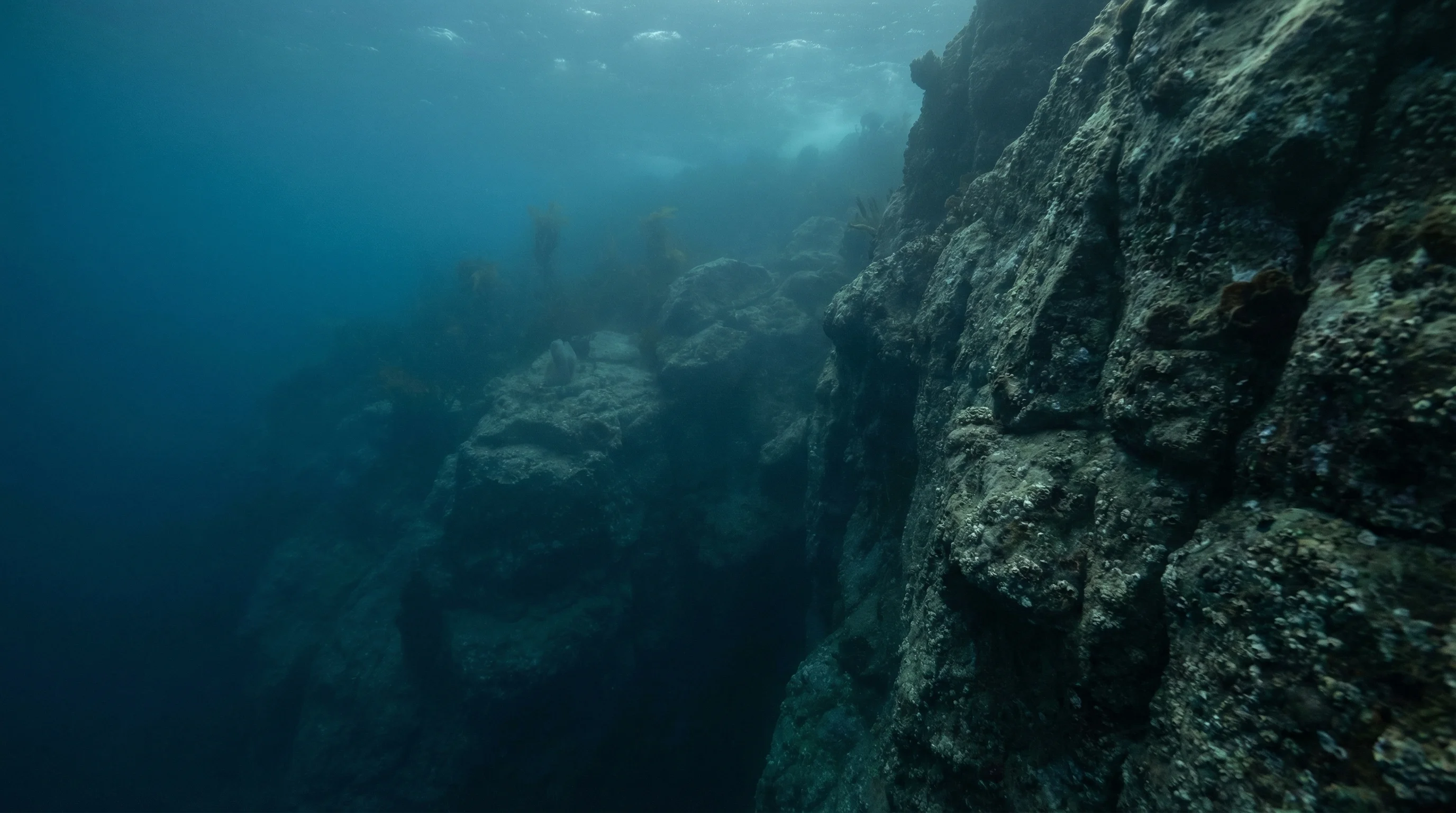
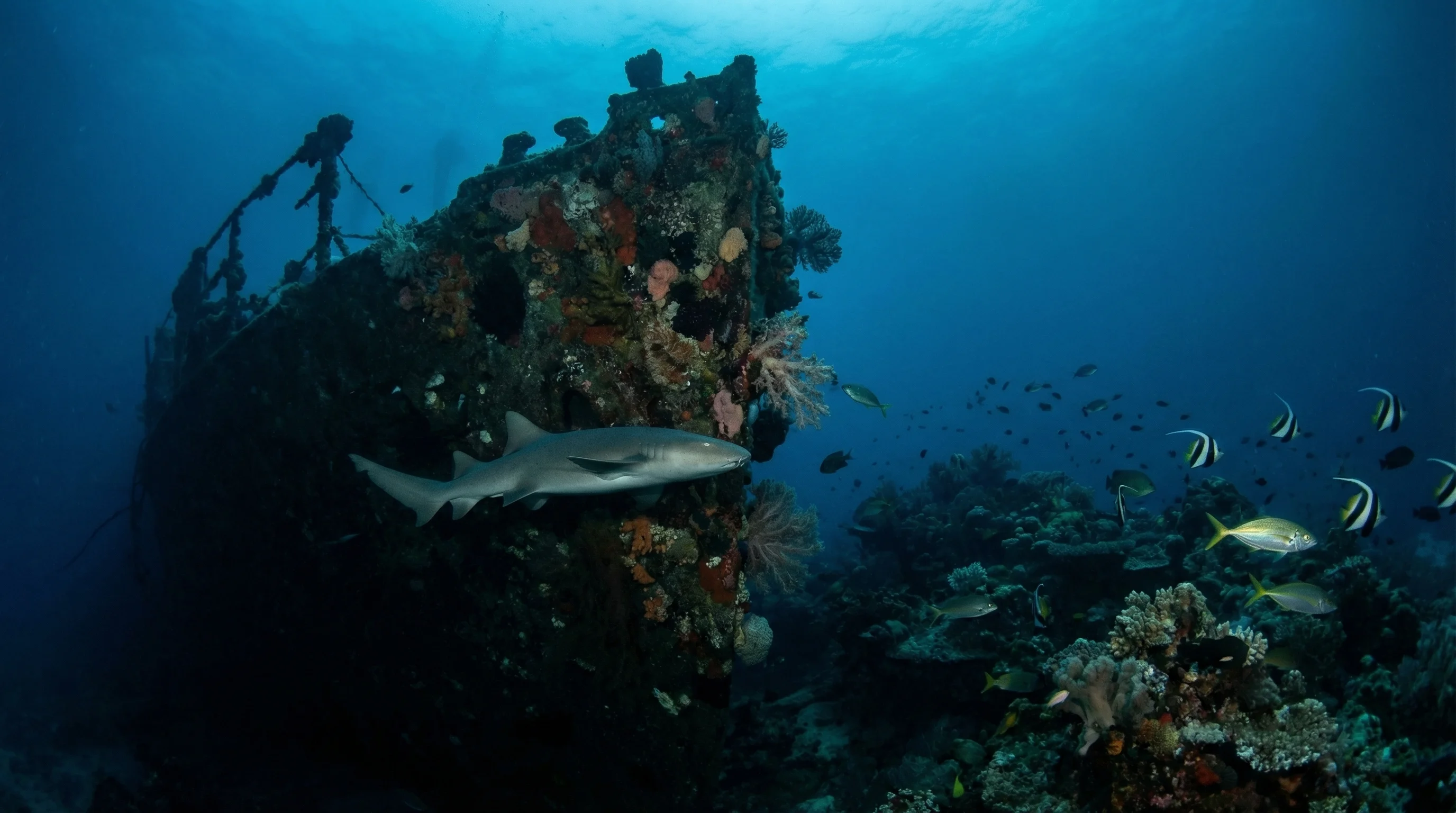
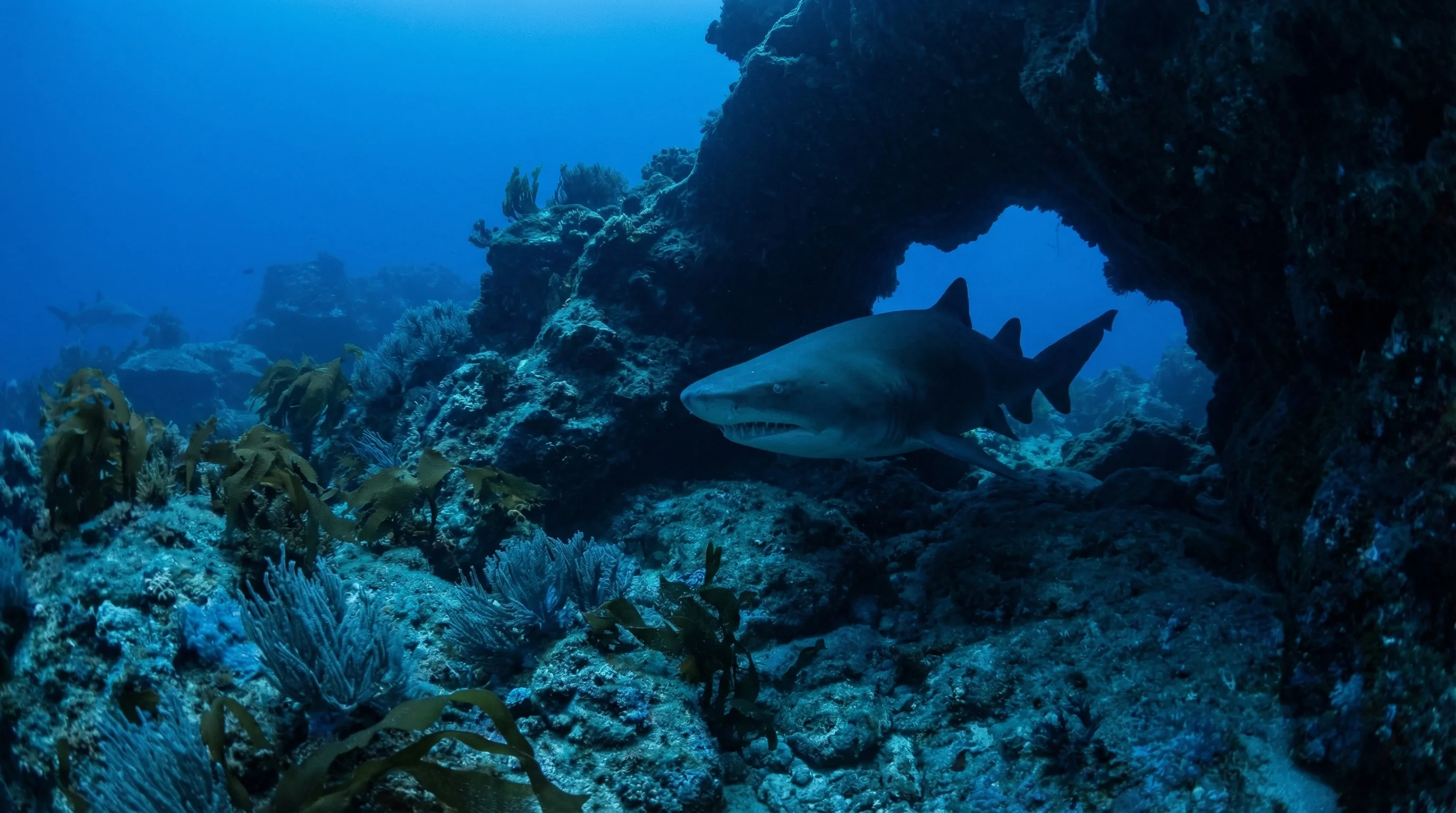
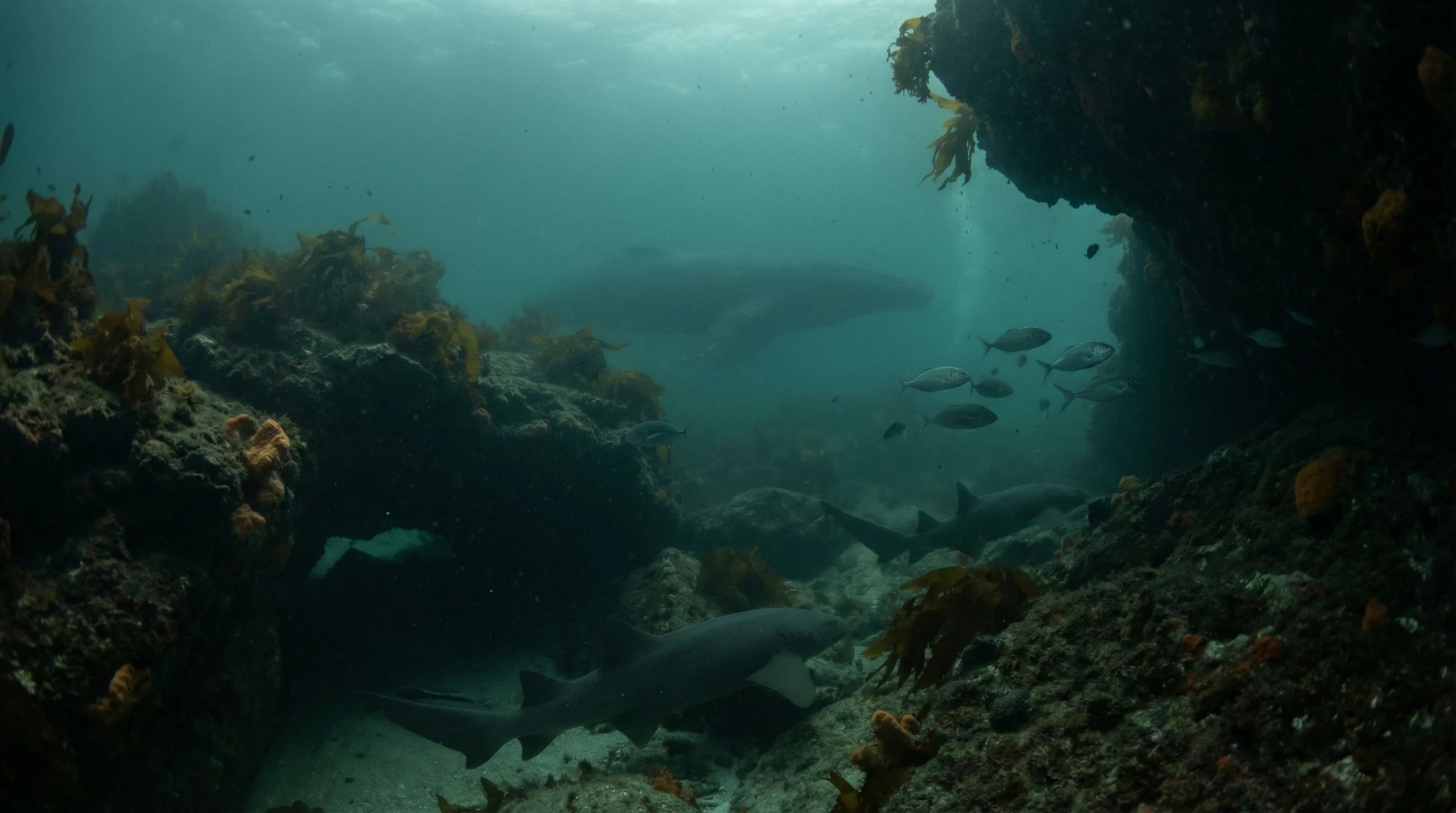
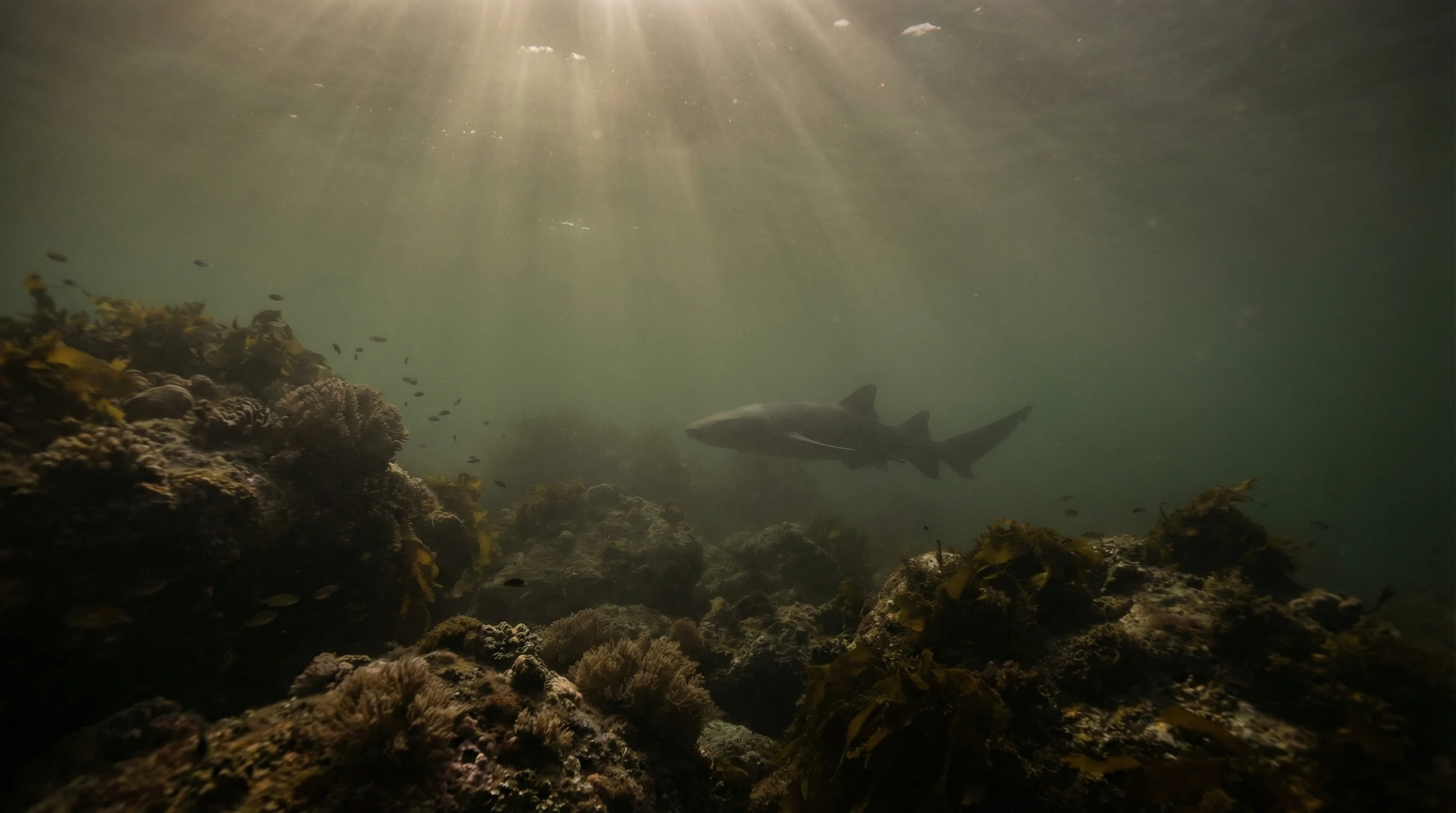
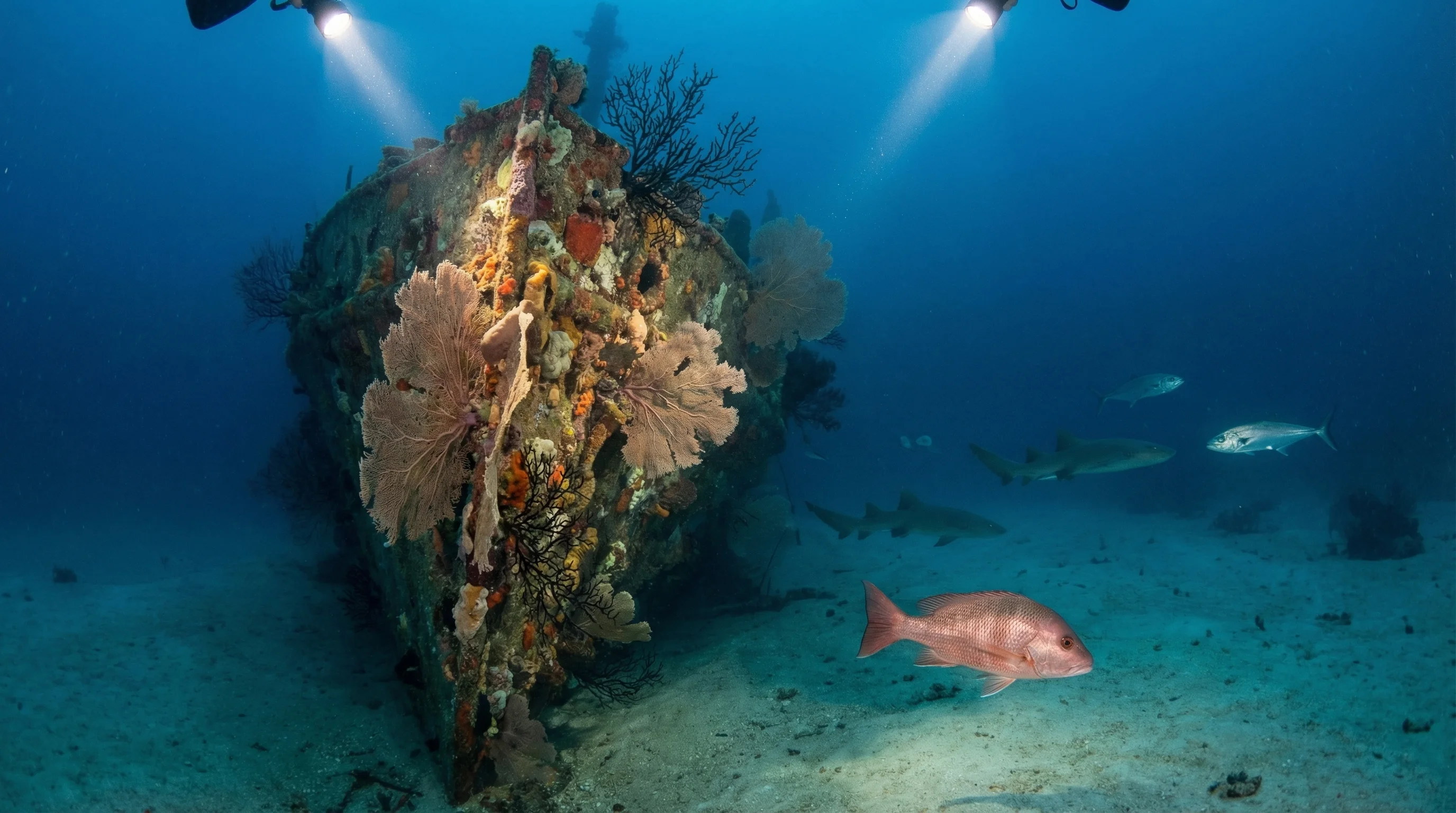
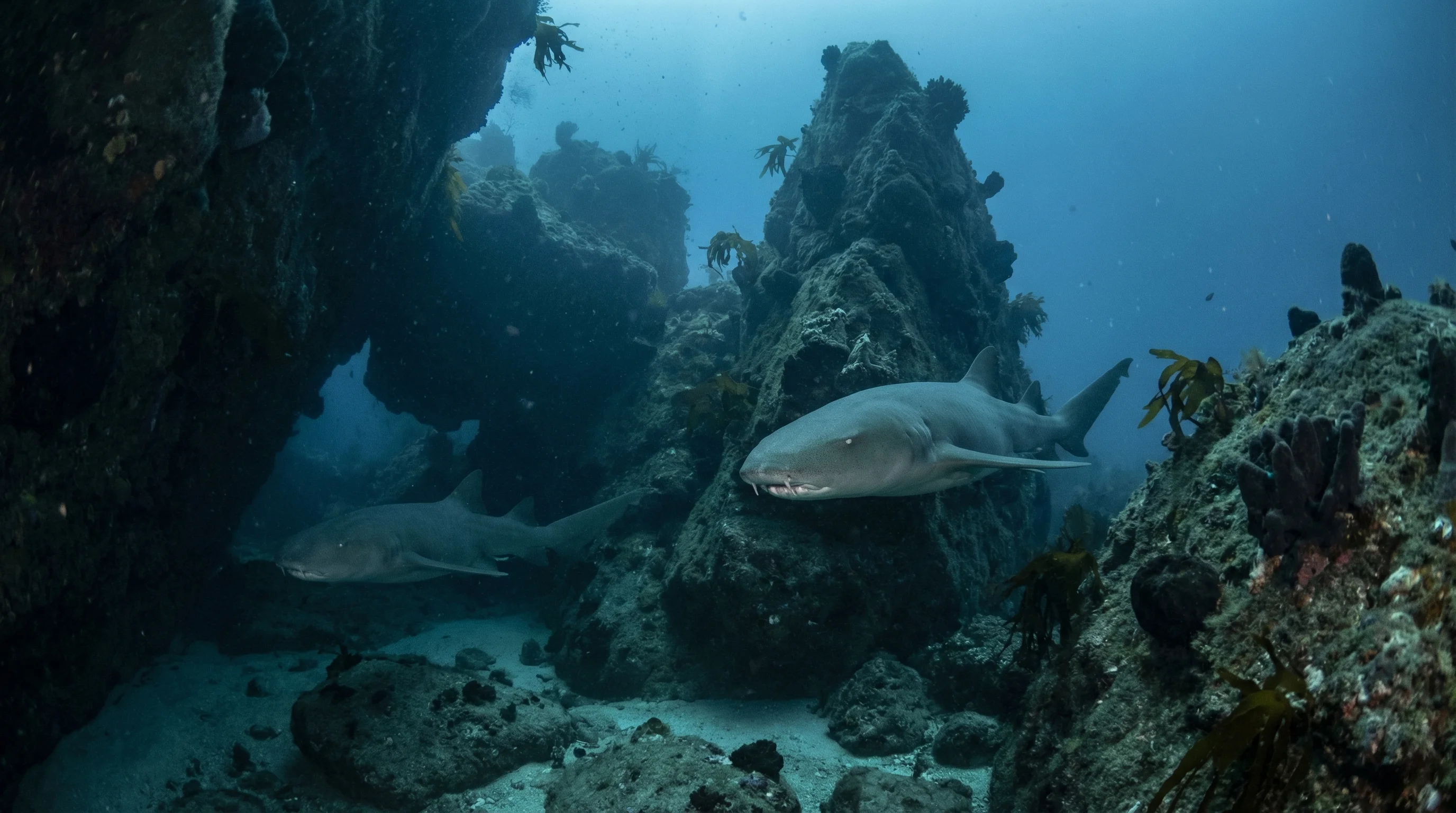
Seal Rocks in New South Wales offers a diverse underwater landscape featuring reefs, pinnacles, caverns, and walls. Depths range from 9 to 40 metres, with an average of 16 metres. The site is exposed to the East Australian Current, which can be strong, making it suitable for intermediate divers. Visibility varies significantly from 5 to 30 metres depending on conditions. Entry is possible via shore or boat, though the site is located 3000 metres from the shore. Divers should be aware of potential hazards including strong currents, deep water, overhead environments, and boat traffic. Using a surface marker buoy is recommended for all dives.
-32.47423, 152.54697
Slack water is worth timing your dive around, as the current can run hard enough to make cavern exploration difficult and surge can catch you off guard near the rock walls. Boat traffic is active in the area, so tow a surface marker buoy on every dive.
Snorkeling can be done from the shore, with Number One Beach and Boat Beach being popular entry points. The offshore dive sites like Little Seal Rock and Big Seal Rock are accessed by a short boat trip, typically launched from Forster or Seal Rocks.
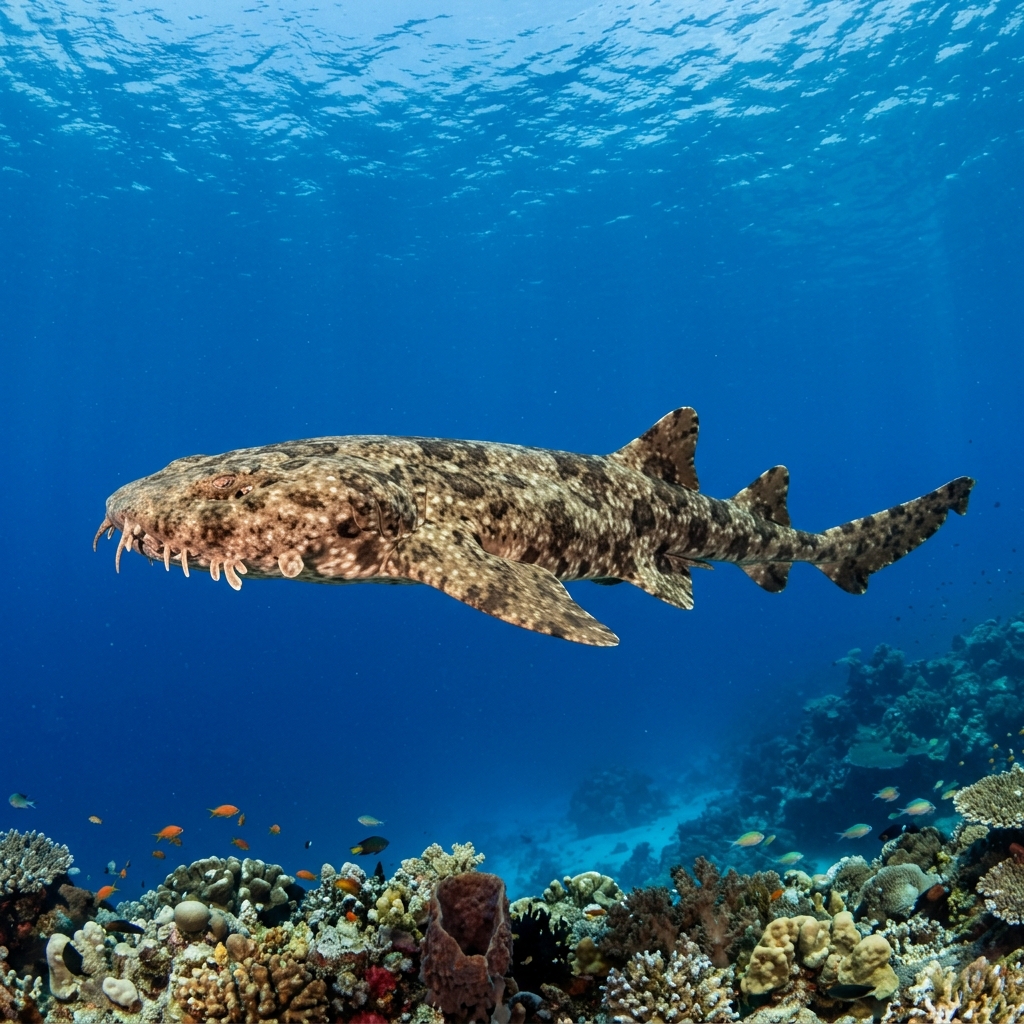
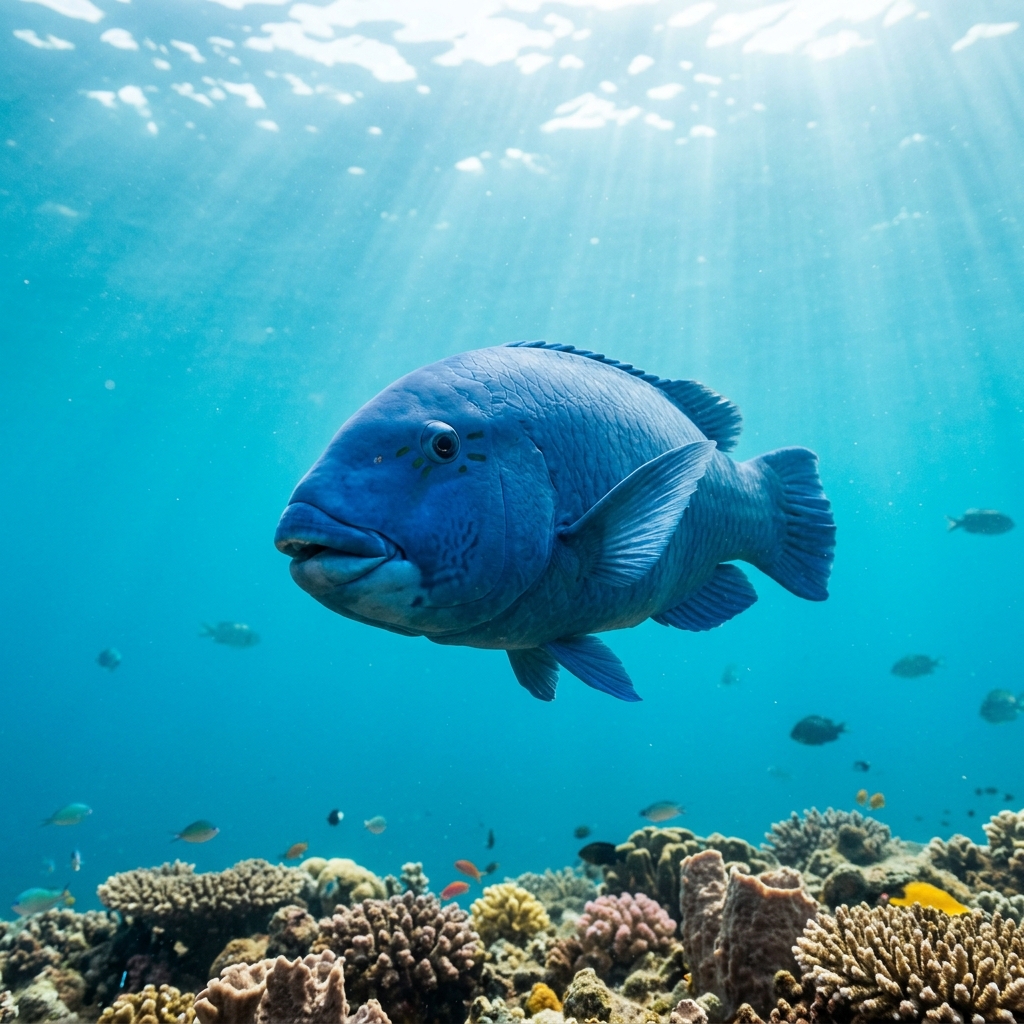
Recorded nearby, within 20km
Depth
9-40m
Visibility
5-30m
Skill Level
Intermediate
Entry
Shore & Boat
Water Temp
19-23°C
Current
Strong
Typical Dive
50 min
Best Time
Year-round
The site ranges from 9 to 40 metres deep, with an average depth of 16 metres.
No, the site is rated for intermediate divers due to the strong East Australian Current and complex topography.
Snorkelling is possible but receives a low rating of 1/5 due to the strong currents and depth of the site.
Diving and snorkelling are possible year-round from January through December.
Access is available by both shore and boat, though the site is located 3000 metres offshore.
Due to strong currents and active boat traffic, divers should always tow a surface marker buoy and time dives around slack water.
Diving at Seal Rocks in Mid North Coast requires the following certifications: Open Water, Advanced. Always dive within your training limits.
A 5mm wetsuit is recommended for diving at Seal Rocks in Mid North Coast. Water temperatures range from 19°C to 23°C.
Seal Rocks in Mid North Coast can have strong currents. Advanced experience with drift diving and current navigation is recommended.
Visibility at Seal Rocks in Mid North Coast typically ranges from 5 metres to 30 metres. Conditions vary with weather, tides, and seasons.