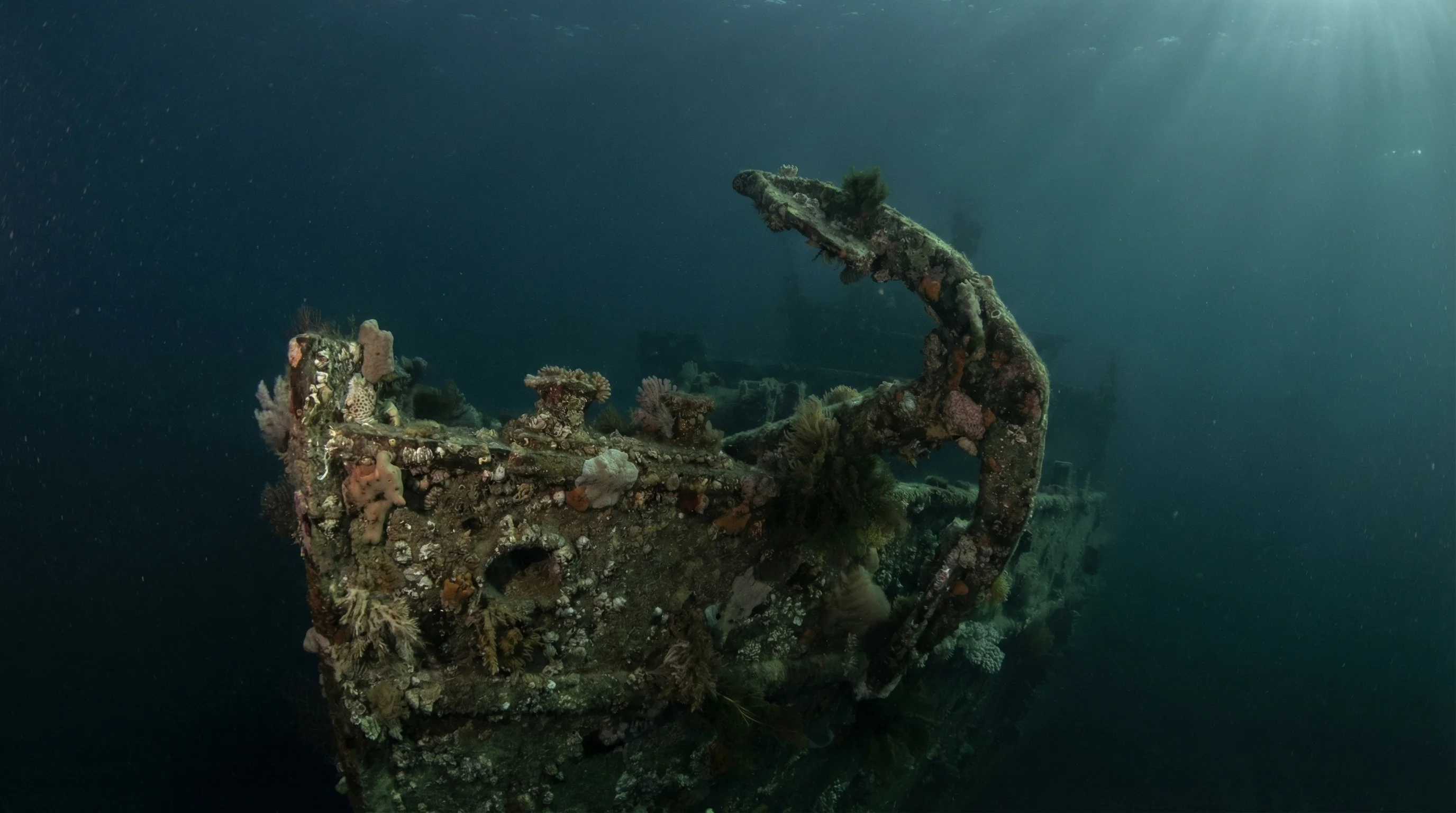
Best for advanced divers, 24-28m, boat entry, moderate current.
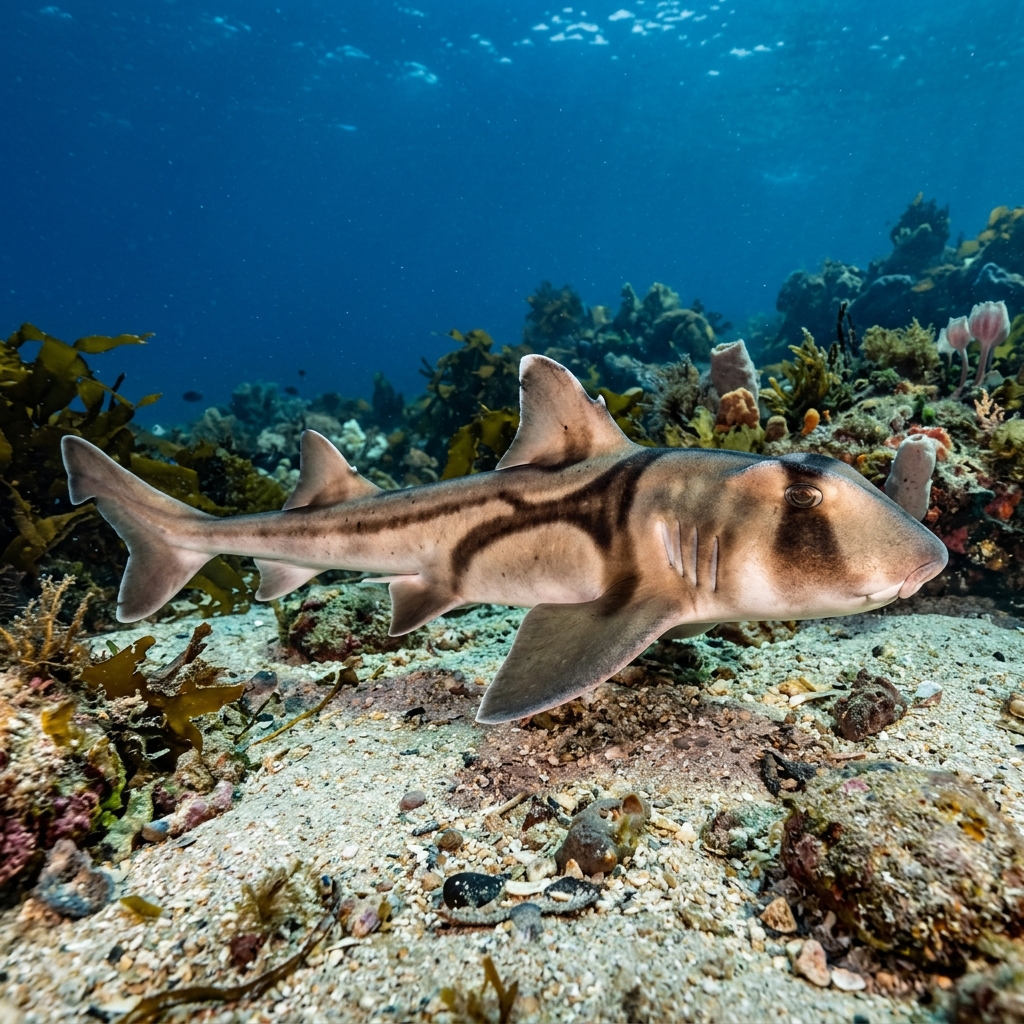
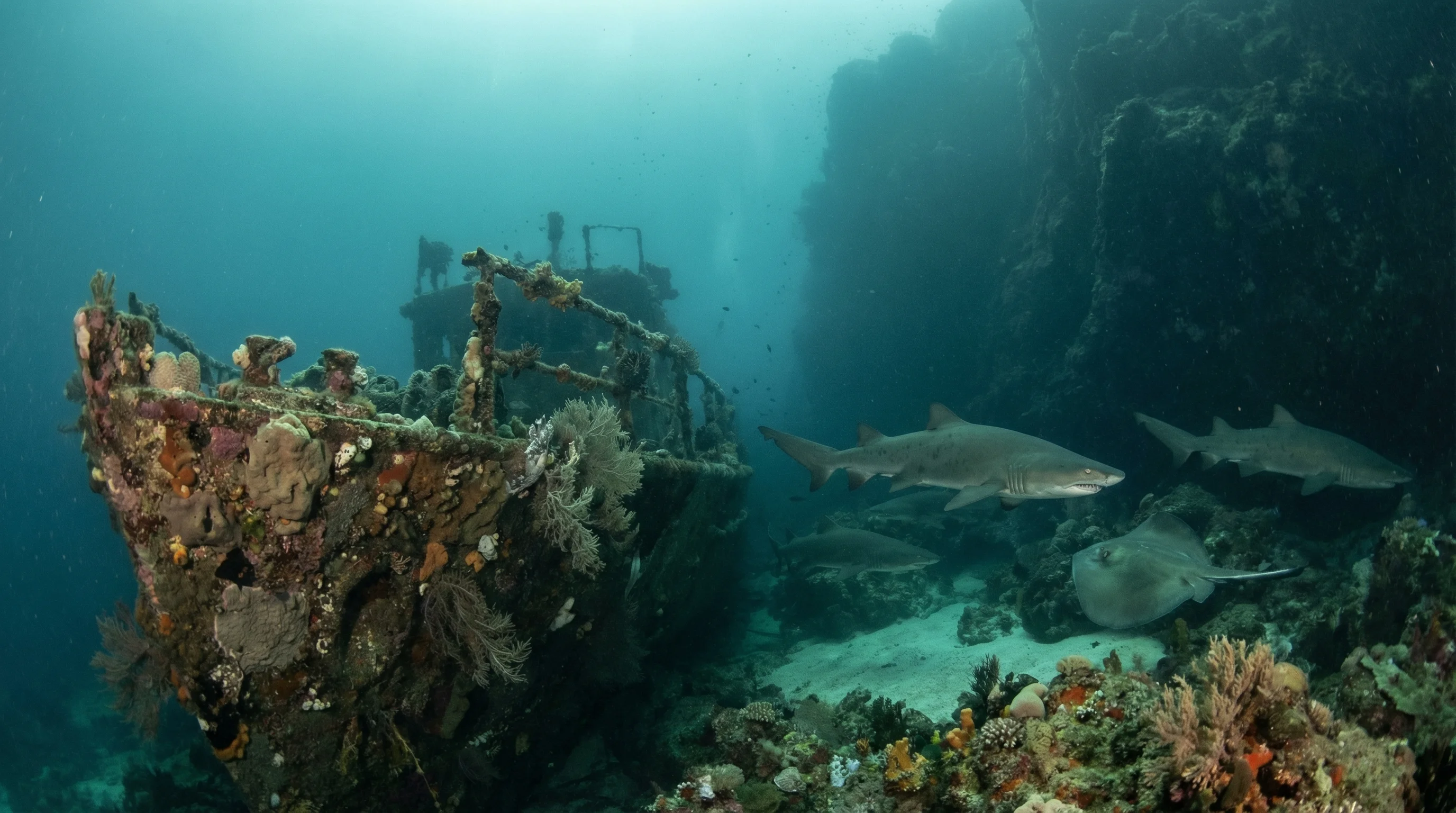
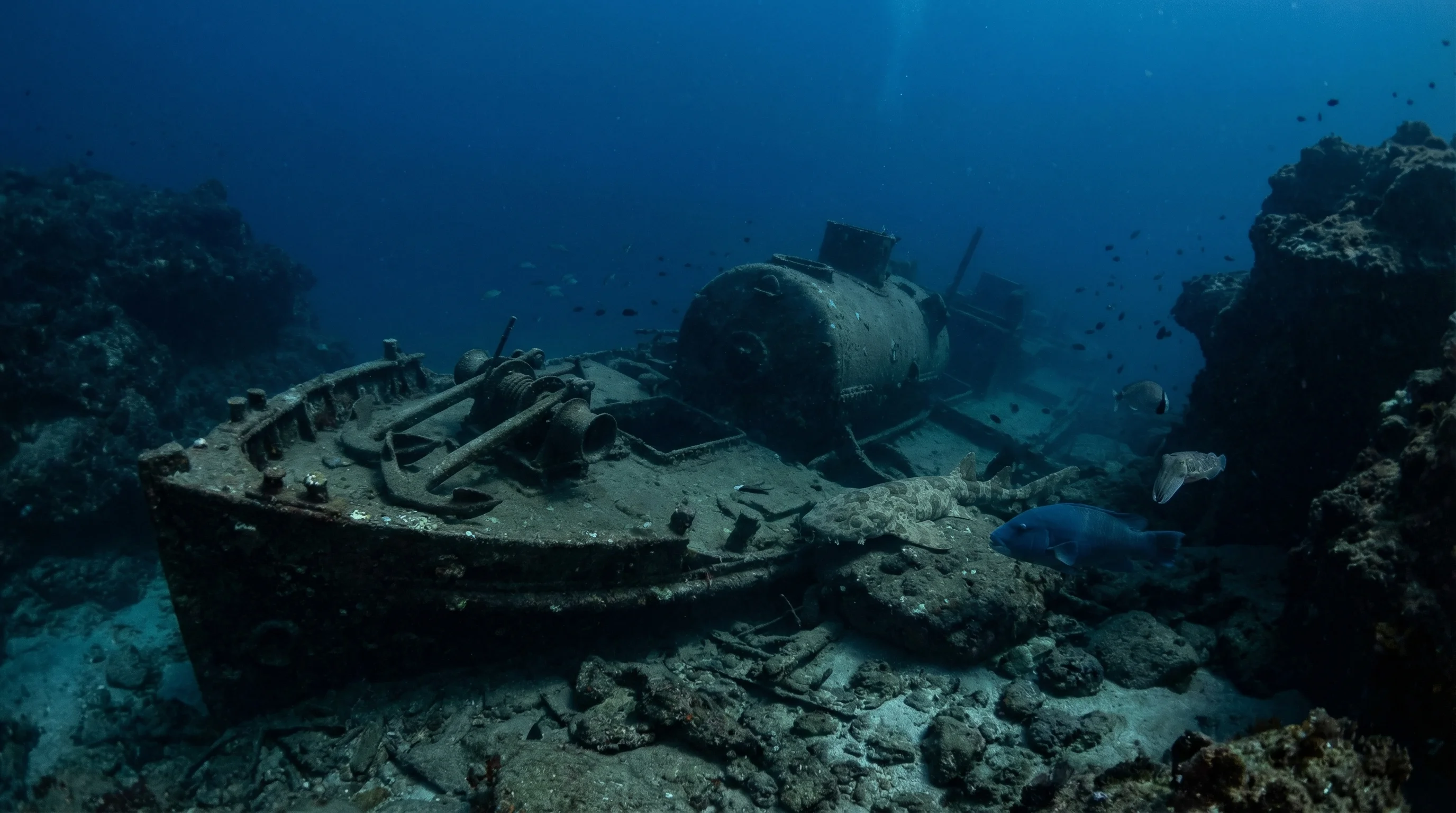
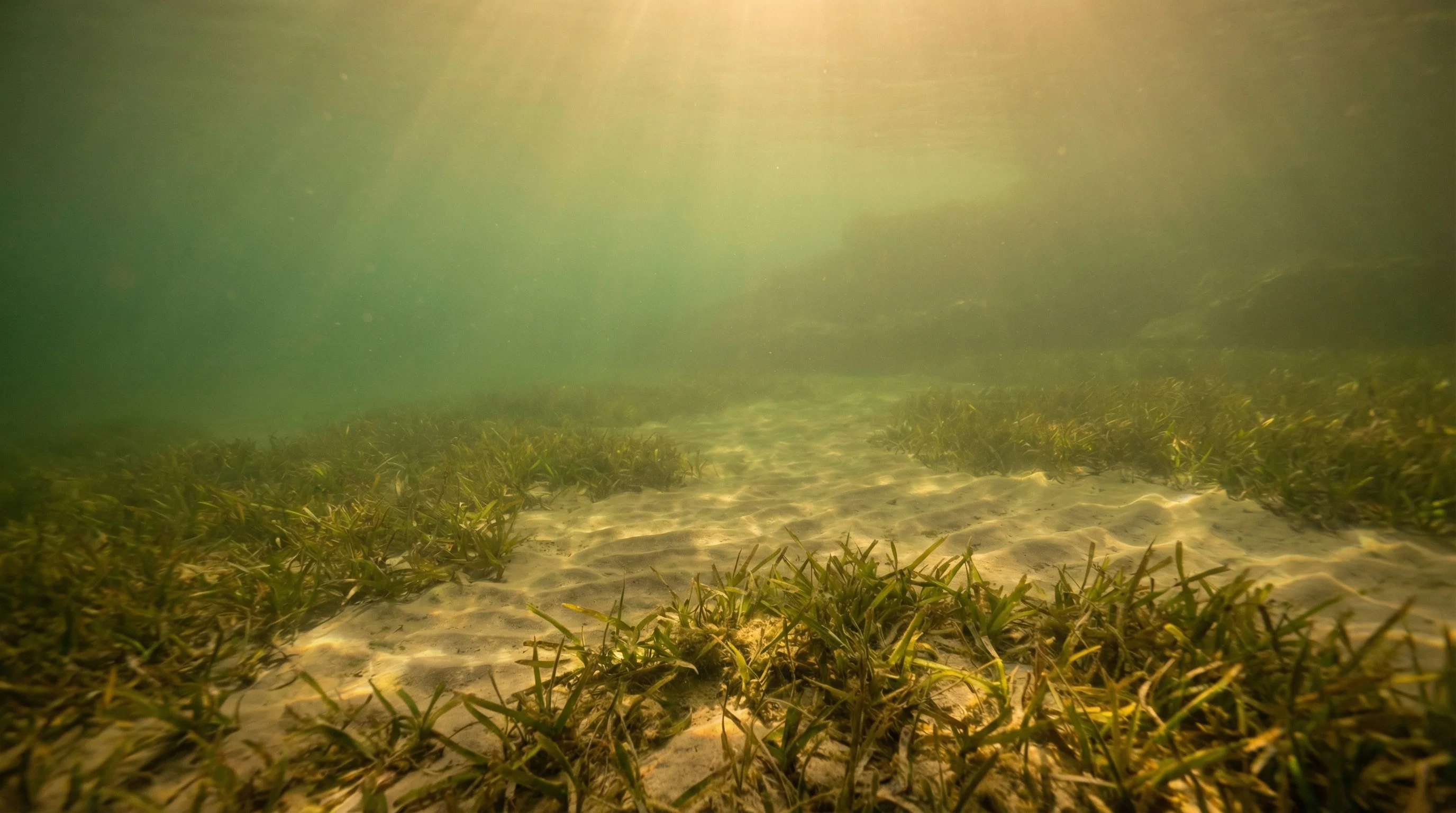
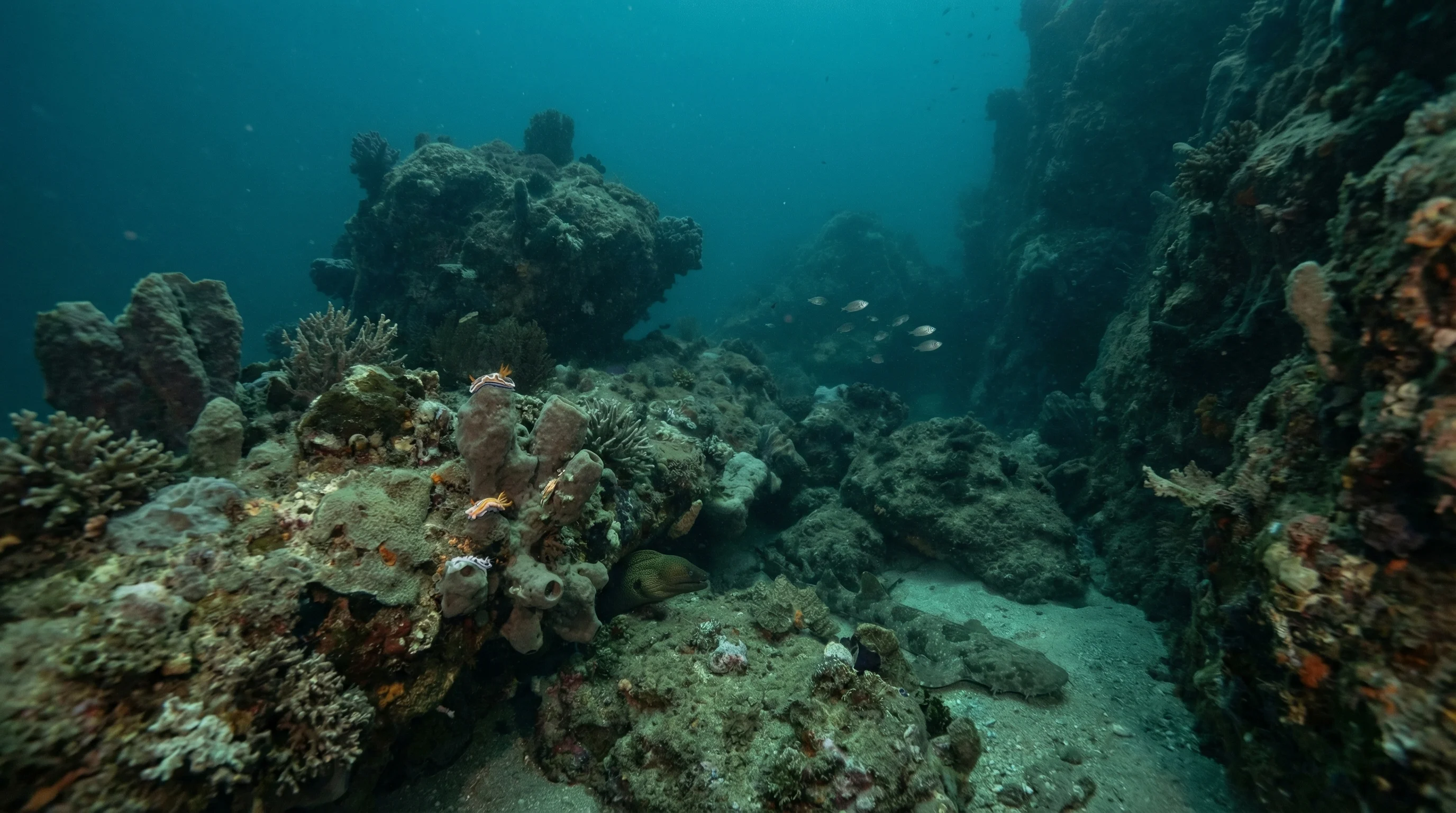
The SS Oakland is an upright, largely intact steamship wreck located 7000 metres off Hawks Nest. Resting at depths between 24 and 28 metres, this site is suited for advanced divers with wreck experience. Divers encounter Spotted Wobbegong, Eastern Blue Groper, Green Moray, and Blind Shark among the iron hull. The site presents overhead environment challenges and requires careful gas management. Visibility typically ranges from 7 to 18 metres. Dives are best timed for slack high tide to mitigate moderate currents. Due to the depth and potential for weakened structural sections, precise buoyancy control is essential. Typical bottom time is 40 minutes.
-32.67841, 152.23432
The mooring line arrives close to the bow, and the wreck is about 30 metres long and 8 metres wide.
The site is accessed via a boat trip, which is approximately a 30-minute ride from Nelson Bay Marina. Several dive operators in Nelson Bay, such as Feet First Dive, offer charters to the wreck. A mooring line is attached to the stern of the wreck for descent.
Recorded at this site
Depth
24-28m
Visibility
7-18m
Skill Level
Advanced
Entry
Boat
Boat required
Water Temp
19-23°C
Current
Moderate
Typical Dive
40 min
Best Time
Year-round
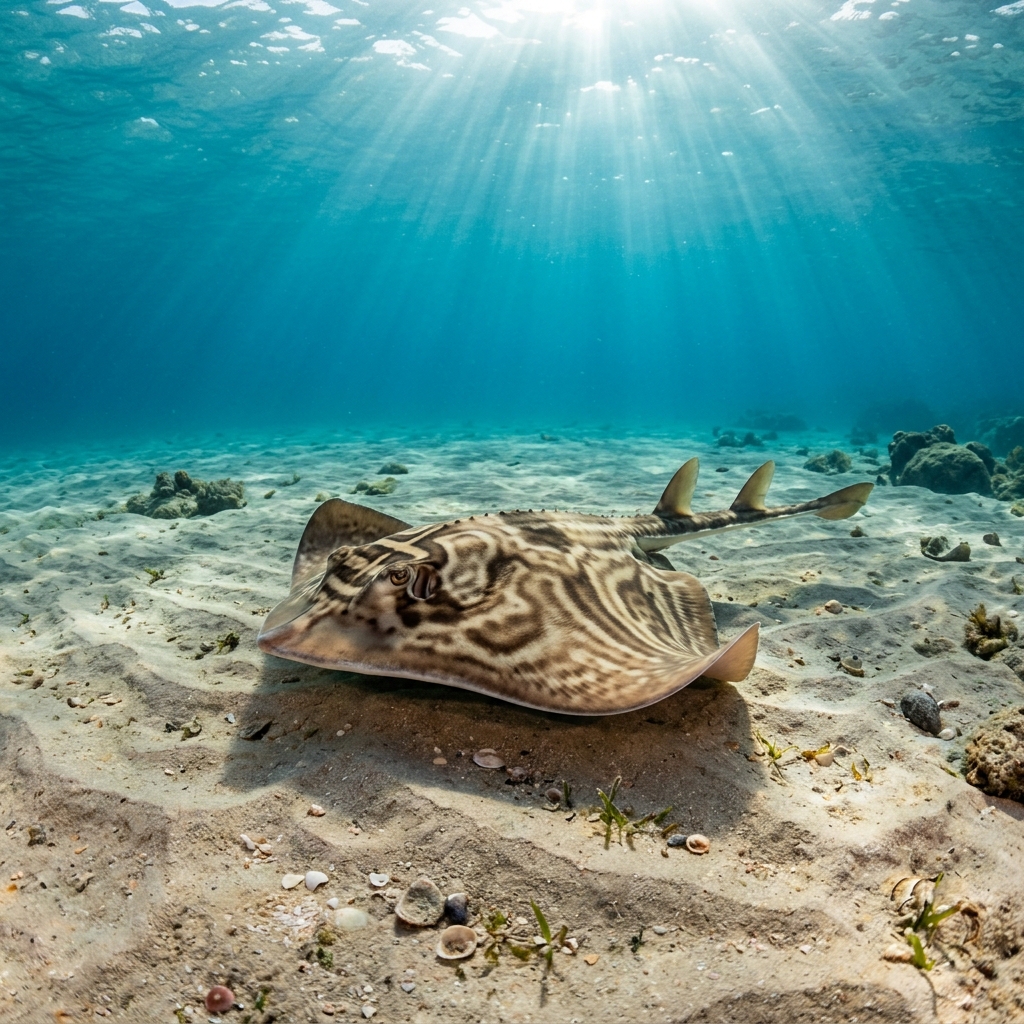
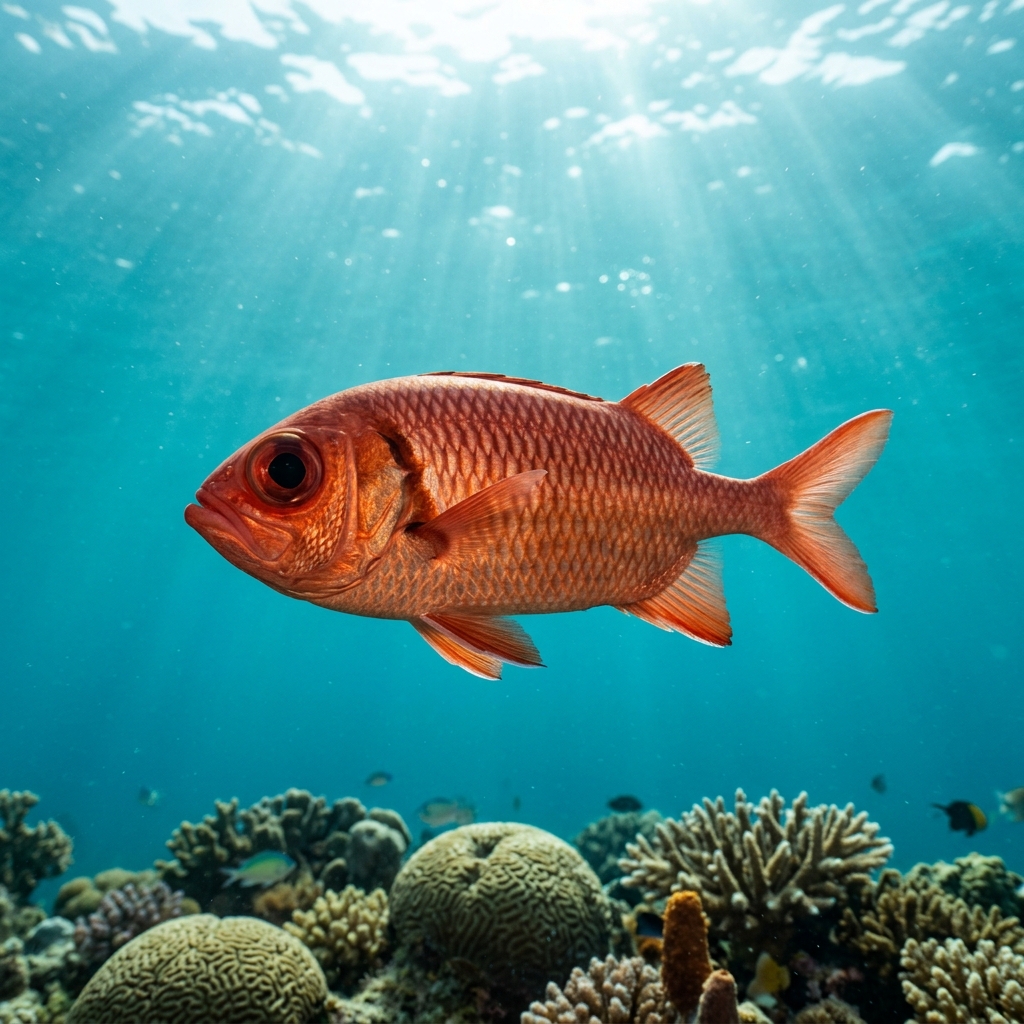
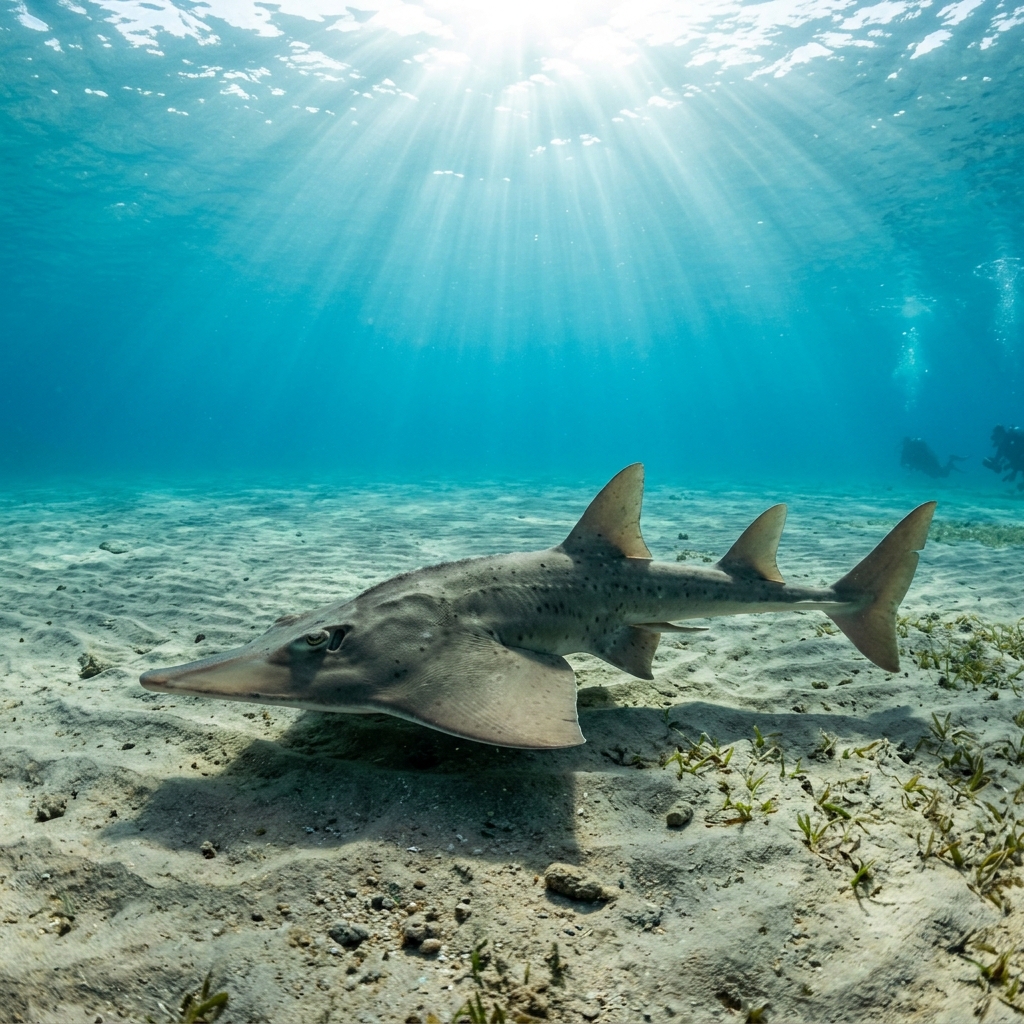
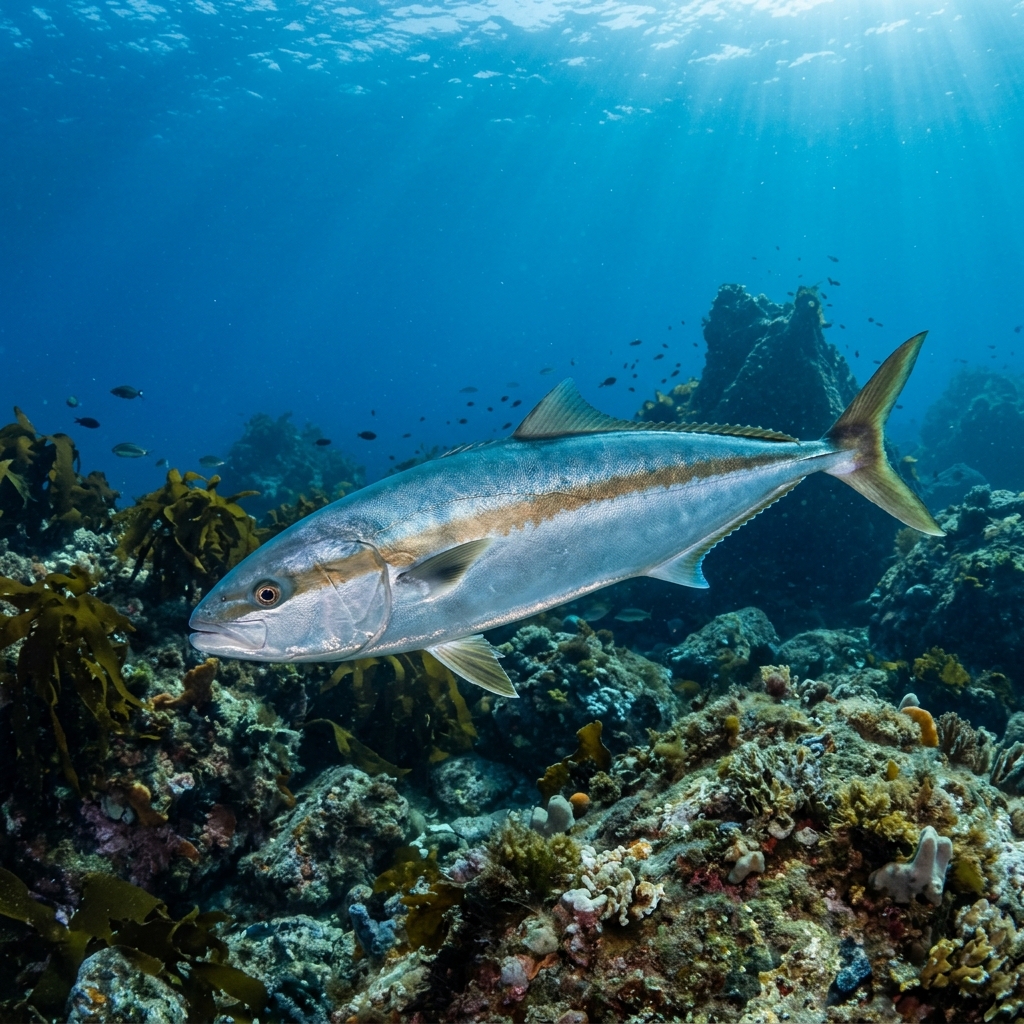
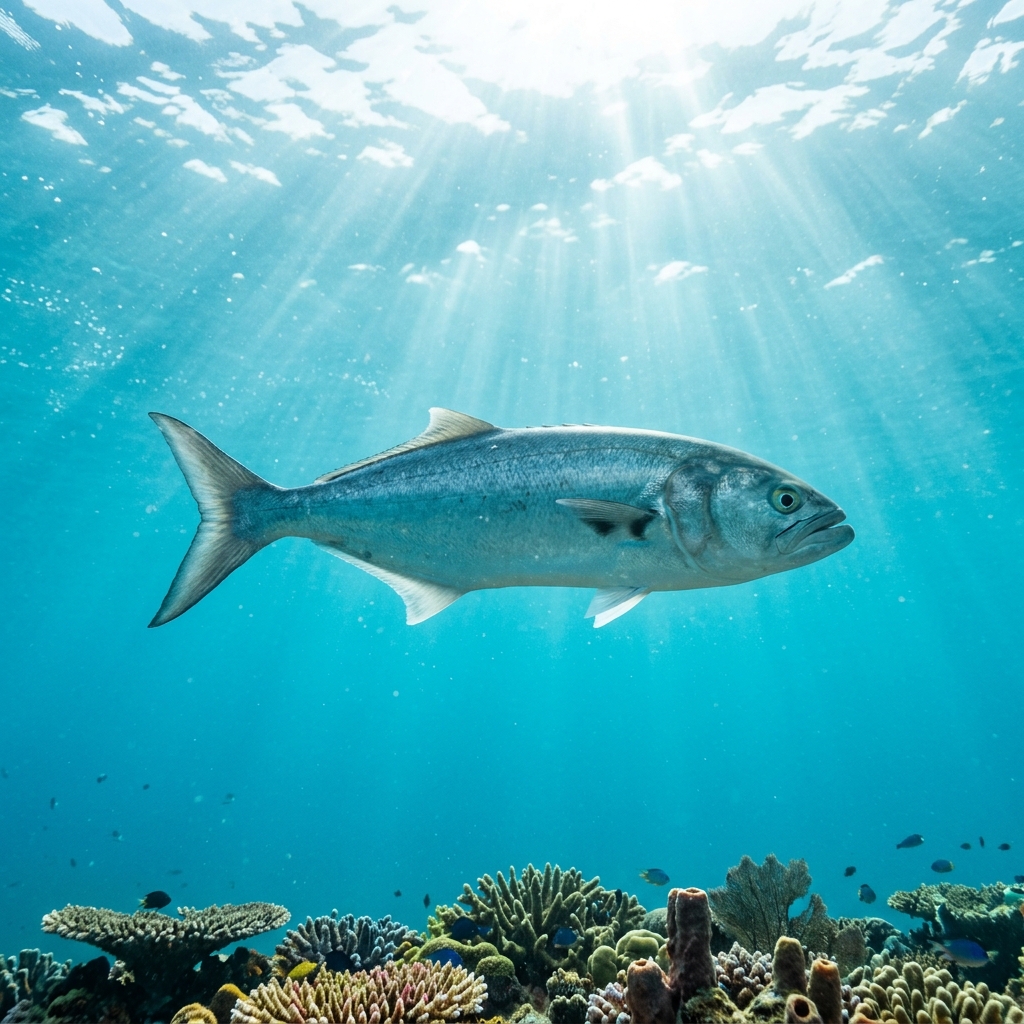
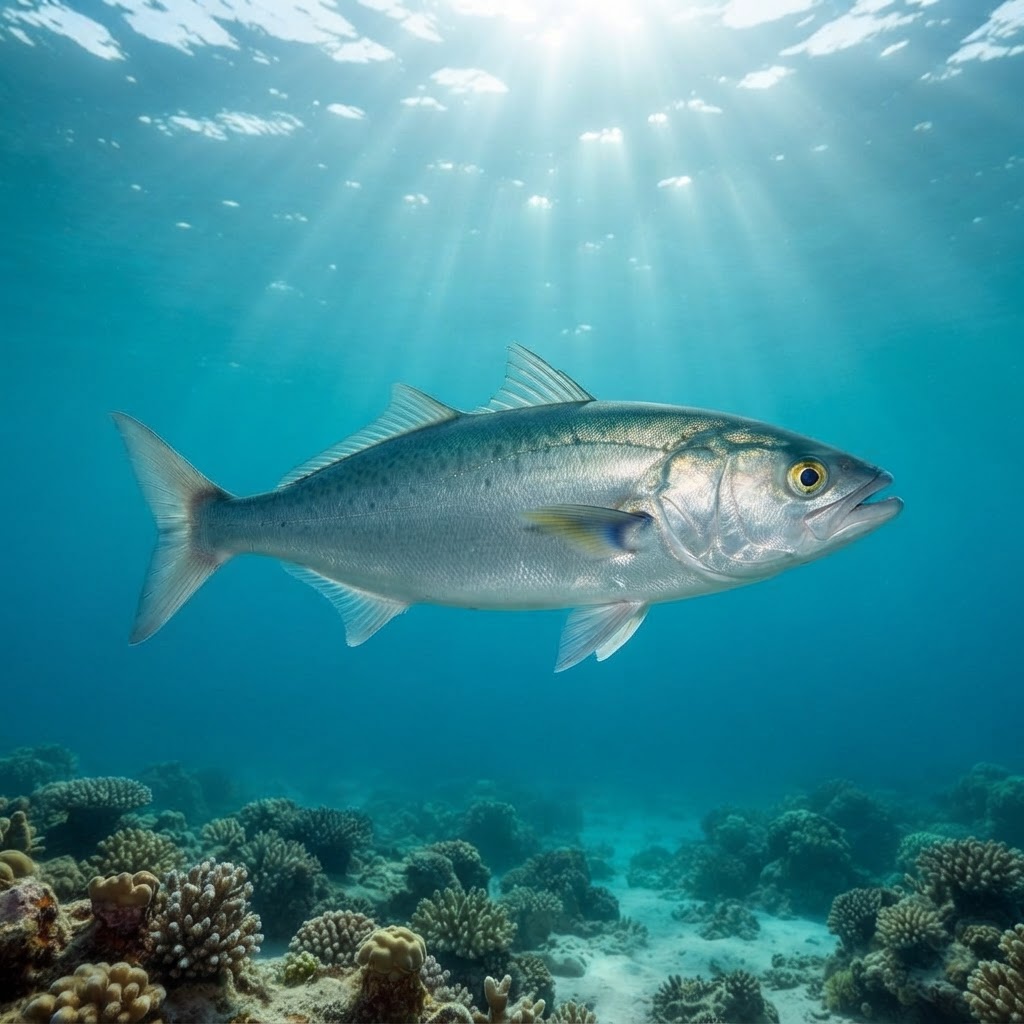
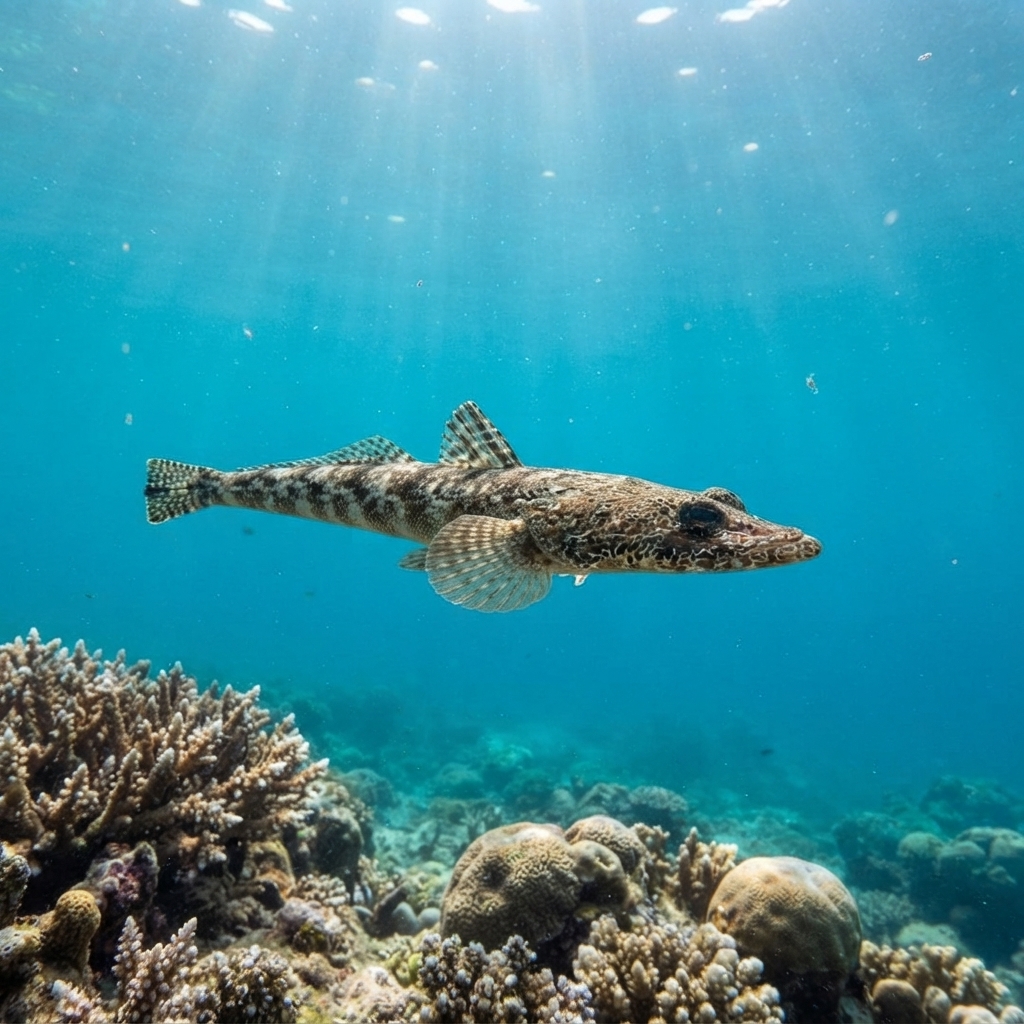
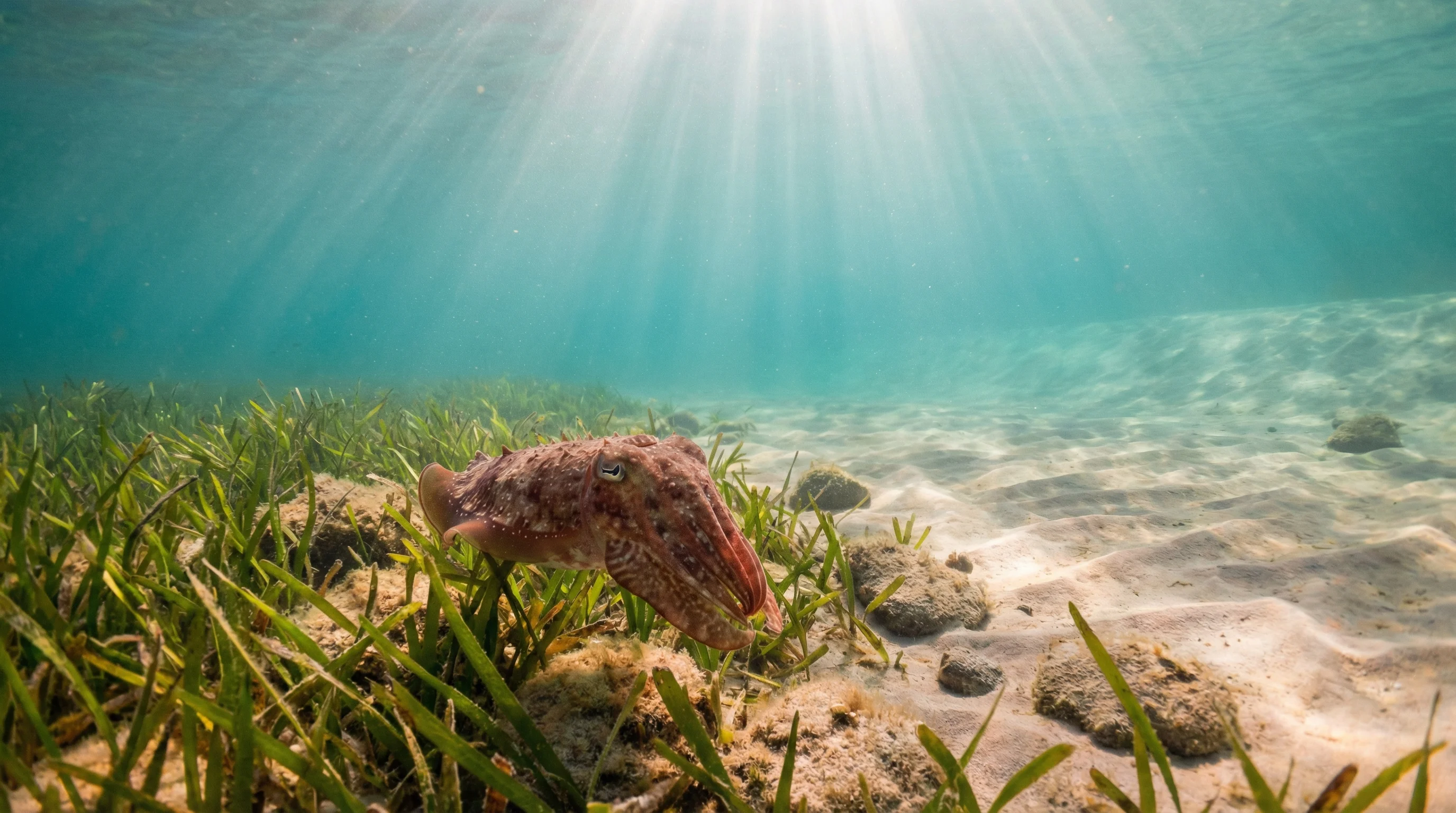
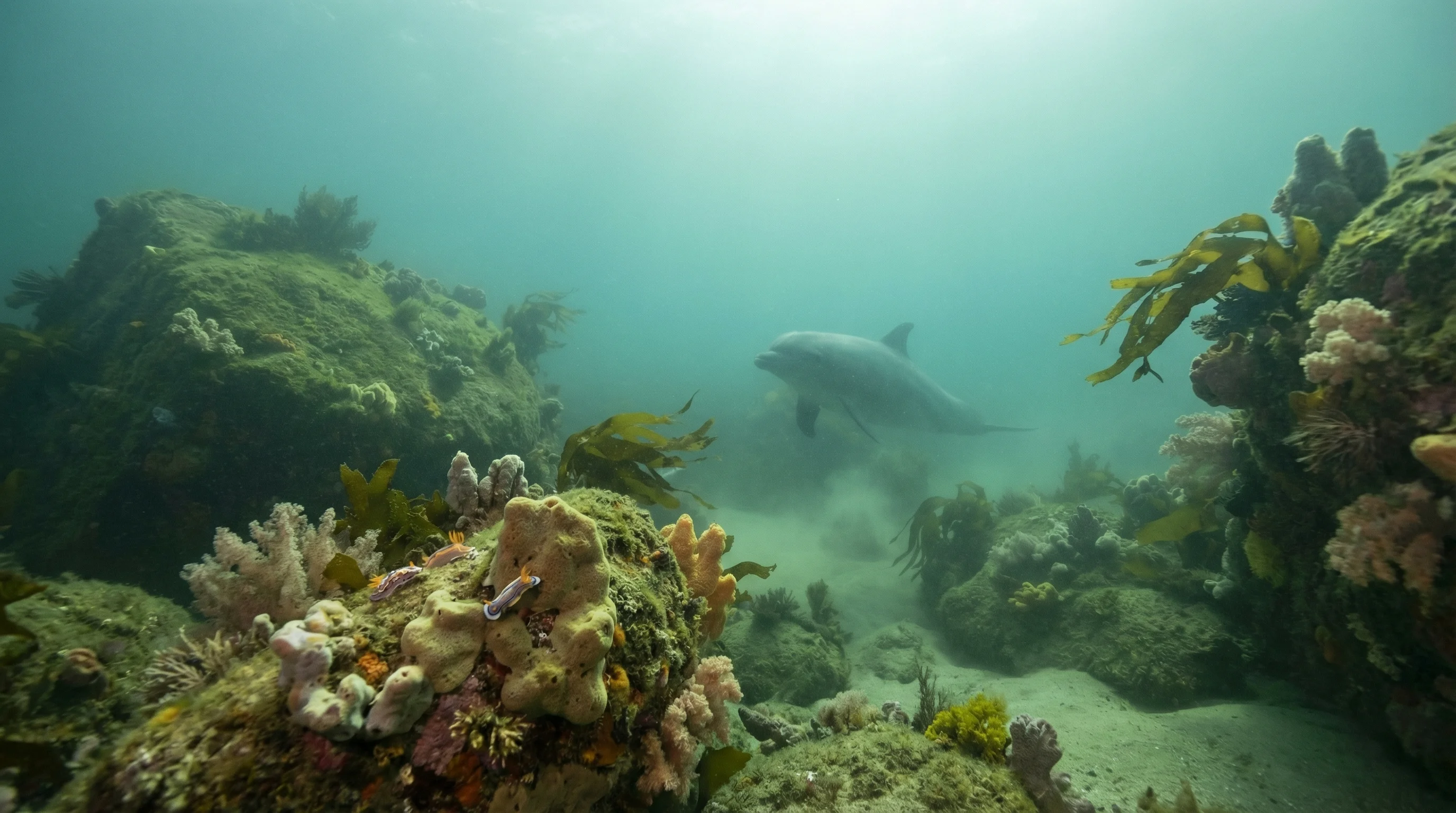
Divers frequently encounter Spotted Wobbegong, Eastern Blue Groper, Green Moray, Blind Shark, Stonefish, Blue Throated Wrasse, Eastern Red Scorpionfish, Clown Doris, Longfin Bannerfish, Bullseye, Old Wife, Flathead, and East-australian Stripey.
No, this site is intended for advanced divers due to the depth of 24 to 28 metres and the presence of overhead environments within the wreck structure.
The wreck lies at a depth of 24 to 28 metres, with an average depth of 27 metres.
No, the SS Oakland is located 7000 metres offshore and requires a boat to access.
While the site is accessible year-round, January and February offer the best conditions for diving.
Diving at SS Oakland Wreck in Nelson Bay requires the following certifications: Advanced. Always dive within your training limits.
A 5mm wetsuit is recommended for diving at SS Oakland Wreck in Nelson Bay. Water temperatures range from 19°C to 23°C.
Divers at SS Oakland Wreck in Nelson Bay should be aware of sharks. These encounters are generally rare and avoidable with proper awareness. Follow local safety guidance and maintain a respectful distance from all marine life.
Expect moderate currents at SS Oakland Wreck in Nelson Bay. Good buoyancy control and some drift diving experience is helpful.
Visibility at SS Oakland Wreck in Nelson Bay typically ranges from 7 metres to 18 metres. Conditions vary with weather, tides, and seasons.