Best for advanced divers, 4-31m, shore entry, mild current.
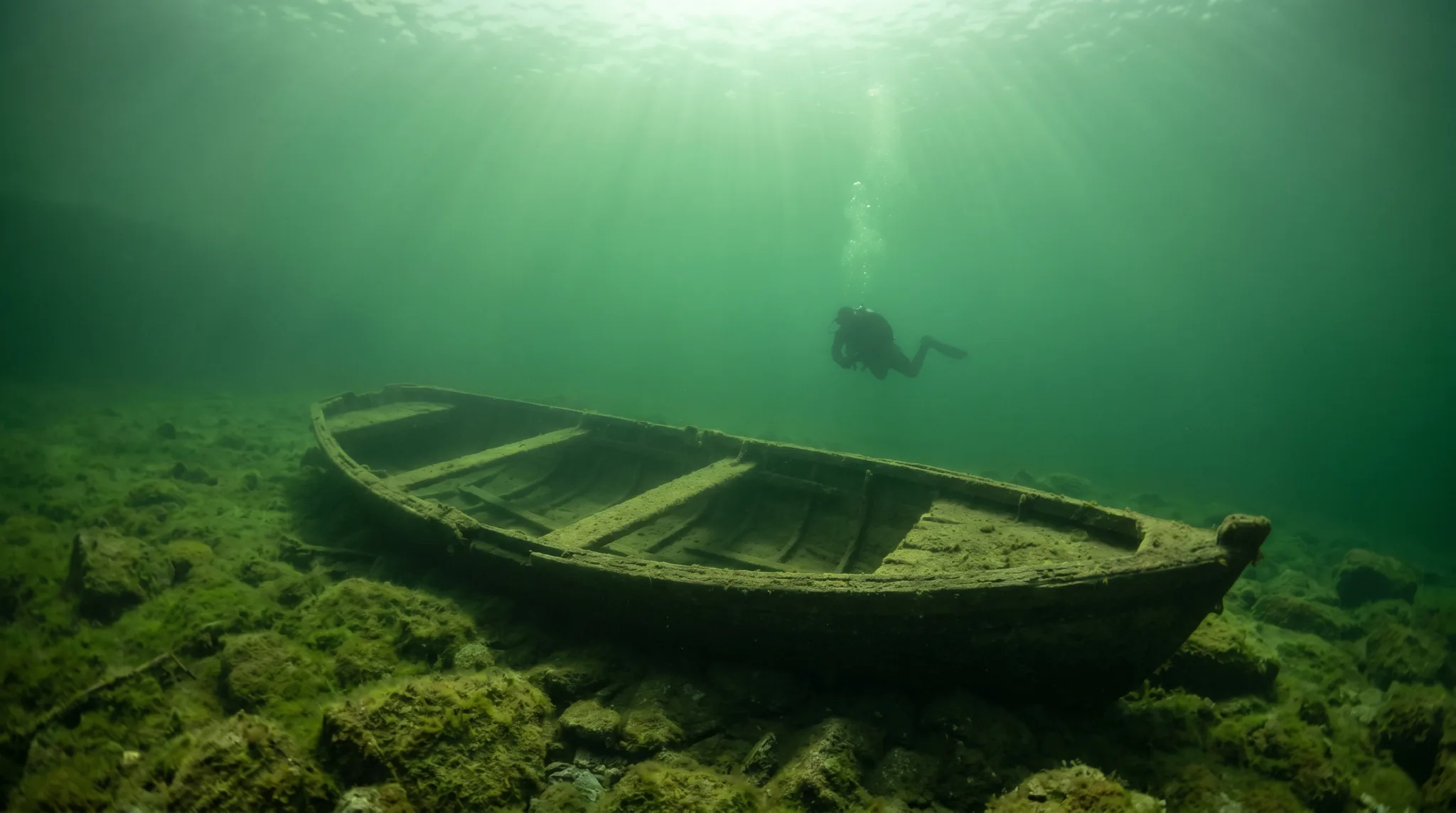
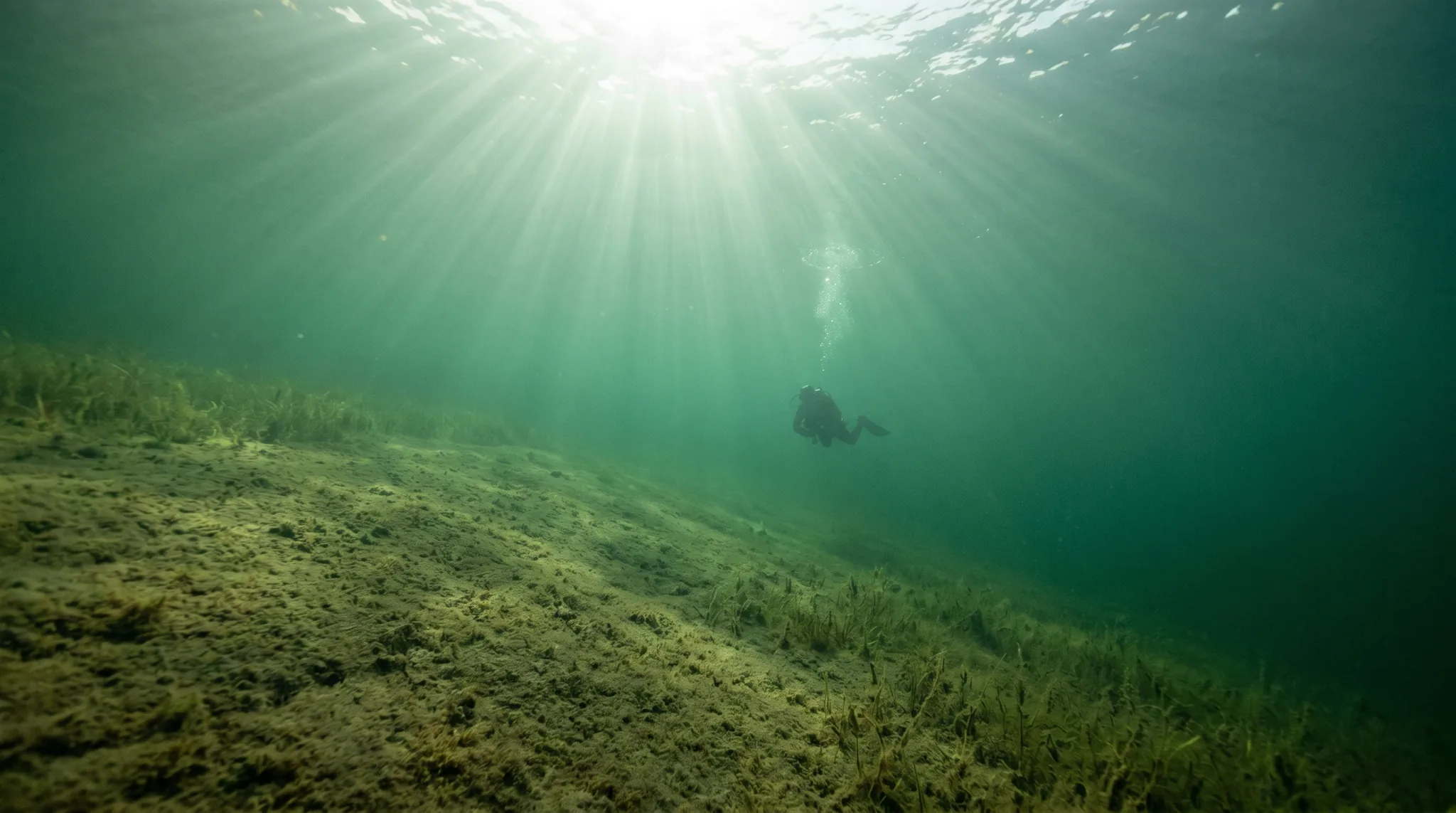
Lake Chelan Monument is a freshwater wall and wreck site offering depths between 4 and 31 metres. The site is accessed via a shore entry with on-site parking. Divers encounter visibility ranging from 15 to 70 metres, allowing for clear observation of the wall structure and the deeper wreck. A thermocline exists, with warmer surface waters mixing to 30 metres in summer, while fall and winter bring cooling throughout the depths. The site features mild currents, though the significant depth requires advanced buoyancy control and careful gas management. Due to cold water and depth, appropriate thermal protection is essential, and divers should monitor their depth to mitigate nitrogen narcosis risks.
47.86140, -120.16930
There is a monument ladder at the site.
The site is a shore dive with a point of entry where a dive flag is projected in the 360 degree street view.
Expected in this region. No sightings logged here yet.
Depth
4-31m
Visibility
15-70m
Skill Level
Advanced
Entry
Shore
Current
Mild
Typical Dive
50 min
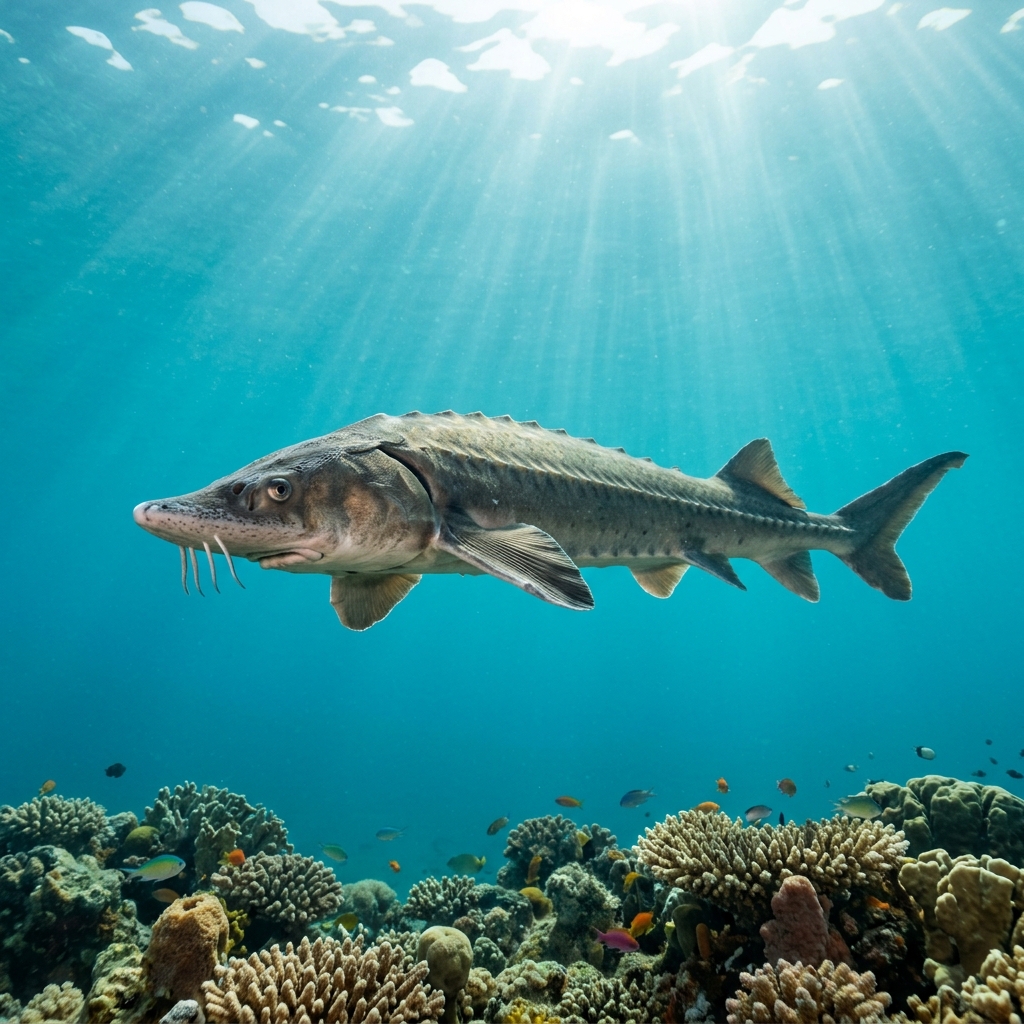
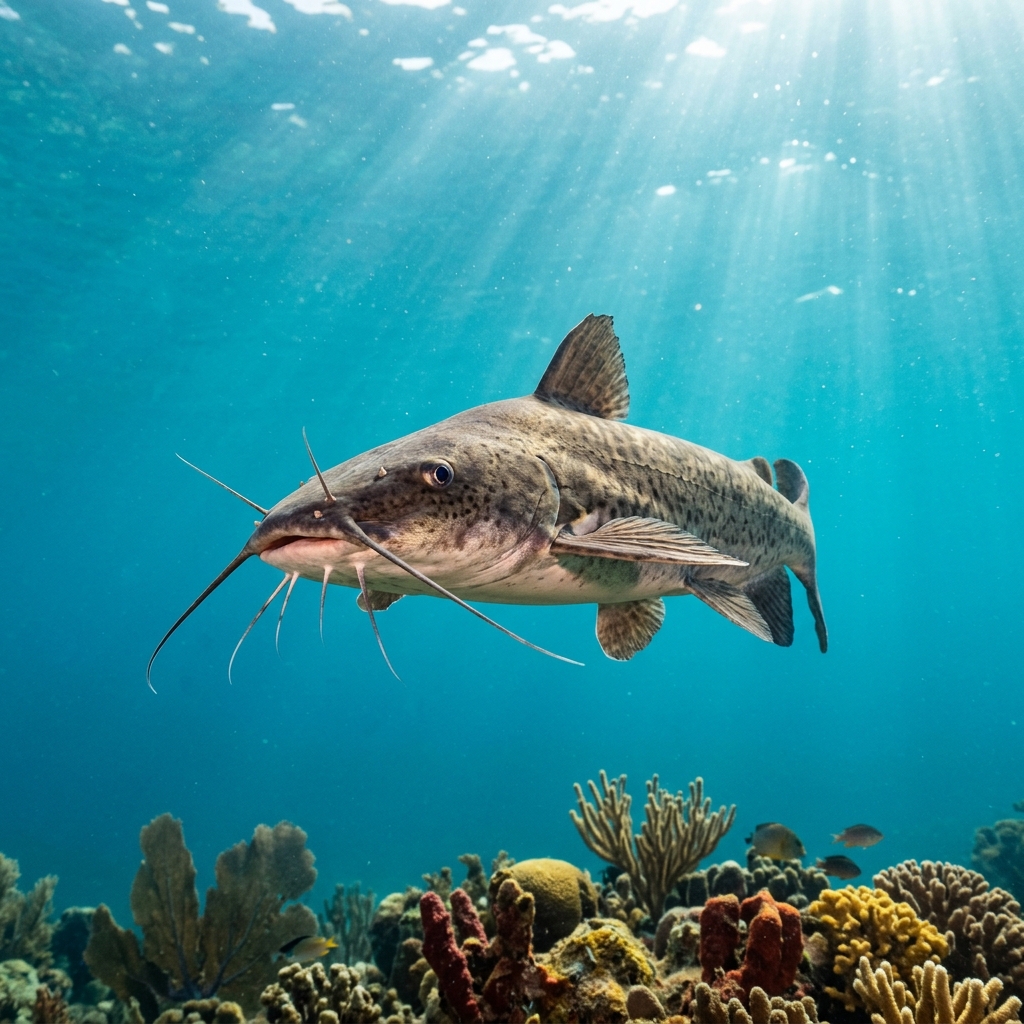
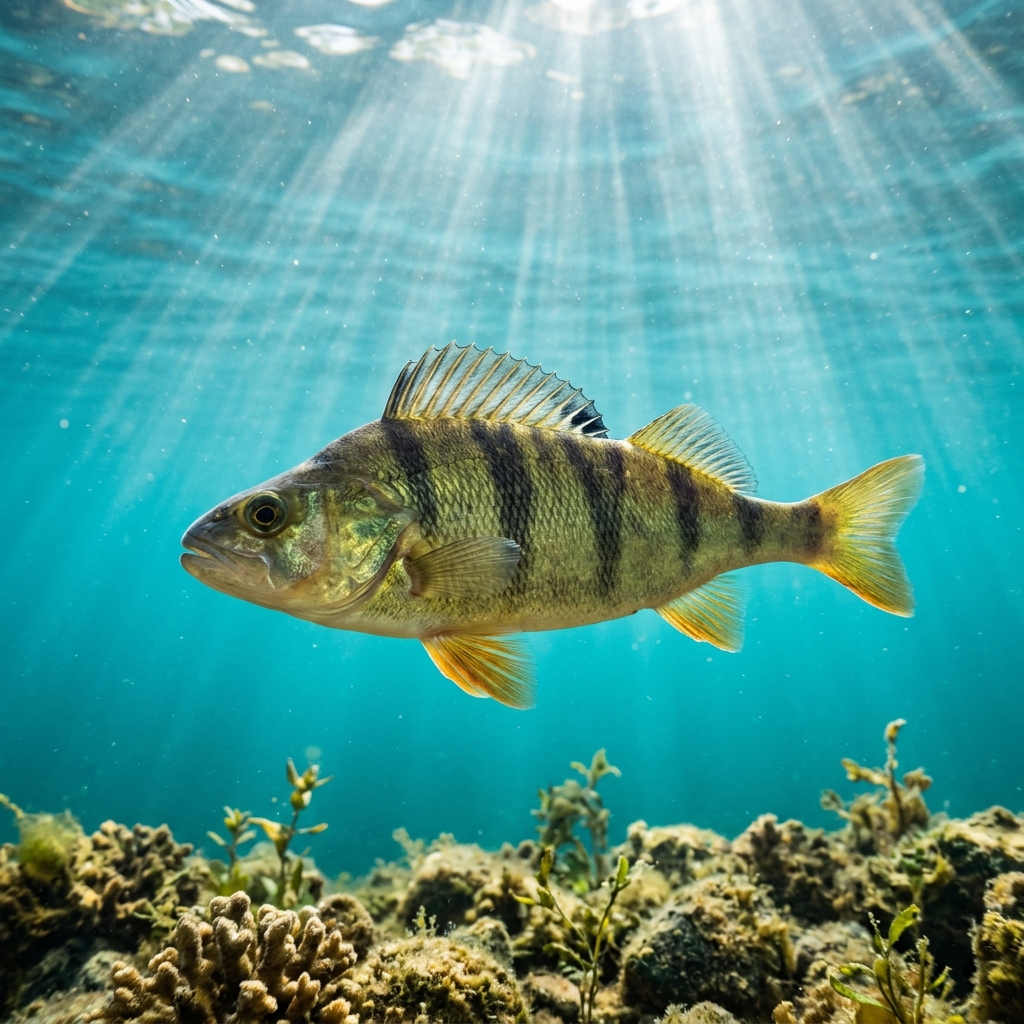
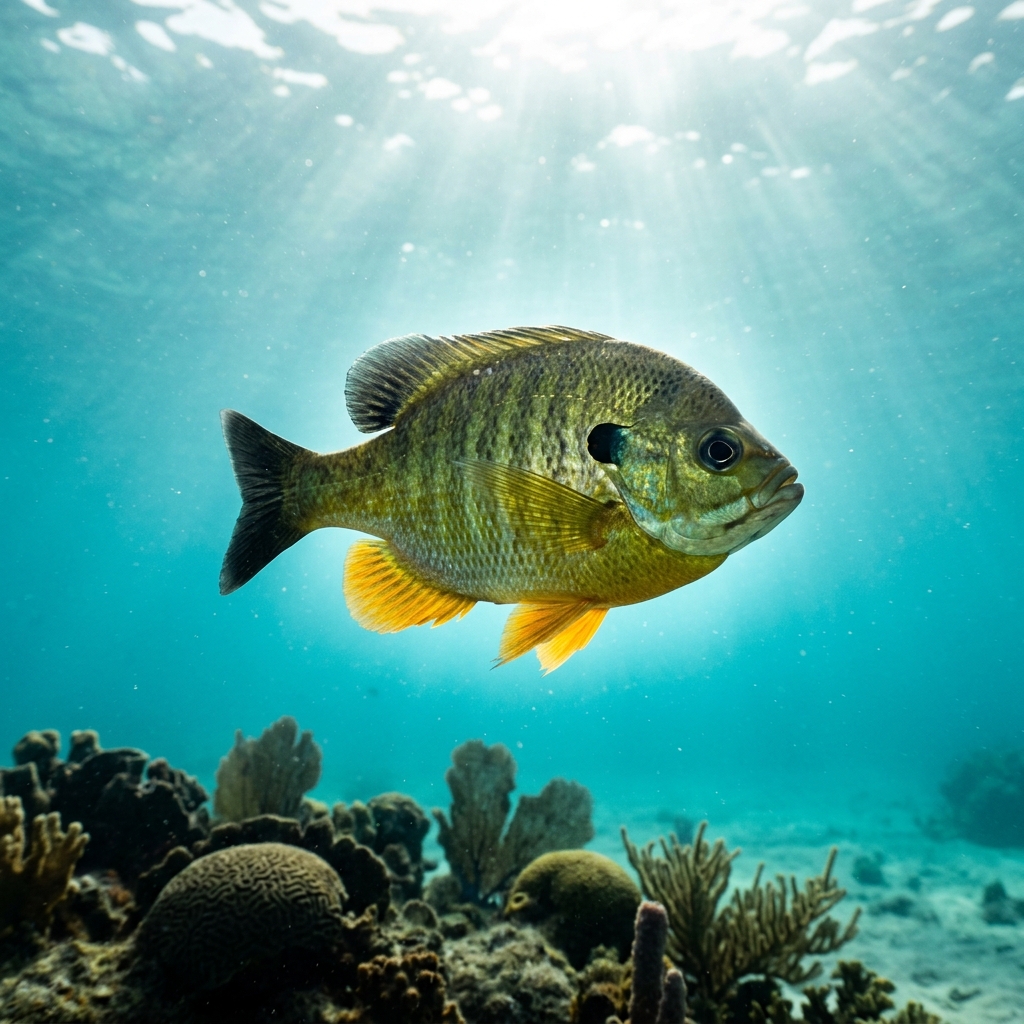
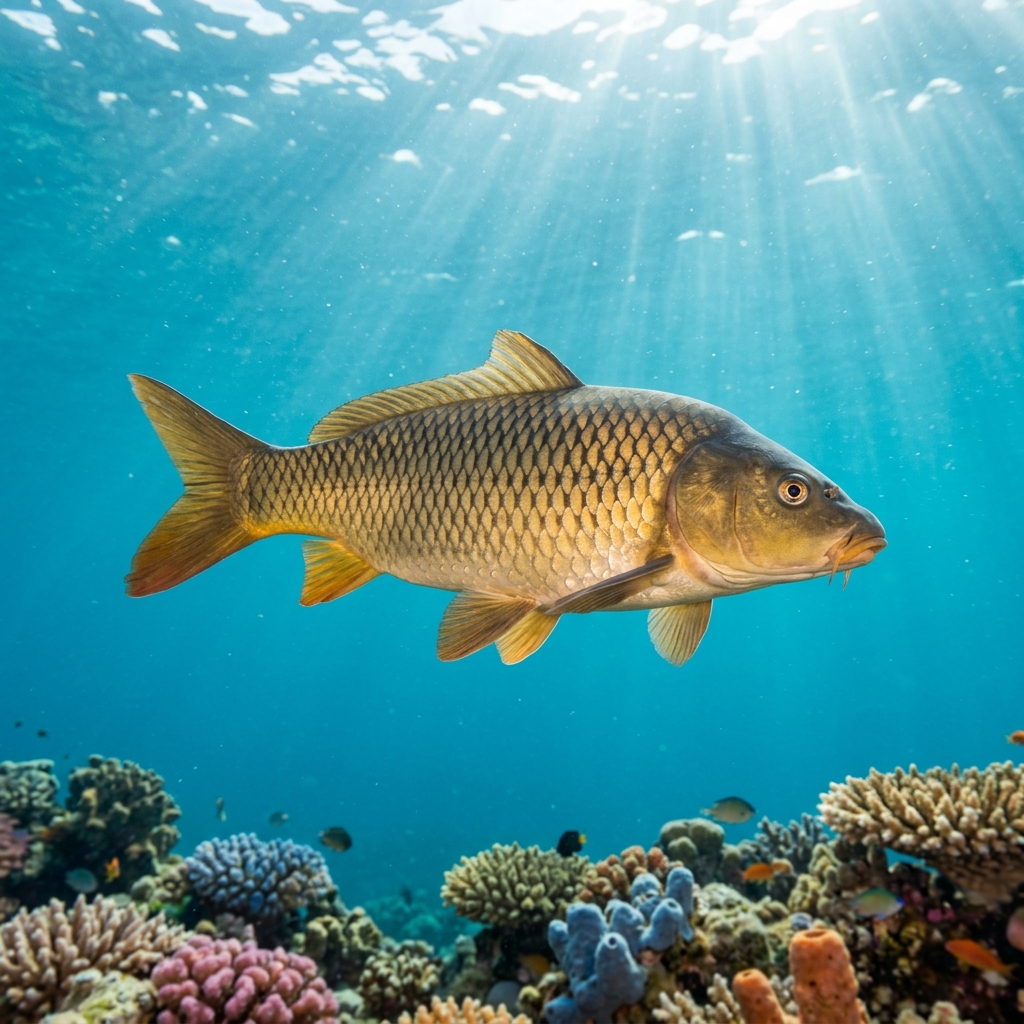
The site supports a variety of freshwater fish and invertebrates typical of the region, including sturgeon, trout, perch, burbot, catfish, and freshwater shrimp.
No, this site is intended for advanced divers due to the significant depths and the potential for nitrogen narcosis.
The site features a wall and wreck structure that drops from 4 metres down to 31 metres.
Lake Chelan Monument is a shore entry dive site with parking available on site.
The main hazards include cold water temperatures, significant depth, and the risk of nitrogen narcosis. Divers should use adequate thermal protection and monitor their depth closely.
Diving at Lake Chelan Monument in Manson requires the following certifications: Open Water. Always dive within your training limits.
Lake Chelan Monument in Manson typically has mild currents that most divers can handle comfortably.
Visibility at Lake Chelan Monument in Manson typically ranges from 15 metres to 70 metres. Conditions vary with weather, tides, and seasons.