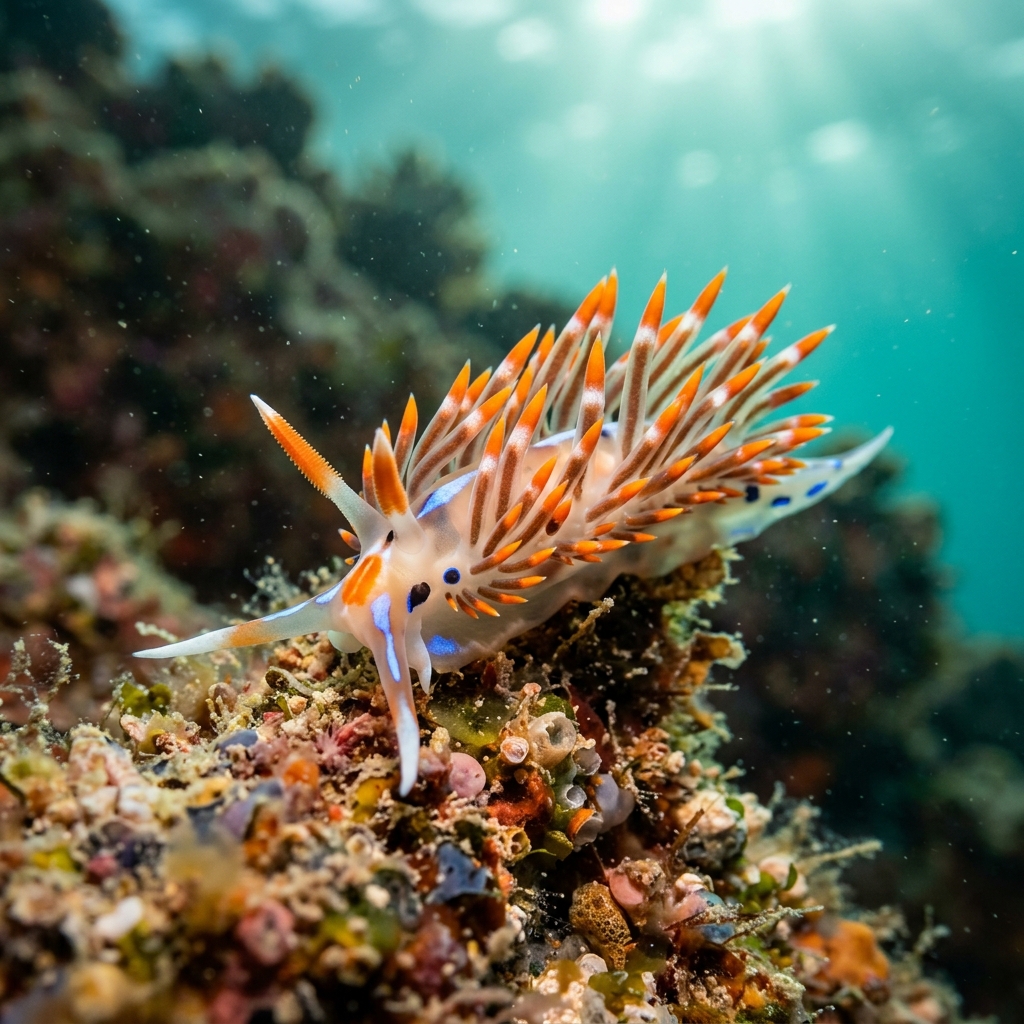
Hermissenda crassicornis
Spot Hermissenda along the Pacific Coast and British Columbia in cold water from 9-19°C. Year-round sightings, no peak season needed.
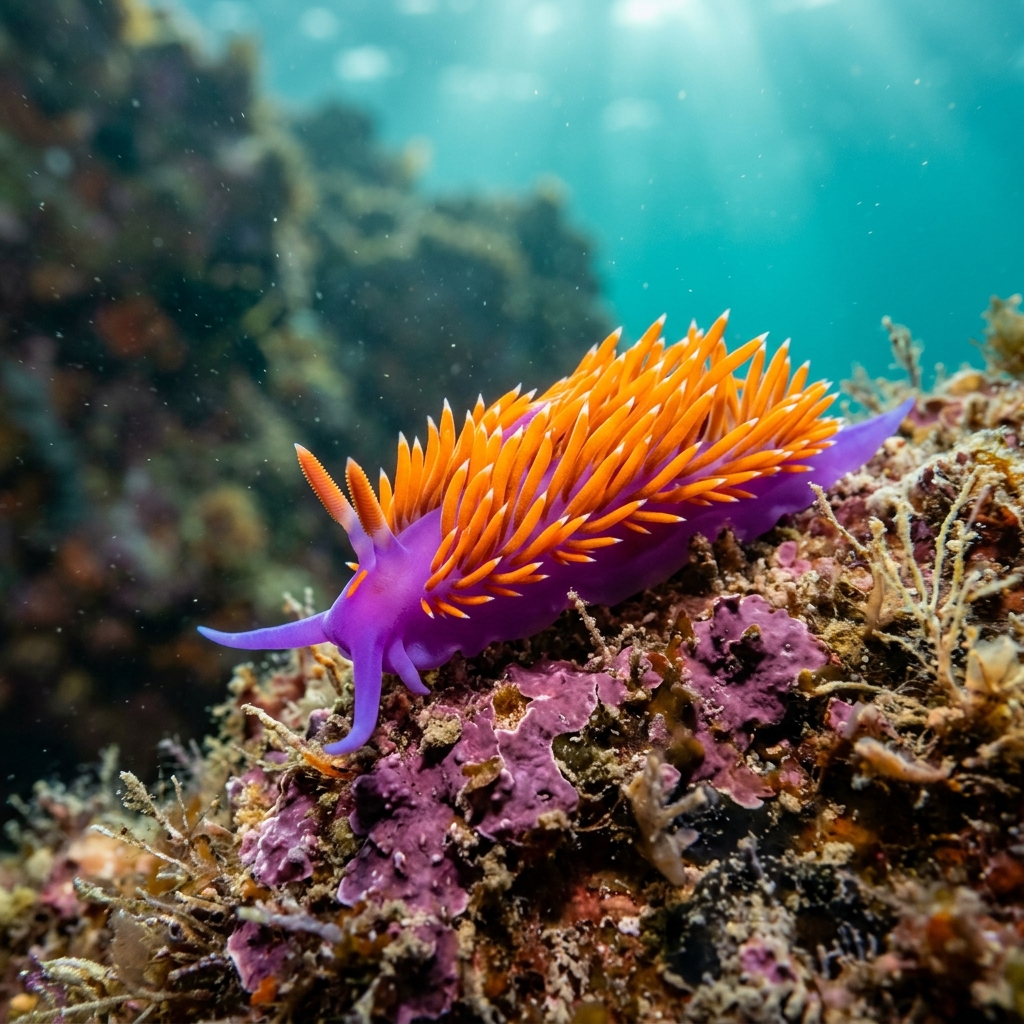
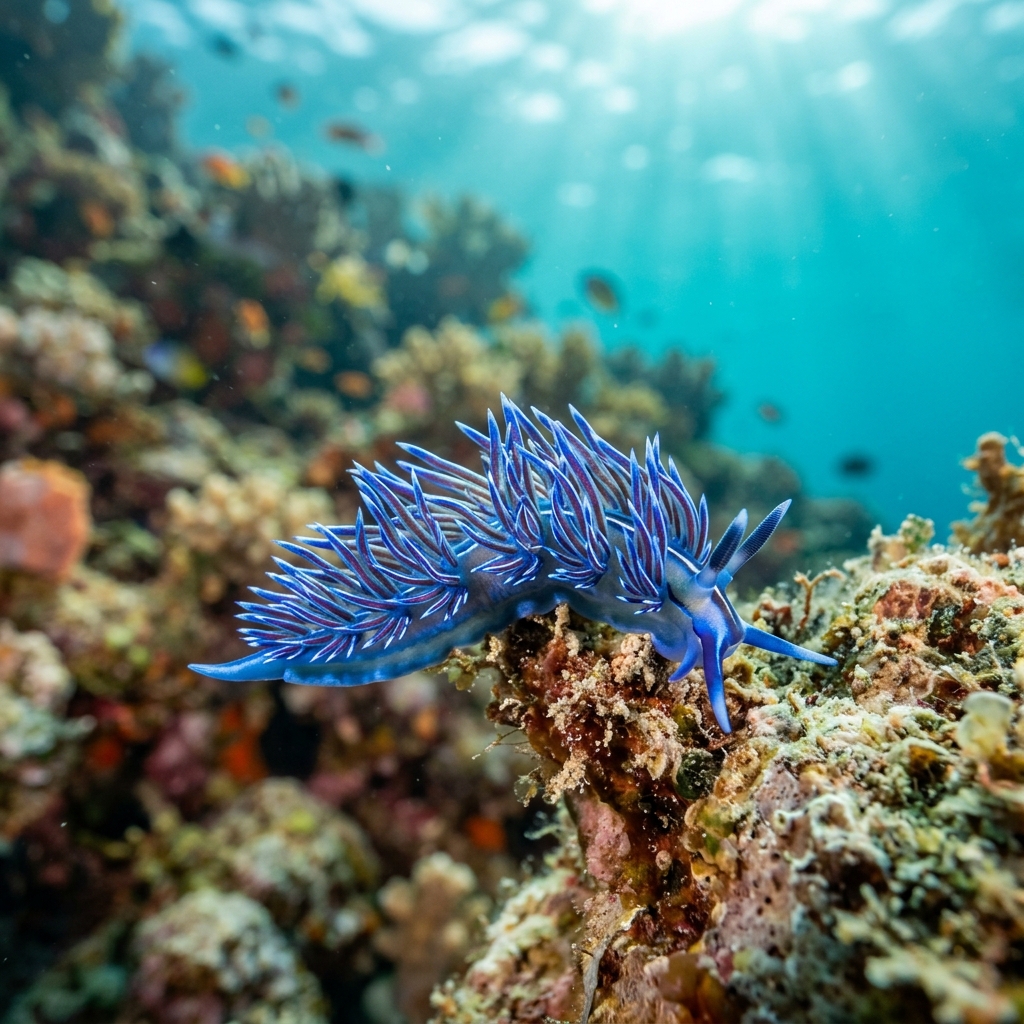
A small, slender nudibranch with a pale to translucent body lined by a bold orange or orange-white stripe running along each side. The cerata (the finger-like projections along the back) are white with bright orange or red tips, and a pale blue or white line often edges the body between the cerata rows and the foot. In the water it tends to look like a small flame, white body, vivid orange accents, which makes it stand out against the dark rocky substrate it favours. Confusingly similar species share cold-water rocky reefs, so focusing on the lateral stripe and cerata-tip colour is the quickest way to confirm an ID.
You will most often find one moving slowly across rocky reef, cobble, or kelp-covered walls, typically at fairly shallow depths. It shows little concern for divers and will continue browsing if approached calmly. Like many aeolid nudibranchs, it preys on hydroids and other sessile invertebrates, so scanning hydroid-covered rocks is a reliable search strategy.
Hermissenda is well known in neuroscience research, its relatively simple nervous system and large, accessible neurons made it a key model organism for studying associative learning and memory at the cellular level.
Sighting data shows Hermissenda present year-round with no concentrated seasonal peak, which fits its cold-water niche, observed between roughly 9 and 19°C, it is at home on Pacific temperate reefs in any month.
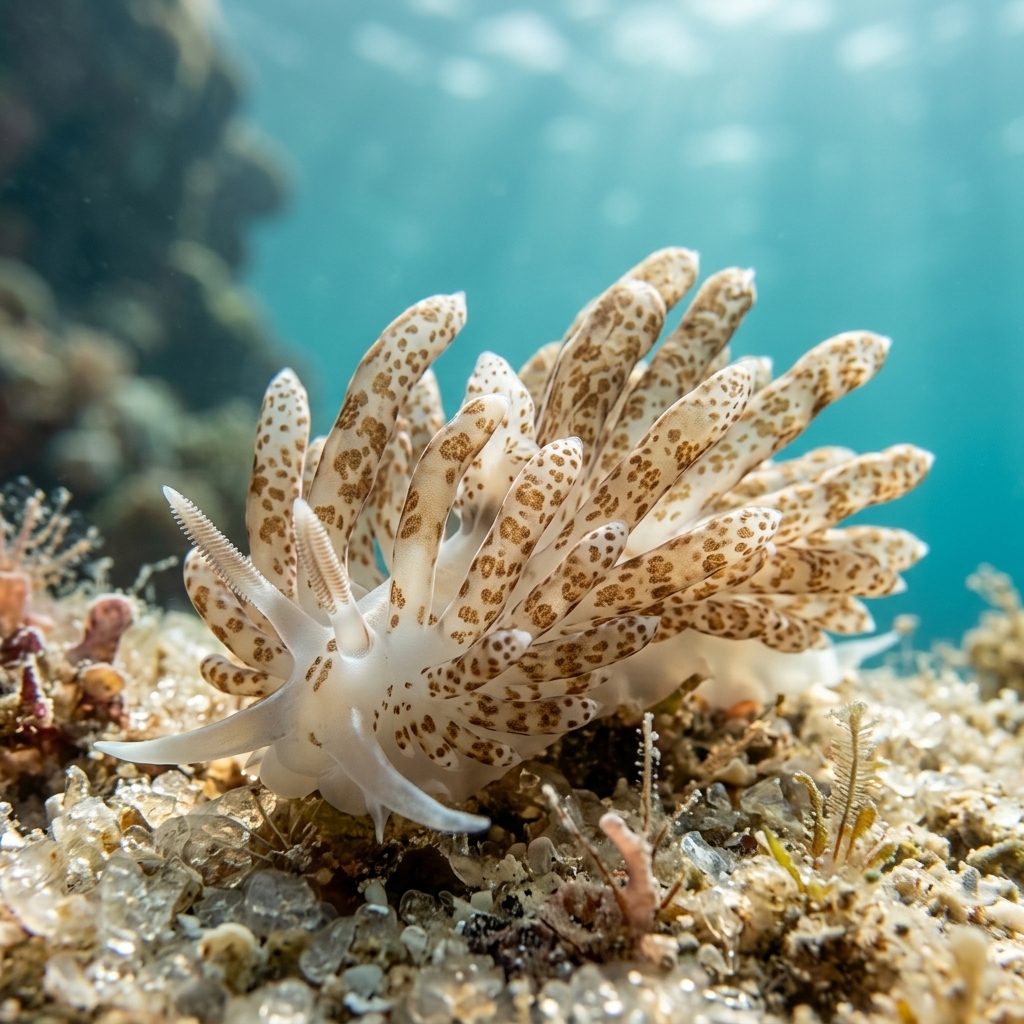
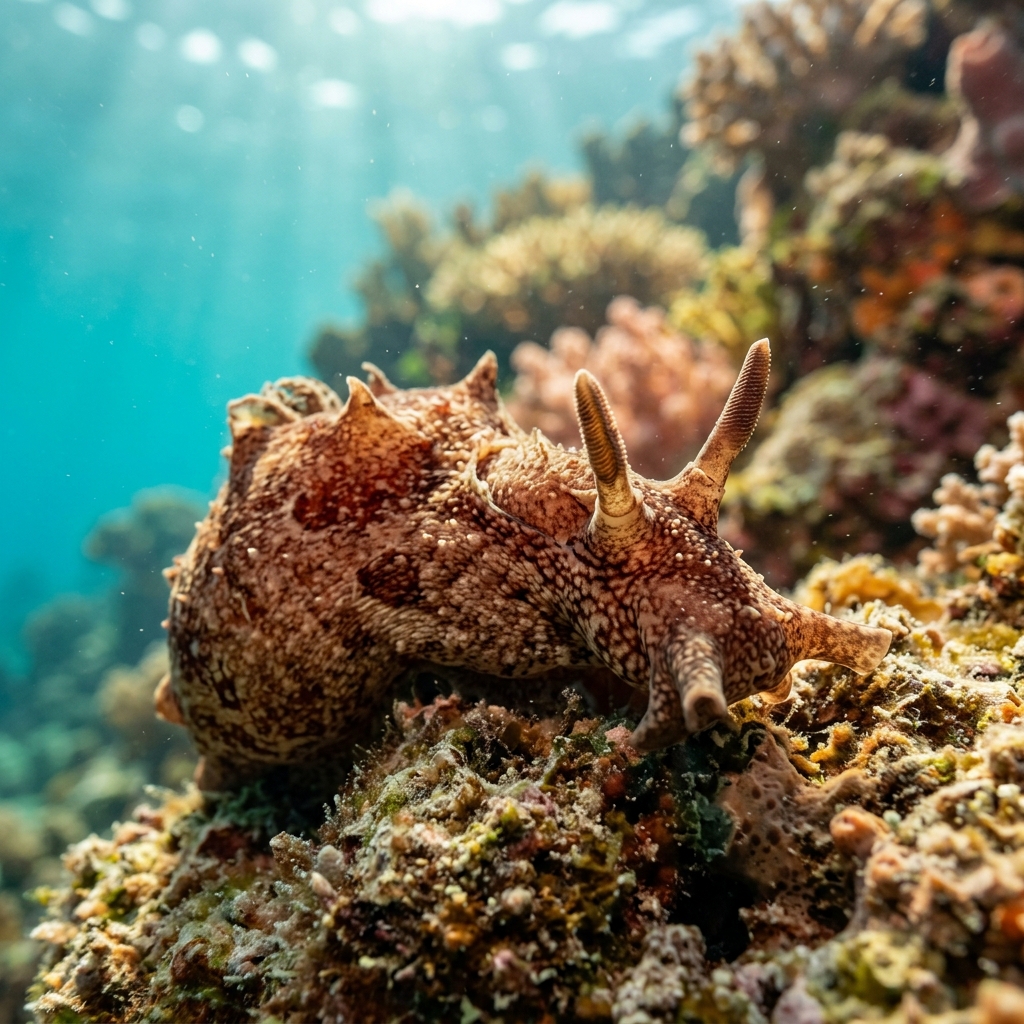
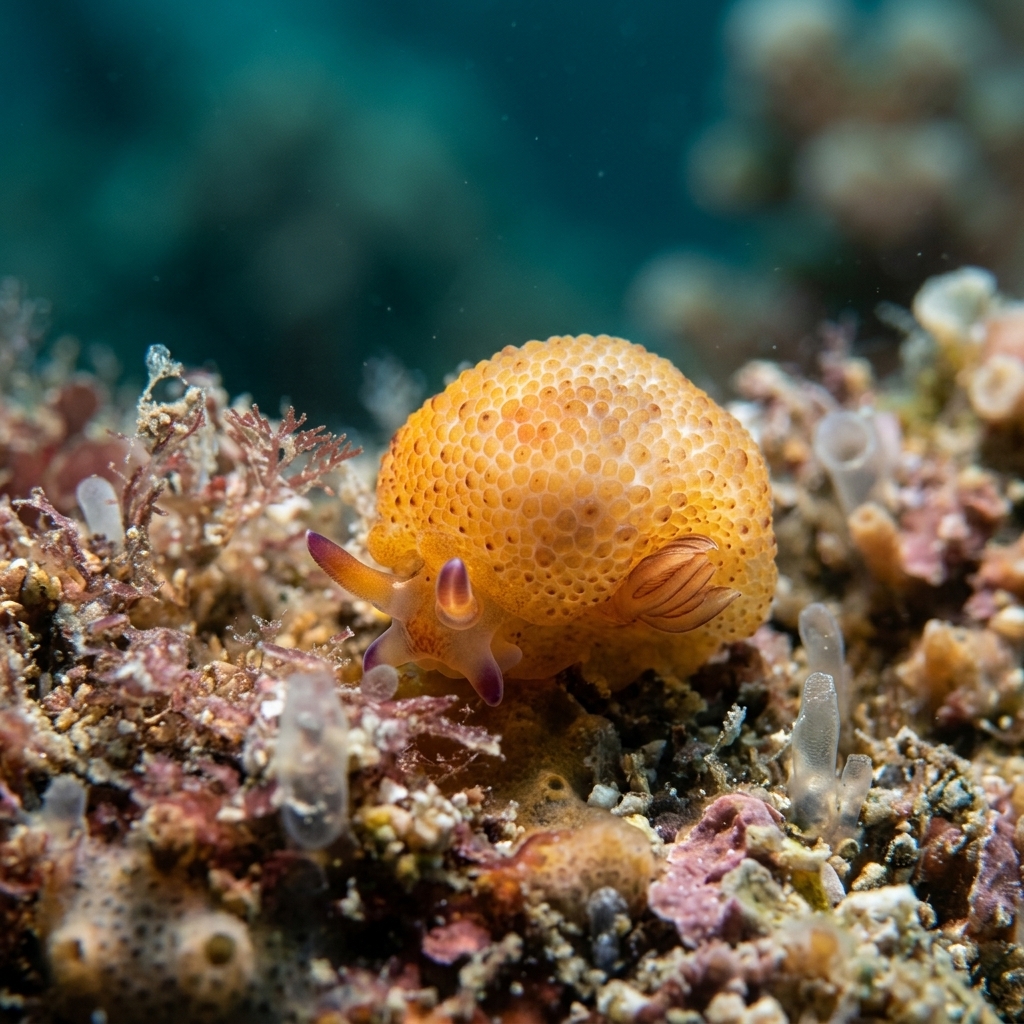
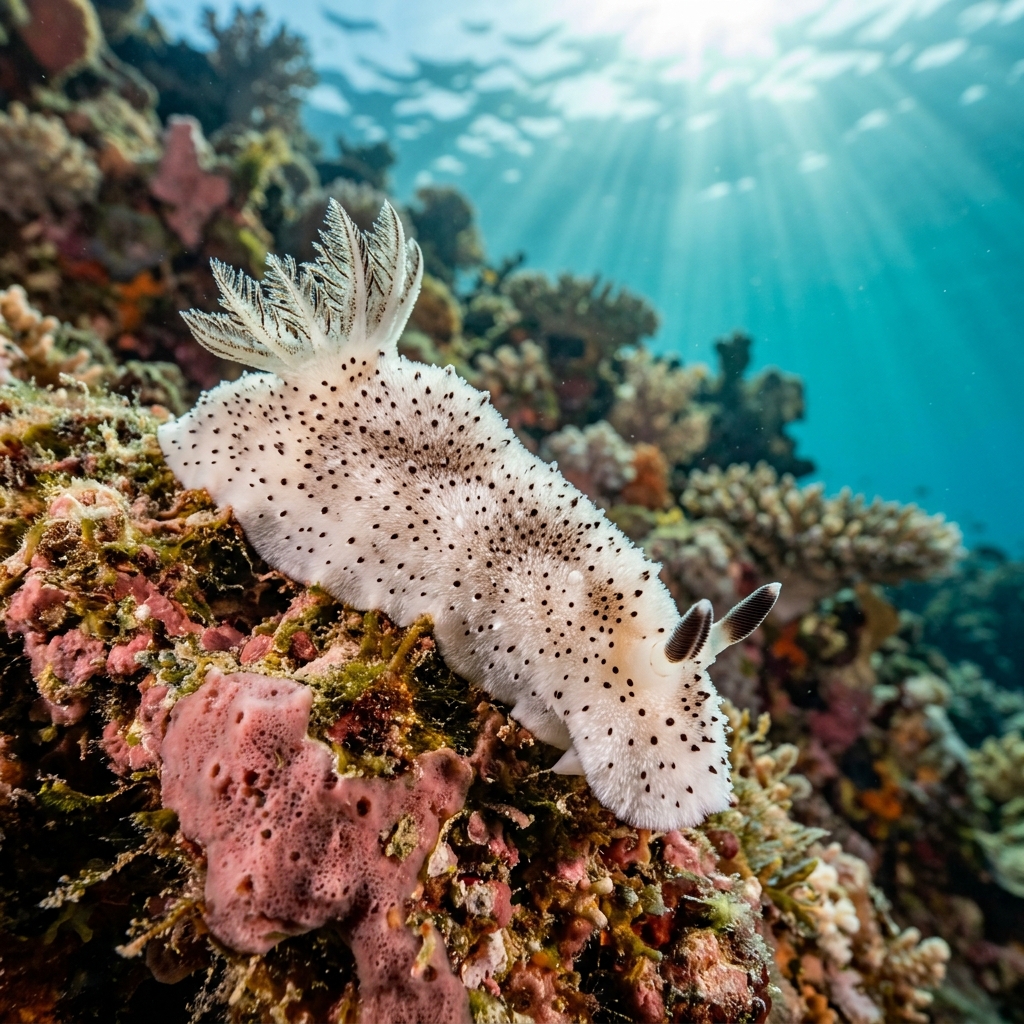
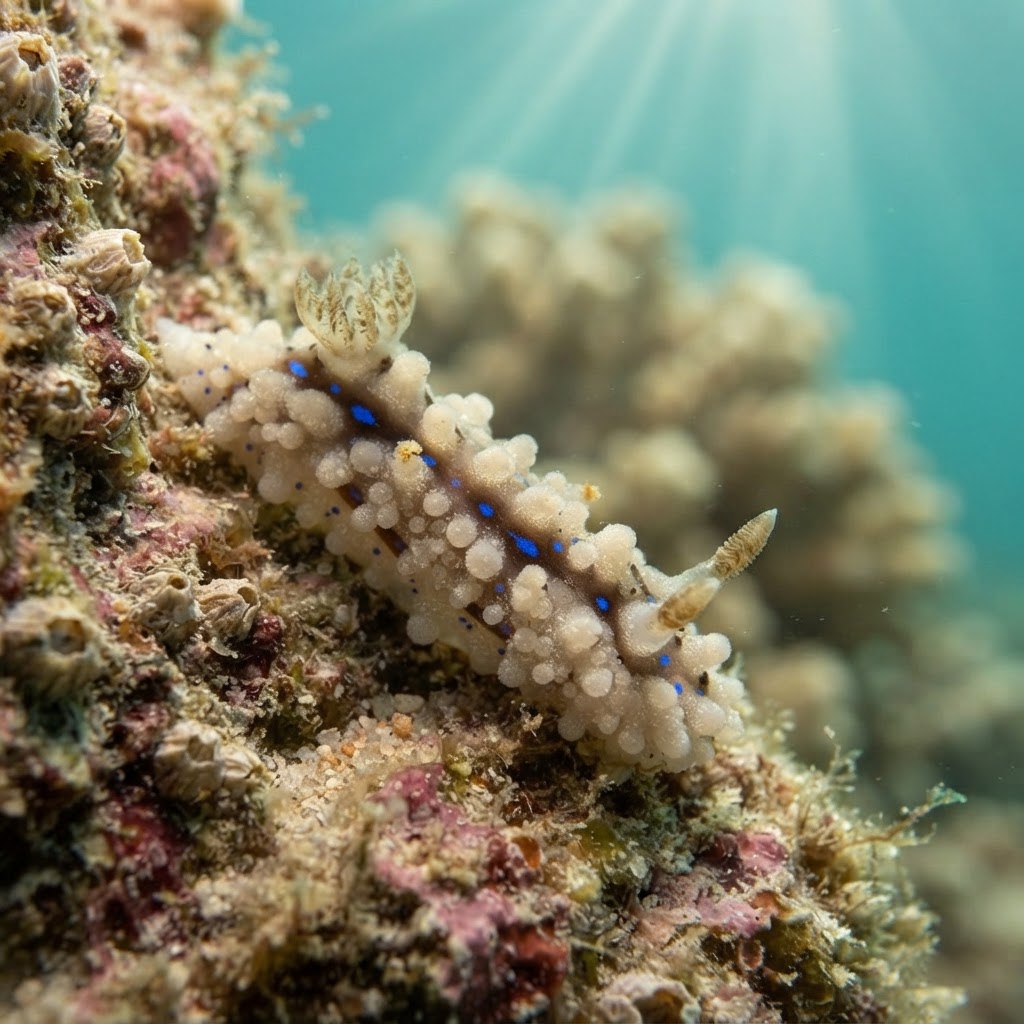
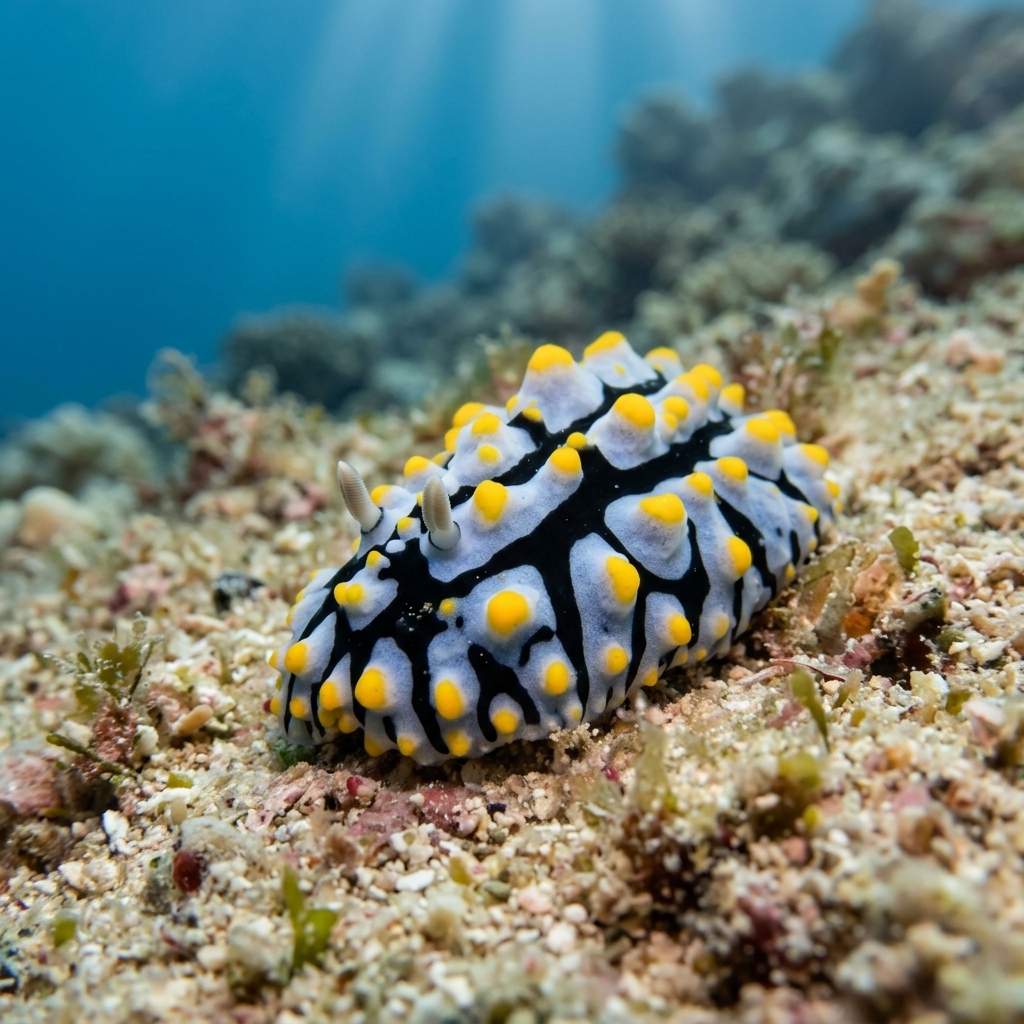
Reef neighbours a diver could mistake it for. Use the identification notes above to tell them apart.
Most sightings come from the Pacific Coast of the United States, which accounts for the overwhelming majority of logged dive sites, stretching from California northward. British Columbia in Canada is a strong second region, with sightings spread across many sites along that coast. A small number of records exist from the Northern Pacific coast of Mexico, rounding out the known range.
Mapping where Hermissenda is logged…
Hermissenda is most reliably logged along the Pacific Coast of the United States and the British Columbia coast of Canada. A small number of sightings also come from the Northern Pacific coast of Mexico. Rocky reef and kelp-covered walls in these cold temperate waters are your best bet.
Sighting data shows no concentrated season, Hermissenda turns up year-round. Its cold-water preference (roughly 9 to 19°C) means Pacific temperate reefs support it throughout the year, so there is no single best month to plan around.
Look for a slender, pale body with a distinct orange or orange-white lateral stripe running along each side and cerata tipped in bright orange or red. A thin blue or white line often edges the body. The overall impression is a small white nudibranch with vivid orange highlights, usually crawling on dark rocky substrate.
Hermissenda is a small nudibranch. In the field most individuals appear only a few centimetres long, easily missed unless you are actively searching rock surfaces and hydroid colonies. Their vivid colouration helps compensate for their modest size.
Beyond the reef, Hermissenda became famous in laboratories. Its large, identifiable neurons and simple nervous system made it a favourite model organism for neuroscientists studying how memories form at the cellular level. It is one of the few invertebrates whose learning behaviour has been mapped synapse by synapse.
Site and sighting data is aggregated from diver logs, iNaturalist and GBIF. For taxonomy and conservation status:
Light-spotted Aegires
3,168 sites