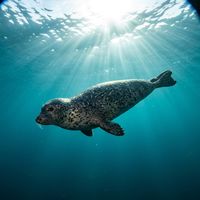
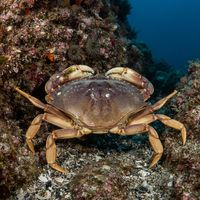
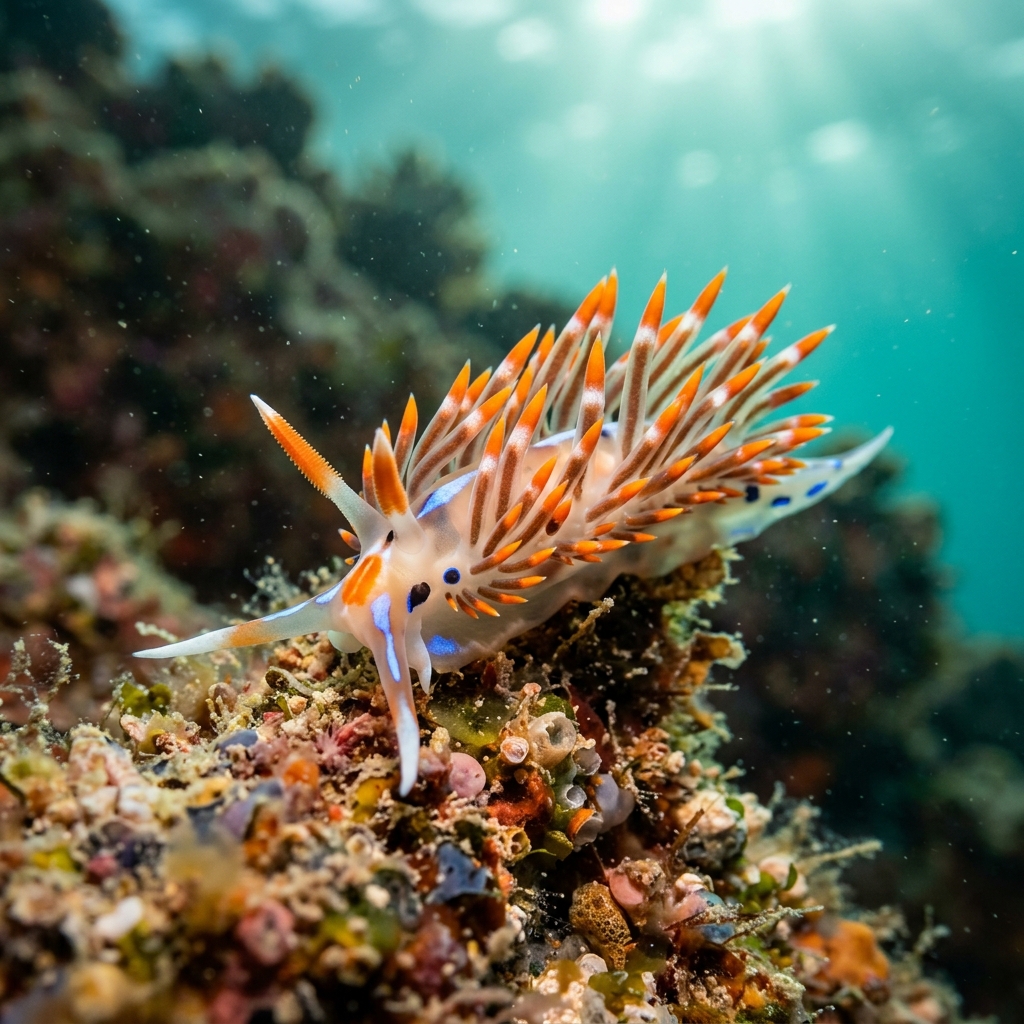
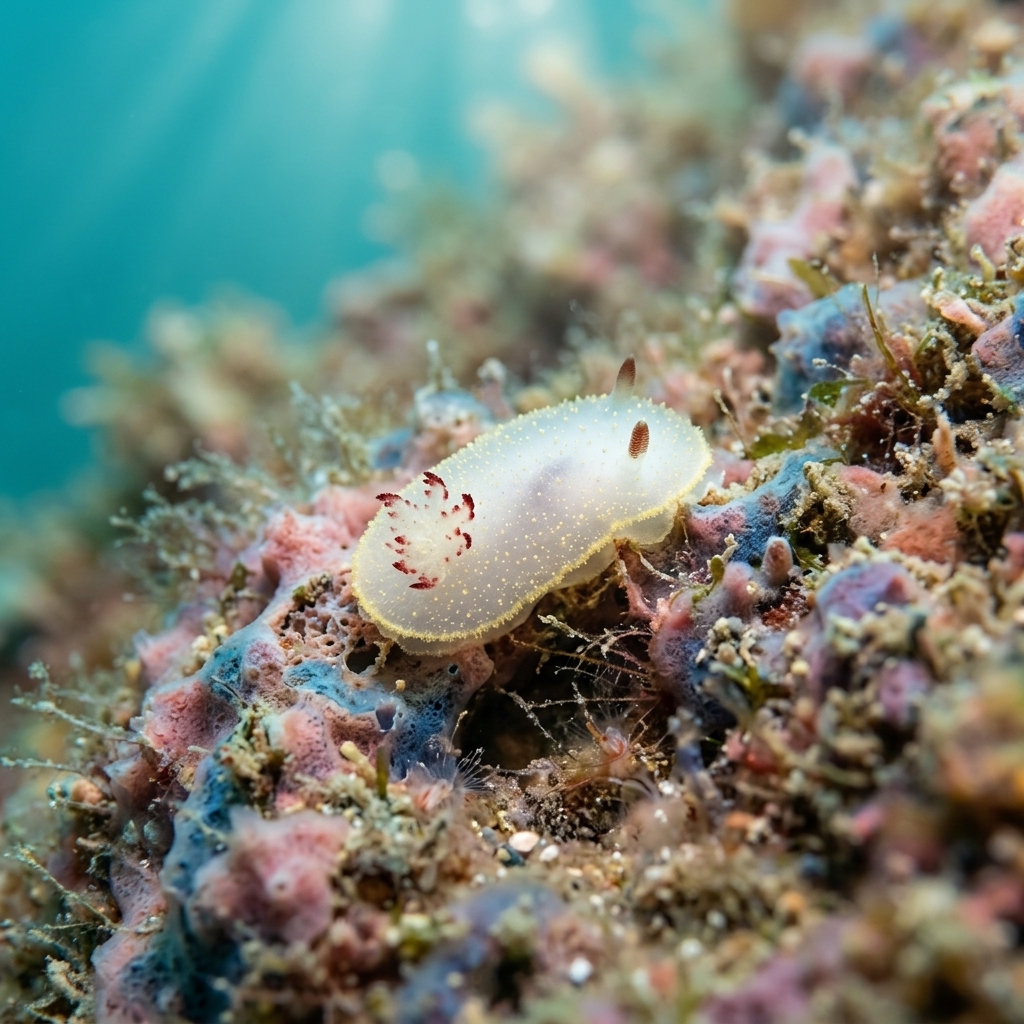
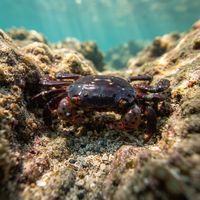
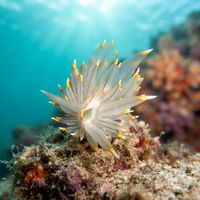
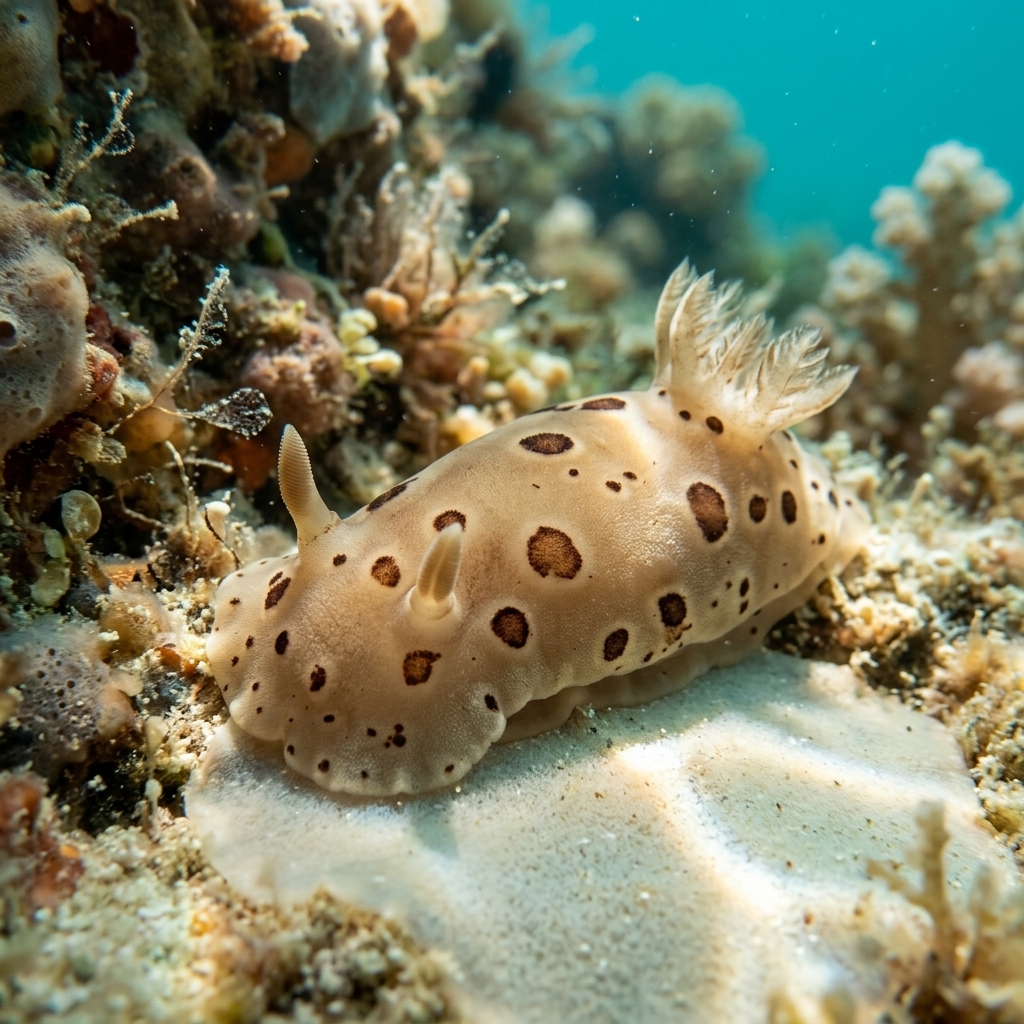
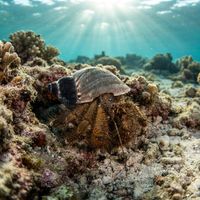
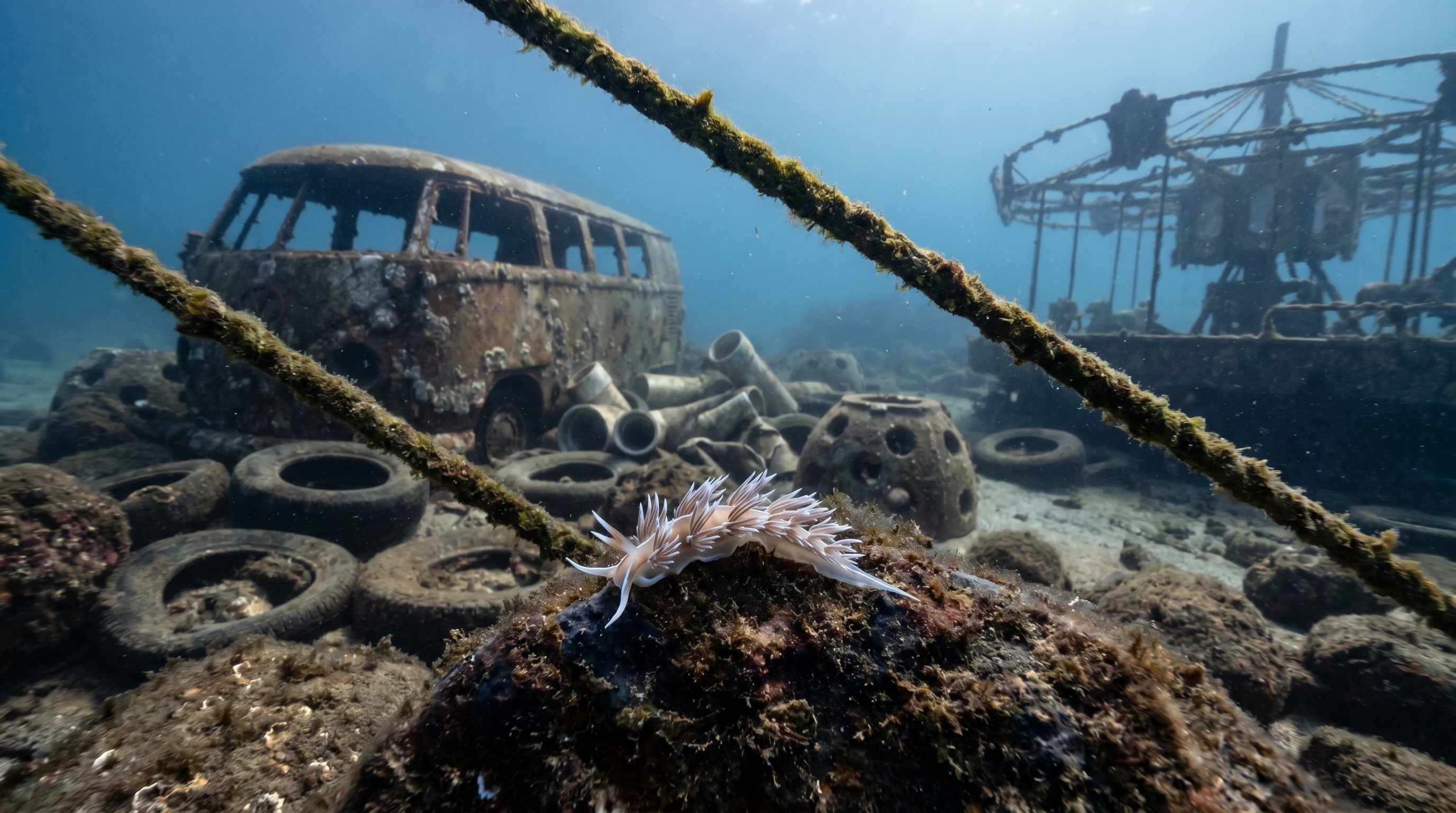
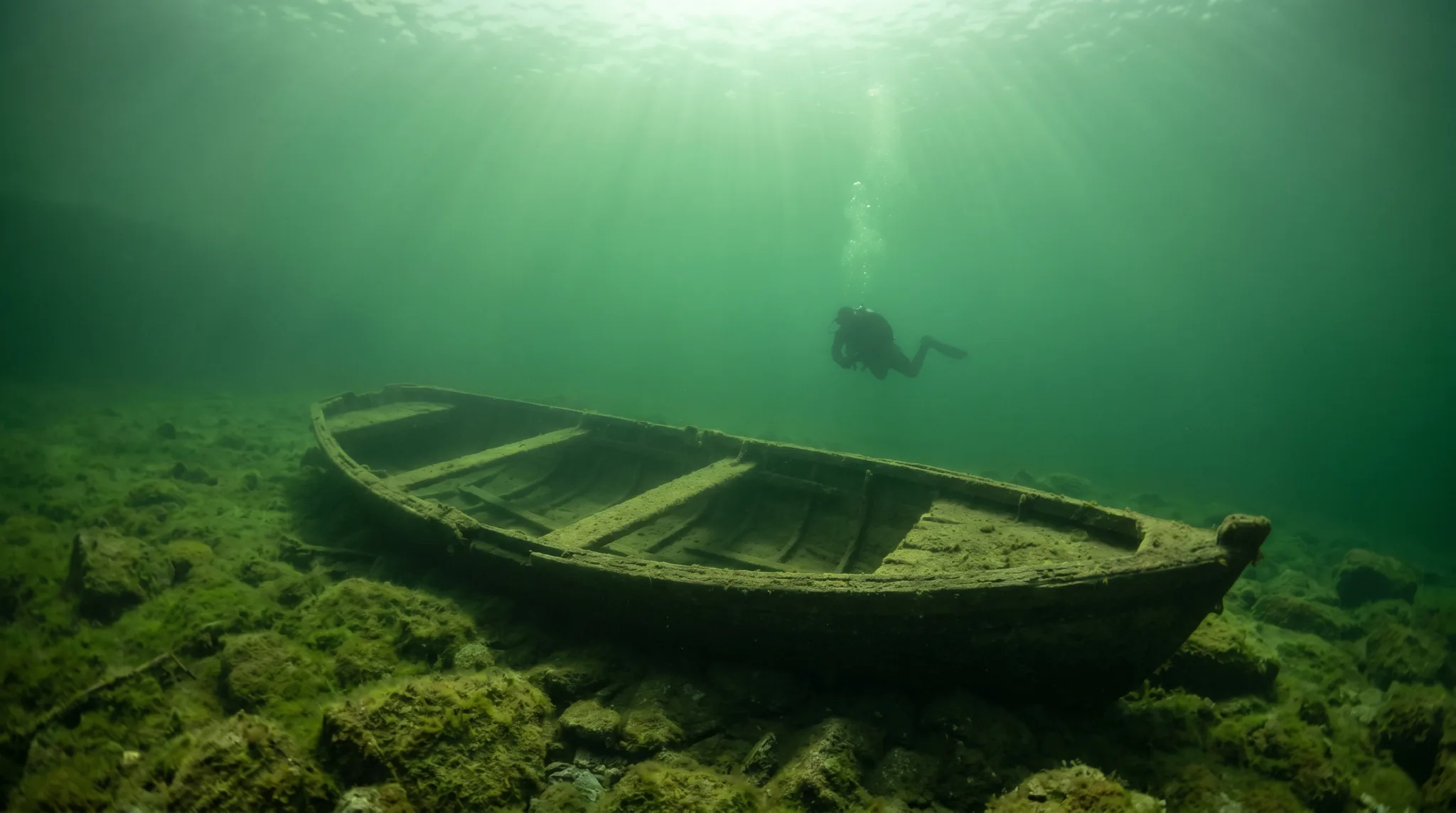
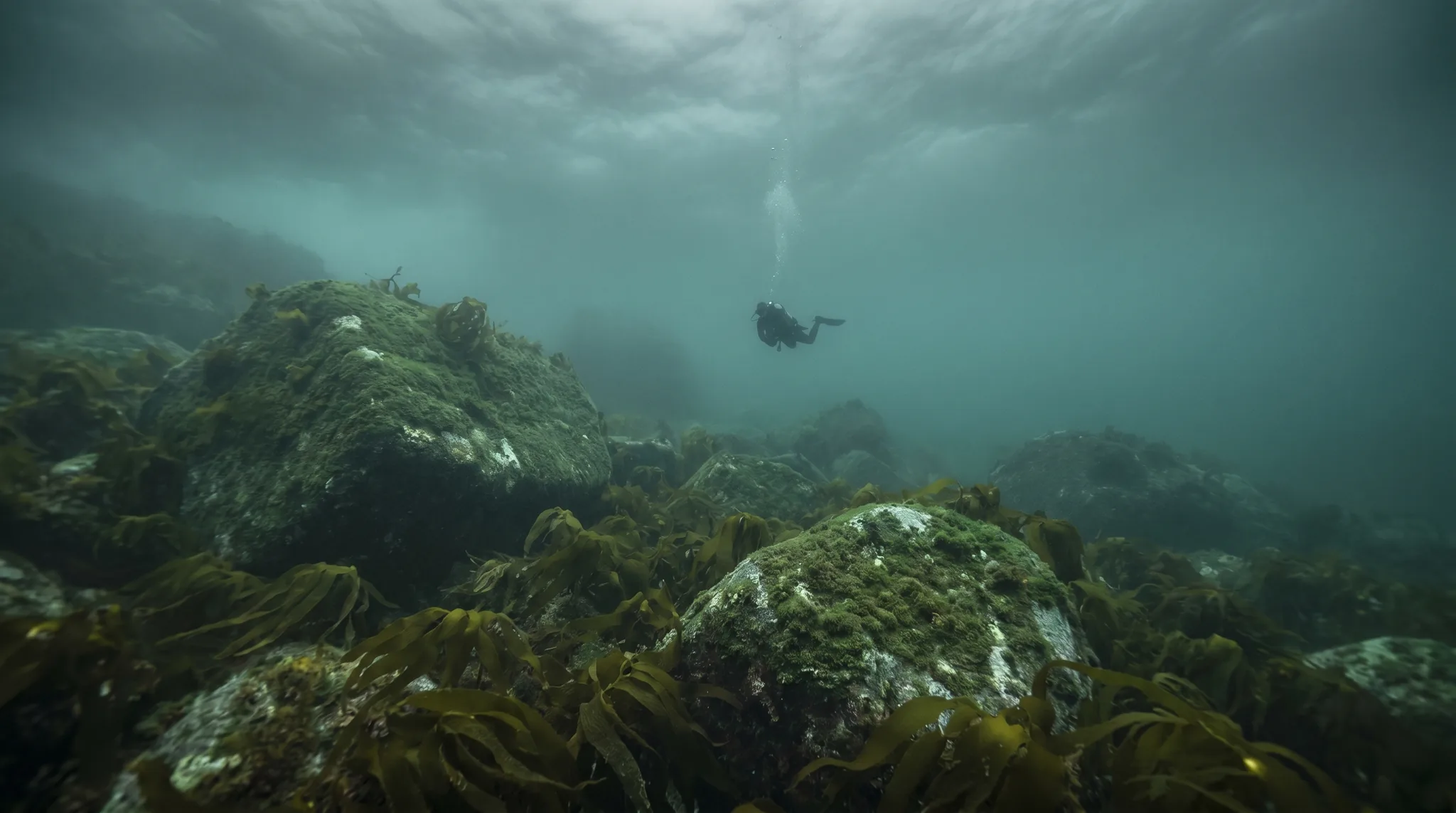
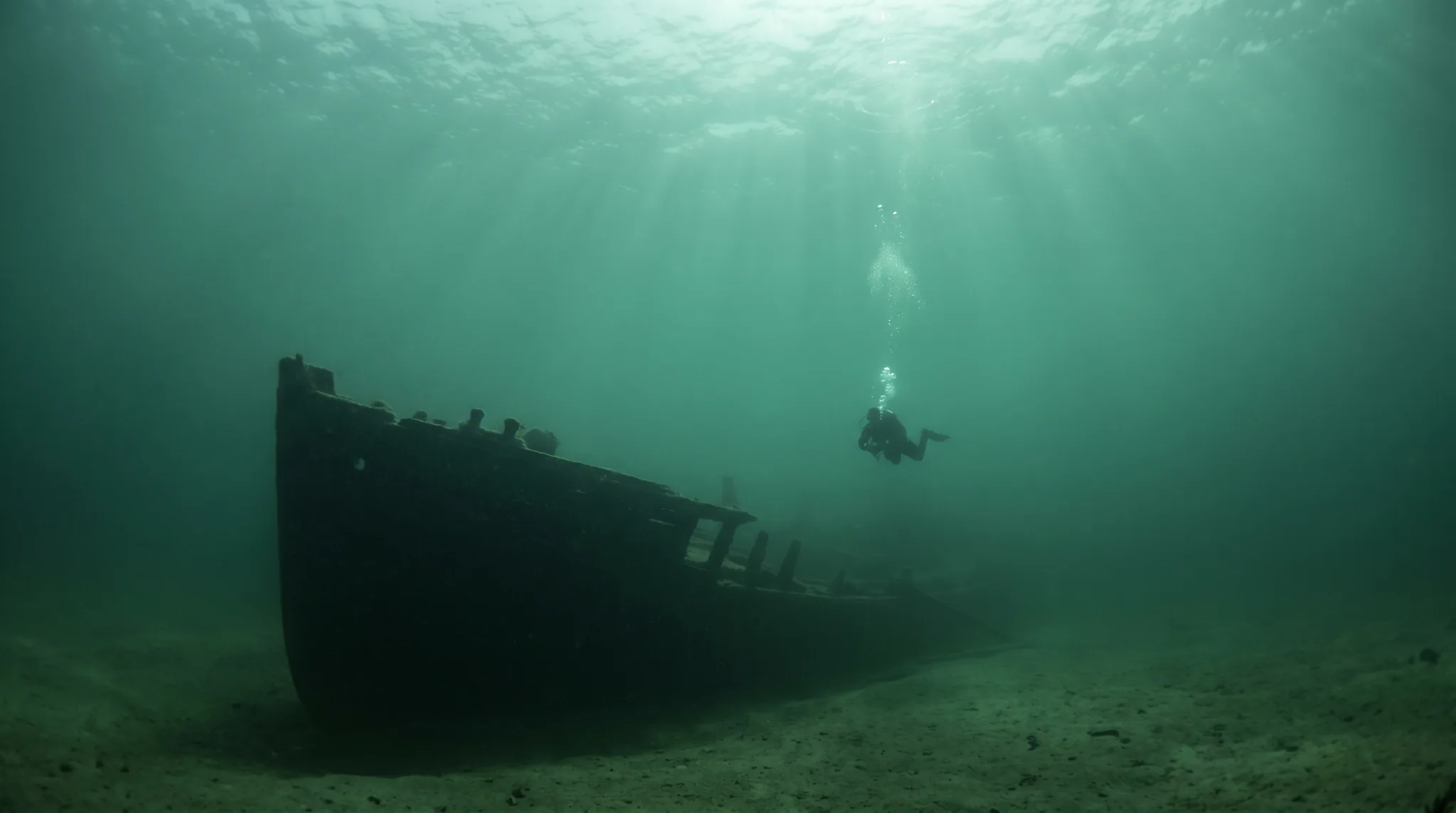
The Southern Oregon Coast offers rocky reef diving and snorkelling defined by cold, nutrient-rich water and a remarkable density of invertebrate life. Crab is ubiquitous across sites, and Ochre Sea Star appears on the majority of reefs alongside a diverse nudibranch community led by Hermissenda and Nanaimo Dorid. Harbor Seal is the region's signature encounter. Visibility is variable, rewarding those who choose their conditions carefully. Late summer and early autumn tend to bring the most settled water.
Monthly water temperature across Southern Oregon Coast's sites, from satellite sea-surface data corrected for depth. The band shows the site-to-site spread.
Water temperature stays cool and remarkably steady year-round, hovering in a narrow cold band that demands a quality drysuit or thick wetsuit at all times. Visibility is the main variable: late summer into early autumn sees the most favourable conditions, with winter and spring swell often reducing clarity sharply. Divers who time visits to calmer weather windows are rewarded with rich reef encounters.
4 operators
United States
United States
United States
47 more sites to explore
Water temperature around Southern Oregon Coast ranges from about 10°C in February to 12°C in August, based on satellite sea-temperature data for its dive sites.
In the warm season (about 12°C) a 7mm or semi-dry suit is comfortable in Southern Oregon Coast; in the coldest months (about 10°C) step up to a drysuit.
Fin maps 47 sites in Southern Oregon Coast (26 scuba diving sites and 28 snorkelling spots, with some suited to both).
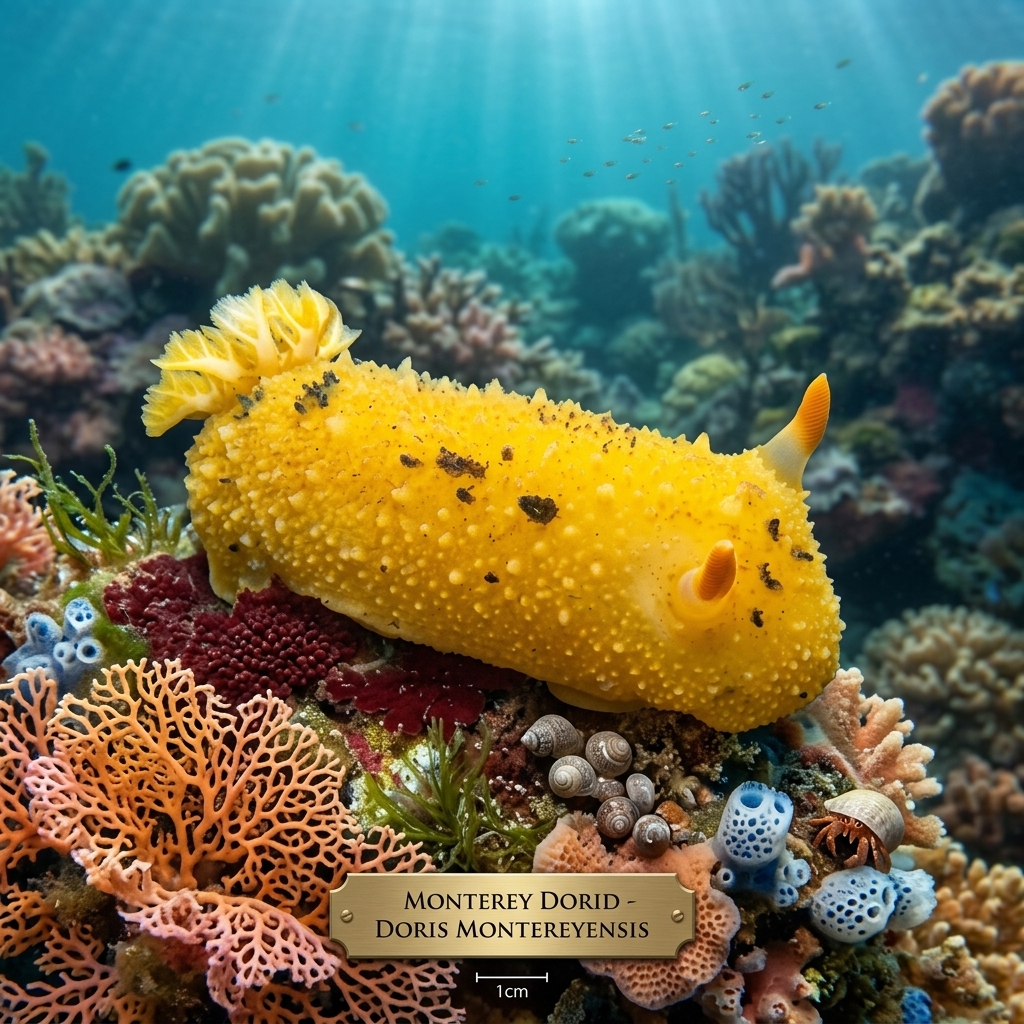
Crab and Rock Crab are the most frequently encountered animals across sites. Ochre Sea Star is common on rocky reefs, and nudibranchs are a highlight: Hermissenda, Nanaimo Dorid, Noble Dorid, and Monterey Dorid all appear regularly. Lucky divers also encounter Harbor Seal, Giant Pacific Octopus, Ling Cod, and Scorpionfish.
The cold water and variable visibility mean the region suits divers who are comfortable in challenging temperate conditions rather than complete beginners. Shore entries can involve surge and rocky surfaces, which adds to the demands. Those with cold-water experience and solid buoyancy control will get the most out of these reefs.
The site mix leans toward shore-accessible locations, which is common for this stretch of exposed coastline. There are currently no listed dive operators in the region, so divers should plan as self-sufficient teams with their own equipment and local knowledge of entry points and conditions.
Nudibranchs are one of the most distinctive features of diving here. Hermissenda and Nanaimo Dorid are among the most commonly recorded species, with Noble Dorid, Monterey Dorid, Northern Leopard Dorid, and Three-lined Aeolid also observed across sites. Snorkellers may spot some species in very shallow rocky habitats, though divers covering more of the reef face will encounter the greatest variety.