Pisaster ochraceus
Spot ochre sea stars along the Pacific Coast of the US and British Columbia in cool 11-16 °C water. Present year-round, common on rocky benthic reefs.
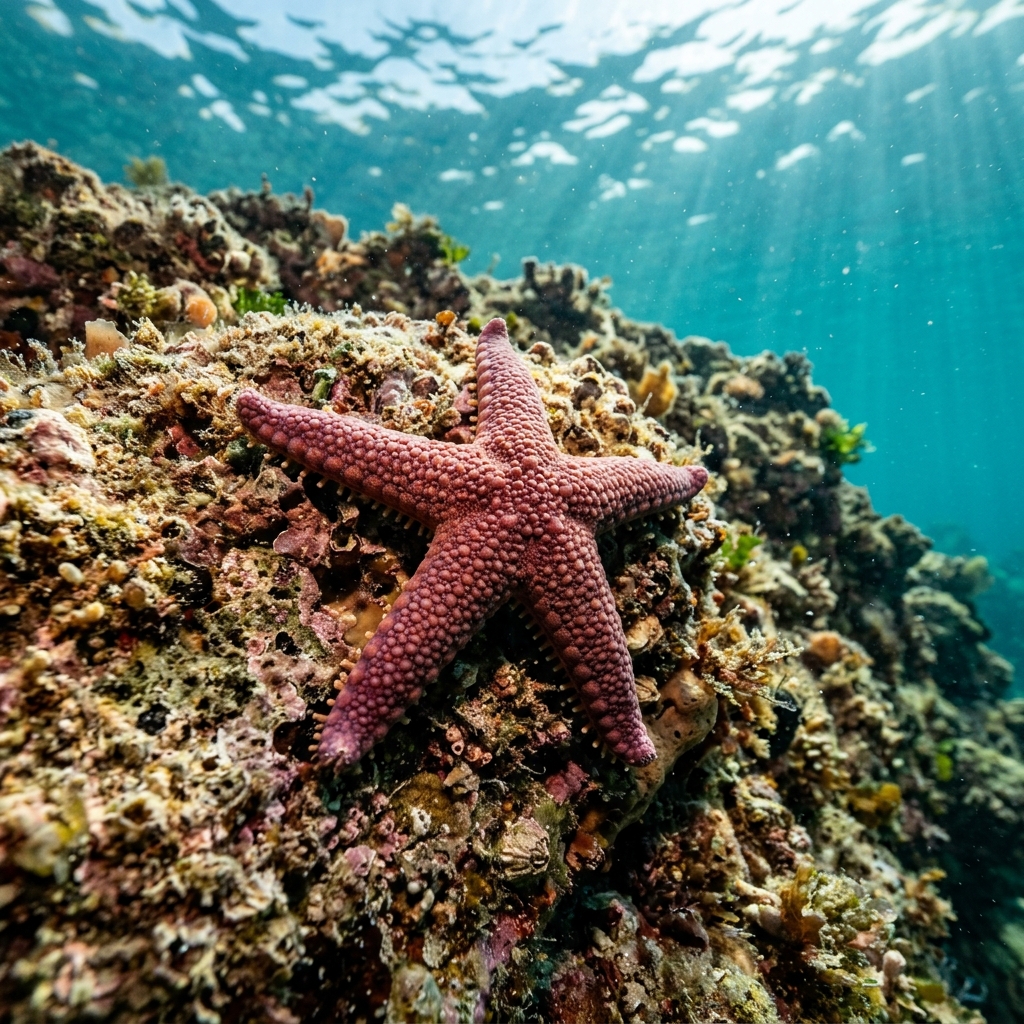
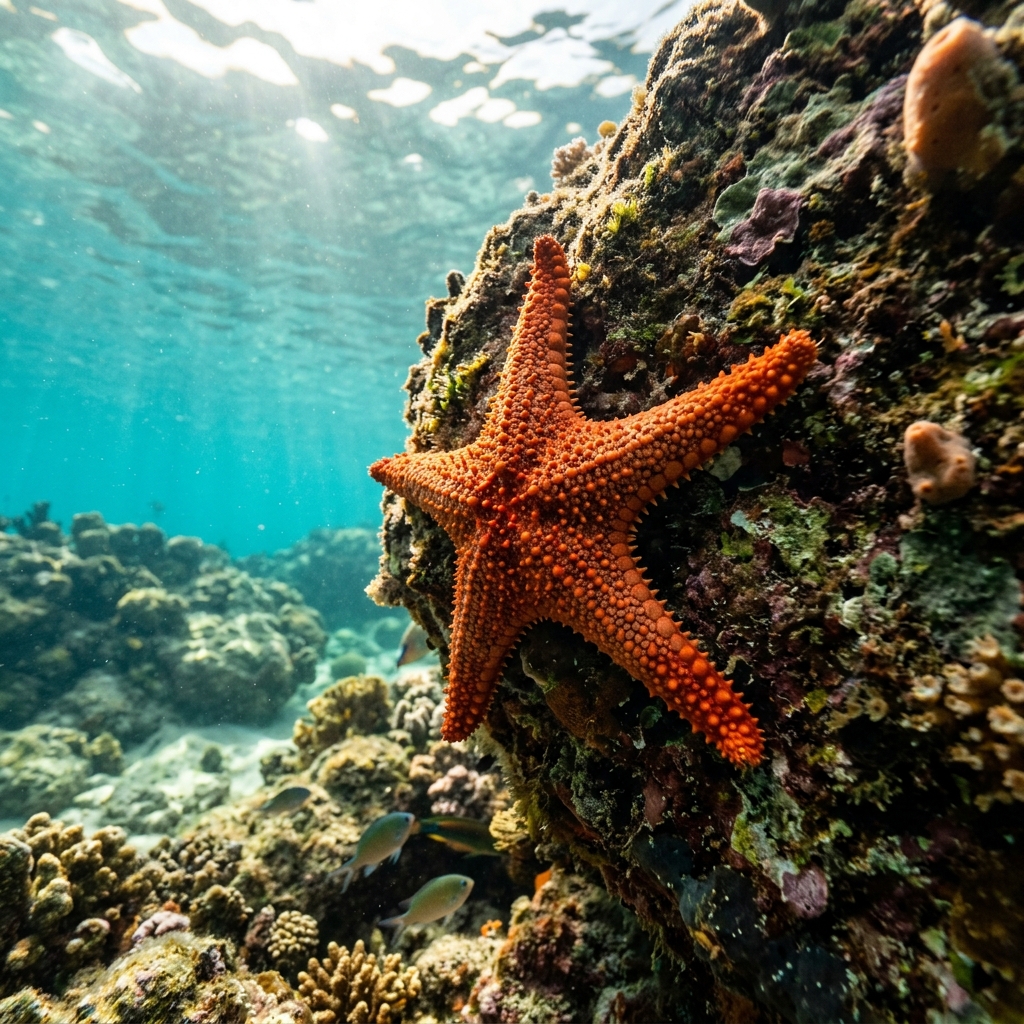
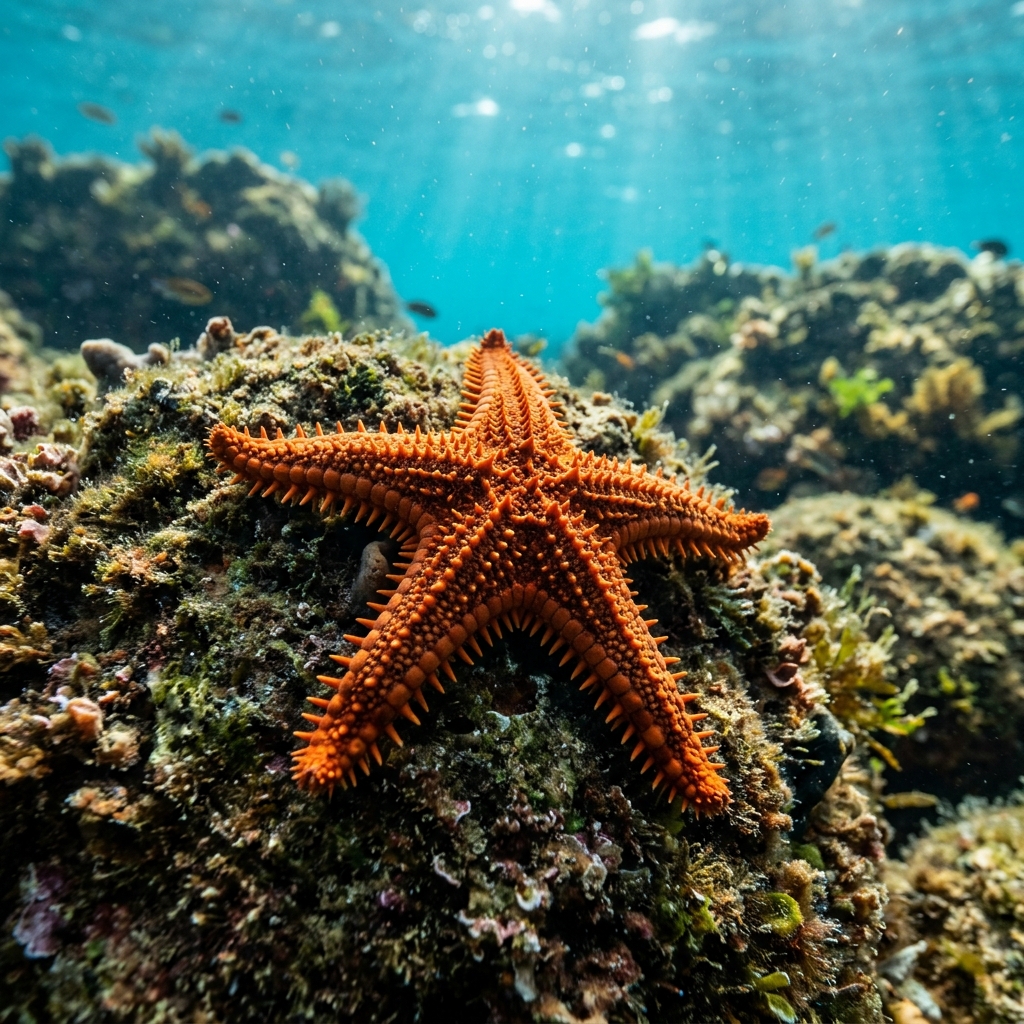
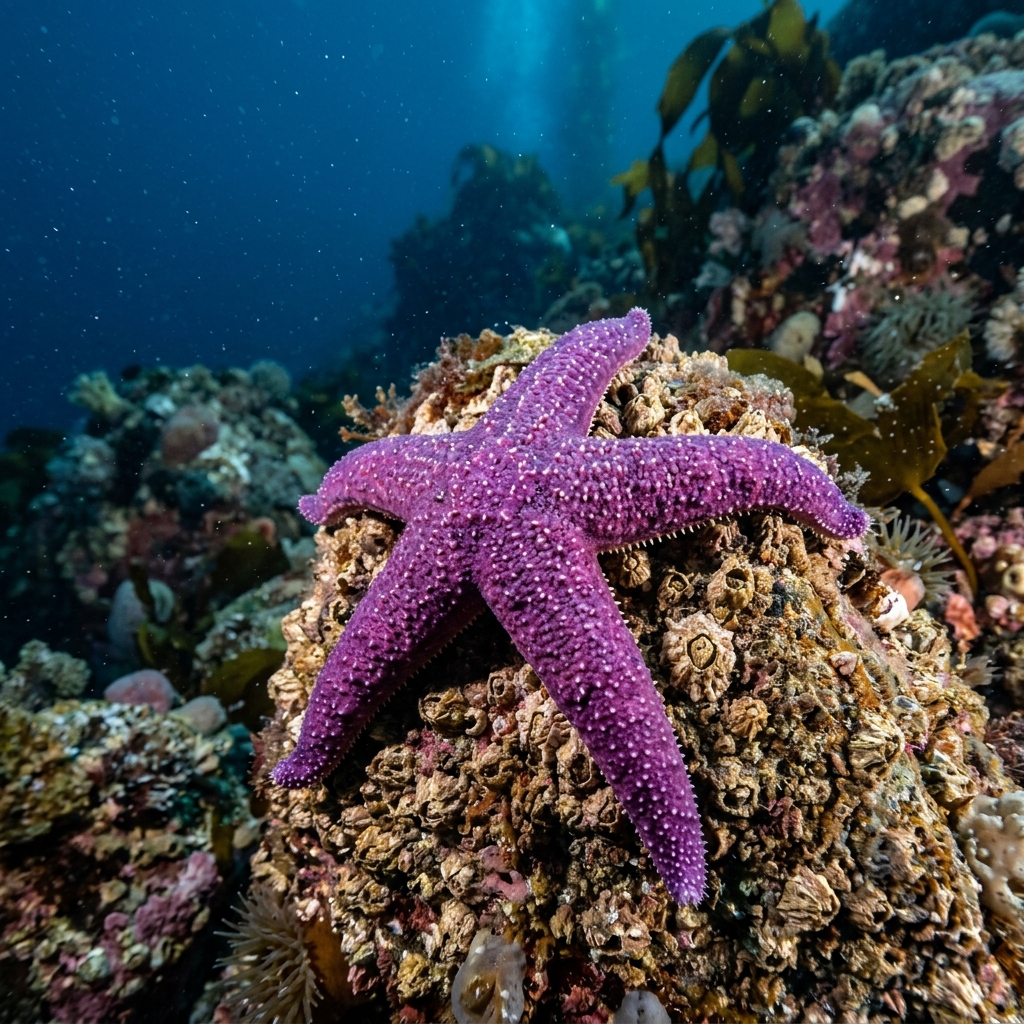
A chunky, five-armed sea star typically spanning around 24 cm, though larger individuals are not unusual. Colour is one of its most variable features: the same species can be orange, yellow, red, brown, or purple, which can catch divers off guard. Look for a stiff, slightly inflated body covered in pale, spine-tipped bumps (ossicles) arranged in a loose webbing pattern across the upper surface. The combination of bold colouration, firm shape, and nearshore rocky habitat on the North American Pacific coast is the reliable ID cue.
When you find one, it will almost certainly be doing exactly what it spends most of its time doing: hunting. Watch carefully and you may catch it using its rows of tube feet to lever open a mussel or barnacle shell, a slow-motion feeding event that is worth pausing to observe. It pays little attention to divers, but give it space and avoid touching it, as physical contact can stress it.
Ochre sea stars are a textbook keystone predator (a species whose influence on the ecosystem is disproportionately large relative to its abundance). Where they are present in good numbers, they keep mussel beds in check and allow a much greater variety of other invertebrates and algae to persist on the same rock face.
Present year-round with no concentrated season. It is well suited to the cold, temperate water of its range (roughly 11 to 16 °C), so there is no off-season to plan around.
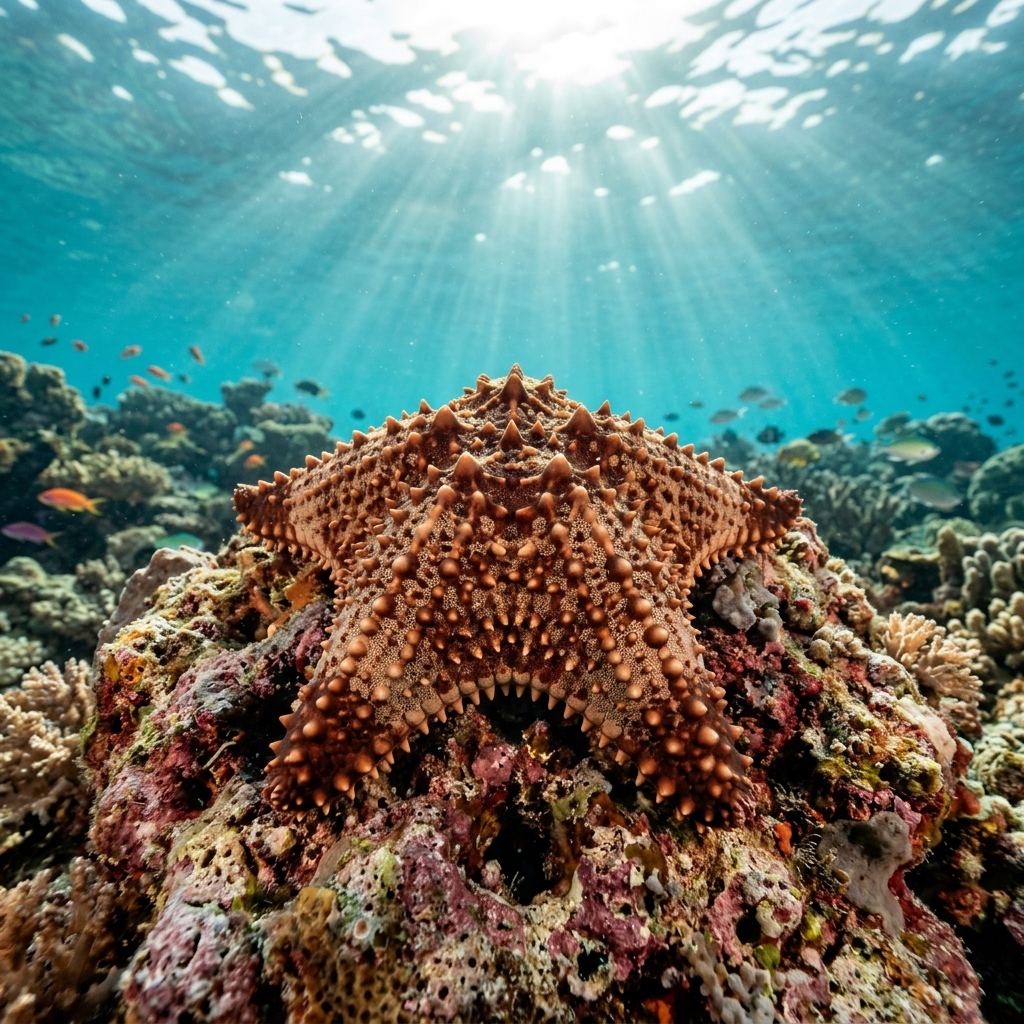
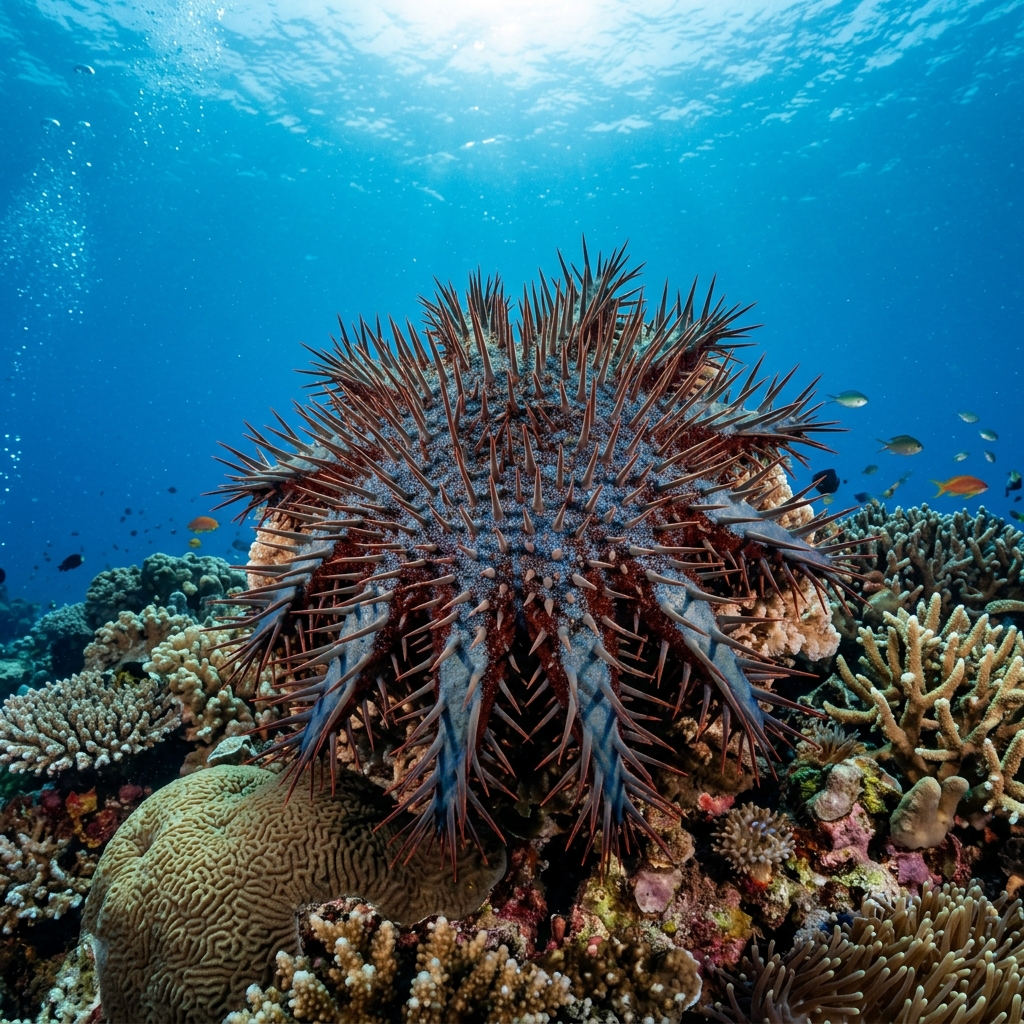
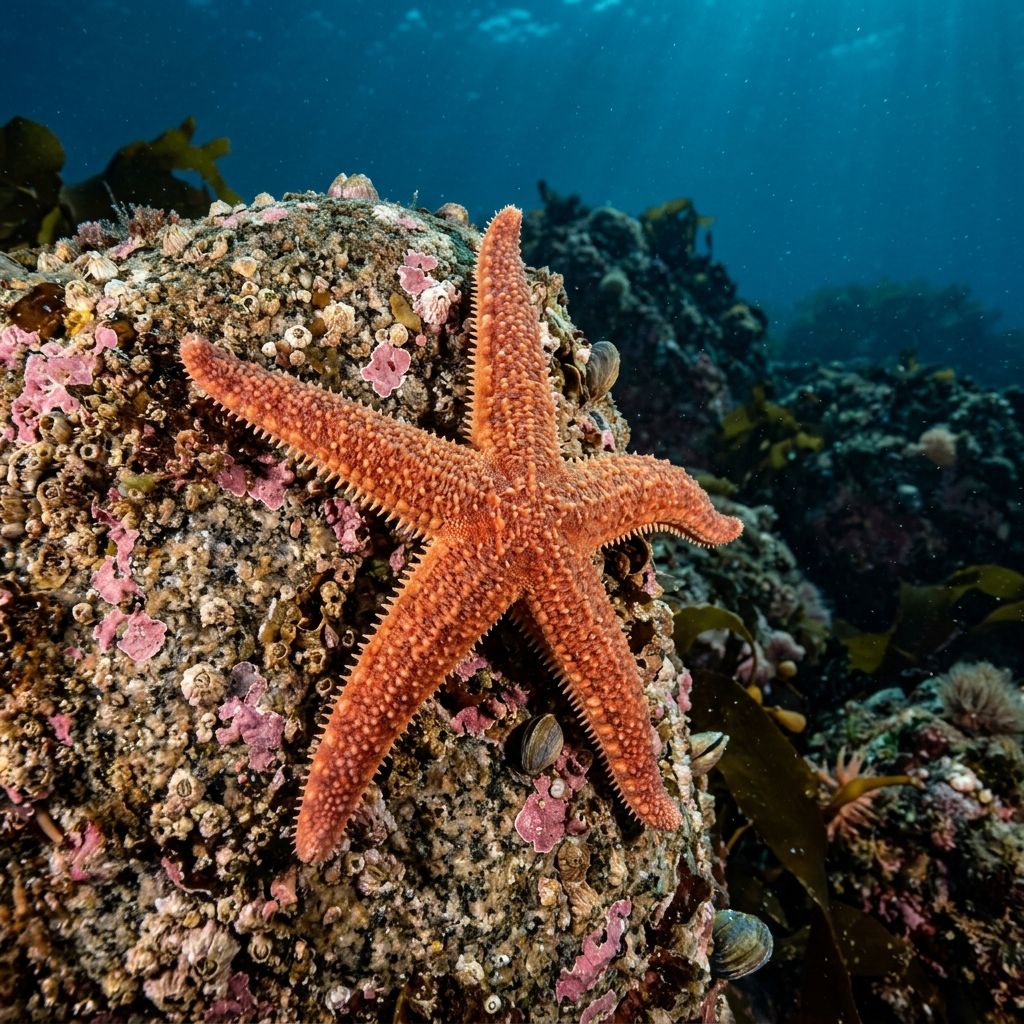
Reef neighbours a diver could mistake it for. Use the identification notes above to tell them apart.
Overwhelmingly a North American Pacific Coast animal, with the strongest concentrations logged along the US Pacific Coast and the British Columbia Coast in Canada. Smaller numbers of sightings come from Alaska and the Pacific Coast of Mexico. Outside North America, records are sparse.
Mapping where Ochre Sea Star is logged…
The Pacific Coast of the United States and the British Columbia Coast of Canada are by far the most reliable places. Smaller numbers are recorded in Alaska and along the Pacific Coast of Mexico. They favour rocky, nearshore reefs in cool temperate water.
They are present year-round. Because they are cold-water animals comfortable in temperatures around 11 to 16 °C, the Pacific Coast's consistently cool water means there is no particular season to target.
Look for a firm, five-armed sea star about 24 cm across covered in pale bumps arranged in a loose web pattern. Colour ranges from orange and yellow to red, brown, or purple, all on the same species. Rocky nearshore habitat on the North American Pacific coast narrows it down quickly.
A typical adult measures around 24 cm across, though larger individuals exist. In the water they look solid and slightly inflated compared to more flexible sea star species.
They are a classic keystone predator. By preying heavily on mussels, they stop any one species from monopolising the rock surface, which keeps habitat available for a wide range of other invertebrates and algae. Remove them, and mussel beds can rapidly take over.
Site and sighting data is aggregated from diver logs, iNaturalist and GBIF. For taxonomy and conservation status:
Common Sea Star
2,271 sites