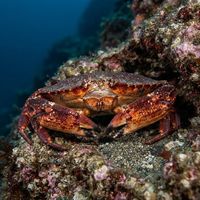
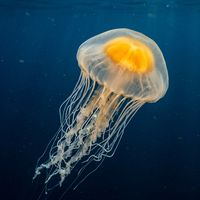
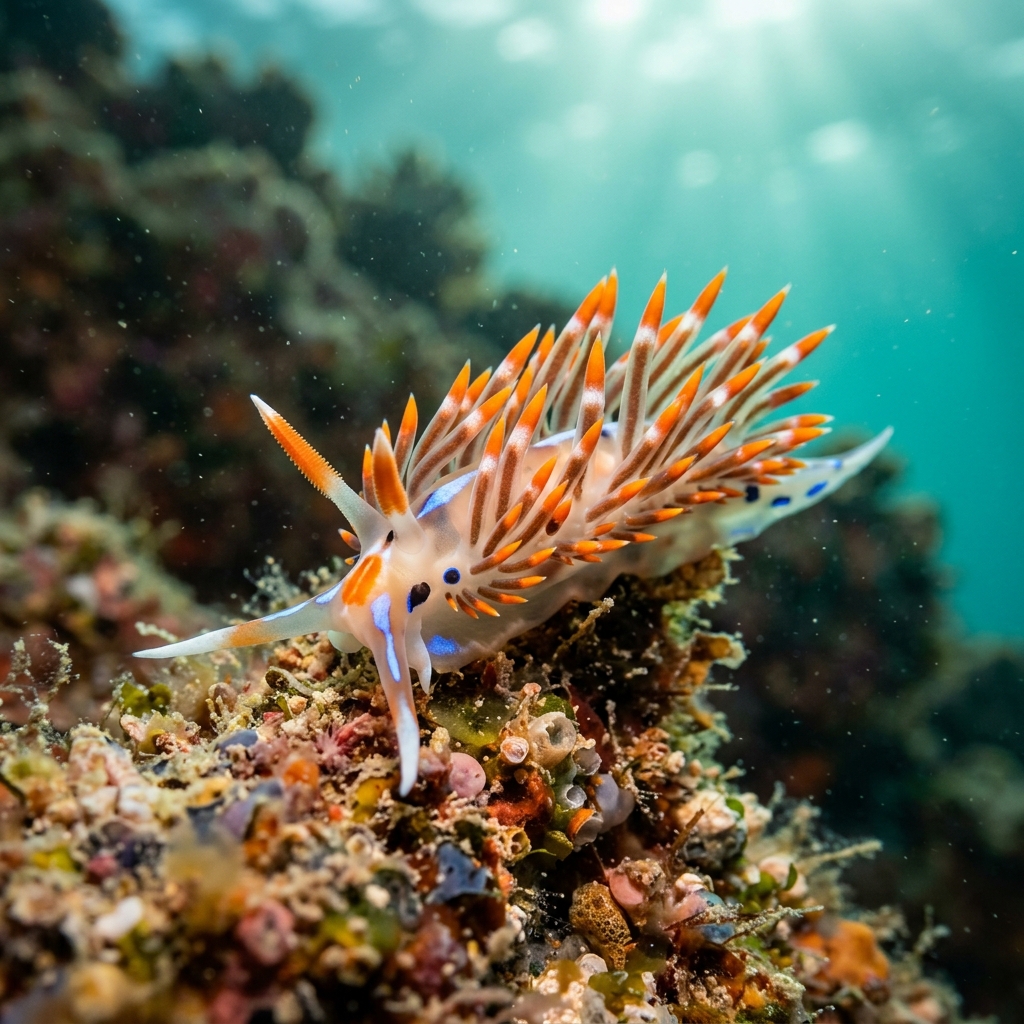
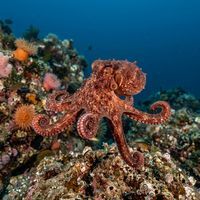
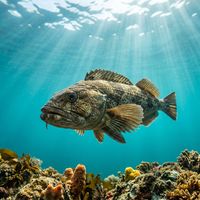
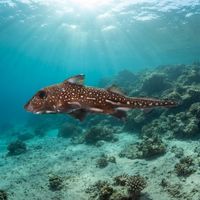
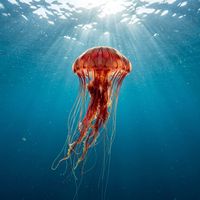
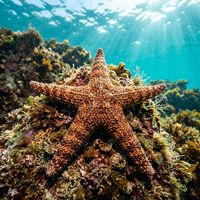
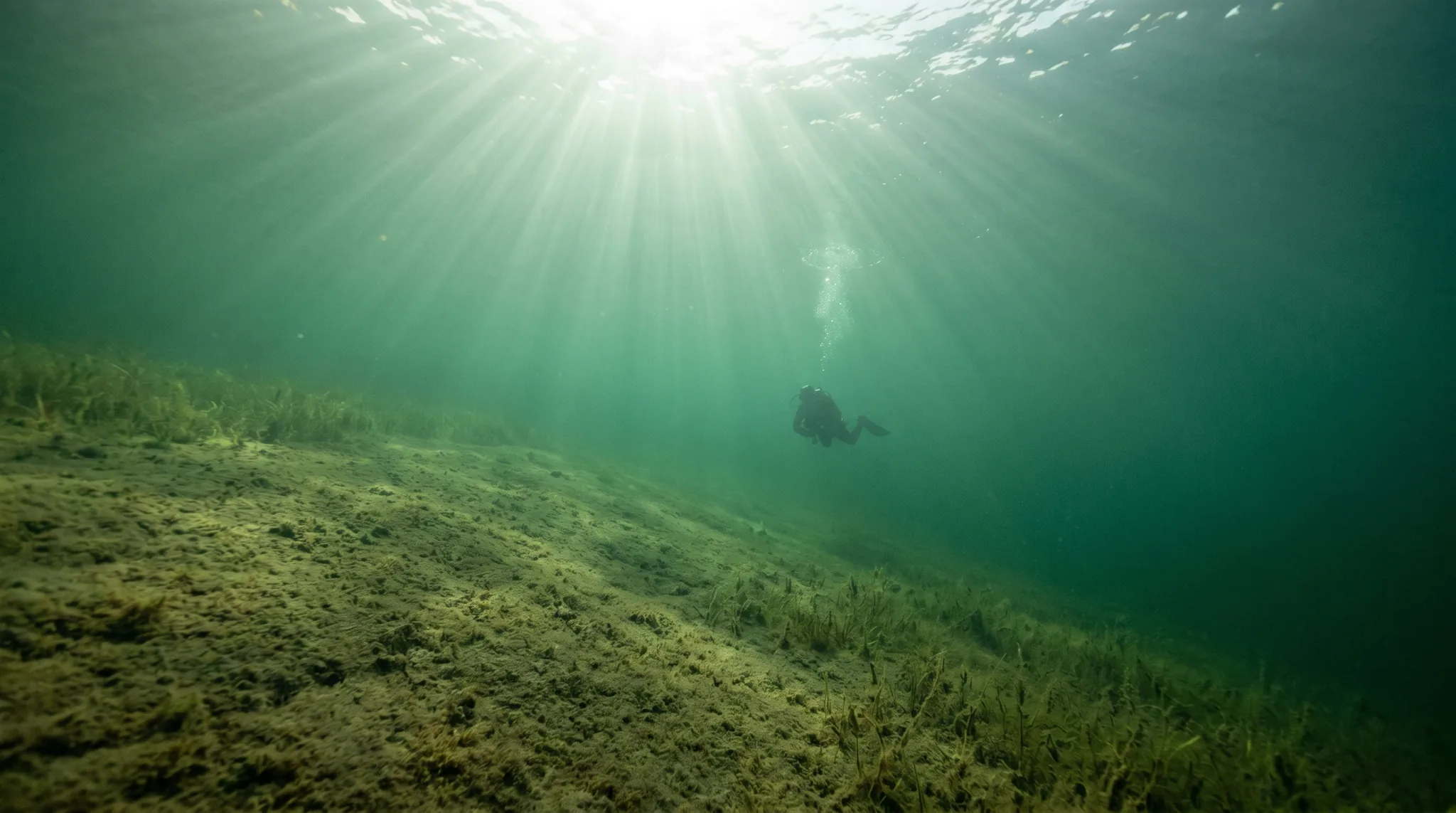
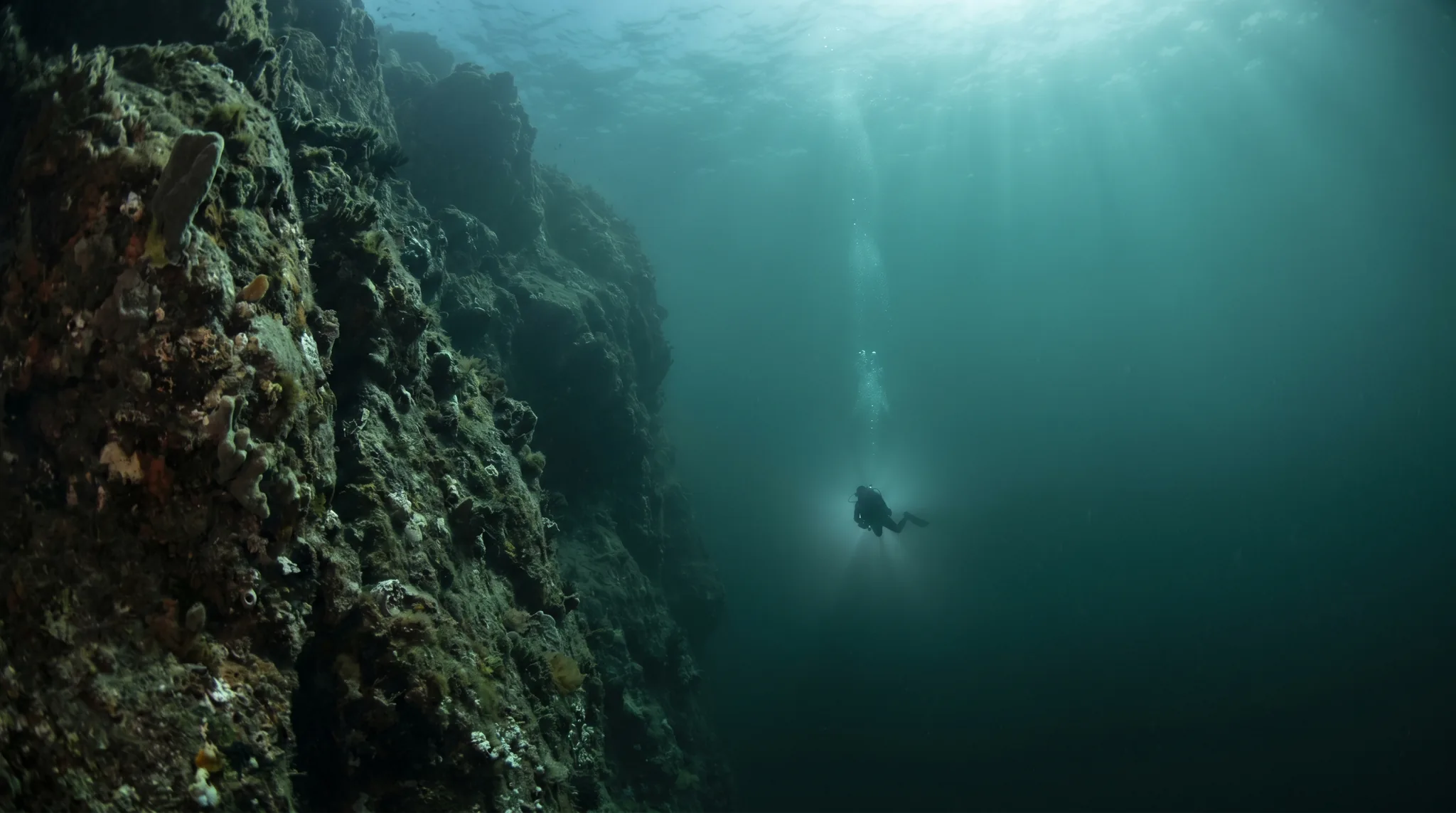
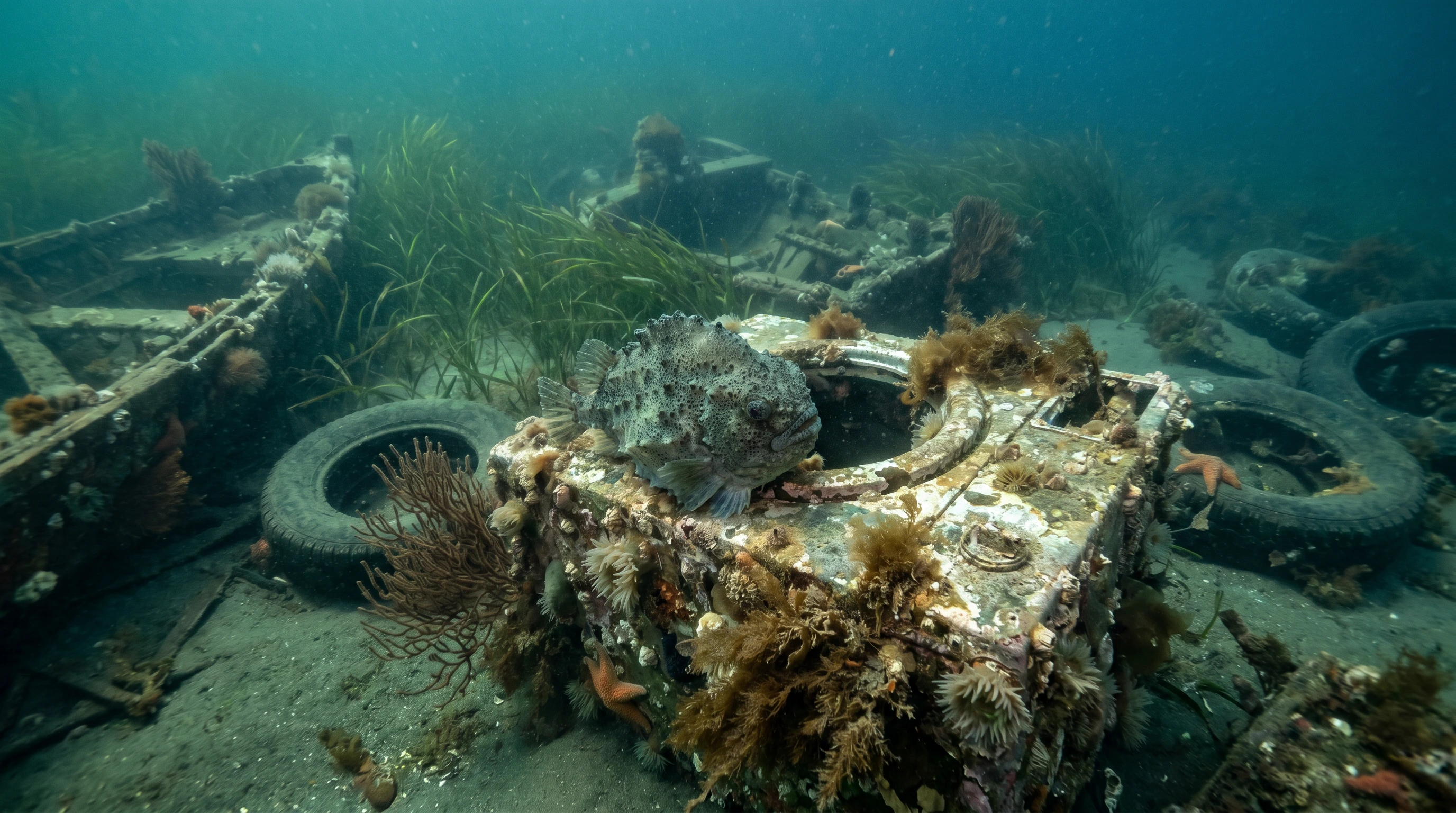
Puget Sound rewards divers with cold, productive water and a remarkable variety of site types across five distinct sub-areas. Walls, artificial reefs, wrecks, kelp forests and muck sites all feature within the region, spread across areas from Hood Canal to Whidbey Island and south through Tacoma. The Giant Pacific Octopus and Wolf-eel are signature finds, while Rock Crab, Mottled Star and Egg-yolk Jellyfish appear across nearly every site. Most access is from shore, and the skill range runs from beginner to advanced.
5 areas
Monthly water temperature across Puget Sound's sites, from satellite sea-surface data corrected for depth. The band shows the site-to-site spread.
Water temperature stays cold year-round, rising only slightly through summer and early autumn. The warmest conditions coincide with the best-rated months, broadly from mid-year into autumn, when visibility also tends to be more reliable. Winter diving is possible but demands a well-insulated drysuit setup.
31 operators
Everett, United States

20 more sites to explore
Southern Puget Sound shore diving with strong Narrows currents, wall dives, and diverse cold-water species.
Water temperature around Puget Sound ranges from about 8°C in January to 12°C in July, based on satellite sea-temperature data for its dive sites.
In the warm season (about 12°C) a 7mm or semi-dry suit is comfortable in Puget Sound; in the coldest months (about 8°C) step up to a drysuit.
Fin maps 32 sites in Puget Sound (32 scuba diving sites and 3 snorkelling spots, with some suited to both), organised into 5 areas.
Across Puget Sound's dive sites, June, July, August, September and October are most often reported as the best months to visit.
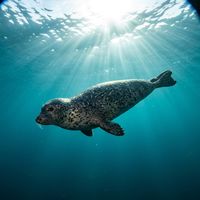
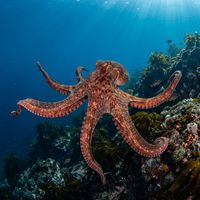
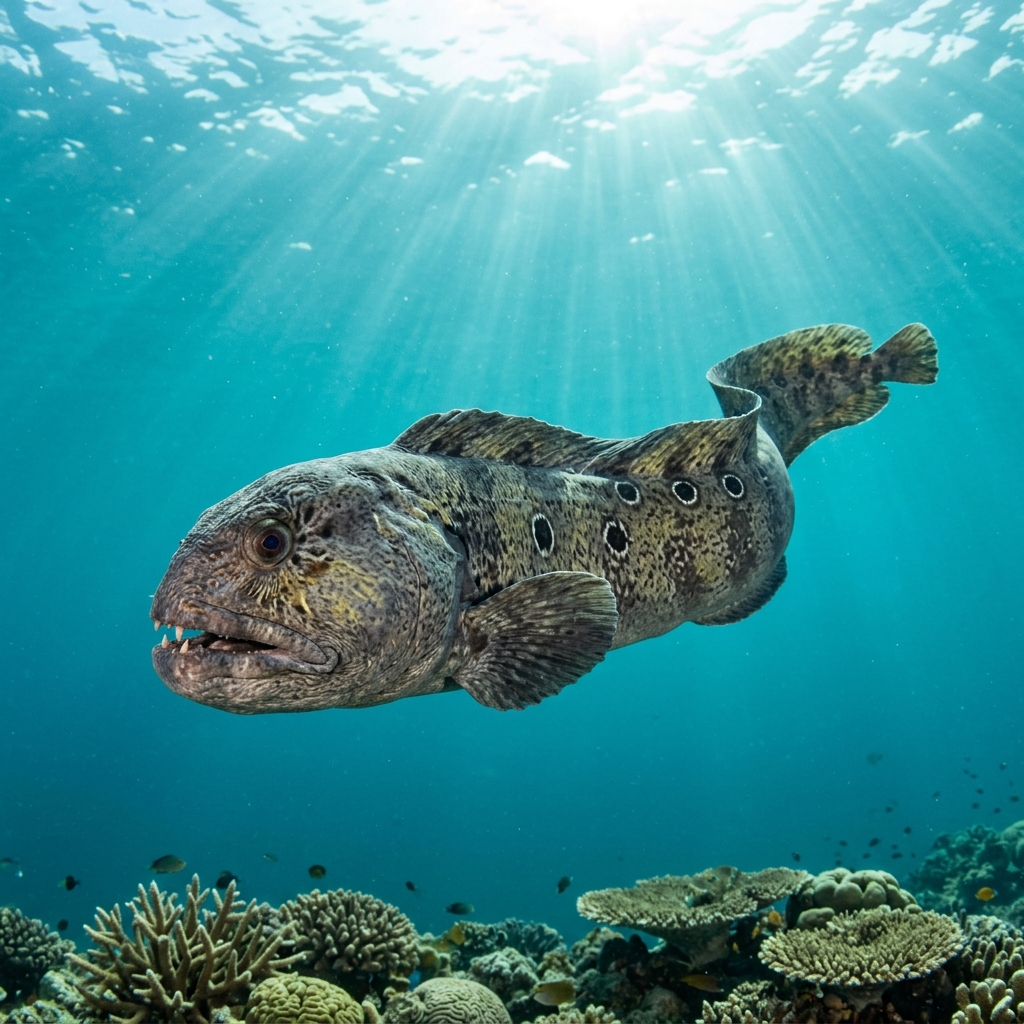
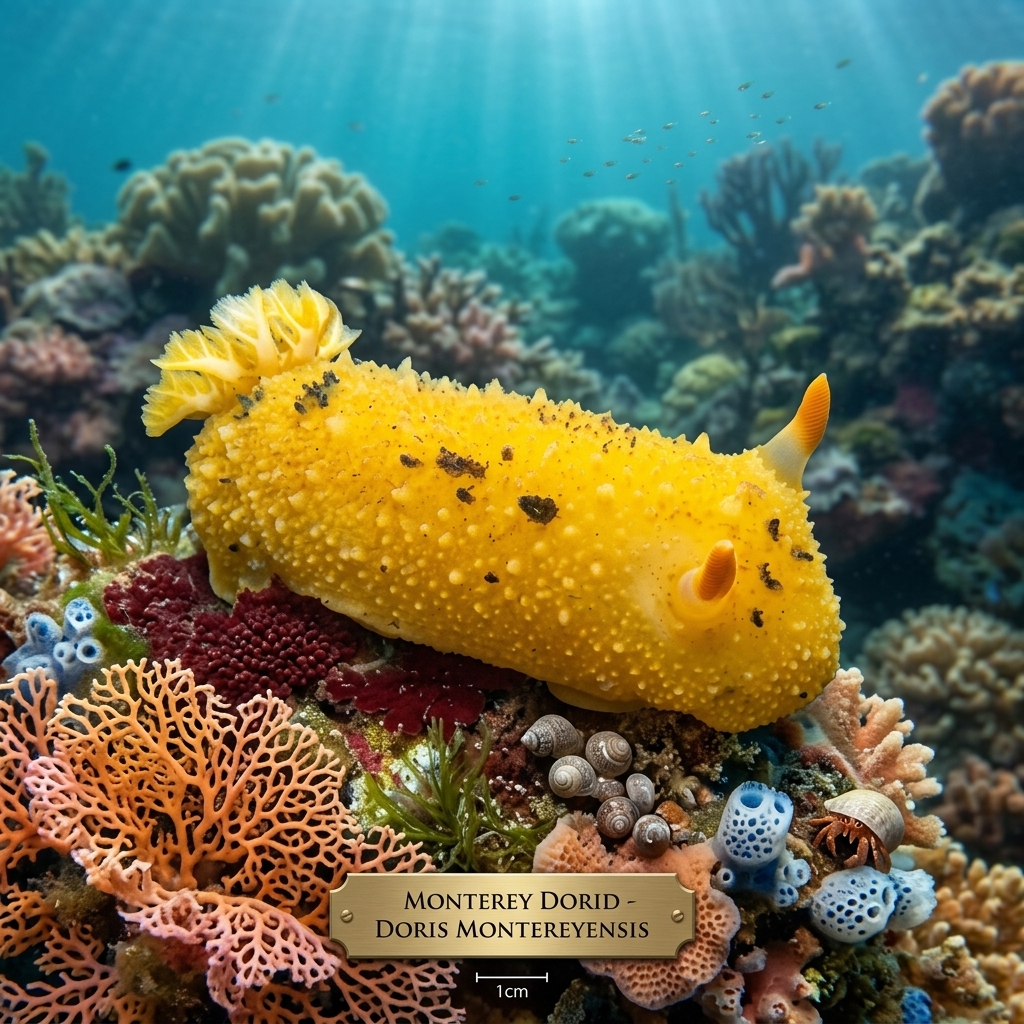
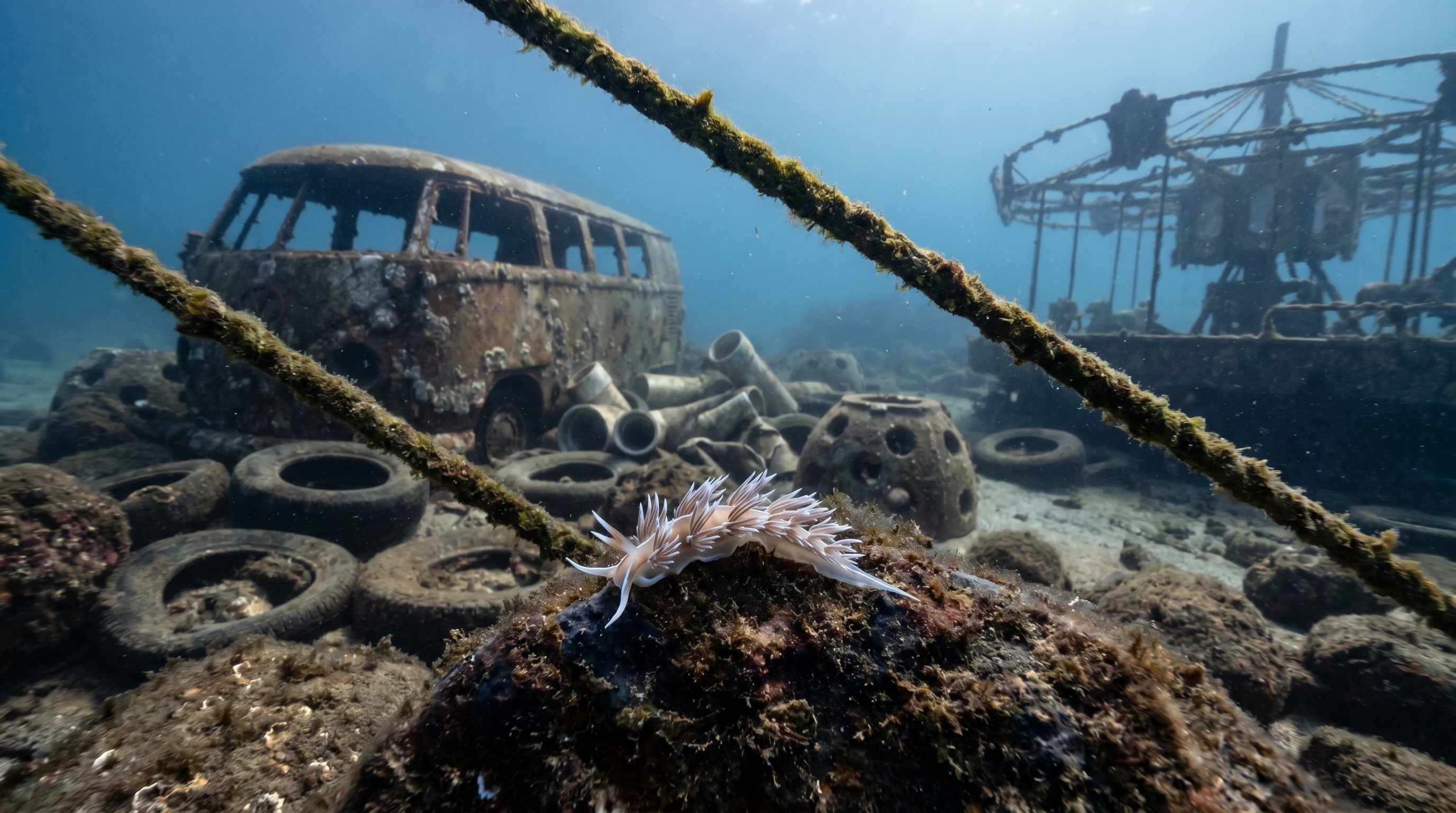
The Giant Pacific Octopus is the standout encounter and is observed across a large share of sites. Wolf-eel, Ling Cod and Scorpionfish are common reef residents, while Hermissenda, Monterey Dorid and White-lined Dirona reward macro-focused divers. Harbor Seal is very commonly sighted, and King Crab appears at a good number of sites.
A solid range of sites is accessible to beginners, including Edmonds Underwater Park, Redondo Beach, Three Tree Point and Seacrest Cove 1, all of which are shore-entry and relatively shallow. Intermediate divers have plenty of wall and drift options, while sites such as Day Island Wall carry strong currents and are suited to advanced divers only. Checking conditions and diving within your certification level is important throughout the region.
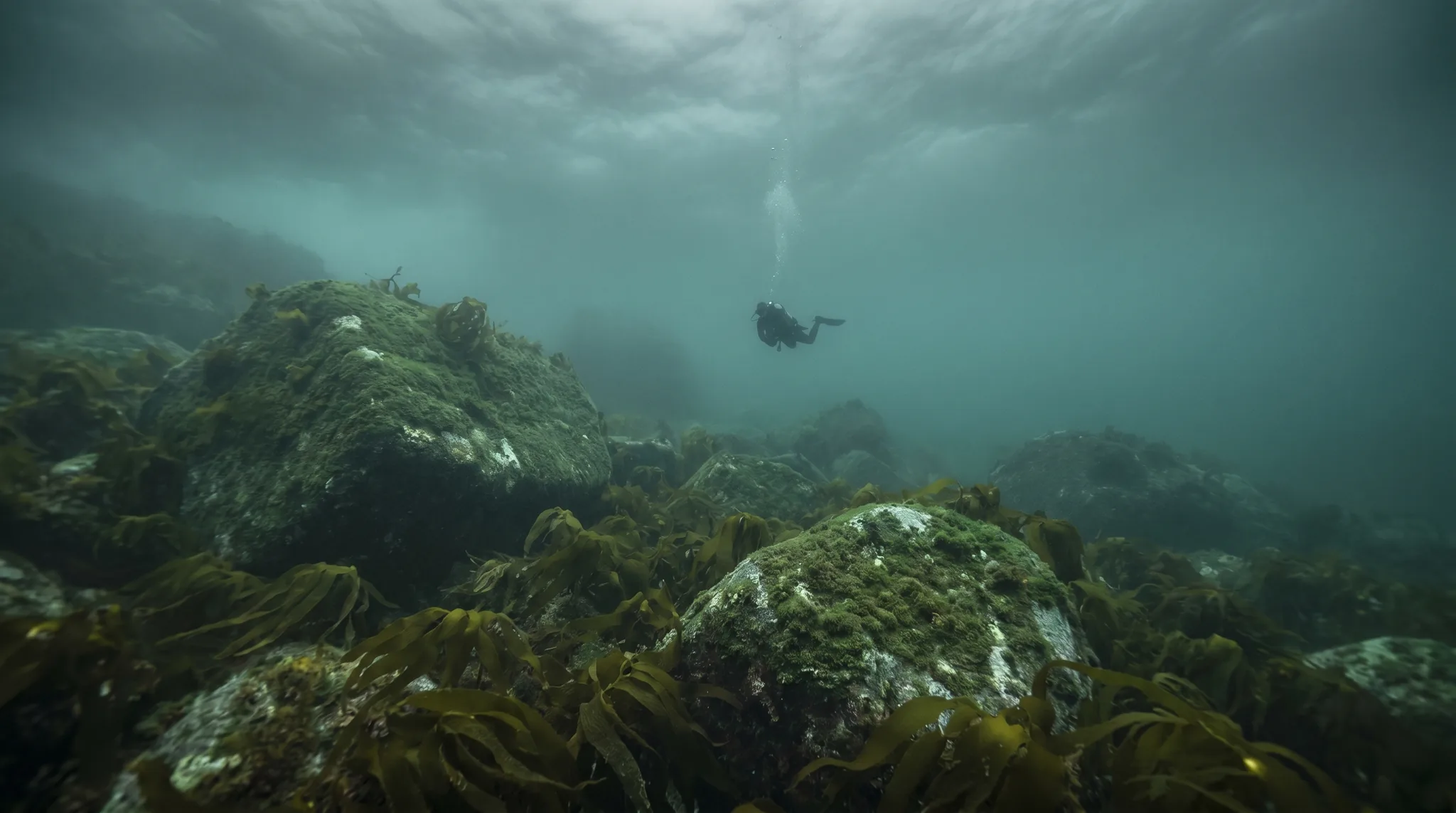
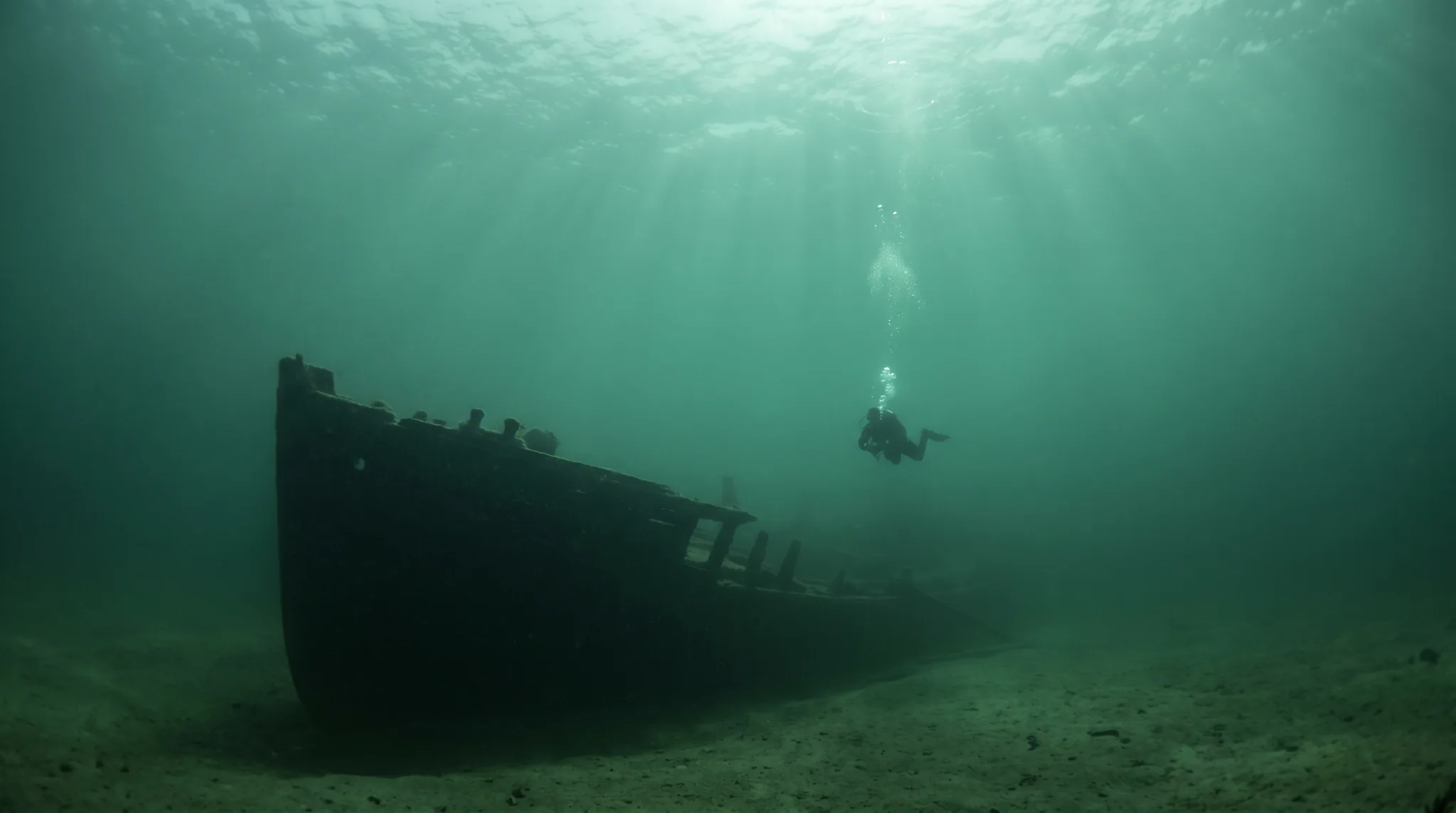
Hood Canal hosts sites like Sund Rock and Glen Ayr with reef, wall and wreck variety in a more sheltered inlet. Edmonds and Mukilteo are popular for the structured trails of Edmonds Underwater Park. The Seattle area and Tacoma and South Sound both offer strong artificial reef diving, including pier and piling habitats at sites such as Titlow Beach. Whidbey Island adds more exposed wall diving, including Skyline Wall with its kelp forest.
Shore entry is by far the most common access type across Puget Sound sites, making the region practical and cost-effective for independent divers. Several sites also offer boat access as an alternative. Operators including Lighthouse Diving Center, Octopus Gardens Diving and YSS Dive Tacoma run guided and boat-supported dives for those who prefer them.